




Geneva A Global Hub for Environmental Governance
Environment Key Areas
Sustainable Development Goals
- SDG1: No poverty
- SDG2: Zero hunger
- SDG3: Good health and well-being for people
- SDG4: Quality education
- SDG5: Gender equality
- SDG6: Clean water and sanitation
- SDG7: Affordable and clean energy
- SDG8: Decent work and economic growth
- SDG9: Industry, innovation, and infrastructure
- SDG10: Reducing inequalities
- SDG11: Sustainable cities and communities
- SDG12: Responsible consumption and production
- SDG13: Climate action
- SDG14: Life below water
- SDG15: Life on land
- SDG16: Peace, justice and strong institutions
- SDG17: Partnerships for the goals

Events
See all 
Body Meeting
14th meeting of the Protocol on PRTRs Compliance Committee
18 – 19 Apr 2024
Palais des Nations | Room VIII
Aarhus Convention

Body Meeting
26th session of the Working Group on Environmental Monitoring and Assessment
18 – 19 Apr 2024
Palais des Nations | Room V
UNECE

Virtual
Ecosystems in land administration How are land and cadastral authorities working with new ecosystems in land administration?
18 Apr 2024 09:00 – 10:30
Online | Webex
UNECE
Jobs
See all

Learning
See all
Course in Geneva
CAS Stratégie et management des énergies – Des clefs pour une transition durable
13 Jan – 30 Jun 2024
Geneva
UNIGE

Updates
See all
16 Apr 2024
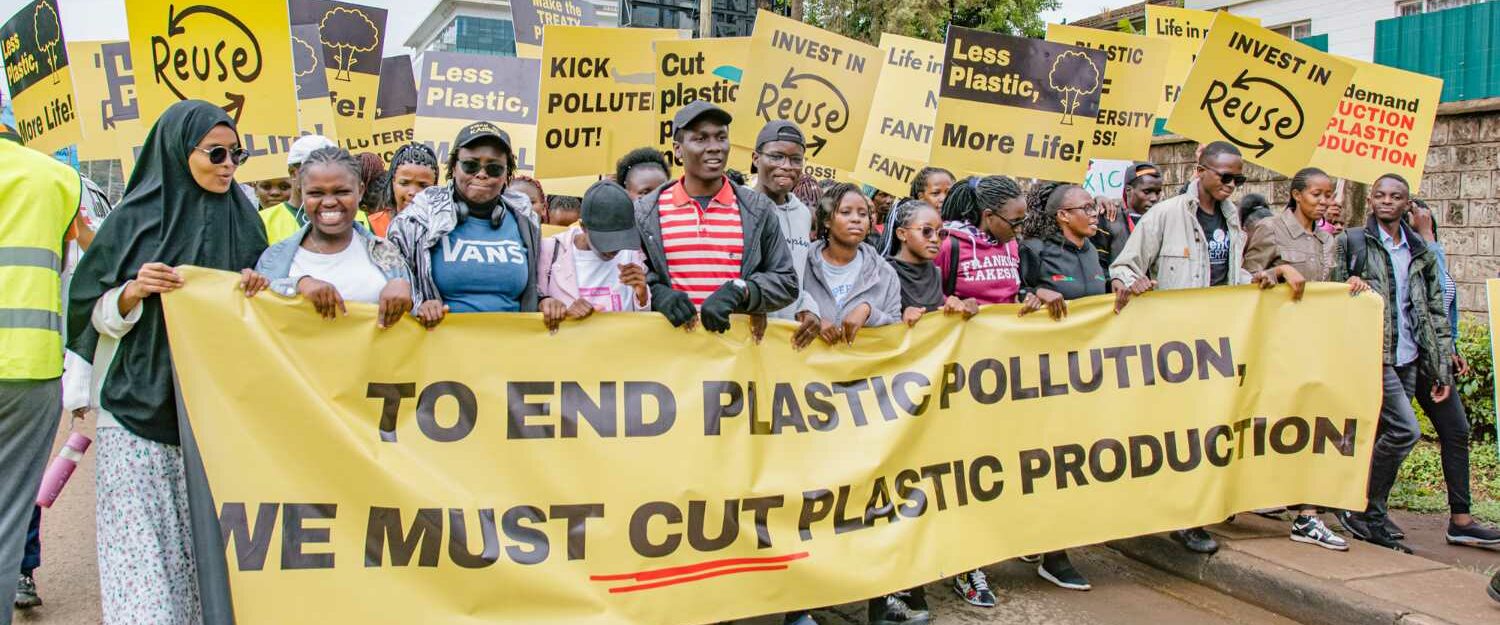
Towards Plastics Pollution INC-4

16 Apr 2024
Geneva Beat Plastic Pollution Dialogues
15 Apr 2024
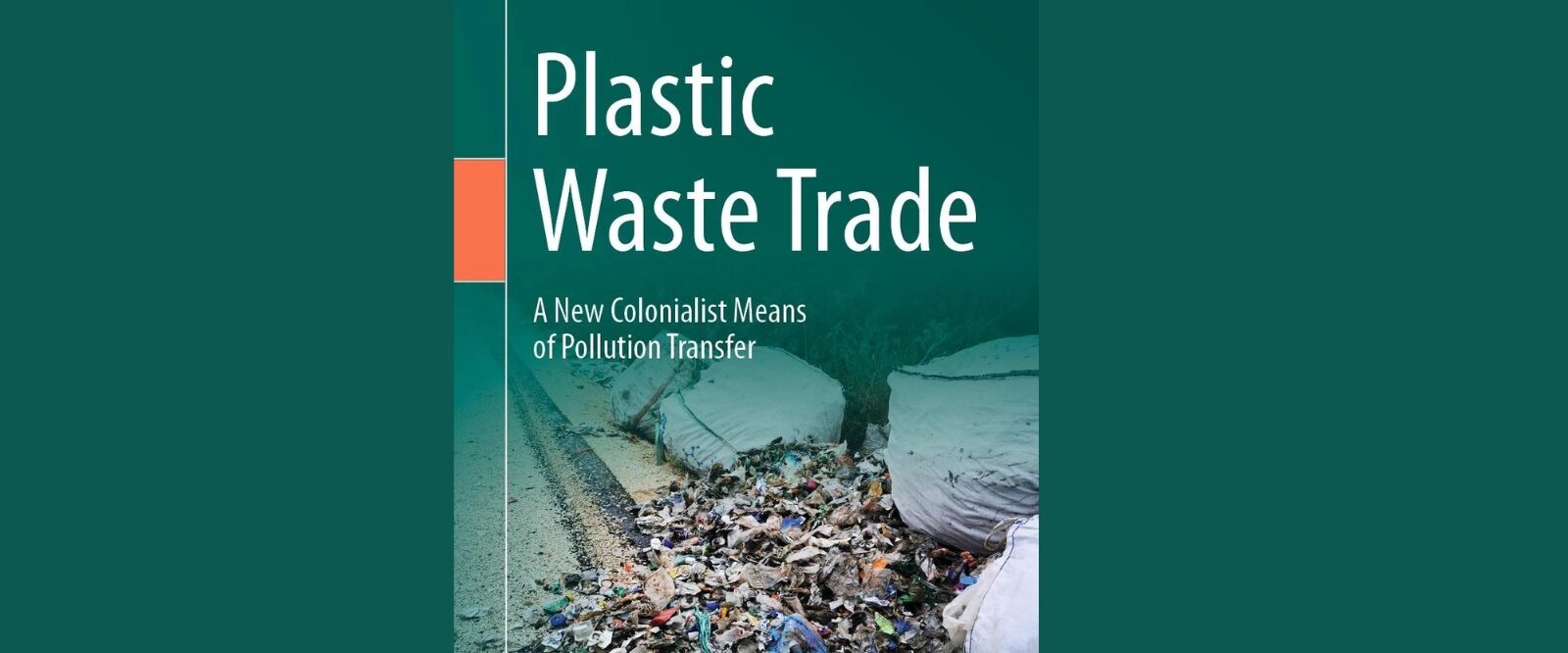
Plastics and the Environment