
Événement Virtuel
Pharmaceutical Residues in Wastewater: Addressing Challenges at the End-of-Pipe
08 Oct 2025
14:00 – 15:30
Lieu: Online | Webex
Organisation: Branche produits chimiques et déchets du PNUE, Geneva Environment Network
This online event is part of the “Addressing Pharmaceuticals in the Environment through a Lifecycle Approach” Event Series, co-organized by the United Nations Environment Programme in cooperation with the World Health Organization and the Geneva Environment Network.
About this Event
Pharmaceuticals play a critical role in maintaining human and animal health, enhancing food production, and driving economic prosperity. However, their release into the environment—whether during manufacturing, use, or end of life — may pose significant risks.
Wastewater has been widely reported as one of the main pathways through which pharmaceutical residues enter the environment. The magnitude of this contribution depends largely on the origin and volume of the effluent, as well as the availability and efficiency of treatment systems.
Addressing the issue requires integrating scientific evidence, technological innovation, and stakeholder collaboration to develop effective solutions. Strengthening regulatory frameworks and promoting knowledge-sharing among countries will be essential to support coordinated and effective responses.
Leading experts joining the panel of this event shared experience, practical innovations as well as possible strategies for the monitoring, prevention and treatment of wastewater containing pharmaceutical residues from key sectors.
Addressing Pharmaceuticals in the Environment through a Lifecycle Approach Event Series
The United Nations Environment Programme, in cooperation with the World Health Organization, the Geneva Environment Network, and other key partners, is organizing a series of events to raise awareness and share best practices, challenges and opportunities to address this pressing issue. The virtual events bring together experts, decision makers and other relevant stakeholders from around the world to discuss innovative practices throughout pharmaceutical lifecycle and across key sectors such as pharmaceutical manufacturing, healthcare facilities, agriculture, food production, and municipalities/households, shedding light on the benefits of action as well as existing tools.
Speakers
By order of intervention.

Fernando Gastón ITURBURU
Pharmaceutical Lifecycle Expert, Chemicals and Health Branch, UN Environment Programme

Kate MEDLICOTT
Team Lead, Sanitation and Wastewater, World Health Organization

Yongjun ZHANG
Vice Director, International Office | Professor, School of Environmental Science and Engineering, Nanjing Tech University, China

Sara RODRÍGUEZ-MOZAZ
Research Scientist, Instituto Catalán de Investigación del Agua, Spain

Rajeshwari SINHA
Senior Programme Manager, Centre for Science and Environment, India

Olfa MAHJOUB
Associate Professor, National Research Institute for Rural Engineering, Water and Forestry - INRGREF, University of Carthage, Tunisia

Popi KARAOLIA
Wastewater Surveillance for Africa Initiative, Source to Sea Pollution Unit, Ecosystems Division, UN Environment Programme

Nada HANNA
Pharmaceutical and Antimicrobial Resistance (AMR) Expert, Chemicals and Health Branch, UN Environment Programme | Moderator
Highlights
Video
Summary
Opening Remarks
Fernando Gastón ITURBURU | Pharmaceutical Lifecycle Expert, Chemicals and Health Branch, UN Environment Programme
- Pharmaceuticals are essential in daily lives—for food production, human health, and animal health. However, in recent years, concern has grown about the presence of these chemicals in the environment. There has been a steady increase in scientific publications on pharmaceutical monitoring, reflecting greater awareness and reporting of their occurrence in both aquatic and terrestrial ecosystems.
- Pharmaceuticals can also have significant environmental impacts. A well-known case in India showed that diclofenac caused direct toxicity to vultures, drastically reducing their population and creating socioeconomic consequences. Other effects are sublethal, such as behavioral changes or endocrine disruption in aquatic organisms like fish and frogs, which can affect populations and communities. Pharmaceuticals can also disturb ecological processes, such as nutrient cycling of nitrogen and phosphorus, which in turn disrupt ecosystem services.
- A particularly serious concern is antimicrobial resistance (AMR), which poses risks not only to the environment but also to human health. Forecasts show millions of deaths could be attributable to AMR over the next 25 years.
- To address these challenges, UNEP takes a life-cycle approach, considering all sectors involved—from production to disposal. The pharmaceutical life cycle is complex, with many interconnected pathways through which substances can move between sectors and into the environment. Wastewater plays a key role as a major route of pharmaceutical release, coming from households, healthcare facilities, the pharmaceutical industry, livestock, and aquaculture operations.
- Although the issue is complex, different sectors have the potential to work together to tackle the problem of pharmaceuticals in the environment.
Kate MEDLICOTT | Team Lead, Sanitation and Wastewater, World Health Organization
- The World Health Organization (WHO) addresses the manufacturing stage of the pharmaceutical life cycle within the Global Action Plan on Antimicrobial Resistance and its work on chemicals management in the health sector and beyond. The Guidance on wastewater and solid waste management for manufacturing of antibiotics, published last year, is part of two recent WHO publications that target different stages of the pharmaceutical life cycle: one at the beginning (manufacturing) and one at the end (Safe management of pharmaceutical waste from health care facilities: global best practices).
- Some may ask why manufacturing is such a priority, given that its total wastewater volume may be small. The reason is that discharges from manufacturing can contain very high concentrations of antibiotics, which can strongly drive the emergence of resistance. This area is also largely unregulated, so there is real potential for improvement.
- Many international bodies have called for action on this issue, and there was a clear need for independent scientific guidance to support industry. At the same time, WHO has emphasized that efforts to reduce harmful discharges must not compromise access to essential medicines, especially antibiotics. Therefore, the guidance follows a stepwise, phased approach to balance environmental protection with public health needs.
- The current guidance focuses on antibiotics only and covers all stages of the manufacturing chain. It places particular emphasis on liquid effluent but also addresses solid waste. It sets targets related to both public health (resistance emergence) and environmental impacts (ecotoxicological effects), while outlining what falls outside its scope.
- The conceptual framework is built around three main components, each with distinct target audiences:
- Setting targets – determining safe limits that prevent AMR emergence.
- Implementing risk management – ensuring manufacturing practices meet those limits.
- Independent verification – confirming compliance through monitoring and reporting.
- Targets are based on effluent water quality, expressed as Pₑₓ (predicted no-effect concentrations for resistance selection) and Pₑcₒ (for ecotoxicological effects). The guidance also covers cases like “zero liquid discharge,” outlining how those should be treated, and sets minimum technology standards for handling solid waste, resistant bacteria, and liquid effluent.
- In the annex, the document provides Pₑₓ values for 125 antibiotics, along with methods for chemical analysis or mass balance approaches (used by the industry alliance). It also offers guidance on dilution factors, identifying the sampling sites and treatment points for accurate monitoring.
- Finally, the next step is broad implementation. WHO is working to promote uptake of this guidance among regulators, procurement agencies (such as hospitals and regional health bodies), inspection and auditing schemes (including industry-led and WHO’s own GMP audits), as well as investors and other industrial actors. Collaboration with associations like RAGNA (regulators’ association for AMR) and integration into WHO’s own procurement systems will be key to driving progress in reducing pharmaceutical manufacturing discharges and combating antimicrobial resistance.
Yongjun ZHANG | Vice Director, International Office | Professor, School of Environmental Science and Engineering, Nanjing Tech University, China
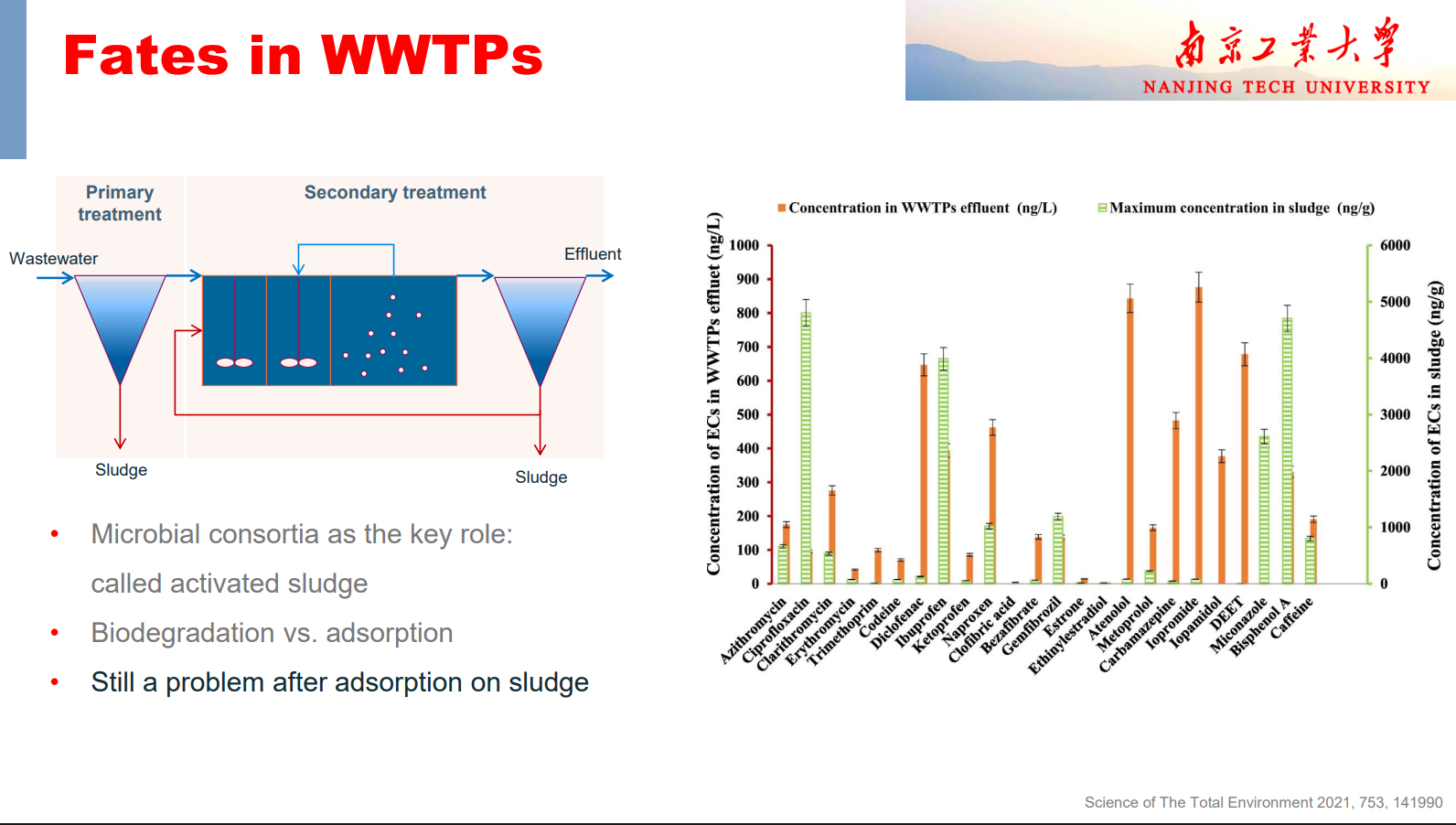
- Pharmaceuticals are essential for human and animal health, but after we take them, they are not completely broken down in our bodies. The drugs and their metabolites are excreted and enter the sewage system, eventually reaching wastewater treatment plants (WWTPs). These plants act as a crucial barrier preventing pharmaceuticals and their transformation products from entering natural water bodies.
- However, removal efficiency varies greatly. Some pharmaceuticals can be removed by more than 80%, while others show low or even negative removal — meaning their concentrations increase due to the breakdown of conjugated forms. When we analyze the effluent, we often find concentrations high enough to pose ecological risks, particularly to microorganisms, making control essential.
- A typical wastewater treatment plant includes primary and secondary clarifiers that separate solids from water. The key process is the activated sludge system, where microorganisms degrade contaminants, including pharmaceuticals. But many pharmaceuticals are not easily biodegradable, which limits their removal.
- Biodegradation kinetics models are used to estimate whether a compound is biodegradable. If its rate constant is below 0.1, it’s considered very persistent. Some pharmaceuticals are removed through sorption — attaching to sludge — but this is not a true removal, since sludge must be further treated. Studies have shown that many pharmaceuticals accumulate in sludge, and in some places, this sludge is used as fertilizer, which reintroduces contaminants into the environment. Incineration of sludge can destroy pharmaceuticals, but this is not always practiced.
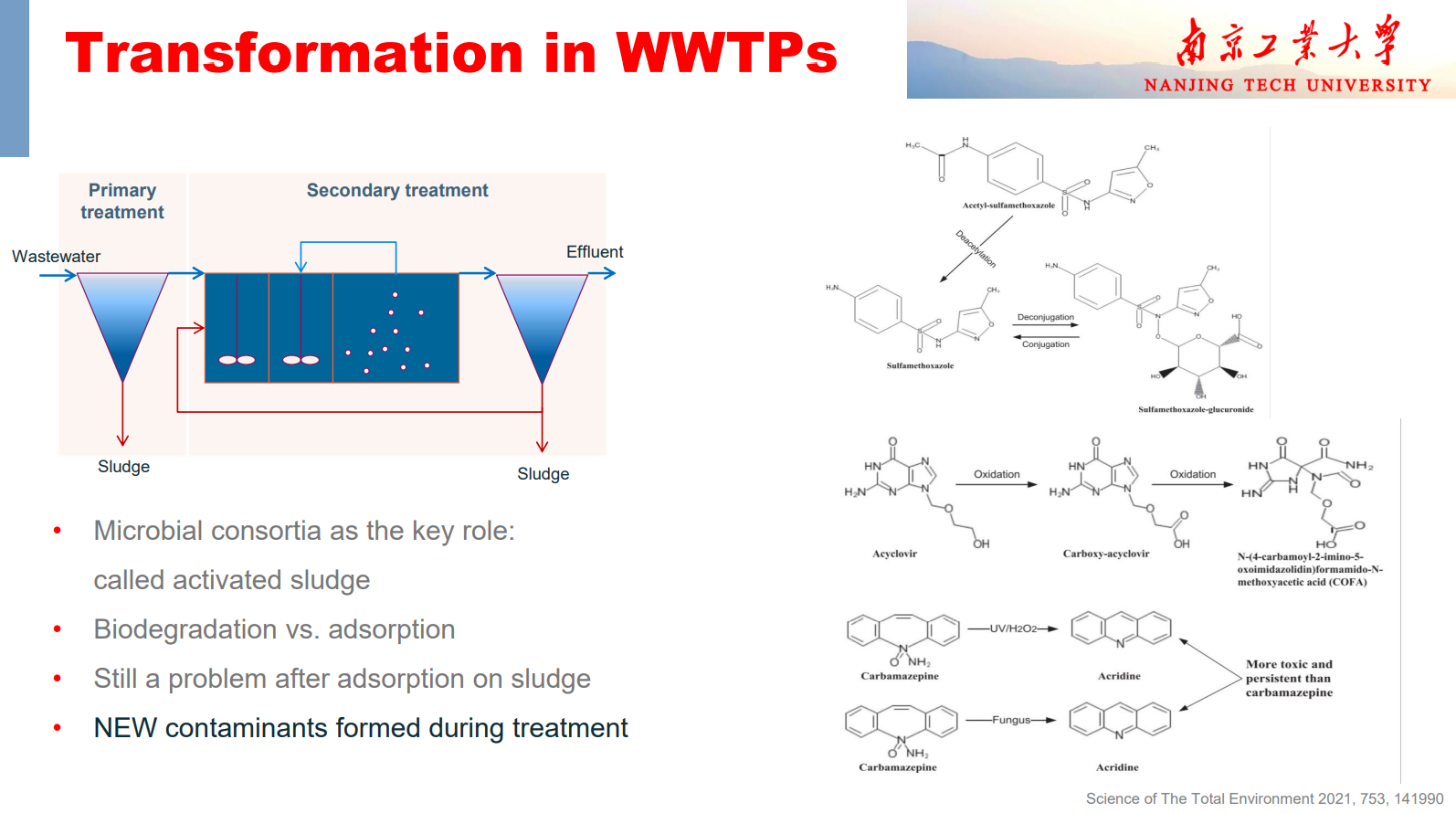
- Importantly, when we talk about “removal” or “elimination,” we often mean transformation, not complete destruction. Many pharmaceuticals are converted into new compounds — transformation products — which can also be harmful. Therefore, monitoring these byproducts is essential.
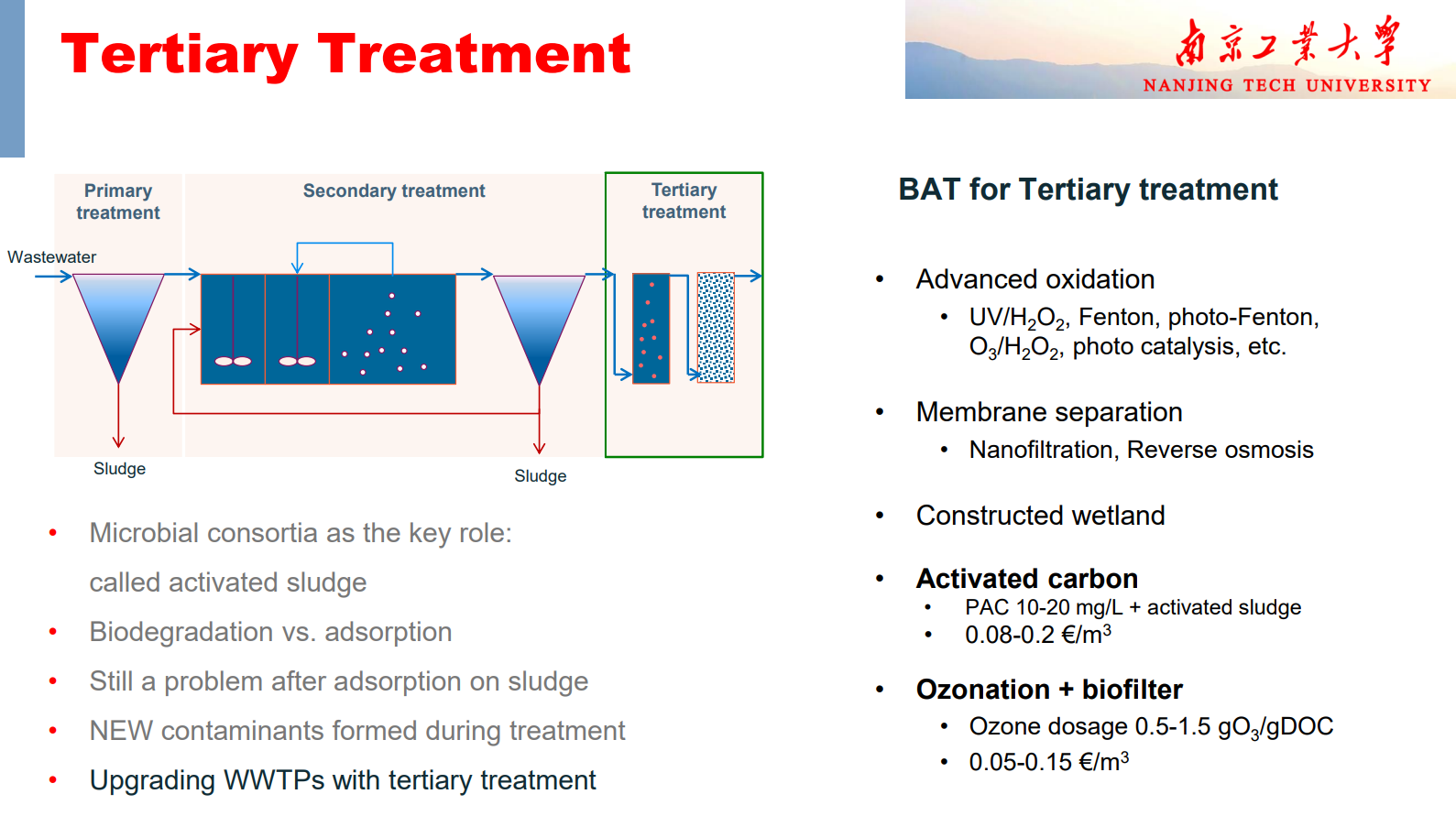
- To improve performance, WWTPs can be upgraded with tertiary treatment technologies such as advanced oxidation, membrane filtration (nanofiltration, reverse osmosis), constructed wetlands, or more commonly ozonation and activated carbon adsorption. These two methods are already used at full scale in Europe, China, and some parts of the U.S. Ozonation is effective and relatively affordable, but it can create toxic byproducts, including bromate, a carcinogenic compound. So, these methods must be applied with care.
- In China, a national plan to control pharmaceuticals and other “new pollutants” was released in 2022. Provinces have since developed their own regional plans. The list of priority pollutants includes antibiotics, industrial additives, and others. Industrial wastewater treatment has become a major demonstration area for removal technologies. For example, in Jiangsu Province, one of the largest chemical-producing regions globally, almost all industrial parks have installed tertiary treatment systems like ozonation or activated carbon.
- Pharmaceutical pollution is a global issue, not just local or regional. Pollutants can move through trade, and pharmaceutical production often involves long international supply chains. There is a need to work together to design greener chemicals, develop affordable and effective technologies, and ensure equity in water quality.
- Advanced technologies exist, but cost remains the main challenge, especially for developing regions. Therefore, international cooperation is essential. UNEP can play a key role by coordinating global efforts, sharing strategies and knowledge, and helping less developed regions build local solutions. Partnerships with organizations like the International Water Association and the NORMAN Network can further strengthen this global collaboration.
Sara RODRÍGUEZ-MOZAZ | Research Scientist, Instituto Catalán de Investigación del Agua, Spain
- Water scarcity is an increasingly serious issue, especially in arid and semi-arid regions such as the Mediterranean. It affects many countries and sectors, with agriculture being one of the most impacted. In this context, wastewater reuse for irrigation presents both opportunities and challenges.
- Even treated wastewater from secondary treatment cannot be directly used for crops—it needs further purification. There are several possible treatment options, such as ozonation, UV treatment, advanced oxidation processes, and nature-based solutions, often used in combination while considering cost and efficiency. Centralized wastewater treatment systems must ensure environmental and human health safety by controlling pathogens, nutrients, metals, and organic pollutants, including pharmaceutical residues.
- Wastewater can be reused for industrial, recreational, or environmental purposes, but here the focus is on agricultural irrigation. In Europe, there has been a regulation on water reuse for about five years, specifically addressing the use of treated wastewater for crop irrigation. Spain has been a pioneer in this area, with national regulations aligned with the European framework, given its long history of using reclaimed water for irrigation—especially for edible crops, which are most relevant for human exposure.
- The Catalan Institute for Water Research carried out studies in Catalonia (Spain) and on the Greek island of Lesbos. In Greece, they have established a field experiment using wastewater from a town that underwent anaerobic treatment (UASB) followed by a constructed wetland system. The treated water was then used to irrigate crops. Samples of water, soil, and vegetables were collected and analyzed in their laboratory in Girona for pharmaceutical content.
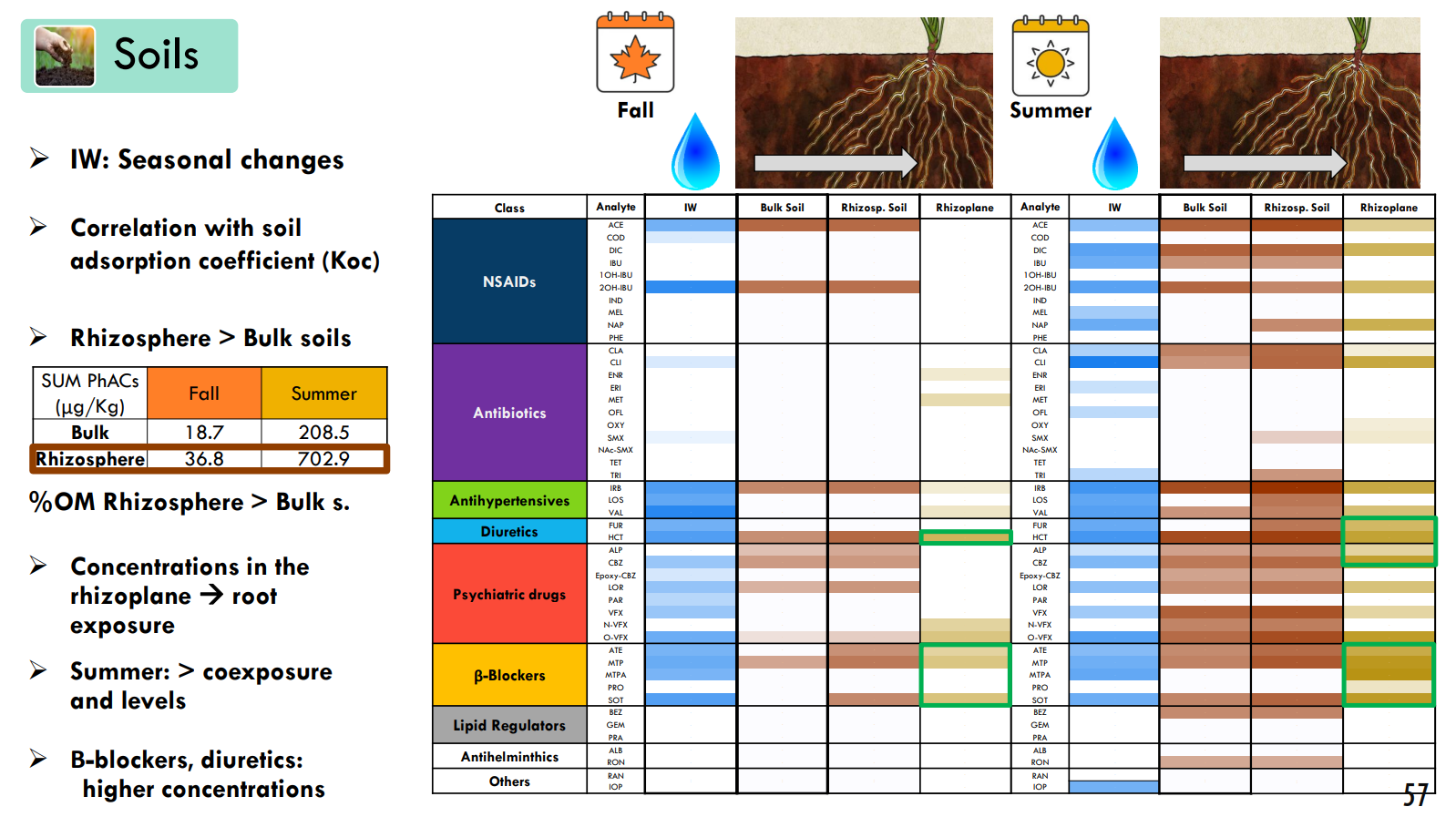
- The institute’s focus is particularly on soil samples, as soils are the first receptors of contaminants. Sampling took place in two seasons (summer and fall), where bulk soil, rhizosphere soil (around the roots), and rhizoplane (the biofilm attached to roots) were differentiated.
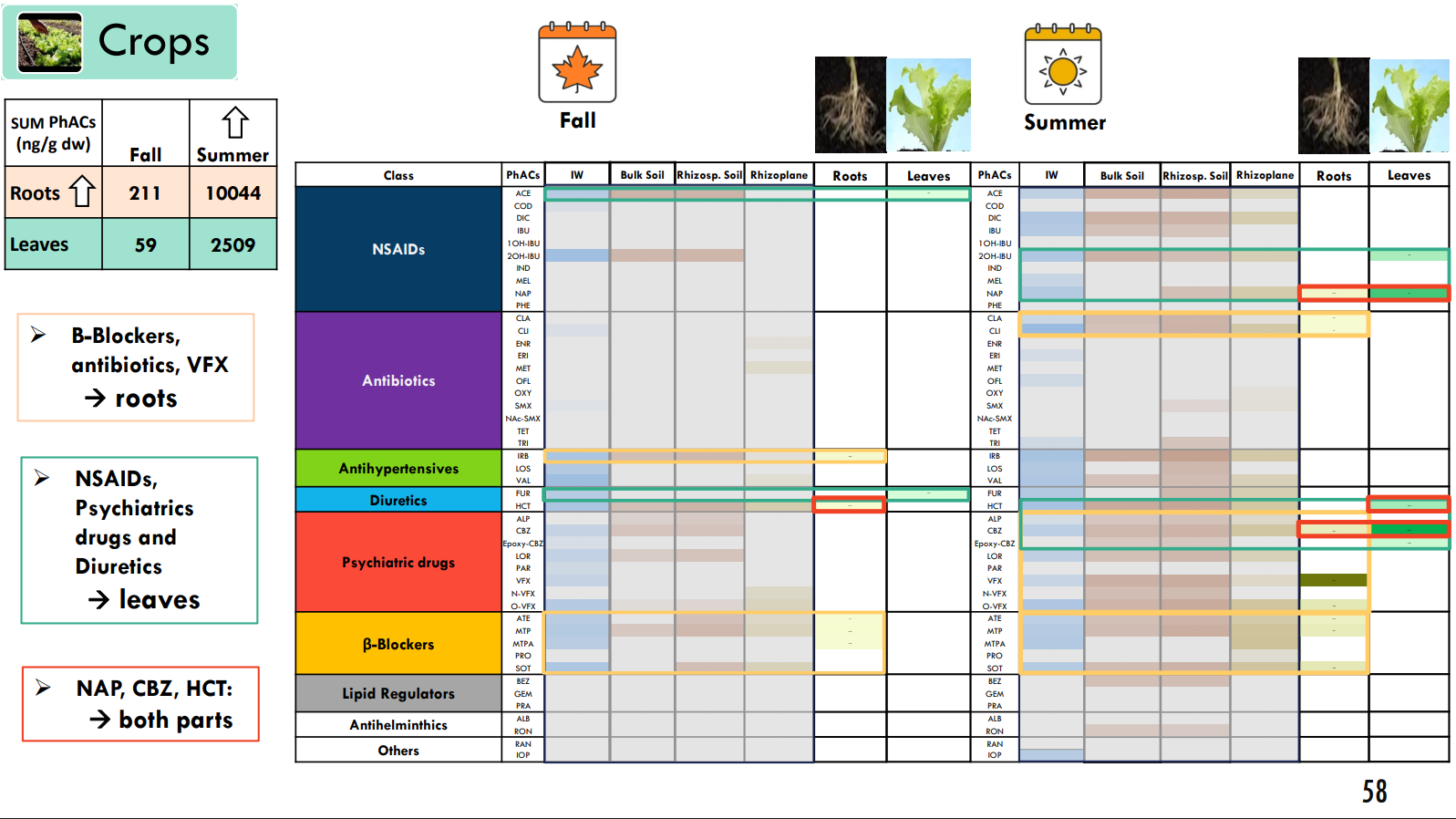
- In crops, mainly lettuce and tomatoes were studied, with separate analysis of roots and leaves to understand how contaminants move within the plant. Observations showed that pharmaceutical concentrations in water correlated with those found in soils, especially around the roots, with higher levels detected in summer. Some compounds were detected in plants—mainly in the roots, but a few also reached the edible leaves, which is relevant for human health considerations.
- Field studies were complemented with controlled hydroponic experiments to better understand specific pharmaceuticals, such as venlafaxine (an antidepressant) and its metabolite, O-desmethylvenlafaxine. Both accumulated more in the roots than in the shoots due to their physicochemical properties, but their accumulation behaviors differed. Minor metabolites were also detected, highlighting the importance of monitoring not only parent compounds but also their transformation products.
- To identify which pharmaceuticals pose the highest risk in wastewater reuse scenarios, a regional database is built combining data from about 30 studies conducted over the last decade in Catalonia, covering 150 pharmaceuticals and metabolites. Using this data, a prioritization framework was developed.
- The institute first applied environmental risk assessment criteria (OPBT)—occurrence, persistence, bioaccumulation potential, and toxicity—to narrow the list to around 70 compounds. Then, through risk assessment models, the potential impacts on terrestrial ecosystems and human health were evaluated, considering plant uptake and dietary exposure.
- Results and implications are the following:
- For soil ecosystems, six pharmaceuticals—including three antibiotics—were identified as potentially posing risks.
- For human health, compounds such as carbamazepine, fluoxetine, and venlafaxine (and its metabolite) were among those evaluated.
- The results showed that, to reach any concerning exposure level, a person would need to consume around one kilogram of lettuce or more than one kilogram of tomatoes daily, indicating that the risk to consumers is generally low under current conditions.
- Wastewater reuse for irrigation is a valuable and sustainable practice in water-scarce regions, provided that it is supported by appropriate treatment technologies, risk assessments, and regulations. Continuous monitoring of pharmaceuticals and their metabolites remains essential to ensure environmental protection and food safety.
Rajeshwari SINHA | Senior Programme Manager, Centre for Science and Environment, India
- AMR is a global public health challenge. It’s now widely recognized as a One Health issue, meaning it is driven by multiple sources — human, animal, and environmental. Among these, antibiotic manufacturing has emerged as a key sector contributing to antibiotic residues in the environment through wastewater discharges.
- Over the past few years, this issue has gained significant global attention. For instance, the 2023 UNEP report “Bracing for Superbugs” identified pharmaceutical manufacturing as one of the major economic sectors contributing to the environmental dimension of AMR. Similarly, the joint WHO–UNEP global guidance on managing antibiotic manufacturing waste, and the call to action by the Global Leaders Group on AMR, both emphasized the need to address antibiotic discharges from manufacturing. The 2024 UN Political Declaration on AMR also underscored this priority, calling for stronger measures to reduce antimicrobial residues entering the environment.
- Over the past few years, Centre for Science and Environment (CSE) has worked closely with key stakeholders — pollution control regulators, pharmaceutical manufacturers (both large and small), waste management operators, civil society, and the scientific community — to better understand the problem and to identify feasible, locally relevant solutions.
- The findings were quite encouraging. There is now growing recognition and acceptance of the issue within the sector. The earlier tendency to deny or downplay the problem has shifted towards acknowledgment and willingness to act. Stakeholders increasingly understand the science behind AMR and the connection to manufacturing waste. There is also a strong interest in finding collaborative solutions that are practical and fair.
- At the same time, there is a shared understanding that any approach must be context-specific and cost-effective — particularly for low- and middle-income countries. Industry stakeholders emphasized that solutions must protect public health and the environment without undermining access to antibiotics, business viability, or trade competitiveness.
- Globally, there has been debate about setting discharge limits for antibiotic residues from manufacturing facilities. It’s important to note that no binding global limits currently exist. However, CSE’s engagement with stakeholders showed that while discharge standards are important, the issue is much broader.
- The key is effective waste management and prevention at source — through good process control, cleaner production methods, and the use of appropriate treatment technologies. Many industries have started adopting advanced treatment systems, but these can be costly. Therefore, we must also invest in developing low-cost, affordable technologies for smaller manufacturers and provide capacity building and technical support.
- Regulatory backing is indeed crucial — but in the Global South, it needs to be phased and incremental, aligned with local realities and capacities. Beyond setting policies, we must also focus on monitoring and enforcement. This requires well-equipped laboratories, standardized analytical methods for antibiotic detection, and systems for transparent data sharing.
- In India, for instance, where many small and medium enterprises operate within common effluent treatment plants, tailored approaches that work at this collective scale are needed — not just standards designed for large facilities.
- Finally, as a civil society organization, CSE’s role has been to bridge stakeholders, share global knowledge, and inform policymakers about practical and science-based solutions. This doesn’t only mean advocating for standards, but also for comprehensive waste management guidelines, better monitoring, and continuous improvement.
- CSE’s experience so far has been very positive. There is growing awareness, collaboration, and momentum to address the problem. What is needed now are solutions that are effective, affordable, and equitable, keeping in mind our shared responsibility to protect health, the environment, and the integrity of our antibiotic supply chain.
Olfa MAHJOUB | Associate Professor, National Research Institute for Rural Engineering, Water and Forestry – INRGREF, University of Carthage, Tunisia
- Tunisia, like many water-stressed countries, needs alternative water resources to ensure water and food security. By 2050, the country will face severe water stress. Tunisia produces around 300 million cubic meters of treated wastewater per year — mostly secondary treatment — and about 7–10% of it is reused in agriculture. This water provides both water and nutrients, but it can also carry pharmaceuticals and Even though there’s a national strategy for reuse, the safety of both the treated water and the irrigated crops must be questioned.
- INRGREF began research on this in the early 2000s, pioneering the field in Tunisia and across the MENA region. The first projects focused on carbamazepine — a persistent anti-epileptic compound — and later on other emerging contaminants. They have collaborated with stakeholders, civil society, and academia. However, despite increasing publications, there’s still little research that influences policy or regulation.
- Their work began in northeast Tunisia, where saline groundwater left farmers with no choice but to use treated wastewater — the only available resource. This practice has continued for over 40 years and has shaped national reuse standards. The farmers themselves demand reuse, showing its acceptance. But given the irrigation method (mostly furrow), much water infiltrates the soil and groundwater, raising concerns about contamination.
- In their first studies, analyzing 25 pharmaceuticals and other compounds, they detected antibiotics like sulfamethoxazole and the anti-epileptic carbamazepine in both treated wastewater and storage basins — at similar concentrations — showing these compounds are transferred into irrigation water.
- When analyzing farm wells, they found these same pharmaceuticals, even in the control well upstream, suggesting other sources such as manure. Triclosan, for example, appeared in all groundwater samples.
- More recent work showed farmers often mix treated wastewater with groundwater — to adjust quality or compensate when wastewater is unavailable. They detected antibiotics in both sources, sometimes at relatively high concentrations.
- They also analyzed soils growing fodder crops and found carbamazepine, sulfamethoxazole, and trimethoprim, with concentrations increasing after tillage — possibly due to grazing animals introducing new antibiotics. Farmer practices clearly influence the spread of contaminants. In the fodder itself, they found residues that could pose risks to animal health, though more data are needed to confirm that.
- Studies have also shown antibiotic-resistant E. coli from manure, which is heavily used in this area — indicating a potential transfer of resistant bacteria.
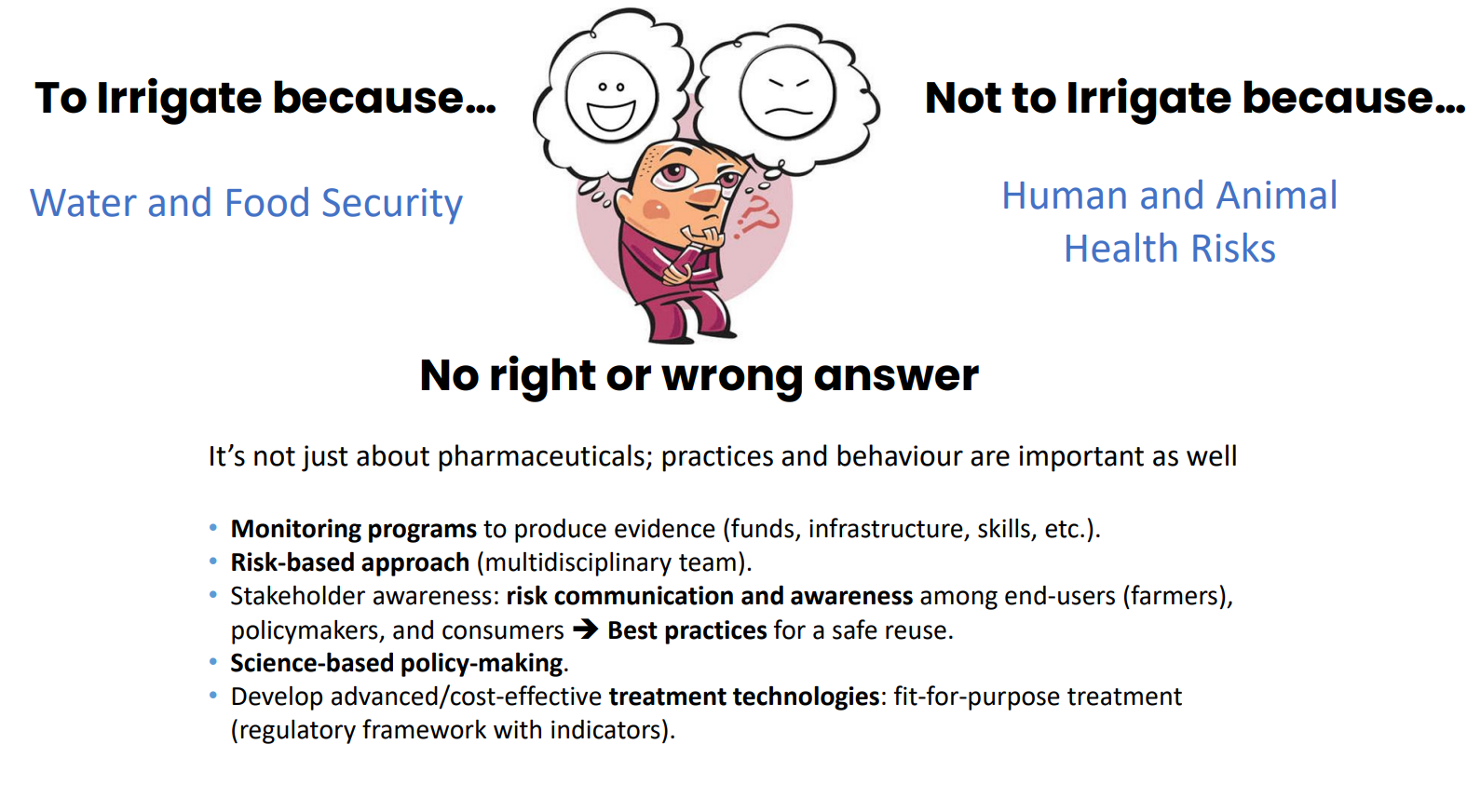
- Therefore, the question is: to irrigate or not to irrigate? There are arguments both ways. Farmers need this water for food and income security — not irrigating would threaten livelihoods. However, there are risks for human and animal health. So, there’s no simple yes or no — risks must be managed appropriately. The issue isn’t only the pharmaceuticals but also the agricultural practices and behaviors. A risk-based approach and reliable data are essential, along with science-based policymaking.
- INRGREF has just launched a new project using constructed wetlands to remove antibiotic-resistant bacteria, genes, and antibiotics — and updates will be shared in the future.
Open discussion
Q: What are the main challenges in addressing pharmaceutical release into the environment through wastewater?
Yongjun ZHANG | Vice Director, International Office | Professor, School of Environmental Science and Engineering, Nanjing Tech University, China
- Regarding control technology, there is a need for simple analyzers — instruments or methods to detect pharmaceuticals. Their concentrations are extremely low, at the nanogram-per-liter level, and many laboratories don’t have the facilities to measure them. Second, there is a need to completely destroy the target contaminants, not just transform them into another form. We must eliminate both the pharmaceuticals and their toxicity — that’s another major challenge. And third, all of this needs to be achieved at low cost.
Q: How are new analytic instruments and techniques helping improve the monitoring and understanding of pharmaceuticals in the environment?
Sara RODRÍGUEZ-MOZAZ | Research Scientist, Instituto Catalán de Investigación del Agua, Spain
- There is a need to develop new instrumentation — this need has been driving much of the research. In recent years, there have seen major progress in analytical methodologies. Although Instituto Catalán de Investigación del Agua’s work hasn’t focused heavily on analytical methods, they are moving from traditional target analysis toward non-target or suspect screening, which allows them to monitor a much wider range of compounds rather than just a few.
- At the same time, it’s still important to focus on certain priority compounds — selected case by case — that can serve as surrogates or indicators of environmental conditions and practices.
Q: Looking at the industrial dimension, particularly antibiotic manufacturing, what levers or practical tools are available to address pharmaceuticals in waste water particularly from manufacturing sources?
Rajeshwari SINHA | Senior Programme Manager, Centre for Science and Environment, India
- The key levers are quite straightforward. The most important one is having the right stakeholders taking action — that’s essential. Other important levers include awareness and capacity building, having proper policies and regulations in place, and promoting research and development to generate data and supporting evidence on current practices and future directions.
- Surveillance and monitoring are also crucial, along with the right infrastructure to support them. Technology is another important lever.
- Returning to the stakeholder point — industry, in particular, plays a very important role. One key lever for industry is the adoption of preventive practices to minimize environmental inputs, while also focusing on technology development, in-house capacity building, and supporting policy.
Q: What does it take to convince stakeholders to reuse waste water for irrigation when there is reluctance due to concern about pharmaceutical residue, particularly where there are no alternative water sources?
Olfa MAHJOUB | Associate Professor, National Research Institute for Rural Engineering, Water and Forestry – INRGREF, University of Carthage, Tunisia
- The first step is to explain to users the sources of pharmaceuticals — helping them understand that they themselves are the main source, along with animals and certain industries. With that awareness, people can adopt more responsible behavior, using pharmaceuticals more carefully for both humans and animals.
- Secondly, it’s important to consider how the treated wastewater is used. Irrigating fruit trees is not the same as irrigating garden crops, so fit-for-purpose treatment is essential. Farmers and end users need to be aware of this distinction.
- Finally, this issue requires a multidisciplinary approach. A single researcher cannot address it alone — farmers and all stakeholders must be involved to clearly understand the risks linked to poor practices or misuse of pharmaceuticals.
Closing Remarks
Popi KARAOLIA | Wastewater Surveillance for Africa Initiative, Source to Sea Pollution Unit, Ecosystems Division, UN Environment Programme
- Pharmaceutical residues are a systemic issue — they enter the environment throughout the entire life cycle of pharmaceuticals, from manufacturing and use in humans and animals to disposal. They persist in wastewater and during agricultural reuse, leading to consequences not fully understood, including the spread of AMR.
- Wastewater serves as a critical cross-sectoral pathway, linking health care, agriculture, and ecosystems under the One Health apporach.
- Regarding treatment, conventional biological processes such as activated sludge show limited removal for certain compounds (like carbamazepine or diclofenac). Microbial communities may help, but these systems can also transform parent compounds into new, sometimes more toxic forms. The impacts of pharmaceuticals on treatment processes themselves remain unclear, with major gaps around mixture toxicity, transformation products, and ecological effects.
- Tertiary treatments (e.g., ozonation, activated carbon, membranes) improve removal but are costly and energy-intensive.
- Studies show that pharmaceuticals can transfer to soil, crops, and groundwater, yet their impacts on living organisms in these environments remain largely unknown. The diversity and complexity of these compounds — antibiotics, hormones, industrial chemicals — can lead to synergistic, additive, or persistent effects, challenging treatment systems and environmental safety alike.
- Despite these concerns, pharmaceuticals are still absent from most wastewater discharge and reuse regulations, which focus mainly on microbial and conventional pollutants. Therefore, fit-for-purpose treatments and risk-based reuse frameworks are needed to reduce exposure while maintaining food and water security. This must be coupled with stakeholder awareness, responsible user practices, science-based policymaking, and integration with AMR action plans.
- To make progress, key levers include:
- Education and awareness among consumers, practitioners, and policymakers.
- Technological innovation and investment in low-cost, combined treatment systems.
- Policy coherence linking AMR, One Health, and wastewater management.
- Extended producer responsibility and life-cycle-based interventions, ensuring manufacturers account for the environmental impact of their products.
- Preventive and circular strategies, such as green pharmacy, effluent control standards, and optimized end-of-pipe treatment.
- Support for UNEP’s life cycle framework for upstream prevention and downstream mitigation, along with international cooperation and funding.
- Finally, managing pharmaceuticals in wastewater is only one part of building sustainable health and water systems across the entire pharmaceutical life cycle. UNEP remains committed to supporting science, policy, and partnerships to drive this transition forward.
Nada HANNA | Pharmaceutical and Antimicrobial Resistance (AMR) Expert, Chemicals and Health Branch, UN Environment Programme
- Pharmaceuticals play a vital role in protecting human and animal health and supporting food production. Yet their release into the environment, whether during manufacturing, use or disposal, poses emerging risks for ecosystem and human health.
- Wastewater is one of the main pathways for these residues, making it urgent to better understand and address this issue.
- The session’s goal was to raise awareness and share practical strategies for monitoring, preventing, and treating wastewater containing pharmaceutical residues from key sectors: healthcare, agriculture, industry, and households.
- Awareness, public education, and behavior change are key to preventing and managing pharmaceutical risks.
- Looking at the challenges, pharmaceutical residues in wastewater is not only an environmental issue — it mirrors how health, ecosystems, and the economy are interconnected.
- The session’s discussions reinforce that solutions already exist — from improved treatment technologies and responsible manufacturing to better monitoring, governance, and public awareness. However, these solutions must be scaled up, integrated, and supported through strong leadership and cross-sector cooperation.
- This dialogue must continue beyond today and turn knowledge into collective action.
Documents
Links
- Addressing Pharmaceuticals in the Environment through a Lifecycle Approach Event Series
- Safe management of pharmaceutical waste from health care facilities: global best practices | WHO | February 2025
- Guidance on wastewater and solid waste management for manufacturing of antibiotics | WHO | September 2024