
Événement Conférence
World Environment Day Celebration 2026 | Multilateral Geneva Driving Collective Climate Action
05 Juin 2026
09:00 – 12:15
Lieu: International Environment House II
Organisation: Geneva Environment Network, Bureau régional du PNUE pour l'Europe, Suisse
This year’s World Environment Day focus is on climate action exactly five months before countries meet in Antalaya, Türkiye, for the 2026 UN Climate Change Conference. At the Geneva Celebration, leading experts highlighted how the international Geneva multilateral diplomacy system is collectively driving climate action.

Geneva World Environment Day Celebration
World Environment Day 2026 rallies the world around climate action.
The planet doesn’t argue. It doesn’t negotiate. It sends signals — rising seas, raging wildfires, heatwaves, melting glaciers. The globally agreed threshold of 1.5°C above pre-industrial levels is being crossed.
For decades, the world has heard the climate story — warnings, targets, distant deadlines. Too often, the response has been clouded by noise: delay, distraction, denial. But beneath the noise, another signal is rising. Solar panels stretch across rooftops. Wind turbines line the horizon. Cities are being redesigned for people. Forests are being replanted. Positive tipping points are taking root in every corner of the planet.
The global campaign calls on all of us to step in #NowForClimate, to move further, and steer a world already in motion. It underscores that climate action is not just about reducing carbon emissions – it is about rethinking the systems that power our economies and repairing our relationship with the climate. By doing so, we can secure a safer, healthier, and more just future for all. The question is no longer if change comes, but how we guide it and how fast it happens.
Each year, World Environment Day is hosted by a different country in which official celebrations take place. The host country for 2026 is Azerbaijan. As host of the UN Climate Change Conference in 2024 (COP29), Azerbaijan advanced the global climate agenda, securing landmark decisions on climate finance and carbon markets, while launching initiatives linking climate action with biodiversity, energy transition, water, agriculture, and societal impact. Azerbaijan hosted the global observance, while a cascade of events, campaigns, and creative actions will unfold across continents — on screens, in streets, and in communities everywhere.
In line with the official World Environment Day 2026 Celebration hosted in Azerbaijan, the Geneva Environment Network organized a celebration to highlight multilateral Geneva collective efforts to drive climate action.
To celebrate World Environment Day, the traditional celebration at the International Environment House II in the morning of Friday 5 June 2026, will include various key moments:
- World Environment Day Breakfast | From 9:00 to 10:15 CEST
- GENeva World Environment Day Forum showcasing how international Geneva is driving climate action | From 9:00 to 10:15 CEST
- World Environment Day Dialogue building momentum towards the 2026 UN Climate Change Conference and other key milestones | From 10:15 to 12:15 CEST
Find on our main page other events taking place in Geneva.
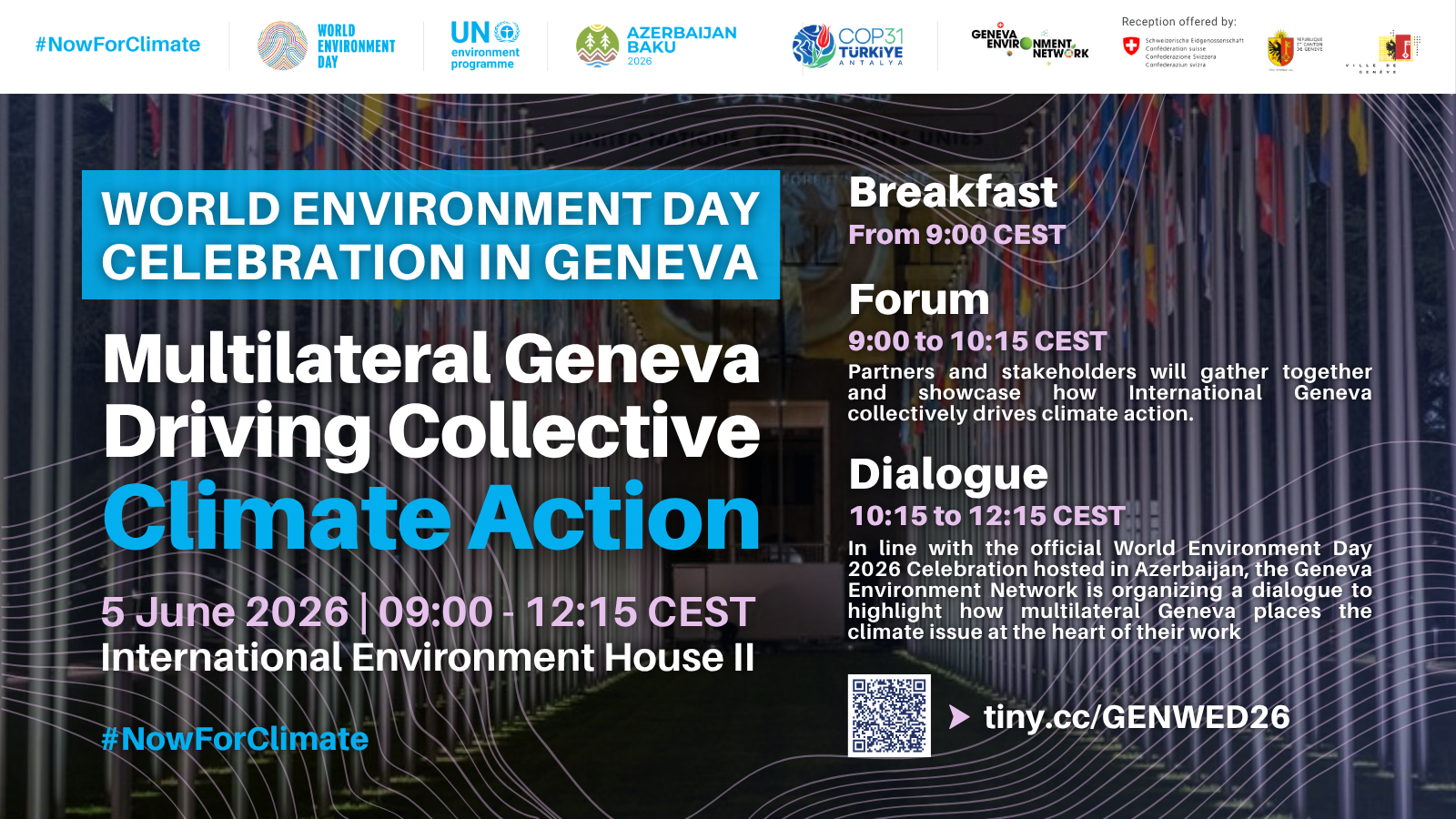
World Environment Day Forum | Multilateral Geneva Collectively Driving Climate Action
From 9:00 to 10:15 CEST, the International Environment House II opened its doors for the Forum. Partners and stakeholders gathered together and showcased how international Geneva collectively drives climate action.
International Geneva is mobilized in the fight against climate change. In addition to the secretariat of the Intergovernmental Panel on Climate Change (IPCC) and the headquarters of the World Meteorological Organization, the numerous international organizations, permanent missions, non-governmental organizations and other institutions based in Geneva place the climate issue at the heart of their work. Referred to as the world capital for multilateralism, Geneva is at the center of numerous debates and negotiations in the fields of science, health, human rights, development, trade and green finance, employment, peacebuilding and security, disaster risk reduction, humanitarian issues, as well as new technologies and innovation. This interdisciplinarity allows International Geneva to have unique cross-disciplinary expertise on climate, this theme being on the agenda of numerous deliberations.
World Environment Day Dialogue | Multilateral Geneva Driving Collective Climate Action
The Government of Türkiye will host the 2026 edition of the UN Climate Change Conference in Antalya, from 9 to 20 November 2026. The meeting comprises the thirty-first session of the Conference of the Parties (COP 31), the twenty-first session of the Conference of the Parties serving as the meeting of the Parties to the Kyoto Protocol (CMP 21), and the eight session of the Conference of the Parties serving as the meeting of the Parties to the Paris Agreement (CMA 8).
In line with the Türkiye-Australia Partnership Modalities, Türkiye and Australia, as incoming COP 31 Presidency, will work in close partnership. The Presidencies encourage Parties to engage in a spirit of unity and shared purpose as they work together to deliver transformative and ambitious outcomes at COP 31 that enhance ambition and implementation of the global response to the threat of climate change.
Türkiye’s priorities for the COP31 Action Agenda are grounded in a holistic approach aimed at accelerating global climate action and translating decisions into tangible and measurable outcomes. Through the six axes of the Global Climate Action Agenda, the focus will be on strengthening zero waste and circular economy approaches, accelerating the clean energy transition, supporting green and low-carbon industrialization, enhancing the resilience of vulnerable regions, oceans, and seas, ensuring food security and sustainable agricultural systems, promoting climate-resilient and sustainable cities, reinforcing financial and institutional mechanisms for climate action, increasing youth participation, and advancing cross-sectoral efforts to address climate change, biodiversity loss, and land degradation in an integrated manner.
International Geneva is actively engaged in the preparations for the Conference. Numerous institutions are driving forward collective climate action.
This high-level event dialogue on advancing collective, cross-sector climate action at a critical moment — marking 10 years since the Paris Agreement — while building momentum from Belém toward Antalya and beyond. Bringing together senior representatives from governments, international organizations, and key global institutions, the programme highlighted the need for coordinated, inclusive, and solutions-driven approaches to climate challenges. Discussions emphasized the interconnectedness of climate with health, pollution, human rights, trade, nature, and just transition, alongside the role of the private sector and scalable global solutions. The event also underscored Geneva’s role as a hub for multilateral cooperation, fostering partnerships that can accelerate ambitious, equitable climate action and support stronger international collaboration in the lead-up to upcoming global climate milestones and in support of a successful outcome at COP31.
Speakers
By order of intervention.
Welcome
Arnold KREILHUBER
Director, Europe Office, UN Environment Programme
Marat KANGARLINSKI
Deputy Permanent Representative of Azerbaijan to the UN Office and other international organizations in Geneva
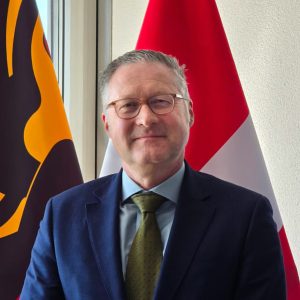
H.E. Amb. Thomas GÜRBER
Permanent Representative of Switzerland to the United Nations Office and other international organizations in Geneva
Opening | Driving Collective Climate Action | From Belém to Antalya
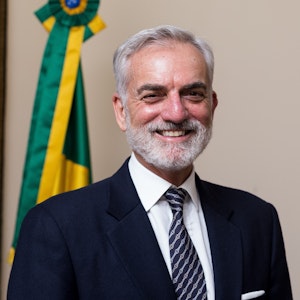
H.E. Amb. Tovar DA SILVA NUNES
Permanent Representative of Brazil to the United Nations Office and other international organizations in Geneva
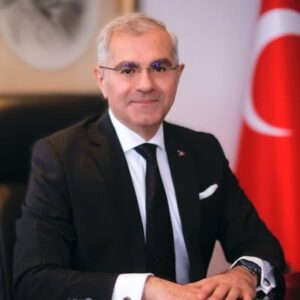
H.E. Amb. Burak AKÇAPAR
Permanent Representative of Türkiye to the United Nations Office at Geneva and other International Organizations in Switzerland
Climate Science Now

Ko BARRETT
Deputy Secretary-General, World Meteorological Organization
Driving Collective Climate Action

Carolina FUENTES CASTELLANOS
Director, Santiago Network Secretariat
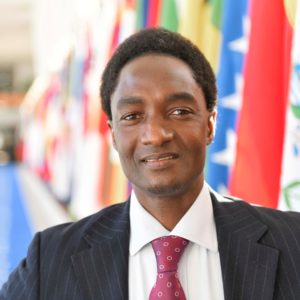
Moustapha Kamal GUEYE
Director, Priority Action Programme on Just Transitions, International Labour Organization
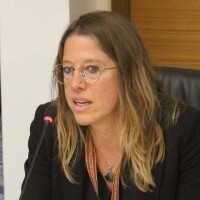
Elena VILLALOBOS PRATS
Secretariat Head, Alliance for Transformative Action on Climate and Health at World Health Organization
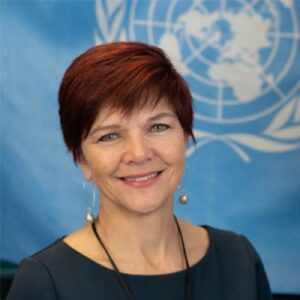
Chantal Line CARPENTIER
Head, Trade, Environment, Climate Change and Sustainable Development Branch, International Trade and Commodities Division, UN Trade and Development

Benjamin SCHACHTER
Coordinator, Environment and Climate Change Team, Office of the High Commissioner for Human Rights

Ivetta GERASIMCHUK
Director, Energy Program, International Strategy, International Institute for Sustainable Development
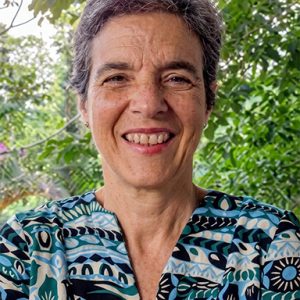
Isabel MARTÍNEZ
Deputy Executive Secretary, Basel, Rotterdam and Stockholm Conventions

Sonia PEÑA MORENO
Director, Centre for Policy and Law, International Union for Conservation of Nature
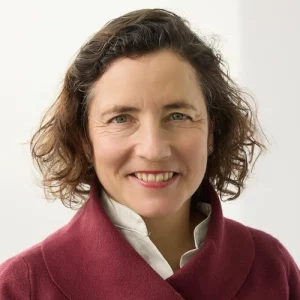
María MENDILUCE
Chief Executive Officer, We Mean Business Coalition

Géraldine PFLIEGER
Professor, University of Geneva
Proven Solutions from Across the Globe Can Be Scaled
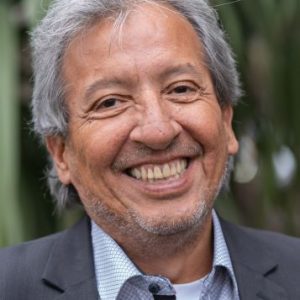
Manuel PULGAR-VIDAL
Leader, Climate and Energy Practice, WWF International
From Geneva to the Pacific Pre-COP Meetings
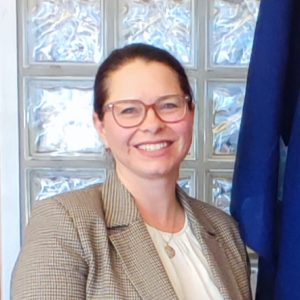
H.E. Amb. Emily ROPER
Deputy Permanent Representative of Australia to the UN Office and other international organizations in Geneva
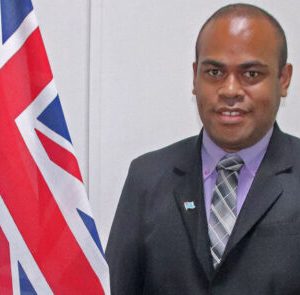
Sivaniolo RATOTO
Second Secretary, Permanent Mission of the Republic of Fiji to the UN Office and other international organizations in Geneva
Closing
Highlights
Video
Live from International Environment House 2.
Forum Participants
2050Today
2050Today is the Geneva climate action forum where over 60 institutions of International Geneva, such as permanent missions, international organizations, academia, private and civil society entities, come together to tackle climate change by measurably reducing GHG emissions. In accordance with the 2050Today Charter, 2050Today mobilizes climate action by helping our members measure their emissions, implement common and customized solutions through working groups and benefit from applied research.
Basel, Rotterdam and Stockholm Conventions
The Basel, Rotterdam and Stockholm Conventions (BRS) are three multilateral environmental agreements that work together to protect human health and the environment from the harmful impacts of hazardous chemicals and wastes. The BRS Secretariat, administered by UNEP, is a trusted and recognized leader within the UN system, promoting the sound management of chemicals and waste at global, regional and national levels.
Catalytic Finance Foundation
Catalytic Finance Foundation is dedicated to developing solutions to enable sustainable infrastructure investments, accelerating the design and deployment of catalytic finance solutions for sustainable infrastructure and by aligning the interests of the capital market with sustainable growth and the reality of the climate emergency.
Climate Action Accelerator
Climate Action Accelerator empowers aid, health, and education organisations to halve their emissions by 2030 through expertise & resources.
Forum on Trade, Environment & the SDGs (TESS)
TESS works to foster inclusive international cooperation on trade and trade policies to advance climate mitigation and adaptation, climate-resilient development, and fair transitions.

Group on Earth Observations
The Group on Earth Observations (GEO) is a partnership of more than 100 national governments and in excess of 100 Participating Organizations that envisions a future where decisions and actions for the benefit of humankind are informed by coordinated, comprehensive and sustained Earth observations.
Geneva Interfaith Forum on Climate Change, Environment and Human Rights
The Geneva Interfaith Forum on Climate Change, Environment and Human Rights (GIF) addresses climate change within a holistic perspective, recognising its environmental, developmental, political, economic, social and cultural implications. Furthermore, from a spiritual and ethical perspective, the GIF advocates for climate justice to be central to human rights and climate change discussions.
Global Cities Hub – Geneva
Urban areas are often at the forefront of environmental and climate issues because they have large and concentrated populations, are centres of industry and consumption, and generate large amounts of greenhouse gases. While they contribute to the triple planetary crisis (climate change, loss of biodiversity, and pollution), cities can also lead mitigation strategies by implementing sustainable policies, consuming resources judiciously and spreading eco-friendly technologies.

Green Cross International
Green Cross International (GCI) was founded in 1993 by Nobel Peace Prize laureate Mikhail Gorbachev to address the interconnected challenges of environmental degradation, conflict, and poverty. Its Climate Change Task Force is targeted as an action-focused task force to help craft climate-focused initiatives for Green Cross International and synchronized with the United Nations’ Sustainable Development Goals and the Earth Charter.
Green Growth Knowledge Partnership
The Green Growth Knowledge Partnership (GGKP) is a worldwide initiative spearheaded by UNEP, GGGI, UNIDO, the World Bank and the OECD. It focuses on actionable knowledge, solutions and experience sharing to accelerate the transition to green and circular economy practices with a focus on high-impact sectors. GGKP is focused on supporting a vision where:
Health Diplomacy Alliance
The Health Diplomacy Alliance aims at advancing health initiatives through diplomatic channels and foster collaborations and cooperation among local, national, and international stakeholders to address complex health challenges while emphasizing inclusivity, equity, and sustainable solutions.
International Institute for Sustainable Development
IISD is actively involved in the two main responses to climate change: adaptation and mitigation. It partners with countries to help them cope with a changing climate and transition to clean energy as quickly as possible. IISD is engaged to showcase how a just transition approach ensures that the affected people are considered by those making decisions. IISD is also active in its project on Advancing the Transition Away from Fossil Fuels, supporting credible roadmaps for a just, orderly, and equitable transition away from fossil fuels.
IMPACT Initiatives
Impact Initiatives is a leading Geneva-based think-and-do tank that aims to improve the impact of humanitarian, stabilization and development action through data, partnerships and capacity-building programmes. Through its REACH, AGORA, and PANDA initiatives, IMPACT Initiatives supports both humanitarian and development agencies in translating data into knowledge to: i) be better prepared before a crisis ii) respond in a climate and environmentally conscious manner iii) design long-term solutions for climate mitigation and adaptation.
Intergovernmental Panel on Climate Change
The Intergovernmental Panel on Climate Change (IPCC) is the United Nations body for assessing the science related to climate change.

International Organization for Standardization
ISO standards play a pivotal role in accelerating climate action through sustainable practices. These standards empower organizations to decarbonize their business model, improve the greenhouse gas footprint of products and services, and navigate the transition to a green economy.
International Trade Center
Climate change is the defining issue of our time. The International Trade Centre is uniquely placed to demonstrate how small business climate action and trade can contribute to global climate objectives.
ITC, as the UN small business agency, actively brings these entrepreneurs’ voices to global forums such as the conference of the parties, more commonly known as COP, which is part of United Nations Framework Convention on Climate Change (UNFCCC).

Partnership for Action on Green Economy
The Partnership for Action on Green Economy (PAGE) is a prominent alliance of five UN agencies, funding partners, and 23 partner countries that work together to transform economies into drivers of sustainability.
Platform on Disaster Displacement
The Platform on Disaster Displacement is a State-led Initiative Working with Partners Towards Better Protection for People at Risk of or Being Displaced in the Context of Disasters and Climate Change.

Santiago Network
The Santiago Network connects developing countries and communities with the timely, demand-driven and tailored technical assistance, knowledge and support they need to drive needs-based action on loss and damage.

Republic and State of Geneva
The Republic and State of Geneva has implemented a strategy to adapt to climate change and reduce greenhouse gas emissions by 60% by 2030 compared to 1990 levels, with the goal of achieving carbon neutrality by 2050 at the latest. The Cantonal Climate Plan 2030 – 2nd Generation, the state outlines forty-one measures—which will, where appropriate, be the subject of dedicated bills—organized around seven key areas that define the plan’s objectives.

South Centre
The South Centre works on a wide range of issues relevant to the countries of the South and the global community in general, such as sustainable development, climate change, South-South cooperation, financing for development, international tax cooperation, investment, human rights, gender, trade, intellectual property, innovation, traditional knowledge, access to medicines, health, biodiversity and the Fourth Industrial Revolution.
United Nations Economic Commission for Europe
Through its norms, standards, conventions and policy assistance, UNECE provides practical tools to support countries in their climate change mitigation and adaptation efforts, to leverage financing, and to strengthen collaboration.
United Nations Environment Programme
UNEP provides evidence-based data to inform policy decisions, collaborates with sectors for low-carbon transitions, provides climate finance mechanisms and aids countries in adaptation and mitigation efforts.
UNEP Finance Initiative
UNEP Finance Initiative brings together a large network of banks, insurers and investors that catalyses action across the financial system to deliver more sustainable global economies.
UNEP/GRID-Geneva
UNEP/GRID-Geneva’s main role is to transform data into information and knowledge to support the decision making process related to environmental issues. Through its climate change data platform, it provides up-to-date relevant information about climate change indicators.
United Nations Office for Project Services
UNOPS provides infrastructure, procurement and project management services for a sustainable world. UNOPS works on climate action, including through its Water Environment and Climate portfolio, the NDC Partnership and ICAT.
UN-REDD
The UN-REDD Programme is the flagship UN knowledge and advisory partnership on forests and climate. It supports countries to realize forest solutions to the climate emergency by reducing carbon emissions and fostering carbon sequestration for at least 5 GtCO2e annually.
World Intellectual Property Organization
WIPO addresses climate change by fostering innovative green technology solutions that can help by allowing us to do more with less – be it alternative energy production, energy saving, or greener forms of transportation, agriculture and forestry.
Zoï Environment Network
Zoï staff has been working to combat climate change for over thirty years. Since its beginnings, Zoï has focused on demonstrating the impact of climate change all over the world and guided a range of different groups and entities towards climate neutrality. This also includes providing support towards the implementation of the historic Paris Agreement on climate change. Further, we work on climate change adaptation and mitigation as well as related topics such as air pollution, disaster risk reduction and hydrometeorological services.
Summary of the High-Level Dialogue
Work in progress
Welcoming
Arnold KREILHUBER | Director, Europe Office, UN Environment Programme
- World Environment Day 2026 focuses on climate change, on the urgent signals that Earth is sending, and the signals we choose to send back.
- This high-level dialogue seeks to play its part in building the critical momentum that we need for advancing collective cross-sector climate action on the road from Bonn towards COP31 in Antalya and beyond.
- The planet does not argue. It does not negotiate. It sends signals: rising seas, raging wildfires, heat waves, melting glaciers. We said 1.5 degrees was the limit. We are crossing it.
- Ten years after the signature of the Paris Agreement, this year’s World Environment Day invites us to listen more closely to these signals, to go beyond the noise, beyond delay, distraction and denial. It calls all of us to step in, to move further, to steer a world already in motion.
- The question now is how we can guide this change and how fast it happens. Because beneath the noise, there is another signal rising.
- Solar panels stretch across rooftops. Wind turbines line the horizon. Cities are being redeveloped and redesigned for people. Forests are being replanted. Positive tipping points are taking root in every corner of the planet.
- Just ahead of World Environment Day, UNEP launched the Cheaper, Cleaner, Unstoppable policy brief, which highlights a powerful and hopeful shift. Many clean solutions are no longer niche. They are becoming the new normal.
- The UNEP 50 @ 50 initiative aims to address the growing climate risk of extreme heat by bringing together over 50 cities worldwide. Launched on Heat Action Day, which is globally celebrated on 2 June, 50 @ 50 focuses on strengthening urban resilience and sharing practical solutions to adapt to rising temperatures.
- Cities like Antalya, Lagos and Paris are collaborating to implement measures such as cooling islands, expanding green spaces and developing early warning systems to protect communities and reduce inequalities. This initiative is part of UNEP’s broader efforts to combat climate change and promote sustainable urban development.
- Geneva brings together a unique concentration of international organizations, scientific institutions, civil society organizations and policy platforms. This is precisely the type of collective effort that is required to address the environmental challenges we face.
- Geneva boasts a rich network that works collectively, day in and day out, to address the interconnected crises of climate change, biodiversity and land loss, and pollution. The forum that took place earlier this morning impressively underscored and showcased this experience and the unique attributes of International Geneva.
- The global host country of this year’s World Environment Day is Azerbaijan.
- Located at the crossroads of East and West along the historic Silk Road, Azerbaijan is a land of remarkable natural diversity. As host of COP29, Azerbaijan advanced the global climate agenda. Building on this momentum, Azerbaijan’s national campaign for World Environment Day 2026 highlights the planetary crises of climate change and ecosystem degradation, and their interconnected impacts on people and nature.
- Building on this momentum, Switzerland partners every year to bring together the Geneva community around World Environment Day. Bringing the World Environment Day momentum to Geneva is a tradition that we have continued since the Geneva Environment Network was launched under the leadership of UNEP almost 27 years ago.
- As we look from Bonn towards Antalya, we are here this morning to showcase the important ongoing work that we hope will lead to successful upcoming milestones, including the Bonn meetings starting next week.
Marat KANGARLINSKI | Deputy Permanent Representative of Azerbaijan to the United Nations Office and other international organizations in Geneva
- This year’s global commemoration, hosted by Azerbaijan under the theme Inspired by Nature: For Climate. For Our Future, highlights a simple but powerful truth: nature is not optional; it is essential. Healthy ecosystems are among our strongest allies in addressing climate change, supporting sustainable development, and strengthening resilience against environmental shocks.
- Azerbaijan is home to remarkable natural diversity. Its landscapes span from subtropical forests to alpine ecosystems, all with rich biodiversity and a close connection between nature, climate adaptation, and human well-being.
- Azerbaijan has made significant strides in protecting this heritage. Today, over 10 percent of the country’s territory is under state protection through an expanded network of national parks and reserves. A notable highlight is the safeguarding of the UNESCO-listed Hyrcanian forests, some of the world’s oldest ecosystems, which host over 3,000 plant species and diverse wildlife.
- Marine and coastal ecosystems, particularly in the Caspian Sea region, are protected through specialized conservation programs. Even as the region faces an alarming decline in water levels, ongoing species reintroduction projects are actively restoring ecosystems and enhancing biodiversity resilience.
- Azerbaijan has demonstrated its commitment to climate action through ambitious national policies and investments. As a Party to the Paris Agreement, the country has committed to reducing greenhouse gas emissions by 40 percent by 2050 and increasing the share of renewable energy to 30 percent by 2030.
- At the same time, Azerbaijan is advancing sustainable urban development through cleaner public transportation, electric vehicle infrastructure, and smart city solutions. The transformation of the Karabakh and East Zangezur regions into zero-emission zones demonstrates how environmental restoration, renewable energy, and sustainable planning can create new opportunities for communities.
- These measures contribute directly to protecting ecosystems while encouraging more sustainable consumption and production patterns.
- Azerbaijan’s role as host of COP29 marked an important milestone in international climate cooperation. The conference delivered significant progress on climate finance and carbon markets, reinforcing the interdependence between climate action, biodiversity conservation, water security, sustainable agriculture, and social development.
- Through the COP29 Presidency Action Agenda, Azerbaijan advanced integrated climate approaches through initiatives focused on energy transition, climate resilience, water, sustainable food systems, human development, and inclusive climate governance.
- Global initiatives such as the Baku Dialogue, the Baku Initiative on Human Development for Climate Resilience, and Water for Climate Action highlighted the importance of connecting climate action with health, finance, trade, and nature protection.
- These outcomes reaffirmed the indispensable role of multilateralism in addressing global environmental challenges that no nation can solve alone.
- Azerbaijan has also continued to strengthen its contribution to the global environmental and climate agenda by hosting a series of major international events throughout the year. This includes the thirteenth session of the World Urban Forum, organized in May this year in partnership with UN-Habitat.
- WUF13 brought together more than 60,000 participants from about 182 countries, making it the largest gathering in the Forum’s history. The event produced two major outcome documents: the Chair’s Summary and the Baku Call to Action, which outline a robust framework to tackle housing affordability, displacement, climate vulnerability, and deteriorating living conditions.
- As we gather in Geneva, a city synonymous with international cooperation, we are reminded that environmental challenges transcend borders. Climate change, biodiversity loss, pollution, and ecosystem degradation require partnerships across governments, international organizations, the private sector, civil society, and local communities.
- World Environment Day is not only a celebration. It is a call to accelerate the implementation of our commitments, invest in nature-based solutions, support vulnerable communities, and place environmental protection at the heart of sustainable development.
- Guided by science, solidarity, and a shared vision for sustainability, we can build a more resilient, equitable, and prosperous future.
H.E. Amb. Thomas GÜRBER | Permanent Representative of Switzerland to the United Nations Office and other international organizations in Geneva
- As we look ahead to COP31 in Antalya, we will and should focus on the many challenges before us. But we must also recognize the progress achieved in our fight against climate change.
- The Paris Agreement is working. Whilst in 2015 we were headed towards a temperature rise of plus 4 degrees Celsius, the latest round of climate targets should reduce temperature rise to somewhere between 2.3 and 2.8 degrees Celsius. These are lives saved and negative impacts avoided across the globe.
- Global signals work. National climate targets and strategies are driving innovation and investment, for instance in renewable energy, and the Paris Agreement remains near universal despite the challenging geopolitical context.
- The objective of limiting global warming to 1.5 degrees Celsius remains within reach, but the window of opportunity is rapidly closing.
- We need to ensure that all countries submit nationally determined contributions, NDCs, which are sufficient to uphold the 1.5 degrees Celsius objective. In this context, we look forward to the submission of ambitious outstanding NDCs before COP31, and we look forward to working under the leadership of Türkiye and Australia, as well as previous presidencies, to ensure that we support the implementation of all our NDCs so that we can all achieve these objectives.
- To keep the 1.5 degrees Celsius goal within reach, it is critical that COP31 sends a strong signal of commitment to energy transition and presents solutions relating to the transition away from fossil fuels that the global community agreed on three years ago.
- The current energy crisis shows the importance of ensuring a coordinated and managed transition. We would welcome the adoption of a global commitment on electrification, energy grids, and clean energy investments at COP31. We also encourage all countries to develop national roadmaps for the transition away from fossil fuels.
- To make this transition work, we also need the necessary investments in low-emission and climate-resilient technologies. That is why we look forward to accelerating the alignment of all financial flows with the objectives of the Paris Agreement.
- Whilst the objectives of the Paris Agreement relating to greenhouse gas emissions and adaptation are well known, it is equally important to ensure that all financial flows support low-emission and climate-resilient development.
- We look forward to COP31 and, in particular, the new Belém dialogues, which will bring us closer to a common understanding on these issues.
- For Switzerland, science must remain at the center of all our efforts as we transition towards a fossil fuel-free future and effective climate policy.
- The work of the IPCC and the broader scientific community provides a solid evidence base upon which our decisions must rest. Scientific findings are not always comforting. Often, they require us to do more than seems politically feasible. Yet this is precisely why we must continue to insist on the centrality of scientific approaches.
- At a time when facts are increasingly contested, processes informed by science are simply indispensable for effective policymaking and for maintaining public trust.
- International Geneva has a unique role to play in this endeavor. It brings together institutions that built the foundations of climate science, such as the IPCC and the WMO. It also rallies humanitarian action, human rights, trade, health, finance, labour, and innovation, creating a unique ecosystem for integrated climate solutions.
- The Santiago Network strengthens technical assistance to developing countries, particularly those most vulnerable to loss and damage.
- As preparations for COP31 continue, Geneva can serve as a bridge between science and policy. In a period of growing geopolitical uncertainty, the capacity to convene, connect, and build consensus is more valuable than ever, given today’s pressures on multilateralism.
- Switzerland is aware of the need to prioritize multilateral action and of the pressure on many organizations to reduce costs. We fully support those organizations in their search for sustainable efficiency gains.
- However, we must be careful not to fall into the trap of short-termism and throw overboard the assets we have all developed in Geneva over many years, starting with the ecosystem that I have just highlighted.
- This ecosystem is highly effective, but also very fragile. It is therefore in our collective interest to take good care of it.
- Count on Switzerland to support making COP31 in Antalya a success for our common fight against climate change.
Opening | Driving Collective Climate Action | From Belém to Antalya
H.E. Amb. Tovar DA SILVA NUNES | Permanent Representative of Brazil to the United Nations Office and other international organizations in Geneva
- A core aspect of COP30 IN Belém was that we entered a new phase in our climate change regime. We spent many decades negotiating commitments and obligations, and Belém showed that the time for negotiating commitments has perhaps already passed. Now we need to implement.
- We started a phase of implementation. Implementation requires not only state actors or negotiators or representatives. As state actors, we need more than environmental negotiators. We need finance ministers, development banks, investors, the business community, local governments, scientists, academia and, obviously, civil society more broadly.
- Implementation is no longer something reserved only to state actors, but actually involves all of us who are concerned about climate change.
- This was marked in Belém because we had unprecedented participation from civil society. However difficult that is to organize, we did what we could in Belém to allow broad participation from civil society.
- That is something that the current COP President, Ambassador André Corrêa do Lago, has emphasized. It is no longer possible for us to limit participation to only a few sectors.
- He calls this phase a « two-tier multilateralism. » The first tier is the traditional multilateral process: negotiations, consensus-based decisions, and the legal framework established under the UNFCCC and the Paris Agreement.
- The second tier is very important because it involves coalitions, voluntary initiatives and partnerships among governments and non-state actors, all of them willing to accelerate action.
- The underlying premise is that decisions require consensus and negotiation. Implementation does not.
- That is why we were very happy in Belém to see the adoption of the Global Mutirão Decision. It began as a political call for collective climate action and evolved into a full COP decision, formally embedding this idea of a global mobilization against climate change within the multilateral climate process.
- The decision recognizes the central role of non-party stakeholders in accelerating implementation and strengthening international cooperation. It established the Global Implementation Accelerator, which will be developed jointly by the COP30 and COP31 Presidencies as a platform to help translate negotiated outcomes into concrete delivery.
- Looking ahead to Antalya, the Brazilian Presidency has identified six priorities for 2026.
- The development of a roadmap for the transition away from fossil fuels.
- A roadmap to halt and reverse deforestation, reflecting the central role of forests in climate action and sustainable development.
- The continuation of the Baku-to-Belém Roadmap on Climate Finance, which aims to identify pathways to mobilize at least USD 1.3 trillion annually for developing countries by 2035.
- Strengthening of the Action Agenda as a more structured and measurable platform for climate action and implementation.
- The operationalization of the Global Implementation Accelerator, with a focus on scalable solutions and positive tipping points.
- Adaptation, which is a central pillar of the climate regime, with renewed attention to strengthening resilience and adaptive capacity in response to increasingly frequent and severe climate impacts.
- These priorities are closely linked to some of the major initiatives that were launched in Belém:
- The Tropical Forests Forever Facility stands out as one of the most significant outcomes associated with COP30 in Belém. The initiative is particularly noteworthy in that it gives developing countries and tropical forest nations a leading role in shaping the global forest agenda, while establishing long-term incentives for the conservation of tropical forests.
- As we move from Belém to Antalya, the task is now to build on the foundations laid over successive COPs and translate them into tangible results on the ground.
- This requires bringing together parties and non-party stakeholders around shared objectives and practical solutions.
- Brazil stands ready to work closely with the incoming COP31 Presidency to carry this work forward, with a continued focus on strengthening multilateralism, bringing the climate process closer to people, and accelerating implementation.
H.E. Amb. Burak AKÇAPAR | Permanent Representative of Türkiye to the United Nations Office at Geneva and other international organizations in Switzerland
- This is a day that reminds us of our shared responsibility for our common home, the Earth, for the safety and resilience of our cities and our communities, and for the future that we will leave to the next generations.
- This year’s theme for climate action captures the moment that we are in. Climate action is inseparable from the broader environmental agenda.
- The environment does not negotiate. It sends signals and warnings, and sometimes punishments, in addition to its plentiful rewards.
- The good news is that humanity is actually listening. The world has taken note of the warnings, adopted targets, and agreed on many commitments. We do have a panoply of commitments in place.
- The main question is whether we can translate these commitments into practical results, results that tangibly improve people’s lives and our Earth.
- Implementation is the focus of COP31. As such, the road from Belém to Antalya is rather short, but also uphill.
- Implementation sounds easier said than done. It requires political commitment and focus. Ultimately, however, the credibility of our multilateralism, of our multilateral system, depends on our ability to implement what we have agreed. If we do not have effective multilateralism, what do we have?
- Multilateralism is a success story, as the unique ecosystem in Geneva attests every day.
- In Türkiye, World Environment Day is observed as part of our broader Environment Week. Today, we are hosting the Second Global Zero Waste Forum in Istanbul, with participation from over 180 countries.
- The forum connects circular economy, resource efficiency, food waste prevention, and methane reduction with our broader COP31 vision, demonstrating on World Environment Day how environmental action and climate implementation can reinforce one another.
- For Türkiye, COP31 will represent a pivotal moment to place implementation, cooperation, and tangible results at the center of the climate process.
- Our guiding framework is clear: dialogue, consensus, and action.
- This means strengthening trust, reflecting diverse national circumstances, and translating commitments into concrete results.
- The Türkiye-Australia partnership is helping to shape a forward-looking COP model that integrates political leadership, negotiations, and implementation. This « one team » approach supports coherence across the COP31 process.
- We are guided by the understanding that climate action is a shared responsibility and that our collective future is at stake.
- Our recent exchanges in Petersburg and Copenhagen have provided important opportunities in this regard, helping to inform and strengthen the direction of the COP31 process.
- With this understanding, the COP31 Action Agenda is now structured around ten priority areas. These are zero waste; oceans and seas; food security; climate-resilient cities; financial and institutional support; youth and education; green industrialization; clean energy transition; Rio synergies; and dynamic and resilient health systems.
- Electrification appears to be one of the key priorities of our Action Agenda and has gained particular momentum as a practical pathway for accelerating the clean energy transition.
- Engagement with the International Energy Agency, IRENA, and clean energy stakeholders is helping advance this workstream in a manner grounded in data, system realities, and national circumstances.
- More broadly, clean energy, green industrialization, and urban resilience can advance at scale only with accessible finance, robust project preparation, and bankable infrastructure investments.
- In May, Türkiye hosted a high-level event on resilient cities in Hatay, and WUF13 in Baku has since provided another platform to advance this approach.
- Our engagement with financial institutions and development partners is focused on translating these enabling conditions for implementation into practice.
- Governments, local authorities, the private sector, academia, youth, civil society, and financial institutions all have a role to play in this transformation.
- In this spirit, the COP31 World Leaders Summit, to be held on 11 and 12 November, will provide an important opportunity to reinforce political momentum, strengthen cooperation, and advance implementation across these priorities.
- We look forward to welcoming the international community to Antalya for COP31.
Climate Science Now
Ko BARRETT | Deputy Secretary-General, World Meteorological Organization
- WMO is the specialized agency providing authoritative scientific information on weather, water, and climate. It hosts the IPCC and the Global Climate Observing System at our headquarters.
- It sets the standards and guides the global data exchange of Earth observations, an often invisible but essential backbone for everything from forecasting the weather to guiding what to plant, where and when, and to providing early warnings for storms and extreme heat.
- For more than 30 years, WMO has produced the State of the Global Climate Report, which provides an annual pulse check on the planet, complemented by regional deep dives that speak to trends and impacts in different regions.
- Atmospheric CO₂ concentrations reached record levels in 2024, which is the latest year for which we have consolidated global observations.
- This is the highest level in the last two million years and the largest annual increase since modern measurements began in 1958.
- Data from 2025 show that atmospheric CO₂ concentrations continue along this trend.
- While this graph shows a steady increase in atmospheric CO₂ concentrations since the 1980s, it is important to take a step back and see the bigger picture.
- With the longer view, we see that since the 1800s, CO₂ has risen by 50 percent and is climbing faster with each passing decade.
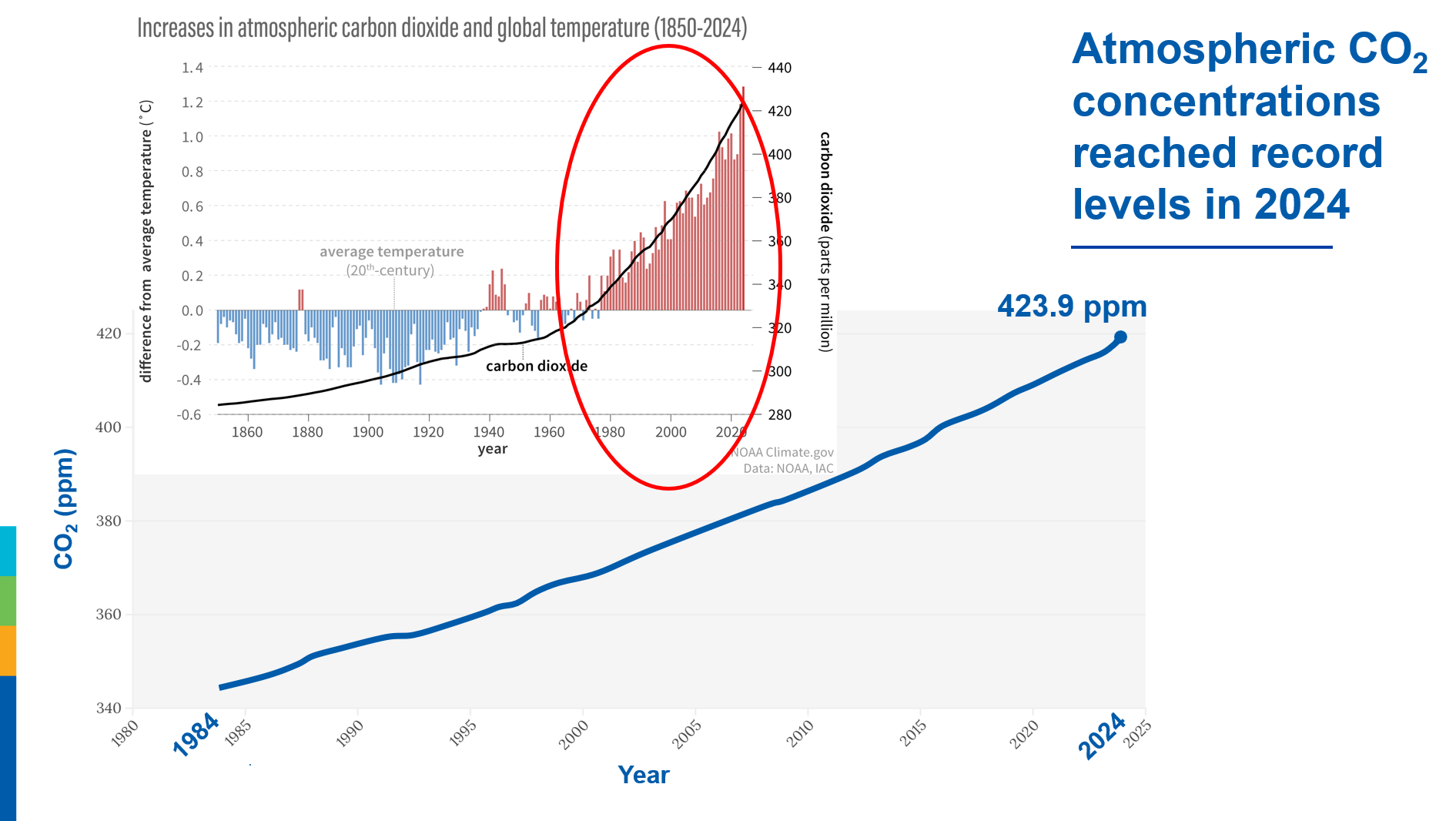
- This graph also shows the close correlation between increasing atmospheric CO₂ concentrations and increasing global temperatures.
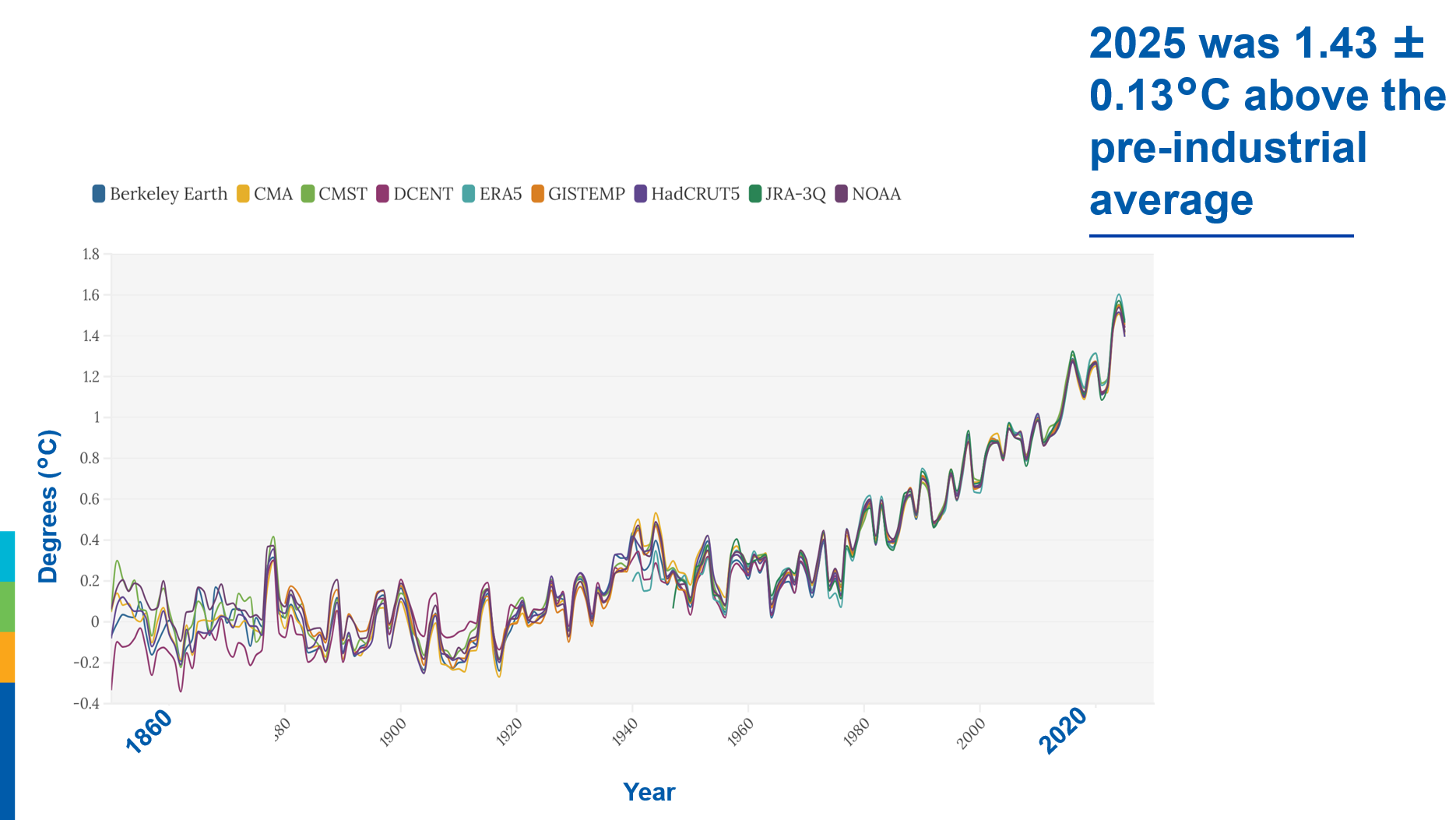
- 2025 was approximately 1.43 degrees Celsius above the pre-industrial average, making it the second or third warmest year on record, depending on the dataset used.
- This follows 2024, which we all know was the hottest year on record.
- More striking still, the eleven warmest years on record have all occurred since 2015.
- Many are asking what the development of El Niño could mean for global temperatures over the coming months and into next year.
- El Niño, as you may know, is a naturally occurring climate pattern associated with unusually warm sea surface temperatures in the equatorial Pacific Ocean.
- This week, WMO released an update indicating an 80 percent probability that El Niño conditions will develop between June and August of this year, rising to a 90 percent probability by the end of the year.
- While there is still some uncertainty regarding its strength, current forecast models suggest that El Niño is likely to be at least moderate and could potentially become strong.
- This matters because El Niño has a significant influence on global weather patterns. It can amplify climate extremes, including heat waves and heavy rainfall, and may contribute to further increases in global temperatures in 2026 and/or 2027.
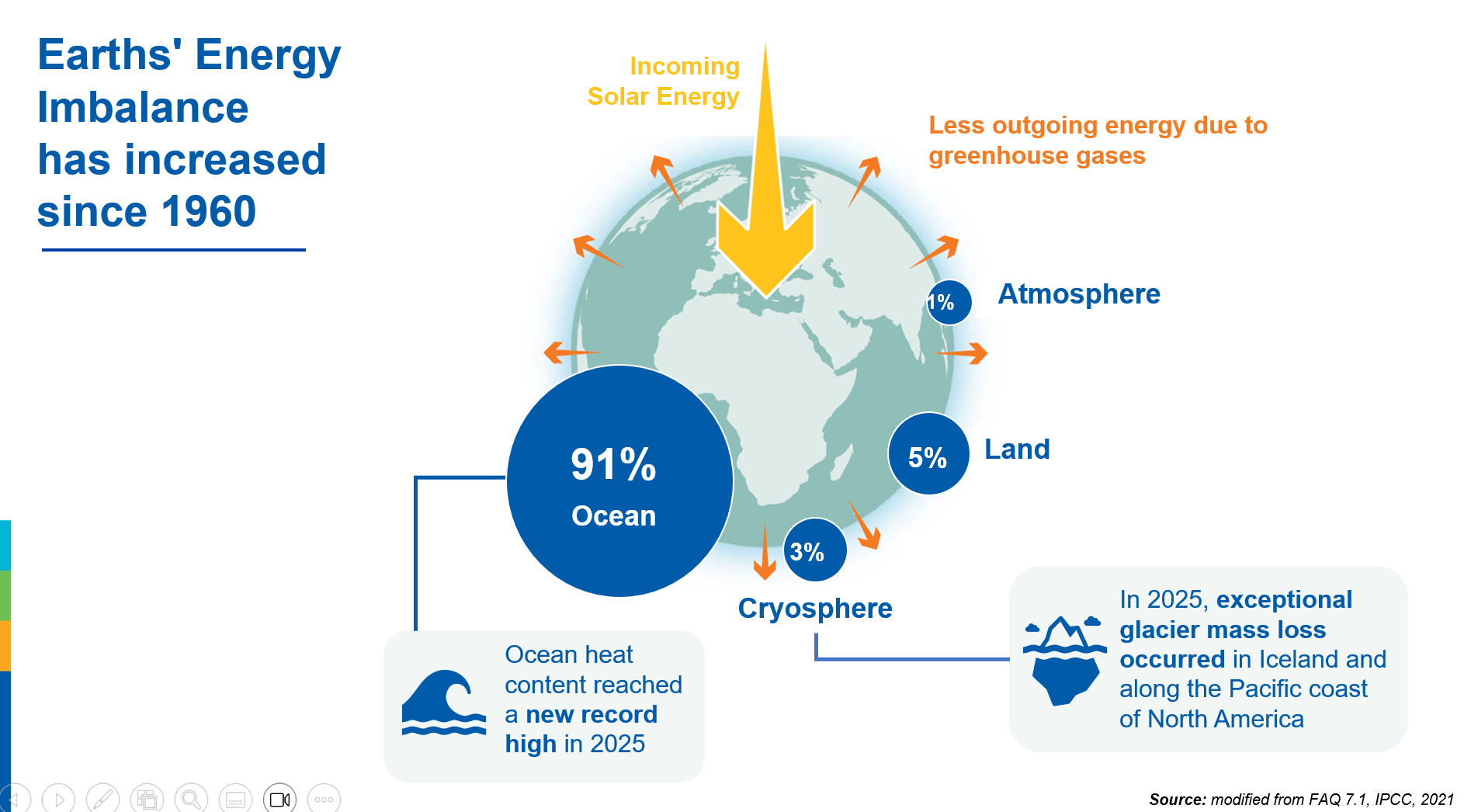
- The Earth’s energy imbalance, which is a critical measure of the rate at which energy enters and leaves the Earth’s system, has increased since 1960.
- In a stable climate, incoming energy from the sun is approximately equal to the amount of outgoing energy. However, increasing concentrations of greenhouse gases disrupt this equilibrium.
- As a result, the Earth is trapping more heat than it releases into space, and that imbalance has been growing since 1960.
- Since 2001, however, the rate of heat buildup has more than doubled, meaning the planet is falling out of balance faster than ever before.
- Only 1 percent of this excess energy is held in the atmosphere.
- Yet even this small fraction has been enough to drive record global temperatures.
- The vast majority of the excess energy, over 90 percent of it, is absorbed by the oceans, resulting in record ocean heat content in 2025.
- Another 3 percent is taken up by the cryosphere, contributing to the exceptional melting of glaciers and ice sheets in recent years.
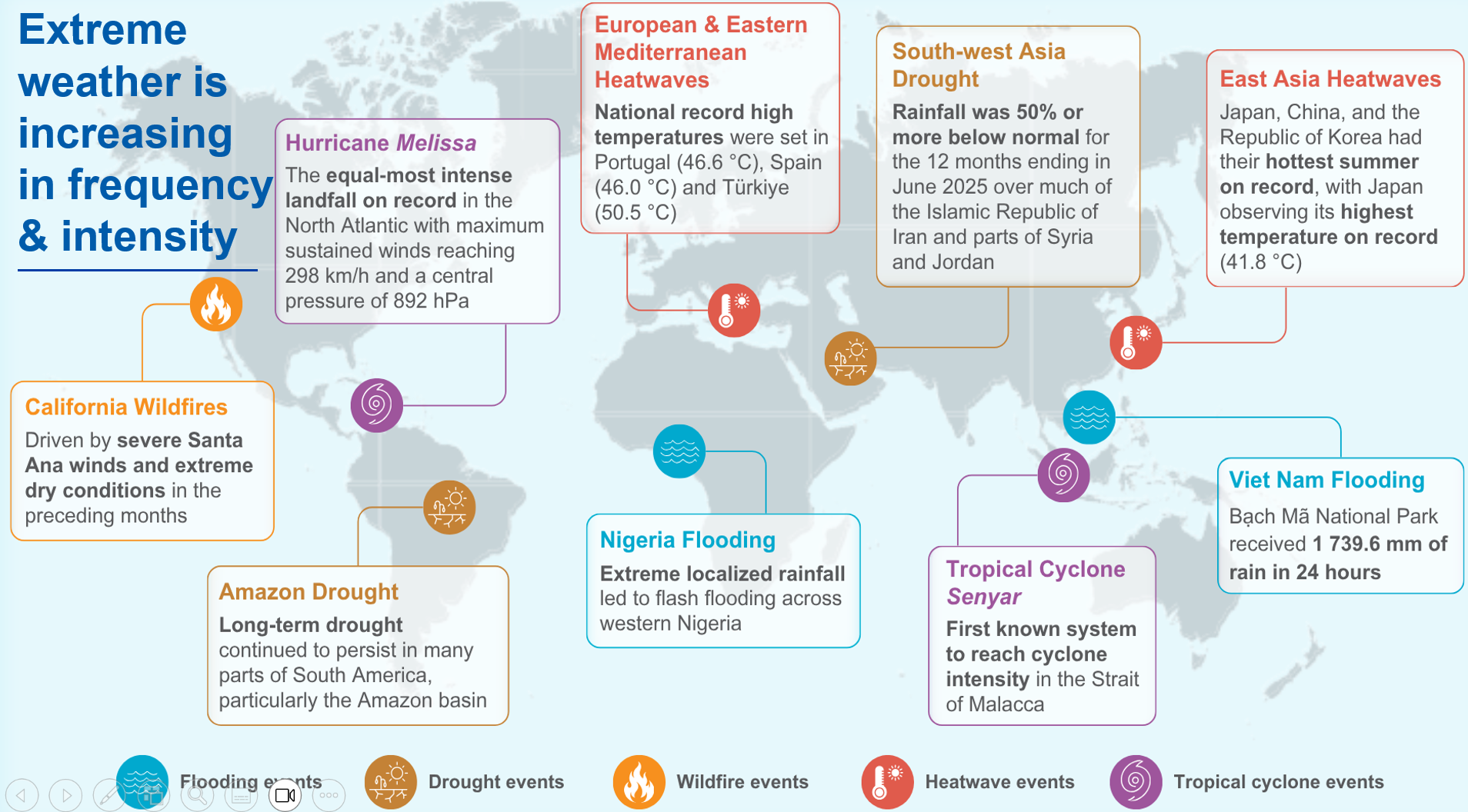
- Why does all of this matter? It matters because climate change is no longer a distant threat. It is affecting our daily lives increasingly through more frequent and intense extreme weather events.
- Just a small snapshot of the many extreme events in 2025, from tropical cyclones, floods, droughts, and wildfires to heat waves affecting millions of people and causing billions of dollars in losses.
- Some of these events are, frankly, outside the historical record or are occurring in places where these types of extremes are not expected, presenting new challenges for early warning systems.
- It is difficult to prepare for or adapt to something that you have never experienced or cannot imagine.
- COP31 presents an opportunity to provide an anticipatory update on what the global indicators will show for 2026.
- We will bring an update to this information, but it is also important to maintain momentum for filling observational gaps and advancing early warning systems in support of adaptation and informed decision-making.
Geneva Driving Collective Climate Action
Supporting Needs-Based Action on Loss and Damage
Carolina FUENTES CASTELLANOS | Director, Santiago Network Secretariat
- That is what brings us here: to collectively reflect on that call for action.
- Extreme weather events have increased. Climate impacts are present realities. This is not abstract anymore. These are realities that are affecting us every day, and they are changing our daily lives in many different ways, both in economic and non-economic terms.
- They are affecting our industries, our infrastructure, our health, our culture, our biodiversity, and ecosystems. These are impacts that we are feeling every day.
- Loss and damage is therefore not only an environmental challenge. It is also a development, equity, and resilience challenge that we need to confront.
- The Santiago Network has been established precisely to ensure that no country is facing these challenges alone and that countries receive the support they need by connecting the needs they have with the actionable support coming from our network of experts.
- We have more than 150 members that provide support in terms of technical assistance to address loss and damage.
- Our work is country-driven, demand-led, and needs-based.
- This means that support is based on needs identified by countries and communities themselves, not by externally defined priorities.
- Support is shaped by national circumstances and local realities, not by pre-designed solutions.
- Finally, support is inclusive and community-based, with a strong focus on making sure that vulnerable communities are part of the design and part of the response to the losses and damages that they experience.
- This approach is at the heart of our mandate as we catalyze technical assistance requests coming from countries and communities in developing countries, mobilizing the expertise of our network members.
- This ensures national ownership of solutions, the relevance and sustainability of the interventions that we support, and also that those most affected by climate change can be part of, and agents of, the solution.
- It is important to work in proximity with the countries we serve.
- Representatives of member states are also present. We have national representatives to the Santiago Network who have been appointed, as well as focal points to the Climate Convention. They are our natural counterparts.
- There are also positions at the regional level so that we can work more closely with the countries that we serve.
- Our priorities towards COP31 are ensuring that technical assistance delivery continues to expand across different geographies.
- We have a pipeline of almost 30 technical assistance requests, and the pipeline keeps growing.
- That pipeline should be balanced and representative of your needs.
- We also want to ensure that our support is of high quality, that communities are engaged as part of this support, and, of course, that partnerships across the loss and damage architecture continue to deepen.
- There is the Fund for Responding to Loss and Damage, there are climate funds, and there are other sources of climate finance. We are also coordinating with them.
- On this World Environment Day, it is important to underline that addressing loss and damage is an essential component of effective climate action.
- We need to support countries in understanding the impacts of climate change in their own context and enabling them, through policies and support at the national level, to address those challenges.
- The Santiago Network remains committed to ensuring that support for addressing loss and damage is accessible, timely, and responsive to the needs of countries and communities in developing countries.
Advancing Climate Action Together with Just Transition and Ensuring a Safe and Healthy Work in a Changing Climate
Moustapha Kamal GUEYE | Director, Priority Action Programme on Just Transitions, International Labour Organization
- Decent work and progress on social justice depend on a healthy planet and well-functioning ecosystems.
- 2 billion jobs in agriculture, manufacturing, and services depend on the good health of our planet.
- The uncontrolled patterns of climate change that we are experiencing are going to be one of the biggest risks to achieving decent work for all.
- Heat stress alone is going to put at risk 2.4 billion workers. This is 70 percent of the total workforce. It is also going to impact labour productivity.
- We have estimated that by 2030, on a global average, the world may lose up to 2 percent of labour productivity. That 2 percent figure is the equivalent of 80 million full-time jobs.
- But there is also a good and positive story.
- We find that if climate action is undertaken in a coherent and integrated manner, it can be a very powerful driver for decent work creation.
- We estimate that by 2030, the world could generate up to 100 million additional jobs.
- UNEP and IUCN worked together to produce a regular assessment of decent work in so-called nature-based solutions.
- Our latest assessment indicates that 60 million people around the world today are engaged in activities related to ecosystem rehabilitation and all that comes with nature-based solutions.
- What this means is that action on climate adaptation itself can be an engine for job creation.
- Last year, together with the World Bank, the Circular Economy and the Partnership for Action on Green Economy, we carried out the first global estimates of decent work in the circular economy.
- 120 to 140 million people are already working in the circular economy today. This represents about 5 percent of the global workforce.
- It is also important to recognize that climate action and climate ambition cannot only be about numerical targets.
- Climate ambition has to be about the skills of our workforce to transform our food, energy, agriculture, and transport systems.
- We need enterprises that are able to invest in diversifying business models so that they can produce goods and services that contribute to sustainability.
- I came to this meeting today with my spouse, who was asking me about the sustainability of the goods, products, and services that we all consume. I told her, « You should come to the World Environment Day celebration so that you can ask the experts and hear what is being done around the world. »
- This means there must be communities capable of diversifying their economies so that alternative livelihoods can be created for people, for workers, and for communities.
- The actors in the world of work – enterprises and trade unions – are key agents of change.
- We are working on this globally across the UN system to provide evidence on the social and economic dimensions, but we are also engaging with our member states as they walk the talk.
- In Ankara, ten days ago, together with the Turkish Ministry of Labour and Social Security, we convened an intergovernmental working group on the just transition process in Türkiye.
- We worked together with experts from the European Commission and from the Spanish Just Transition Institute to help ensure that the social and economic enablers of climate ambition are translated into concrete action.
- We look forward to COP31, during which we will host the Just Transition Pavilion and continue advancing these goals of decent work and social justice for all as part of the fight to preserve our planet.
Driving Climate Health Action
Elena VILLALOBOS PRATS | Secretariat Head, Alliance for Transformative Action on Climate and Health at World Health Organization
- A previous Director-General of WHO described climate change as the greatest public health threat of the century.
- The heatwaves that we are facing today make it evident that the negative impacts are already occurring.
- At the same time, WHO is convinced that implementing the Paris Agreement is probably the most important public health treaty of the current century.
- If we implement the commitments that countries have made to mitigate and adapt, we will be able to protect and promote the health of populations.
- WHO has been working on climate change and health for over 25 years. At the beginning, our focus was mainly on producing evidence on the interlinkages between climate change and health. We then followed the negotiations for many years.
- At the beginning, we were a little lonely, trying to explain why health was important. But thanks to many countries, including several represented here today, starting with Fiji at COP23 and the United Kingdom at COP26, things started to change.
- The turning point was really COP26 because the UK was the first country to launch a parallel priority, not within the negotiations themselves but within the UNFCCC process, promoting climate-resilient and low-carbon sustainable health systems.
- After that, we created the Alliance for Transformative Action on Climate and Health, trying to support countries in moving towards implementation.
- We now have over 50 countries committed at the Ministry of Health level to doing more on climate change and health. They have made commitments to their own populations.
- This leadership by the UK was followed by Egypt launching the Initiative on Climate Action and Nutrition. Then the UAE brought together more than 50 Ministers of Health and launched the Declaration on Climate Change and Health, which was endorsed by over 150 countries.
- Then we had COP29 and the Continuity Coalition, which is a very positive initiative led by Azerbaijan, bringing together COP Presidencies that are supportive of health.
- This includes all the Presidencies mentioned, plus Brazil. Türkiye has recently also agreed to join, and we are awaiting a response from Australia.
- All of these Presidencies are committing to advance health because they believe this is a key motivation for countries to increase ambition in their climate action.
- In preparation for COP31, we are happy to continue supporting the Belém Health Action Plan launched in Brazil.
- As mentioned by His Excellency the Ambassador, it is really focused on implementation.
- We want to ensure that countries have the capacity, have the resources, learn from one another, and are able to move towards concrete action to promote and protect health in this changing climate.
- We also recognize and thank Türkiye for including health as a very concrete priority in its preparations.
- We are supporting this alliance and supporting all countries in obtaining the resources they need and sharing their experiences.
- We will have a WHO Pavilion bringing together the health community.
- Something else that is important for WHO is that, as part of the Global Programme of Work that we have recently launched, we are mandated to integrate climate change across all of our programmes.
- The recognition and promotion of health within the climate change agenda is truly the result of the work of many.
Aligning Trade Policies with Climate Action
Chantal Line CARPENTIER | Head, Trade, Environment, Climate Change and Sustainable Development Branch, International Trade and Commodities Division, UN Trade and Development
- The UN Trade and Development helps developing countries use trade, investment, technology, and finance to reach their development goals through sustainable development.
- We work with them to answer three questions: what to produce, how and by whom it should be produced and traded, and how these choices can support a fair and green future for their people.
- In my branch, we focus on how trade and investment can help countries meet their environmental and climate commitments while pursuing job creation, economic growth, and poverty reduction.
- UNCTAD has been working at this intersection of trade and environment for nearly three decades, starting with trade for biodiversity, then oceans, and increasingly on how trade can support climate mitigation, adaptation, and resilient economies.
- Developing countries, especially least developed countries and small island developing states, are among the most affected by the compounded impacts of climate change, biodiversity loss, and pollution, even though they have contributed the least to cumulative greenhouse gas emissions. At the same time, they need economic development the most in order to fight poverty and create decent work.
- The focus must not simply be on how to cut emissions, but how to do it while also building stronger, more diverse, and more resilient economies.
- Looking ahead to UN Climate Change COP31, accelerating climate action will depend not only on higher ambition on paper, but also on implementation in the real economy.
- Trade can support these efforts in three ways.
- Trade can improve access to the goods, services, and technologies needed for mitigation and adaptation. These include solar panels, wind turbines, efficient cooling systems, systems to protect people from heat waves, and the equipment and services needed to make buildings more energy efficient or agriculture more climate resilient. UN Trade and Development data show that global trade in solar and wind technologies has grown faster than trade in other industrial goods. However, tariffs on many environmentally preferable goods remain high, particularly among developing countries that could trade more effectively among themselves. There is also an increasing number of non-tariff measures and other trade restrictions being imposed. When countries cooperate to reduce these barriers and align standards, green technologies become more affordable and more widely available.
- Trade can help mobilize investment and support the greening of value chains. When trade, investment, and industrial policy pull in the same direction, countries can identify climate-strategic sectors, attract investment, build low-carbon domestic productive capacity, and move up value chains rather than exporting only raw materials. This is especially important for developing countries that need to create jobs.
- Trade policy can help turn climate commitments into workable policy packages. UN Trade and Development mapped trade-related measures in the climate plans, or NDCs, of 60 developing countries and found approximately 680 measures.
- These measures are not always labelled as trade measures. They include renewable energy, energy efficiency, and sustainable value chains, but trade is necessary to access these technologies and make them affordable.
- Tools such as tariffs, technical regulations, and green public procurement remain underused in many national plans.
- There is still significant untapped potential to better connect climate plans, trade policy, industrial policy, and investment promotion.
- To respond to this gap, we developed a guide for policymakers on how trade policy can advance national climate plans.
- I must say that we also felt quite lonely at the beginning of the COP process, when we organized pavilions with the WTO and ITC on trade and its role in achieving climate goals. Today, awareness has clearly increased.
- This guide provides a practical, step-by-step process to identify strategic sectors, design concrete trade measures that facilitate access to adaptation and low-carbon technologies, and enable countries to diversify and strengthen their economies while increasing resilience. Examples include:
- In Senegal, national experts designed trade-related climate measures ranging from low-carbon tourism to reducing emissions in the rapidly growing oil and gas sector.
- The Gambia proposed measures including investments in decentralized renewable energy to add value to fisheries before export and the use of fish waste to produce fertilizers.
- These are concrete examples of how trade, climate, and development can work together to make implementation real for people and more effective.
- We are sharing these lessons in three ways.
- Implementation of the Plan for Accelerated Solutions on leveraging means of implementation for climate action under COP30 and now COP31, and through reform of the Action Agenda.
- A trade and climate e-learning course, for which more than 800 participants have registered and are currently completing.
- Informing intergovernmental negotiations, including under the UNFCCC and through the dialogue on 13 June, where we will discuss trade and climate.
Advancing the Right to a Healthy Environment in Climate Action
Benjamin SCHACHTER | Coordinator, Environment and Climate Change Team, Office of the High Commissioner for Human Rights
- World Environment Day is about the right to a healthy environment and the environmental human rights defenders who are struggling to preserve it for current and future generations.
- The right to a healthy environment means clean air, clean water, healthy ecosystems and biodiversity, a safe and stable climate, adequate and nutritious food, participation, access to information, and access to justice in environmental matters.
- In June, OHCHR, the Council of Europe, the Fundamental Rights Agency, and a wide range of other partners concluded the first European Environmental Human Rights Defenders Forum in Strasbourg.
- We need to make this day, of course, more than just a day. It should be part of all of our lives’ work to advance the right to a healthy environment for current and future generations.
- The generations that preceded us did not mess up too badly, but they certainly messed up a fair bit. Unfortunately, environmental harm keeps growing.
- We are consuming at an unsustainable rate. The climate is warming at a very dangerous rate, which already has massive human rights impacts on people right now.
- The advisory opinion of the International Court of Justice on the legal obligations of states with respect to climate change affirms the right to a healthy environment. It affirms there is a duty to prevent harm to the environment and to cooperate in doing so.
- The target of the Paris Agreement is not two degrees, not 2.3 to 2.8 degrees or whatever we are currently on track for. It is 1.5 degrees or better.
- The human rights framework calls for us to reverse climate change, not simply stop it at 1.5 or 2 degrees, but actually reverse it and remedy the harms that we are experiencing right now.
- The General Assembly resolution recognizes and affirms the ICJ advisory opinion also touches upon these points, emphasizing that human rights obligations apply in the context of climate action.
- There are a number of positive things happening, and I think you have heard a lot about that and the important work that people in this room are doing to try to protect the climate and the environment for future generations.
- But it is not enough.
- At the upcoming Human Rights Council, there will be a panel discussion on climate finance and the presentation of the Special Rapporteur on Climate Change on her reports on 19 June 2026.
- Before that, we have climate negotiations in Bonn. We also have the launch of the Global Alliance for Human Rights on 11 June 2026, and I will come back to that in a moment.
- Following that, and shortly before COP31, there will be the issuance of the Secretary-General’s report on human rights and climate finance.
- Climate finance is important. There is nowhere near enough finance. It is not even close. We need to mobilize resources in order to stop climate change and remedy its impacts.
- The finance that does exist is also not of the right quality. It is not accessible to the people who need it and there are no adequate human rights safeguards in place.
- We are still paying to destroy the environment. We are subsidizing fossil fuels on a massive scale. We are exploring and continuing to promote solutions that we have not yet seen to be effective.
- For example, carbon markets, which can have significant human rights impacts and have not yet been shown to work particularly well or effectively reduce emissions.
- Before we invest too heavily in a solution like that, we need an adequate governance framework to ensure that it is not causing harm and that it is actually achieving its objectives.
- We do have technologies. We do have solutions if we work more effectively.
- What we want is for all of you to make World Environment Day mean something. We cannot just celebrate a day. We need to do things.
- Following the Environmental Human Rights Defenders Forum, we are organizing a Youth Climate Summit. OHCHR also issued a new Environmental Sustainability Policy this week for its internal management.
- We will be continuing work on the SUMA Pledging Tree for Human Rights-Based Climate Action, which was launched at COP30 with the Brazilian Ministry for Human Rights and Citizenship, the COP30 Special Envoy on Human Rights and Just Transition, and the UN Special Rapporteur on the Promotion and Protection of Human Rights in the Context of Climate Change.
- This will be part of the Global Alliance for Human Rights.
Tackling Incentives and Debt for the Transition Away from Fossil Fuels
Ivetta GERASIMCHUK |Director, Energy Program, International Strategy, International Institute for Sustainable Development
- IISD engages with many of the organizations represented in this room and with many governments on the intersection of various topics in international negotiations and multilateral processes.
- Our role is supporting a new process that is not a negotiation but rather a frontrunner movement of countries willing to move forward with implementation of the transition away from fossil fuels.
- The Santa Marta Process, which started with a conference in Colombia in April this year, was co-chaired by Colombia and the Netherlands, and the next conference will be co-chaired by Tuvalu and Ireland.
- IISD has been named as the organization supporting this process, particularly on financial incentives and macroeconomic dependencies.
- Finance is nowhere near the level of need. We are talking about several trillion dollars per year. That is roughly two to three times more than current clean energy and clean industry investment.
- For the countries that participated in Santa Marta and continue with this process, the focus is on implementing solutions already on the table.
- In particular, IISD supports two other alliances: the Beyond Oil and Gas Alliance and the Coalition on Phasing Out Fossil Fuel Incentives, including subsidies.
- There is also the Powering Past Coal Alliance, the Clean Energy Transition Partnership, and many other initiatives that have demonstrated implementation progress despite a very challenging environment and despite fossil fuel prices remaining relatively high at the moment, creating additional challenges.
- Our work focuses on topics such as debt sustainability and the fiscal space needed for the transition, which is currently extremely limited.
- Here I can cite the example of the Clean Energy Transition Partnership, which includes many export credit agencies, governments, and multilateral development banks.
- Since its inception in 2021, it has reduced public finance investment in fossil fuels by 78 percent and redirected investment toward clean energy at a scale of approximately USD 25 billion per year.
- On fossil fuel subsidies, they still amount to at least USD 1 trillion per year.
- That is roughly equivalent to the New Collective Quantified Goal on Climate Finance.
- This is money that is not only draining public budgets, but also undermining public health. It is money that is not being invested in the transition and in the future.
- We are supporting the coalition of 17 governments working on phasing out fossil fuel incentives, including subsidies.
- We are also working very closely with the Brazilian COP Presidency on the roadmap for transitioning away from fossil fuels, where solutions such as subsidy reform are very prominent.
- Here in Geneva, it is about implementation. It is about making high-level political commitments actionable and concrete.
- Sometimes that means working with coalitions of frontrunners.
- We expect more discussions on these issues in Bonn, and also during London Climate Week and in other forums.
Driving Coordinated Action on Pollution and Climate
Isabel MARTÍNEZ | Deputy Executive Secretary, Basel, Rotterdam and Stockholm Conventions
- The pollution and climate crisis are interconnected, and the chemicals conventions serve as a powerful instrument for climate action.
- The Basel, Rotterdam and Stockholm Conventions promote a lifecycle approach from production to disposal, ensuring that chemicals and waste are managed safely and supporting climate goals.
- Looking ahead at COP31, there is a clear opportunity to strengthen this integrated approach through zero-waste and circular economy ambitions. Zero waste shifts the focus from disposal to prevention and resource recovery.
- Waste prevention and recycling can reduce reliance on landfills, lower greenhouse gas emissions and generate economic value and green jobs, demonstrating that waste is not only a challenge but it’s also part of the solution.
- Tackling pollution is a powerful climate solution. Achieving coordinated action requires aligning chemicals and waste governance with climate frameworks.
- Make visible the invisible so that together we can build a clean and healthy future for all.
Driving Coordinated Action for Nature and Climate
Sonia PEÑA MORENO | Director, Centre for Policy and Law, International Union for Conservation of Nature
- This year’s World Environment Day theme underscores a simple truth: tackling climate change is no longer optional and is no longer someone else responsibility. Everyone must step up, go further and act faster.
- The emperor penguin (Aptenodytes forsteri) and Antarctic fur seal (Arctocephalus gazella) are now both listed as endangered in the IUCN Red List of threatened species, due to declining sea ice and food availability, and climate change.
- This is not a moment of paralysis, it is a call to accelerate the pace and to increase ambition. We must strengthen efforts across all sectors to keep the 1.5° goal alive, and within reach, to deliver the 2023 global stocktake commitments, transition away from fossil fuels and halt and reverse forest loss by 2030, and many more.
- There are reasons for optimism. Nature-based solutions (NbS) offer one of our most powerful tools to tackle climate change. The evidence is compelling. Mangroves alone provide over 65 billion USD annually in flood protection and safeguard around 50 million people. Coastal ecosystems benefit more than 500 million people, generating over 100 billion USD per year.
- To unlock NbS potential, we need strong alignment across the three Rio conventions.
- We are actively supporting this synergic approach through tools such as the NbS standard
- Ambition must be matched by investment. Financing for Nature-based Solutions remains insufficient.
Driving Ambitious Climate Actions for the Private Sector
María MENDILUCE | Chief Executive Officer, We Mean Business Coalition
- We Mean Business means that climate action is good for business.
- Climate action is a business opportunity and a matter of survival.
- There are now around 25’000 companies that have set science-based targets.
- When companies commit to set science-based targets, they are not only committing for their emissions but for reducing the emissions of the supply chains. For many of these companies, 97% of the emissions come from the supply chain.
- We live in a strange world. Often, governments listen to those who want to delay climate action, they should listen to those who want to accelerate action.
- Climate action is material for a company. It is a moral issue, but it is also material. Only if companies can make money out of climate action these solutions can be scaled.
- We are thrilled to see what is happening with Santa Marta and other coalitions of the willing. 28 COPs until we decided that we needed to include text that we need to include text that we need to transition out of fossil fuels, and 6 months to set up 50 countries to agree to set up roadmaps. It is about time that we move on from consensus to move with those who want to accelerate climate action.
- Clean electrification is the best for business and economies. We will secure energy supplies, it is cheaper, healthier, and leads to more efficiency.
- Climate action is good for business, it’s an economic opportunity, it’s a health opportunity and it’s an industry agenda.
Cities Driving Climate Action
Géraldine PFLIEGER | Professor, University of Geneva
- The IPCC AR7 Report on climate change and cities is expected to be released in March 2027.
- There are many solutions and ways to bridge the implementation gaps. Cities are understood both as spaces, territories and networks of actions, key actors to face challenges: the mitigation challenge, as they host 60 to 70% of global emissions but they are also places of high level of vulnerability with heatwaves, floods, droughts, sea level rise, ecosystem degradation, and cities are in concerned by massive development issues.
- Cities are very important actors in capacity to act and that will be at the forefront of climate action in the future. Cities are also experiencing increased vulnerabilities particularly regarding the risk of overshooting 1.5°.
- The report will contain and exemplify what is existing and very wide portfolio of solutions to implement. It will show that there are many options in the hands of urban stakeholders, that are existing, that are efficient, that are less and less costly, and that cities and those local stakeholders are potentially able to fill the implementation gap.
- But the issue is to accelerate, to scale up these actions. The report will also deal with the how. From the solution term to the delivery term, how concretely cities face breaks that are still huge to accelerate and scale up action: finance, access to funds and resources, to technologies and capacities.
- Most of the cities are not powerless.
- The report will be timely as we need to fund/base the next steps of climate action at different levels on science. The IPCC report will be on time for the next global stocktake, in the spirit of the Brazilian presidency, to bridge the implementation and also the delivery gap in the coming years.
Proven Solutions from Across the Globe Can be Scaled
Manuel PULGAR-VIDAL | Practice Leader, Climate and Energy Practice, WWF International
- Solutions that are scaling up are those strongly based on a good alignment of the Paris Agreement objectives. That means to consider the 1.5° threshold, the ultimate objective and the resilient objective.
- We are not starting to scratch. We have a good result of the global stocktake, the UAE consensus, which has already mentioned what to do in relation to triple renewables, doubling energy efficiency, transitioning away from fossil fuels and also halting deforestation among many other things. We have standards defining ways and mechanisms to achieve net zero, as we have rules and policies to help us achieve our objective.
- Enable conditions are also about leadership. We need to continue implementing our actions based on our own leadership, our own countries, in our own jurisdictions.
- The climate debate is mostly an economic debate. The key message is to understand it is about competitiveness and your development. Soon all those who are not taking action will realize what it means because of the economic consequences.
- This is about collective action, and the role the Action Agenda is playing in the current times. The Action Agenda can be instrumental in times when we are having more political difficulties. The Action Agenda that started in 2014 is about convening non-state actors to define clear targets and to move their action against those targets. It has been strengthened in
- All of this is possible if we can continue defending, protecting and strengthening the role of multilateral processes. There is no alternative to multilateralism. Let’s continue working all together, listening to the voice of everybody and continue implementing our actions towards our objective.
From Geneva to the Pacific Pre-COP Meetings
H.E. Amb. Emily ROPER | Deputy Permanent Representative of Australia to the United Nations Office and other international organizations in Geneva
- The road to COP31 will not be travelled by one country, one region or one institution alone. It will be shaped by partnership, by practical cooperation and by a shared determination to turn climate ambition into implementation.
- Our approach to COP31 is guided by dialogue, consensus and action. Australia priorities are clear: to accelerate the global clean energy transition, mobilize finance and investment, grow the global green industry and elevate Pacific countries.
- The Pacific Islands countries are central to this effort. The Pacific is not only on the frontline of climate impacts. It is also a source of leadership, of solutions and of moral clarity on the climate crisis.
- Hosting the pre-COP in the Pacific will help ensure that lived experience informs the negotiation pathways to Antalya. That lived experience is also the experience of SIDS beyond the Pacific, who share priorities on resilience, adaptation, finance and the ocean must remain central to the COP31 pathway.
- If we are serious about implementation, then we need to focus on the systems and investments that make climate action real in people’s lives. That is why finance is so important. We want to work with countries to help mobilize and access climate finance, strengthen resilience and attract investment into modern low-emission industries.
- As president of negotiations for COP31, Australia will work with all countries to build consensus and make progress across the negotiating agenda. Our approach will be transparent, inclusive and consultative. We will remain pragmatic and focused on real world outcomes because the credibility of the process depends on our ability.
- Geneva has a vital role to play on that road. The strength of this city lies in its ability to connect science, finance, health, trade, human rights and diplomacy all in one place. As we move from Geneva to the pre-COP in the Pacific, and from there to Antalya, we have an opportunity to show what multilateralism can deliver: ambitious practical outcomes.
Sivaniolo RATOTO | Permanent Mission of the Republic of Fiji to the UN Office and other international organizations in Geneva
- It is clear and obvious that climate change is not only an environmental issue. It is a health issue, a development issue, a human rights issue, and economic and trade issue, a biodiversity issue, and a cultural issue among others.
- When sea level rises, our common communities and villages are affected, livelihoods, homes, food, and water sources are damaged, and cultural heritage is lost.
- The climate crisis is a global crisis. From developed, to developing, to the least developed, from the global north to the global south we are fighting the same fight. The scale and proportionality of impacts and response. Though it is particularly challenging for SIDS. This is why collaboration across sectors is crucial because strong partnerships can unlock the potential of climate-friendly technology. Working together is an imperative.
- International Geneva has an important role in helping and encouraging cross-sectoral collective climate action.
- The ICJ advisory opinion on climate change resolution adopted by the UNGA last month reflects a much-needed commitment to step up climate action and collaborative efforts to address climate change.
- The COP31 Pacific priorities anchor around four key pillars: keeping 1.5° within reach, enhancing access to finance, elevating the ocean-climate nexus, amplifying Pacific leadership and voices. All of these priorities can be matched with relevant mandates and resources that are presently available in Geneva.
Closing
Arnold KREILHUBER | Director, Europe Office, UN Environment Programme
- As we conclude our annual World Environment Day celebrations here in Geneva, I invite all of us once again to step in, to move further, and to help steer a world already in motion.
- A world that promises to be better, fairer, cleaner, healthier, more sustainable, and filled with opportunities for this present generation, but also for future generations.
- The change that we need, the change that we want, is within our reach.
- During this celebration today, we traversed the world from Baku to Belém to Antalya. We went to the Pacific, and we came back to Geneva, which has once again showcased the unique role it plays, and seeks to play, in driving environmental action.
Photo Gallery


Links
- World Environment Day
- 50 @ 50 | UNEP Cool Coalition
- Cheaper. Cleaner. Unstoppable | UNEP | 3 June 2026