Événement Afterwork
Five Years Since the Recognition of the Human Right to a Clean, Healthy and Sustainable Environment | Reception
24 Sep 2026
17:30 – 19:00
Lieu: Palais des Nations, Salle des Pas Perdus
Organisation: Procédures spéciales du Conseil des droits de l’homme
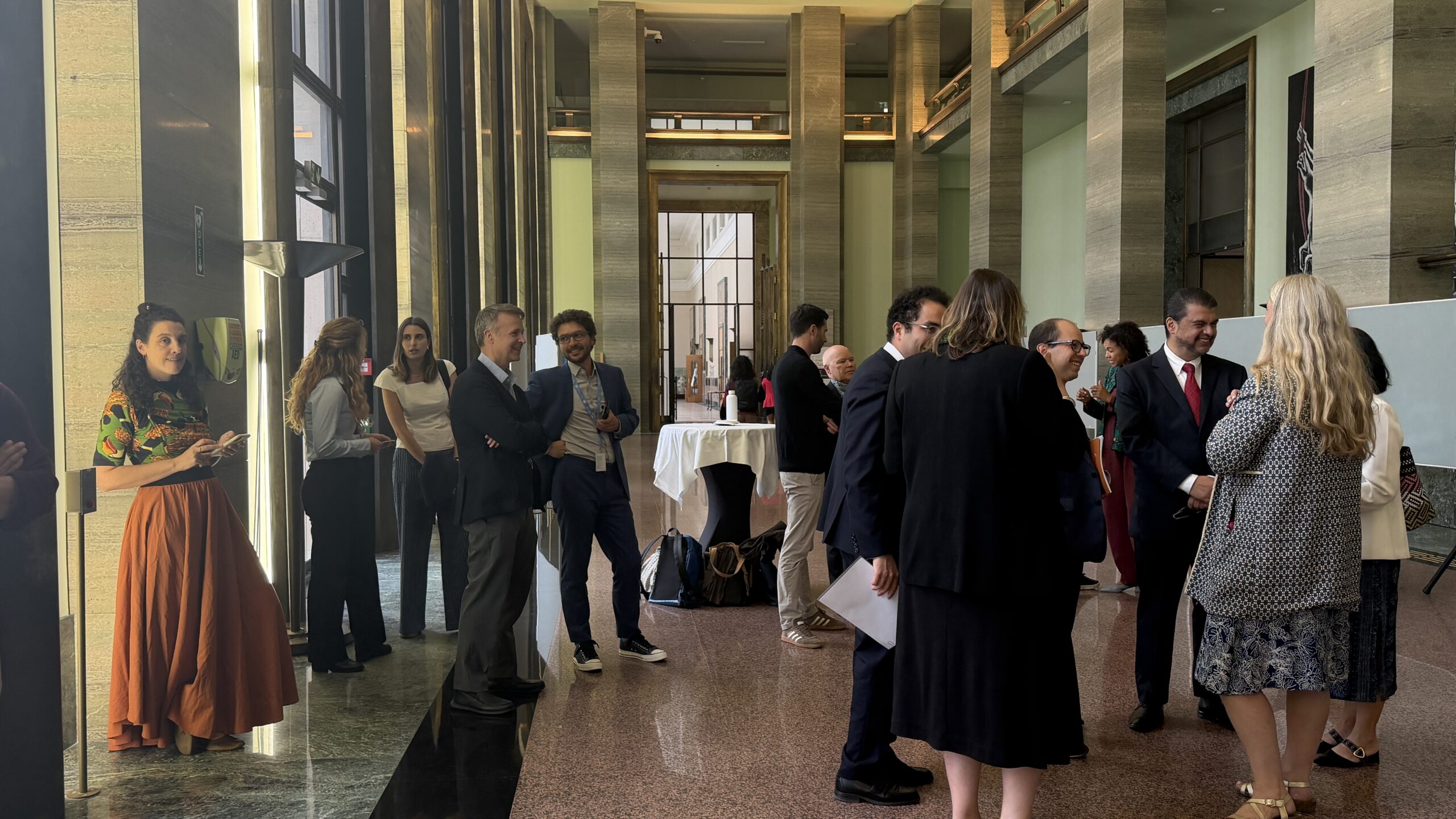
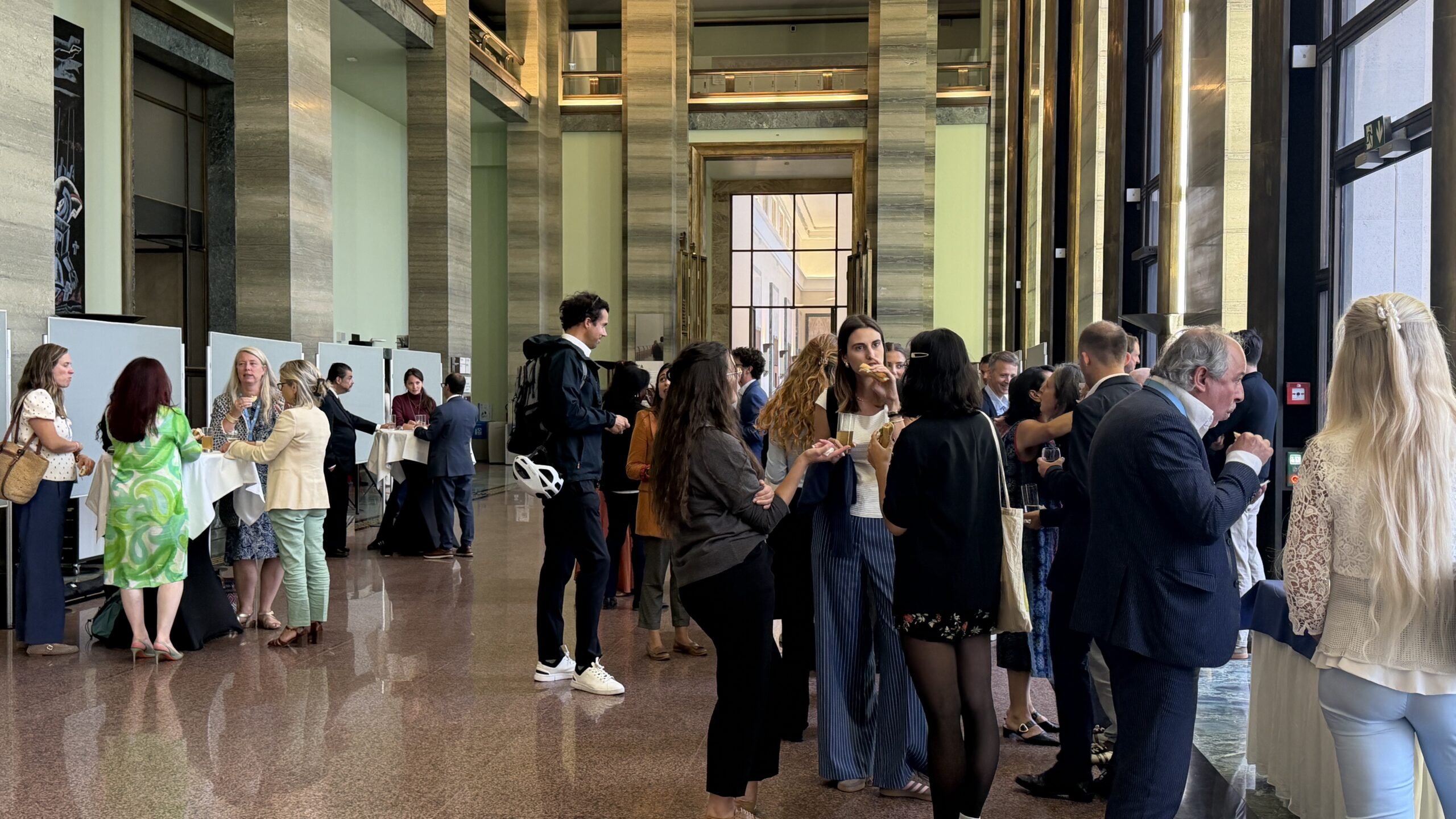
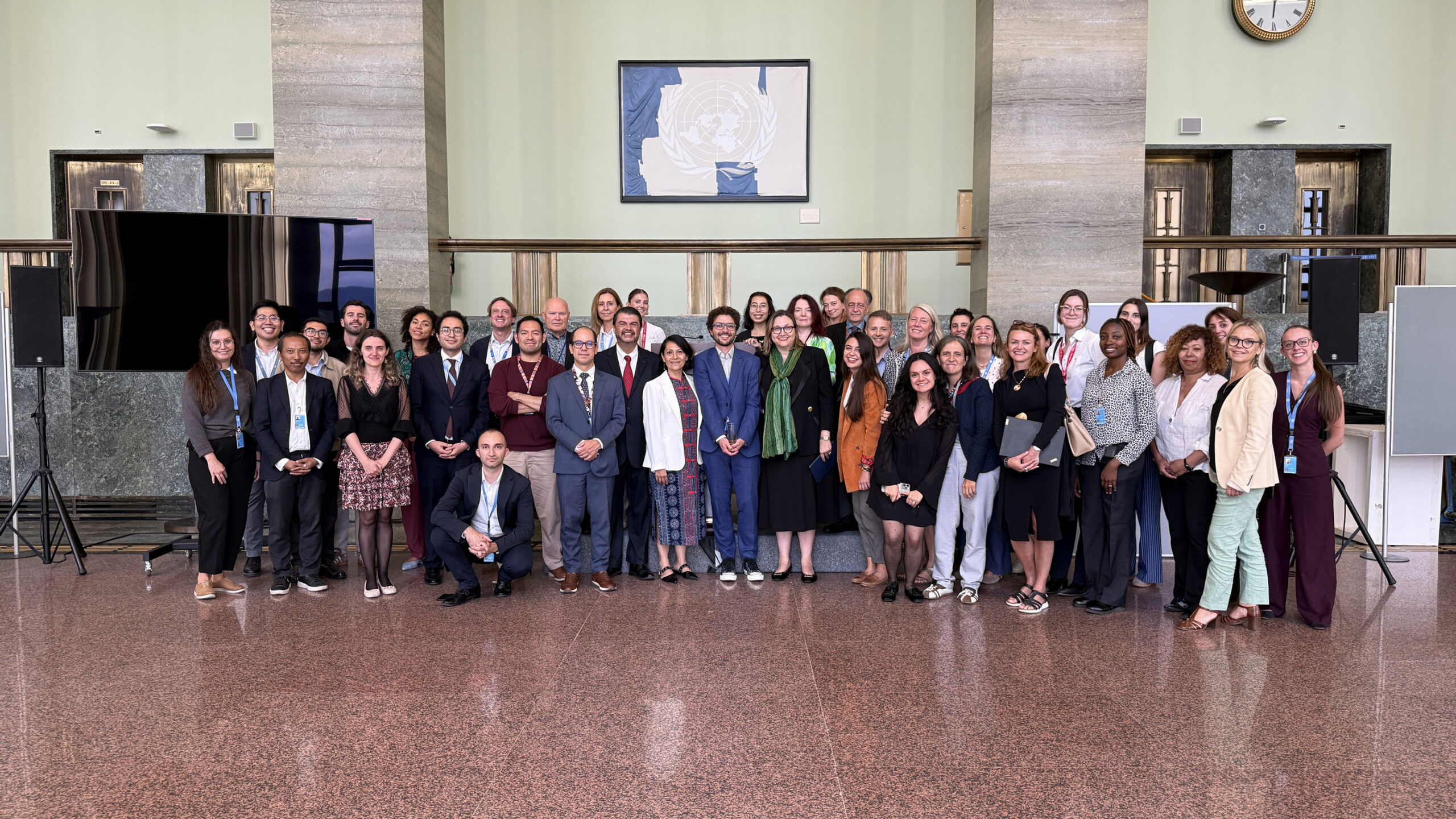
This reception, convened by the UN Special Rapporteur on the Right to a Healthy Environment, Astrid Puentes, offered an opportunity to acknowledge achievements, hear diverse perspectives, and renew our commitment to advancing environmental justice and human rights, as we celebrate the five years of the adoption of the Human Rights Council resolution recognizing the Right to a Clean, Healthy and Sustainable Environment.

Order of the Day
Welcome Remarks
- H.E Ambassador Mario Zamora Cordero, Permanent Representative of Costa Rica to the United Nations and International Organizations in Geneva
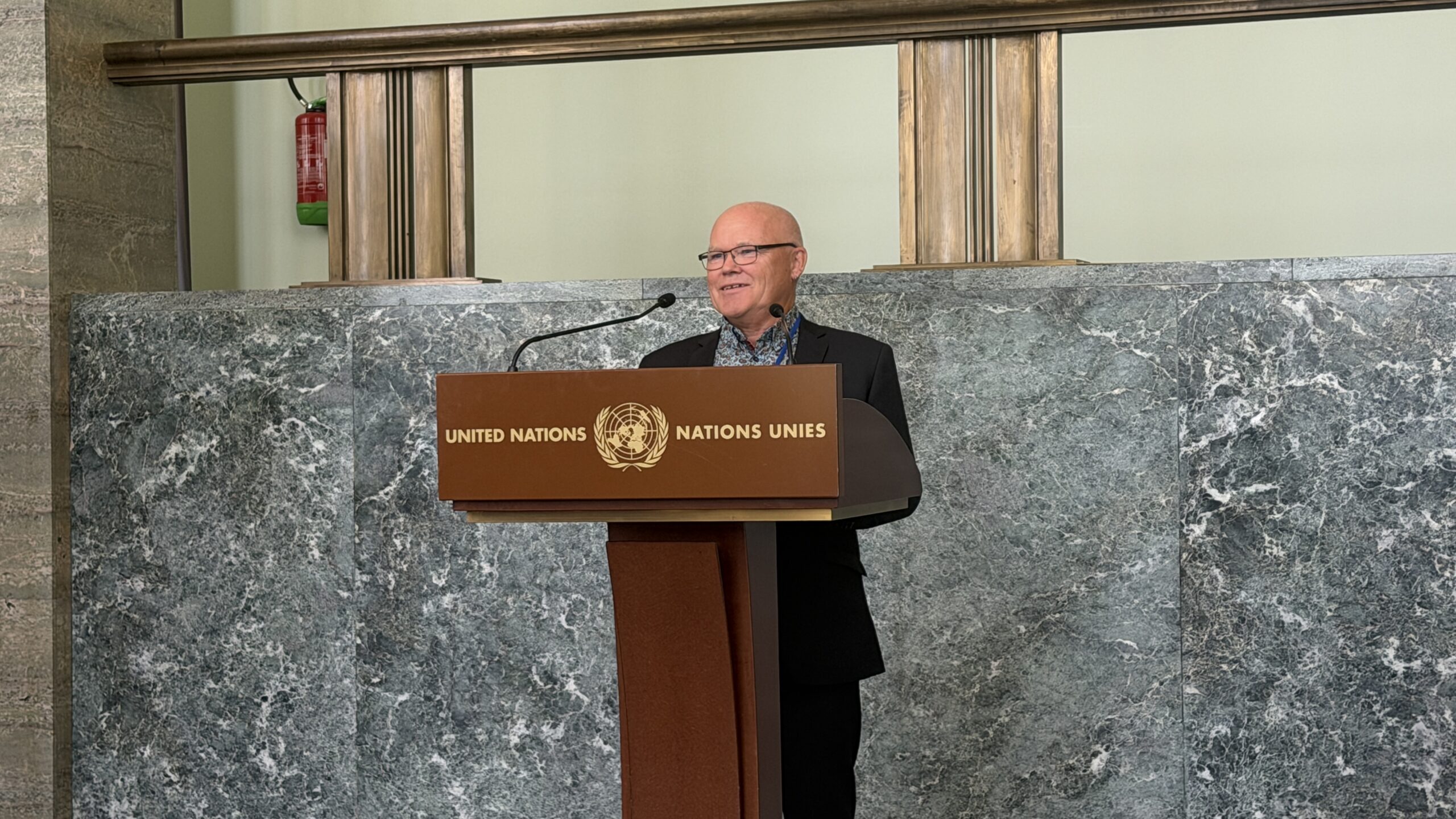
- Abdessalam El Ouazzani, Counsellor of the Permanent Mission of Morocco to the United Nations and International Organizations in Geneva
Additional Remarks
- UNEP
- Blair Matheson, Executive Director, Franciscans International
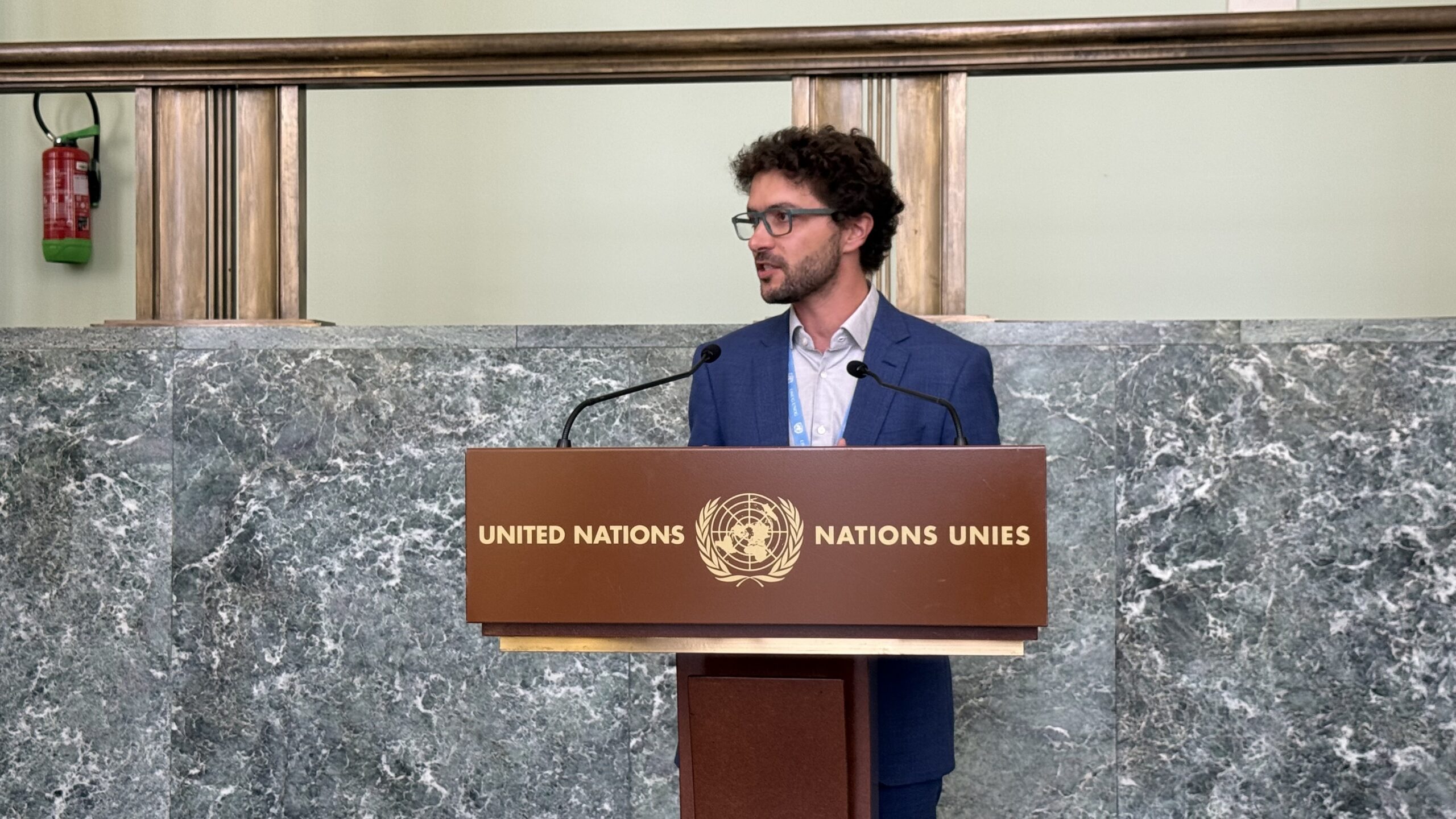
- Sébastien Duyck, Senior Attorney and Human Rights & Climate Campaign Manager, Center for International Environmental Law (CIEL)
Closing Remarks
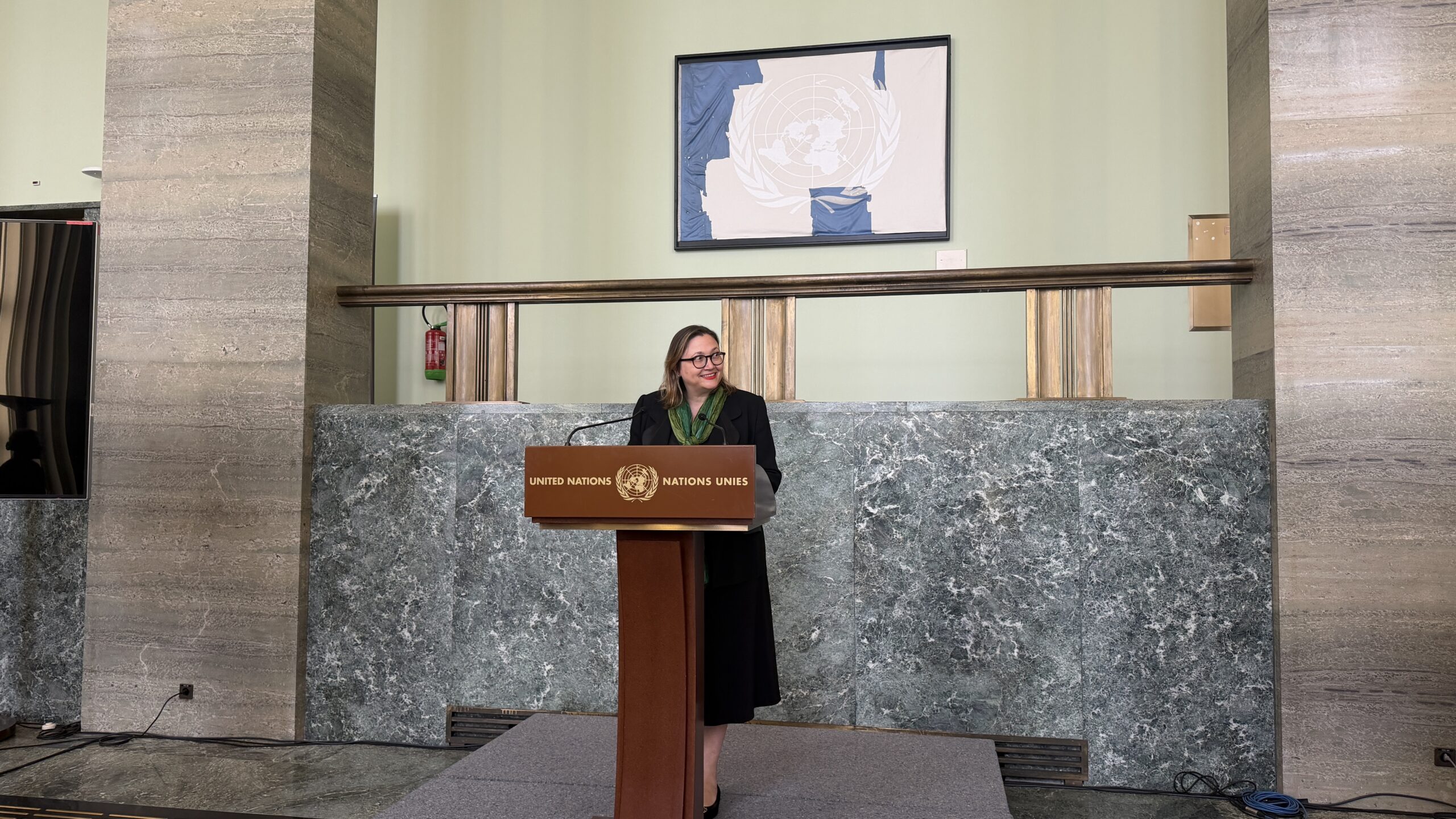
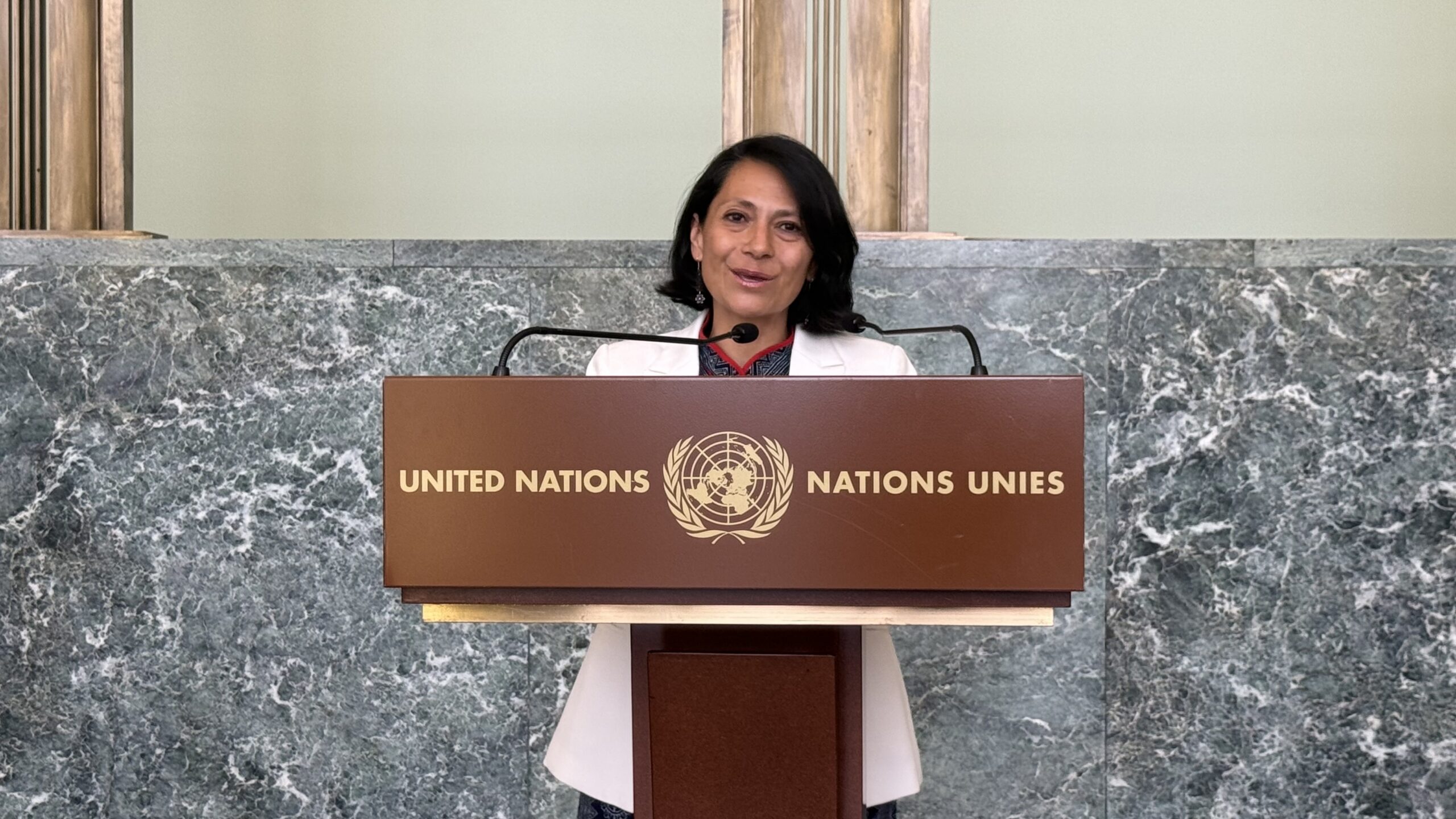
- Astrid Puentes Riaño, UN Special Rapporteur on the human right to a clean, healthy and sustainable environment
Moderation
- Diana Rizzolio, Coordinator, Geneva Environent Network, UNEP
Video
Remarks
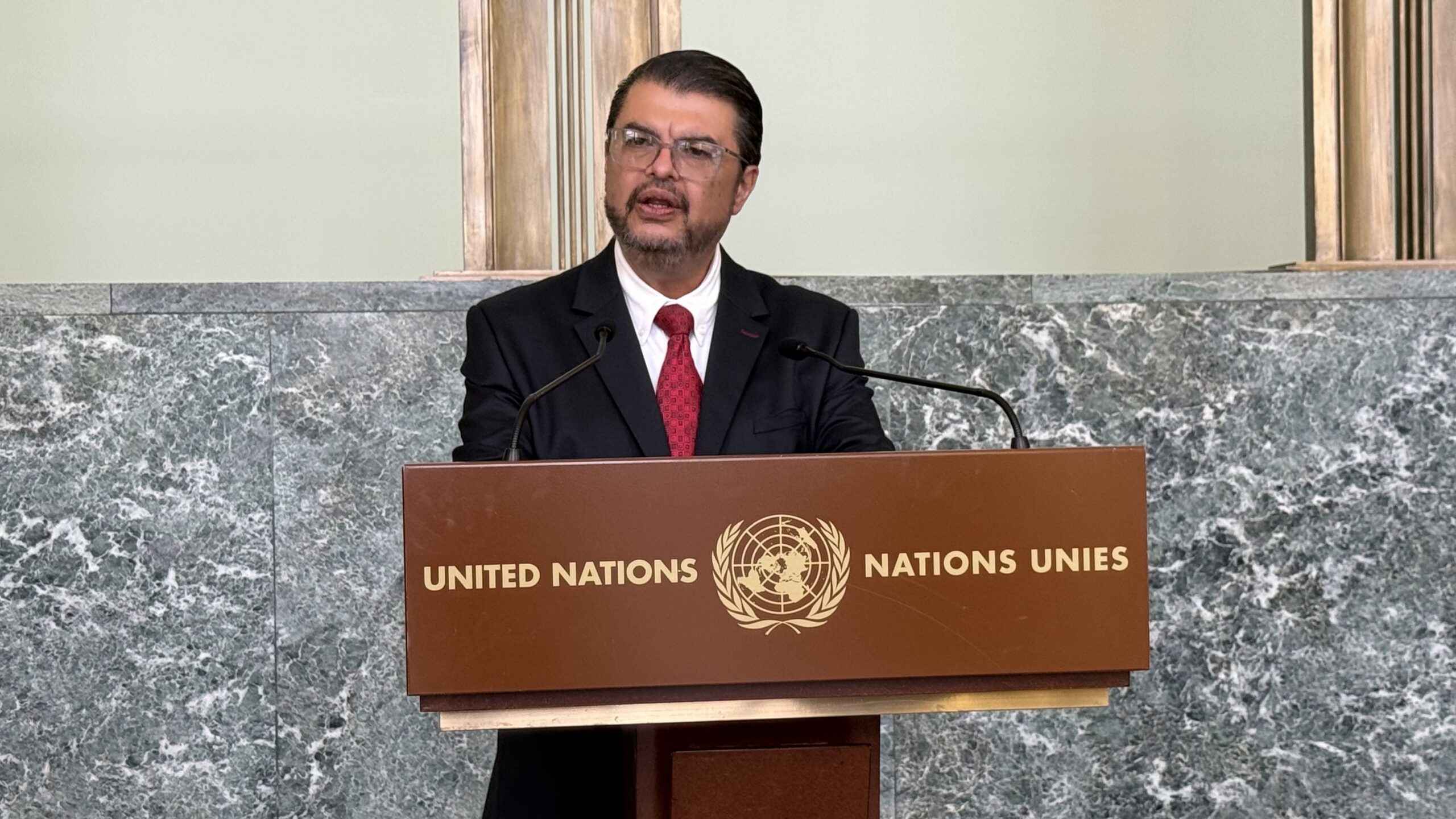
H.E. Ambassador of Costa Rica, Mario Zamora Cordero
Hoy conmemoramos cinco años de una decisión que marcó un antes y un después. En octubre de 2021, el Consejo de Derechos Humanos reconoció el derecho a un ambiente limpio, saludable y sostenible. Meses después, la Asamblea General de las Naciones Unidas lo confirmó, con el respaldo de la comunidad internacional.
Queremos agradecer a Eslovenia, Marruecos, Maldivas y Suiza, que junto a Costa Rica hicieron posible este logro. Su liderazgo y su confianza en el diálogo demostraron que el multilateralismo puede responder a los desafíos de nuestro tiempo.
Un agradecimiento muy especial a Astrid Puentes, Relatora Especial sobre el derecho a un ambiente limpio, saludable y sostenible, y a su equipo, y a sus predecesores, por su trabajo riguroso, su compromiso constante y su capacidad de acercar este derecho humano a las personas.
Este avance no habría sido posible sin cientos de organizaciones no gubernamentales, y sin los Pueblos Indígenas, las comunidades locales, los jóvenes, la academia y tantos otros miles de actores de la sociedad civil, incluyendo, por supuesto, a las personas defensoras ambientales de derechos humanos. Todos ustedes, con su conocimiento, su perseverancia y su voz, protegen el ambiente cada día y defienden el disfrute, la promoción y la protección de este derecho y con ello la de todos los derechos.
Como lo señaló la Corte Internacional de Justicia, recordemos que se trata de un derecho humano que es esencial para el disfrute de todos los demás derechos humanos, incluyendo el trabajo, la educación, la salud y la vivienda.
Como Embajador de Costa Rica, quiero hoy reiterar el compromiso de mi país de seguir al frente de esta labor, desde lo nacional hasta lo multilateral, para implementar en la práctica este derecho humano y recordar siempre, con acciones concretas aquí en Ginebra, que el medio ambiente limpio, saludable y sostenible es esencial para sostener la vida de todos los seres quienes habitamos este planeta.
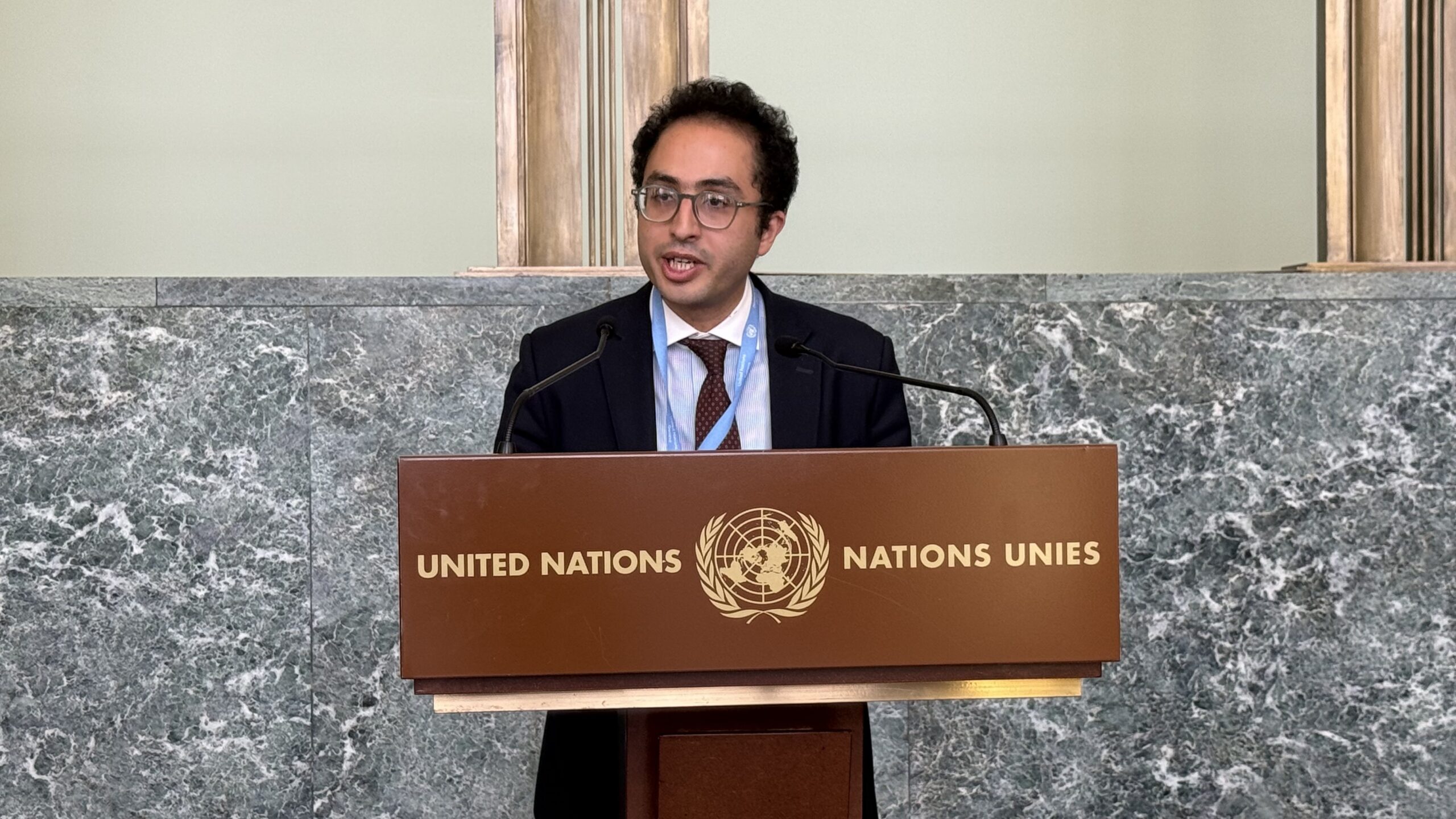
Abdessalam El Ouazzani, Counsellor of the Permanent Mission of Morocco to the United Nations and International Organizations in Geneva
On behalf of the Kingdom of Morocco, I warmly welcome you all and thank our partners whose sustained commitment has helped translate this right from aspiration into reality.
Five years ago, in this very building, this Council said something it had never said before: everyone, everywhere, has the right to live in a clean, healthy and sustainable environment. Forty-three votes and not one against; the General Assembly followed with one hundred and sixty-one. Morocco is proud to have helped carry that text from its first draft.
Tonight we take stock. One hundred and sixty-six States now recognise this right in their law. The International Court of Justice has called it a precondition for the enjoyment of all other rights. A right that some thought symbolic has become a standard that courts apply.
Morocco did not wait for Geneva. Our Constitution has guaranteed a healthy environment since 2011. What has changed since 2021 is the pace: a climate policy ranked sixth in the world and first in Africa, a commitment last October to phase out coal and triple renewables, and a strategy to finance adaptation, because a right without money is only a promise.
The next five years must be devoted to implementation. Morocco is honoured to take the pen for the next resolution of this Council. In carrying this responsibility, we will work openly and inclusively with all delegations, with a view to building the broadest possible consensus and advancing the effective implementation of this right.
We must spare no effort to safeguard the right of future generations to live in a healthy environment as a fundamental human right. Time is of the essence, and this Council is precisely where this right must not only be proclaimed, but also fully recognized, respected and implemented, without delay or hesitation.
United Nations Environment Programme
UNEP is very pleased to be here tonight, among so many of the people who made this possible.
When this Council created the mandate of the Independent Expert on human rights and the environment in 2012, the question on the table was clear: what, exactly, do human rights require of all actors when it comes to the environment? UNEP has been proud to support the mandate from those early days. We worked with John Knox as Independent Expert and then Special Rapporteur, through David Boyd’s tenure, and now alongside Astrid Puentes.
Look at how far that work has come. First came the patient clarification of obligations, theme by theme: clean air, safe and sufficient water, a safe climate, healthy ecosystems, non-toxic environments, healthy and sustainable food. The Framework Principles of 2018 gave all of us a common reference point. And continue to be used. Then came recognition, here in 2021 and at the General Assembly in 2022. And now, five years on, we are in the harder and more rewarding part: implementation, again across many themes and in many places.
We’ve been there for the ups and the downs, for the headline moments and for the more quiet work in between, which is usually where the real progress happens.
None of this was done by one institution. We want to recognise environmental human rights defenders, whose courage gave this work its urgency, and some of whom continue to pay for it in serious ways. We also want to recognise the secretariats of the multilateral environmental agreements, who brought the right into their own processes. And the Member States, many of you here tonight, including the core group, who carried it through negotiations. The Special Procedures and OHCHR have been our partners throughout. And civil society, Indigenous Peoples and young people pushed all of us further than we might have gone on our own.
For UNEP, part of our role has been to carry the right into rooms where it hadn’t always been, including the UN Environment Assembly, and to support countries that want to make it real in their own frameworks and contexts.
So tonight is a celebration, and it’s deserved. Tomorrow the work continues, and we are glad we get to do it together.
Blair Matheson, Executive Director, Franciscans International
Franciscans International welcomes the opportunity to be with you all today, congratulating the core group on their achievements, and commending the excellent, passionate work of Astrid Puentes, the Special Rapporteur on the right to a clean, healthy sustainable environment.
As with others here, we were keen to join the Global Coalition for recognition, because of calls to address environmental degradation, human rights violations and abuses, and the overall impunity faced by communities around the world.
While we can point to signs of progress and gains for the environmental justice movement, including the ICJ and Inter-American Court’s advisory opinions, we know that the challenges we face in regard to the environment and climate change are unprecedented, as expressed in today’s side event
As part of our reflections on this 5-year anniversary, we have asked ourselves what more can we be doing to ensure implementation and coherence across the UN?
How can we take the success of the Global Coalition, which received the UN’s Human Rights Prize, and the lessons learned from such broad mobilization to reinvigorate our work and cooperation, in regard to this right?
Let me quickly mention next month’s session on the process towards a treaty on business and human rights – and call on States in the room to ensure strong language on the environment.
We know that existing and developing business sectors are continuing to place profit over people and the planet, fossil fuels, Datacenters, AI and weapons industries
Realization of the right to a clean, healthy, sustainable environment will not occur in a vacuum of accountability; so, while we mark this anniversary and are grateful for what has been achieved, let us all recommit to continue the battle for this mandate to be mainstreamed and fulfilled so that people may live with dignity and in peace.
Sébastien Duyck, Senior Attorney and Human Rights & Climate Campaign Manager, Center for International Environmental Law (CIEL)
We really are here tonight to celebrate a historic moment, and one that hopefully can also bring us additional energy as we continue to work on so many of these human rights issues here at the Human Rights Council and elsewhere. We know that multilateralism, and in particular work on the environment and human rights, is under tremendous pressure.
Five years ago, we achieved something historic here together, working with a core group of countries and demonstrating the power of a few bold and visionary nations. I really want to thank again all members of the core group, and in particular those who have really carried on this work.
We have demonstrated together the power of States working with civil society, Indigenous Peoples’ organizations and other organizations. As we discussed earlier in relation to civil society, we spent a lot of energy organizing together, bringing together this coalition of 1,400 organizations, bringing different segments of civil society together and speaking with one voice, together with Indigenous Peoples’ organizations and civil society organizations from all regions of the world, to really support the visionary countries and delegates that were pushing forward the recognition of this right here at the Human Rights Council, and also to discuss with representatives of other countries why they would stand in the path of a historic recognition.
This work built on decades of engagement by some of the NGOs that are here in the room, and I want to thank in particular the historic leadership of Earthjustice and many of the other organizations that could then build upon this work and the foundations that were established over the years. Some of those key moments were also described previously.
This coalition was recognized in 2023, as many of you know, for its leadership through the prestigious UN Human Rights Prize, recognizing the power, in diplomatic circles, of a broad civil society and Indigenous Peoples’ coalition and the importance of their participation.
But now we need to work harder. It is important for us to celebrate, but also to be realistic about what is happening right outside. In particular, we know that environmental human rights defenders, five years after the recognition of the right to a healthy environment here at the UN, and decades after the recognition of these rights in many countries, are still suffering increasing — not just continuous, but increasing — pressure for their work.
We know that many of our partner organizations, those that joined our coalition, are facing lawsuits from companies, are under tremendous pressure, or are being deregistered or banned by some national governments.
We also know that the triple planetary crisis is accelerating. Again, just here in Europe, for instance, this summer, or in Nepal just a few weeks ago, we have had drastic, dramatic examples of what this triple planetary crisis means for the lives of citizens and people.
We hope that we can continue to work together, draw inspiration and roll up our sleeves. In particular, at the national level, for instance, by working for better regulation of private actors; at the regional level, welcoming those regions that have moved forward and have already done historic work on these matters, like Latin America and Africa, but also calling on those regions that have yet to take action, like Europe, to really act on the protection of the right and help us develop the legally binding instruments that will make this right a reality across the region.
And at the international level, we need to make further progress by mainstreaming the right, as was mentioned earlier, for instance in negotiations that will take place here in just a month. But we also need to call out those delegates who, in the same room where the right was recognized five years ago, actually continue to question its existence. And I’m sure some of you will have concrete examples of this happening just in the past few days.
I just wanted to bring us back to the way that Geneva acted as a catalyst five years ago. We have seen afterwards that the UN General Assembly was able to build upon this, and the International Court of Justice as well, in its historic opinion on the scope of States’ obligations in the context of climate change.
And I hope that this brings us back some hope, some understanding of the power of Geneva when we work together and we actually try to achieve what a lot of delegates tell us is impossible.
Thank you so much for your work, and we look forward to continuing to work with you. But first, to celebrate, because this is something that we spent a lot of energy on and we can be proud of. Thank you.
Astrid Puentes Riaño, UN Special Rapporteur on the human right to a clean, healthy and sustainable environment
For me, it is an honour — it is really hard to describe how honoured I am — to be here to celebrate the right to a healthy environment, for many reasons.
As we just heard, before my time as mandate holder and Special Rapporteur on the human right to a clean, healthy and sustainable environment, I worked for a few decades on the recognition of the right to a healthy environment from Latin America. I was honoured to be part of the coalition and also to be part of the delegation that went to New York to receive the award.
I worked with you through so many nights, so many phone calls with missions, organizations and UN entities. And then to be appointed as Special Rapporteur of the mandate that was renamed to honour the recognition of the right is also important. As we know, words matter. So just that change and that advance are very important, and for me it really is an honour.
But I am also honoured because this entire process has been a collaborative effort. I remember there was leadership from States — ambassadors from Costa Rica, Slovenia, Morocco and the Maldives at that time, and also from other friendly States — who were fighting and negotiating really hard with other delegations and achieved what was possible.
But it was also in coordination with so many people. We have already heard about the petition that was signed by over 1,400 organizations. So imagine the number of people behind that, and of course the UN.
That is also reflected in this event and side event. I really want to appreciate the co-sponsorship from Costa Rica, the Maldives, Morocco, Slovenia, Monaco and France, and also the Office of the High Commissioner, the Council of Europe, UNEP, and organizations including the ICJ, the International Service for Human Rights, FIAN, Franciscans International, CIEL, of course the Geneva Environment Network, Special Procedures, and my lovely team. Of course, it would be impossible for me to do what I am doing without that support.
It also speaks to how change happens and how we need to advance. Change is not going to happen only in Geneva. It is not going to happen only in New York. It is going to happen together. That is what we achieved with this.
And, of course, we did not do it for the prize. We did not even know that a prize existed. We did it because it needed to be done. That is exactly what happened also with the missions, and that is exactly what we need to do in the next step.
As we have already heard, one of the things that I am worried about is how difficult it is now to make sure that human rights and the human right to a healthy environment continue to be included in key messages from UN entities, in key messages from States and in decisions from COPs.
We cannot lose the right to a healthy environment. We cannot lose human rights in all of these spaces.
Why? Because one of the things that States constantly tell me is the challenge of fragmented and siloed perspectives. The right to a healthy environment helps with those synergies, and we need to advance there, as we heard, with accountability for businesses, to make sure that we incorporate everything into the same policies and laws, that we advance accountability, but most importantly, that these changes are seen on the ground.
What do we mean by “on the ground”? Well, we breathe. Over 90 per cent of people — a lot of us — breathe air that is polluted. So, of course, we think about Indigenous Peoples and people on the ground. This is our ground. We saw it with heatwaves.
So I invite you all to also think about the territories. It is not only far away in the DRC, the Congo, the Amazon, but also in Geneva and where our families are. And with this, of course, reminding ourselves that we are talking about the rights of present and future generations.
Today, we have the right to a healthy environment here in Geneva. That was an inspiration for New York to recognize it, an inspiration to move the ICJ. The International Court of Justice unanimously recognized that the right to a healthy environment is essential and a precondition for the protection of all human rights.
One of my favourite phrases there is that the Court said that it could not think about how States would guarantee the enjoyment of all human rights without the right to a healthy environment.
Hopefully, that will be seen by the Council of Europe, as we heard before, and the Pacific Islands, and every State that has not recognized the right to a healthy environment, to expressly recognize it.
It is not a legal check. It is actually so that they have a piece of the puzzle that they are missing. Europe is today really the only region where recognition has remained pending.
So today, as we heard, we know that things are challenging, but we really wanted to have this celebration together and celebrate ourselves, because all of us were part of this, and it was not possible without all of us.
And, of course, from now through the next few years, both in my mandate, with other colleagues and in our work, we will continue.
Photo Gallery