Événement Journée mondiale
Journée mondiale des abeilles 2023

About
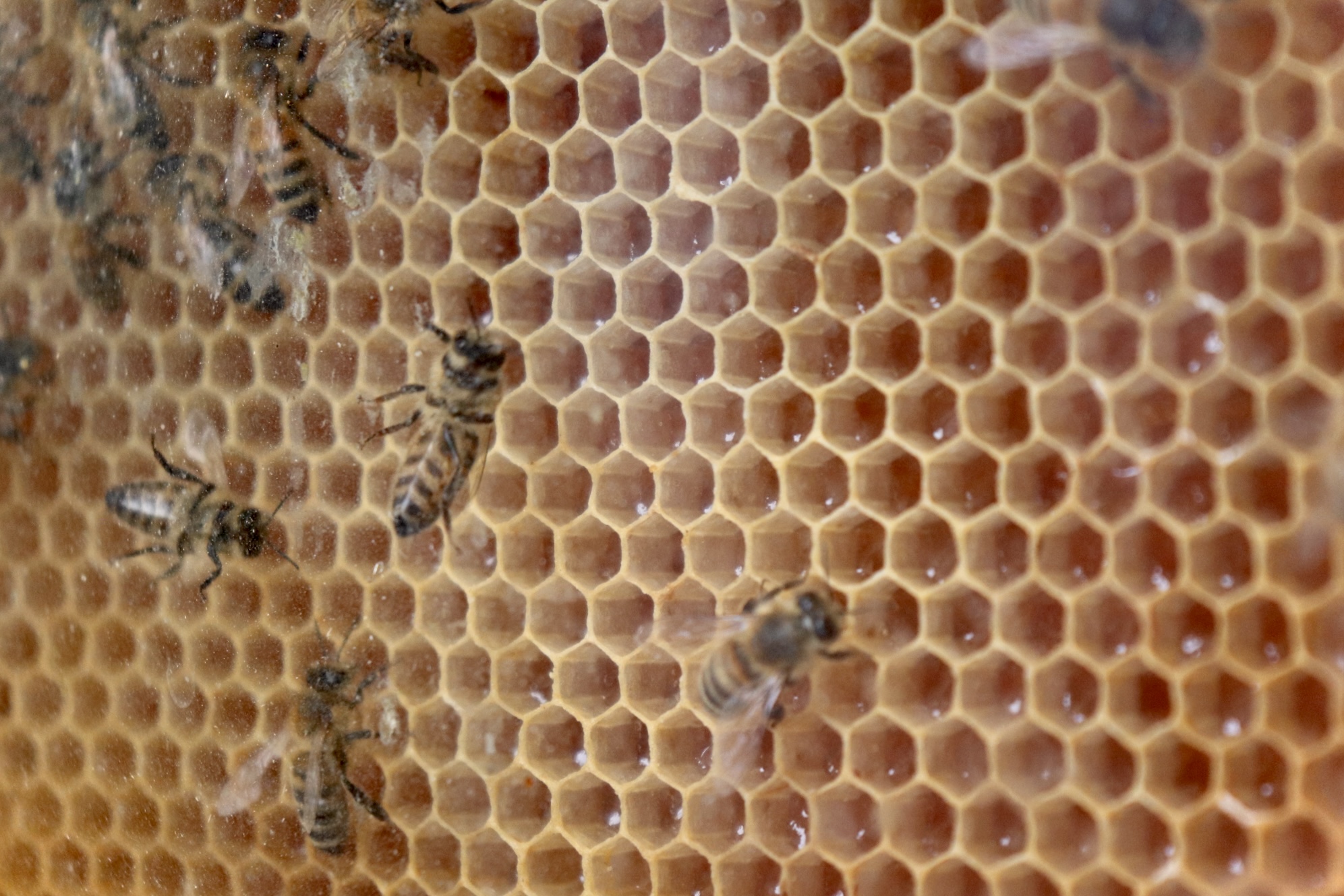
For centuries bees, among the hardest working creatures on the planet, have benefited people, plants and the environment. By carrying pollen from one flower to another, bees and other pollinators enable not only the production of an abundance of fruits, nuts and seeds, but also more variety and better quality, contributing to food security and nutrition. To raise awareness of the importance of pollinators, the threats they face and their contribution to sustainable development, the United Nations designated 20 May as World Bee Day.
The goal is to strengthen measures aimed at protecting bees and other pollinators, which would significantly contribute to solving problems related to the global food supply and eliminate hunger in developing countries. We all depend on pollinators and it is, therefore, crucial to monitor their decline and halt the loss of biodiversity.
This United Nations celebration raises awareness of the essential role bees and other pollinators play in keeping people and the planet healthy, and on the many challenges they face today. FAO has been celebrating this day since 2018, thanks to the efforts of the Government of Slovenia with the support of the International Federation of Beekeepers’ Associations Apimondia, that led the UN General Assembly to declare 20 May as World Bee Day.
The date for this observance was chosen as it was the day Anton Janša (1734–1773), a pioneer of modern apiculture, was born. Janša came from a family of beekeepers in Slovenia, where beekeeping is an important agricultural activity with a long-standing tradition. The Austrian Empress Maria Theresa appointed him to the post of permanent teacher of apiculture at the new School of Beekeeping in Vienna. He became well known even before his death. After 1775, all state beekeeping teachers had to teach the subject in accordance with his teachings and methods.
Today bees, pollinators, and many other insects are declining in abundance. This day provides an opportunity for all of us – whether we work for governments, organizations or civil society or are concerned citizens – to promote actions that will protect and enhance pollinators and their habitats, improve their abundance and diversity, and support the sustainable development of beekeeping.
2024 Theme
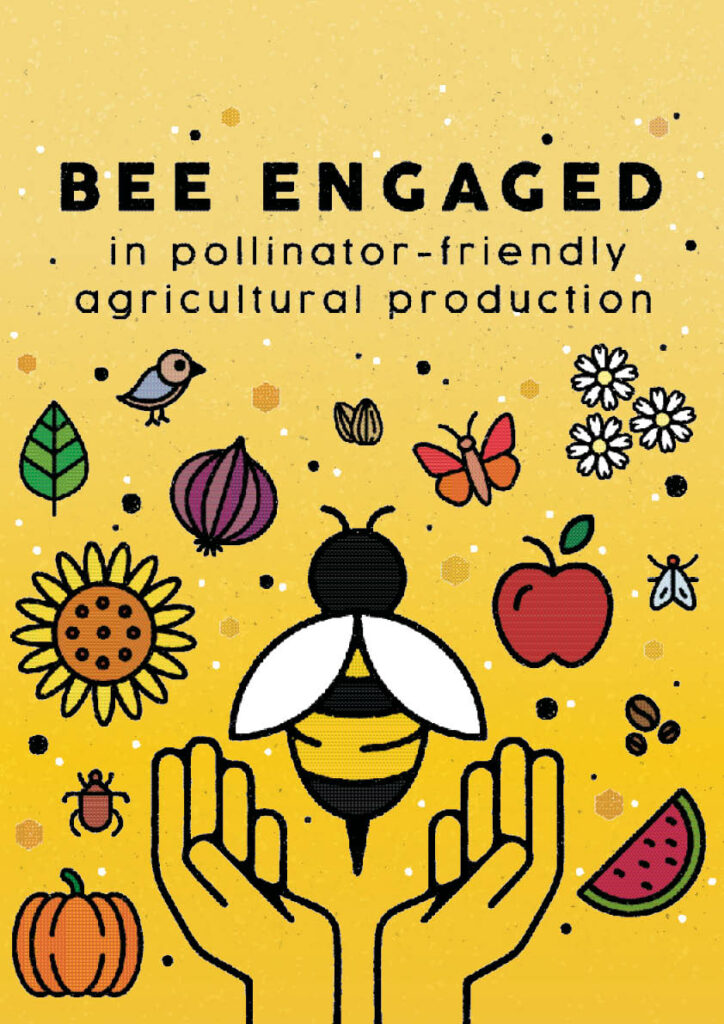
Under the theme “Bee engaged in pollinator-friendly agricultural production”, World Bee Day 2023 calls for global action to support pollinator-friendly agricultural production and highlights the importance of protecting bees and other pollinators, particularly through evidence-based agricultural production practices.
The global World Bee Day ceremony, which will be held in hybrid format at the FAO headquarters on Friday, 19 May, will be an opportunity to raise awareness of the importance of adopting pollinator-friendly agricultural production practices to protect bees and other pollinators, while contributing to the resilience, sustainability and efficiency of agrifood systems.
Role of Geneva
Various international and local organizations in Geneva are engaged in the protection and conservation of our biological diversity, including pollinators.
Events
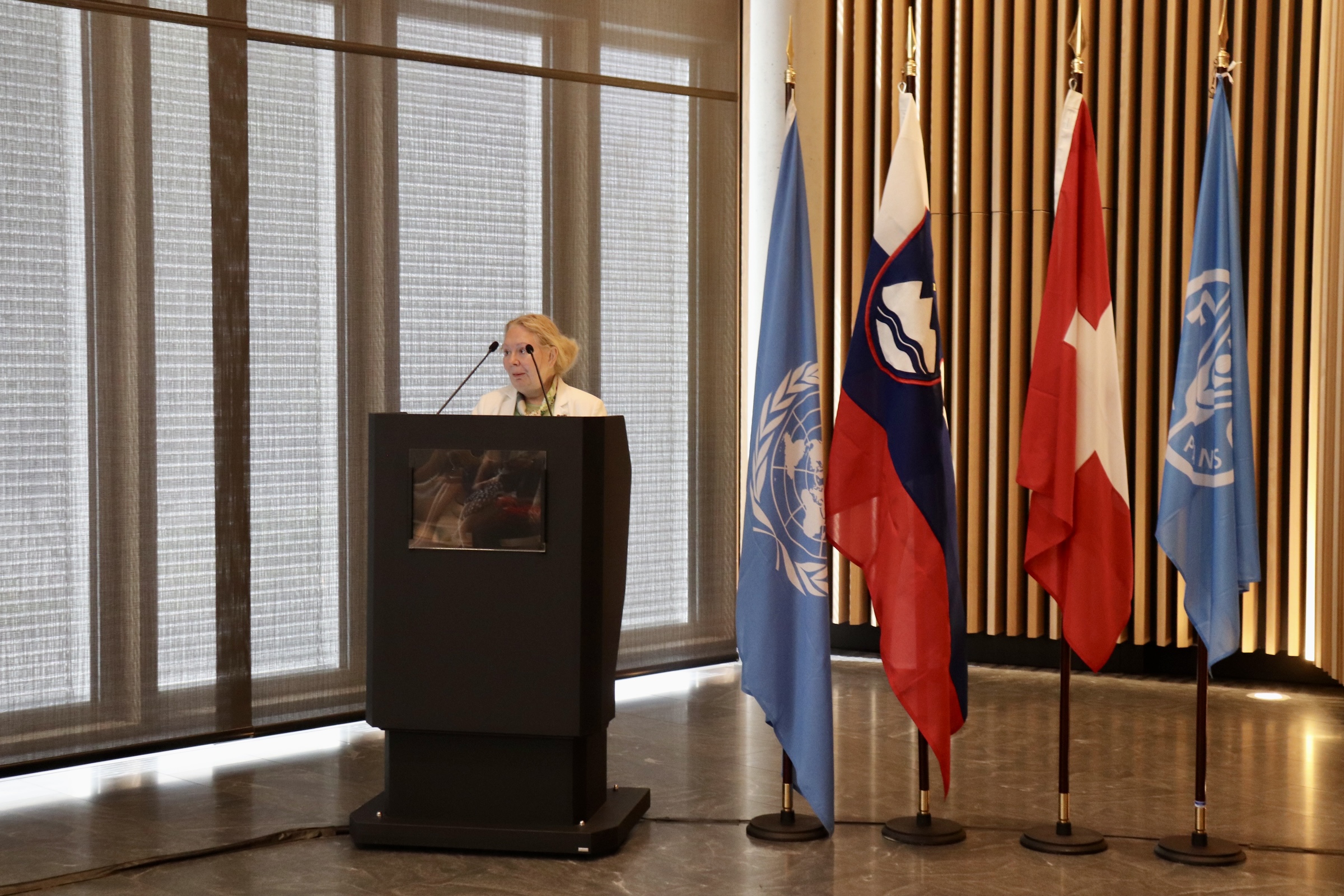
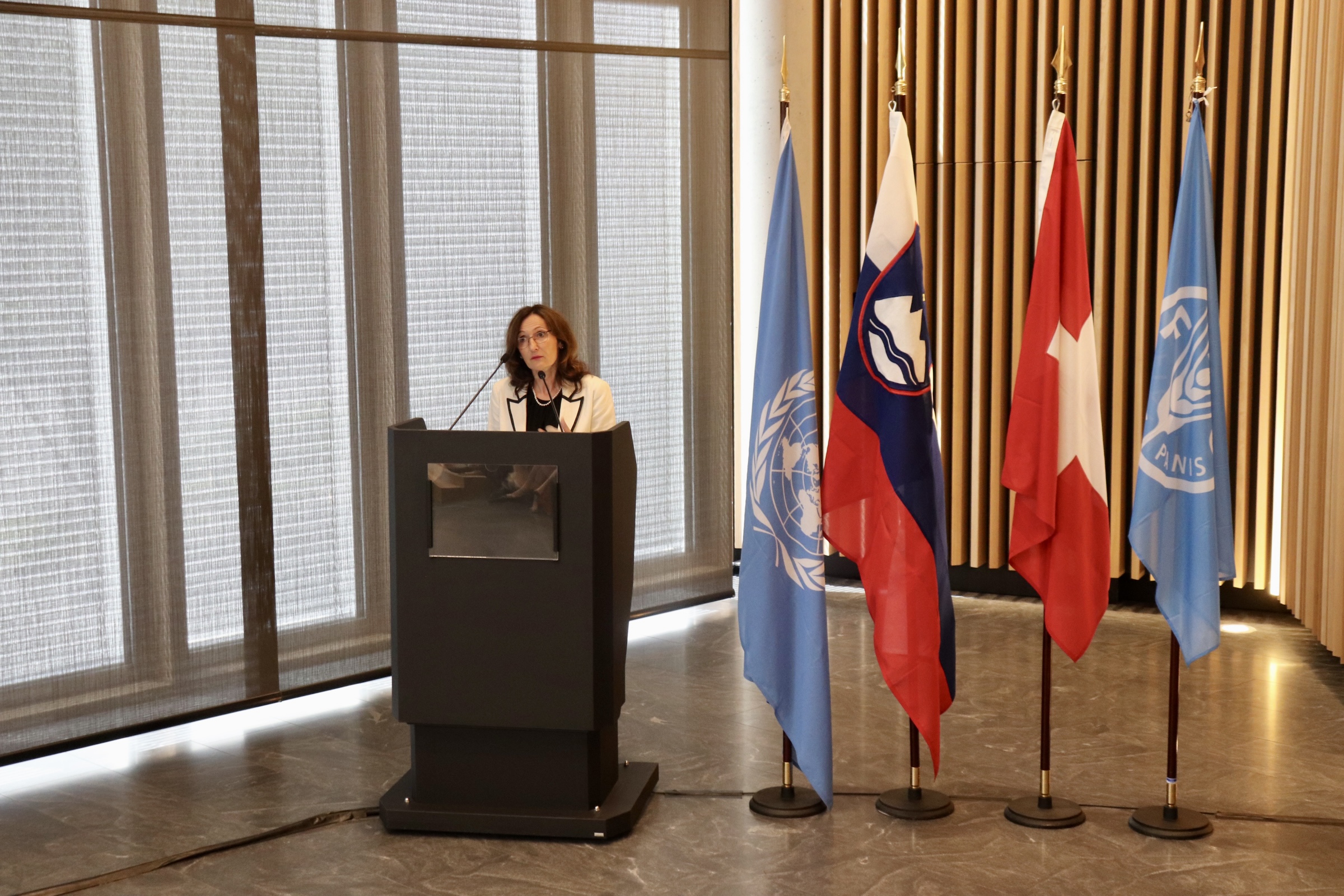
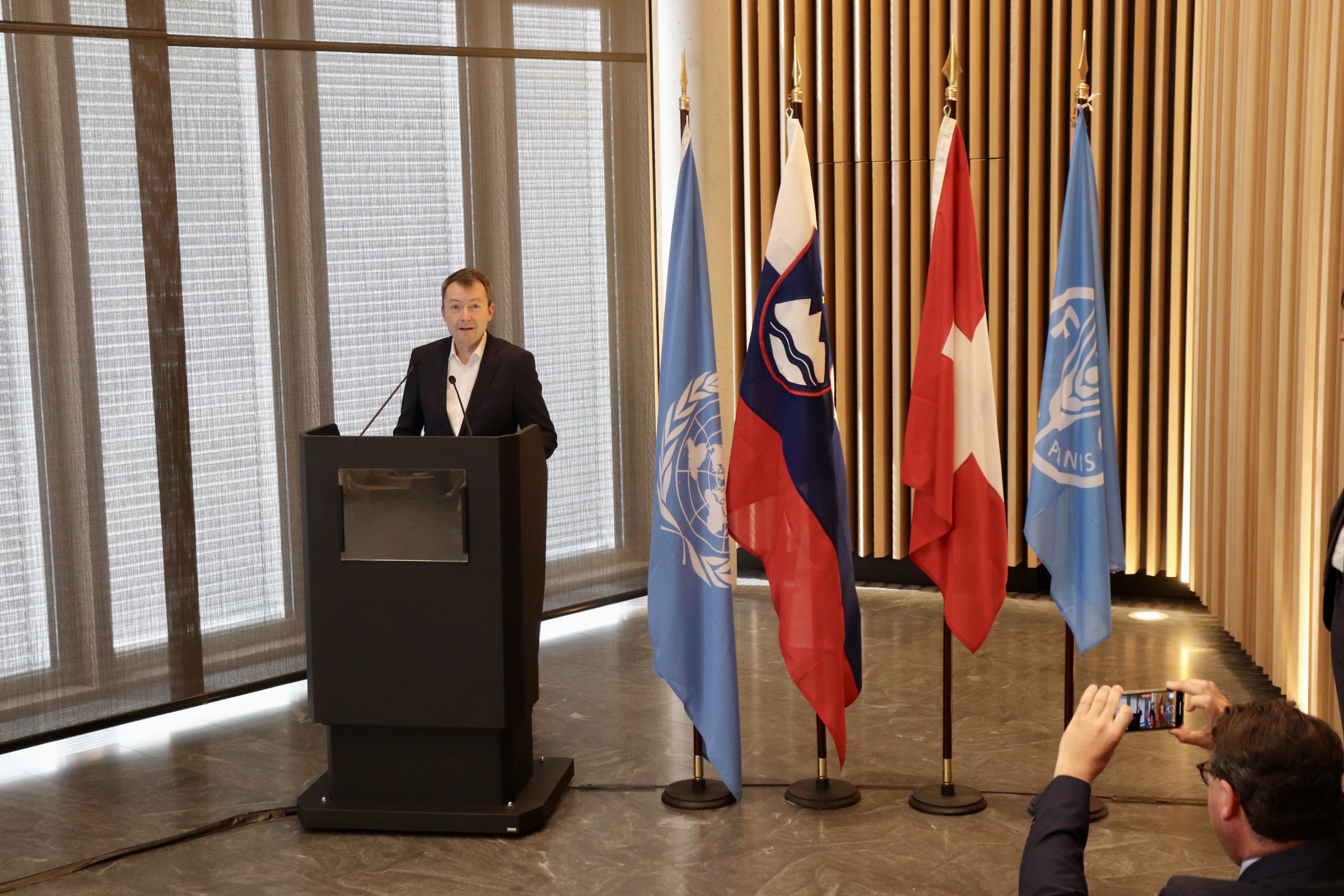
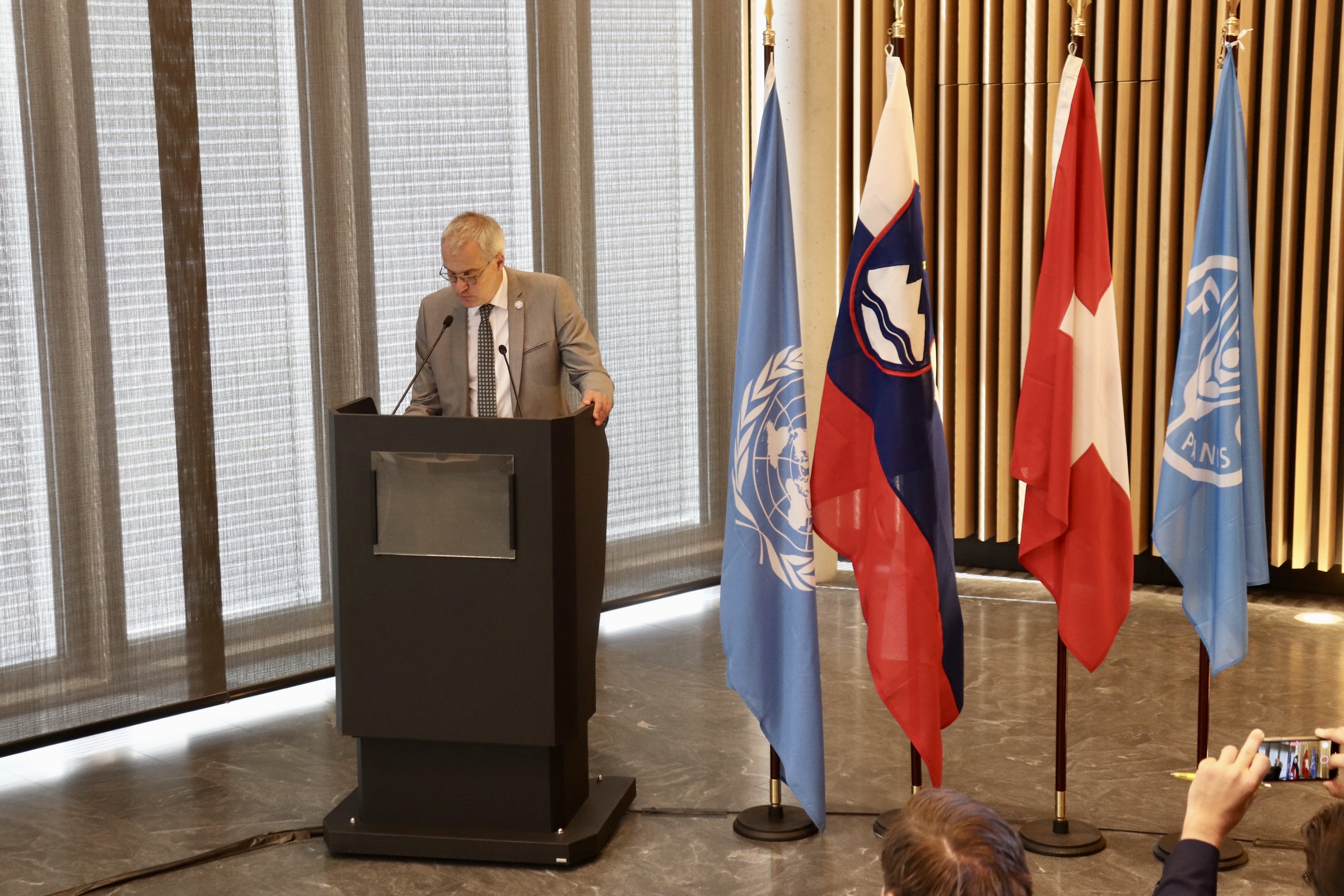
Geneva Celebration of World Bee Day 2023: Honey for Empowerment
FAO, Slovenia, Switzerland | 16 May 2023, 11:30–13:00 CEST | Palais des Nations, Building H, Lobby
Global Celebration: Bee engaged in pollinator-friendly agricultural production
FAO | 10:00 – 11:30 CEST | FAO HQ, Rome, Italy & Online
Les abeilles
NARIES & Commune de Chêne-Bougeries | 20 May 2023, 10:00-11:00 CEST | Parc des Falaises
Gallery
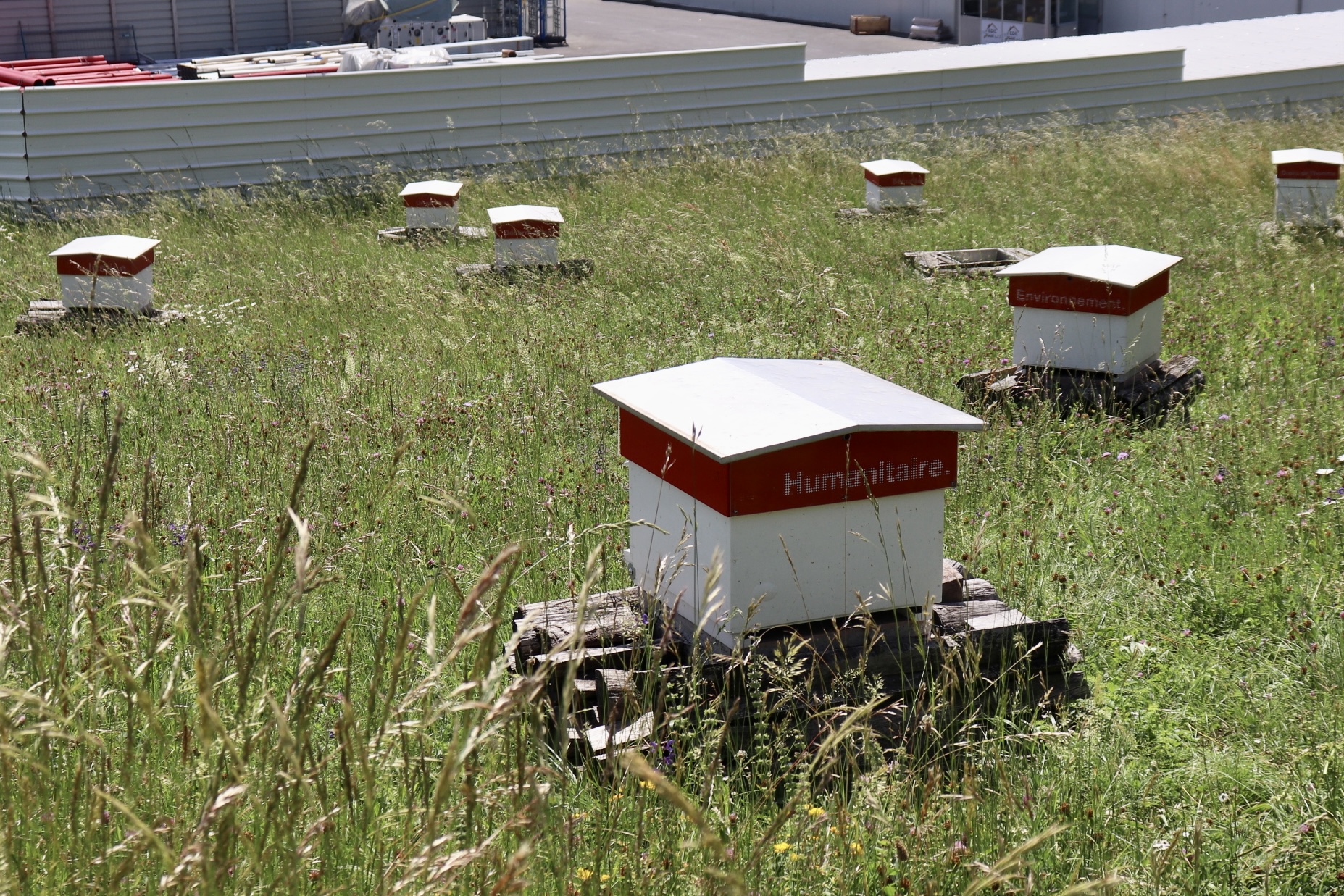
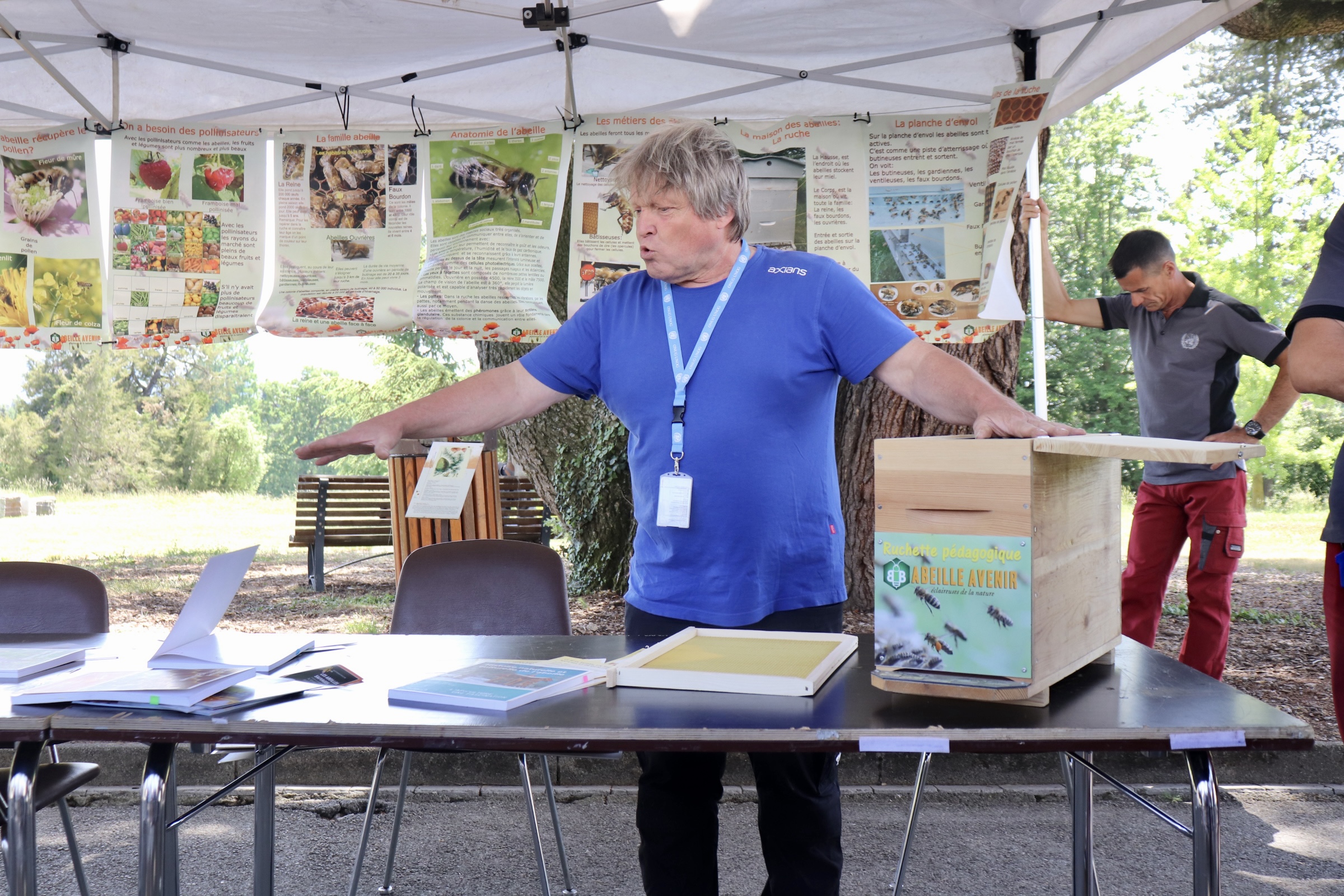
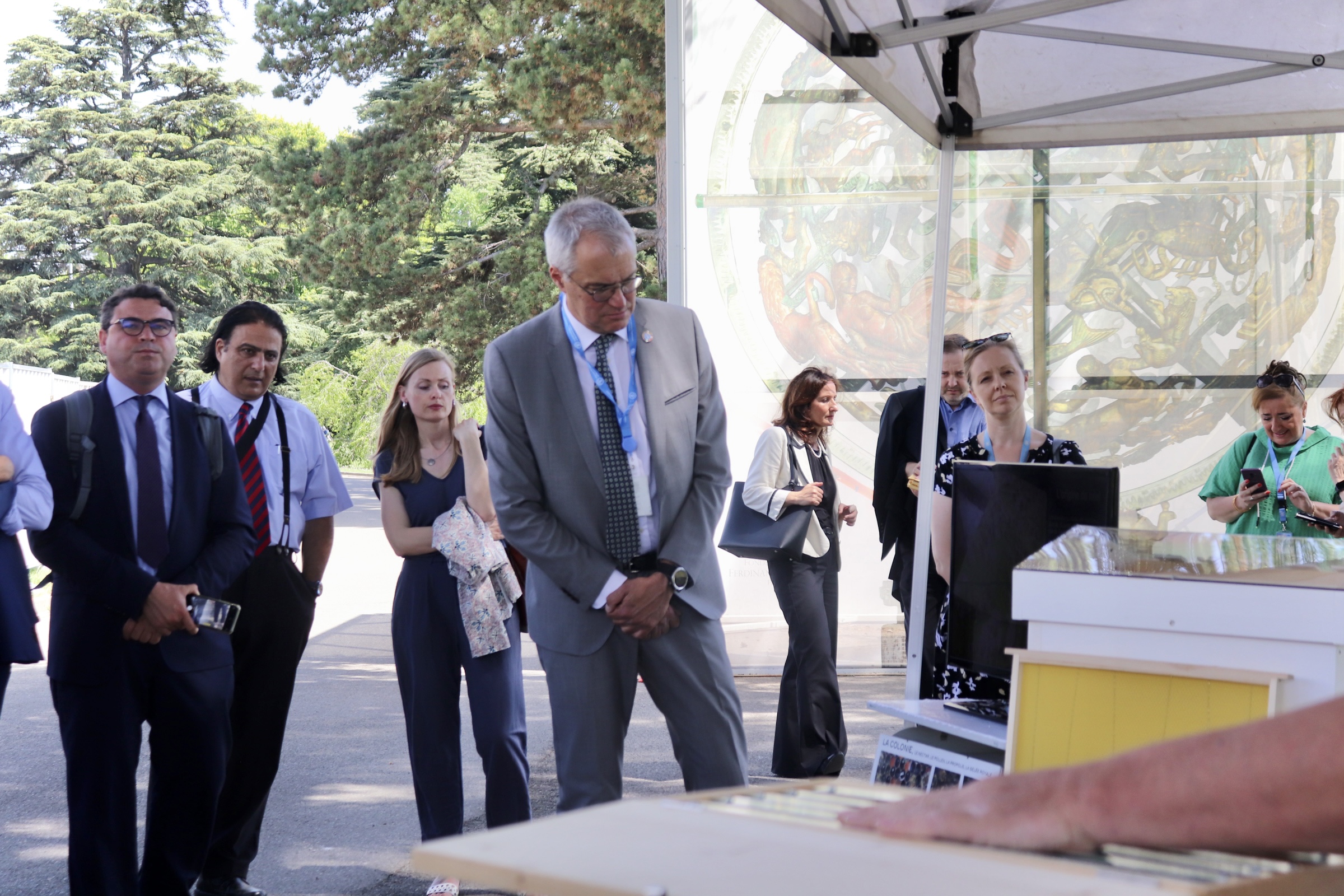
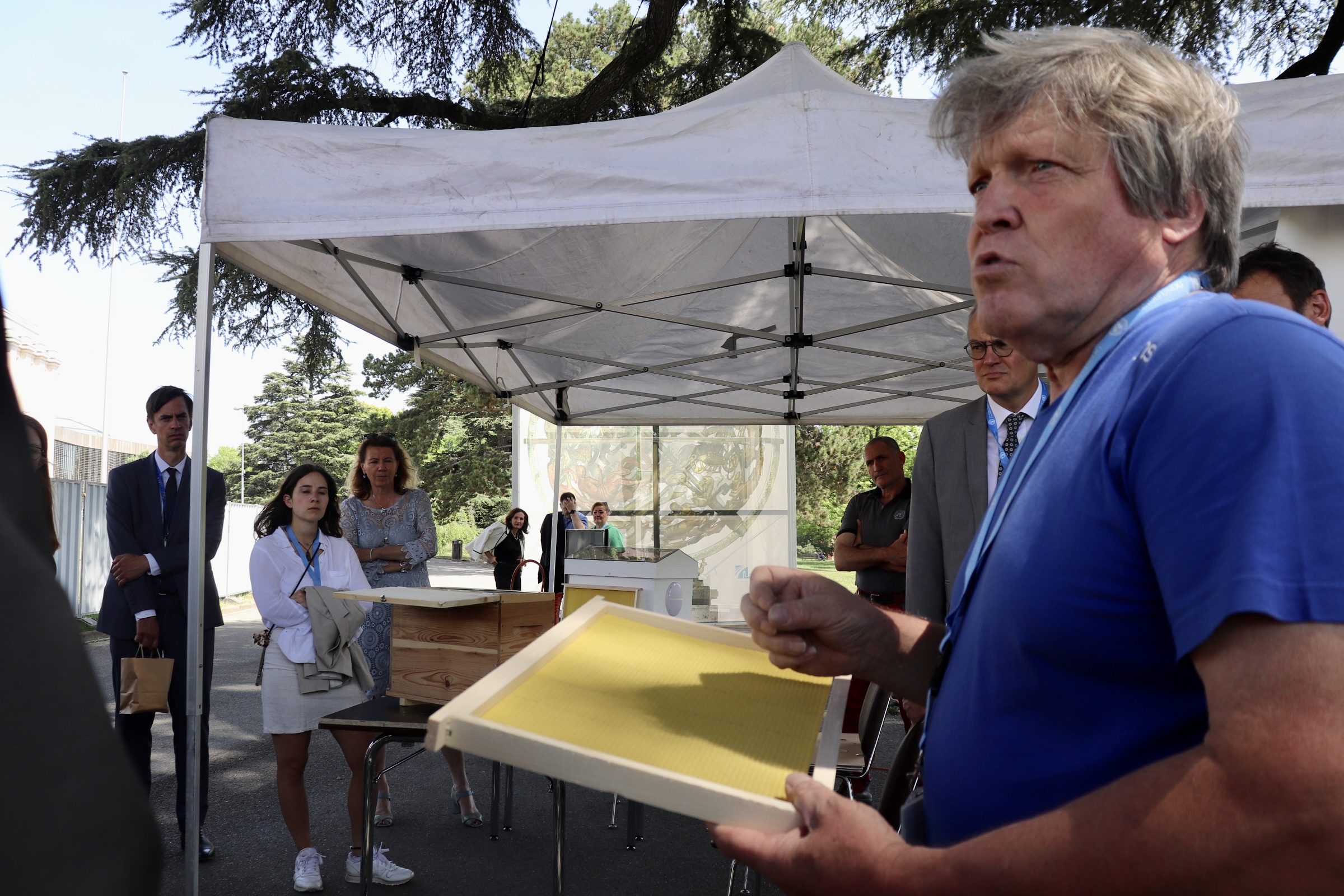
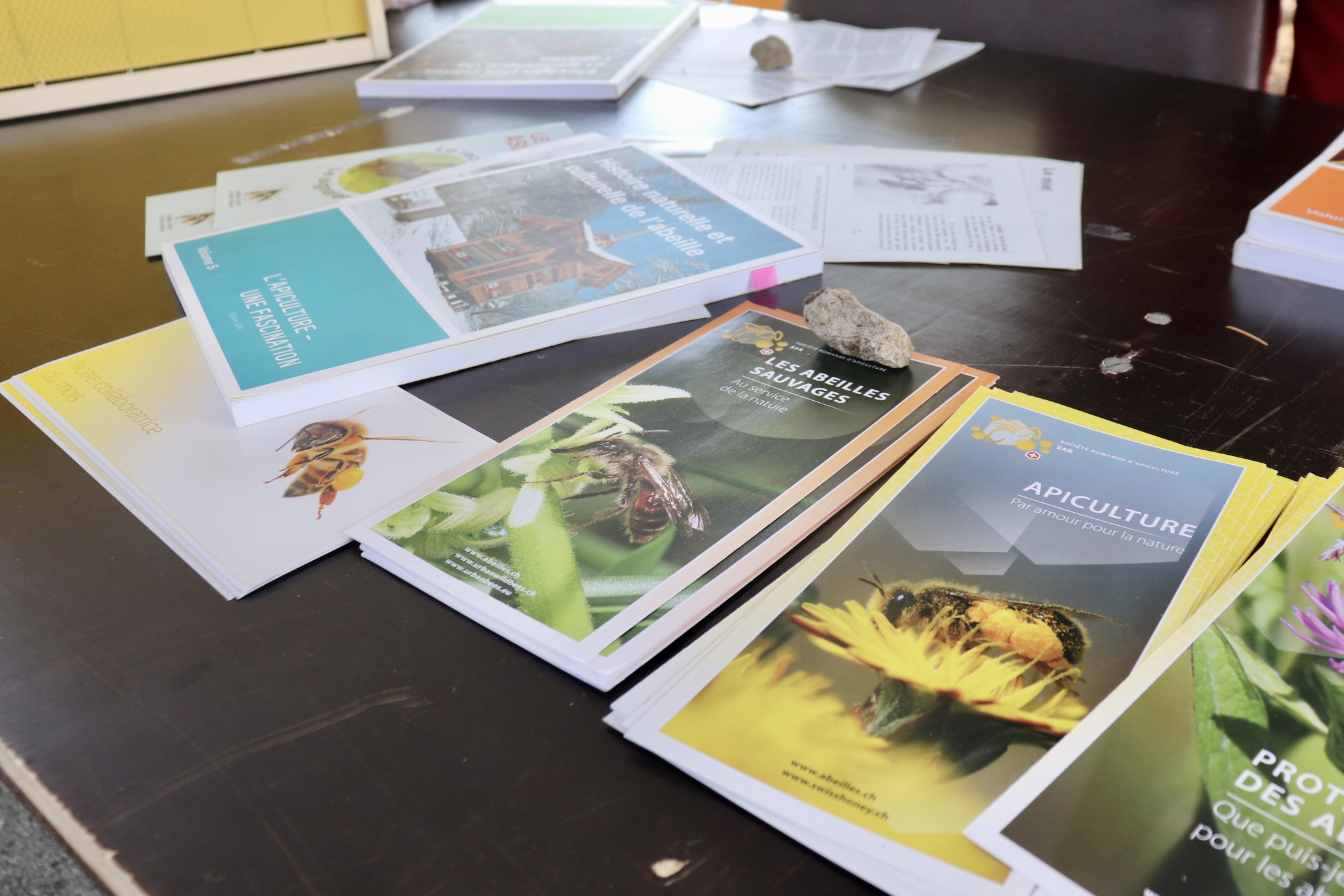
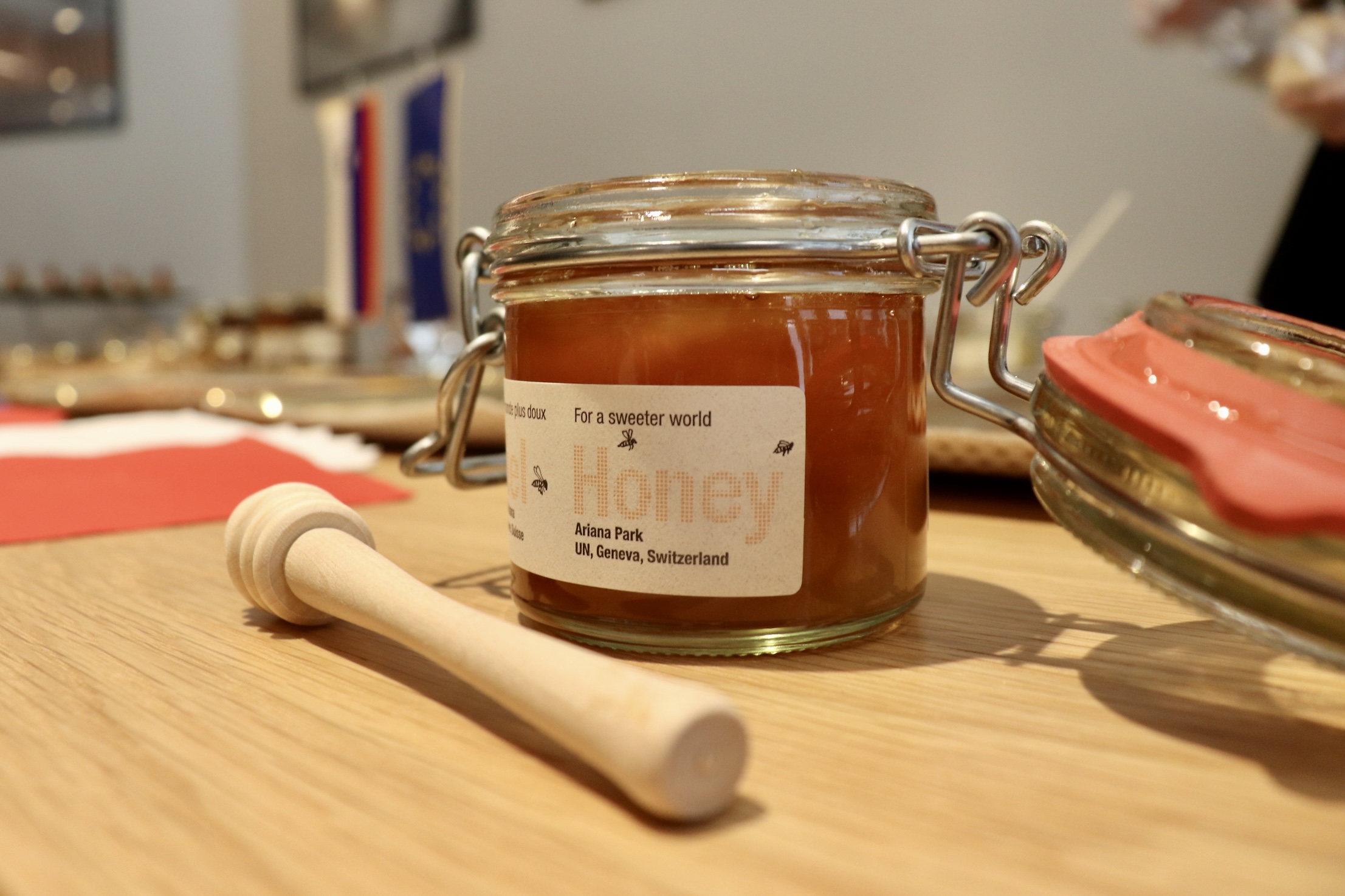
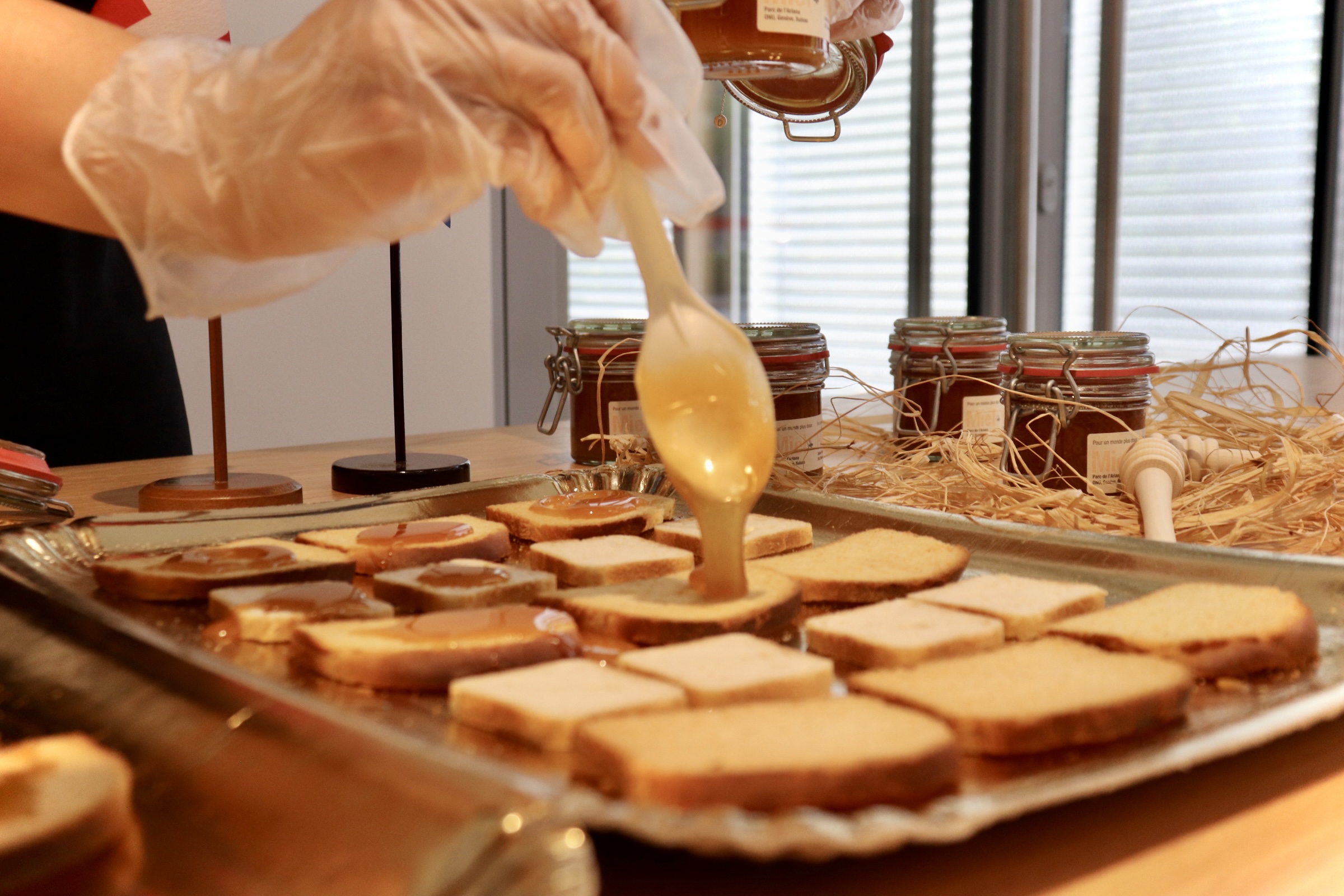
Celebration of World Bee Day 2022 « Honey for Hope » at the Palais des Nations.