
Événement Conférence
Strengthening the Minamata Convention: A New Approach to the Global Mercury Trade and Use in ASGM | Minamata COP-6 Online Event
14 Oct 2025
16:30 – 17:30
Lieu: Online | Webex
Organisation: International Pollutants Elimination Network, Geneva Environment Network
This online event to the 6th meeting of the Conference of the Parties to the Minamata Convention on Mercury was jointly organized by the International Pollutants Elimination Network (IPEN) and the Geneva Environment Network.

About this Event
Data on mercury trade and use in ASGM emerging from reports contributing to the preliminary Effectiveness Evaluation of the Minamata Convention on Mercury has shown that mercury use in ASGM has not decreased and may even have increased since the Treaty came into effect.
Over 50 countries have significant small-scale gold mining involving mercury. In nearly all cases, miners and adjacent communities are exposed to mercury directly through mining activity or indirectly through the food chain, such as the consumption of mercury-contaminated fish. Studies show that mercury emissions from ASGM hotspots travel far from their origin sites and are deposited in soil and forests, further contaminating the ecosystem.
The situation has become critical as the geopolitical shift is driving the rise in gold prices. Due to a lack of global mercury trade restrictions, a lack of border control and national trade regulations, mercury continues to be used at illicit gold mining sites. Consequently, the unlawfully produced gold is laundered into the official gold market, avoiding royalties, depriving national governments of resources and in some cases funds conflicts and organised crime.
This side event is intended to highlight the urgent requirement to amend the Convention to accelerate the end of primary mercury mining, further restrict the trade of mercury and establish a phase-out date for the use of mercury in ASGM.
The UN Special Rapporteur on Toxics and Human Rights will discuss his recommendations for Convention amendments arising out of his investigation and groundbreaking 2022 report on ASGM, the mercury trade and human rights implications (A/HRC/51/35). IPEN will also release its most recent findings from biomonitoring with Indigenous communities in ASGM regions in Peru and Nicaragua. Delegates will discuss their experiences and challenges in controlling the flow of mercury into ASGM in their countries.
DISCLAIMER: The views expressed by speakers, moderators, and participants during this pre-COP-6 online event are those of the individuals concerned and do not necessarily reflect the views or policies of the Secretariat of the Minamata Convention on Mercury.
About Minamata COP-6 Online Events
Minamata COP-6 online events provide an informal platform for Parties and observers to share information and highlight advances in technology, research and policy for the attention of Parties and the global community that the Convention serves.
Speakers
By order of intervention.

Marcos ORELLANA
UN Special Rapporteur on toxics and human rights

Yuyun ISMAWATI
Co-chair, International Pollutants Elimination Network and ASGM expert

Lee BELL
Technical and Policy Advisor, International Pollutants Elimination Network

Adam DOLEZAL
Extractive Industries Campaigner, Environmental Investigation Agency

Julio CUSURICHI
Indigenous Leader, Shipibo People of the Madre de Dios region and Member, Governing Council of AIDESEP, the national Indigenous organization of the Peruvian Amazon

Lia ESQUILLO
Program Director, IPEN | Moderator
Highlights
Video
Summary
Marcos ORELLANA | UN Special Rapporteur on toxics and human rights
- The Minamata Convention is a chemical treaty, but not only because small-scale gold mining worsens the triple planetary crisis. Mercury pollution contributes to toxification, harms indigenous peoples and miners living in poverty, destroys biodiversity, and drives deforestation linked to gold extraction — all of which undermine human rights such as the right to life, health, and a clean, healthy, and sustainable environment.
- The Minamata Convention was created to address these global threats and remains the youngest multilateral environmental agreement, building on lessons from decades of treaty-making. It takes a life-cycle approach and includes mechanisms for effectiveness evaluation. It was founded on the idea that global mercury trade could help enable a gradual transition away from mercury.
- Since its adoption, much has changed: gold prices have soared, and many mercury uses — in skin-lightening creams, fluorescent lamps, and chlorine production — have been phased out. This shows the Convention is robust and working, except in the area of small-scale gold mining, which remains the largest source of mercury emissions (about 38% in 2018), far above coal combustion.
- Minamata’s shortcomings in this area stem from gaps: continued primary mercury mining, lack of traceability once mercury leaves mines, weak due diligence for gold-importing countries, and the fact that mercury use in small-scale gold mining is still permitted — creating a global trade often diverted to illegal uses. Some countries also fail to meet obligations like submitting national action plans. These weaknesses cause widespread human rights abuses, especially in the Amazon, West Africa, and Southeast Asia.
- Closing these gaps is vital if Minamata is to fulfill its promise of “no more Minamatas.” The upcoming effectiveness evaluation and COP-7 provide an opportunity to do so.
- Arguments against stronger action — such as favoring gradual transition, giving Minamata more time, or saying bans don’t work — overlook that human rights are fundamental to sustainable development, that mercury is persistent, and that continued gaps enable illegal trade. Mercury should be treated as an environmental crime requiring global cooperation.
- In conclusion:
- Small-scale gold mining disproportionately harms vulnerable groups.
- The Minamata Convention is strong overall, but failing in this area.
- The effectiveness review offers a key moment to strengthen the treaty and close its gaps.
Yuyun ISMAWATI | Co-chair, International Pollutants Elimination Network and ASGM expert
- Mercury trade has changed over time. In 2000, trade volumes were high but prices low; by 2012, traders anticipated the Convention’s adoption, so they dumped mercury globally, pushing trade value to $232 million. After the Convention took effect, mercury trade dropped to about 1.7 tons per year worth $33 million — showing there’s no real reason to continue it, though gold prices could still drive demand.
- The artisanal and small-scale gold mining (ASGM) sector remains the biggest mercury user and emitter, active in over 70 countries and affecting about 20 million people, with serious health and environmental consequences. Mercury exposure is highest among ASGM communities, Indigenous peoples, and fish consumers, as mercury bioaccumulates in the food chain and threatens biodiversity.
- Articles 2 and 7 of Minamata define ASGM as “use allowed,” which still includes small-scale gold mining — the only activity without a sunset date. Many countries defended this exception, citing livelihoods, but it creates a tension between gold and health.
- At COP-4 in Bali, Indonesia, the Minamata Convention launched the Bali Declaration to combat illegal mercury trade, calling for stronger international cooperation, including with Interpol. The upcoming COP-6 will discuss how to strengthen this declaration further.
- From IPEN’s perspective, amendments to Minamata are possible and necessary if protecting health is the goal. Suggested changes include:
- Remove Article 7 from the “use allowed” list (Article 2, paragraph K).
- Shorten the 15-year period for existing mercury mines.
- Allow mercury exports only for disposal.
- Ban imports from non-parties.
- Mandate countries with ASGM to eliminate mercury use within 3–5 years.
- Make national action plans mandatory, with stronger monitoring and reporting.
- It’s time to set a phase-out date for mercury use in ASGM — ideally by 2032. Continuing to allow mercury in this sector undermines human rights and sends the wrong message that gold is more valuable than people’s health. The Convention must show clearly that mercury use in small-scale gold mining will no longer be tolerated.
Lee BELL | Technical and Policy Advisor, International Pollutants Elimination Network
- A new IPEN report on the mercury body burden of Indigenous women of childbearing age in artisanal and ASGM regions of Peru and Nicaragua.
- Between 2023 and 2024, IPEN and local partners conducted hair sampling of 105 Indigenous women (55 in four Peruvian communities and 50 in two Nicaraguan communities). All lived along river systems with active ASGM and ate fish-rich diets, often daily. Previous studies had already found fish from these rivers contaminated with mercury above safe consumption limits. The samples were analyzed by the Biodiversity Research Institute in Portland, USA.
- Key findings:
- 88% of women had mercury levels above the 1 ppm U.S. EPA threshold linked to fetal harm.
- Over 99% exceeded the newer 0.58 ppm level proposed by experts as a more accurate threshold for cognitive impacts on fetuses.
- The Peruvian women had an average mercury level of 3.4 ppm, about three times the harmful threshold.
- The Nicaraguan women averaged 1.54 ppm, about 1.5 times higher than the threshold.
- In Peru, the study took place along a 50 km stretch of the Rio Madre de Dios—a heavily mined area where river dredging and tailings are common. Communities were unnamed for security reasons. The findings build on earlier IPEN research in Bolivia showing that rivers act as conduits for mercury pollution—spreading contamination far beyond active mining sites.
- In Nicaragua, samples came from the Li Lamni and Li Orbra Indigenous communities along tributaries of the Rio Wangki. Dietary surveys showed strong links between fish consumption and mercury exposure. While average mercury levels were lower than in Peru, some women had levels as high as 4.6 ppm.
- When comparing both countries, Peruvian participants had higher overall mercury levels, likely due to more frequent fish consumption. Nicaraguan diets included more crabs and prawns, which generally contain less mercury.
- Recommendations:
- Implement health interventions in affected and nearby river communities to assess symptoms, provide treatment, and promote safer diets.
- Strengthen national actions to end illegal gold mining and ban mercury use in mining.
- Develop sustainable mining and resource policies in partnership with Indigenous peoples, ensuring their participation.
- Strengthen the Minamata Convention by:
- Prohibiting global mercury trade (as already done by the EU and U.S.),
- Setting a phase-out date of 2032 for mercury use in ASGM, and
- Accelerating the end of primary mercury mining to around 2027 to cut off the supply.
Adam DOLEZAL | Extractive Industries Campaigner, Environmental Investigation Agency
- The Environmental Investigation Agency (EIA) conducted a three-year investigation exposing a major mercury smuggling network between Mexico and several Amazon countries. Using trade data, undercover approaches, and collaboration with environmental and customs authorities in Colombia, Peru, and the U.S., they traced the illegal movement of mercury and helped trigger the seizure of four tons of mercury by Peru’s customs agency (SUNAT)—the largest known shipment of primary-mined mercury entering the Amazon.
- Their findings show that between April 2019 and June 2025, roughly 200 tons of mercury were trafficked from Mexico to countries including Colombia, Peru, and Bolivia—hidden within shipments of other materials. This volume could have produced about $8 billion in illegal gold at current prices. They estimate that Mexico exports around 100 tons of mercury annually, meaning this single supply chain represents 30–40% of total illegal trade.
- Production is highly concentrated: though 19 mines exist, four mines account for about 85% of Mexico’s mercury output. These mines, located in Querétaro, central Mexico, are increasingly controlled by drug cartels, some designated as Foreign Terrorist Organizations. On the receiving end, groups such as the FARC in Colombia and other organized criminal networks in Peru’s Madre de Dios region are also involved.
- To evade detection, traffickers mix liquid mercury with fine crushed rock, disguising it as gravel during shipment. Only about a quarter of the bags in a given container actually contain mercury, making it nearly invisible without vapor detection technology—the method we used to confirm its presence.
- EIA’s recommendations for the Minamata Convention:
- Remove ASGM from the list of allowable mercury uses to close the world’s biggest loophole.
- Digitize trade consent protocols to improve transparency and enforcement.
- Launch a pilot project for mine closure in Mexico, targeting an accelerated phaseout of primary mercury mining by 2027, rather than the current 2032 goal.
- This investigation demonstrates that mercury trafficking is deeply tied to organized crime and illegal gold production — and that stronger, faster action under the Minamata Convention is essential to protect people and ecosystems across the Americas.
Julio CUSURICHI | Indigenous Leader, Shipibo People of the Madre de Dios region and Member, Governing Council of AIDESEP, the national Indigenous organization of the Peruvian Amazon
- Over 60% of the region’s territory is composed of protected natural areas and indigenous territories. The mining activities overlap in these territories because the Peruvian government allows concessions; in some cases, of the entirety of an indigenous territory is used for mining activities. This generates grave impacts such as contamination, conflicts, and depredation.
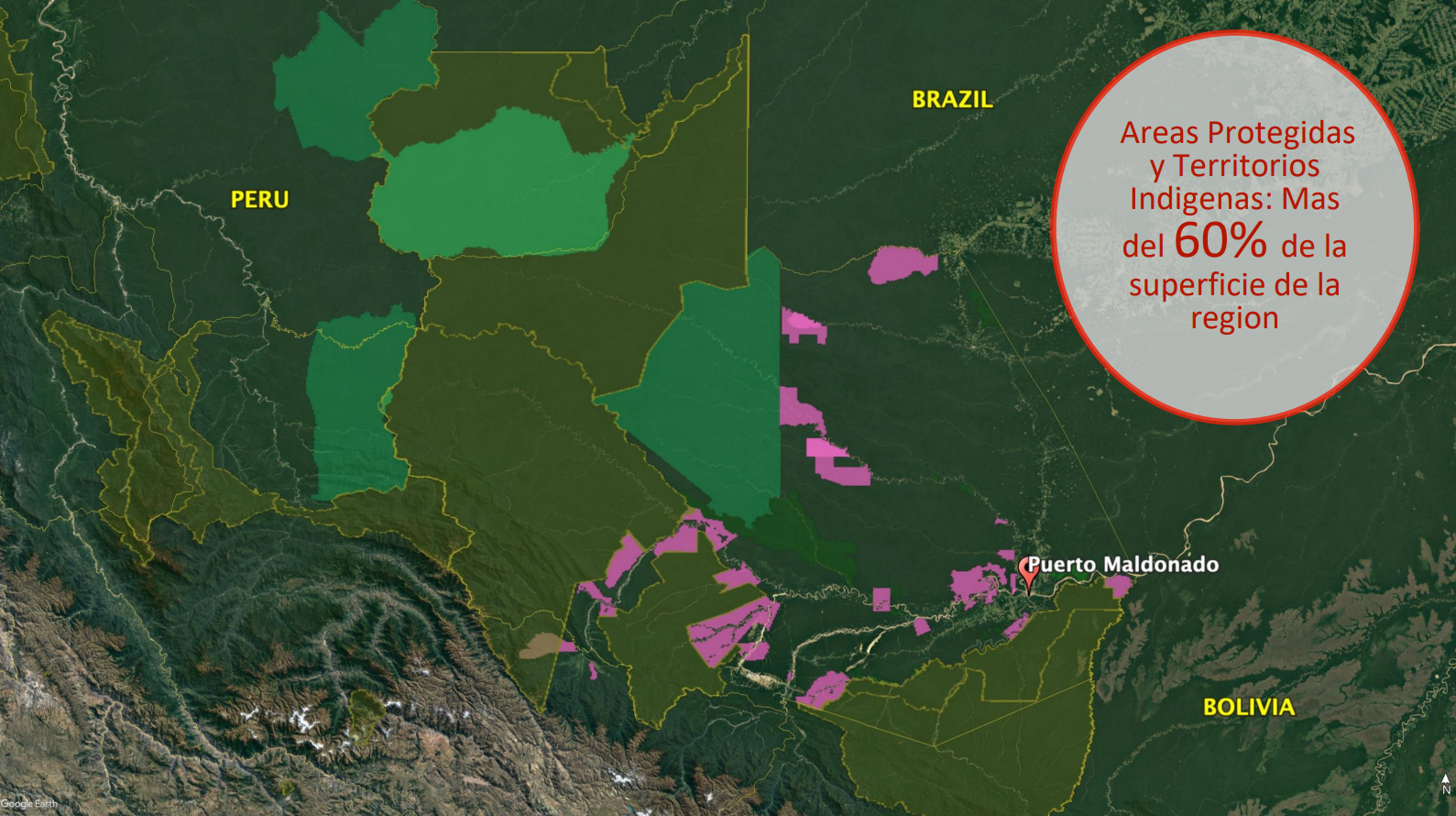
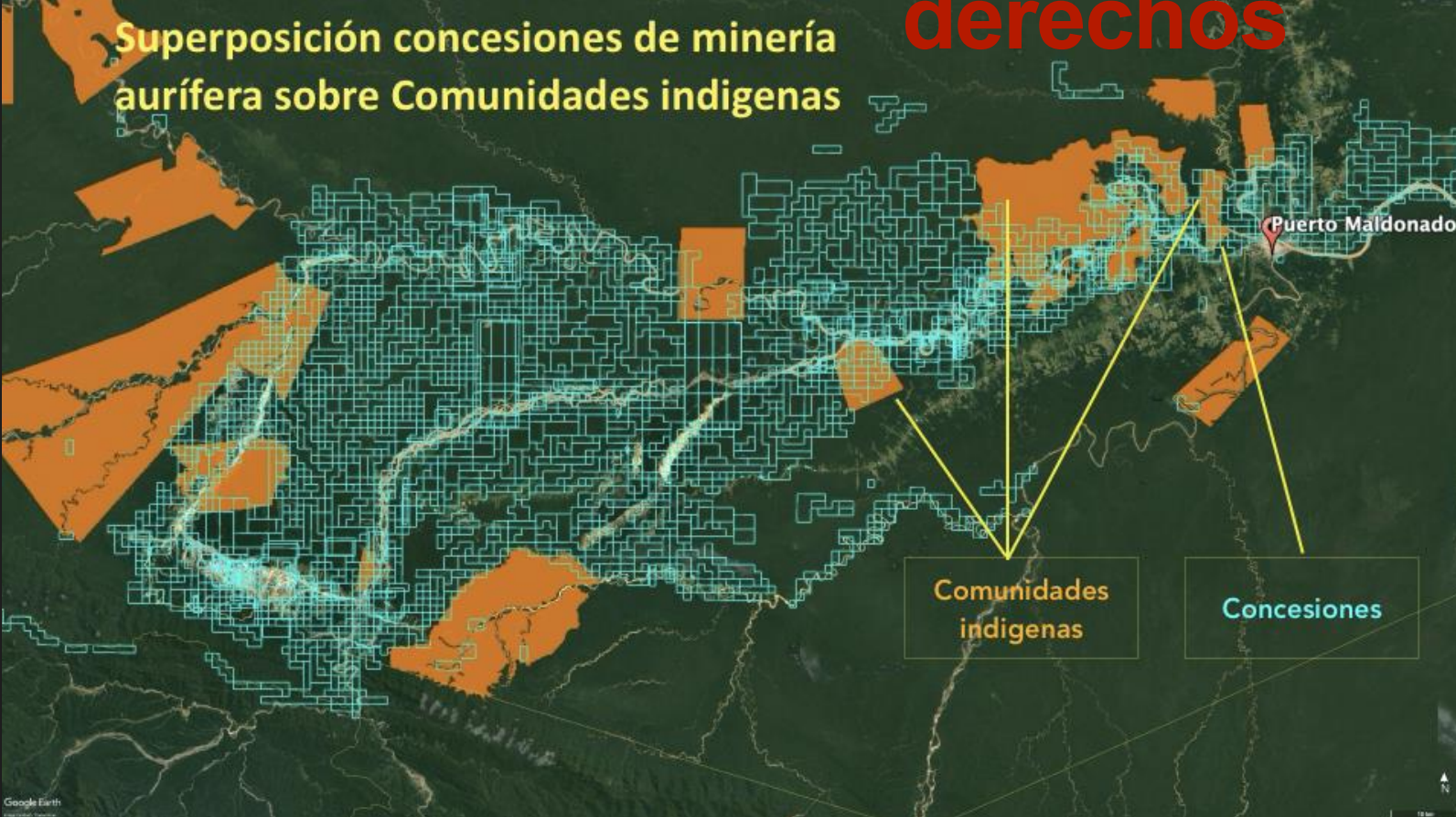
- Communities and environmental defenders in the Madre de Dios are threatened by miners, with cases of park rangers’ killings.
- The situation is very complex, as on the one hand, there are the mining concessions by the governments in Indigenous territories and on the other hand, illegal mining goes on.
- One of the most evident consequences is deforestation: more than 120 thousand hectares of territory have been plundered or contaminated.
- Mercury contamination in the Madre de Dios region amounts to 185 tonnes annually, impacting especially fish, which is one of the main components of the Indigenous Peoples’ livelihoods. This consequently affects people’s health.
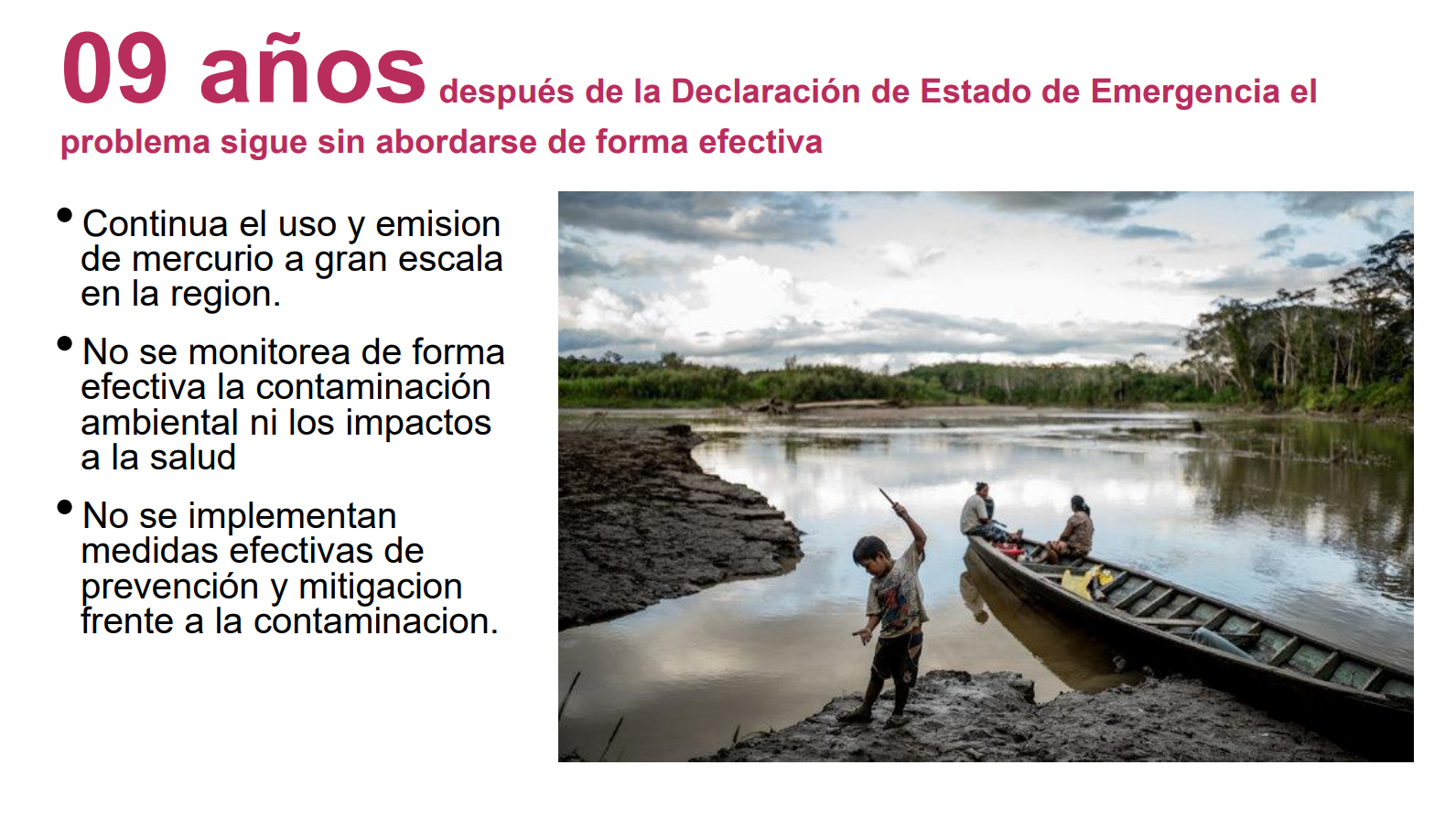
- In 2016, the Peruvian government recognized mercury contamination as a health emergency in Madre de Dios. Almost 10 years after the declaration of the state of emergency, the situation still fails to be addressed effectively.
- Concrete actions ot prevent and tackle the mercury contamination are urgently needed.
Lia ESQUILLO | Program Director, IPEN | Moderator
- This session helped to show that addressing mercury in ASGM is not solely an environmental task; it is a matter of justice, of human rights, of protecting our health and the future generations.
- The current measures have reduced mercury use in some sectors, but the ongoing supply of ASGM remains a gap.
- Legal and illegal mercury trade must be ended, phasing out mercury use in ASGM and closing primary mercury mines.
- These are critical next steps to realizing the goals of the Minamata Convention.
GEN Pre-COP-6 Online Events


Documents
- Presentations made during the event
- Indigenous Women in Peru and Nicaragua Face Mercury Contamination from Small-Scale Gold Mining | IPEN | October 2025
- Traffickers Leave No Stone Unturned | EIA | July 2025