
Événement Conférence
Biodiversity Day Celebration 2024 | International Geneva Implementing the Biodiversity Plan
22 Mai 2024
10:00 – 12:15
Lieu: Palais des Nations, Room III
Organisation: Geneva Environment Network, Convention sur la diversité biologique
In the lead-up to the sixteenth meeting of the Conference of the Parties to the Convention on Biological Diversity that will take place from 21 October to 1 November 2024 in Cali, Colombia, this year’s Biodiversity Day celebration in Geneva was an occasion to highlight international Geneva’s role in implementing the Biodiversity Plan, including mobilizing and bolstering its means of implementation.

About this Event
The International Day for Biodiversity (IDB) is celebrated every year on 22 May, commemorating the adoption of the text of the Convention on Biological Diversity (CBD) in 1992. The 2024 edition “Be part of the Plan” is a call to action for all stakeholders to halt and reverse the loss of biodiversity by supporting the implementation of the Kunming-Montreal Global Biodiversity Framework, also referred to as the The Biodiversity Plan.
As humanity is facing the intertwined triple planetary crisis of climate change, nature and biodiversity loss, and pollution, collaborative action is needed from all sides of society to restore harmony with nature and foster a transition to sustainable socio-economic systems. The adoption of the Global Biodiversity Framework in December 2022 was an important step to commit to action that protects nature. Biodiversity and nature conservation is mainstreamed in the multilateral activities of international Geneva, home to some of the key institutions that actively contribute to setting the global agenda to tackle the biodiversity crisis.
In the lead-up to the sixteenth meeting of the Conference of the Parties to the CBD that will take place from 21 October to 1 November 2024 in Cali, Colombia, this year’s Biodiversity Day celebration in Geneva was on occasion to bring together governments, intergovernmental organizations, multi-lateral environmental agreements, Indigenous Peoples and local communities, non-governmental organizations, businesses, and other civil society organizations to highlight international Geneva’s role in implementing the Biodiversity Plan, including mobilizing and bolstering its means of implementation.
To welcome all to the celebration, Dietrix Jon Ulukoa Duhaylonsod – representing the Native Hawaiian Organizations Ka’uikiokapo, Ho’ola Hani’o, and Kiawekupono O Ka Ua, and the Indigenous Chamoru Organizations Adahi I Manaotao-ta Mo’na and The Mana’adahi Coalition – shared traditional chants and blessings asking for guidance and protection and calling for true peace for all peoples.
The event was preceded by a light breakfast.

Speakers
By order of intervention.

Tatiana VALOVAYA
Director-General, United Nations Office at Geneva
H.E. Amb. Julien THÖNI
Deputy Permanent Representative of Switzerland to the UN Office and other international organizations in Geneva

H.E. Amb. Jian SHEN
Deputy Permanent Representative of the People's Republic of China to the UN Office at Geneva and other international organizations in Switzerland
H.E. Amb. Gustavo GALLÓN
Permanent Representative of Colombia to the UN office and other international organizations in Geneva

Pedro Manuel MORENO
Deputy Secretary-General, UN Trade and Development

David COOPER
Acting Executive Secretary, Convention on Biological Diversity (video message)

Kirsten SCHUIJT
Director General, WWF International
Karine SIEGWART
Senior Policy Advisor, International Union for Conservation of Nature

Ivonne HIGUERO
Secretary-General, Convention on International Trade in Endangered Species of Wild Fauna and Flora (CITES)

Francesca BERNARDINI
Chief, Transboundary Cooperation Section, United Nations Economic Commission for Europe

Rolph PAYET
Executive Secretary, Basel Rotterdam and Stockholm Conventions
Chantal-Line CARPENTIER
Head, Trade, Environment, Climate Change, and Sustainable Development, UN Trade and Development
Maria NEIRA
Director of Department of Environment, Climate Change and Health, World Health Organization

Benjamin SCHACHTER
Coordinator, Environment and Climate Change Team, UN Office of the High Commissioner for Human Rights

Lucy MULENKEI
Executive Director, Indigenous Information Network | Co Chair, International Indigenous Forum on Biodiversity | Co Chair, Indigenous Women Biodiversity Network

Moustapha Kamal GUEYE
Director, Priority action programme on just transitions, International Labour Organization

Jessica SMITH
Lead, Nature, UNEP Finance Initiative

Eva ZABEY
CEO, Business for Nature

Nicholas BONVOISIN
Chief, Operational Activities & Review Section, Environment Division, United Nations Economic Commission for Europe

Aline BLASER
Lead, Biological Corridors Programme, Canton of Geneva

Dominique BURGEON
Director, Geneva Liaison Office, FAO
H.E. Amb. Christine TOUDIC
Deputy Permanent Representative of France to the UN Office at Geneva and other international organizations in Switzerland

Carolyn DEERE BIRKBECK
Executive Director, Forum on Trade, Environment & SDGs (TESS), Geneva Graduate Institute | Moderator
Highlights
22 May marks #Biodiversity Day! 🌱🌻🦅
— GENeva Environment Network (@GENetwork) May 22, 2024
To commemorate the adoption of the Convention on #Biological Diversity, join the celebration highlighting how stakeholders in #GENeva are working to implement the #BiodiversityPlan.
▶️ https://t.co/IqfdpfL72P
📺 https://t.co/ts0yVeSX5D pic.twitter.com/RYRXaHBvYn
Summary
Opening and Welcome
Opening | Diana Rizzolio | Coordinator, Geneva Environment Network
- The International Day for Biodiversity, celebrated every year on a 22 May, commemorates the adoption of the text of the Convention on Biological Diversity (CBD) in 1992.
- This year’s theme “Be part of the Plan” is a call to action for all stakeholders to halt and reverse the loss of biodiversity by supporting the implementation of the Kunming-Montreal Global Biodiversity Framework, also referred to as The Biodiversity Plan.
- We could not miss this opportunity to bring together many of those who are actively involved in the implementation of the biodiversity plan in international Geneva to join us this morning and we ended up with a large panel.
- Our leaders today regularly refer to the triple planetary crisis that humanity currently faces, of climate change, biodiversity loss, and pollution.
- Each of these issues has its own causes and effects, with interlinkages, and each issue needs to be resolved if we are to have a viable future on this planet.
- Our world environmental must-do list – for 2024 and for decades into the future, as referred to by the executive director of UNEP – is to slow and adapt to climate change, protect and restore nature and biodiversity, reverse land degradation and desertification, and end pollution and waste. Member states have adopted global deals that set agreed goals and targets, such as the Paris Agreement, the Kunming-Montreal Global Biodiversity Framework which we are celebrating today and the Global Framework on Chemicals.
- Biodiversity and nature conservation are mainstreamed in the multilateral activities of international Geneva, home to some of the key institutions that actively contribute to setting the global agenda to tackle the biodiversity crisis, which we have brought together this morning.
Welcome
Tatiana VALOVAYA | Director-General, United Nations Office at Geneva
- We are currently facing a triple planetary crisis that includes climate change, pollution, and biodiversity loss. These challenges are interconnected, with climate change poised to become the dominant cause of biodiversity loss soon. Already one million species of plants and animals are at risk of extinction, and 40% of the world’s population, equivalent to 3.2 billion people, are affected by land degradation. Humankind is the primary driver of this environmental crisis, contaminating land, oceans, and freshwater with toxic pollutants, wrecking landscapes and ecosystems, and disrupting our climate with greenhouse gas emissions.
- Decimating biodiversity not only hampers sustainable development today, it also threatens a dangerous and uncertain future for generations to come.
- The Kunming-Montreal Global Biodiversity Framework, also known as the Biodiversity Plan, offers a pathway to reverse biodiversity loss while fostering job creation, building resilience, and spurring sustainable development. Adopted in 2022, this framework aims to halt and reverse nature loss by protecting 30% of our planet’s land and waters by 2030.
- Governments must lead the realization of the plan, but as this year’s International Day for Biological Diversity reminds us, we are all part of the plan. We all have a role to play: Indigenous Peoples, businesses, financial institutions, local and regional authorities, civil society, women, young people, and academia must all work together to value, protect, and restore biodiversity for the benefit of all.
- Today’s meeting provides us with a multistakeholder platform for such a meaningful exchange, and international Geneva, home to numerous key institutions, plays a pivotal role in setting the global agenda to address the biodiversity crisis. The institutions based here are instrumental in driving the implementation of the framework, highlighting Geneva’s unique position in the global environmental landscape. Today’s event provides an opportunity to raise awareness about biodiversity loss and its consequences for humanity.
- As we mark this Day for Biological Diversity, let us commit to being part of the plan. Let us act urgently to put biodiversity on a path to recovery and build momentum toward CBD COP 16 in October, protecting the planet and creating a greener, bluer, and more sustainable world for future generations.
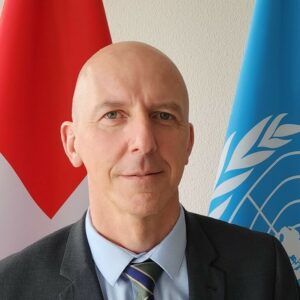
H.E. Amb. Julien THÖNI – Deputy Permanent Representative of Switzerland to the UN Office and other international organizations in Geneva
- It is easy to see the common points between the International Day for Biological Diversity and Geneva. Of course, with the Secretariat of the Convention on Biological Diversity located not in Geneva but in Montreal, the landscape of actors and institutions in the field of biodiversity is itself multiple, often compared to a meadow in May with its array of flowers and colors. Some of these flowers grow here in the Geneva area, such as CITES and Ramsar, to name a few. Others come to Geneva for meetings or are closely connected with nature, such as UNEP, the Basel, Rotterdam, and Stockholm Conventions, among others. Finally, even organizations not directly linked to biodiversity are increasingly aware that humankind, our societies, and our economies depend on what nature offers, including food and raw materials. No wonder that several business organizations, such as the WEF, the World Business Council for Sustainable Development or Business for Nature, focus more and more on nature, the protection of ecosystems, and the sustainable use of biodiversity.
- Biodiversity loss remains somehow the silent sister of climate change. Commemorating the International Day for Biological Diversity here in Geneva poses us at a strategic crossroads of international debates between environment, pollution, health, trade, labor, and human rights. The right to a clean, healthy, and sustainable environment was born in Geneva in the Human Rights Council and is spreading out into many other policy areas. This mainstreaming of nature into all sectors of our lives and human activities to be nature-positive is the only way to maintain and sustain the basis of our livelihoods.
- After the Paris Agreement in 2015, we saw at the end of 2022 the adoption of the Kunming-Montreal Global Biodiversity Framework (GBF). We now have a global strategy with 23 targets and quantitative goals to guide the international community in its efforts to protect nature and stop the loss of biodiversity.
- It is not just the extinction of endangered species contained in the red list of the IUCN that is at stake. Beyond that, it is our ability to adapt to climate change and to fight pollution.
- Switzerland will update its National Action Plan and align it with the goals and targets of the GBF. It is also expected that all states will do the same, and other multilateral environmental agreements will endorse the GBF and contribute to the achievement of its targets.
- Addressing biodiversity loss requires global cooperation and concerted efforts at all levels, from local communities to international organizations.
- Together with UNEP, Switzerland has launched the Bern Process to allow processes, conventions, and organizations to discuss how to coordinate action and how to mainstream the concern for nature in their programs.
H.E. Amb. Jian SHEN – Deputy Permanent Representative of the People’s Republic of China to the UN Office at Geneva and other international organizations in Switzerland
- The theme of this year’s Biodiversity Day, « Be Part of the Plan, » is very pertinent. Biodiversity is the foundation of human survival and development. The conservation and sustainable use of biodiversity is of great importance for the well-being of all humankind and our future generations. Biodiversity and ecosystems feature prominently across many of the Sustainable Development Goals and associated targets.
- As one of the first countries to sign and ratify the CBD, China has actively participated in global biodiversity governance, making a positive contribution to building a community with all life on Earth.
- COP 15 issued the Kunming Declaration and other high-level political outcome documents and facilitated the conclusion of the Kunming-Montreal Global Biodiversity Framework. This framework represents an ambitious, pragmatic, and transformative package of solutions that promotes joint efforts by the international community to put biodiversity on the path to recovery, benefiting all humankind and future generations.
- Hosting COP 15, China announced the contribution of 1.5 billion RMB to set up the Kunming Biodiversity Fund, which has effectively boosted global confidence in biodiversity conservation. China has become the largest contributor to the core budget of the CBD and the largest developing country contributing to the Global Environment Fund. China has also worked together with multiple countries and international organizations in launching an initiative for the Kunming-Montreal Global Biodiversity Framework, creating a platform for cooperation among parties and stakeholders to promote the full implementation of the framework.
- In recent years, China has actively participated in international exchanges and cooperation, advocating the establishment of the Belt and Road Initiative International Green Development Coalition, further promoting South-South cooperation on biodiversity conservation.
- We stand ready to work hand in hand with the international community to maintain a fair and reasonable global order for biodiversity conservation, advance the implementation of the UN 2030 Agenda for Sustainable Development, and promote harmonious coexistence between humans and nature.
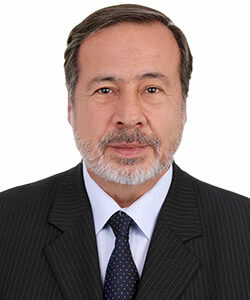
H.E. Amb. Gustavo GALLÓN – Permanent Representative of Colombia to the UN office and other international organizations in Geneva
- As we commemorate the 32nd anniversary of the adoption of the Convention on Biological Diversity, it is my honor and pleasure to address you as the future host of CBD COP 16, which will be held from 21 October to 1 November 2024 Cali, Colombia.
- As one of the most biologically diverse countries in the world, Colombia will use the opportunity to host COP 16 to call for concrete and ambitious actions to reverse biodiversity loss and to start building strong foundations from the first COP taking place after the adoption of the Kunming-Montreal Global Biodiversity Framework.
- We are at a critical juncture where we must reaffirm our commitment to our planet and future generations. The triple-planetary crisis of biodiversity loss, pollution, and climate change not only threatens the health of our ecosystems but also undermines the possibility of achieving sustainable development in all its dimensions, as well as building fair, inclusive, and equitable societies. This is a crisis that disproportionately affects the developing world and people in vulnerable situations. This is why we believe it is imperative to change the way we relate to nature and to come to the collective realization that there will be no peace among us as long as we are not able to make peace with nature.
- It is in such a vein that the government of Colombia has decided that the theme of COP 16 will be « Peace with Nature » to reflect a holistic view of the shape our relationship with nature should take. My government is also committed to making this a COP where Indigenous Peoples, people of African descent, civil society, women, youth, and peasants are at the forefront of discussions. We want the voice of all those who are guardians of biodiversity and of those who suffer most from the impacts of the triple planetary crisis to be at the center of the decisions that will be adopted.
- We also want this to contribute to the achievement of environmental and social justice in Colombia and around the world.
Pedro Manuel MORENO | Deputy Secretary-General, UN Trade and Development
- Today we gather to celebrate Biodiversity Day and acknowledge the importance of biodiversity for our planet and our well-being.
- Biodiversity is essential for life. It provides us with the air we breathe, the water we drink, and the food we eat. Biodiversity also supports and builds resilience in our economies.
- Despite its importance, biodiversity is declining at alarming rates. Up to 40% of the world’s land is being degraded, and 1 million plant and animal species are at risk of extinction. This loss of biodiversity has far-reaching consequences for our planet and our economies. Addressing the triple planetary crisis of climate change, biodiversity loss, and pollution is an immense task. It requires integrating environmental and biodiversity-friendly considerations into our trade and development policies, promoting sustainable practices, reducing waste and pollution, and protecting natural habitats.
- There are also opportunities. In fact, trade in biodiversity-based products amounted to around $3.4 trillion USD in 2022, making up almost 7% of worldwide exports. Low-income economies face even greater economic dependence on these products, with this trade often constituting over 40% of their exports.
- In the past decade, UN Trade and Development has been a pioneer in recognizing the potential of trade and biodiversity for developing countries in promoting sustainable development.
- Since 1996, we have underscored that trade, under sustainability criteria, can contribute to addressing biodiversity loss. For this purpose, we launched the BioTrade Initiative. This initiative has grown significantly, with uptake by governments, businesses, and civil society in over 80 countries. At the core of the initiative are the BioTrade Principles and Criteria, a set of guidelines promoting sustainability across the entire value chain. The turnover from companies, associations, and projects implementing these principles and criteria has soared from $4 million USD in 2003 to almost $31 billion USD in 2022, literally moving from millions to billions.
- UN Trade and Development has also been instrumental in bridging the trade and biodiversity communities through events such as the BioTrade Congresses. These congresses have brought together stakeholders from around the world to exchange, foster cooperation, and enhance understanding on trade and biodiversity issues. As we move forward, it is essential that we continue to build on this progress. We need joint coordination and accelerated action from all stakeholders, including governments, businesses, and civil society, to implement the biodiversity plan and achieve our goals.
David COOPER – Acting Executive Secretary, Convention on Biological Diversity (video message)
- This International Day for Biological Diversity, I invite you all to be part of the plan—the biodiversity plan. The biodiversity plan, or the Kunming-Montreal Global Biodiversity Framework, is humanity’s best chance to halt and reverse biodiversity loss and live in harmony with nature. Currently, governments are working to revise their National Biodiversity Strategies and Action Plans (NBSAPs) to ensure they are aligned with the plan. Governments are expected to present their NBSAPs at the next meeting of the parties to the convention, COP 16 in Cali, Colombia, which will be held under the theme « Peace with Nature. »
- For the plan to work, we need a whole-of-society approach. We need civil society, Indigenous Peoples, local communities, women, youth, business, finance, and academia. We can all be part of the plan through informed purchasing decisions; citizens can relieve the pressure exerted on biodiversity one shopping cart at a time. Through their votes and engagement in the political process, citizens can prompt politicians to embrace the biodiversity plan as a domestic policy priority. The private sector can take responsibility to align their business and investment decisions with human well-being and nature’s health. Civil society and Youth can continue to promote awareness and advocate for action.
- Together, we must respect the traditional knowledge of Indigenous Peoples and local communities as true custodians of biodiversity. We must empower Youth and women, and we must do all of this to put nature on a path to recovery for the benefit of people and the planet. The goals and targets of the biodiversity plan are indeed ambitious; they are also necessary. Achieving them is the only realistic option to ensure a livable planet. We must all work together today and every day. We must all be part of the plan.
International Geneva Implementing the Biodiversity Plan | Governments Accountability, MEAs, Trade, Health, Human Rights and the World of Work
Holding Governments Accountable on Commitments Under the Biodiversity Plan
Kirsten SCHUIJT | Director General, WWF International
- As we celebrate this day, I also can’t help but feel restless and impatient. While the biodiversity plan is a key agreement to halt and reverse the decline of biodiversity loss by 2030, and we rightly celebrate, what we really need is action. Commitments are nothing if they are not delivered upon, and so far, global action has been too slow and too little.
- We all know that the devastating impacts of climate change and nature loss are all around us. The situation today is worse than what waspredicted 10 years ago, and everyone, everywhere, is affected. But we all know what needs to be done. Every country needs to implement the Biodiversity Plan on the ground, applying a human rights-based approach in addressing the drivers of biodiversity loss.
- The next biodiversity summit, COP 16 in Colombia is such an important opportunity to take stock, see how serious countries are, and enhance the urgency for implementation of the plan. Because 2030 is only five and a half years away, let’s use COP 16 to ramp up the pressure and ensure that we make the most out of the next five and a half years.
- For that, four things are needed:
- Countries need to translate the GBF into concrete action in their own countries. As a first step in implementing the GBF, countries have committed to revising their national plans, the NBSAPs, to align their national targets with the GBF. Many countries have started revising these plans, and some have even published them. This is a crucial component of COP 16. Governments need to demonstrate progress on the implementation of GBF targets and they need to commit to increased ambition, urgency, and corrective action in the implementation if they are off track.
- Protecting and conserving 30% of land and water is extremely important, but that alone will not be enough. Governments, businesses, and financial institutions must reform damaging practices that are incentivizing nature loss, exacerbating climate change, and eroding the human rights of Indigenous People and local communities. Therefore, a comprehensive mainstreaming of the biodiversity agenda in support of implementation will need to be adopted at COP 16. International Geneva and everybody here present today have a crucial role to play to ensure that the biodiversity plan is implemented, most notably through action on trade policies, human rights, and health. This is not just a biodiversity agenda alone.
- COP 16 can and should be the people’s COP, ensuring equal access to all stakeholders and rights holders on decisions, benefits, and finance.
- An important issue that must be scrutinized at COP 16 is the biodiversity commitments that many governments and countries have made in the biodiversity plan. Resource mobilization is the essential enabler for the implementation of the plan. That applies to the biodiversity plan like any other framework or set of goals and targets. The most important resource mobilization commitment for the plan is to deliver $20 billion annually by 2025—and that’s next year.
- To catalyze this, the 20 Billion by 2025 for Nature campaign is officially launched today. This is a global campaign to achieve the $20 billion nature finance target by 2025, and WWF is a proud member, alongside many other international NGOs. The purpose of this campaign is to join forces with others and to push countries to step up, to get this commitment over the finish line by next year.
- We believe that not only providing accessible resources to countries swiftly is important for the implementation of the plan, but also that this is important for countries to prove that they’re serious about their signatures on the GBF and to walk the talk. This $20 billion for next year will have to be mostly coming from ODA, as other funding streams are not yet well enough developed. However, WWF looks forward to working with others to investigate other crucial financing mechanisms that will be needed, for example, blended finance, trust funds like PFPs, impact investing, payments for ecosystem services, and debt swaps.
- The OECD estimates that currently, international funding for biodiversity is $11 billion per year, so delivering the $20 billion promise means a doubling of the status quo by next year. Let us roll up our sleeves, ramp up the pressure, and ensure that the biodiversity plan is fully implemented by 2030 for nature and for people everywhere.
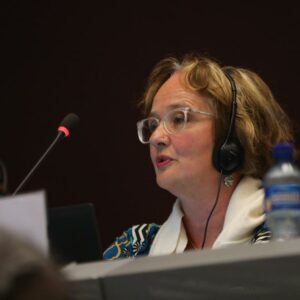
Karine SIEGWART – Senior Policy Advisor, International Union for Conservation of Nature
- I want to start by discussing how IUCN is positioning itself to be part of the plan. The members of IUCN provided IUCN with a strong mandate to be part of the plan and to contribute to its development.
- I want to quote one of the resolutions where members called on IUCN—including countries, governments, and non-state actors—to continue contributing to the development of the post-2020 Global Biodiversity Framework and to fully support the framework once adopted, through the implementation of the IUCN program for 2021 to 2024, « Nature 2030. »
It means the conservation of at least 30% of terrestrial, freshwater, inland waters, and marine ecosystems globally—the 30×30 target. It also includes the recognition of Indigenous Peoples’ and local communities’ rights, including over lands, territories, and resources. Additionally, it means scaling up species conservation through the Global Species Action Plan, restoring degraded ecosystems at scale, integrating a rights-based approach consistently and comprehensively, and recognizing nature-based solutions appropriately. Finally, it calls for increased financial resources from all sources and international conservation finance flows.
How is IUCN helping to implement and support the biodiversity plan
- At the last Conservation Forum of IUCN, members adopted a resolution aimed at halting biodiversity loss by committing to a transformative, effective, and ambitious post-2020 Global Biodiversity Framework.
- This involves committing to an ambitious, interconnected, and effective site-based conservation network, mobilizing partnerships to accelerate restoration, and fostering effective conservation of species, ecosystems, and genetic diversity. For IUCN, this means identifying opportunities and priorities for action to contribute to implementation through the IUCN program and resolutions.
- Next year, we will have the next IUCN World Conservation Congress, a momentum for the IUCN community to provide further guidance on how to adopt the strategy and program in alignment with the GBF targets. Currently, IUCN’s Nature 2030 program has mapped its main activities—related to climate, waters, oceans, land, and people—against the GBF targets, showing significant convergence with Goal A and the initial GBF targets. However, it is expected that we will need to revise the IUCN program to align more closely with the rest of the GBF targets.
- IUCN is developing guidance and assistance for the national biodiversity strategies and action plans (NBSAPs). This is crucial, and through our regional offices and engagement in over 50 regions worldwide, we support countries in developing these national action plans.
- IUCN’s knowledge products and guidance are another significant way we contribute to the GBF implementation, providing knowledge, data, tools, and guidance. Many of IUCN’s datasets are part of the monitoring framework, such as the Red List.
- An important area of GBF work involves working hand in hand with Indigenous Peoples, particularly our Indigenous Peoples Organization members. During negotiations, we aligned on key points and ensured that the role of Indigenous Peoples in the GBF targets is recognized in the implementation phase.
- IUCN, as a unique organization with both state and non-state members, including Indigenous Peoples’ Organizations and subnational authorities such as cities, and with a network of over 16,000 scientists worldwide, has much to offer. However, we can achieve nothing without building on synergies here with the UN system, multilateral environmental agreements (MEAs), and other organizations.
- International Geneva is very important for us to build this network, celebrate biodiversity, and implement the most needed targets for the future.
MEAs Implementing the Biodiversity Plan
Ivonne HIGUERO | Secretary-General, Convention on International Trade in Endangered Species of Wild Fauna and Flora (CITES)
- It is absolutely necessary to cooperate and collaborate amongst all of us. Let’s be honest: many of us, as organizations and secretariats, are competing for scarce resources. We sometimes push each other aside due to concerns about the financing we are getting. However, we must change the way we work. We need to ensure that we complement each other, work together at both international and national levels, and find areas of common interest to achieve a bigger impact.
- It is of utmost importance to measure progress and use indicators. Under the GBF, indicators are being developed to help us understand if we are investing in the right places and implementing the right policies. We cannot know if we are making progress without proper measurement and monitoring.
- We must put people at the center of everything we do. We’ve talked about the importance of involving indigenous peoples and local communities. Earlier, we heard about the profits made from working with wild species and benefiting from wildlife trade, which impacts livelihoods. It is crucial to bring these communities into the conversation.
CITES and the GBF
- Since 1975, with almost universal membership of 184 parties, CITES has regulated wildlife trade to ensure it is legal, sustainable, and traceable. The goal is to avoid detrimental impacts on wild species and ensure their conservation for future generations. CITES has species listed in three appendices, providing different levels of protection. Remarkably, out of more than 40,000 listed species, 95% can be traded under strict regulation.
- CITES’s involvement in developing the GBF was crucial because of its role in monitoring wildlife trade. Most multilateral environmental conventions related to biodiversity worked closely from the beginning, and it was encouraging to see how collaborative efforts were appreciated by stakeholders.
- The interconnectedness of biodiversity with other sectors like chemicals and climate change. This interconnectedness is vital for the success of the biodiversity plan, ensuring that National Biodiversity Strategy and Action Plans (NBSAPs) consider all MEAs.
- Many targets within the GBF relate directly to CITES work, particularly Target 5, which focuses on the sustainability, legality, and safety of wild species harvest and trade. Our parties have asked us to integrate the goals of the GBF into the CITES Strategic Vision, ensuring we work towards the same objectives and measure success through indicators.
The Biodiversity Beyond National Jurisdiction (BBNJ) Agreement | CITES supports BBNJ by regulating marine species taken from the high seas and brought into ports, requiring permits for Appendix II species. It was signed by 90 parties and needs to be ratified by 60 parties to come into force. With over 50 organizations involved in BBNJ, cooperation is essential to implement this treaty effectively.
- Collaboration is crucial not only at the international level but also at national and subnational levels. This inclusive approach ensures that all stakeholders, including Civil Society, are closely involved with nature and the biodiversity plan, guaranteeing the continued presence of wild species of animals and plants for future generations.
Francesca BERNARDINI | Chief, Transboundary Cooperation Section, United Nations Economic Commission for Europe
- The United Nations Economic Commission for Europe has facilitated the development of a complex framework of five environmental conventions and related protocols over the past 45 years. These conventions cover water, air, industrial safety, public access to information, public participation, and environmental impact assessment in the transboundary context. Notably, the Water Convention and the Aarhus Convention are open for access beyond the pan-European region to all UN member states. These instruments act on the drivers of biodiversity loss and are powerful tools to reinforce and sustain biodiversity efforts in various ways.
- Cooperation is an essential element to ensure implementation.
- The Convention on Long-Range Transboundary Air Pollution, negotiated in the 1970s, was created to address widespread fish and forest deaths, focusing on the protection of nature and biodiversity. The Air Convention promotes the reduction of sulfur, nitrogen, and ground-level ozone emissions that affect flora and fauna. This directly connects with Target 7 of the biodiversity plan to reduce pollution risks and impacts to levels not harmful to biodiversity. The Air Convention is driven by scientific work guiding decision-making. There are extensive programs on forests, water, vegetation, and soil that have advanced understanding of the complex interactions between pollution and biodiversity loss. The convention has collected data on biodiversity monitoring and pollution impacts, helping to develop management concepts such as empirical critical loads to guide decision-making.
- The Convention on the Protection and Use of Transboundary Watercourses and International Lakes, also known as the Water Convention | Freshwater ecosystems represent only 1% of land cover but are home to 25% of vertebrate species. However, flora and fauna in freshwater habitats are declining much faster than on land and sea, highlighting the critical risks they face. Water resources are mostly shared globally, with 60% of freshwater flow shared by two or more countries. Transboundary basins cover almost half of the Earth’s surface, making transboundary cooperation essential, though sometimes challenging. The Water Convention focuses on the protection and conservation of biodiversity and water-related ecosystems, clearly connecting with Targets 2 and 3 of the Global Biodiversity Framework. Since 2016, the Water Convention has been open to all UN member states. Last year, five countries—The Gambia, Nigeria, Iraq, Panama, and Namibia—acceded to the convention, with 20 countries currently in the process of acceding. Participation in its activities is almost global, with 130 countries involved. The convention’s impact on freshwater ecosystems and the biodiversity plan’s implementation is highly relevant beyond the pan-European region.
- In Switzerland, for example, the International Commission for the Protection of the Rhine, the main instrument through which nine countries share the Rhine, has focused strongly on biodiversity. They have restored river continuity and floodplains, benefiting flora and fauna, such as the return of salmon to the Rhine, swimming back up to Strasbourg. This demonstrates that transboundary water cooperation can significantly benefit biodiversity.
- The Aarhus Convention, which focuses on access to information, public participation in decision-making, and access to justice in environmental matters. This aligns with Targets 22 and 23 of the biodiversity plan, placing people at the center as key to achieving the plan’s objectives. The cooperation between the Aarhus Convention and the CBD has been strong. Last year, we jointly organized a global round table to assist governments in implementing the Cartagena Protocol and the Aarhus Convention together. We also organized training on access to justice, supporting the biodiversity plan, as access to justice is crucial for the plan’s full implementation.
These examples illustrate how UNECE instruments cooperate with the CBD and support the plan’s implementation. For this to succeed, strong synergy and coordination at the national level are essential. I urge all countries to ensure that focal points of different instruments work together to build on these synergies and jointly implement these instruments.
Rolph PAYET | Executive Secretary, Basel Rotterdam and Stockholm Conventions
- The biodiversity plan aims to catalyze, enable, and galvanize urgent and transformative action to halt and reverse biodiversity loss.
- The Greek mythology God of the underworld, Hades had a cap making things invisible, and several figures in the Greek pantheon have used it to become invisible while achieving their goals.This brings me to something truly invisible: pollution. Pollution remains invisible until it manifests in our cities as smog or when we go to the hospital and are told our bodies are loaded with toxic chemicals. Only then does it hit home. Otherwise, we continue with business as usual, thinking all the products we consume and own are granted without considering the global impact. We do n0t link our consumption to the mining of critical minerals or the exposure of workers, including women and young people, in factories. This is the invisible part. The visible part is what we take for granted every day.
- We also don’t consider what happens to these products after we discard them, as long as the waste is collected by the solid waste company. We don’t care if it ends up in Africa, where young people burn electronic waste to extract metals for sale on the international market, or if it piles up in massive landfills where people scavenge to survive. This is the current situation.
- It saddens me that even when negotiating an international treaty to address plastic pollution, there are still those who deny the existence of the Great Pacific Garbage Patch, which is as large as a small continent. It’s invisible because it’s so far away and disconnected from us. We have so much work to do to show that human activities, decisions made in offices and boardrooms, and our interconnectedness as a planet directly impact biodiversity and our survival.
- I want to pay tribute to two women who have influenced my career. First, Jane Goodall, who told me she left the forests where she studied chimpanzees to come to the cities because that’s where the problems affecting them lie. She was right; the problem lies with us, in cities and villages, affecting those chimpanzees she dedicated her life to studying. The second woman is Sylvia Earle, known as « Her Deepness. » She has dived more than many of us can imagine, exploring the depths of the oceans. She once said, « In the worst of times, we still have a chance. » But that chance is slipping away with climate change and biodiversity loss.
- We wake up every morning to write, respond to emails, and work in our offices, but we are part of a greater movement to bring about change. We need to transform how we do things.
- The Basel, Rotterdam, and Stockholm Conventions provide a platform here in Geneva for international negotiations, where representatives from 195 member states come together to negotiate despite their specific challenges, requirements and responsibilities. We must work towards a common goal of taking more responsibility for our actions, seeking sustainable solutions, and addressing the challenges before us. We must not take biodiversity for granted.
- The exposure of hundreds of millions of people, including young children and women, to toxic chemicals highlights the need to render the invisible visible. This is part of our mission at the Basel Convention: to bring these issues to the forefront and show that every action we take has an impact on the planet. It’s our duty and responsibility to seek sustainable ways, technological innovations, and improved trade and value chains to create a better, more prosperous world where biodiversity can coexist with our aspirations as a human civilization.
- Focusing on pollution under Target 7, and under Targets 10 and 16, are crucial entry points under the Global Biodiversity Framework. We are working with all institutions and member states, both those who attend the CBD COP and our COPs, to advance this agenda and tackle these significant challenges.
Trade for Biodiversity
Chantal-Line CARPENTIER | Head, Trade, Environment, Climate Change, and Sustainable Development, UN Trade and Development
- It is easy to talk about how our trade community is implementing the biodiversity plan. UN Trade and Development has been doing this since 1996 as a development tool. While we acknowledge that trade is undoubtedly a culprit in biodiversity loss, we continue to take a positive approach to trade. We believe it is one of our best friends to halt and reverse biodiversity loss and achieve other SDGs, such as climate change mitigation and poverty alleviation.
- However, this is only possible if concrete principles and criteria are implemented by well-trained local communities that can derive sustainable livelihoods. These communities serve as an incentive to sustainably use biodiversity connected to sustainable supply chains, supported by enabling policies from knowledgeable decision-makers. This is exactly what our BioTrade initiative has been doing for over 25 years. It connects the trade and biodiversity communities, along with the entire ecosystem, including WTO, ITC, UNEP, IUCN, CITES and others, as well as local communities using alternative business models such as social and solidarity economy.
- These alternative economic models, like cooperatives, women’s associations, and Indigenous People’s associations, do not try to maximize profit at all costs but aim to balance sustainable livelihoods, biodiversity, and economic returns. The lessons learned from this BioTrade work are especially important now, as we see a surge of new initiatives on nature-based solutions, bioeconomy, and other terms. We must move forward with the critical principles and criteria necessary to protect local communities and ensure balanced economic models.
- Socioeconomic impact of BioTrade | In South Africa, through the ABS Capacity Development Initiative, national actors have created 3,700 jobs, boosted local sales by 51%, and increased sales by 78%, while managing 6,237 actors. These are concrete impacts on the ground for these communities. We are directly supporting the implementation of the GBF through trade by providing a platform for dialogue, collaboration, and collective action across the supply chain and government to co-create knowledge, solutions, and accelerate knowledge sharing.
- For instance, we document how many biodiversity plan targets can be achieved and advanced via trade-related policy instruments through sustainable use and sustainable supply chains, such as through voluntary standards and guidelines, including BioTrade principles and criteria. We co-organize side events at COPs, and for the first time at the CBD COP 16, we will organize a Trade Day with WTO, CBD, and hopefully other partners, to demonstrate how trade can help us achieve these objectives. This builds on the lessons learned from the seventh BioTrade Congress held in March 2024.
- We co-organize the Nature Positive Trade webinar series with UNEP World Conservation Monitoring Centres, CBD, WTO, and ITC, as well as regional stakeholder consultations on nature-positive trade for sustainable agriculture supply chains with UNEP, C4, and others. We also designed and developed a trade and biodiversity online database and visualization tool called Trade Bio, which since 2002 provides up-to-date data on the trade flow of biodiversity products, covering 1,814 HS subheadings going back to 2010. The statistics Pedro mentioned on export come from this data.
- We need to look at targets and indicators, so we are furthering this statistical work through the Informal Working Group on Trade and Biodiversity Statistics. This group comprises over 80 members from statistical offices, governments, UN agencies, MEA secretariats, environmental organizations, think tanks, and academia to map existing databases, avoid duplication, and design a statistical framework to analyze trade and biodiversity-based products and the impact on biodiversity.
- Despite BioTrade being used in more than 80 countries and being recognized by the CBD and CITES COPs, trade remains an underutilized area of action for halting and reversing biodiversity loss with co-benefits to addressing planetary crises. Let’s join forces to bend the biodiversity curve and advance the biodiversity plan. I challenge you to help us achieve one of our goals: having 100 businesses commit to procuring under the BioTrade principles before COP 16. You can count on us to keep leading this work with your support.
Health and Biodiversity, the One Health Approach
Maria NEIRA | Director of Department of Environment, Climate Change and Health, World Health Organization
- The human body is an ecosystem, and this little ecosystem needs clean water to survive, fresh air, food of course and shelter. Humans, instead of protecting what is very much needed and absolutely fundamental for our survival, are attacking and polluting everything we touch. We pollute the whole environment, creating this global warming situation and all of that is having a very negative repercussion on human health.
- We must promote the importance of keeping biodiversity, of fighting pollution and climate change.
- People might not see all these huge agendas that have been described but they are very sensitive about the argument of health. People need to understand that this is affecting our health, causing dramatic respiratory diseases.
- We will have a resolution with all the Ministers of Health attending in Geneva, a resolution on climate change and health. We are putting a very strong plan of action reminding the role, the mission, and the responsibility of the global Health Community
- The global health community has institutional and scientific power and is joining all these causes in a very strong way.
- The Biodiversity and Health Report of 2021 marked an important moment at the World Health Assembly. The first health day at a UN Climate Change COP showcased nature-based solutions and the importance of the health argument for more climate action. This year at Baku, I hope that we will be working on something very strong. We need to give hope to our citizens, and we must make sure that they understand that this is their business too and put pressure on us all, UN organizations, politicians, and governments.
Human Rights Based Approach
Benjamin SCHACHTER | Coordinator, Environment and Climate Change Team, UN Office of the High Commissioner for Human Rights
- UN Human Rights is committed to fostering a human rights-based approach to ensuring the right to a clean, healthy, and sustainable environment. We provide the road map to achieving peace with nature.
- The fulfillment of a broad range of human rights depends on thriving biodiversity, healthy habitats, and ecosystems. These rights include not just the right to a clean, healthy, and sustainable environment but also the right to food, clean air and water, health, culture and even the right to life and biodiversity.
- Healthy ecosystems are an essential element of the right to a clean, healthy, and sustainable environment along with a non-toxic environment, a safe and stable climate participation, access to information, and access to justice in environmental matters.
- Without a human rights-based approach we will not succeed. With the work of IPBES and IPCC, rights-based approaches clearly lead to more effective and sustainable outcomes.
- The right to a clean, healthy, and sustainable environment was recognized by the Human Rights Council as a human right by the general assembly.
- We need to advance those issues in multilateral environmental negotiations and processes. We must work on the biggest challenges we face and work by breaking down the silos.
- The special rapporteur on the environment has worked extensively on this issue, investing time and energy in developing and articulating a rights-based approach to biodiversity action.
- OHCHR is actively engaged, and we have done so working with partners, including the UN system as a whole through the environment Management Group on environment, Management Group Issue, Management Group on human rights and environment. We have put together guidance on human rights in national biodiversity strategies and action plans. We engaged in collective messaging around the Kunming-Montreal Global biodiversity framework which includes in its considerations for implementation references to a human rights-based approach the right to a clean, healthy, and sustainable environment and gender equality.
Lucy MULENKEI | Executive Director, Indigenous Information Network | Co Chair, International Indigenous Forum on Biodiversity | Co Chair, Indigenous Women Biodiversity Network
- Indigenous people believe in a healthy environment, a healthy human being and the human being is not only the body but also the mind because it keeps you thinking, considering that we come from very diverse areas, vulnerable. At the same time, we live in a world where our lands, territories, and waters are also shrinking because of pollution.
- We believe biodiversity is our life, it’s our health, it’s our food, it’s our waters, it’s our everything and we collectively work together as Indigenous peoples globally with our local communities and other minorities in different parts of our world to make sure that we protect and conserve that environment.
- Today, we celebrate Biodiversity Day, to us it’s always a biodiversity day because we continue living in those lands, we continue protecting and looking after them.
- We have to work together through a whole-of-society and a whole-of-government approach. We have been part of the plan of protecting and also talking about biodiversity creating awareness and enhancing the capacity of our indigenous people wherever they are. However, it’s not enough, it is not only for us to do alone because the world is open now. That is why we are celebrating this particular day and saying that you must be part of the plan. Indigenous peoples and local communities wherever they are, have to be part of the process.
- We also need to look at issues of resource mobilization and look at other issues for us indigenous people.
- Since 1992 indigenous peoples have been collectively working the journey together with the CBD Secretariat with the other key players with different partners and governments to make sure that we succeed in restoring our degraded our destroyed biodiversity and we will continue doing that.
- We also want to make sure that we are living in harmony with nature in the few years to come and live the world better than we found it for the next generations.
World of Work and Biodiversity Plan
Moustapha Kamal GUEYE | Director, Priority action programme on just transitions, International Labour Organization
- Decent work depends on healthy ecosystems, a healthy planet, and the services that ecosystems provide to all.
- ILO estimates that about 1.2 billion jobs rely on well-functioning ecosystems and a healthy planet. This is why last year the tripartite constituents adopted a resolution on a just transition towards environmental sustainability which stated: “the future of economies, societies, jobs, and livelihood is at stake as they depend on the planet’s ecosystems and natural environment”.
- Therefore, the protection of biodiversity is not only an environmental agenda and an effort but fundamentally it is a social and economic responsibility.
- It is central to achieving sustainable development, with economic growth and job creation. Farmers, park rangers, and fishers are among the billions of workers around the world who are critical agents of change in the global fight for biodiversity.
- At the biodiversity COP15 in Montreal, we released the first Global Assessment of Decent Work in Nature-Based Solutions. NbS make a significant contribution to the protection of biodiversity. That work found that nearly 75 million people around the world work on nature-based solutions. An additional 20 million jobs could be generated if investments in NBS were tripled by 2030.
- Indigenous and tribal peoples provide one of the primary instruments and regulatory frameworks of relevance to the critical role that Indigenous peoples play in sustaining global biodiversity. Last year, the ILO governing body mandated the establishment of a mechanism for dialogue with Indigenous and tribal peoples on issues at the interface space between environmental action, decent work, and the advancement of social justice.
- We are currently working to put in place that mechanism and to convene one of the first global dialogues with leaders from indigenous and tribal communities around the world and this dialogue will most likely take place this year in Brazil and hopefully in advance of the COP16 and will bring the voice of indigenous and tribal peoples on the promotion of environmental sustainability in the context of decent work and the advancement of social justice.
Mobilize and Bolster the Means of Implementation
Finance for Biodiversity
Jessica SMITH | Lead, Nature, UNEP Finance Initiative
- UNEP FI is an interface between the private finance sector and the goals and ambitions set by the United Nations. In the nature programme, the Kunming-Montreal Global Biodiversity Framework (GBF) is our apex. We are convening the private finance sector, including banks, insurers, and investors, to take notice of this framework. We’ve seen a lot of activity in less than two years since the GBF was agreed upon.
- We have learned a lot from the climate finance base, particularly from Article 2.1c of the Paris Climate Agreement, which calls for the alignment of all financial flows with the goals of the Paris Agreement. Similarly, the GBF has Goal D, which adopts the same approach: all finance, both public and private, that flows through our economies needs to align with the goals of halting and reversing biodiversity loss and bringing our economies and societies back in line with the boundaries of our planet. The GBF provides clear directives in Goal D and subsequent targets, sending a crystal-clear message to the finance sector to get on board and specifying what they need to do. The response has been incredible. We have seen a much faster pace of action on nature compared to climate, partly because the financial sector now well understands climate issues. Additionally, there is momentum around the 2030 goal, opportunities are well understood, and previous climate measures provide lessons for nature. For the alignment of entire financial portfolios and all types of transactions and engagements with clients, we are now working with banks, insurers, and investors who are setting whole-portfolio targets through various commitments, including the Principles for Responsible Banking and the Finance for Biodiversity Pledge.
- There is also a better understanding of how to assess and disclose risk. Following the Task Force on Climate-related Financial Disclosures, we set up the Task Force on Nature-related Financial Disclosures with WWF, Global Canopy, and UNDP. This has provided better intel on externalities across all market activities. Additionally, there is a clear understanding of how to innovate finance. Target 19 calls for $200 billion in new finance to come online every year, including through innovative mechanisms like biodiversity credits and green finance. We are excited to share new data soon showing that the finance sector has quantitatively responded to this call.
- At UNEP-FI we inform members and provide a roadmap for the alignment of finance. We have specific materials for banks, asset owners, insurers, and asset managers. We also provide market intelligence on nature, running an annual Green Shoots series on innovations in nature finance, complementing UNEP’s overall State of Finance for Nature report, which includes public and private finance.
- We are also working to shape the market. The Biodiversity Credit Alliance, which we convene with UNDP and over 400 organizations, is releasing its issue paper defining a biodiversity credit. In Target 19, parties called for the use of this mechanism, and we have brought together 400 leading experts and a community advisory panel of Indigenous Peoples and local communities, along with suppliers in the market, scientists, and others to define what this credit should look like to ensure high integrity. The definition includes the maintenance of biodiversity and combating threats, meaning that credit can be an instrument to value the work of Indigenous Peoples and local communities as Nature’s stewards. In many parts of the world, these communities have fought for hundreds and thousands of years to maintain and manage biodiversity, which currently has not been valued. In fact, they are often persecuted for these actions to preserve biodiversity. A credit can be an innovative instrument to value these efforts.
- At COP 14 in Egypt, there was only one representative from the private finance sector. In Montreal, we had the first-ever Biodiversity and Finance Day with 1,200 members of the financial sector, both public and private. Now, we anticipate more than 5,000 members of the financial sector to come to COP 16 in Cali. Regional hubs are being set up in financial centers around the world to show support for the COP. We are seeing a huge mobilization of the private finance sector.
- There was a very clear call in the GBF, and finance has heard it. They are doing their part. However, this capital needs to be shaped by policy and connected to national biodiversity strategies and action plans. Measures must be taken to ensure that this capital gets to the front lines, where Indigenous Peoples and local communities need it for their work.
Eva ZABEY | CEO, Business for Nature
- It is a crucial day to focus and accelerate urgent action on the interconnected challenges we face for both people and the planet.
- The biodiversity crisis we face is unprecedented and we know that the stakes are high. Hopefully, businesses are beginning to wake up. Indeed, the risks of nature loss disrupt supply chains, affect business resilience, and jeopardize their future.
- Over the years, we have seen the growing momentum on nature with global initiatives like the Task Force on Nature.
- There is some good news and progress from the business community since the biodiversity plan was adopted in Montreal. Businesses are starting to step up to act and help deliver it in particular with target 15 as a critical hook.
- Today, the first corporate nature strategies have been reviewed and published as part of a global campaign called “It’s now for nature”, they include companies like GSK. It is a joint global campaign led by the Business for Nature coalition and many of our partners. It encourages business and financial institutions to develop and publish a strategy that will enable them to make a meaningful contribution towards a nature-positive world.
- As governments are updating their national biodiversity strategies, we need business and finance to have strategies too.
- Companies need to not only reduce their negative impacts, but they also need to shift, restore, and regenerate to contribute in a positive way to restoring our natural habitats and overall, the goal and mission of reversing nature loss by 2030.
- There is hope that the first movers will have a Snowball Effect creating some confidence to others because it is quite daunting for a company that has never really thought about the importance of how much they not only impact but rely on nature.
- We need to start transforming the economic system to not only recognize and reward companies for their financial performance but really integrate the full value of people in mainstream decision-making and disclosure.
National and Local Implementation of the Biodiversity Plan
Integrating National Biodiversity Strategies and Action Plans (NBSAPs) into National Policies
Nicholas BONVOISIN | Chief, Operational Activities & Review Section, Environment Division, United Nations Economic Commission for Europe
- An environmental performance review is an assessment of the progress a country has made in reconciling its environmental and economic targets and in meeting its international commitments. Biodiversity is a prominent feature of such reviews.
- We have been doing these reviews for about 30 years within the UNECE region and Central Asia, in countries not members of the OECD and occasionally beyond the region. In 2020 we commissioned an evaluation of biodiversity in the performance review and among 15 countries which we had recently reviewed 12 had national biodiversity strategies and action plans. Most had a policy document on strengthening their protected areas network. Just three had a national wetlands policy and the presence of these officially adopted strategies and programs that detail tasks are prerequisites for addressing biodiversity loss. Conversely, the lack of a policy framework indicates the lack of political commitment. Therefore, the existence of a policy framework is the first challenge that we encounter in these reviews.
- The second is of coherence. Often, national biodiversity strategies action plans are not consistent with other strategies even related to biodiversity. Even if there is a policy and maybe policy coherence, we must recall that we are talking here about policy documents subject to the winds of politics funding and recently pandemics. They need implementation if they are to be more than declarative. Unfortunately, the implementation of adopted strategies programs and plans is rarely monitored, and their effectiveness is rarely evaluated as crucial step.
- The lack of credible data resulting from regular biodiversity monitoring is always a serious obstacle for sound and informed policy formulation. Biodiversity monitoring and thus of data can hamper the evaluation of the effectiveness of strategies programs and plans and be costly and resource demanding.
- It is important to have partnerships to start bridging the monitoring gap for example with academia and Civil Society.
- The issue of coordination is something that could be discussed endlessly. We can find cooperation with ministries and agencies for environment or forestry, protected areas, and agriculture but we never see mention of the ministries of economy. We frequently see ministries of economy across the region tagging budget program, project proposals, with information about how they contribute to climate adaptation and mitigation.
- We need the same change for biodiversity loss. The level of integration of biodiversity protection needs to be achieved at the national level.
- The ministry of economy must become a key partner and must be part of the plan.
- The existence of policy at the national level, the monitoring of policy, the biodiversity itself and the coherence of policy across the economy are vital to stop and reverse biodiversity loss.
Action to Translate the Biodiversity Plan into Measures at the Local Level
Aline BLASER | Lead, Biological Corridors Programme, Canton of Geneva
- Geneva’s first Biodiversity Action Plan consists of three priorities structured around 117 actions.
- The first priority was to secure and protect our green infrastructure, including wildlife that needs to move across the territory and needs wildlife corridors and protected areas. We have identified these needs and are now working to try to fulfil them. Additionally, we need to protect green infrastructure at the broader level of Greater Geneva, as large wildlife like wolves and red deer need to move from Jura to the Alps, crossing the Geneva State.
- We will also have to welcome 400,000 more people by 2050, which means building new railways, roads, and houses. While doing so, we must protect and increase our green infrastructure because we need more space for nature and for all the services it provides humans. Green infrastructure can be of different quality. We must solve conflicts between roads and wildlife, building wildlife bridges like the one we constructed with funding shared by France and Switzerland.
- Light pollution is also a significant problem in Geneva, and we are working to address it. We have mapped our dark infrastructure, which is essential for bats. However, when building new houses, we often need more lights, disrupting this dark infrastructure. In urban areas, only a few places remain light-free. Therefore, we must rehabilitate the dark infrastructure in the city, state, and Greater Geneva.
- The second priority of the biodiversity plan was to increase the connections between the population and nature. Each month, we offer a free visit where to explore Geneva’s natural areas.
- The third priority was to adopt a biodiversity reflex. We need to be an exemplary state. To this aim, we have decided to plant 150,000 trees in Geneva and allocate 200 million euros for this purpose.
Beyond International Geneva
Geneva Moving Foward the Food and Agriculture Agenda
Dominique BURGEON | Director, Geneva Liaison Office, FAO
- Biodiversity is key to addressing food insecurity and malnutrition. If managed sustainably, agrifood systems can contribute to the conservation and restoration of biodiversity.
- Today, there are around 735 million people undernourished and 148 million children under the age of five are stunted. Conserving biodiversity and reducing both the pressure on natural resources and ecosystems, while mitigating the uncertainties associated with climate change has never been so important for our diets, our health and our survival.
- Thus, the transformation of agrifood systems will be critical to reversing the declines in biodiversity and achieving the Sustainable Development Goals. The Kunming-Montreal Global Biodiversity Framework, or the Biodiversity Plan, will not succeed without the active engagement of the food and agriculture sectors, which are directly related to many of the 23 targets. Target 10 refers to the importance of enhancing biodiversity and sustainability in agriculture, aquaculture, fisheries and forestry.
- Recognizing the importance of biodiversity, FAO’s work on biodiversity aims at supporting countries in balancing the need to improve the food and nutrition security and livelihoods of the poor, especially in rural areas, while at the same time preventing the degradation, contamination and loss of natural resources while building resilience to climate change.
- With its specialized mandate, competencies and large field network, FAO can support countries to connect the GBF with the daily realities of the world’s family farmers, small-scale producers, fisherfolk and fish farmers, livestock keepers and pastoralists, foresters and forest-depended people, Indigenous Peoples and Local Communities, women and youth.
- Since 2019, FAO adopted a Strategy on Mainstreaming Biodiversity across Agricultural Sectors and developed an Action Plan. A new Action Plan for the period 2024-2027 is being launched today. It fully aligns with the Biodiversity Plan, including at the target level. FAO has also recently launched the FAO Biodiversity Knowledge Hub where over 350 relevant FAO resources can be searched by GBF targets. FAO also launched a global roadmap to achieve SDG2 without breaching the 1.5C threshold.
- How can we achieve the GBF? For agrifood systems, we must implement existing tools and develop innovative and distinctive solutions. At the request of FAO Members, and in collaboration with partners, FAO supports countries in a range of areas:
- the revision and implementation of National Biodiversity Strategies and Action Plans;
- the alignment of agricultural policies with GBF targets, Climate and Restoration commitments under the UNFCCC and UNCCD; and
- the monitoring and development of relevant indicators.
- We no longer can look at the management of natural resources, food, livelihoods and health separately. It is a whole of society effort, of government effort. Biodiversity-friendly practices, such as sustainable intensification, agroecological and other innovative approaches should be promoted, as they can enhance natural functions and harness ecosystem benefits while sustaining productivity.
- FAO will continue to upscale its support to Members to implement the Biodiversity Plan and to facilitate and support the transformation of agrifood systems, including in the implementation and monitoring of relevant targets.
Closing
H.E. Amb. Christine TOUDIC | Deputy Permanent Representative of France to the UN Office at Geneva and other international organizations in Switzerland
- In November 2023, France published its National Biodiversity Strategy 2030, becoming one of the first countries in the world to align its national strategy with the 2022 Kunming-Montreal Biodiversity Framework. We encourage all countries to do so before the next COP in Colombia.
- In terms of international funding, biodiversity is the second priority of our development aid policy, and we aim to increase this to 1 billion euros by 2025. As the French Minister in charge of biodiversity said recently, France wants to be both ambitious and mobilized to find solutions.
- Looking towards the future, two international initiatives are very important for France:
- The One Water Summit which we will be co-chairing with Kazakhstan and will take place in autumn. This summit aims to raise awareness of water management issues at the level of heads of state. We wish to highlight the actions already undertaken by various UN agencies and conventions and to demonstrate their coherence. It will also showcase examples of successful action at local and regional levels.
- The United Nations Ocean Conference (UNOC 3) to be held in Nice in June 2025. This conference will have three priorities: a scientific dimension, particularly with a platform enhancing data exchanges, including biodiversity; the blue economy, including a blue economy and finance forum in partnership with the Foundation of Prince Albert II of Monaco; and finally, the President of the Republic would like UNOC 2025 to be a rendez-vous that contributes to the convergence of existing international processes, such as the ratification of the BBNJ Treaty on the high seas, agreements to regulate fishing at the WTO, negotiations for a plastic treaty, ratifications of the Cape Town Agreement (which aims to reinforce fishing vessel safety under the aegis of the IMO in London), and emerging discussions on deep sea exploitation.
- In two weeks, the High-Level Event on Ocean Action: Immersed in Change will take place on 7–8 June 2024 in San Jose, Costa Rica while in Geneva, Costa Rica and France are organizing a series of Blue Talks dedicated to the oceans.
- Today’s event is an ideal opportunity to demonstrate the importance of Geneva’s contribution to environmental issues, particularly climate and biodiversity. It is important to continue the interaction with NGOs and private players, as it is organized here in Geneva. France has always promoted and enhanced synergy between these entities and between the processes for which they are responsible. The synergy of international Geneva seems crucial at a time when environmental challenges are multiplying, and as we are preparing for the Summit of the Future in New York.
Video
Documents
Links
- Biodiversity and the role of Geneva
- International Day for Biological Diversity | GEN
- UNECE Updates Monitoring Guidelines to Help Countries Implement GBF | IISD | 1 February 2023
Photo Gallery
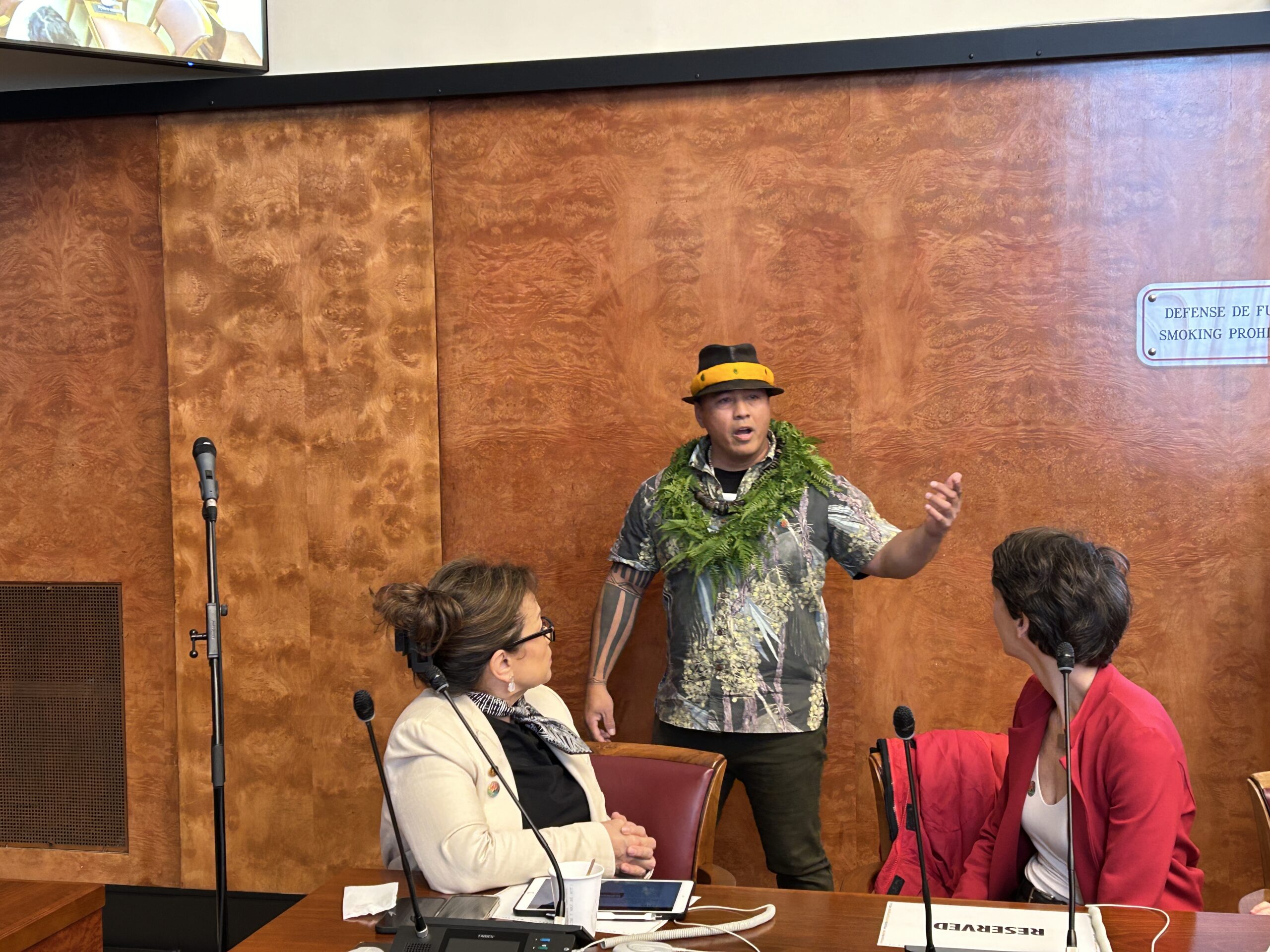
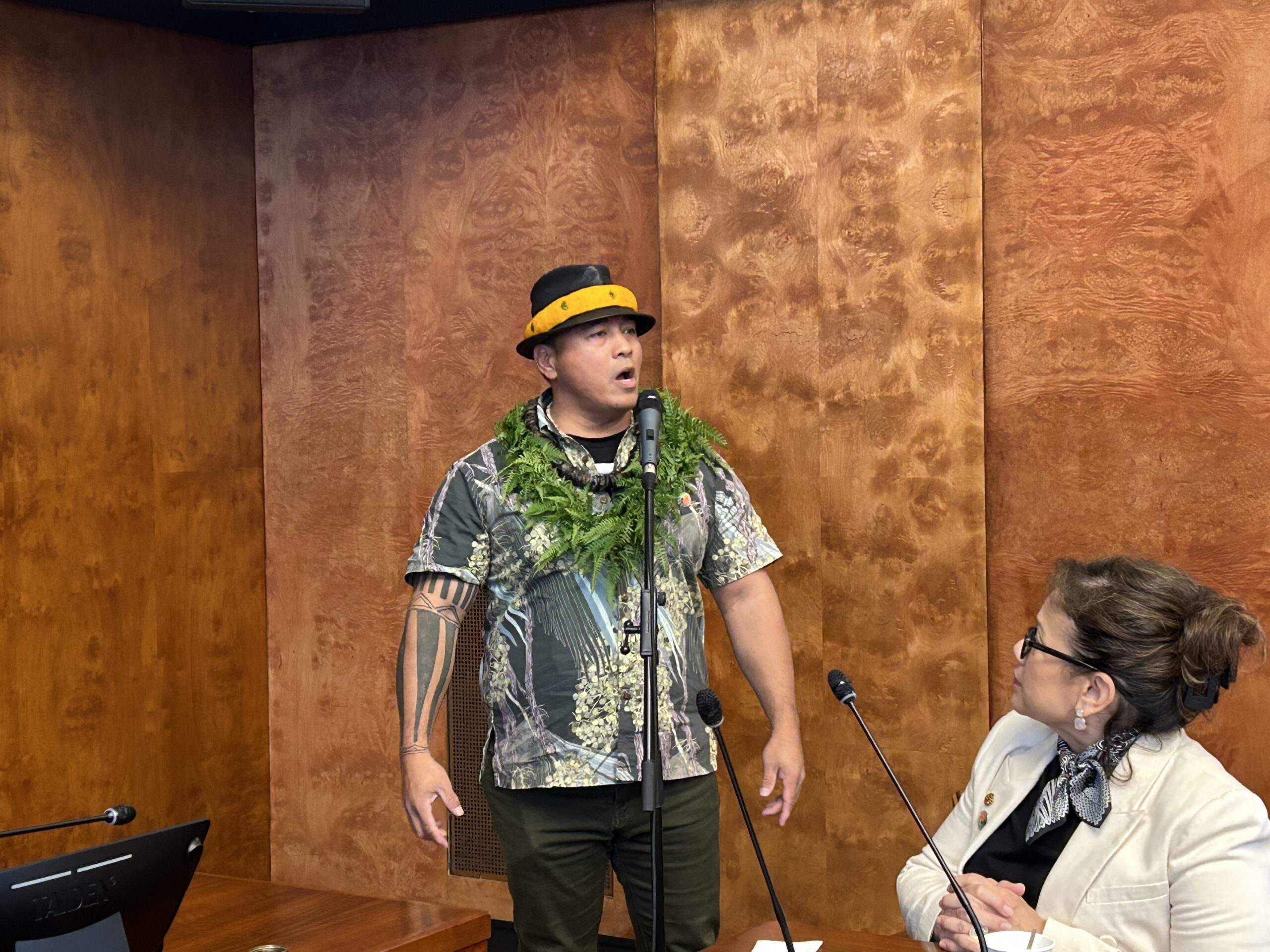

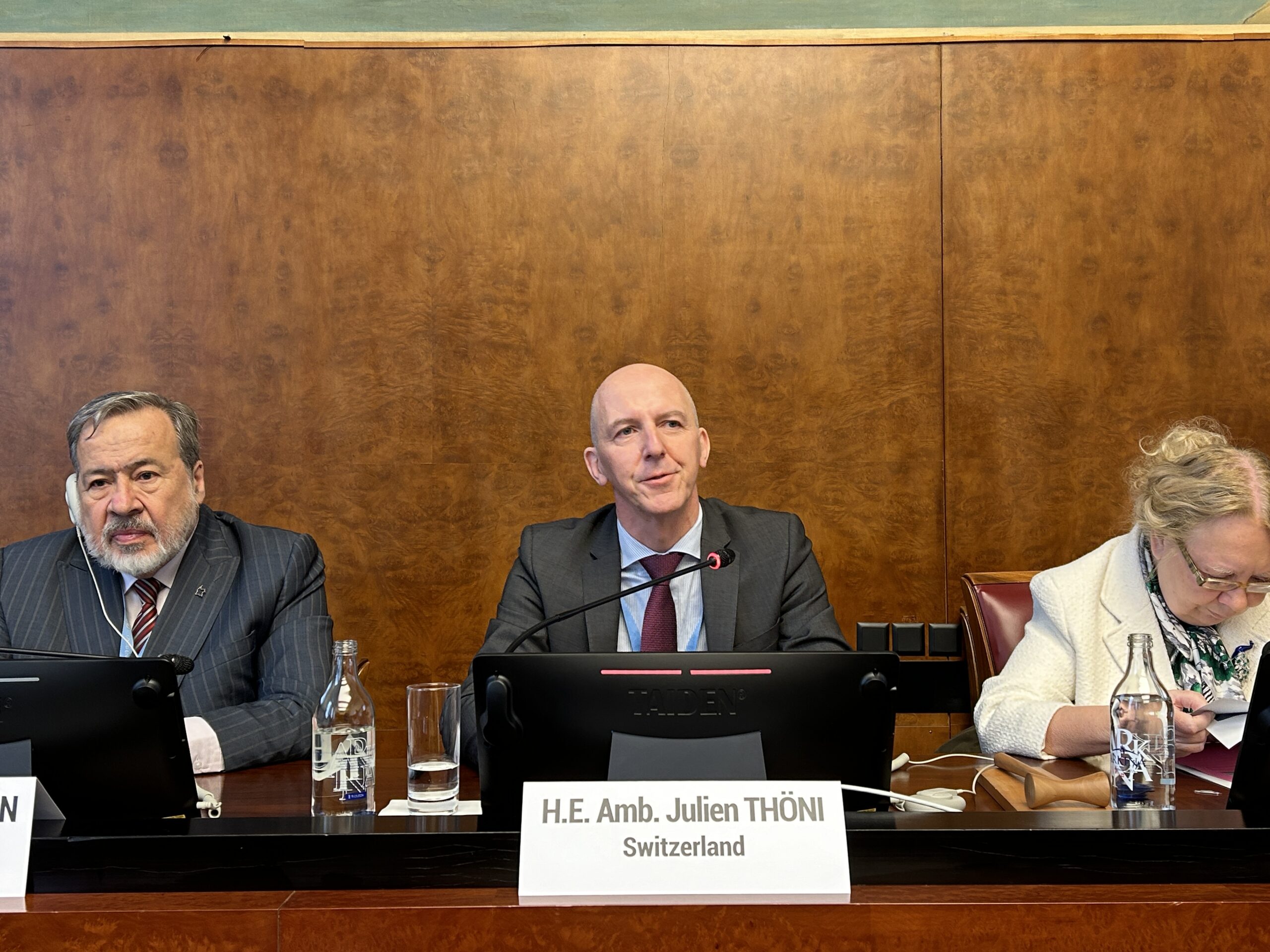
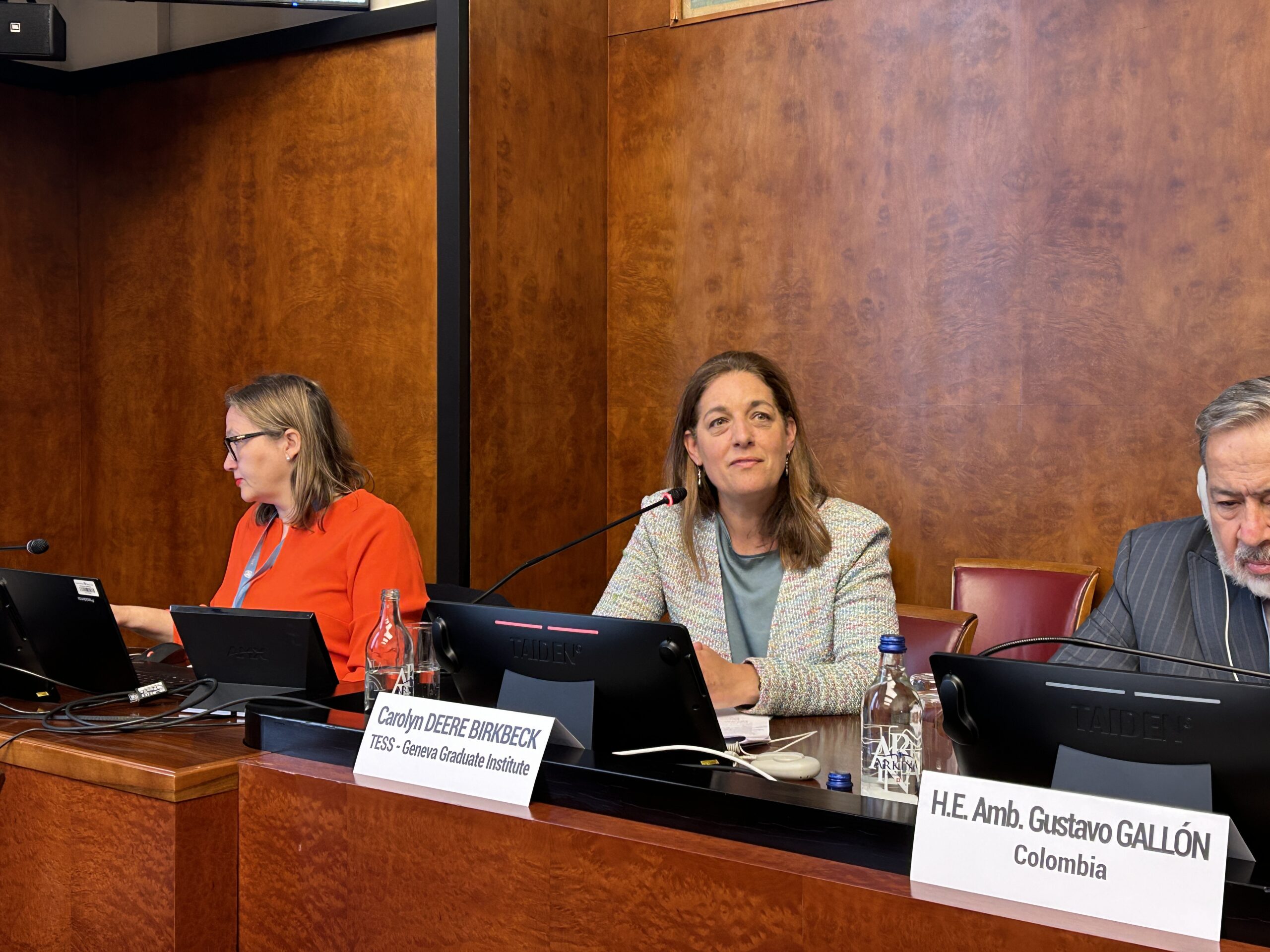


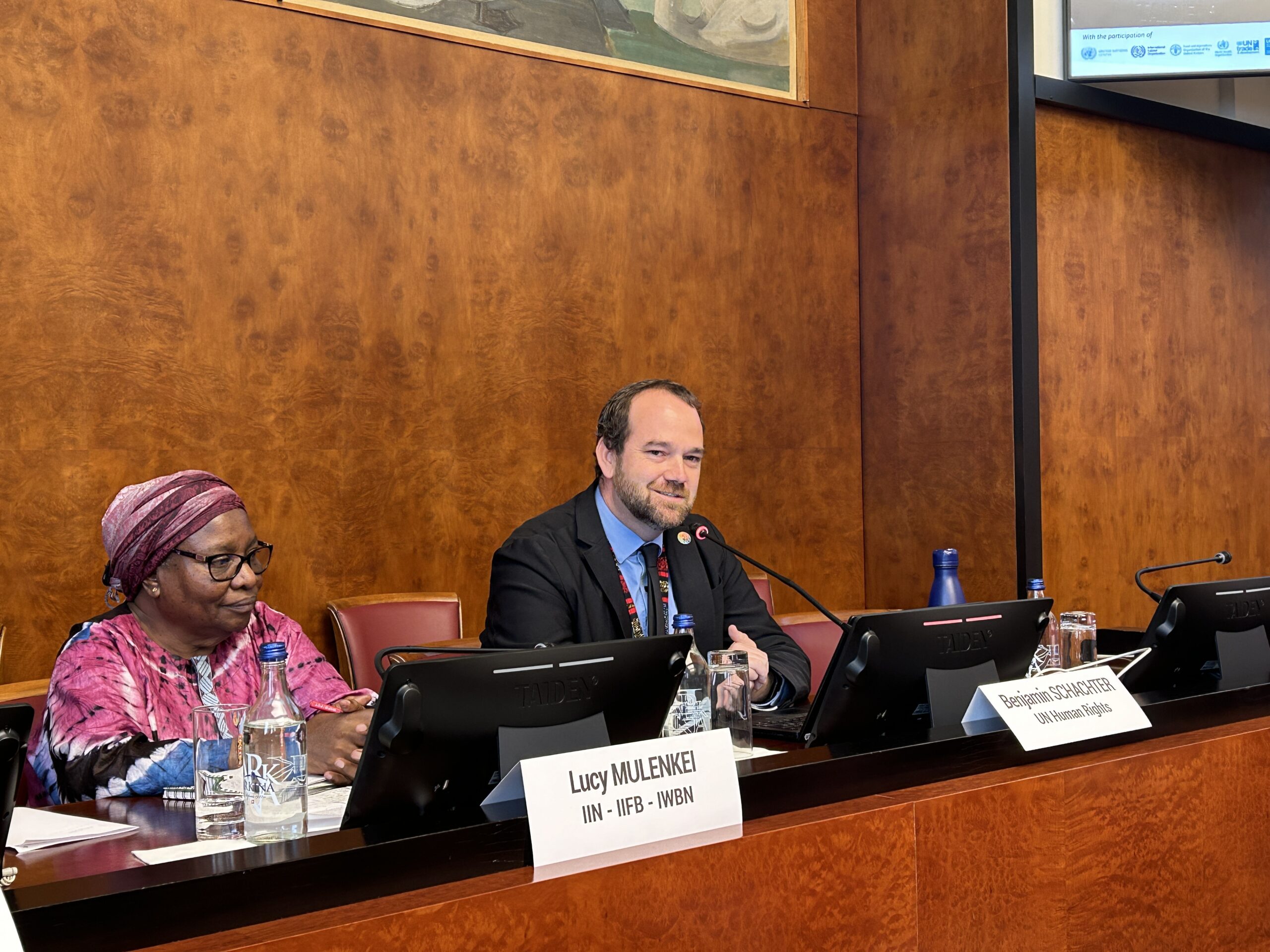


Photo Credits
UN Photo / Jean-Marc Ferré (2013).