Événement Conférence
Pharmaceutical waste: practices and challenges in ensuring their environmentally sound management | Basel Convention OEWG-14 side event
28 Juin 2024
13:15 – 14:45
Lieu: CICG | Room B & Online | Webex
Organisation: Branche produits chimiques et déchets du PNUE, Geneva Environment Network
This side event to the fourteenth meeting of the Open-ended Working Group of the Basel Convention on the Control of Transboundary Movements of Hazardous Wastes and their Disposal (Basel OEWG-14) aims to shed light on current practices and pressing challenges in addressing pharmaceutical waste from various sources (health care, agriculture, pharmaceutical manufacturing, and household), and raise awareness on the need to ensure the environmentally sound management of unused pharmaceuticals through a One Health approach.
About This Event
Pharmaceuticals are essential for maintaining human and animal health, enhancing food production, and supporting economic prosperity. However, they pose environmental and public health risks when released into the environment. Pharmaceuticals contribute to the development of antimicrobial resistance, endocrine disruption, and can have toxic effects. While these substances can enter the environment during production, use, and through the excretion and disposal of unused medications, improper disposal of unused medicines is considered one of the major pathways for environmental contamination.
The main objective of this event is to shed light on current practices and pressing challenges in addressing pharmaceutical waste from various sources (health care, agriculture, pharmaceutical manufacturing, and household), and raise awareness on the need to ensure the environmentally sound management of unused pharmaceuticals through a One Health approach. It will also allow to share some of the existing best practices and approaches to foster collection and management. The event will feature experience from selected countries, IGOs and other relevant stakeholders.
The event is organized by UNEP in cooperation with the Geneva Environment Network in the margins of the Basel Convention OEWG-14. It is organized in the context of the project “Global best practices on emerging chemical policy issues of concern under the Strategic Approach to International Chemicals management (SAICM) (EDCs, Environmentally Persistent Pharmaceutical Pollutants (EPPPs))” funded by the Global Environment Facility.
Basel Convention OEWG-14
The fourteenth meeting of the Open-ended Working Group will take place from Tuesday, 25 June to Friday, 28 June 2024, with pre-meetings, including Bureau and regional meetings, to be held on Monday, 24 June. The Working Group is expected to progress items in its work programme, with topics to include:
- A draft renewed strategic framework
- Work to improve the functioning of the prior informed consent procedure
- Technical guidelines on Persistent Organic Pollutants, e-waste, waste lead-acid batteries and used and waste pneumatic tyres
- Practical guidance on the development of inventories of waste for certain waste streams
- Plastic waste
- Providing further legal clarity
- Work of the Implementation and Compliance Committee
- Basel Convention Partnership Programme
Speakers
By order of intervention.

Nada HANNA
Pharmaceutical and Antimicrobial Resistance Expert, Chemicals and Health Branch, UNEP

Kei OHNO WOODALL
Senior Coordination Officer, Secretariat of the Basel, Rotterdam and Stockholm Conventions

Maggie MONTGOMERY
Technical Officer, Water, Sanitation, Hygiene and Health, World Health Organization (WHO)
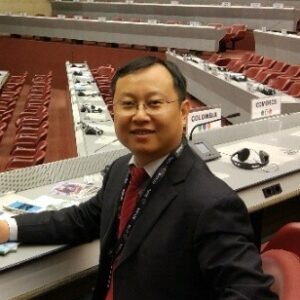
Yang ZHENG
Director, Hazardous Waste Management Division, Solid Waste and Chemicals Management Technology Centre, Ministry of Ecology and Environment, China

Judith TORRES
Officer Cooperation and International Relations Adviser, Ministry of Environment, Uruguay
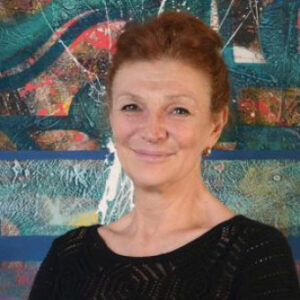
Lilian CORRA
International Society of Doctors for the Environment
Alpha Tarusenga CHIKURIRA
Environmental Quality Manager, Department of Environment, Environmental Management Agency, Zimbabwe

Stephanie LARUELLE
Programme Management Officer, Chemicals and Health Branch, UNEP | Moderator
Highlights
Summary
Key points from each speaker.
Stephanie LARUELLE, Programme Management Officer, Chemicals and Health Branch, UNEP, moderated the event and provided some opening remarks on behalf of UNEP. She welcomed all participants and panelists to the event organized in cooperation with the Geneva Environment Network. She started by stressing pharmaceuticals were not a “typical” commodity considering their key role for human and animal health, as well as food production. She noted however the releases of pharmaceutical residues into the environment– including at the end of life of unused medicines – can pose significant threats to humans, animals, and ecosystems. Amongst these, the development of antimicrobial resistance or endocrine disruption. She recalled the objective of the event to discuss management of pharmaceutical waste, existing best practices, experiences, challenges, and opportunities including from a national standpoint.
Nada Hanna, Expert in Pharmaceutical and Antimicrobial Resistance, Chemicals and Health Branch, UNEP, emphasized the importance of safely disposing of unused medicines from various sources including the pharmaceutical industry, health care facilities, agricultural production, and households, to protect the environment and public health from threats such as antimicrobial resistance (AMR). She advocated for a combination of preventive and control strategies, including waste prevention, medicine take-back programs, raising awareness, establishing, or strengthening legal frameworks, and implementing end-of-pipe treatments. She stressed the need for context-specific collaborative efforts under the One Health framework, which requires active participation and coordinated actions from diverse stakeholders.
Kei Ohno Woodall, Senior Coordination Officer, Secretariat of the Basel, Rotterdam, and Stockholm Conventions, stated that pharmaceutical waste is a critical waste stream to manage under the Basel Convention, recognized under biomedical and health care wastes. It originates from various sources such as manufacturing, usage, improper disposal, and applications in animal treatment, agriculture, and aquaculture, potentially contaminating the environment and ecosystems. The Basel technical guidelines emphasize waste prevention, including periodic inspection of pharmaceutical stocks for expiration dates, and the importance of raising awareness for proper handling during use and disposal.
Margaret Montgomery, Technical Officer, Water, Sanitation, Hygiene, and Health, World Health Organization (WHO), stated that safe healthcare waste management is crucial for quality care and aligns with WHO’s focus on WASH, waste, and electricity in healthcare facilities. She highlighted growing concerns about pharmaceutical waste, particularly its role in spreading antimicrobial resistance, increasing emergencies and inappropriate drug donations and generally, large gaps in healthcare waste management. Significant advances include a global document that summarizes the latest risk-based guidance on the safe management of pharmaceutical waste and illustrates best practices for its minimization, handling, storage, and treatment through case studies.
Yang Zheng, Director, Division of Hazardous Waste Management, Solid Waste and Chemicals Management Center affiliated with the Ministry of Ecology and Environment of the People’s Republic of China, introduced the current progress on pharmaceutical waste environmental management in China, including four main sources of pharmaceutical waste: hospitals, industrial sector, household waste, and agricultural industry. For different waste streams, separate collection and treatment systems have been established for medical waste, industrial hazardous waste, and household waste. Pharmaceutical waste collected through different systems is mainly sent to medical waste incinerators, hazardous waste incinerators, household waste incinerators, or cement kilns for disposal.
Lilian Corra, International Secretary for the International Society of Doctors for the Environment, noted that a comprehensive, detailed, and updated report to set the scene and the implications is still lacking, progressively increasing the risk of irreversible consequences on the environment, biodiversity (for example, on “keystone species” fundamental for ecosystem equilibrium and survival) and human health, from a “one health” perspective. Involvement of the Health, Environment, and Production areas is important to give visibility and install pollution prevention policies and actions to prevent pollution, protect the environment, biodiversity, and human health.
Judith Torres, Cooperation and International Relations Adviser, Ministry of Environment, Uruguay, discussed Uruguay’s progress in pharmaceutical waste management since the introduction of the Extended Producer Responsibility decree for pharmaceuticals in 2007. Efforts include collection schemes and some treatment starting in 2012, but challenges like insufficient treatment facilities and limited supply chain data persist. In addition, there is a pressing need for resources, capacity building, and enhanced monitoring to assess the environmental and health impacts of pharmaceutical waste, which are crucial for informed decision-making in Low- and Middle-Income Countries.
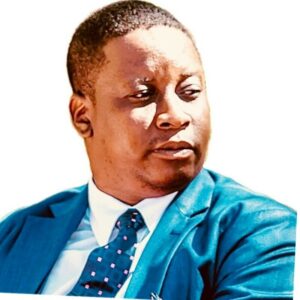
Alpha Tarusenga Chikurira, Environmental Quality Manager, Department of Environment, Environmental Management Agency, Zimbabwe, highlighted that the responsible management of pharmaceutical waste in Zimbabwe is not merely an environmental concern; it is a critical investment in public health and a sustainable future. Collaboration between government, healthcare institutions, and the private sector, targeted awareness campaigns, implementing best practices such as take-back programs, and investing in environmentally sound treatment technologies will ensure the safe disposal of these potentially hazardous materials. The journey towards a sustainable solution requires dedication and a commitment to innovation.