Événement Conférence
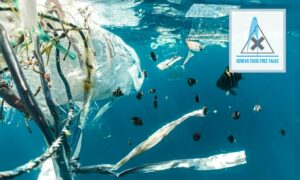
Protecting Human Rights in the Face of Ocean Pollution: Access to Justice and a Toxic-Free Future | HRC60 Side Event
17 Sep 2025
13:00 – 14:00
Lieu: Palais des Nations, Room VII
Organisation: Chili, France, Costa Rica, Samoa
This side event to the 60th Regular Session of the Human Rights Council (HRC60), convened by Chile, will reflect on the latest report of the UN Special Rapporteur on toxics and human rights, highlighting the human rights impacts of toxic marine pollution, including plastics and hazardous substances, and the role of the Human Rights Council in addressing toxic exposures and marine degradation. The event will examine systemic barriers to access to justice and effective remedies for affected communities, and reflect on the outcomes of recent negotiations.

About this Event
Toxic pollution of the oceans undermines fundamental human rights, including the rights to life, health, and a clean, healthy, and sustainable environment. Yet victims, especially in coastal and Indigenous communities, face significant barriers to justice: high burdens of proof, short limitation periods, lack of standing, and prohibitive costs.
In 2025, despite urgent calls for action and mounting scientific evidence, the second part of the fifth session of the Intergovernmental Negotiating Committee (INC-5.2) failed to deliver an agreed draft for a global plastics treaty. This setback underscores the fragility of multilateral efforts to address plastic pollution, including in the marine environment, and protect affected populations. Meanwhile, the UN Ocean Conference (UNOC 2025), last June, reaffirmed commitments to implement SDG 14 and to prioritize inclusion, human rights, and environmental justice in ocean governance.
The UN Report of the Special Rapporteur on the implications for human rights of the environmentally sound management and disposal of hazardous substances and wastes (A/HRC/60/34) – to be presented at this 60th Session of the Human Rights Council – underscores that remedies must be accessible, timely, enforceable, and comprehensive, encompassing not only compensation but also pollution cessation, site remediation, rehabilitation, and non-repetition.
In this context, the Human Rights Council has a critical role to play in addressing the accountability gap for environmental harms, ensuring that access to justice for victims of toxic exposure becomes a global priority. This side event aims to elevate that conversation.
Environment @ HRC60
The 60th Regular Session of the Human Rights Council (HRC60) is taking place in Geneva from 8 September to 8 October 2025. Consult this regularly-updated page that highlighted the environmental-related activities of this session.

Speakers

H.E. Amb. Claudia FUENTES JULIO
Permanent Representative of Chile to the UN Office and other international organizations in Geneva
H.E. Amb. Nella Pepe TAVITA-LEVY
Permanent Representative of Samoa to the UN Office and other international organizations in Geneva

Marcos ORELLANA
UN Special Rapporteur on toxics and human rights
Karine SIEGWART
Senior Policy Advisor, International Union for Conservation of Nature

Andrés DEL CASTILLO
Senior Attorney, Environmental Health Program, Centre for International Environmental Law
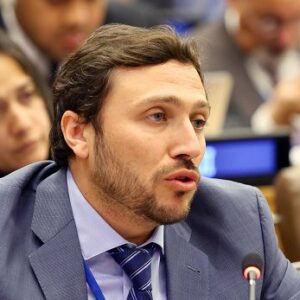
Cristian LABORDA
Chilean Senior Legal Consultant on Oceans

Yves LADOR
Representative to the United Nations in Geneva, Earthjustice | Moderator
Highlights
Video
Live from Palais des Nations
Summary
Introduction
Yves LADOR | Earthjustice Representative to the UN in Geneva
This side event examined the interconnections between ocean pollution, human rights, and access to justice, following the presentation of the latest report of the UN Special Rapporteur on Toxics and Human Rights, Dr Marcos Orellana. It built on recent international milestones, notably the UN Ocean Conference (Nice, June 2025), the forthcoming entry into force of the BBNJ Agreement, and the unsuccessful INC-5.2 plastics negotiations, underscoring the urgent need for coherent, rights-based ocean governance.
Opening Remarks
H.E. Amb. Claudia FUENTES JULIO | Permanent Representative of Chile to the UN Office and other international organizations in Geneva
Ambassador Fuentes Julio reaffirmed Chile’s conviction that access to justice is the cornerstone of protecting human rights from toxic pollution. Effective remedies must be accessible, enforceable, and comprehensive, addressing prevention, remediation, and non-recurrence. She welcomed positive developments, including the Nice Ocean Conference’s reaffirmation of environmental justice principles and the BBNJ Agreement’s potential to strengthen protection of marine biodiversity. At the same time, she cautioned that the failure of INC-5.2 illustrates the fragility of multilateral progress and the importance of ensuring that the Human Rights Council remains a forum for accountability and for the voices of affected communities.
Statements by Co-Sponsors and Experts
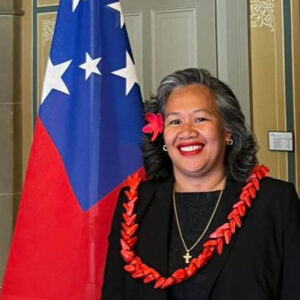
H.E. Amb. Nella Pepe TAVITA-LEVY | Permanent Representative of Samoa to the UN Office and other international organizations in Geneva
Ambassador Tavita-Levy described the Pacific region’s acute vulnerability to ocean pollution, including the Great Pacific Garbage Patch, which endangers ecosystems, food security, and cultural heritage. Samoa has adopted waste management laws and community-based customary systems but faces limited resources for implementation. She emphasized the need for ambitious, legally binding international frameworks, multilateral cooperation, and the use of human rights mechanisms such as the Universal Periodic Review and the ICJ advisory opinion on climate change to advance environmental justice.
Marcos ORELLANA | UN Special Rapporteur on toxics and human rights
Mr. Orellana recalled that exposure to hazardous substances continues to violate multiple human rights and that impunity remains pervasive. He highlighted the ITLOS advisory opinion confirming greenhouse gases as marine pollutants under UNCLOS and affirmed that the precautionary principle is now an element of due diligence in international law. Drawing on cases such as the Wakashio oil spill in Mauritius, he stressed the importance of accountability and presented 24 guidelines on access to justice and effective remedies, adaptable to marine pollution contexts.
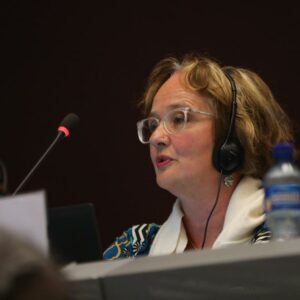
Karine SIEGWART | Senior Policy Advisor, International Union for Conservation of Nature
Ms. Siegwart linked human rights, biodiversity, and health, noting convergence among the CBD, BBNJ, Basel–Rotterdam–Stockholm, and Minamata Conventions. She warned that the current draft of the plastics treaty lacks global obligations and biodiversity considerations, risking a weak outcome. Courts and tribunals, she argued, play a decisive role when policy fails—citing the ECHR ruling in the KlimaSeniorinnen v. Switzerland case and actions against corporate polluters. She called for coherence among treaty regimes, capacity-building, and judicial access for communities, emphasizing that biodiversity protection is integral to the right to a healthy environment.
Andrés DEL CASTILLO | Senior Attorney, Environmental Health Program, Centre for International Environmental Law
Mr. del Castillo recalled that Pacific island states initiated the plastics-treaty process through the Talanoa Declaration (2021), which first linked plastics and human rights. He cautioned against diluting ambition and noted that over fifty existing instruments already address plastic pollution in a fragmented manner. He urged negotiators to design a comprehensive treaty covering chemicals, production, and health, inspired by the BBNJ model, including decision-making mechanisms to overcome paralysis by consensus. He also drew attention to the governance gap on plastic pellets, a major but overlooked source of marine pollution.
Cristian LABORDA | Chilean Senior Legal Consultant on Oceans
Mr. Laborda explained that the BBNJ Agreement operationalizes the UNCLOS obligation to “protect and preserve the marine environment.” He called for ending “silo mentalities” between ocean law, human rights, and environmental law, identifying access to justice as a central bridge. He expressed optimism that the BBNJ treaty will soon enter into force (with 56 ratifications at the moment of the side event) and noted its provisions on impact assessments, capacity-building, transparency, and compliance, including Chile’s proposal for a technical compliance committee. The treaty’s recognition of traditional knowledge and its potential application to transboundary cases such as the Fukushima discharge demonstrate its innovative scope.
Concluding Reflections
Mr. Orellana emphasized the synergies between the BBNJ Agreement and the Escazú and Aarhus Conventions, which all implement Principle 10 of the Rio Declaration. He stressed that even for states not party to these regional instruments, human rights obligations concerning transparency, participation, and access to justice remain binding. These standards, together with the Rapporteur’s 24 guidelines, can strengthen accountability and ensure that environmental governance truly protects human rights.
Key Takeaways
- Access to justice is indispensable for a toxic-free ocean and equitable environmental governance.
- The Human Rights Council should continue serving as a platform to address accountability gaps in environmental harm.
- The BBNJ Agreement and a future Plastics Treaty offer complementary opportunities to integrate human rights and biodiversity protection.
- Small Island Developing States (SIDS) provide critical leadership in promoting equity and the right to a healthy environment.
- Effective implementation requires coherence among treaties, global and national obligations, and empowered local and judicial mechanisms.
Photo Gallery


Other Events @ Geneva Toxic Free Talks 2025
Tackling Toxics on the Ground | Geneva Toxic Free Talks 2025
17 September | 11:30 – 12:30 CEST
The Toxic Impact of Military Activities | HRC60 Side Event | Geneva Toxic Free Talks 2025
17 September 2025 | 14:00-15:00 CEST

The Challenges to Implement the Right to be Free from Toxics | Geneva Toxic Free Talks 2025
17 September 2025 | 16:00-17:00 CEST