Événement Conférence
Water as a Common Good | HRC57 Side Event
17 Sep 2024
14:30 – 15:30
Lieu: Palais des Nations | Room XXII
Organisation: Procédures spéciales du Conseil des droits de l’homme, Allemagne, Espagne, End Water Poverty, International Service for Human Rights, Geneva Environment Network
In the framework of the 57th Regular Session of the Human Rights Council (HRC57), taking place in Geneva from 9 September to 11 October 2024, the UN Special Rapporteur on the human rights to safe drinking water and sanitation, the Permanent Missions of Spain and Germany to the United Nations Office in Geneva, End Water Poverty, the International Service for Human Rights and the Geneva Environmental Network are convening an event to reflect on the thematic report presented by the UN Special Rapporteur on the human rights to safe drinking water and sanitation entitled "Water and Economy Nexus: managing water for productive uses from a human rights perspective".

About this Event
The first World Water Conference in 47 years took place in March 2023. Although the concept of water as a human right did not receive much attention during the conference, the idea of water as a global common good emerged as a prominent topic of discussion. As a result, the Special Rapporteur chose to centre his thematic report on water as a common good and its relationship with human rights and the economy. The objective is to clarify the meaning of water as a common good from a human rights perspective and its consequences for the governance and management of water sources.
To be presented to the Human Rights Council, the report (A/HRC/57/48) of the UN Special Rapporteur on the human rights to safe drinking water and sanitation, Pedro Arrojo-Agudo, emphasizes the importance of managing water and aquatic ecosystems as commons. It stresses the distinction between the global water cycle, as a global common good related to climate, and the management of water resources in territories to provide water for drinking and basic food production. The report highlights the importance of involving the participation of rights holders using a human rights-based approach, ensuring non-discrimination, transparency, and accountability. To achieve this, the Special Rapporteur suggests two main actions. First, protecting water sources from being taken over and turned into commodities by officially designating them as natural heritage managed by the state, as responsible for fulfilling the human right to water. Second, implementing Elinor Ostrom’s nested approach to collective governance involves using interconnected levels of management to govern water sources effectively.
This side event to the 57th session of the Human Rights Council introduced the report and provided a platform for discussing water as a common good among the human rights community. The event also explored how this relates to the human rights to safe drinking water and sanitation and examined the experiences and methodologies governing water as a common good.
Environment @ HRC57
The 57th regular session of the Human Rights Council (HRC57) is taking place in Geneva and online from 9 September to 11 October 2024. With the environment high on the agenda, consult regular updates on key environmental issues at HRC57, side events, and further resources available on our dedicated HRC57 and the environment update.

Speakers

H.E. Amb. Katharina STASCH
Permanent Representative of Germany to the UN Office and other international organizations in Geneva
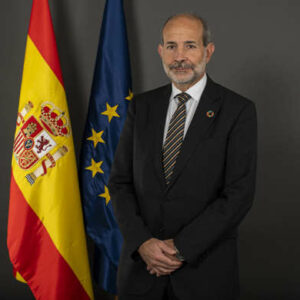
H.E. Amb. Marcos GÓMEZ MARTÍNEZ
Permanent Representative of Spain to the UN Office and other international organizations in Geneva

Pedro ARROJO-AGUDO
UN Special Rapporteur on the human rights to safe drinking water and sanitation
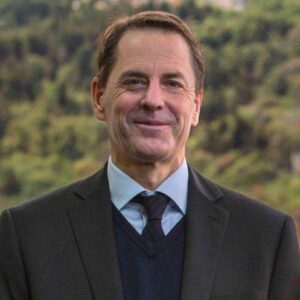
Todd HOWLAND
Chief, Development and Economic and Social Rights Branch, Office of the High Commissioner for Human Rights
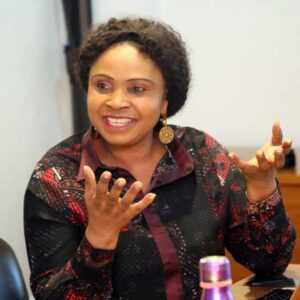
Emem OKON
Executive Director, Kebetkache Women Development & Resource Centre

Florestan GROULT
Vice-President in charge of the Users and Right to Water Commission, Eau publique du Grand Lyon

Sandra MÉTAYER
Coordinator, Coalition Eau | Member, End Water Poverty

Diana RIZZOLIO
Coordinator, Geneva Environment Network | Moderator
Highlights
Video
Live from Palais des Nations
Photo Gallery


Summary
Opening Remarks
H.E. Amb. Katharina STASCH | Germany
- Water is described as the foundation of all life, essential for human survival, as well as for plants and animals. Safe drinking water and sanitation are fundamental human rights.
- Germany, along with Spain, has been instrumental in leading efforts to enshrine these rights both in Geneva and at the UN General Assembly in New York.
- Examples from daily life, such as brushing teeth, preparing food, and agriculture, are used to highlight the importance of water. However, many uses of water compete with each other—industrial water use can cause pollution, agricultural water use can limit availability for electricity production, and rising costs could make safe drinking water unaffordable.
- How can responsible, sustainable, human rights-based solutions be found to address these challenges? How can the right to drinking water be ensured without compromising food production or ecosystems? How can businesses have sufficient water for production while being held accountable for protecting the environment?
- “We need to make sure water, as the essence of life is protected, and available for everyone.”
Keynote Presentation: Overview of the Report Presented at the HRC
Pedro ARROJO-AGUDO | UN Special Rapporteur on the human rights to safe drinking water and sanitation
- UN SR rights to water and sanitation congratulates Spain and Germany for their resolution on water and sanitation, and highlights Spain’s successful transposition of the EU drinking water directive, which sets a minimum requirement of 100 liters of water per person per day.
- He quotes Spanish poet Antonio Machado ““All fools confuse value and price” and referencing Aristotle’s differentiation between « economics » (managing household goods) and « chrematistics » (managing goods bought and sold). Water, according to SR Arrojo-Agudo, cannot be exchanged for money, as it holds the fundamental value of sustaining life and social cohesion.
- Water is essential to various production processes but, more importantly, it sustains life on the planet and supports the territorial settlement of people. It plays a key role in social coexistence and cohesion, making its fair and sustainable management as common goods and natural heritage crucial.
- The recognition of water and aquatic ecosystems as common goods calls for the involvement of the communities that depend on them. He cites the EU Water Framework Directive as a key example, stressing the importance of public participation in water management.
- Arrojo-Agudo emphasizes that states must take responsibility for water management as part of the public domain, while recognizing that water is a common good requiring nonprofit governance. Governance should occur at multiple levels (local, basin-wide, and transboundary) and must ensure transparency, public participation, and accountability, following the principle of subsidiarity, especially in the European context.
- He highlights a slogan from Italy’s water rights movement, “It is written water, but it reads democracy,” and asserts that this principle speaks to the truth of water governance.
- Lastly, he urges states, particularly Spain and Germany, as well as social movements, to begin preparing for the 2026 Water Conference. The 2023 conference’s shortcomings must be addressed by creating more effective spaces for participation by rights holders, including municipal and community authorities, to ensure a Human Rights-based approach to water governance.
Panel Discussion
Todd HOWLAND | Office of the High Commissioner for Human Rights
- Todd Howland emphasizes the importance of integrating human rights into all policies, including economic policies, and highlights the relevance of the Special Rapporteur’s report on the water-economy nexus, which advocates for managing water from a human rights perspective. He notes that economic policymaking has often been disconnected from human rights norms.
- For decades, mainstream economic thinking has undermined the state’s capacity and motivation to fulfill human rights obligations. The neoclassical approach to economics has taken precedence over the rule of law, including human rights, promoting minimal government interference in the economy, which neglects the essential role of human rights in economic frameworks.
- A human rights economy recognizes economic, social, and cultural rights, including the rights to water and sanitation, as integral to the rule of law rather than mere aspirations. The prevailing market logic, which focuses solely on maximizing returns and treats water as a commodity, contradicts human rights principles and the Sustainable Development Goals, ultimately failing both people and the planet.
- Todd Howland asserts that people’s participation is crucial for decision-making, and everyone has the right to be involved in decisions that affect them. Water should not merely be regarded as an economic good but must be treated as a human right accessible to all, regardless of their ability to pay. Even in times of water scarcity, ensuring the affordability of water and sanitation remains a critical obligation.
- He argues that fostering a human rights economy requires leveraging human rights obligations to inform budgetary decisions and to invest adequately in water and sanitation services, public education, health, and other rights for all individuals.
- The Office of the High Commissioner for Human Rights is committed to collaborating with all states, UN agencies, and social movements to align economic policies with human rights, advance progress on the Sustainable Development Goals, and ensure that no one is left behind, particularly in terms of access to water and sanitation.
Emem OKON | Kebetkache Women Development & Resource Centre
- Emem Okon highlights that many people, particularly in communities, still lack access to clean water.
- Drawing from her experience in Nigeria’s Niger Delta region, she addresses the severe consequences of extractive activities, particularly oil and gas extraction, on access to clean water. A 2008 United Nations Environment Program assessment found dangerously high levels of benzene, a toxic substance, in both underground and surface water in Ogoniland, exceeding the World Health Organization’s permissible limits by over 900 times.
- Oil and gas extraction leads to the contamination of rivers, creeks, and streams with crude oil, depriving communities of piped water. Pollution extends to rainwater, which has been affected by acid rain resulting from decades of gas flaring. The Niger Delta faces significant challenges from climate change, exacerbating the water crisis.
- Research indicates that entire communities lack access to clean drinking water, with the only treated water available at major oil operations for staff use, while local populations are neglected. Many community members have hydrocarbons in their blood due to consuming contaminated water, inhaling polluted air, and eating tainted food, contributing to a life expectancy in the Niger Delta that is below 45 years.
- Okon stresses the importance of considering water justice in discussions about water’s role in sustaining life and achieving sustainable development goals. She calls for accountability from corporations that destroy water sources in communities.
- She shares a case from 2016 where a family discovered their local well contaminated with crude oil. Despite reporting this to the company and community leaders, action was delayed for years, with significant inaction noted even after a pollution assessment was conducted. Attempts to file a suit with the National Human Rights Commission were dismissed, and no remediation has occurred since.
- Oil companies are planning to divest and move offshore, which will further diminish community members’ ability to hold them accountable. She appeals to the Special Rapporteur and the Human Rights Council to ensure that oil corporations are held responsible for their actions.
- Emem Okon notes the serious health consequences of polluted water for women, including early menstruation and fertility issues. She underscores the cultural significance of a woman’s ability to conceive in Africa and emphasizes the need to address the connections between extractive activities, their consequences, and women’s health.
- Many women activists are unable to attend such fora due to lack of access to necessary documentation.
Florestan GROULT | Eau publique du Grand Lyon
- Florestan Groult reiterates the sentiment that « water is life, » highlighting the central role of water in forming human communities and societal structures. This understanding led the metropolis of Lyon to adopt a public management model in 2020, aiming to not only improve management practices but also to redefine public service, which is crucial for ensuring the right to water.
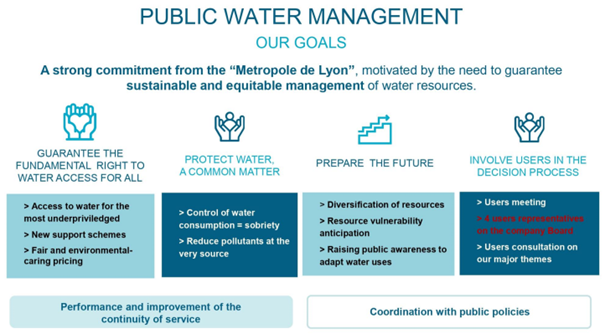
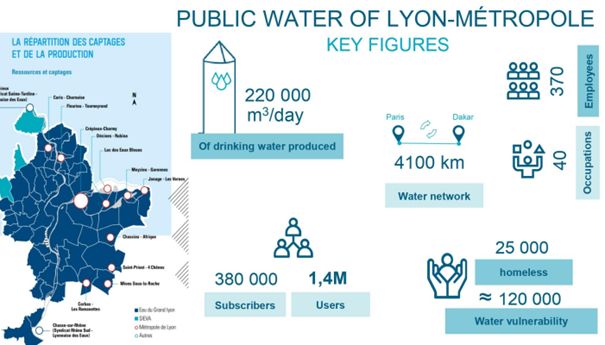
- Lyon’s model focuses on moving beyond a technical approach to water management, framing public management as a collective and democratic tool that upholds the right to water. This model has proven feasible for a community of 1.4 million inhabitants by emphasizing human rights, active participation, and social justice.
- Four key approaches were adopted in managing public water:
- Prioritizing human rights for all
- Preserving water resources
- Preparing for future challenges
- Involving users as primary stakeholders in the decision-making process, including representation in the public water company’s management board
- Florestan Groult notes the significance of user involvement, mentioning that over 8,000 participants engaged in a four-month initiative to raise awareness about water scarcity, resulting in the formation of an Assembly of Users. This assembly, comprising 120 members from various sectors, meets monthly to steer public water management in the public interest.
- The Assembly of Users plays a crucial role in defining key structural components of public water management, such as the Users’ Charter, the local definition of the right to water based on the Special Rapporteur’s report, governance structures, and pricing policies.
- After extensive discussions, the Assembly of Users concluded that the human right to water is:
- A democratic act
- A universal right
- A non-negotiable and inalienable human right
- A right that serves to prevent poverty from the outset, recognizing that the value of water varies based on its use
- The pricing process involved participatory consultation with the Assembly of Users, leading to the establishment of two distinct pricing structures: one for vital needs and another for economic activities.
- A safety net ensures no family faces deprivation due to water costs, while businesses benefit from a progressive pricing structure, with 85% of businesses maintaining acceptable rates, and only large consumers facing significant increases to promote conservation.
- In conclusion, Florestan Groult emphasizes that Lyon has successfully built a public service where contributions align with individual means, and services are provided according to needs, reinforcing the inalienable right to water. This model fosters a sense of solidarity among users and envisions a sustainable public water service that supports societal well-being through equitable access to water.
Sandra MÉTAYER | End Water Poverty
- The « Hearing the Unheard » campaign collected over 100 video testimonies from community-based organizations and water rights defenders worldwide, aiming to amplify the voices and demands of grassroots organizations that have been overlooked.
- Three key messages emerged from the campaign:
- Participatory Processes: It is crucial to enable marginalized groups to contribute meaningfully to decisions related to water and sanitation. These communities are rights holders and vital actors, not merely beneficiaries.
- Accountability Mechanisms: Existing local and national accountability mechanisms are not functioning effectively for communities and activists, necessitating improvements.
- State Support for Community Efforts: Many marginalized groups have called for increased state support for self-supply and greater community involvement in managing water resources and services. This approach does not shift responsibility from the state but acknowledges the valuable contributions of communities.
- The campaign resulted in a policy brief titled « Leave No One Behind, » containing key recommendations for states:
- Policy Review: States should review and update water and sanitation policies and budget plans to ensure equitable human rights enjoyment for marginalized groups. The priority use of water should focus on life and dignity, supported by public funding and targeted financial measures.
- Data Collection: It is essential to collect and publicly share disaggregated data on water access, taking into account criteria such as gender, disability, and geographic location. Marginalized groups are often underrepresented in existing data.
- Inclusive Participation: Develop and implement inclusive, participatory processes that allow communities to engage without fear of reprisal. Participation can manifest in both formal and informal ways, with all contributions deemed valid.
- Responsive Accountability Mechanisms: Local and national accountability mechanisms should prioritize responsiveness to community needs and work to eliminate barriers preventing access to justice for individuals and communities.
- In conclusion, Sandra Métayer emphasizes that eliminating inequalities in water access requires listening to the voices of those left behind.
Open Discussion
Joy Alar | Winner of the Youth Human Rights Challenge 2024
- Joy Alar emphasizes the importance of water as a basic human right and a symbol of peace.
- The urgent need for sustainable integrated water resource management is highlighted, particularly in the context of climate change and the interconnectedness of the global water cycle.
- Water scarcity is a pressing issue in Lebanon, where surface water is heavily exploited and groundwater is overdrafted, leading to commodification and environmental degradation.
- The water crisis in Lebanon is part of a larger regional issue affecting countries like Iraq and Syria, where conflict has destroyed water infrastructure, leaving millions without access to clean water.
- The situation is exacerbated by the recent escalation in Gaza, where water is used as a weapon of war, resulting in the displacement of over 1.9 million people, including vulnerable populations such as women and children.
- This humanitarian crisis represents a violation of international law and human rights, highlighting the failure of both local governments and the global community to address these injustices.
- The media plays a crucial role in raising awareness, as it often downplays or distorts stories of suffering, failing to hold accountable those responsible for human rights violations.
- Water is described as a human right rather than a commodity, and its management should prioritize human needs over economic interests.
- The commodification of water is seen as a failure of governance, emphasizing the need for justice and equality in water access.
- A call for transparency, accountability, and sustainability in water resource management is made, with policies recognizing water as a shared resource for all.
- Empowering communities to manage their own resources in ways that prioritize human dignity and environmental sustainability is essential.
- The potential for transboundary agreements to transform water from a point of conflict into a bridge for peace is envisioned, highlighting a collaborative approach to water management.
State of Palestine
- A challenge is posed regarding the appropriateness of maintaining « business as usual » while discussing water rights amid ongoing genocide, where water deprivation is a key tactic.
- UNICEF reports that Palestinians in Gaza are forced to drink highly salinated and polluted seawater, exacerbated by untreated wastewater.
- Water consumption per person in Gaza has dropped to just three liters, significantly below the international standard of 15 liters, due to the unavailability of bottled water and non-functional desalination plants.
- Communities are resorting to agricultural wells, which increases exposure to harmful chemicals and pesticides, particularly impacting pregnant women and children.
- The death toll among Palestinians has exceeded 42,000 due to the ongoing situation.
- A direct question is posed to states and the Special Rapporteur regarding their feelings after repeated warnings about water weaponization and its lethal consequences, which may surpass deaths from bombardments.
- The state of Palestine criticizes the indifference of many states, questioning their claims to be role models in water management while continuing to supply arms to Israel, which violates the rights to life and water.
- The indivisibility of human rights is emphasized, stating that they cannot be divided; it is all or nothing.
Pedro ARROJO-AGUDO | UN Special Rapporteur on the human rights to safe drinking water and sanitation
- A recommendation is made to read the report, which addresses some of the questions raised during the discussions, specifically referencing the previous year’s report on water as a tool for peace.
- The previous report contrasts cases where water is used as a weapon, providing insights into the issues at hand.
- Gratitude is expressed to all the states present at the event and to the 82 countries and 30 to 40 organizations that requested the floor during discussions.
- Acknowledgment is given to the honor and responsibility of gathering around the critical topic of water, despite facing criticism.
Closing Remarks
H.E. Amb. Marcos GÓMEZ MARTÍNEZ | Spain
- The Ambassador acknowledges that human rights violations occur daily and emphasizes the commitment to eliminate them, particularly in the concerning global context, including Palestine.
- Gratitude is expressed to fellow panelists, the permanent representative of Germany, the Special Rapporteur, and the Geneva Environment Network for their contributions.
- H.E. Ambassador Martinez highlights the significance of water in daily life, stating that the planet is « blue » for a reason, with humans composed of at least 70% water.
- The idea that water and sanitation are human rights rather than commodities is reinforced, asserting that everyone is entitled to them without discrimination.
- The Ambassador appreciates sobering remarks regarding community involvement in water management, referencing the Delta of the Niger as well as the municipality of Lyon as an inspiring example of citizen control.
- H.E. Ambassador Martinez supports framing water and sanitation as human rights within the human rights economy promoted by the High Commissioner, emphasizing the importance of economic and social rights.
- The need for community participation in water management is acknowledged as crucial for advancing the issue and ensuring everyone’s involvement.
- Public interventions must be guided by human rights principles such as transparency, participation, and accountability, ensuring that people remain at the center of water governance.
- The pivotal roles of environmental and water defenders are recognized, with emphasis on empowering women in sustainable water management as key to community development and poverty eradication.
- Water governance is stated as a matter of democracy and should not be left solely to market forces, with a commitment to ensuring human rights to safe drinking water and sanitation are fulfilled.
- Responsibilities towards the 2030 Agenda are upheld, maintaining momentum for the upcoming UN Water Conference in 2026.
- A commitment is made by H.E. Ambassador Martinez to focus on water issues from both a general perspective and specific crisis situations as members of the Human Rights Council starting next year.