
Event Conference
Digital Innovation for MEAs: Knowledge Platforms and AI | Minamata Online

22 Sep 2026
11:00 – 12:00
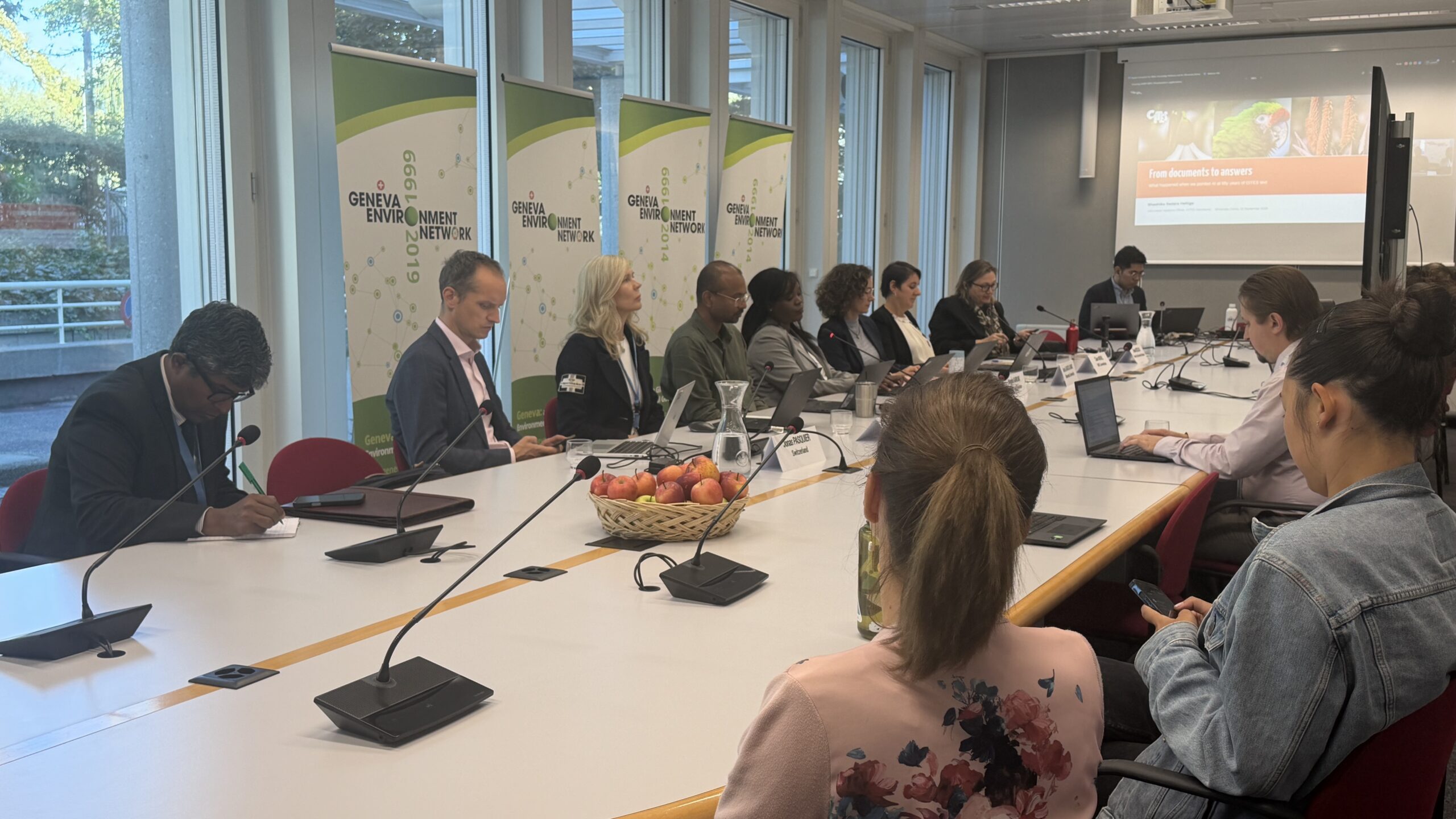
Venue: International Environment House 1 | Room 2 & Online | Webex
Organization: Minamata Convention on Mercury, Geneva Environment Network
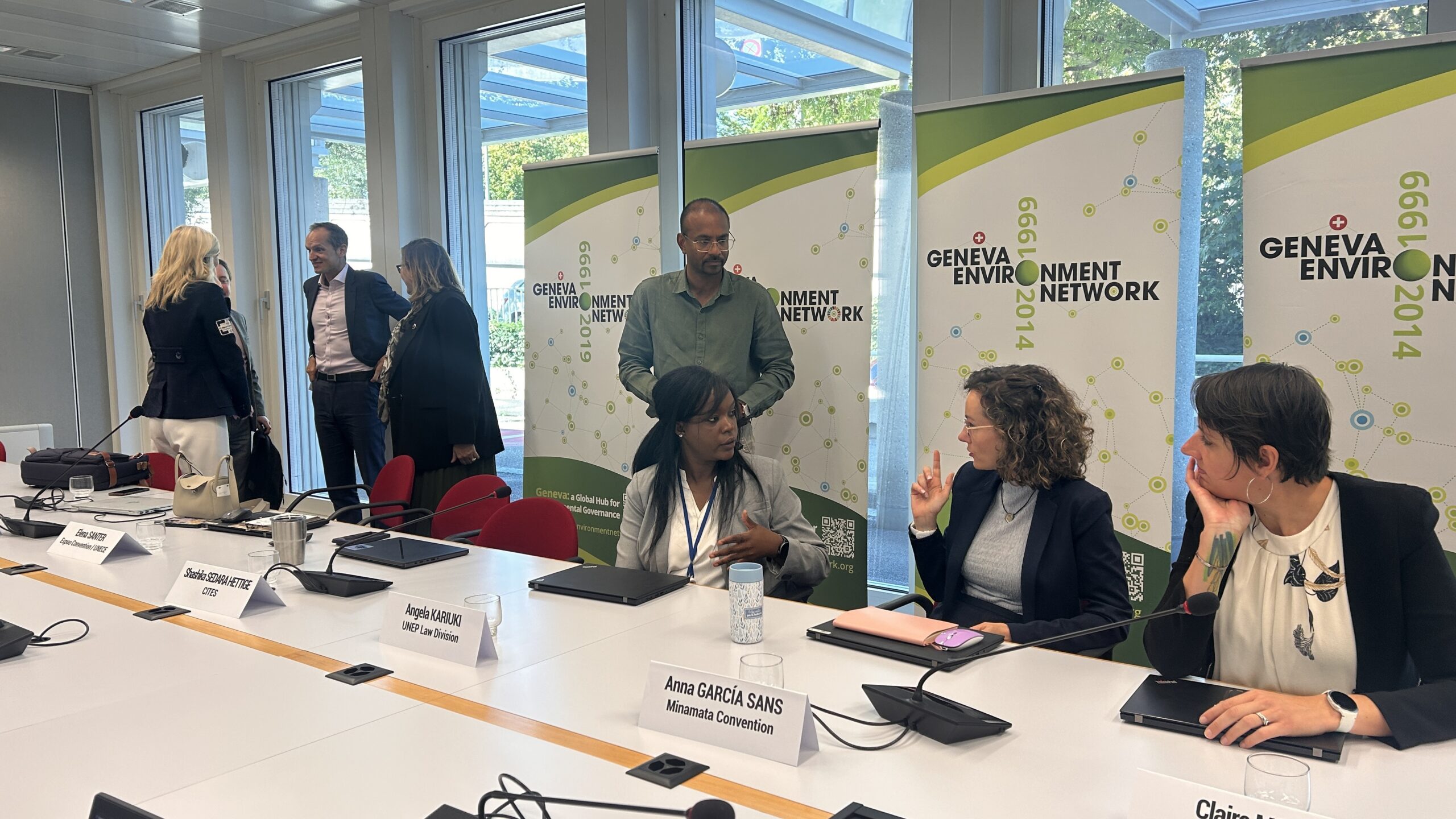
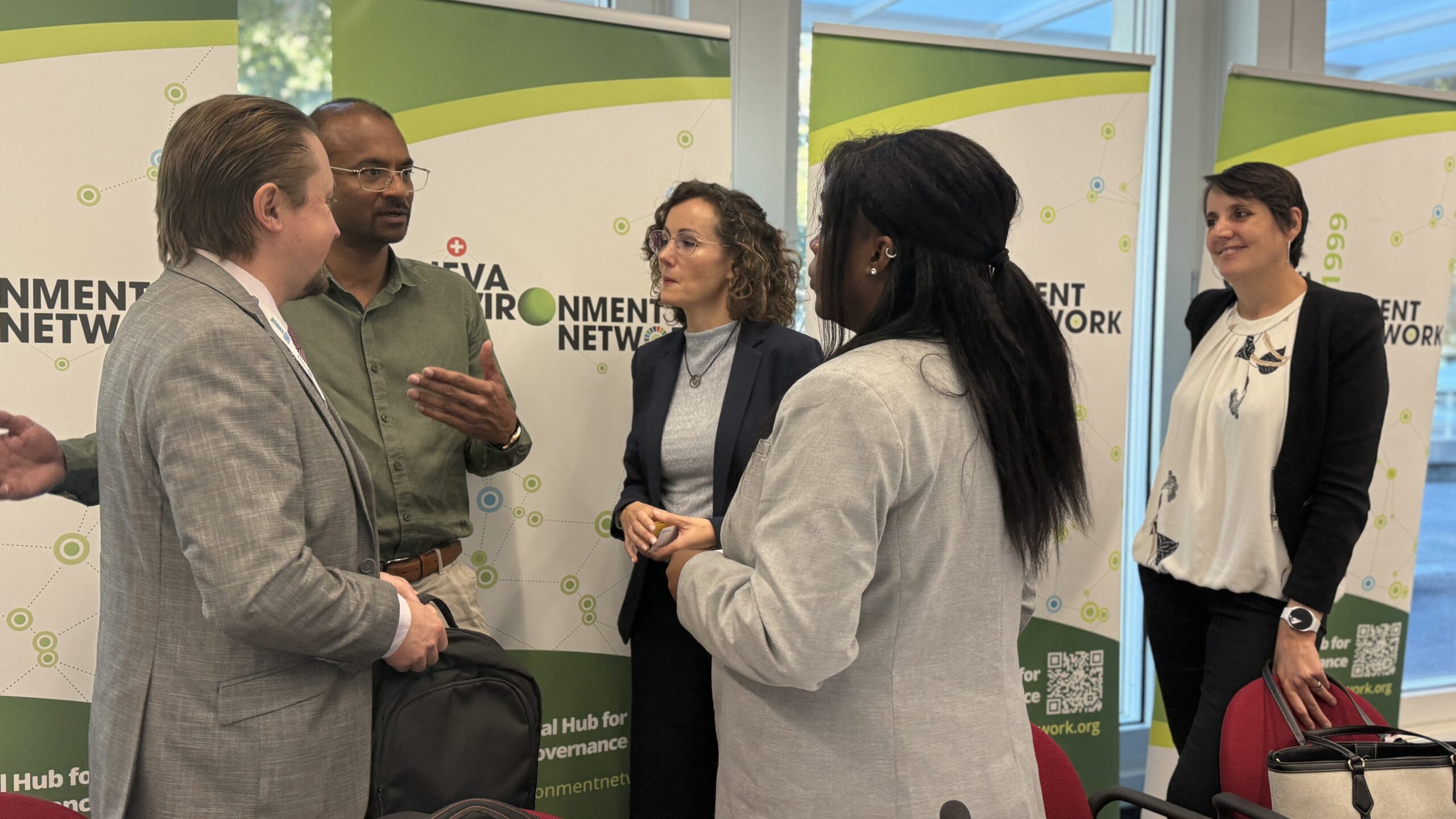
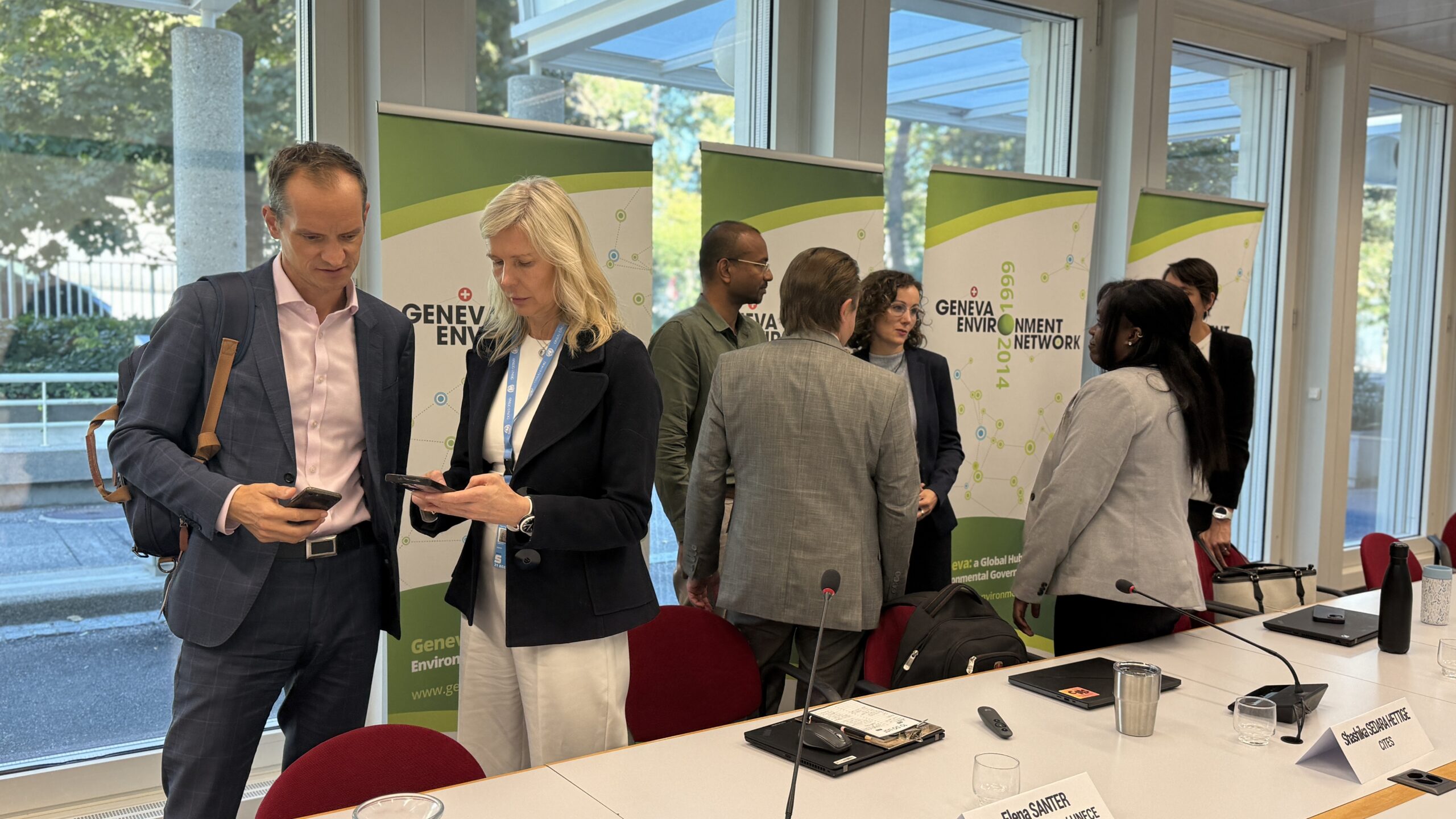
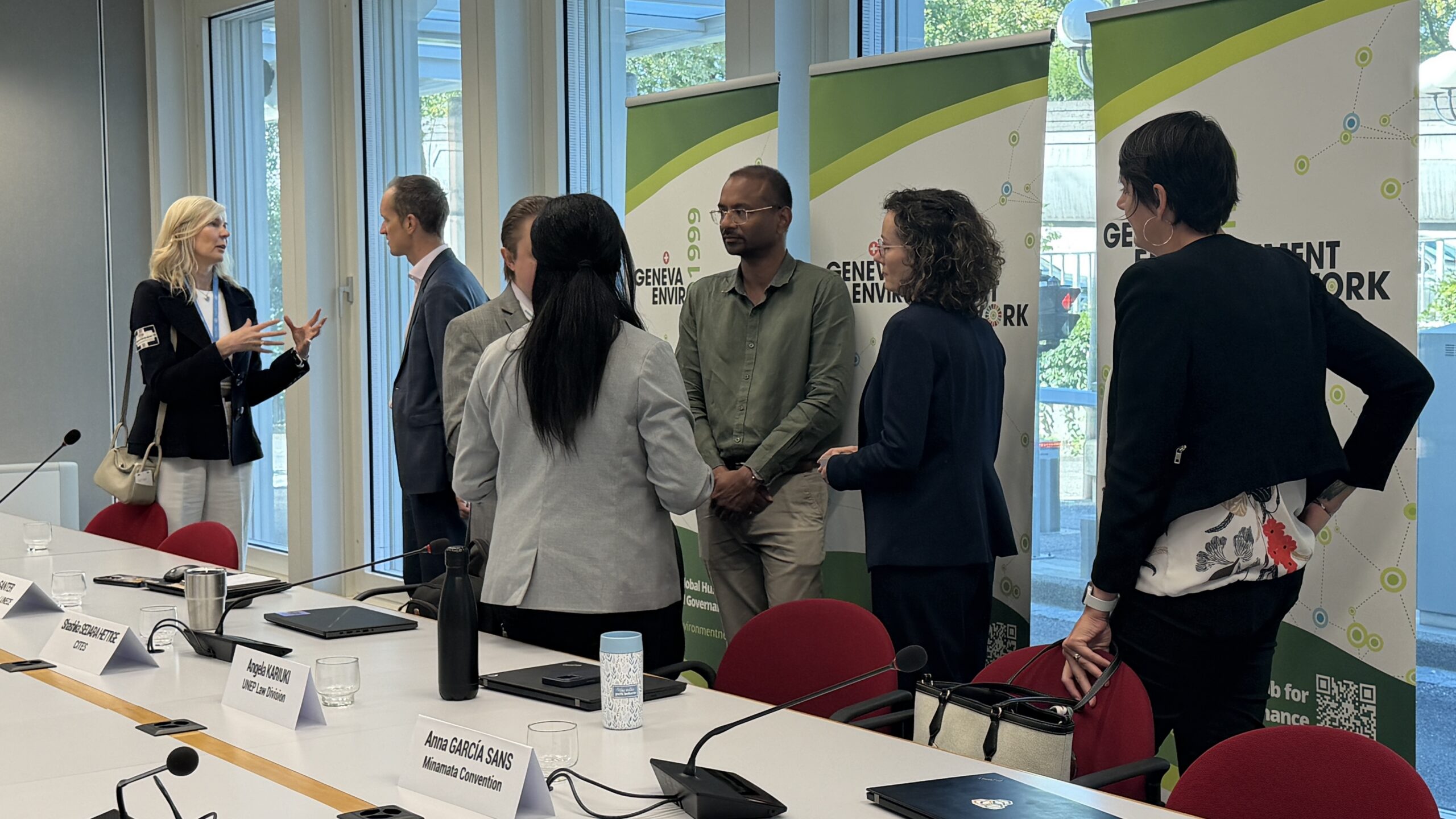
This event discussed how digital strategies, interoperable data and responsible AI are strengthening the implementation of multilateral environmental agreements. The session is part of the Minamata Online series, and co-organized by the Minamata Convention and the Geneva Environment Network.

About this Event
Multilateral environmental agreements (MEAs) generate and manage growing volumes of information, from decisions and national reports to scientific and technical data, guidance, project information and implementation experiences. The challenge is increasingly not only to make this information available, but also to ensure that it is structured, accessible, interoperable and reusable. Digital transformation therefore offers important opportunities to strengthen institutional knowledge, improve access to information and support more effective implementation of environmental commitments.
Cooperation across MEAs is particularly important in this context. Initiatives such as InforMEA, the United Nations Information Portal on Multilateral Environmental Agreements, provide a common framework for connecting information and knowledge across environmental agreements. Shared taxonomies, data standards and interoperable systems can help reduce duplication and make information easier to discover and use across institutional boundaries. At the same time, emerging technologies, including artificial intelligence, are opening new possibilities for knowledge discovery and analysis, while raising important questions around data governance, quality, transparency and human oversight.
The Minamata Convention on Mercury provides a practical example of this evolving approach. Building on its Digital Strategy, the Secretariat is developing a more integrated digital ecosystem to support Parties and stakeholders. Current initiatives include a decision-tracking mechanism to make decisions adopted by the Conference of the Parties more structured, searchable and easier to follow over time, as well as the Minamata Convention Exchange Platform, conceived as a user-centred knowledge system for accessing and exchanging scientific, technical, legal and implementation-related information. Interoperability with platforms such as InforMEA and other authoritative data sources is a core principle of this work.
This Minamata Online session is taking place following the UN Digital Cooperation Day 2026, organized by the United Nations Office for Digital and Emerging Technologies. It will bring together representatives from MEA secretariats, InforMEA and governments to share practical experiences with digital platforms, knowledge tools and emerging technologies. The discussion explored what MEAs can learn from each other; how interoperability, shared standards and digital cooperation can improve access to and use of environmental information; and where responsible applications of AI could add value. It also considered opportunities for greater collaboration, with the aim of identifying approaches and lessons that can be transferred across MEAs while avoiding duplication and keeping digital solutions focused on the needs of Parties and users.
Speakers
By order of intervention.
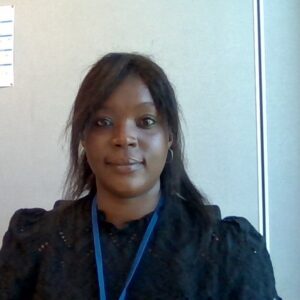
Angela KARIUKI
Legal Officer, Law Division, UNEP
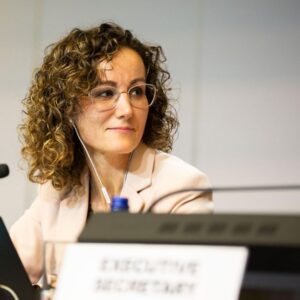
Anna GARCÍA SANS
Communications and Knowledge Management Officer, Minamata Convention on Mercury Secretariat
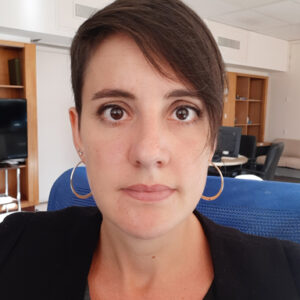
Claire MOREL
Information Systems Officer, Basel, Rotterdam and Stockholm Conventions

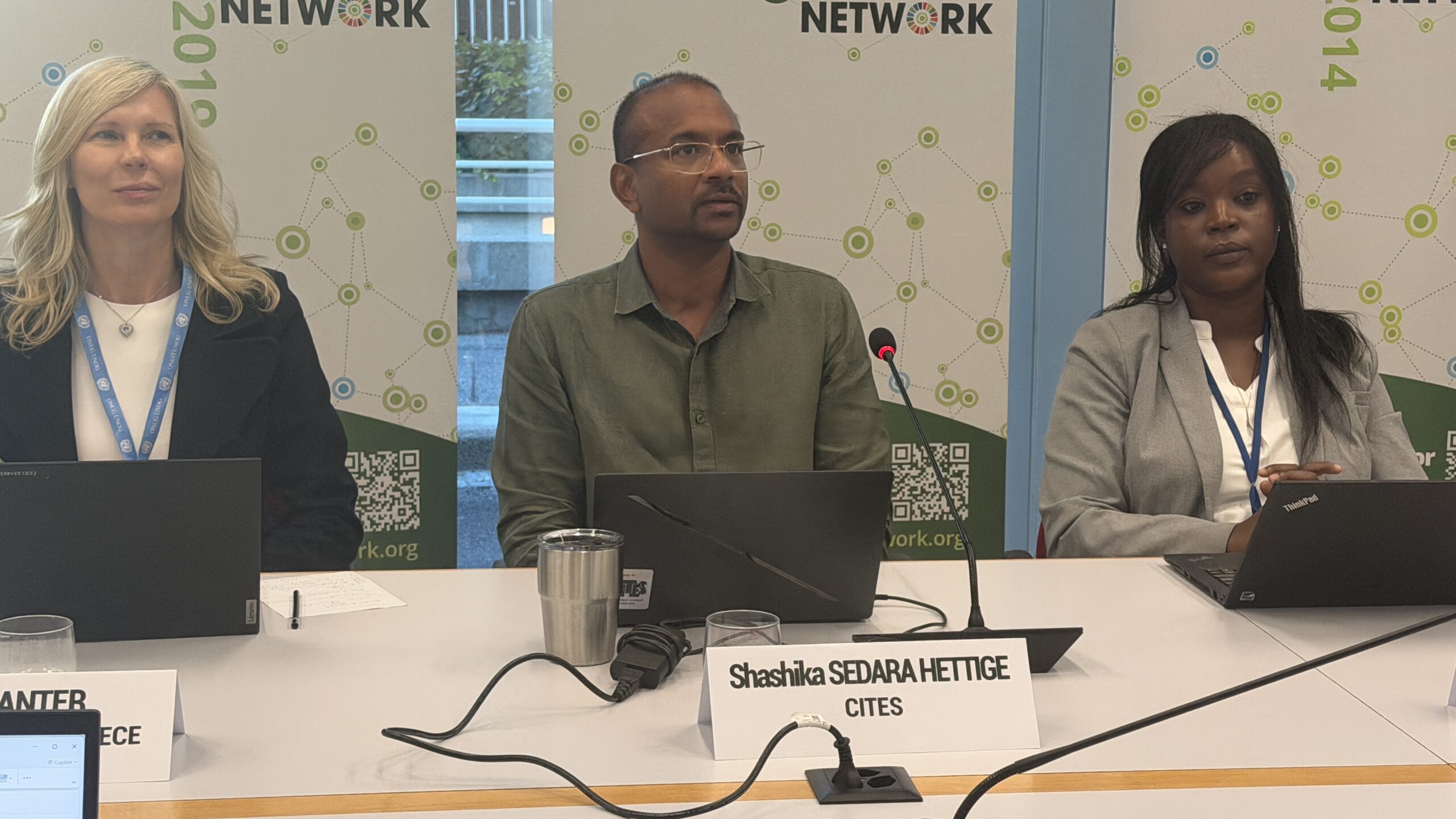
Shashika SEDARA HETTIGE
Associate Information Systems Officer, CITES Secretariat
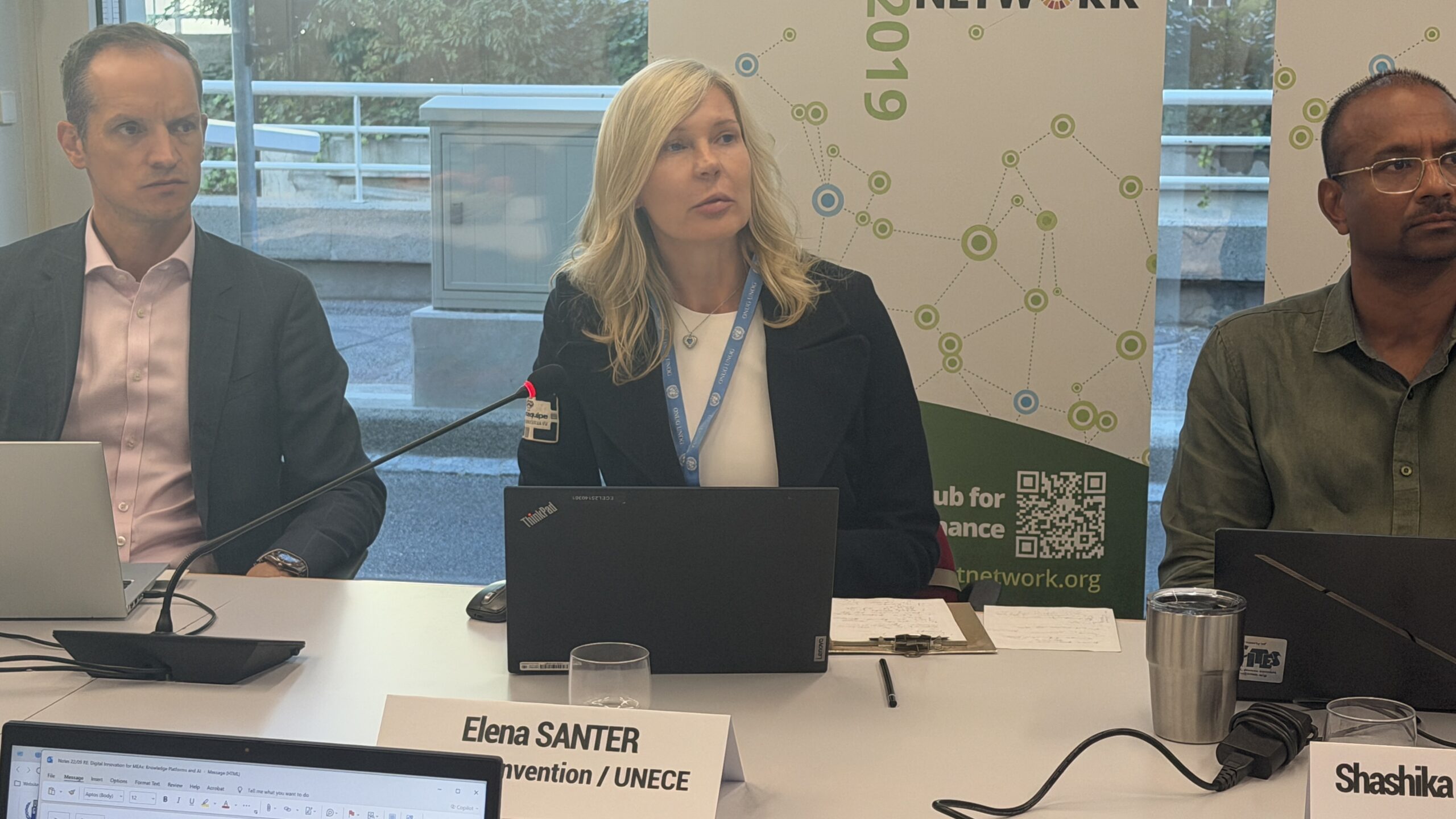
Elena SANTER
Secretary, Espoo Convention and the Protocol on SEA, UNECE
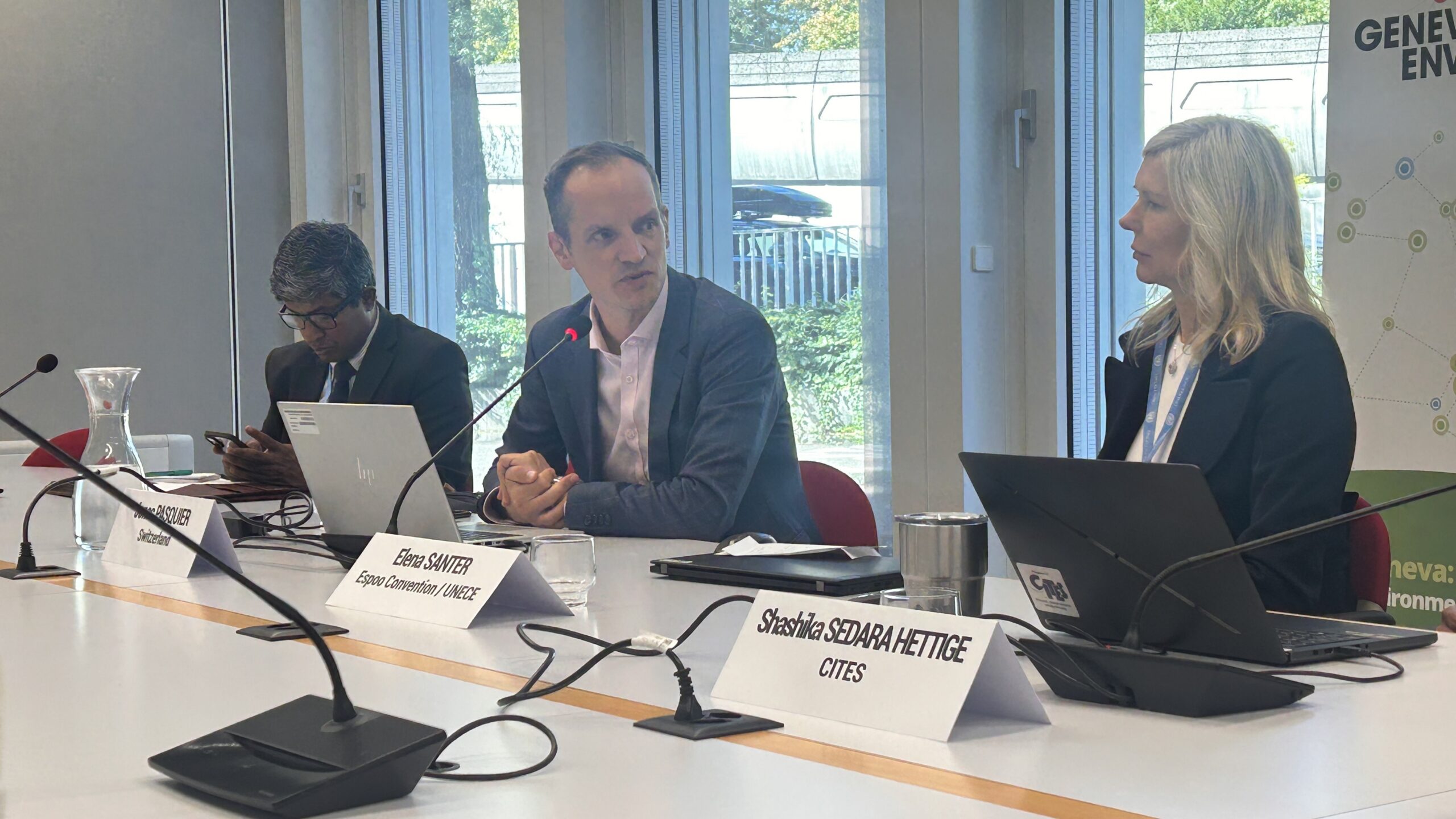
Jonas PASQUIER
Minister, Global Affairs, Permanent Mission of Switzerland to the UN Office and other international organizations in Geneva

Diana RIZZOLIO
Coordinator, Geneva Environment Network | Moderator
Highlights
Video
Summary
Angela KARIUKI | Legal Officer, Law Division, UNEP
- Multilateral Environmental Agreements (MEAs) can be victims of their own success. They hold an impressive body of knowledge, national reports, scientific knowledge and knowledge that can be found and connected sometimes does not help the negotiator or the judge who is deciding on an environmental case.
- The real question is not only how to produce more information but how we make and what we already have more discoverable, interoperable, and genuinely useful to the people who implement this convention.
- This is something that Member States have asked for, reflecting also the UN Global Digital Compact that was adopted in 2024, which recognized digital technology as a lever for advancing environmental sustainability.
- Last December, the United Nations Environment Assembly adopted its first-ever resolution on AI systems (UNEP/EA.7/Res/9). This was a genuine milestone because, for the first time, the environmental sustainability of AI was placed among the priorities of global environmental governance. This considers AI’s environmental footprint and its real potential to help us protect the environment, giving a strong foundation to build on.
At the same session, Member States adopted a resolution on synergies, cooperation or collaboration for national implementation of multilateral environmental agreements and other relevant environmental instruments (UNEP/EA.7/Res.5). - The momentum is very much alive in Geneva, with the first UN Dialogue on AI Governance held in July 2026. Across the UN system as a whole, there is focus building the momentum on AI. The UN Secretary-General set out the stakes, saying “machines can inform, but humans must decide, and answer.” This is a principle we try to keep in mind in our own platforms.
- InforMEA, the UN Information Portal on Multilateral Environmental Agreements, was built to connect knowledge across conventions… bringing common standards, interoperable systems, and the essential tools that let information move across institutional boundaries. The Minamata Convention is a living example of this, building its exchange platform and decision-tracking tool with interoperability with InforMEA as its core design choice. That is the spirit we want: not everyone building the same tool, but each building in a way that connects.
- We all know the promise of knowledge discovery is real, but the same resolution that welcomed it flagged the issues that come with it: data governance and quality, transparency, meaningful human oversight.
- Our goal is cooperation instead of duplication, connection over fragmentation, and knowledge that reaches the people doing the work.
Anna GARCÍA SANS | Communications and Knowledge Management Officer, Minamata Convention on Mercury Secretariat
- Our conventions were built to move at the pace of consensus: years of negotiation, translation into all United Nations languages, and ratifications. However, artificial intelligence, which is embedded in our daily lives and work, moves at the pace of code updated overnight.
- The question I would like you to consider over the next hour is: how do we harness that speed in a responsible way to serve people and the planet without leaving anyone’s knowledge behind?
- The Minamata Convention’s answer starts with its digital strategy, which was welcomed by our Conference of the Parties at its fifth meeting in 2023. It guides how the Secretariat uses technology and manages knowledge to support the implementation of the Convention, and it rests on three pillars, as you can see on the screen: building a digital ecosystem, building partnerships and digital literacy, and governance and innovation.
- Last November, at our sixth Conference of the Parties, Parties welcomed the progress made by the Secretariat in continuing to implement the strategy, including the potential use of artificial intelligence, and encouraged us to keep working with the Global Mercury Partnership, other multilateral environmental agreements, like the ones represented here today, and InforMEA.
- Two projects have been developed under this strategy, both made possible by funding from the European Union. One is the Minamata Convention Exchange Platform, and the second is a decision-tracking mechanism.
- Starting with the Minamata Convention Exchange Platform, the sixth Conference of the Parties agreed to support the development of our digital strategy, which includes this exchange platform. It is intended to be a cost-effective, transparent vehicle for information exchange under Articles 17 and 24 of the Convention. The idea is that it will be very accessible and help our Parties and different stakeholders exchange experiences and collaborate to implement the Convention, turning scattered knowledge on mercury into something that everyone can find, trust, and use.
- Before designing a single screen, we asked our main stakeholders what they actually need. Over the summer, we ran a multilingual survey, which closed on 30 September 2026.
- So far, we have gathered 32 responses from across our stakeholder community, mostly from national governments, but also from non-governmental organizations, academia, and the private sector, spread across every United Nations region, with the strongest responses so far from Latin America and the Caribbean, and Africa.
- A few findings stand out: 19 of the 32 respondents already exchange information with the Convention. However, the biggest barrier they report so far is that information is scattered across different sources, and that is precisely the gap this platform is meant to close.
- The most preferred topics to cover in relation to the Minamata Convention include mercury-added products, artisanal and small-scale gold mining, and mercury waste, to name a few.
- When we asked what would make the platform really useful, we could see that advanced search functions, such as filtering by country, region, or topic, access to national reporting insights, and trusted, quality-assured content all ranked as essential.
- It is very encouraging to see that most respondents said they would be willing to contribute information themselves. When we asked about access to this space, the answers were very clear, as you can see on the right side of the screen: the platform should be open to Parties, United Nations bodies, researchers, civil society, and the public in general.
- The decision-tracking mechanism responds to a very practical challenge. The Minamata Convention now has over 100 decisions adopted by the Conference of the Parties, and today, finding what a decision actually requires, who is responsible, and what has happened since means digging through PDFs one by one.
- The decision-tracking mechanism is meant to fix that. The purpose is not just to provide a repository of decisions, but to show Parties, observers, and everyone how decisions evolve: their status, who is responsible, which topics are covered, and how one decision connects to the next one.
- This project is also about interoperability and will also connect to the InforMEA platform.
- This is another project funded by the European Union. We have already digitized all 100-plus decisions down to the paragraph level in a machine-readable format called Akoma Ntoso, which is also used by other multilateral environmental agreements, by InforMEA, and for legal documents. It is a standard used across the United Nations system, and that choice matters more than it sounds.
- Proper versioning and tagging will give each paragraph context, which is exactly the foundation that makes future artificial intelligence-assisted searches accurate and sustainable. It is built for interoperability with platforms such as InforMEA.
- The technical requirements, mock-ups, and decision classification will be completed this year, and implementation will take place next year.
- There will be an overview page integrating our existing Conference of the Parties decisions, available for download in PDF and Word formats in all six United Nations languages. It will already provide some metadata on the status, date, topics, and actors involved in any related decisions.
- Then, we will have a decision-detail page, where users will be able to go through decisions paragraph by paragraph and filter according to each paragraph’s metadata, including which actors are involved, the topics, related decisions, and so on.
- There will be a listing page, which is a searchable, filterable index of all decisions. Users will also be able to download decisions in bulk after filtering according to their needs.
- Finally, this tool will offer a decision dashboard, which provides a bird’s-eye view of the whole set of decisions, including the total number of decisions adopted and implemented, a breakdown by status, by topic, and so on.
- The UN Secretary-General recently said things that describe the moment we are all in, and they are particularly relevant given that the general debate opens today on the pace of artificial intelligence.
- He said that we need world rails to make artificial intelligence safe, transparent, and accountable, with human dignity at the centre.
- On climate, a few days earlier, he also said that the race now is between rising risks and our commitment to take climate action and protect people.
- We are in a race, and the only way we win is by using new tools responsibly and transparently, looking for interoperability, and keeping people at the centre, to give countries the timely, trustworthy information they need to implement the agreements they have signed and, through that, to protect the planet and its people.
Claire MOREL | Information Systems Officer, Basel, Rotterdam and Stockholm Conventions
- The Joint Portal and Information from Regional Centres is a component of our Basel, Rotterdam and Stockholm (BRS) Clearing-House Mechanism that helps connect and share knowledge from regional centres around the world. It improves access to information, supports interoperability and prepares for future digital innovation.
- The Basel and Stockholm Conventions benefit from a network of 23 regional centres around the world. These regional centres play key roles in supporting the implementation of the conventions at the regional level through technical assistance, capacity-building and technology transfer.
- By carrying out these activities, the centres generate a lot of valuable knowledge and resources. Unfortunately, these resources are spread across several websites and repositories, in various formats, and are sometimes difficult to access or discover. The challenge is not a lack of information and resources, but rather finding a way to bring all this valuable knowledge together in one place for better visibility, accessibility, comparison and use across the entire network. This is where the portal adds value.
- The portal works like a global knowledge hub. Information is first collected from the various regional centres’ repositories and harmonized according to common metadata standards. The content is then aggregated into a common repository and made available through a unique web portal.
- The objective of this portal is to provide a one-stop shop for regional centre knowledge, increasing the visibility of regional centre expertise and activities and strengthening national and regional repositories.
- With this portal, we aim to give parties, stakeholders and practitioners improved access to regional centre knowledge, allowing them to discover it more easily and compare data between centres.
- This slide shows you a brief overview of how the portal works. It is worth noting that the portal is still in pilot mode because we are still reaching out to regional centres and helping them provide resources in a standardized way.
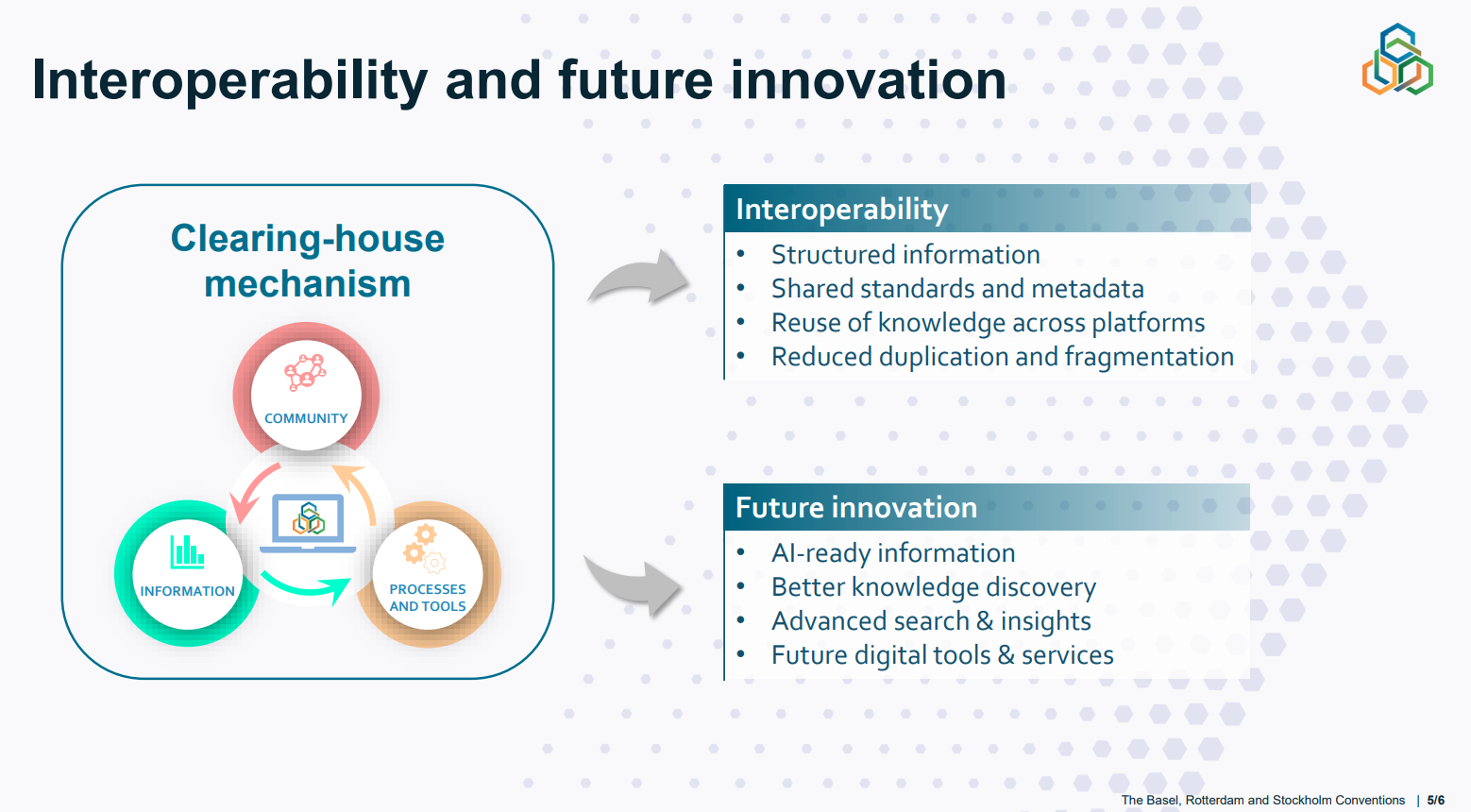
- Through the portal, parties and other stakeholders can access documents, meeting activities, contacts, news and videos from the centres without needing to visit their websites separately. They can filter by topics related to chemicals and search by keywords. They can also filter by regional centre, helping them identify relevant expertise, resources and implementation experiences from the centres.
- This portal is part of the broader Clearing-House Mechanism of the BRS Conventions, which supports the exchange of information across the Basel, Rotterdam and Stockholm Conventions. With structured information and shared standards and metadata, it supports interoperability, helps the reuse of knowledge across platforms and reduces duplication and fragmentation of data.
- It also prepares the ground for future innovation. Artificial intelligence and other digital tools need reliable and well-structured information to work effectively. Effective artificial intelligence starts with effective knowledge management, and interoperability is an enabling building block for future innovation.
Shashika SEDARA HETTIGE | Associate Information Systems Officer, CITES Secretariat
- Since today’s discussion covers the topic of artificial intelligence, I would like to describe something we tried: building an AI assistant grounded in CITES documents, what practitioners call retrieval-augmented generation, or a RAG system. I will explain what went wrong in this journey and what we learned. Since we are quite limited on time, I will go through the presentation at a fairly rapid pace, but please feel free to ask questions at the end of the session or reach me by email.
- At our last Conference of the Parties, COP20 in Uzbekistan, we had 51 proposals. Some were adopted and some were rejected. To an AI system, however, all 51 of those proposals read alike.
- One thing we have already digitized is the permit system. eCITES covers electronic application and issuance, control at borders, annual reporting and the exchange of permits between parties. This is structured data moving between systems, and it works perfectly at the moment. Our documents are the other half that I would like to talk about today.
- If you ask an AI system a simple question, such as which species were listed at the last Conference of the Parties, there is a good chance that it will get it wrong. For one proposal, as I mentioned earlier, you have the proposal itself, the working document, the executive summary and, later on, the summary record. An AI system does not know which one of those to trust, but a person would.
- All this information is available on our website, so access is not the problem. We have roughly 10,000 documents in three different languages. For an AI system, there is a large margin for error, even when the question looks simple.
- We receive many questions from the public on a day-to-day basis, so we built a pilot to answer them using AI and our own documents, not the wider internet, while showing the source for every answer. To our amazement, it broke in three different ways.
- It quoted text that was never adopted.
- It told us a species was listed when parties had rejected it. The proposal reads exactly like an adopted listing, so the words are the same.
- It also confused the meaning of our different instruments, such as decisions and resolutions.
- None of that was fixed by a better AI model. Upgrading to a newer, more technologically advanced AI model did not fix any of these problems. Every fix came from adding structured information that was not in the document.
- As an example, Proposal 25 at COP20 concerned rattlesnakes, with two species and two genera proposed for Appendix II. The proposal had a supporting statement, rationale and trade data that were very convincing to an AI system. It reads exactly like a proposal that passed. However, the parties rejected it. Nothing in the document says so. The outcome is recorded in a summary record, a different file in another part of the website.
- So, how do we fix it?
- None of this requires a new invention. There is a United Nations standard for exactly this. My colleagues discussed it earlier. Akoma Ntoso was published in 2017. It separates drafts from adopted text, tracks revisions and different versions, provides a place to record what happened, and gives every paragraph a stable identifier.
- It is not theoretical. InforMEA has been working with it since then. By last September, over 48 treaty texts and close to a thousand decisions had already been converted.
- Here we have an example. This is one of our own resolutions on livelihoods in the InforMEA Indigo Reader. You can see three revisions in the top left, followed by a side-by-side comparison in red and green. It also shows what changed from one COP to another.
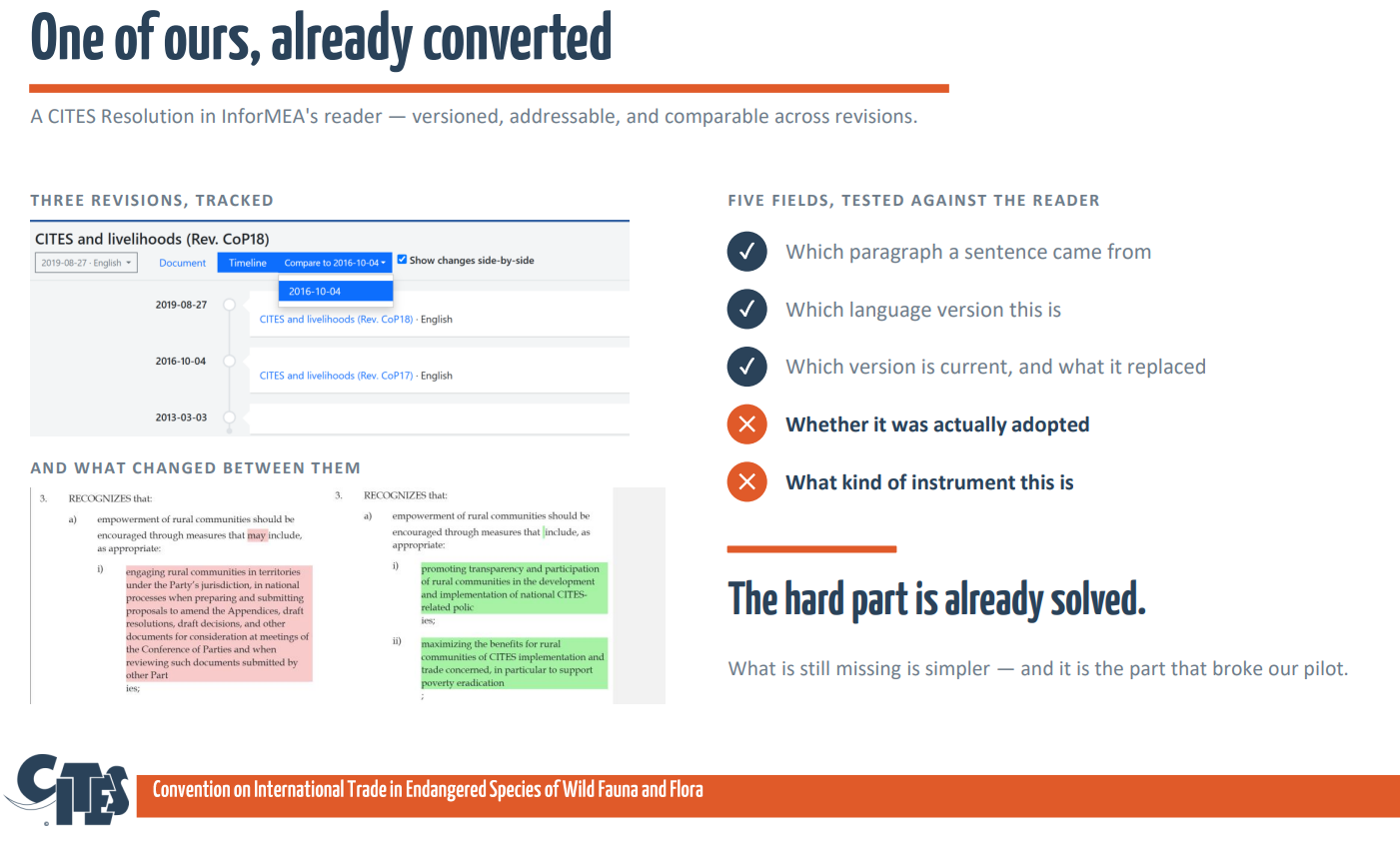
- This was the difficult part, and it is already done. What is missing, however, is information identifying what kind of document this is. Nothing indicates whether a text is formally adopted. This is where the pilot failed.
- There are ways we can insert this information through metadata. When this system was built years ago, perhaps a decade ago, structuring information was mainly for improving search. Nobody foresaw how well it would feed into an AI system.
- So, what can we do? There are five things, as you can see on the screen. Three already exist, and two do not. I am not asking anyone to build anything new. The structural work is done, and it is good. What is needed is for the structure of our documents to be more closely aligned with how AI systems interpret information.
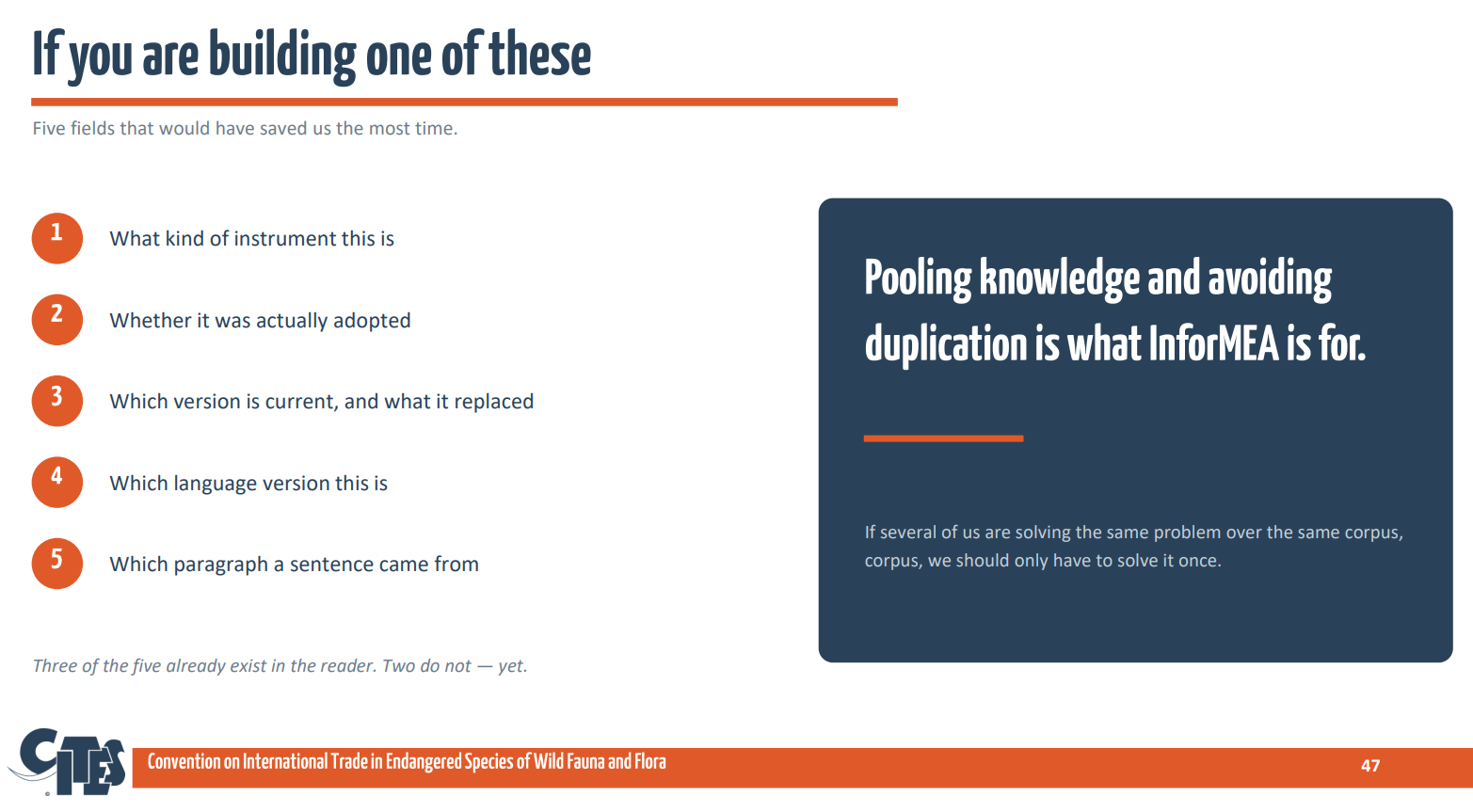
- Pooling knowledge and avoiding duplication is what InforMEA is for. If several of us are solving the same problem, we should only have to solve it once. I hope this was useful to anyone here planning to build a RAG system in the future.
Elena SANTER | Secretary, Espoo Convention and the Protocol on SEA, UNECE
- It was very interesting to listen to what other MEAs are doing to tackle the challenges, and how you see the opportunities associated with artificial intelligence in the conventions. We are doing exactly that. We are looking at the opportunities and challenges, but from the perspective of managing these AI tools and how to regulate them.
- Before deciding to proceed, we assessed what Member States are doing under the Convention and the Protocol, and how prepared they are to use and regulate AI in our area of work, which is environmental impact assessment and strategic environmental assessment.
- We conducted a survey among countries to assess the adoption of AI for decision-making in environmental impact assessment (EIA) and strategic environmental assessment (SEA). This work was carried out through the two working groups. One meeting took place in December last year, and the other was held in June this year. Both events were organized with Denmark and Germany, which presented their experiences as countries that are more advanced in using and regulating AI in our area.
- Why are we doing this? We can see that impact assessment is adopting AI at a high level, both for drafting reports and for assessing reports. The pressure comes from both politicians and developers. At the political level, we see the simplification of environmental impact assessment procedures.
- Basically, if you are building a hydropower station, before obtaining a permit, the developer and the government have to produce an environmental impact assessment and approve it.
- AI can be used at different stages of the procedure, including screening and scoping. Screening and scoping are processes for identifying what information to base the assessment on and what information should be included in the analysis.
- AI is also being used to identify alternative solutions. Should we build this hydropower station at this site or that site? Which technology should we use? Which flows and volumes of water should we use to produce electricity? What will the capacity of that power generation unit be?
- AI is also used for baseline analysis, to some extent for public participation, and for setting up an independent database.
- However, the principle of what goes in is what comes out is extremely important, and the quality of the data that goes in and comes out is crucial. AI is very helpful in one sense, particularly for compiling data, but it cannot be used without human oversight. The same issues apply to any environmental assessment. This can involve spatial data, textual data, monitoring data, or any other type of data. Without verifying this data, an AI model will not produce a good outcome.
- There is also huge potential for using AI with non-textual knowledge.
- What is needed is practical guidance on how to use AI responsibly. We are now seeing a trend in which environmental impact assessment reports are produced with the help of AI. AI is also being used to assess those EIA reports and make decisions about whether to permit or refuse the construction of a hydropower station.
- Our colleagues in academia have been researching this. The research was not presented during the last few days, but I attended the Future of Environmental Assessment conference ten days ago, where this research was discussed.
- Researchers took five language models and provided them with a number of EIA reports that a human would never approve because the projects would be dangerous for the environment. They gave the five language models the same prompt, asking them to analyze the EIA report to support decision-making on whether to permit the construction or whether changes should be introduced to the project.
- Four language models approved projects that a human would never have approved. The fifth language model said that the question was biased. The exact question is not available here, and the wording was not reproduced accurately.
- The researchers then ran the same reports through the same language models but changed the prompts. They used one prompt that was pro-development and another that was pro-environment. The data would, of course, be interpreted differently. The four language models that had approved the reports when given the neutral prompt also approved them when given the pro-development prompt. When given the pro-environment prompt, they said it was biased and that they would not consider it.
- This is quite dangerous for decision-making, and it is the kind of issue we are going to address at our Meeting of the Parties, which will take place in December this year.
- I will not show you the results on the level of AI adoption by different governments, as the situation varies considerably across Europe. However, we are going to have a draft decision, and our parties have said that they would like to have a regular standing session.
- We will have a standing session once per year to assess the level of AI adoption and discuss the risks associated with using AI to produce environmental assessment reports, assess them, and approve them using the same system.
Q&A
- Are there established criteria to ensure data quality and reliability before it is input into these AI systems?
Elena SANTER | Secretary, Espoo Convention and the Protocol on SEA, UNECE
- I am not an information technology specialist to assess this. However, I can share what I have learned from our Danish colleagues. They have a platform that specifically sets standards for data quality for decision-making.
- They also have a very good practice: all monitoring data produced with government money, even if funded through a project, belongs to the government. Therefore, it should be entered into a specific platform, the Danish Environmental Portal. It should also be verified with the help of metadata, and only then can it ultimately be used.
Anna GARCÍA SANS | Communications and Knowledge Management Officer, Minamata Convention on Mercury Secretariat
- I would like to follow up on the language we use across several multilateral environmental agreements, which we mentioned is a common challenge.
- When we, as secretariats, build something or want to explore the potential use of AI, we need to take a lot of precautions because we are dealing with legally binding instruments.
- In terms of assuring quality, it is first about the exploratory use of AI. In our case, for example, we are building a decision-tracking mechanism. The idea is to prepare the input and the data source first. That is why we are creating a machine-readable format, paragraph by paragraph, and carrying out human tagging.
- Even if we do this in bulk, we cannot avoid the step of human oversight. We need to ensure that whatever we input is controlled by humans. When we talk about artificial intelligence, there are many experts everywhere who say that it is neither artificial nor intelligent because whatever is built is built by humans.
- We cannot forget this human input and human oversight when it comes to ensuring that we monitor whatever we input into the machine.
Intervention from the Floor
- It is very important to see all these digital platforms that are being created and maintained. Anna mentioned that we are changing the paradigm of how conventions are created. We are moving much faster, but we are also changing the nature of our deliverables. We are no longer producing a document or a report that would be printed, after which we move on to something else.
- All of you have described platforms that you are building, and these platforms only have value if they last. For them to last, they need financing; they need money. I do not know whether any of you would like to share some tips or some magic, because we struggle with this a little.
- How do you develop and maintain long-term platforms and even AI models? When you develop AI models, it is not something where you develop them and then move on to something else. You need to maintain them actively.
- How do you make sure that, with financing that is limited, sometimes unpredictable and time-bound, at least within our environment and our framework, the systems you deliver last for as long as they are needed, which is almost forever?
Shashika SEDARA HETTIGE | Associate Information Systems Officer, CITES Secretariat
- The first thing to get started is the mandate itself. You need a good mandate in order to establish a good, credible way forward.
- When we started this work, we had the whole problem of receiving so many questions and queries sent to us through our InforMEA email. With the current landscape and without enough human resources, that was pretty much where we started.
- The idea would be to have a good mandate through which we could allocate resources if needed.
- The second point would be to have your own infrastructure. For example, most of these large language models could be run on your own servers if you have enough capacity to do so.
- We are still using one of OpenAI’s small language models. It costs less than a cent for each query. However, the idea would be to have your own resources and server capacity, so that you can host these large language models on those servers.
Anna GARCÍA SANS | Communications and Knowledge Management Officer, Minamata Convention on Mercury Secretariat
- In addition to having a strong mandate, which is what drives action for multilateral environmental agreements (MEAs), a secretariat can also proactively make proposals to the Conference of the Parties (COP). You can work behind the scenes with the secretariat and some key Member States, and then make a proposal to the COP. You can also start building pilot examples. That is what we have done to show the Conference of the Parties the proposal, see whether they like it, and explain it. Piloting and use cases can also help lead to good mandates.
- The other point, in addition to having your own resources, is collaboration. Some MEAs have very limited human resources. The Minamata Convention has a very small but mighty secretariat. We work a lot through collaboration, and for us, collaboration within the MEA family is key, including through InforMEA.
- If you look at our COP decisions and our mandates regarding digital strategy, InforMEA is always there. For example, without those steering committees and working groups, and the learning experiences around the use of Akoma Ntoso as a standard, interoperability, and application programming interfaces (APIs), it would have been impossible for us to move at the pace we have. That is also thanks to strong collaboration among MEAs.
Elena SANTER | Secretary, Espoo Convention and the Protocol on SEA, UNECE
- A strong mandate, dedicated resources, and collaboration are essential, but resources for this work remain limited.
- In fact, at least for our Convention, no matter how important it is and no matter what mandate we get, resources for the environment are shrinking and shrinking.
- If we look at the global picture, global environmental governance is becoming less of a priority on countries’ agendas. We have security, sustainable growth, and a level playing field. We are basically seeing a shift from global governance and environmental governance towards regionalization and everything else.
- We also need to assess the changing environment. We need to build scenarios, adapt, and work with governments that are pioneers, without hoping for or building unfulfilled expectations about what is possible. At the moment, we can only make progress incrementally, step by step.
- Even with strong mandates, the money will not be available unless there is a major event. One of my colleagues made the point that we have been doing very well with the environment, but we have not had a major catastrophe in recent years that would put the environment back on the agenda.
Angela KARIUKI | Legal Officer, Law Division, UNEP
- On the resource mobilization point, for InforMEA, we are trying to achieve greater institutional embedding within the broader United Nations Environment Programme.
- The most sustainable form of resource mobilization is to lower the recurrent costs that have to be raised for each cycle of the InforMEA initiative. We are therefore trying to deepen collaboration with the Office of the Chief Digital Officer to embed the core platform functions, such as hosting, maintenance, interoperability, and other related functions.
- The other point is co-financing and joining forces with the InforMEA community and the multilateral environmental agreements to fundraise. By joining forces with this community, which has the same goal as us, we can support the overall resource mobilization efforts for InforMEA.
Closing
Jonas PASQUIER | Minister, Global Affairs, Permanent Mission of Switzerland to the UN Office and other international organizations in Geneva
- Three points to conclude: the approach, what Switzerland can contribute, and looking ahead at the AI summits more broadly.
- As mentioned, the approach exemplified here is the right one. It is about sharing experiences and not reinventing the same tools in parallel, simply because we cannot afford to do that, neither in terms of resources nor reputation. We are also under political pressure to show that we can work together.
- I also like the “try and fail” approach mentioned by CITES. It is a new field for many, and the saying goes more or less: try again and fail better. That is the approach. It is also great to have this conversation.
- From where I sit, we see a lot of developments in other sectors as well. The human rights pillar and the treaty bodies are also working towards automating some of their resources. Some of their work could be a good source of inspiration, particularly regarding monitoring. Weather monitoring and forecasting, as well as the humanitarian sector, are also increasingly using artificial intelligence tools. All of this is happening in Geneva, and there is a lot to learn from one another.
- Our contribution, as Switzerland, is primarily in the area of matchmaking. Two years ago, we initiated the Geneva Data Community, led by our statistical office, focusing on data management and the prerequisites for building artificial intelligence systems. I know that UNEP-GRID is part of the network, but it is an open network. If there is interest, we can certainly expand the network to include the multilateral environmental agreements the next time we convene.
- We have also initiated an initiative called the Trusted Data Observatory, which focuses on certifying the quality of data and metadata. It is now evolving into a Trusted Data Initiative, anchored by UNCTAD. The approach is participatory, and I hope this is not the first time you are hearing about it, because if it is, it means we should do a much better job of building this network of practitioners.
- Now, regarding the funding aspect. There is considerable interest in funding these kinds of initiatives through external funding, but not for projects happening in isolation. This is also a case for fundraising together. Local philanthropy, which is nonetheless powerful, is looking at shared solutions and synergies among actors working on digital transformation. This is precisely the approach we are taking through our hosted funding.
- There was also a very interesting initiative that we could pioneer this year, run by the International Computing and AI Network. It is a network involving Swiss technology, EPFL, ETH, a supercomputing centre in Lugano, and a few other international partners. The idea was to connect this infrastructure with the needs of organizations.
- We could only fund the top three of the 39 projects they received, but the demand is there. We are now also trying to secure funding for new rounds of calls for projects.
Geneva AI Summit 2027
- The momentum is here. This has been demonstrated by what happened in New York over the last few hours, but also more broadly by what has been happening in Geneva and beyond, particularly this year at Geneva AI Week, which combined the Global Dialogue on AI and AI for Good.
- The momentum is here not only to discuss and close some of the governance gaps, but also to discuss and accelerate AI deployment. This is where the Geneva AI Summit will, or should, make a useful contribution.
- A few important points need to be made. It is not a United Nations-mandated process. It does not need to replace any mandated process, nor does it aim to produce a mandate, because it does not have the legitimacy to do so.
- It is also a high-level exercise that has been developing over the years. In a way, it is a Swiss summit happening in Geneva rather than a homegrown Geneva summit.
- Most importantly, it aims to address overarching issues around two topics: building trustworthy artificial intelligence and building partnerships. It is therefore not a cluster-by-cluster exercise. When I hear that the environment is not sufficiently represented, we are not going to enter into that debate. We want to have an overarching discussion, showcasing, of course, some use cases that may belong to one sector or another.
- The Geneva AI Summit is part of the five-day Geneva AI Week in 2027, which will take place in June. In my view, AI for Good is more of a bottom-up exercise, addressing all the Sustainable Development Goals through a network of more than 40 United Nations organizations, including all those represented today.
- My friendly, informal advice is to consider carefully which platform best serves your priorities when engaging with these two elements of AI Week in June 2027.
- The good news is that we have opened up the “Road to Geneva” approach. We know that this summit is something for everyone to use to build momentum around their own priorities. There is a website where you can find the requirements for using the “Road to Geneva” hashtags and label for your own events.
- We do not need to be there checking and reviewing your concept notes. There are just a few parameters with which you need to align, but this is also an opportunity to use this major summit to advance priorities that make sense, both in terms of governance and use cases. This discussion is really at the intersection of both.
Photo Gallery
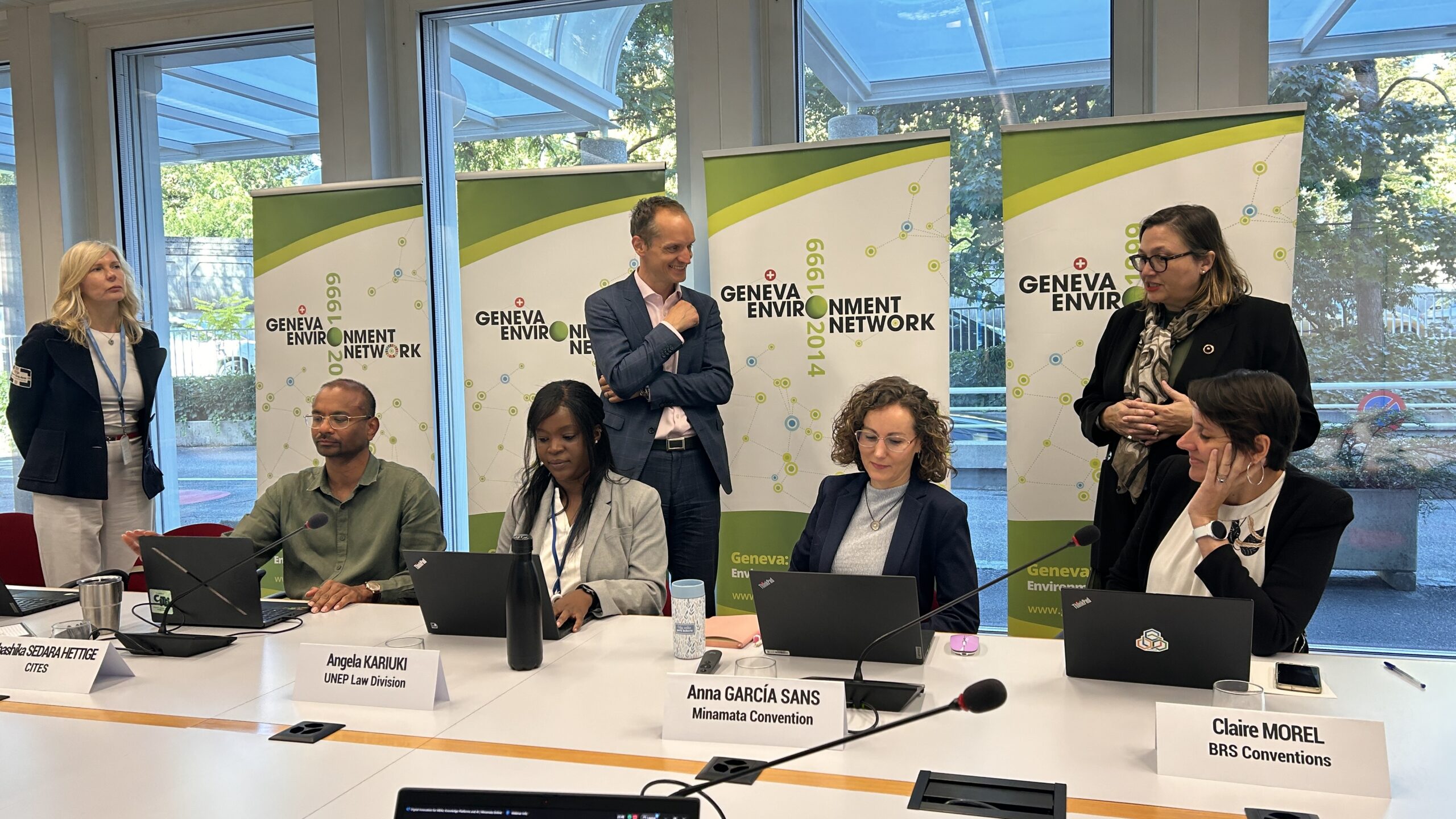
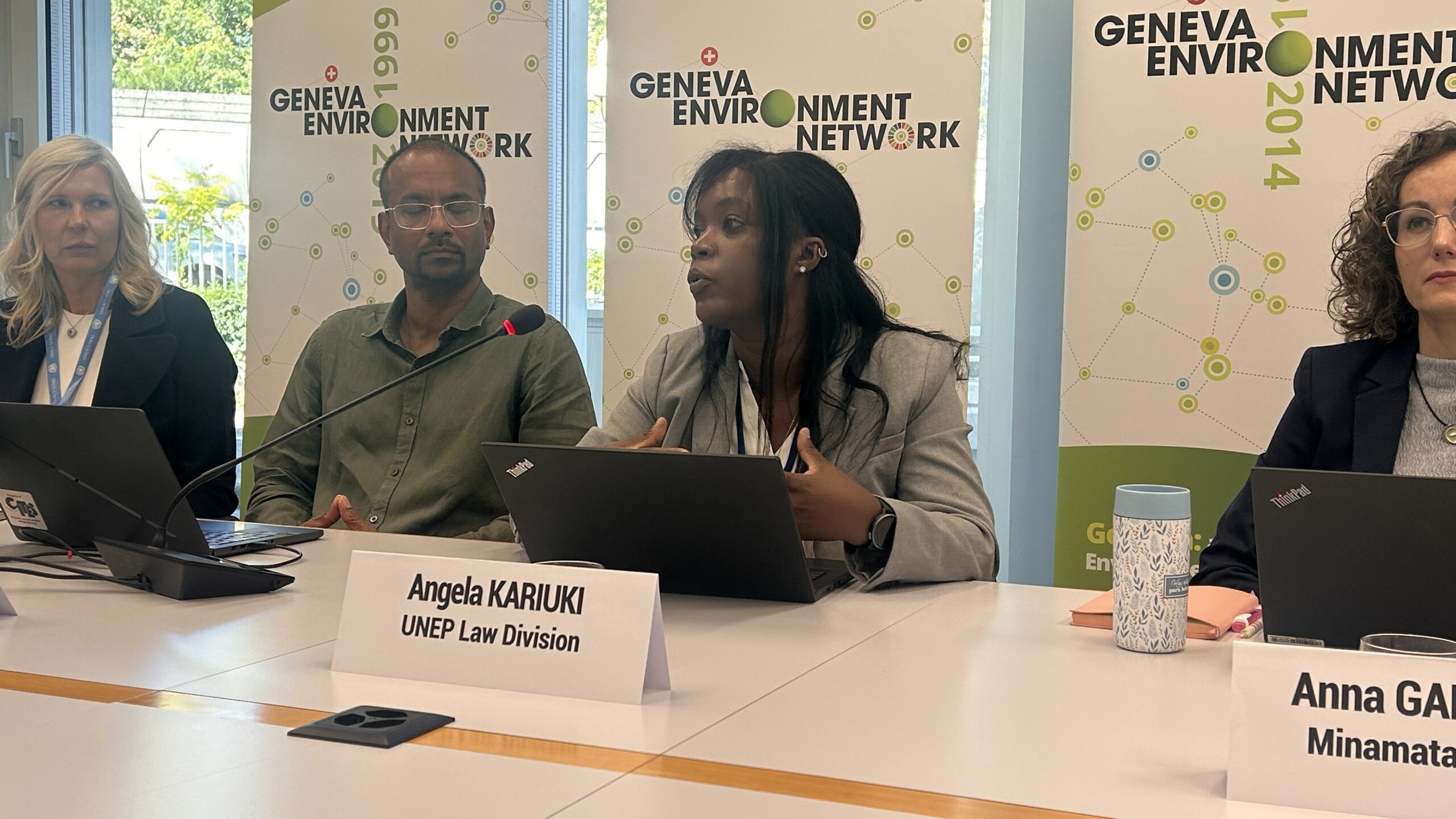
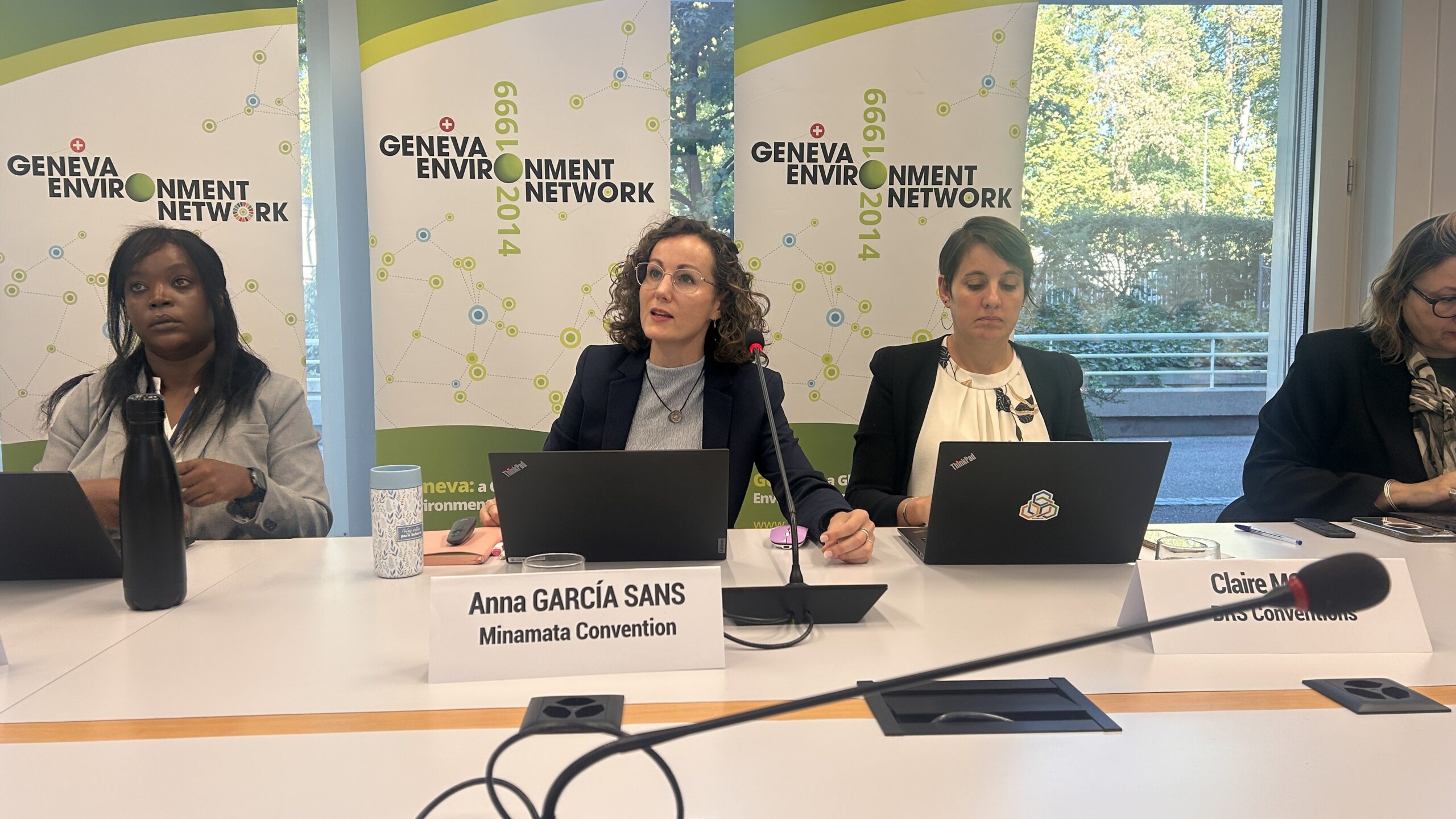
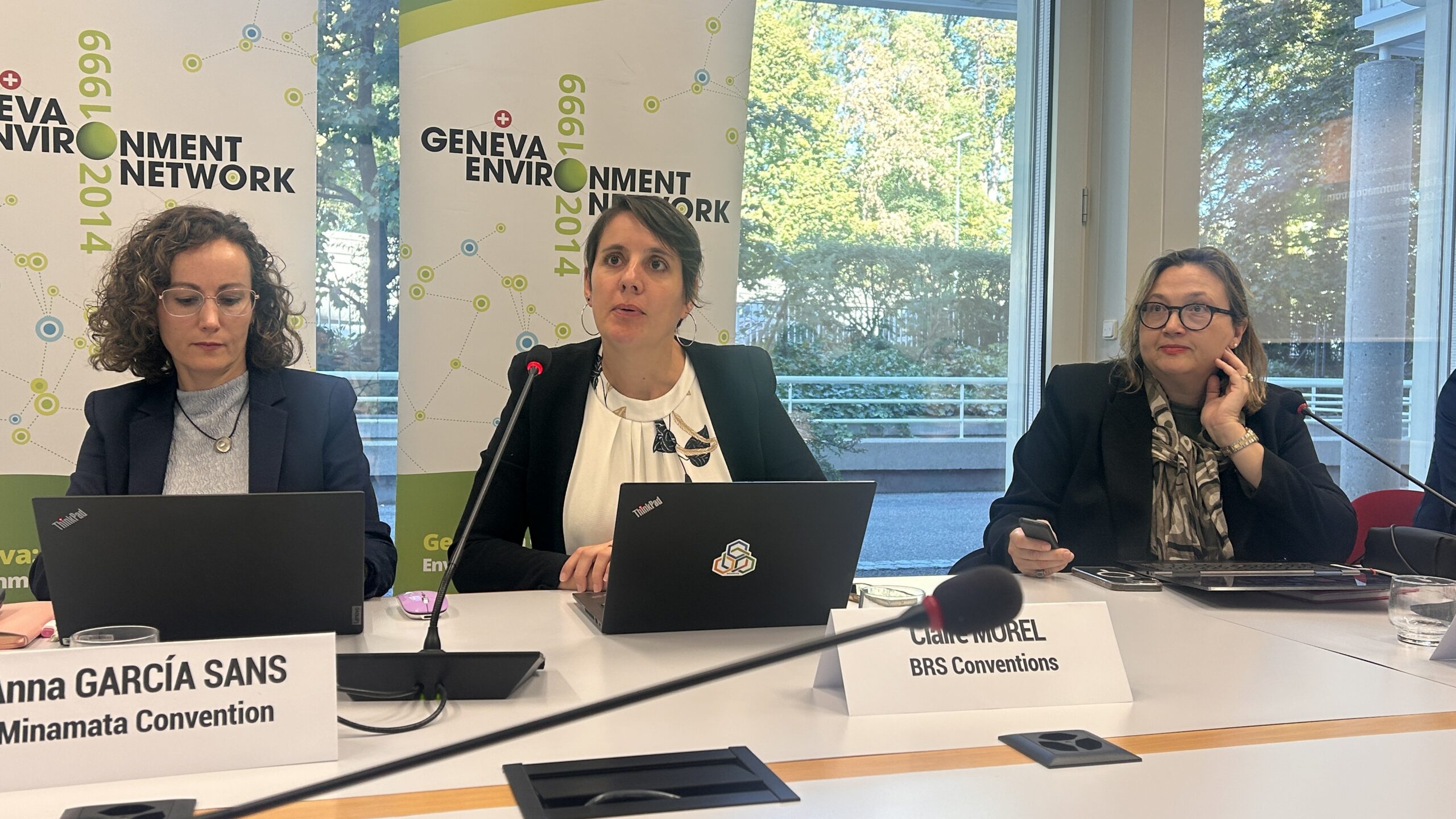
Documents
Links
- Data, Digital Technology, and the Environment
- United Nations Information Portal on Multilateral Environmental Agreements
- Minamata Convention on Mercury
- Minamata Convention Exchange Platform Survey
- UN Digital Cooperation Day 2026 | Office for Digital and Emerging Technologies