
Event Conference
International Biodiversity Day Celebration 2025 | Multilateral Geneva Creating Interlinkages and Driving Transformative Change in Harmony with Nature and Sustainable Development
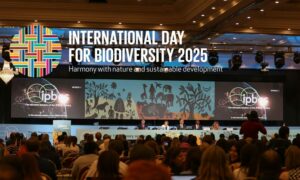
22 May 2025
13:15 – 15:00
Venue: Palais des Nations, Room III
Organization: Geneva Environment Network, Convention on Biological Diversity, Intergovernmental Science-Policy Platform on Biodiversity and Ecosystem Services, Switzerland
To celebrate the 2025 edition of International Biodiversity Day and the importance of advancing action to tackle biodiversity loss, the key findings of two landmark scientific reports launched by the Intergovernmental Platform on Biodiversity and Ecosystem Services in December 2024, were presented to international Geneva, and served as basis to discuss how the multilateral system can meet the interconnected challenges that result from the accelerated speed and scale of environmental change and rising inequalities identifies in the assessments.

About the Event
The International Day for Biological Diversity is celebrated every year on 22 May, commemorating the adoption of the text of the Convention on Biological Diversity (CBD) in 1992. The 2025 edition theme “Harmony with nature and sustainable development” focuses the world’s attention on the linkages between the 2030 Agenda and its Sustainable Development Goals (SDGs) and the Goals and Targets of the Kunming-Montreal Global Biodiversity Framework (KMGBF) as two universal agendas that must be pursued in tandem in the spirit of the recently adopted Pact for the Future.
To celebrate the 2025 edition of International Biodiversity Day and the importance of advancing action to tackle biodiversity loss, the key findings of two landmark scientific reports adopted and launched at the 11th Intergovernmental Platform on Biodiversity and Ecosystem Services (IPBES) Plenary in Windhoek, Namibia, in December 2024, were presented to international Geneva.
The IPBES Thematic Assessment Report on the Interlinkages Among Biodiversity, Water, Food and Health – known as the Nexus Report – offers decision-makers around the world the most ambitious scientific assessment ever undertaken of these complex interconnections and explores more than five dozen specific response options to maximize co-benefits across five ‘nexus elements’: biodiversity, water, food, health and climate change. The report is the product of three years of work by 165 leading international experts from 57 countries from all regions of the world. It finds that existing actions to address these challenges fail to tackle the complexity of interlinked problems and result in inconsistent governance.
The IPBES Thematic Assessment Report on the Underlying Causes of Biodiversity Loss and the Determinants of Transformative Change and Options for Achieving the 2050 Vision for Biodiversity – also known as the Transformative Change Report – builds on the 2019 IPBES Global Assessment Report, which found that the only way to achieve global development goals is through transformative change, and on the 2022 IPBES Values Assessment Report. Prepared over three years by more than 100 leading experts from 42 countries from all regions of the world, the report explains what transformative change is, how it occurs, and how to accelerate it for a just and sustainable world.
Leading authors and experts from key Geneva-based UN institutions and processes invited to join the panel of this event presented the findings of the reports and reflected on how the multilateral system can meet the interconnected challenges that result from the accelerated speed and scale of environmental change and rising inequalities identified in the assessments.

Speakers
By order of intervention.

Astrid SCHOMAKER
Executive Secretary, UN Convention on Biological Diversity | Video message

David OBURA
Chair, Intergovernmental Platform on Biodiversity and Ecosystem Services
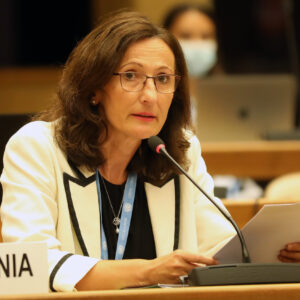
H.E. Amb. Anita PIPAN
Permanent Representative of the Republic of Slovenia to the United Nations Office and other international organizations in Geneva

Maria J. SANTOS
Associate Professor, University of Zurich | Nexus Assessment Lead Author

Mialy RANN ANDRIAMAHEFAZAFY
Science-Policy Officer, University of Geneva | Transformative Change Assessment Lead Author
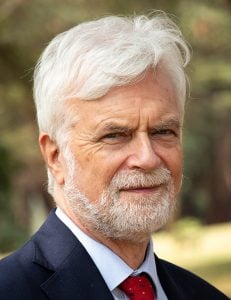
Jim SKEA
Chair, Intergovernmental Panel on Climate Change
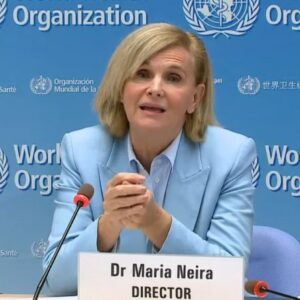
Maria NEIRA
Director, Department of Environment, Climate Change and Health, World Health Organization

Dominique BURGEON
Director, Geneva Liaison Office, Food and Agriculture Organization
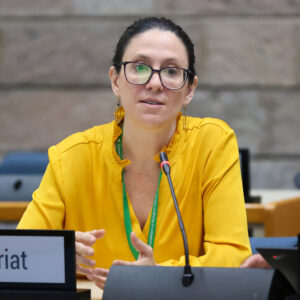
Jillian CAMPBELL
Head of Monitoring, Review and Reporting, UN Convention on Biological Diversity

Franziska FISCHER
Member, Facilitation Team, Open-ended Network of IPBES Stakeholders (ONet)

Grethel AGUILAR
Director General, International Union for Conservation of Nature | Video Message

H.E. Amb. Hasmik TOLMAJIAN
Permanent Representative of the Republic of Armenia to the United Nations Office and other international organizations in Geneva

Sebastian KÖNIG
Chief Scientist Environment International & IPCC and IPBES National Focal Point, International Affairs Division, Swiss Federal Office for the Environment | Moderator
Highlights
Video
Summary
Astrid SCHOMAKER | Executive Secretary, UN Convention on Biological Diversity | Video message
- The 22nd of May is the International Day for Biological Diversity, or Biodiversity Day, proclaimed by the United Nations General Assembly. It commemorates the adoption of the text of the Convention on Biological Diversity on 22nd May 1992.
- Biodiversity is the foundation of all life on Earth. So it matters to everyone. This year’s theme is harmony with nature and sustainable development, highlighting the linkage between the SDGs and the targets of the Kunming-Montreal Global Biodiversity Framework (the KMGBF). The universally agreed-upon deadline for the implementation of both is 2030.
- A whole government and society are needed to push for the accelerated and synergistic implementation. Everyone can act in diverse ways, and every action matters. For governments, it means implementing their national biodiversity strategies and action plans in alignment with the KMGBF. For businesses, it means assessing and disclosing dependencies and impacts on nature. Those who make commercial use of digital sequence information on genetic resources should now pledge contributions to the Cali Fund.
- Biodiversity day is also a day to show appreciation to the environmental defenders and all those who protect biodiversity, including indigenous people and local communities, women and youth, as well as journalists and members of civil society.
David OBURA | Chair, Intergovernmental Platform on Biodiversity and Ecosystem Services
- Biodiversity plays a foundational role in sustaining human livelihoods and delivering ecosystem services, making it central to the goals of sustainable development. The session emphasizes how interconnected people and nature are, highlighting the need for a community-driven, inclusive approach to addressing biodiversity and sustainability challenges through cooperation and shared knowledge.
- IPBES, an intergovernmental platform now with 150 member countries, functions to assess and integrate diverse worldviews and knowledge systems, scientific, cultural, and indigenous, toward the shared goal of conserving and sustainably using biodiversity. This inclusive knowledge base is critical to understanding and acting on the complex links between human well-being and nature.
- Since its establishment 13 years ago, IPBES has produced 13 major assessments and two workshop reports. These documents are foundational resources for member governments and key multilateral environmental agreements, including the Convention on Biological Diversity, as well as agreements on desertification, migratory species, international trade, and wetlands.
- IPBES collaborates actively with major UN agencies, such as UNEP, UNESCO, FAO, and UNDP, to ensure its assessments inform broader development, cultural, environmental, and food-related strategies. It also maintains open channels of engagement with stakeholders through two platforms: one universally open and another centered on indigenous peoples and local communities, recognizing the importance of their unique contributions and perspectives.
- Biodiversity and climate change are fundamentally co-dependent elements of the Earth system, and understanding their interconnectedness is vital. The partnership between IPBES and its sister organization, the IPCC, reflects this close linkage and underscores the need for integrated approaches across environmental and developmental domains.
- Among the most impactful recent outputs of IPBES are the Nexus and Transformative Change reports. These go beyond traditional policy-oriented evaluations to highlight real-world, on-the-ground challenges faced by individuals, businesses, communities, and subnational entities, thereby expanding the scope and applicability of biodiversity insights.
- The Nexus Assessment addresses the complex interlinkages between five domains, especially health and food systems, and explores how these systems interact and influence each other in the context of biodiversity and sustainability. It offers critical insights for sectors working at the intersection of environment, public health, and food security.
- The Transformative Change Assessment delves into the root causes and value systems driving biodiversity loss, proposing pathways and foundational principles needed for long-term transformations. It supports the global movement recognizing that profound systemic change is necessary to reverse current environmental trends.
- Achieving harmony with nature and sustainable development is a collective endeavor that requires inclusive action from all sectors: governments, civil society, businesses, indigenous communities, and individuals alike. While government leadership provides structure, meaningful progress depends on widespread participation and shared responsibility across society.
H.E. Amb. Anita PIPAN | Permanent Representative of the Republic of Slovenia to the United Nations Office and other international organizations in Geneva
- This year’s theme, “harmony with nature and sustainable development”, highlights the vital connection between the Kunming-Montreal Global Biodiversity Framework and the 2030 Agenda. These are not separate goals, but two sides of the same coin. Achieving the SDGs depends on halting biodiversity loss, while delivering on the GBF requires a whole-of-society, whole-of-government approach that puts nature at the heart of development. Special appreciation was extended to environmental defenders for their critical role.
- Slovenia, with its rich biodiversity and “green heart”, has protected 40% of its territory and manages over half its land covered by forests through nature-friendly practices. The country is shifting its agriculture to support biodiversity, protecting pollinators, and adopting nature-based solutions in water and other sectors. Slovenia emphasizes that harmony with nature goes beyond technical fixes—it requires upholding the human right to a healthy, clean, and sustainable environment, a right it helped bring to international recognition alongside Switzerland and others.
- Slovenia, currently chairing the Water Convention, reaffirms its strong commitment to integrated, inclusive water governance, key to achieving co-benefits across biodiversity, wetlands, agriculture, and clean water.
- Slovenia is also highly engaged in the observance of World Bee Day, as bees play a vital role in the biodiversity-water-food-health nexus.
- As described in the Transformative Change report, Slovenia asserts that “business as usual” is no longer viable; only by addressing root causes like unsustainable consumption and inequality can systemic change occur.
- The country of Slovenia praises the science-based, inclusive process behind the reports as a model of effective multilateralism.
- Slovenia reaffirms its commitment to international collaboration to achieve the Global Biodiversity Framework’s vision of living in harmony with nature by 2050, aiming to co-create a world where well-being, security, dignity, and a healthy planet are ensured for all.
Maria J. SANTOS | Associate Professor, University of Zurich | Nexus Assessment Lead Author
- IPBES Thematic Assessment Report called the Nexus Assessment explores the interlinkages between biodiversity, water, food, and health in the context of climate change. Developed over three years by 165 authors from around the world, it draws on 6,500 sources, including academic literature, grey literature, and indigenous knowledge.
- The report highlights that while planetary crises are interconnected, responses often remain siloed. It reviews over 70 cross-cutting solutions and emphasizes the need for collaboration across sectors to break down these silos and drive systemic change.
- The Nexus Assessment reveals troubling trends across biodiversity, water, food, and health. Indicators such as ecosystem condition, species survival, and freshwater availability show consistent declines globally, regardless of income level, while climate-related disasters are on the rise. These nexus elements are impacted by direct drivers (e.g., land use change, climate change, pollution) and further intensified by indirect drivers (e.g., economic, demographic, institutional, and cultural factors).
- The report shows that these drivers are interconnected and exacerbate one another, leading to cascading and compounding negative effects across all sectors. Current responses are fragmented and often fail to address the root causes of these crises.
- The assessment underscores that biodiversity is essential for food security and climate resilience, yet it is declining in every region, posing unprecedented risks.
- Living in harmony with nature and achieving sustainable development are feasible—but only through integrated, timely action. The assessment shows that if current direct and indirect drivers continue, all nexus elements (biodiversity, water, food, health, and climate) will face substantial negative impacts. Focusing on individual elements leads to trade-offs, but a nature-oriented or balanced approach offers positive outcomes for both people and planet, provided multiple response options are adopted without delay.
- The Nexus Assessment finds that nature-oriented and balanced approaches not only benefit biodiversity and related nexus elements but also support progress toward most Sustainable Development Goals (SDGs).
- Over 70 empirically tested response options were analyzed—from ecosystem conservation and restoration to sustainable consumption, pollution reduction, integrated planning, risk management, equity, and finance alignment. These solutions are grounded in science and inclusive of local and Indigenous knowledge. Their success depends on being scaled appropriately and tailored to regional contexts, offering proven benefits across multiple sectors.
- In an increasingly urbanized world, nature provides vital co-benefits, impacting health, agriculture, and diet. The Nexus Assessment presents evidence-based options like restoring soil health and integrated landscape and seascape management, showing they support multiple SDGs, Global Biodiversity Framework targets, and the Paris Agreement.
- Despite a biodiversity funding gap of $2–$4 trillion, the assessment highlights that $10–$25 trillion in negative impacts from nexus-related changes are largely unaccounted for in current economic and financial decisions. These costs affect both the public and private sectors. A transformation of the financial system is essential, redirecting flows toward synergistic solutions that generate positive, cross-sectoral impacts and support a more sustainable, collaborative future.
- To deliver a successful Nexus approach, governance must be integrated, inclusive, equitable, and adaptive. Key components include:
- Holistic frameworks and inclusive participation
- Emphasis on equity, accountability, and collaborative coordination
- Support for essential capacities like motivation, analysis, negotiation, and social networking
- Flexible scaling (up, out, down, and deep) depending on context
- The Nexus Assessment proposes a roadmap involving:
- Understanding the drivers of change and their cascading effects
- Identifying governance needs across levels
- Recognizing interactions among biodiversity, water, food, and health, especially under stress or irreversible shifts
- Strategic coordination and vision co-creation among diverse actors
- Evaluating response options for synergies and trade-offs
- Implementing and scaling actions by removing barriers and co-designing inclusive strategies
- Ensuring ongoing monitoring, evaluation, and learning
- Everyone has a role to play in implementing Nexus solutions to address global challenges.
- In conclusion, urgent action is required to address the interconnected crises of biodiversity, water, food, and health. It offers the best available evidence on how these elements interlink, what is known, and what gaps remain. With over 70 tested response options, the assessment shows that solutions already exist, but require financial support and implementation at appropriate scales. Key messages include:
- Evidence and tools are available now.
- Integrated, holistic decision-making is essential.
- Economic, governance, and financing systems must evolve.
- Collaboration among diverse actors is critical to achieving effective, system-wide change.
Mialy RANN ANDRIAMAHEFAZAFY | Science-Policy Officer, University of Geneva | Transformative Change Assessment Lead Author
- There is a critical and urgent need for transformative change due to widespread environmental decline, as shown in the nexus assessment. While this change is challenging, it is both necessary and achievable, and requires strategic action and engagement from all stakeholders.
- Despite increased conservation efforts, global environmental agreements, and scientific assessments over the past 50 years, biodiversity continues to decline. This shows that current actions are insufficient and highlights the urgent need for transformative change. The assessment identifies three core underlying drivers of biodiversity loss:
- Disconnection from and domination over nature and people
- Concentration of power and wealth
- Prioritization of short-term, individual, and material gain
Addressing these root causes is essential to reversing biodiversity loss.
- The assessment identifies five major systemic challenges driving biodiversity loss:
- Economic and political inequalities
- Inadequate policies
- Unsustainable consumption
- Limited access to clean technologies
- Persistent power imbalances, including those rooted in colonial histories
- These five major systemic challenges are further broken down into 20 specific barriers to transformative change. To overcome them, transformative change must be grounded in four key principles: equity and justice, pluralism and inclusion, respectful, reciprocal relationships between humans and nature, and finally, adaptive learning and action.
- The assessment of 300 initiatives shows that transformative change can happen through both small- and large-scale interventions, with positive social, economic, and environmental outcomes visible within a decade. The analysis of 800 visions for transformative change identified five key clusters emphasizing socio-ecological interdependencies and ethical considerations for non-human life. Initiatives with clear, positive visions tend to have a greater potential for successful outcomes.
- The Transformative Change Assessment report outlines five interdependent strategies to achieve transformative change:
- Conserving and creating places valued by nature and people.
- Driving systemic change in sectors causing natural decline, such as controlling overexploitation of resources.
- Transforming economic systems to support nature and equity, promoting just transitions to well-being economies.
- Reforming governance systems to be inclusive, accountable, and adaptive.
- Shifting values to recognize human-nature interconnectedness.
Together, these strategies support deliberate transformation, especially by reshaping dominant economic models away from growth-focused interests toward those valuing nature and equity. Despite nature underpinning a large portion of global GDP, financial flows to biodiversity remain minimal.
- A key strategy for transformative change is shifting social values to prioritize human-nature interconnectedness, with cultural narratives and education playing a crucial role. The assessment highlights diverse ways people connect to nature through different worldviews. Regarding roles, all stakeholders must collaborate inclusively across sectors for effective transformation. A whole-of-society and whole-of-government approach is essential. Initiatives involving diverse actors tend to yield more sustainable and equitable outcomes. Governments play a powerful role by shaping policy frameworks, enforcing environmental regulations, reforming harmful subsidies, innovating financial mechanisms, and promoting international cooperation.
- Social movements play a crucial role in challenging dominant paradigms and advocating for transformative change, but civil society and environmental defenders often face violence and rights violations, highlighting the need for protection from authorities. The private sector can support transformation through well-designed policies and tools like taxes, fees, and sustainable metrics that encourage sustainable practices.
- The key messages from the assessment emphasize addressing root causes of biodiversity loss, such as inequity, unsustainable practices, and dominant paradigms, while nurturing enabling conditions like institutions, visions, values, and knowledge. Strengthening inclusive participation, collaboration, and reflexive learning is essential for system-wide change toward a just and sustainable world, with coordinated action amplifying impact across sectors and levels.
Jim SKEA | Chair, Intergovernmental Panel on Climate Change
- Strong links between climate and biodiversity are central to the mandates of both IPBES and IPCC. They highlight ongoing efforts to strengthen collaboration between IPBES and IPCC, focusing on three areas: scientific themes, methodologies, and ways of working. Key scientific themes include climate impacts on biodiversity and ecosystem services, biodiversity’s role in climate resilience and mitigation, and the synergies and trade-offs between biodiversity and climate goals. Much of this is being integrated into the upcoming IPCC 7th assessment report.
- The IPCC’s three working groups address biodiversity and climate links in detail:
- Working Group 1 covers biosphere-atmosphere interactions, biogeochemical cycles, and carbon dioxide removal limits.
- Working Group 2 dedicates chapters to terrestrial, freshwater, and cryospheric biodiversity, focusing on vulnerability, resilience, climate feedbacks, threats, risk management, and cultural heritage, with a parallel chapter for ocean and coastal systems.
- Working Group 3 addresses mitigation, including the role of ecosystems and biodiversity, impacts of mitigation strategies, and the nexus of water, energy, food, ecosystems, and climate, examining co-benefits, synergies, trade-offs, and effects of carbon removal approaches.
- Regarding methodologies, linked scenarios and models are a key focus, with ongoing collaboration between IPCC and IPBES. There is also an opportunity to align terminology through shared glossaries and increased engagement with Indigenous and local knowledge.
- The IPCC plans workshops on engaging diverse knowledge systems and digital technologies like AI. Collaboration between IPCC and IPBES can largely occur within existing mandates through shared scientific leadership, joint author selection, and co-sponsored expert meetings. Although joint technical papers may be challenging, shared outreach and workshop reports are feasible.
- The IPCC uses a cross-working group model for reports, which could guide collaboration with IPBES to avoid duplication. A major challenge remains coordinating government focal points, as not all governments align IPCC and IPBES contacts. Despite limited resources and volunteer authors, there is strong openness to enhanced collaboration, and with commitment, the two bodies can work closely together in the coming years.
Maria NEIRA | Director, Department of Environment, Climate Change and Health, World Health Organization
- A historic milestone was recently achieved as 193 health ministers approved the pandemic treaty, marking a significant global health agreement. This is highly relevant to current discussions, as it connects to addressing the environmental causes of pandemics, not just their effects.
- The link between environmental health and human health is clear—currently, one in four global deaths is linked to environmental risk factors. Many people, especially in large cities, are exposed to severe air pollution, which contributes to chronic diseases such as lung cancer and chronic obstructive pulmonary disease. This highlights the urgent need to address environmental determinants of health.
- Over 7 million premature deaths occur annually due to poor air quality. Additionally, around 30% of emerging infectious diseases are linked to harmful land and sea management practices. The public health community is already well aware of the strong connections between biodiversity and human health, supported by extensive scientific evidence.
- Fundamental needs like clean air, safe water, and food are essential for health, and many communities have long understood this. Upcoming discussions at the World Health Assembly will focus on approving global action plans on climate change and health, as well as air pollution and health. Protecting health and biodiversity is common sense and an urgent opportunity for global cooperation, especially in today’s complex geopolitical climate.
- Key public health interventions include creating green and blue spaces for mental health and social connection, protecting people from heatwaves, preserving traditional medicine from ecosystems, and ensuring sustainable food and nutrition sources.
- Humanity has a destructive impact, polluting oceans with plastic, air through fossil fuel combustion, and soil, stressing that every effort to reduce pollution contributes to better health and environmental outcomes.
- A positive, motivational narrative is essential to engage the public and encourage action. Despite the challenging and politically scrutinized situation, the focus must be on positive messages and emphasizing that real, measurable health benefits result from implementing the recommended actions.
- Health can be a powerful motivator for transformative change, and the public health sector is ready to support and quantify these benefits. The day is one of celebration, with health positioned as both a supporter and a beneficiary of the transformative actions being advanced.
Dominique BURGEON | Director, Geneva Liaison Office, Food and Agriculture Organization
- The celebration of the International Day of Biodiversity serves as a timely moment to highlight the positive solutions emerging from recent biodiversity reports, particularly those that impact food security, nutrition, and the transformation of agri-food systems. These areas are deeply interconnected and essential for sustainable development.
- FAO has played an active role in the IPBES process since its inception, contributing through expert review, authorship, and adoption of assessment findings. As a key partner alongside UNEP, UNESCO, and UNDP, FAO recognizes biodiversity as central to its mandate and has strategically integrated it into all agricultural sectors via a 2024–2027 action plan.
- The launch of the Agri-NBSAPs support initiative at COP 16, in collaboration with Colombia and the CBD Secretariat, demonstrates efforts to embed biodiversity considerations into agri-food policies. With engagement from over 30 ministries, this initiative aims to build institutional capacity and secure resources to support biodiversity-friendly agricultural practices.
- The integration of biodiversity into food and agriculture sectors is approached holistically, breaking down institutional silos and fostering inter-sectoral collaboration. This method is intended to enhance the impact and scalability of agri-food solutions in reversing biodiversity loss while improving food system sustainability.
- IPBES reports reinforce FAO’s focus by underscoring how biodiversity loss disrupts ecosystems, compromises food security, and endangers human health. Agriculture remains a primary driver, accounting for up to 90% of deforestation, 50% of crop-related, and 38% of livestock-related land use pressures.
- FAO’s biodiversity strategy seeks to counter these negative impacts by promoting sustainable agricultural practices, including integrated pest management, agroecology, and agroforestry. These methods not only reduce ecological degradation but also contribute to resilient food systems and climate adaptation.
- The intertwined nature of biodiversity loss, food insecurity, and climate change calls for intelligent and coordinated responses. FAO supports countries in restoring degraded ecosystems to help achieve the targets of the Global Biodiversity Framework, recognizing that ecological restoration is essential for long-term sustainability.
- The global reliance on just nine crops for two-thirds of food production highlights a critical vulnerability. Data from The Third Report on the State of the World’s Plant Genetic Resources for Food and Agriculture indicates that 18% of farmers’ varieties are under threat and 42% of surveyed wild food plants face risk, underlining the urgent need for agricultural diversification.
- Reducing food waste and encouraging sustainable, healthy diets are pivotal strategies in conserving biodiversity and achieving food security. FAO and UNEP co-lead efforts under SDG Target 12.3 to monitor food waste, which currently accounts for 34% of global food production and significantly strains agri-food systems.
- Inequities in food security continue to disproportionately impact vulnerable communities. FAO promotes policies that support inclusive, efficient, and resilient food systems, with a special emphasis on recognizing and integrating indigenous food systems and knowledge into broader climate and biodiversity strategies.
- Advancing sustainable solutions across agriculture, livestock, forestry, and fisheries sectors not only curbs biodiversity loss but also strengthens climate resilience and enhances global food security. These interconnected approaches form the backbone of efforts toward a sustainable and equitable future.
Franziska FISCHER | Member, Facilitation Team, Open-ended Network of IPBES Stakeholders (ONet)
- Protecting civil society initiatives is essential for enabling transformative change. The Transformative Change Assessment resonates strongly with experienced grassroots efforts, affirming decades of research and activism. Many researchers, organizers, NGOs, and students feel encouraged that governments are now aligning with their visions. These assessments—especially the Nexus Assessment—are proving valuable for building new partnerships and fostering dialogue across diverse sectors, including business, healthcare, and the arts. The environmental protectors’ stakeholder network plays a key role in ensuring inclusive representation and unified voices at decision-making events.
- Intergovernmental platforms can seem daunting, but ONet helps stakeholders effectively engage with processes like IPBES. ONet supports its members by facilitating participation, sharing key findings, and fostering innovation in science-policy engagement. This includes creating communities of practice, compiling learning resources, and developing new formats for involvement. Everyone is invited to join—researchers, businesspeople, journalists, NGOs, local knowledge holders, and concerned individuals.
- ONet also encourages intergovernmental organizations to embrace stakeholder diversity, support grassroots efforts, and remain open to unexpected collaborations. The key message is the following: inclusive partnership can lead to surprising and meaningful outcomes.
Grethel AGUILAR | Director General, International Union for Conservation of Nature | Video Message
- On International Biodiversity Day, the focus is on celebrating the living fabric of the planet, biodiversity, which forms the foundation of food, health, climate stability, culture, and security. Humanity’s survival depends on nature, and this year’s theme, Harmony with Nature and Sustainable Development, underscores that the 2030 Agenda and the Global Biodiversity Framework are a unified effort.
- Key priorities include nature-positive finance, One Health, and freshwater security—all centered around biodiversity. Living in harmony with nature requires global partnerships across sectors, disciplines, and borders, including collaboration with Indigenous knowledge holders, governments, and communities.
- Biodiversity is not only about nature but about life, choices, and legacy. The day serves as a call to recommit to action, believe in the potential for transformative change, and work together to conserve nature and build a sustainable future.
H.E. Amb. Hasmik TOLMAJIAN | Permanent Representative of the Republic of Armenia to the United Nations Office and other international organizations in Geneva
- Biodiversity is the foundation of life on Earth, essential for sustaining ecosystems, economies, human health, and climate stability. Despite its critical role, biodiversity is in alarming decline due to deforestation, pollution, climate change, and unsustainable human actions, making its protection an urgent global necessity beyond environmental concerns.
- Sustainable Development Goal 15, which aims to protect, restore, and promote sustainable use of terrestrial ecosystems, remains unmet, underscoring the need for immediate, united, and systemic action to safeguard nature for the benefit of current and future generations.
- Armenia reaffirms its strong commitment to biodiversity protection and environmental conservation, emphasizing its unique ecological richness, from dense forests and fertile valleys to alpine meadows and wetlands, positioning the country as an active participant in global sustainability efforts.
- Hosting COP 17 in Yerevan next year will be a pivotal opportunity for Armenia to convene governments, indigenous peoples, local communities, businesses, youth, and academia to drive inclusive and impactful action on biodiversity, while strengthening international collaboration and innovation.
- As the upcoming host, Armenia is committed to fostering multi-stakeholder partnerships, promoting public-private cooperation, and operationalizing key global biodiversity decisions to build a sustainable coexistence between people and nature, grounded in transparency and accountability.
- Recognition is given to Colombia for the achievements of COP 16, and to indigenous peoples and local communities for their impactful contributions to biodiversity preservation, as Armenia aims to continue and expand on these successes in COP 17 to advance the global vision of living in harmony with nature by 2050.
- Armenia actively contributes to the implementation of the Global Biodiversity Framework by working closely with other nations to foster consensus, pursue transformative policy changes, and address the interconnected crises of biodiversity loss, pollution, and climate change, while promoting sustainable development.
- The country also strongly supports the multi-year plan of action for South-South cooperation, emphasizing the value of scientific and technical exchange, sharing of best practices, and mainstreaming biodiversity into global development agendas to ensure equitable and effective outcomes.
- A collective call is made to recommit to the mission of protecting and restoring biodiversity through courageous decisions and collaborative efforts, with the belief that a determined global community can secure a thriving, ecologically balanced planet for future generations.
Photo Gallery


Document
Links
- Thematic Assessment Report on the Underlying Causes of Biodiversity Loss and the Determinants of Transformative Change and Options for Achieving the 2050 Vision for Biodiversity | IPBES | December 2024
- Thematic Assessment Report on the Interlinkages among Biodiversity, Water, Food, and Health (Nexus Assessment) | IPBES | December 2024
- Biodiversity and Geneva