
Event Conference
Life Below Water – SDG 14: Challenges Faced by Coastal Countries and Small Island Developing States
Organized by the Permanent Mission of Portugal, and co-sponsored by the Geneva Environment Network, this event will to reflect on the consequences of sea-level rise and the particular challenges faced by coastal countries and Small Island Developing States, including for coastal communities and their rights, livelihoods, ecosystems and long-term development prospects. It will also promote an exchange of views on how strengthened ocean protection and sustainable blue economy approaches can contribute to resilience, adaptation and more integrated multilateral responses.
About the Event
Rising sea levels are increasingly recognized as one of the most far-reaching consequences of climate change. For many coastal countries and SIDS, sea level rise is not a distant risk but a present reality. Beyond its environmental dimension, it raises profound challenges for sustainable development, economic resilience and the enjoyment of human rights, particularly for communities whose livelihoods, cultures and economies are closely tied to the ocean.
The impacts of sea level rise are already being felt through the degradation of coastal ecosystems, pressures on fisheries and ocean-based economies, threats to freshwater resources and increasing vulnerabilities for coastal communities. Addressing these challenges requires broad political consensus around the strengthening of efforts to protect marine ecosystems while advancing sustainable blue economy approaches that support resilience and long-term development prospects.
Geneva provides unique multilateral space to advance this dialogue. As a multilateral hub where discussions on human rights, sustainable development, trade, science and environmental governance converge, Geneva offers an important platform to foster political reflection on the human, environmental and economic dimensions of ocean sustainability.
Against this background, the Permanent Representation of Portugal is organizing an event to provide a platform for an open and forward-looking discussion among Member States on the pressing challenges faced by coastal countries and Small Island Developing States (SIDS), and on how multilateral cooperation can devise a comprehensive approach to their different dimensions, including the integration of the protection of marine ecosystems, strengthen coastal resilience and promote sustainable blue economy pathways. In this context, the event will also contribute to strengthening multilateral dialogue ahead of upcoming global discussions on ocean governance and climate resilience.
By bringing together diplomatic, legal, scientific and policy perspectives, the event seeks to strengthen a common understanding of the challenges faced by coastal countries and SIDS and to promote integrated multilateral responses.
Speakers
By order of intervention.

H.E. Amb. João António MIRA GOMES
Permanent Representative of Portugal to the UN Office and other international organizations in Geneva
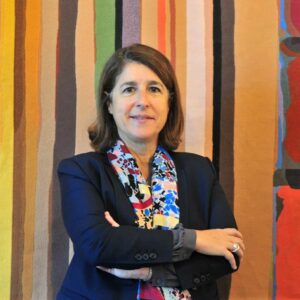
Patricia GALVÃO TELES
Director-General of the MFA Directorate-General for European and International Law, Portugal and Co-Chair of the Study Group of the UN International Law Commission on Sea-level Rise in relation to International Law
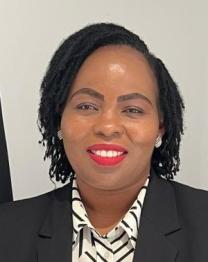
H.E. Amb. Fancy Chepkemoi TOO
Permanent Representative of the Republic of Kenya to the United Nations Office and other international organizations in Geneva
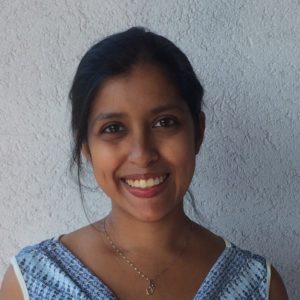
Joie CHOWDHURY
Senior Attorney, Center for International Environmental Law
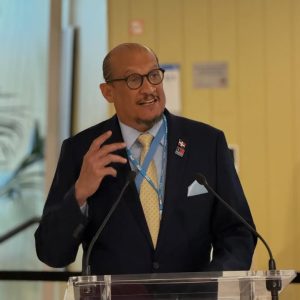
H.E. Amb. Iván Emilio de Jesús OGANDO LORA
Permanent Representative of Dominican Republic to the United Nations Office and other international organizations in Geneva | Moderator
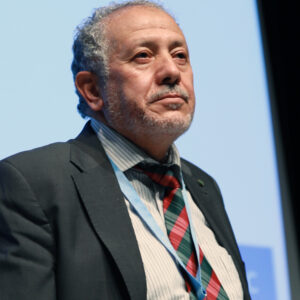
Abdalah MOKSSIT
Secretary, Intergovernmental Panel on Climate Change
Highlights
Video
Summary
On 27 May, the Permanent Mission of Portugal to the United Nations Office and other international organizations in Geneva organized the event “Life Below Water: Challenges Faced by Coastal Countries and Small Island Developing States” at the Palais des Nations.
The event brought together around 50 participants, including representatives of Small Island Developing States, other island States, countries from different regional groups, international organizations and civil society. The discussion focused on the concrete impacts of sea-level rise on coastal communities and economies, and on the need for an integrated approach combining international law, science, marine ecosystem protection, sustainable blue economy strategies, adaptation and resilience.
In his opening remarks, Ambassador João Mira Gomes, Permanent Representative of Portugal, underlined that the ocean is central to Portugal’s geography, history, economy, identity and multilateral action. He stressed that sea-level rise is already affecting coastlines and communities, including in Portugal, and highlighted the importance of integrated responses through the Geneva Nexus initiative.
Professor Patricia Galvão Teles, Director-General for European and International Law at the Ministry of Foreign Affairs of Portugal and Co-Chair of the International Law Commission Study Group on Sea-Level Rise, delivered the keynote address. She reflected on the legal developments of the past decade, including questions related to maritime boundaries, climate-related displacement and the continuity of statehood in contexts of territorial threat.
The panel included contributions from Kenya, the Marshall Islands, the Center for International Environmental Law and the Intergovernmental Panel on Climate Change. Speakers highlighted Kenya’s initiatives on the blue economy and marine protected areas; the lived experience of the Marshall Islands as an atoll State facing sea-level rise as a matter of survival; the relevance of the International Court of Justice Advisory Opinion on States’ obligations in respect of climate change; and the importance of IPCC science in guiding adaptation and resilience.
The event was moderated by Ambassador Iván Ogando Lora, Permanent Representative of the Dominican Republic, who brought the perspective of his country, including the challenges posed by sargassum blooms and the Dominican Republic’s engagement in the Human Rights Council on the impacts of sea-level rise.
The discussion confirmed the importance of connecting legal, scientific, environmental, economic and human perspectives in addressing sea-level rise and ocean sustainability, and highlighted the role of Geneva as a space for integrated multilateral dialogue.
Overview
- On 27 May, the Permanent Mission of Portugal organized an event dedicated to the challenges faced by coastal countries and Small Island Developing States in the context of rising sea levels, with the aim of fostering a comprehensive discussion of their legal, environmental, economic, and human dimensions.
- The event was attended by DGDEI Professor Patricia Galvão Teles; H.E. Amb. Fancy Too, Permanent Representative of Kenya; H.E. Amb. Doreen Debrum, Permanent Representative of the Marshall Islands; Joie Choudwury, Center for International Environmental Law; and Abdalah Mokssit, Secretary of the Intergovernmental Panel on Climate Change (IPCC).
- The initiative drew a significant turnout (approximately 50 participants), with representation from States across various regional groups, particularly representatives of Small Island Developing States and other island States, as well as civil society organizations. The debate highlighted the concrete scale of the impacts of sea-level rise on coastal economies and communities, as well as the importance of a holistic and integrated approach that combines international law, science, the development of a sustainable blue economy, and adaptation and resilience strategies.
- The session was moderated by Ambassador Ivan Ogando Lora, Permanent Representative of the Dominican Republic, who framed the discussion based on his country’s experience. In this context, he mentioned the challenges faced as a result of the proliferation of sargassum and recalled the resolution presented to the Human Rights Council on the impacts of sea-level rise.
- In my opening remarks, H.E. Amb. João António Mira Gomes noted that, for Portugal, the ocean is an integral part of our geography, history, economy, and identity, and also occupies a central place in our multilateral action. he emphasized that sea-level rise is already a concrete reality, impacting coastal areas, citing as an example the retreat of our shoreline resulting from the storms that have ravaged our territory. He also advocated for the need for an integrated response, taking the opportunity to promote the Geneva Nexus initiative.
- Professor Patricia Galvão Teles, DGDEI, as keynote speaker, presented an analysis of developments in this area over the past decade, with a special focus on the legal implications of sea-level rise and the work carried out by the CDI. She emphasized the importance of adopting the Paris Agreement and the 2030 Agenda, as well as the role of science and the IPCC, to give greater visibility to this agenda. She highlighted, in particular, the legal challenges related to the maintenance of states’ maritime borders, the protection of populations displaced by the effects of climate change, and ensuring the continuity of statehood in contexts of territorial threat. Looking to the future, she emphasized the importance of translating the growing legal clarity resulting from multilateral processes and scientific work into practical applications that reach affected communities, particularly at the regional level.
- H.E. Amb. Fancy Chepkemoi Too highlighted Kenya’s active role in promoting the ocean agenda, noting the various events the country has organized in this regard, notably the 2nd United Nations Ocean Conference, co-organized with Portugal, and the upcoming Our Ocean conference, which will take place in Mombasa this month. She also mentioned national efforts to promote the blue economy, including through the relevant legislative framework and the development of marine protected areas, while also highlighting the existing challenges in accessing financing and collecting data.
- H.E. Amb. Doreen Debrum began by expressing her appreciation for the work of Professor Patricia Galvão Teles, whom she described as an ally of the Pacific in this matter. She focused her remarks on the Marshall Islands’ national experience, presenting sea-level rise as a matter of survival for an atoll state. She noted that, in the Marshall Islands, the ocean is an essential part of cultural identity and daily life, reiterating the idea of the country as a “big ocean nation,” and warned of the increasing frequency of flooding and the impacts already being felt by communities, infrastructure, and essential resources.
- Joie Chowdhury focused her remarks on the International Court of Justice’s advisory opinion on states’ obligations regarding climate change, highlighting its relevance to sea-level rise. She emphasized that the advisory opinion confirms the existence of legal obligations for States regarding the prevention, response, and remediation of climate impacts, including loss and damage associated with sea-level rise, but noted the need to address regulatory gaps that require further development of international law.
- The question-and-answer segment drew particular interest from participants, ultimately extending the event to a duration of nearly two hours. The audience’s questions focused largely on issues addressed to Professor Patricia Galvão Teles, centering on the legal implications of sea-level rise. This dynamic confirmed that the format chosen for the event was a success, also naturally demonstrating the importance of continuing to value the presence and contribution of national experts in key areas of our multilateral action.
- Abdalah Mokssit closed the event by emphasizing the importance of the work carried out by the IPCC in strengthening the scientific basis for climate action. He recalled some of the conclusions of the Panel’s reports, particularly regarding the accelerating rise in sea levels, the increased risks to coastal areas and Small Island Developing States, and the need to strengthen adaptation and resilience measures based on the best available scientific evidence. He also took the opportunity to highlight the financial difficulties currently faced by the IPCC, calling on States to continue supporting the Panel’s work.
Photo Gallery


