
Event Virtual
World Wildlife Day 2026 United Nations Virtual Celebration
03 Mar 2026
13:30 – 15:30
Venue: Online | Webex
Organization: Convention on International Trade in Endangered Species of Wild Fauna and Flora, United Nations Development Programme, Jackson Wild, International Fund for Animal Welfare, Geneva Environment Network
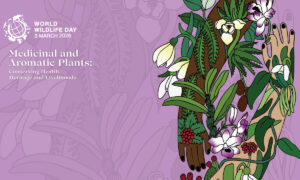
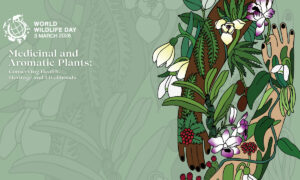
The 2026 World Wildlife Day United Nations global celebration, organized by the CITES Secretariat, in partnership with the United Nations Development Programme (UNDP), International Fund for Animal Welfare (ifaw), Jackson Wild, the Geneva Environment Network, IUCN SSC Medicinal Plant Specialist Group and TRAFFIC will shine a spotlight on the critical role of Medicinal and Aromatic Plants (MAPs) under the theme: “Medicinal and Aromatic Plants: Conserving Health, Heritage and Livelihoods.”

World Wildlife Day 2026 | Medicinal and Aromatic Plants: Conserving Health, Heritage and Livelihoods
Medicinal and aromatic plants (MAPs) are essential for both human health and well-being and ecological balance. These plants form the foundation of many traditional healthcare systems, contribute to modern medicine and support diverse industries ranging from cosmetics and food to agriculture and luxury goods.
Across the globe, approximately 50,000-70,000 MAP species are harvested for their healing properties, cultural significance and economic value. Of these, over 1,500 are estimated to be listed in the Appendices of the Convention on International Trade in Endangered Species of Wild Fauna and Flora (CITES), including over 800 in Appendix II. The World Health Organization (WHO) estimates that 70-95 per cent of human populations in developing countries rely on traditional medicine for primary healthcare. MAP cultivation and harvesting practices secure vital resources for many households worldwide, with one in five people relying on wild plants, algae and fungi for food and income.
Yet, despite their importance, many MAP species face growing threats from habitat loss, overharvesting and illegal trade. Scientific data on MAPs is often limited and Indigenous and local knowledge is underutilized in policy and conservation effort. Furthermore, over 20 per cent of MAP species used globally are considered threatened with extinction on the IUCN Red List, making their conservation a global priority. Raising awareness, strengthening regulations and ensuring the sustainability of harvesting and trade are essential for these invaluable plant resources to survive in the wild.
In 2026, World Wildlife Day (WWD2026) will shine a spotlight on the critical role of MAPs under the theme: “Medicinal and Aromatic Plants: Conserving Health, Heritage and Livelihoods.”
About this Event
The CITES Secretariat, in partnership with the United Nations Development Programme (UNDP), International Fund for Animal Welfare (ifaw), Jackson Wild, the Geneva Environment Network, IUCN SSC Medicinal Plant Specialist Group and TRAFFIC will host the annual World Wildlife Day United Nations global celebration. The virtual celebration will feature stories and presentations about the sustainable use and conservation of medicinal and aromatic plants by Member State experts, high-level representatives of international organisations, industry stakeholders, local community leaders and youth network members.
Other segments include the announcement of the winners and finalists of the IFAW 2026 Youth Art Contest, and the reveal of the Jackson Wild 2026 Film Showcase feature films.
The United Nations Postal Administration and the CITES Secretariat will launch the 2026 Endangered Species Stamps Series during the event.
The event will be interpreted in English, French and Spanish.
Speakers
By order of intervention.

Ivonne HIGUERO
Secretary-General, CITES

Kristopher BLAKE
Chair, CITES Standing Committee, United Kingdom of Great Britain and Northern Ireland

H.E. Amb. Francisca E. MÉNDEZ ESCOBAR
Permanent Representative of Mexico to the United Nations Office in Geneva

Inger ANDERSEN
Executive Director, UNEP

Francine PICKUP
Deputy Assistant Administrator, UNDP

Helen Anahita WILSON
King’s College London

Wai Kit TING
Co-Founder, CITES Global Youth Network and Youth Executive, Mandai Nature | Moderator

Rita ENGEL
Department of Botany, University of Veterinary Medicine in Budapest

Melesse MARYO
Associate Professor and Senior Researcher, Ethiopian Wildlife Authority

Kalpana Sharma DHAKAL
Scientific Officer, Department of Plant Resources of Nepal

Tim SYNNOTT
Former Executive Director, Forest Stewardship Council (FSC)

H.E. Linkham DUANGSAVANH
Minister of Agriculture and Environment, Lao People’s Democratic Republic

H.E. Ahmed Omar Mohamed
Ministry of Environment and Climate Change, Somalia
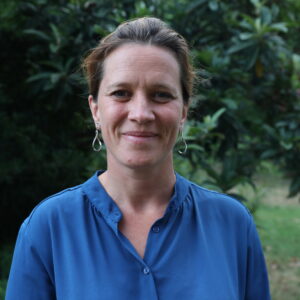
Célia DE LAVERGNE
Director of Water and Biodiversity, Ministry of Ecological Transition and Territorial Cohesion, France

Christie QUINN
Executive Director, Jackson Wild
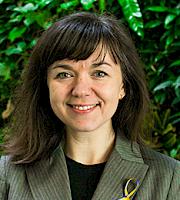
Anastasiya TIMOSHYNA
Director of the European Programme Office, TRAFFIC and Co-Chair, IUCN Species Survival Commission Medicinal Plant Specialist Group

Emma WILLIAMS
CITES Policy Officer, Royal Botanic Gardens Kew, United Kingdom of Great Britain and Northern Ireland
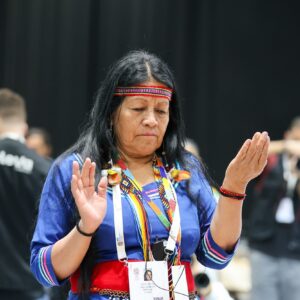
Neida Andi ARIMUYA
Kichwa Indigenous Spiritual Guide from the Amazonian Ecuador

H.M. MVONDO Bruno
President, African Network of Traditional Leaders for Environmental Conservation and the Sustainable Management of Ecosystems and Forests

Jamie HORST
Chief Purpose Officer, Traditional Medicinals, United States of America

Elisa ARAGON
Co-Founder, Nelixia

Azzedine DOWNES
President and CEO, ifaw

Richard SCOBEY
Executive Director, TRAFFIC
Highlights
Video
Celebrate WWD 2026 in Geneva
World Wildlife Day 2026 | Geneva Celebrating Expertise in Medicinal and Aromatic Plants: Conserving Health, Heritage and Livelihoods
3 March 2026 | 09:30 – 12:00 CET | International Environment House I