
Newsletter 10 Feb 2025
Environment: What’s Up in GENeva | 10 – 16 February 2025
The Geneva Environment Network’s weekly newsletter includes the latest information on the global environmental agenda, main events, job vacancies, as well as other useful resources and updates. Stay tuned and follow us on X (Twitter), Facebook, LinkedIn, Instagram, Bluesky, and Youtube, or visit our website regularly for additional updates.
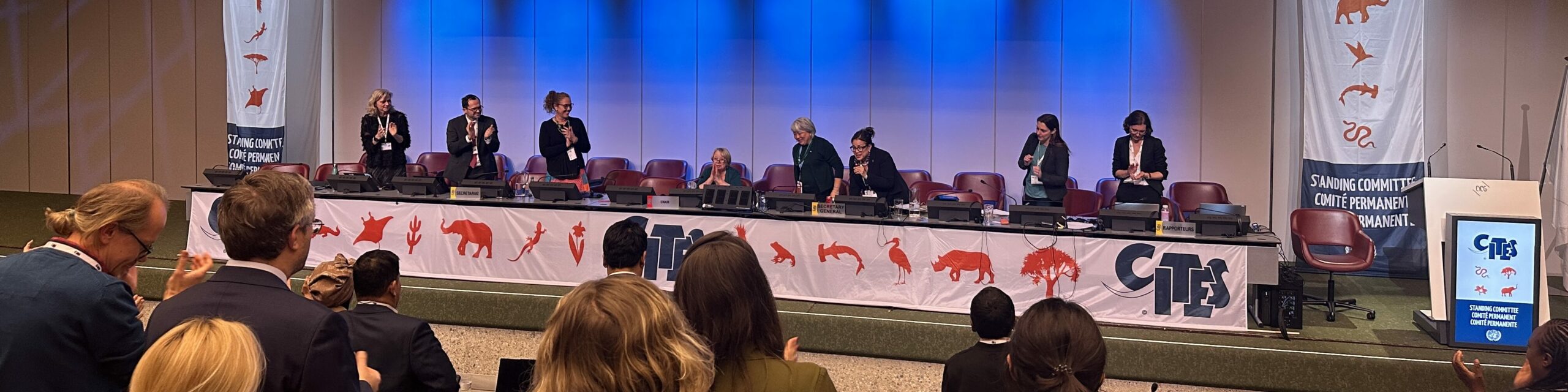
Image of the week | Closing plenary of the 78th Meeting of the Standing Committee to the Convention on International Trade in Endangered Species of Wild Fauna and Flora (CITES) applauding the Chair, Rosemarie Gnam, for her guidance. and all, including those hiding behind the scenes, for their tireless work to advance sustainable wildlife trade and global obligations. © UNEP/GEN, CICG, Saturday 8 February 2025.
Launch of Geneva Dialogues on Mineral and Metal Resources
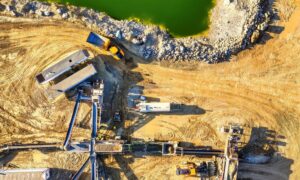
The Geneva Dialogues on Mineral and Metal Resources to be launched this week, aim to encourage increased engagement of the international community in the run-up to various global negotiations and conferences addressing the sustainability of minerals and mining sector and intersections with sustainable development priorities. With various actors in Geneva engaged in ensuring enhanced action to support the environmental sustainability management of minerals and metals along their full lifecycle, and Geneva at the center of numerous debates and negotiations in the fields of science, health, human rights, development, trade and green finance, employment, peacebuilding and security, disaster risk reduction, humanitarian response, nature conservation, chemicals and pollution, as well as new technologies and innovation, the dialogues can be a conducive platform to explore interlinkages between these topics and mineral and metal resources governance.
Kicking off the series, the launch event will invite leading experts to provide insights on this timely series of events and the key moments in 2025 that can help move forward the global efforts towards sustainable resource management and the need for enhanced action to support sustainable practices in the mineral and metal industry. → Join us in person or online on Thursday 13 February 2025 from 15:30 to 17:00 CET.
Other recent news to advance sustainability of the sector include:
- UNEP is in the phase of establishing “a digital knowledge hub to compile, among other things, information on existing good practices relevant to the environmental aspects of minerals and metals and to share, as appropriate, that information with all Member States and stakeholders” as requested by UNEA resolution 6/5 on environmental aspects of minerals and metals. This week, Member States and stakeholders will be consulted on the design and development of the digital knowledge hub and its online communities of practice.
- The Natural Resource Governance Institute has released the latest Priorities for the United Nations High-Level Expert Advisory Group on Critical Energy Transition Minerals “Priorities for the United Nations High-Level Expert Advisory Group on Critical Energy Transition Minerals“, providing recommendations on benefit sharing, value addition, and economic diversification, and highlights connections between these policy areas and other actionable recommendations
Advancing the Human Rights and Environment Agenda
HRC58 | In preparation for the upcoming 58th session of the Human Rights Council (HRC58) to convene in Geneva from 24 February to 4 April 2025:
- The Council is holding an organizational meeting on Monday 10 February 2025, at Palais des Nations, Room XX. The meeting will allow Member States to announce any initiatives they intend to take during the upcoming session and raise any procedural issues. → Register to attend in-person or follow the discussions online.
- With the environment high on the agenda, consult regular updates on key environmental issues at HRC58, side events, and further resources available on our dedicated HRC58 and the environment update. Rewatch as well the information-sharing session, convened by the Geneva Environment Network, where various partners and stakeholders took the floor and shared environment-related activities and events taking place in the upcoming Council session.
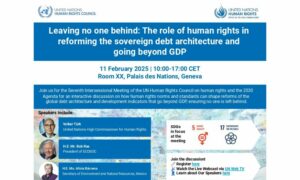
7th Intersessional Meeting on human rights and the 2030 Agenda | The Human Rights Council is holding its seventh intersessional meeting on human rights and the 2030 Agenda under the theme, “Leaving no one behind: the role of human rights in reforming the sovereign debt architecture and going beyond GDP” on Tuesday 11 February 2025. Based on the theme of the 2025 High-level Political Forum (HLPF) in July, “Advancing sustainable, inclusive, science- and evidence-based solutions for the 2030 Agenda for Sustainable Development and its Sustainable Development Goals for leaving no one behind”, the Intersessional Meeting will build on the outcomes of the SDG Summit and the Summit of the Future. → Register for the meeting taking place at Palais des Nations, Room XX from 10:00 to 17:00 CET, or follow online.
Climate Justice and Loss and Damage in the Pacific Conference | The UN Special Rapporteur on the right to development, Surya Deva, in partnership with the Sydney Environment Institute, is holding a conference that will explore the challenges for climate-vulnerable communities and Small Island Developing States and reflects critically on the outcomes of COP29, especially in the area of loss and damage. → Register for the conference taking place from 11 February 2025, 23:00 CET to 12 February 6:00 CET.
Stand-Up for Social Justice! | The UN opens its doors to the public to celebrate the World Day of Social Justice. For the second edition of Stand-Up for Social Justice!, the United Nations Research Institute for Social Development (UNRISD) and SHAP SHAP, with support from the City of Geneva, unite local youth, global artists, and activists for a special concert as part of the ANTIGEL festival to harness the power of art and music for justice and social change. → Register and join an inspiring evening in the Human Rights Room with keynotes and performances by Brazilian artist Brisa Flow, Swiss RnB star Ocevne, and Indigenous poet Idjahure Terena, on 12 February from 18:30 CET.
Call for Submissions | Various environment-related calls for submission from the Special Procedures of the Human Rights Council and other human rights bodies and mechanisms have recently been published. → Consult our dedicated page for other calls for submission.
- Water and Energy Nexus | Report of the UN Special Rapporteur on the human rights to safe drinking water and sanitation to the Human Rights Council at its 60th session | Deadline: 28 February 2025
- Democratic water governance under a human rights-based approach | Report of the UN Special Rapporteur on the human rights to safe drinking water and sanitation to the UN General Assembly at its 79th session | Deadline: 28 February 2025
- Safety of those reporting on climate change, environmental and disaster issues, including women journalists and media workers, and the activities of the network of focal points in addressing the safety of journalists and the issue of impunity | Report of the Secretary-General to the UN General Assembly at its 80th session and to the Human Rights Council at its 61st session | Deadline: 1 March 2025
- A Roadmap for Eradicating Poverty Beyond Growth | Report of the UN Special Rapporteur on extreme poverty and human rights to the Human Rights Council at its 62nd session | Deadline: 30 March 2025
- Situation of natural resources and human rights in Cambodia | Report of the UN Special Rapporteur on the situation of human rights in Cambodia to the Human Rights Council at its 60th session | Deadline: 31 March 2025
- Military Activities and Toxics | Report of the UN Special Rapporteur on toxics and human rights to the UN General Assembly at its 79th session | Deadline: 1 April 2025
It is also to be noted that:
- UN Special Rapporteur Astrid Puentes launched her first newsletter: Nine Months as Rapporteur on the Right to a Healthy Environment. The bi-monthly update will share the progress of her mandate and provide important documents and news.
- UN Special Rapporteur on environmental defenders under the Aarhus Convention, Michel Forst, addressed a letter to the EU Ambassadors concerning “Omnibus simplification package” to “reduce reporting burdens” under the Directive on Corporate Sustainability Due Diligence (CSDDD), the Corporate Sustainability Reporting Directive (CSRD) and the Taxonomy Regulation. The UN Special Rapporteur calls on Member States to ensure that the obligations and requirements established in the CSDDD, CSRD and other sustainable finance frameworks in the European Union that may be subject to the Omnibus simplification package are not watered down and the agreed timeline for the transposition of the CSDDD and CSRD into national law is maintained.
Updates on the Plastics Treaty | Road to INC5.2
The fifth meeting of the Intergovernmental Negotiating Committee to develop an international legally binding instrument to end plastic pollution (INC-5) was adjourned in December 2024 in Busan with an agreement that the ‘Chair’s Text’ shared on 1 December will serve as a basis for the resumed session at a later date in 2025. Discussions on the location of the resumed session (INC5.2) are currently on the way and “the possibility of holding it in Geneva in mid-July is being explored” as reported in the Draft Summary and Action Points INC Bureau Meeting 21 January 2025 document.
Additional news and events include:
- With increasing scientific evidence of the ubiquity of plastics in human bodies and the planet and its detrimental effects, agreeing on a plastics treaty remains a priority “to protect human, planetary and economic health” as stated by UNEP Executive Director Inger Andersen earlier this year, at the World Economic Forum annual meeting in Davos.
- This week, participating WTO members will meet for a session of the Dialogue on Plastics Pollution and Environmentally Sustainable Plastics Trade (DPP) on 13 February 2025. This session and the tentative eight others established for this year will prepare for the 2026 14th WTO Ministerial Conference.
- Next week, plastics will also be on the agenda of the Human Rights Council Advisory Committee 33rd session — to be held from 17 to 21 February 2025 in Geneva — with discussions on Implications of plastic pollution for the full enjoyment of human rights to be held on 19 February 2025 from 10:00 – 12:00 in Room XX, Palais des Nations.
- How dangerous are nanoplastics for babies in the womb? | EMPA | 5 February 2025
- The ‘recycled’ plastic in your shoes, shirts, and bags? It’s still destined for the landfill | GRIST | 5 February 2025
- Plastic Worsens Long-Term Environmental Damage After Wildfires | Plastic Pollution Coalition | 5 February 2025
- Exxon is quietly planning a new $8.6 billion plastics plant in Texas | GRIST | 5 February 2025
- While plastic dominates human consumption, the global economy will remain hooked on fossil fuels | The Conversation | 3 February 2025
- Human brain samples contain an entire spoon’s worth of nanoplastics, study says | CNN Health | 3 February 2025
- Bioaccumulation of microplastics in decedent human brains | Nihart, A.J., Garcia, M.A., El Hayek, E. et al. | Nature Medicine | 3 February 2025
UNECE’s Inland Transport Committee Set to Shape the Future of Transport Beyond 2030
Since 1947, UNECE’s Inland Transport Committee (ITC) has provided an intergovernmental forum where UN Member States come together to help efficiently address global and regional needs in inland transport. With 61 legal instruments under its purview, ITC has provided an internationally harmonized regulatory framework for safe, efficient and sustainable transport.
At its upcoming 87th annual session to take place from 11 to 14 February 2025 in Geneva, ITC will take stock of the implementation of its 2030 strategy and deliberate on the future of sustainable transport, against the backdrop of ongoing challenges, such as escalating climate extremes, rapid technological advances, and geopolitical tensions. The session will feature a High-level Policy Segment around the theme “Successes and Challenges for Inland Transport on the Road to 2030”, hosted by the Ministry of Infrastructure Water Management of the Netherlands and the Ministry of Transport and Infrastructure of the Republic of Türkiye. The High-Level will take place on 11 February 2025 from 10:00 CET in Room XVII of the Palais des Nations. → Find more details and consult the full programme.
Fifth Season of Minamata Online
The fifth season of Minamata Online — a series of webinars designed to provide insights on the implementation of the Minamata Convention on Mercury provisions and explore policy and scientific aspects — is kicking off this week. From February to November 2025, this new season will feature webinars on implementation review, mercury science, and preparation for the sixth meeting of the Conference of the Parties (COP-6).
In the first session, the Secretariat will provide an overview of upcoming deadlines and events in preparation for the sixth meeting of the Conference of the Parties to the Minamata Convention on Mercury (COP-6), which will be held in Geneva from 3 to 7 November 2025. The Secretariat will also provide information on possible amendments to the Convention that may be considered at COP-6. → Register to attend on Webex on 13 February 2025 at 13:00 CET.
Environment and Health Updates from WHO Executive Board
On Saturday 8 February, the 156th session of the Executive Board of the World Health Organization held various discussions important for environmental multilateralism.
On agenda item 20 on the impact of chemicals, waste and pollution on human health, Member States and stakeholders:
- Welcomed the report of the Director General and messages highlighted that much remains to be done to address the impacts of chemicals and waste.
- Welcomed the newly adopted Global Framework on Chemicals – Towards a Planet Free of Harm from Chemicals and Waste (GFC), and noted the critical role of the health sector, encouraging WHO and health partners to continue to be actively involved in its implementation. The availability of the GFC Trust Fund to support national implementation was also highlighted.
- Expressed support for WHO’s continued involvement in the development of a Science-Policy Panel and further work to explore WHO’s participation in the work of the secretariat.
- Mentioned the need to strengthen the key role of health surveillance, human biomonitoring, poison centres, and drawing up guidelines and recommendations including in respect of healthcare facilities and waste, laboratory capacities, training of health professionals and synergies between WHO and other UN agencies.
- Referred to the need to enhance the involvement of member states in the update and operationalization of the WHO Chemicals Road map.
- Recognized the significance of the health impacts of exposure to lead and the role of the health sector in galvanizing action for a lead-free future. The draft resolution on lead was identified important to address the disproportionate impacts of lead on human health and its impact on susceptible and vulnerable groups. Note was made of the importance of including exposure to lead from drinking water.
- Provided divergent views on the need for a resolution on the proposed resolution by Marshall Islands, Fiji, Guatemala, Iraq, Kazakhstan, Micronesia, Peru, Samoa and Vanuatu, proposing to update WHO’s guidance on the “Health effects of nuclear weapons and nuclear war on health and health services”, last revised in 1993. The proponents are countries where fallout from nuclear testing continues to have devastating health consequences generations after test explosions. Although Russia opposed the resolution, the DPR of the Marshall Islands highlighted that the proponents stand ready to improve the text and discuss with Member States.
On agenda item 21, on the updated road map for an enhanced global response to the adverse health effects of air pollution, Member States and stakeholders:
- Noted that implementation of the initial road map has not been sufficient and air pollution continues to serve as a major risk for increasing communicable and noncommunicable diseases.
- Noted that the transboundary nature of air pollution highlights the importance of cross-country collaboration.
- Noted that the health sector is not well-equipped to respond. The capacity of the health sector to address air quality needs to be strengthened.
- Noted that the voluntary 50% target is ambitious but warranted considering the current health toll caused by air pollution.
- Highlighted that the Road Map helps to strengthen the leadership role that the health sector can play in addressing air pollution, as well as the importance of knowledge sharing and multisectoral action.
- Referenced the importance of the 2nd Global Conference on Air Pollution and Health as a milestone to raise ambition and drive action to tackle air pollution.
On agenda item 22 on Climate change and health, numerous Member States and stakeholders took the floor and:
- Expressed strong support to the actions proposed in the new WHO roadmap to reduce air pollution’s health impacts with the ambitious global goal of cutting mortality attributable to human-produced sources by 50% by 2040, aligned with the content of the new draft Global Action Plan on Climate Change and Health. Many explicitly endorsed the plan, the underlying resolution, and commended WHO’s longstanding leadership on the issue.
- Highlighted actions that they are already taking domestically in this area.
- Acknowledged the consultation process, the scope and the structure of the plan.
- While many explicitly endorsed the adoption of the plan, others looked forward to further consultation with Member States before the World Health Assembly in May, and made constructive comments for improvements, such as explicit consideration of Common But Differentiated Responsibilities in line with the negotiated language in the UNFCCC and the Paris Agreement. Requests were also made for further details, the addition of indicators and timelines, the description of risks and assumptions in achieving the targets and goals, as well as more specific guidance to support implementation, including on overcoming barriers to accessing finance, prioritizing actions, and directing investments to protect the most vulnerable populations.
As described in the Health and Policy Watch article commenting on Saturday EB discussion on WHO climate work, due to the financial crisis provoked by the United States announced withdrawal from the WHO and the resulting uncertainty about how to maintain funding for existing programmes and new initiatives, a decision on how to advance the three dozen decisions and resolutions before this month’s EB has been postponed until the final days of the EB session this week. The sole exception was the emergency aid to Gaza.
Multilateralism 2.0 | Environment @ Geneva Policy Outlook 2025
The 2025 edition of Geneva Policy Outlook (GPO2025), published by the Geneva Graduate Institute in partnership with the Republic and State of Geneva and the City of Geneva, calls for a “Multilateralism 2.0” grounded in sober judgment and a new agenda for sustainability. As highlighted by Achim Wennmann, Director of Strategic Partnerships of the Geneva Graduate Institute, this “reinvention, however, takes place in an era in which a new mainstream of politics is profoundly skeptical about international cooperation, a trend aggravated by the US elections.”
In the face of a “multilateralism in crises”, the Global Policy Outlook 2025 highlights that Geneva has everything it takes to seize such an “exceptional moment” for the reinvention of multilateralism. It requires “‘all hands on deck’ for Geneva to re-invent its role in a new world order, and for diplomacy and international cooperation to remain primary instruments for global politics.” This includes in the realm of the global environmental agenda, as featured in chapters of GPO2025:
- Nature Needs a Seat at the Table in the New Multilateralism | Hugo Slim
An innovative approach to the climate crisis calls for nature to transition from being a permanent observer of Geneva’s policymaking to being present at the table in decision-making processes. - A New Agenda for Sustainability | Marie-Laure Salles
From climate change to technological threats, humanity faces interconnected crises which redefine our existence. Marie-Laure Salles calls for a rethinking of the international systems to align peace efforts with sustainability. - Nature Won’t Wait, but can a Meaningful Pandemic Agreement get done in 2025? | Suerie Moon
As a divided world edges closer to a pandemic treaty, gaps in pathogen sharing, One Health commitments, and funding threaten progress. Will 2025 deliver the needed breakthrough? - Regreening the Global Safety Net: Accelerating FMNR through Faith-driven Movement-building | Tony Rinaudo, Juliet Bell, and Athena Peralta
Stakes are high for safeguarding environmental diversity. A tried-and-tested practice on the African continent, Farmer Managed Natural Regeneration must be scaled up to a global level and Geneva can play a critical role in doing so. - The GRATK Treaty: Understanding a Triumph of Multilateralism | Margo A. Bagley
Consensus is rare in multilateralism. Analyzing the triumphant WIPO Genetic Resources and Associated Traditional Knowledge Treaty, the article traces the key factors for agreement. Could this be a promise of more successes to come? - Microplastics and Human Fertility | Aditya Bharadwaj
Microplastics are an emerging and overlooked factor in the global decline of human fertility. The article calls for interdisciplinary research and integrated policy action to address the intersection of environmental pollution and human health. - Carbon Finance, Communities and Conflict: The Quest for Peace-Positive Land Restoration in Africa | Irene Ojuok and Alan Channer
In the African continent, a peace-positive approach to carbon finance for land restoration is key to aligning the interests of investors and smallholder farmers. Geneva must ensure that carbon finance does not accelerate but rather halts conflict.
Upcoming IPCC Special Report on Climate Change and Cities
The Intergovernmental Panel on Climate Change (IPCC) Special Report on Climate Change and Cities will be the first report delivered by the IPCC in the seventh assessment cycle, with its release scheduled for March 2027. Advancing on the preparation of the report, recent developments include:
- IPCC has selected 97 experts from 56 countries to participate in preparing the Special Report on Climate Change and Cities as Coordinating Lead Authors, Lead Authors and Review Editors. → Learn more in IPCC Press Release.
- Among the geographically and gender-balanced selected authors, Switzerland will be contributing to the report through the expertise of Sonia Seneviratne, who serves as Working Group I Vice-Chair and Géraldine Pflieger of the University of Geneva. → Read the latest interview of Géraldine Pflieger with the Swiss Academy of Science (SCNAT).
- To support author teams, Working Group II Technical Support Unit is seeking highly motivated individuals from developing countries to apply as Chapter Scientist. Applications will be accepted until Friday, 14 February 2025. Related questions can be addressed to the Working Group II Technical Support Unit at tsu@ipccwg2.org.
New Generation of NDCs to Address Climate Change Records
Parties to the Paris Agreement on climate change are expected to submit updates on their Nationally Determined Contributions (NDCs), due every five years, while our planet is experiencing new temperature records, as Copernicus declared January 2025 as the warmest January globally. Last month was 1.75°C above the pre-industrial level and the 18th month in the last nineteen months for which the global-average surface air temperature was more than 1.5°C above the pre-industrial level. This record occurs despite the development of La Niña conditions, the cold counterpart of the El Niño Southern Oscillation, in the tropical Pacific and their temporary cooling effect on global temperatures.
The “next generation of NDCs (NDCs 3.0)” embodying efforts by each country to reduce national emissions and adapt to the impacts of climate change are due ahead of COP30 at the end of 2025, and may be the last opportunity to put the world on track with a global emission trajectory in line with the Paris Agreement’s 1.5°C goal. So far, the United Arab Emirates, Brazil, the USA (to be abandoned due to the withdrawal from the Paris Agreement), Uruguay, Switzerland, the United Kingdom, New Zealand, Andorra, Saint Lucia and Ecuador have communicated their new NDCs to the UNFCCC secretariat. Such new plans, according to UN Climate Change Executive Secretary Simon Stiell, “send clear signals big economies are stepping up climate action by submitting bold new climate action plans, because it’s entirely in the interests of their economies and their citizens.” The Secretariat has extended the deadline for submission of the plans by September to include them in the NDC Synthesis Report, which will come out before COP30 takes place in Belem, Brazil.
Additional news on NDCs include:
- UN gives countries more time to submit “quality” climate plans for 2035 | Climate Home News | 6 February 2025
- Countries staying committed to climate plans after US Paris pact exit, UN climate chief says | Reuters | 6 February 2025
- Turning the Tide. Embedding loss and damage in the next generation of NDCs | Christian Aid, Climate Action Network Latin America & ICCAD | January 2025
- To follow more updates on NDCs 3.0, consult the Climate Watch NDC Tracker Tool.
What (Else) To Read Next?
- Colombia’s environment minister resigns, stays on as COP16 head | Reuters | 9 February 2025
Colombia’s Environment Minister Susana Muhamad said on Sunday she has informed President Gustavo Petro of her resignation from the post, as she opposed the naming of a member to the President’s cabinet. She should stay in her role as president of CBD COP16.
- L’intelligence artificielle accélère le désastre écologique, renforce les injustices et aggrave la concentration des pouvoirs | Le Monde | 6 February 2025
Plus d’une vingtaine d’organisations réunies au sein de la coalition Hiatus, parmi lesquelles La Quadrature du Net et la Ligue des droits de l’homme, estiment, dans une tribune au « Monde », qu’il faut résister au déploiement massif de l’IA, au nom des droits humains, sociaux et environnementaux.
- Humanitarian Action in the Planetary Crisis | Valeria Marino, Isabelle Bolon, Davide Ziveri, Katherine Urbáez et al. | 6 February 2025
This Policy Brief examines how the OneHealth approach can transform humanitarian action amid rising natural disasters, conflicts, and displacement in low-resource settings. - “No future”: Climate projects face existential threat after Trump’s aid shutdown | Climate Home News | 5 February 2025
The sudden move has thrown the development world into disarray, with organizations forced to halt their operations overnight and furlough or lay off staff without being able to obtain clear information or guidance. - Nearly 20,000 live animals seized, 365 suspects arrested in largest-ever wildlife and forestry operation | INTERPOL | 4 February 2025
Authorities arrested 365 suspects and identified six transnational criminal networks suspected of trafficking animals and plants protected by CITES. Such species are illegally trafficked to meet specific market demands, whether for food, perceived medicinal benefits, “luxury” and collector items or as pets and competition animals. - Mortality impacts of the most extreme heat events | Tom Matthews, Colin Raymond, Josh Foster | Nature Reviews Earth & Environment | 4 February 2025
Anthropogenic warming will lead to more frequent threshold crossings, including tripling of the uncompensable land area for young adults if warming reaches 2 °C above preindustrial levels. Interdisciplinary work must improve the understanding of the deadly potential of unprecedented heat and how it can be reduced.
- New report for the Ramsar Convention on Wetlands: how we and our wetlands rely on wild animals | UNEP Decade on Restoration | 3 February 2025
A new report, Taking Animals into Account, released on World Wetlands Day, reveals how wild animals play an underestimated but vital role in keeping the world’s wetlands functional and resilient.
- Wetlands hold the blueprint for securing water, ecosystems, and our common future | Musonda Mumba | 3 February 2025
The World Wetlands Day marked the beginning of a critical six-month journey to COP15 of the Convention on Wetlands, in July 2025 in Victoria Falls, Zimbabwe.
- Advancing the International Environment, Peace and Security Agenda | Recommendations for the UN and Beyond | PAX | 30 January 2025
This new PAX policy report highlights the need to improve the international prevention, mitigation, and response measures to address the complex interlinkages between the environment, climate, conflict and peace. - Why farmers are beginning to take their government to court over climate change | Charlotte E. Blattner, Robert Finger & Karin Ingold | Nature | 28 January 2025
Farmers in Switzerland are suing their government for failing to act on climate change. The case was initially rejected but the farmers are awaiting the outcome of an appeal. In the past few years, many lawsuits have been filed — and won — in the United States and beyond to hold ‘methane majors’, which include dairy farms, pork producers and other agricultural corporations, responsible for their contribution to global warming.
- Overview of Recent Fossil Fuel Arbitration Cases Under the Energy Charter Treaty | IISD | 27 January 2025
IISD compiled an overview of recent publicly available fossil fuel cases based on the ECT, highlighting the persistent risks ECT state parties face even as they strive to implement policies in the public interest.
Events
See all
Consultation
Planning meeting for the WMO pilot study of global riverine flood prediction products
10 – 12 Feb 2025
WMO
WMO

Body Meeting
87th session of the Inland Transport Committee (ITC)
11 – 14 Feb 2025
Palais des Nations | Room XVII
UNECE

Body Meeting
61st session of the Implementation Committee (Espoo Convention)
11 – 14 Feb 2025
Palais des Nations | Room VIII
Espoo Convention and the Protocol on SEA
Body Meeting
First meeting of the working group of the Partnership for Action on Challenges relating to E-waste (PACEII)
11 – 13 Feb 2025
International Environment House I
BRS
Conference
Leaving no one behind: The role of human rights in reforming the sovereign debt architecture and going beyond GDP | Seventh Intersessional Meeting on human rights and the 2030 Agenda
11 Feb 2025 | 10:00 – 17:00
Palais des Nations | Room XX & Online
HRC
Virtual
Information session on the submission of pilot project proposals under the Basel Convention’s Plastic Waste Partnership
11 Feb 2025 | 10:00 – 11:00
Online | Webex
BRS
Virtual
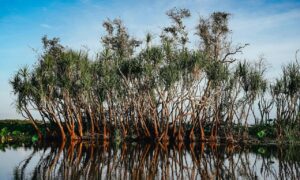
Blue Carbon and Freshwater Wetland Activities – a Deep Dive into Mangroves
11 Feb 2025 | 13:00 – 14:15
Online
Gold Standard Foundation
Virtual
Environment, Climate, Conflict and Peacebuilding (ECCP): Climate and Security working group meeting
11 Feb 2025 | 16:00
Online | Zoom
ECCP
Local
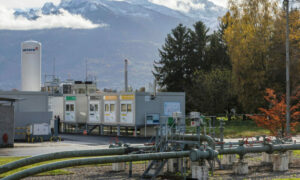
Transition énergétique, le rôle de l’infrastructure gazière pour la sécurité d’approvisionnement
11 Feb 2025 | 18:30
Les Salons
INGE
Virtual
The Role of Parliaments in Advancing SDGs – Investing in Robust Public Health and Care Systems: Addressing Gender Inequalities
12 Feb 2025 | 10:00 – 11:30
Online
IPU, UNECE, UNESCAP
Conference
ITC Symposium | Towards the United Nations Decade for Sustainable Transport: A strategic futures perspective of the ITC
12 Feb 2025 | 13:00 – 14:30
Palais des Nations | Room XXV
UNECE
Body Meeting
4th Meeting of the Open-ended Ad Hoc Group on Measurability and Indicators
12 Feb 2025 | 14:00 – 16:30
Online | Webex
GFC

Body Meeting
Dialogue on Plastics Pollution and Environmentally Sustainable Plastics Trade (DPP)
13 Feb 2025 | 10:00
WTO | Room S1 & Online | Zoom
WTO
Virtual
Minamata Online | Upcoming deadlines and events in preparation for COP-6
13 Feb 2025 | 13:00 – 14:00
Online | Webex
Minamata Convention
Virtual
New Green Shoots 2025: Latest trends and innovations in nature finance
13 Feb 2025 | 14:00 – 15:00
Online | BrightTalk
UNEP FI
Conference
Launch of the Geneva Dialogues on Mineral and Metal Resources
13 Feb 2025 | 15:30 – 17:00
International Environment House I | Room 2 & Online | Webex
GEN, Switzerland, Senegal, UNEP/GRID-Geneva, UNECE, IGF, TESS, WRF
Local
Animation Grand public – Vie cachée du Léman : mollusques et crustacés sous la loupe
13 Feb 2025 | 18:00 – 19:30
Association Sauvegarde du Léman
ASL
Virtual
Webinar on leveraging carbon markets for development
14 Feb 2025 | 15:00 – 17:00
Online | Zoom
UNCTAD
Local
Ce que l’on sait du projet d’accélérateur du CERN
15 Feb 2025 | 16:00 – 18:00
Salle communale de Collonge
Noé21
Jobs
See all


Learning
See all
Course in Geneva
Water Governance: Frameworks and Negotiations | Geneva Summer School
23 Jun – 04 Jul 2025
University of Geneva
UNIGE, Geneva Water Hub
Course in Geneva
SDG Summer School: Planetary Health | Geneva Summer School
30 Jun – 11 Jul 2025
University of Geneva
UNIGE, SDG Solutions Space
Updates
See all

18 Feb 2026
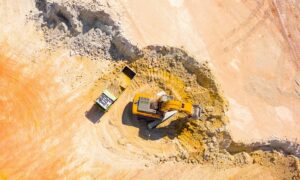
Geneva Dialogues on Mineral and Metal Resources
30 Jul 2026
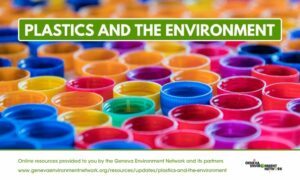
Plastics and the Environment


23 Aug 2026