
Update
Heatwaves and the Role of Geneva
Heatwaves - prolonged periods of unusually high temperatures - have become more frequent, intense and long-lasting in many regions around the world. This page provides relevant information, data and resources from leading institutions and partners in Geneva and across the globe.
About Heatwaves
Heatwave – a period where local excess heat accumulates over a sequence of unusually hot days and nights.
A heatwave consists, according to the World Meteorological Organization, of a period of abnormally hot weather that can last from a few days to months where the maximum and minimum temperatures are unusually high to a location. The minimum temperature is as important as the maximum temperature as cooler nights allow the body to recover and if the nights are unusually hot, higher temperatures will be reached earlier in the day and last for longer.
Heatwaves amplify many risks, such as health-related or economic risks, including increased human mortality, drought and water quality, wildfire and smoke, power shortages and agricultural losses.
In the past years, heatwaves have become a more common phenomenon, spreading rapidly into new regions of the globe and occurring at unseasonable times of the year. As early as 2004, researchers predicted and warned about a future marked by escalating heat extremes. Two decades later, this projection has been robustly confirmed by observational evidence and climate model simulations. The Intergovernmental Panel on Climate Change (IPCC) Sixth Assessment Report (AR6) estimates with virtual certainty that hot extremes have become more frequent and more intense across most land regions since the 1950s, while cold extremes have become less frequent and less severe due to human-induced climate change.
With record-breaking temperatures and the intensity and impact of extremes very likely to increase, strengthening national and international early warnings and anticipatory action to reduce the impacts on human health, livelihood and the environment is strongly needed.
Climate Change and Heatwaves
Until the late twentieth century, heatwaves were largely regarded as recurrent meteorological phenomena. They were generally considered to be mostly independent of human influence and as difficult to predict as other natural hazards such as earthquakes. More recent research instead attributes the increased likelihood and intensity of 213 historical heatwaves observed between 2000 and 2023 to anthropogenic climate change, showing that each of the 180 major fossil fuel and cement producers (“carbon majors”) made a substantial contribution.
The IPCC Working Group I report, Climate Change 2021: The Physical Science Basis, found that reaching 1.5°C of global warming will cause more frequent heatwaves, longer warm seasons, and shorter cold seasons. At 2°C of global warming, heat extremes would more often reach critical tolerance thresholds for agriculture and health.
These findings were subsequently consolidated and expanded in the AR6 Synthesis Report published in March 2023, which concludes with high confidence that human-induced climate change has increased both the frequency and intensity of heatwaves since the 1950s. The Synthesis Report further emphasizes that continued warming will amplify these trends and that human influence has likely increased the frequency of compound extreme events, including simultaneous heatwaves and droughts at the global scale. Each additional 0.5°C of warming leads to clearly observable increases in the intensity, frequency and duration of temperature extremes, and thus heatwaves.
Health Impacts of Heatwaves
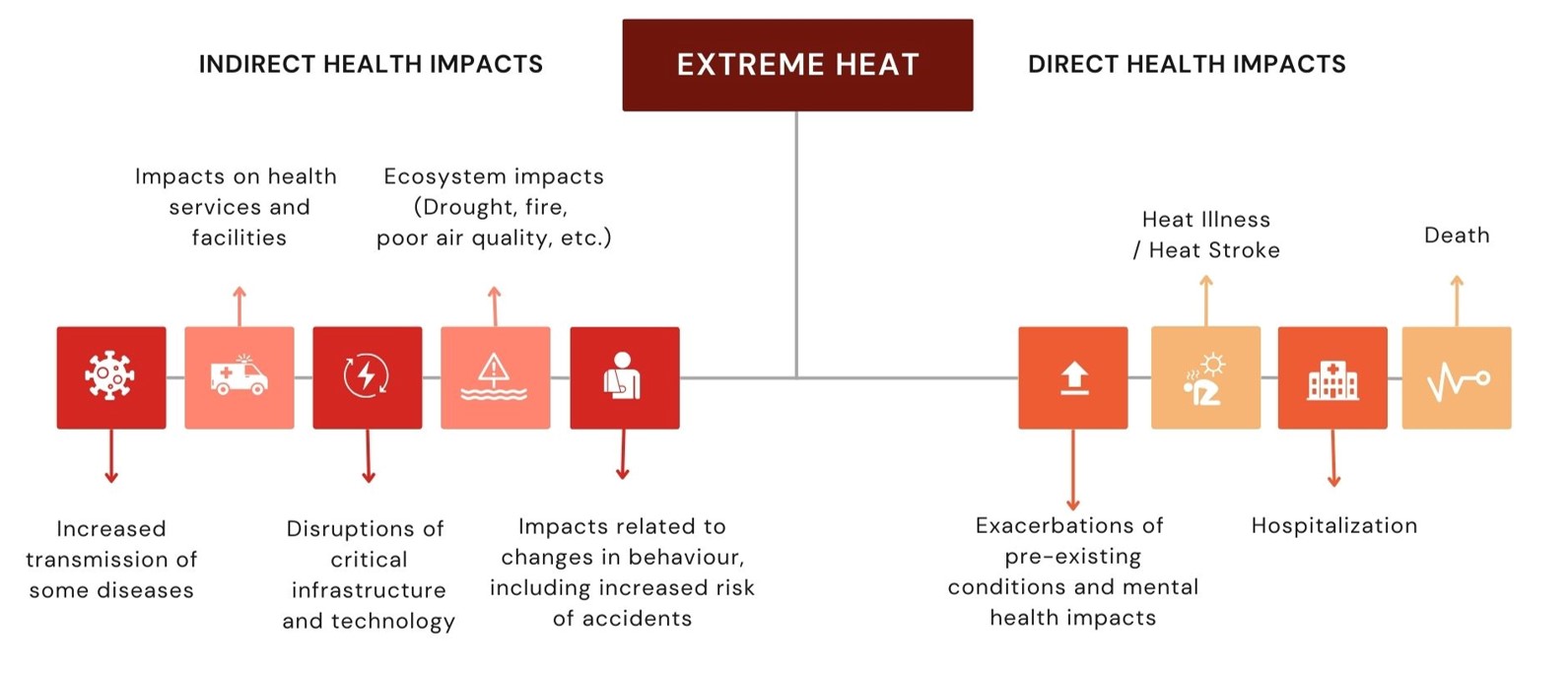
The World Health Organization cites heat stress as the leading cause of weather-related deaths: it can exacerbate underlying conditions such as cardiovascular disease, diabetes, asthma, mental health disorders, increase the risk of accidents and the transmission of certain infectious diseases. Heatstroke is a medical emergency with a high case-fatality rate. Heatwaves negatively affect key bodily functions such as thermoregulation and kidney processes, leading to increased illness and death. Certain population groups are especially vulnerable to heat effects, even in regions with moderate temperatures. These include older adults (65+), infants and children, whose bodies struggle to adapt to sudden temperature changes, as well as people with chronic cardiovascular and respiratory conditions, obesity and those taking medications that impair heat regulation.
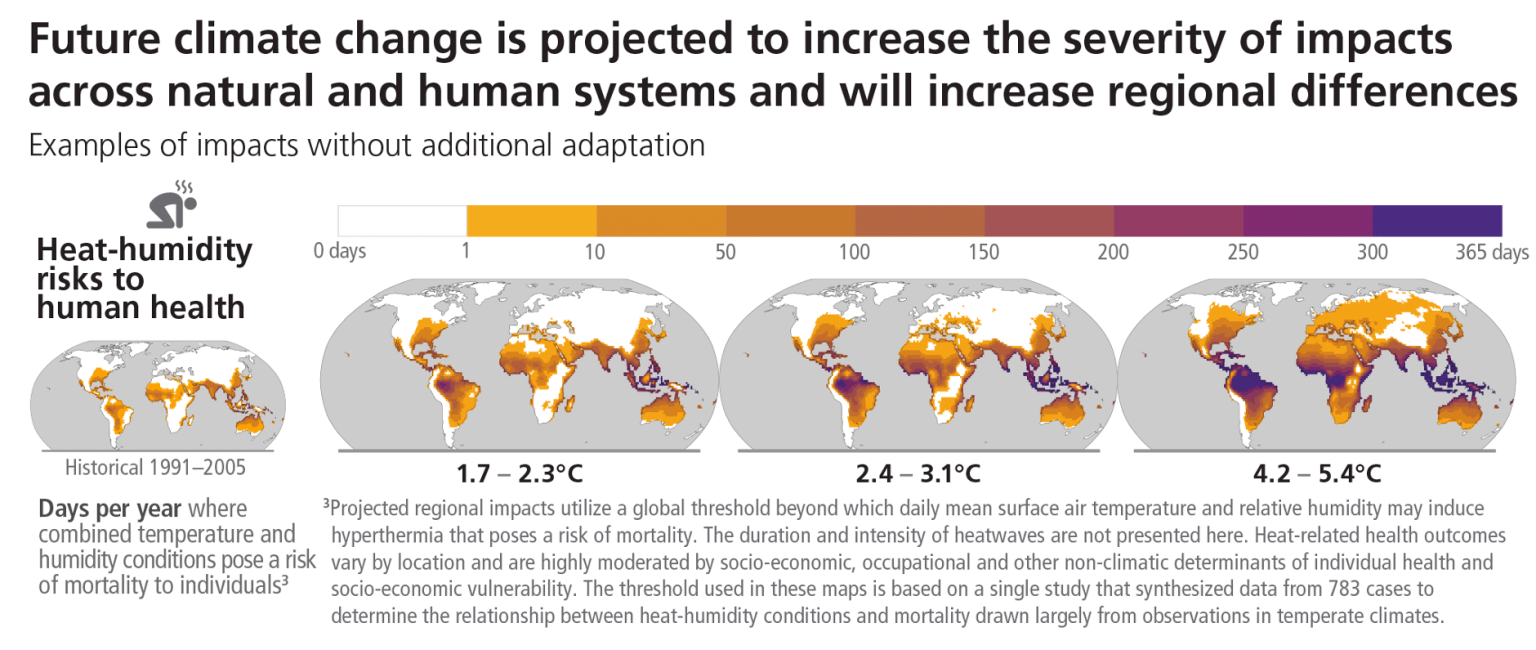
The number of people exposed to extreme heat is increasing exponentially due to climate change in all regions of the world, with heat-related mortality among people over the age of 65 having increased by approximately 85% between 2000–2004 and 2017–2021. A study found that from 2000–2019 approximately 489 000 heat-related deaths occurred each year, including more than 70 000 who died during the 2003 heatwave in Europe. Between 2000 and 2016, the number of people exposed to heatwaves increased by around 125 million.
Source: WHO, 2024
The negative health impacts of heat are predictable and largely preventable through targeted public health and multisectoral policies and interventions. Tackling climate change, combined with comprehensive risk preparedness and management, can save lives today and in the future. Useful resources on how to manage and minimize health risks related to heatwaves include:
- Global Heath Health Information Network
- Nine ways to stay cool during a heatwave | UNEP | 22 June 2026
- Beat the Heat Initiative against extreme heat and related environmental health risks in workplaces and major events | WHO
- Tips for keeping cool | WHO
- Extreme Heat Risk Management Scorecard | UNDRR
- Climate change and workplace heat stress: technical report and guidance | WHO & WMO | 22 August 2025
- Heatwaves and Health: Guidance on Warning-System Development | WHO & WMO | 2015
Environmental Impacts of Heatwaves
“Heat waves are among the most frequent and deadly impacts of climate change, along with floods and shrinking ice cover,” said Inger Andersen, Executive Director of UNEP. “We must be prepared for the risks these impacts pose, especially for society’s most vulnerable, including older persons. Yet as 7th edition of the Frontiers Report, The Weight of Time – Facing a new age of challenges for people and ecosystems shows, solutions exist that can help protect communities and restore ecosystems long-thought to have been lost.”
Vegetation and Wildlife
Heatwaves, together with droughts, are also associated with fire weather, related to high temperatures, low soil moisture, and low humidity, which in turn negatively affects vegetation and wildlife. A study published in the Environmental and Science Policy journal in 2025 reveals that heatwaves significantly impact wildlife feed quality, reproductivity, and mortality. Vegetation is equally affected, as increased heat impacts the water and carbon balances of vegetation in different ways. In general, flora is heavily compromised regarding photosynthesis and gross primary production rates. Current and expected heat-driven losses of vegetation, natural cover and wildlife highlight the need for monitoring and swift management actions to safeguard wildlife and restore vegetation. → WWF Ways to Help Wildlife in the Heat
Marine Life and Freshwater Systems
Marine heatwaves, a consequence of the increased warming of seas and the ocean, have also been rising in recent years, contributing to the likelihood and strength of extreme weather events such as tropical storms and hurricanes, and disrupting the water cycle; making floods, droughts and wildfires on land more likely. The increasing frequency of marine heatwaves also impacts water resources. leaving marine species little time to recover, driving some toward extinction.

Other Impacts of Heatwaves
Cities and Heatwaves
People living in cities and towns tend to be the hardest hit because urban areas are generally hotter than the surrounding countryside.
Rapid urbanization and the urban heat island effect are causing cities to heat up at twice the global average rate. Climate change-induced rising temperatures aggravate urban heating and make people living in urban areas more exposed to heat stress and the resulting health risks compared to people living in non-urban areas.
Cities are also driving solutions to prevent, prepare for, and minimize the impact of heatwaves, with more and more cities developing action plans or implementing innovative measures to protect their residents from heat exhaustion. To successfully do so, the involvement of various governmental departments, civil society and other actors is necessary and must be coupled with a combination of long-term planning and seasonal and short-term considerations (IFRC, 2020):
- Incorporate funding for heat action into municipal budgets.
- Outlining the mandate to reduce heat risks within municipal policies and laws;
- working with national stakeholders to ensure heatwaves are eligible for humanitarian financing in national disaster management laws;
- integrating heat action throughout city planning decisions;
- and encouraging the private sector and non-governmental partners to develop complementary heat action plans.
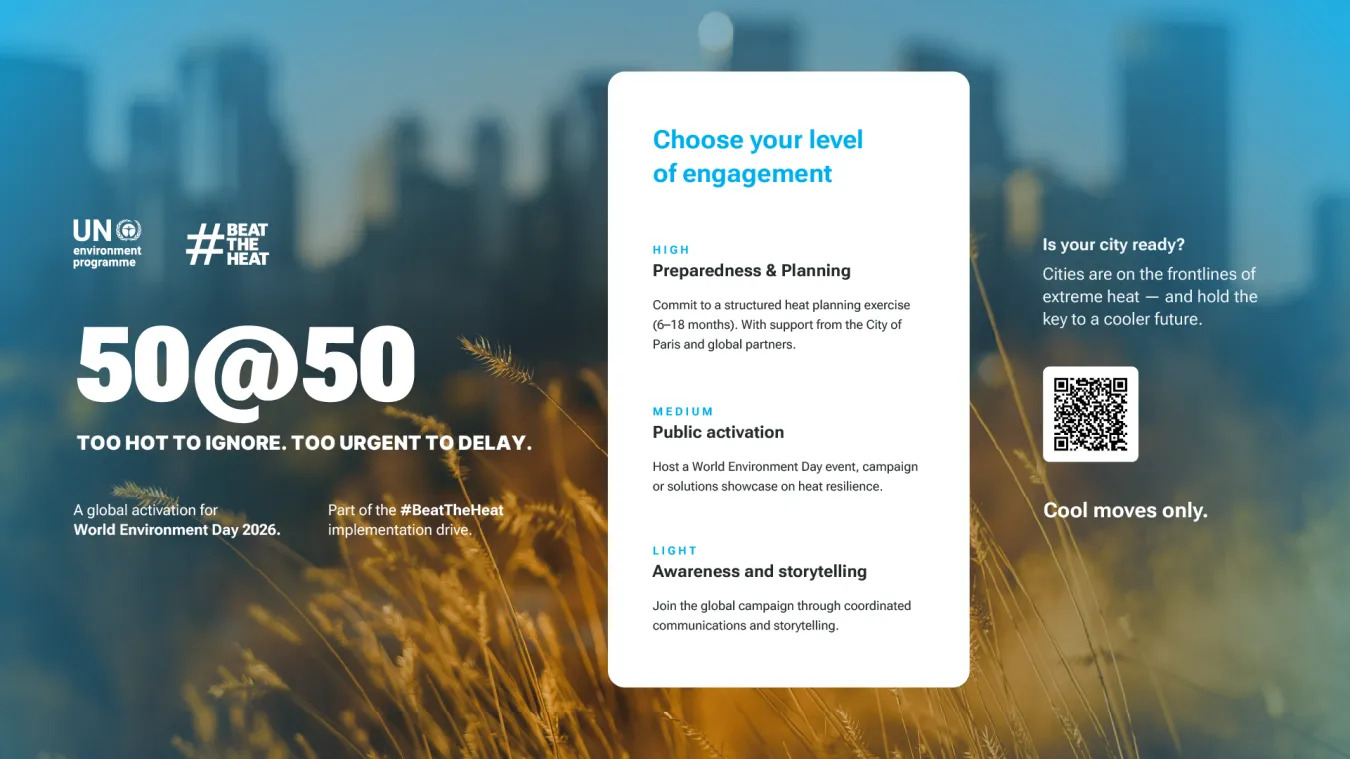
With many urban areas already approaching, or will soon face, 50°C-equivalent conditions that threaten health, infrastructure and daily life, in the context of World Environment Day 2026, UNEP Cool Coalition launched the 50 @ 50 campaign. As a flagship activity of the Beat the Heat Implementation Drive, it will bring together diverse cities and create a high-visibility global moment, showcasing progress, elevating city leadership, and accelerating action. It is designed both for cities already experiencing extreme heat conditions seeking to showcase and strengthen their responses, and for those preparing for rising temperatures aiming to build resilience before such extremes arrive.
Additional resources:
- Ten Essentials for Making Cities Resilient | UNDRR
- City Heat Solutions Calculator | Prevention Web | 13 August 2026
- Managing heat-health risks in warming cities: Governance innovations and gaps from Geneva, Switzerland | Nicole Swaney, Anna Scolobig, Markus Stoffel | Progress in Disaster Science | April 2026
- Charted: How Could Rising Temperatures Affect Your City? | World Resources Institute | 26 March 2026
- Heat resilience starts at the local level | Global Cities Hub | 2 June 2025
- Boiling hot: how cities can beat the growing threat of extreme heat | UNEP | 25 July 2025
- Extreme heat is changing the way we live. This is how | WEF | 25 March 2025
- Rising temperatures, rising tensions: The urban climate-conflict nexus amid the global housing crisis | UN-Habitat | 2025
- Impact of heatwaves on all-cause mortality in India: a comprehensive multi-city study | Environment International | 26 January 2024
- Heat Resilient Cities: Measuring benefits of urban heat adaptation | C40 | March 2021
- Heat wave guide for cities | IFRC | 20 November 2020
UN Secretary-General Call to Action on Extreme Heat
In response to the rapid rise in the scale, intensity, frequency and duration of extreme heat, UN Secretary-General António Guterres on 25 July 2024 called for an urgent and concerted effort to enhance international cooperation. Developed in collaboration with 10 UN agencies, the call aims to address extreme heat in four critical areas: Caring for the vulnerable, protecting workers, boosting resilience of economies and societies using data and science and limiting temperature rise to 1.5°C by phasing out fossil fuels and scaling up investment in renewable energy.

Cooling Efforts
While cooling is an immediate solution to relieve heat stress, ensure food safety, and sustain economic productivity, its impact on emissions is non-negligible: as underscored by UNEP, we cannot just air condition ourselves out of this crisis. Today, cooling accounts for a fifth of global electricity consumption and is a top driver of new power generation capacity. Without urgent action, cooling-related emissions could more than double by 2050, reaching up to 6.1 billion tons of CO₂e and representing over 10% of global emissions. At the same time, around 1.2 billion people still lack access to vital cooling services, impacting vulnerable populations and risking lives through food spoilage and vaccine loss. Delivering sustainable cooling can slash emissions, save trillions in energy costs, and drive progress across the Sustainable Development Goals (SDGs).
To transition to more sustainable and equitable ways to cool down and ensure access to cooling where needed, without further warming the planet, UNEP Cool Coalition, was launched as a flagship initiative of the UN Secretary-General’s Climate Action Summit in 2019. This global platform brings together over 300 governments, businesses, cities, and financial institutions to drive comprehensive action on sustainable cooling and extreme heat. The Coalition advances implementation of the Paris Agreement, the 2030 Agenda, and the Kigali Amendment to the Montreal Protocol by working across three pillars: advocacy, science, and joint action. It champions a holistic approach to cooling and cold chains in both industrialized and developing countries, promoting passive cooling (i.e. cool roofs, nature-based solutions, better building and urban design), improved energy efficiency, and the rapid phase-down of climate-warming refrigerants. The Cool Coalition also serves as the Secretariat to the Global Cooling Pledge.
Other efforts to advance sustainable cooling include:
- Beat the Heat/Mutirão contra o Calor Extremo | COP30 – UNEP Cool Coalition flagship implementation drive
- Global Cooling Pledge for COP28, signed by 71 parties.
- Global Cooling Watch 2025 | UNEP | 11 November 2025
- Global Cooling Watch 2023 | UNEP | 5 December 2023
Heat Action Day
Launched by the IFRC in 2022, Heat Action Day is observed on 2 June to raise awareness and action on extreme heat – an increasingly deadly threat worldwide.
2026 Theme: The particular risks of indoor heat
On 2 June 2026, the 5th edition of Heat Action Day (HAD) will bring communities together worldwide to tackle the growing threat of extreme heat. This year’s theme — indoor heat — puts the spotlight on the health risks people face inside their homes, schools, workplaces, and care facilities. Whether you’re sharing life-saving tips on social media or organizing a community event, there are many ways to get involved and help #BeatTheHeat.
- Cities will light up their public landmarks in orange to mark Heat Action Day
- Red Cross and Red Crescent National Societies and partner organizations create events, skits, plays, games, etc. to demonstrate how to recognize the signs of heat exhaustion and heatstroke in public places, and how to help.
- Engage experts, media, movers and shakers to spread the word about recognizing the signs of, preventing and treating heat exhaustion and heat stroke.
- In advance of Heat Action Day, we are encouraging people around the world to send in cartoons, drawings, paintings, data visualizations related to heat exhaustion and heat stroke. IFRC will create an online project booklet from this to be shared widely.
Role of Geneva
International Actors
Organizations are listed in alphabetical order.
Global Cities Hub – Geneva
The Global Cities Hub is at the forefront of linking Local and Regional Governments and international organizations to address the most pressing challenges faced by urban centers worldwide. Working on critical areas such as environment and climate change, smart city development, protection of human rights, and promotion of urban health, the Global Cities Hub highlights the challenges, solutions and best practices LRGs and cities from across the world take to beat the heat.
Group on Earth Observations | GEO
GEO makes available Earth observations in support of effective policy responses for climate change adaptation, mitigation and other specific provisions, working with partners to enhance global observation systems for climate action. The Global Heat Resilience Service (GHRS) is GEO’s contribution to the UN Secretary-General’s Call to Action on Extreme Heat, aiming to close critical knowledge and action gaps by providing cities with a comprehensive approach to heat resilience. Through standardized methodologies and integrated data services, GHRS helps identify urban “hot spots” and vulnerable populations, accounting for factors such as healthcare access, infrastructure quality, and socioeconomic status. These insights are translated into actionable intelligence through user-friendly digital tools that help cities make the case for action and guide investment decisions. GHRS then supports implementation through policy frameworks and community engagement, ensuring solutions are locally appropriate—particularly vital for low- and middle-income cities.
Impact Initiatives
Impact Initiatives is a leading Geneva-based think-and-do tank that aims to improve the impact of humanitarian, stabilization and development action through data, partnerships and capacity-building programmes. Through its REACH initiative, Impact Initiatives provides granular data, timely information and in-depth analysis from contexts of crisis, disaster and displacement. The work of REACH directly feeds into aid response and decision-making by providing accessible and precise information on the humanitarian situation of crisis-affected populations.
Intergovernmental Panel on Climate Change | IPCC
The IPCC was set up to provide an objective source of scientific information. In its Sixth Assessment Report, the Intergovernmental Panel on Climate Change (IPCC) reported that human-caused climate change has increased the frequency and intensity of heatwaves since the 1950s and additional warming will further increase their frequency and intensity.
International Federation of the Red Cross and Red Crescent Societies | IFRC
The International Federation of the Red Cross and Red Crescent Societies (IFRC) is the world’s largest humanitarian network. As part of its mission to reduce risks and address disasters and health emergencies to meet the needs and improve the lives of vulnerable people, IFRC engages in various campaigns on the risks related to heathwaves. Launched by the IFRC in 2022, Heat Action Day is observed on 2 June to raise awareness and action on extreme heat – an increasingly deadly threat worldwide.
International Institute for Sustainable Development | IISD
IISD is actively involved in the two main responses to climate change: adaptation and mitigation. It partners with countries to help them cope with a changing climate and transition to clean energy as quickly as possible. IISD is engaged to help decision-makers devise policies and programs that will be sustainable over the long-term, including through nature-based solutions.
International Labour Organization | ILO
The International Labour Organization (ILO) is actively addressing heatwaves through international guidelines, research and the promotion of occupational safety and health (OSH) policies to protect workers. This includes analyses of national legislation on heat stress in 21 countries, recommendations for workplace measures during heatwaves, and reports on the impacts of heat stress on labour productivity and decent work.
International Organization on Migration | IOM
The International Organization for Migration (IOM), as the lead convening actor on climate mobility, works across six continents with Member States and partners to address climate-related drivers of displacement, including extreme heat. Since 2007, IOM Member States have mandated the Organization to develop solutions for people on the move in a changing climate, which was formalized in 2015 with the creation of the first UN global team dedicated to climate migration. In response to the escalating climate crisis and the growing role of heatwaves in shaping human mobility, IOM launched its 10-year Institutional Strategy on Migration, Environment and Climate Change (2021–2030). The Strategy integrates heat-related mobility into policy and operational action, with the goal of reducing vulnerability, protecting rights and empowering affected populations. Its implementation is guided by the Climate Mobility Road Map, which promotes people-centered solutions that respect individuals’ freedom to choose whether to stay or migrate. However, the scale of the challenge is significant: new analysis from IOM’s Global Data Institute estimates that up to 2.8 billion people could be exposed to heatwaves by 2090 under a high-warming scenario.
Intergovernmental Panel on Climate Change | IPCC
The Intergovernmental Panel on Climate Change (IPCC) is the United Nations body for assessing the science related to climate change. Through its assessment reports and special reports, the IPCC divulgates objective scientific information on the state of scientific, technical and socio-economic knowledge on climate change, its impacts and future risks, and options for reducing the rate at which climate change is taking place. The Working Group I contribution to the Sixth Assessment Report “Climate Change 2021: The Physical Science Basis” dedicated its eleventh chapter to Weather and Climate Extreme Events in a Changing Climate, establishing that human-induced greenhouse gas emissions have led to an increased frequency and/or intensity of some weather and climate extremes since pre-industrial time, in particular for temperature extremes
International Telecommunication Union | ITU
The International Telecommunication Union (ITU) works on addressing climate change through information and communication technologies (ICTs). Work includes supporting the growth of satellite surveillance and monitoring services from space for, for example, more accurate weather forecasting and prediction of extreme weather events linked to climate change, and particularly for predicting the strength, path and location of landfall of tropical storms. The ITU is a key partner in the United Nations’ Early Warnings for All (EW4All) initiative, focusing specifically on the dissemination and communication of heatwave alerts. As heatwaves become more frequent and severe due to climate change, the ITU works to ensure that by 2027, everyone on Earth is protected by and has access to early warning systems that can reduce potential damage from extreme heat by 30%.
Office of the High Commissioner on Human Rights | OHCHR
The Office of the High Commissioner for Human Rights (OHCHR) and UN human rights officials have addressed heatwaves as a significant threat to human rights. They categorize extreme heat as a “silent killer” that violates rights to life, health, and a healthy environment, particularly for vulnerable populations. Over the past years, the Human Rights Council took on resolutions and discussions on specific aspects of climate change, while Special Rapporteurs contributed with reports on specific thematic angles within their mandates. The Human Rights Council has contributed to raising awareness of the links between human rights and climate change by successive and targeted clarifications of the ways climate change affects human rights, including through the adoption of a series of resolutions related to climate change and human rights.
International Union for Conservation of Nature | IUCN
The IUCN monitors the impacts of climate change on nature and guides the conservation and restoration of ecosystems to help mitigate and adapt to it. More specifically, it has focused on the impact of marine heatwaves and provides key information on how to address this critical issue, due to its severe and long-lasting consequences on marine and human life.
Partnership for Environment and Disaster Risk Reduction | PEDRR
PEDRR is the clearinghouse for knowledge, training, advocacy and practice on Ecosystem-based Disaster Risk Reduction (Eco-DRR). Eco-DRR is the sustainable management, conservation and restoration of ecosystems to reduce disaster risk, with the aim to achieve sustainable and resilient development. Well-managed ecosystems, such as wetlands, forests and coastal systems, act as natural infrastructure, reducing physical exposure to many hazards and increasing socio-economic resilience of people and communities by sustaining local livelihoods and providing essential natural resources such as food, water and building materials.
Platform on Disaster Replacement
Climate refugees are on the increase and the Platform on Disaster Displacement is a State-led initiative that aims to follow up on the work started by the Nansen Initiative and to implement the Nansen Initiative – Agenda for the Protection of Cross-Border Displaced Persons in the Context of Disasters and Climate Change, endorsed by more than 100 States in October 2015.
United Nations Economic Commission for Europe | UNECE
The UNECE region is a major source of greenhouse gas emissions, responsible for 34% of the world’s CO2 emissions from fossil fuel combustion. The people of the region are increasingly feeling the impacts of climate change – from wildfires to flooding, heatwaves and drought. Through its norms, standards, conventions and policy assistance, UNECE provides key tools supporting countries in their climate change mitigation and adaptation efforts.
United Nations Human Settlements Programme | UN-Habitat
The United Nations Human Settlements Programme (UN-Habitat) is mandated by the UN General Assembly to promote socially and environmentally sustainable towns and cities. UN-Habitat advances urban resilience to extreme heat through climate-smart planning, improved housing and infrastructure design, nature-based solutions, and community-led heat action plans, laying the groundwork for cities that are cooler, safer, and more inclusive.
United Nations High Commissioner for Refugees | UNHCR
Refugees, internally displaced and stateless people are on the frontlines of the climate crisis. UNHCR is working to protect them and strengthen their resilience to its current and future impacts, while also reducing our own environmental footprint. In its recent report “No Escape II – The way forward. Bringing climate solutions to the frontlines of conflict and displacement“, UNHCR has alerted that nearly all current refugee settlements will face an unprecedented rise in hazardous heat. By 2050, the hottest fifteen refugee camps in the world – located in Gambia, Eritrea, Ethiopia, Senegal and Mali – are projected to face nearly 200 days or more of hazardous heat stress per year.
United Nations Office for Disaster Risk Reduction | UNDRR
The United Nations Office for Disaster Risk Reduction (UNDRR) is the UN agency engaged in reducing the risks posed by disasters by supporting governments, and decision-makers to adopt better policies and invest in DRR, as well as collect, collate, and share the latest high-quality technical information and data about reducing risk and building resilience more effectively. UNDRR works to strengthen integrated extreme heat risk governance, including through the Extreme Heat Decision-Support Package, developed with the Global Heat Health Information Network, WMO and Duke University’s Heat Policy Innovation Hub. UNDRR also developed the Extreme Heat Risk Management Scorecard to governments on the sub-national and local levels in assessing and strengthening their efforts for heat risk management.
World Intellectual Property Office | WIPO
The World Intellectual Property Organization (WIPO) advances action on heatwaves through WIPO GREEN, a marketplace and database for sustainable technology, which actively promotes solutions for adapting to extreme temperatures. WIPO’s Green Technology Book series also provides information on recent technologies that can aid in tackling some of the most critical environmental challenges of our time. The latest edition looks at solutions for confronting climate disasters, highlighting how innovation is transforming disaster preparedness, response, and recovery. The latter has a dedicated chapter to extreme temperatures, including extreme heat, showcasing how innovative cooling technologies help combat extreme heat through urban and infrastructure solutions.
World Bank Group Geneva Office
The World Bank Group is the biggest multilateral funder of climate investments in developing countries and a global leader in disaster risk management, supporting countries to assess exposure to hazards and address disaster risks.
World Economic Forum | WEF
The World Economic Forum works at the intersection of geopolitics and cooperation, believing that the only viable path forward is to connect leaders across sectors, regions, ideologies and generations to make sense of global challenges and move the world forward together. In 2025, it developed a roadmap, “Insuring Against Extreme Heat:
Navigating Risks in a Warming World” for addressing the impacts and causes of extreme heat is a multifaceted framework with specific objectives.
World Health Organization | WHO
The World Health Organization, as the global health authority, supports countries in building resilient and proactive health systems that can anticipate the needs and challenges during emergencies so that they are more likely to reduce risks and respond effectively when needed, monitor health hazards and impacts of events and provide guidelines. The WHO is actively involved in mitigating the health risks of heatwaves through guidance, policy, and partnerships. WHO also collaborates with other UN agencies and other international experts to work together for a world where extreme heat is no barrier to lives and livelihoods. This includes the Global Heat Health Information Network, co-led with the World Meteorological Organization.
World Meteorological Organization | WMO
The World Meteorological Organization (WMO) promotes international cooperation to improve the monitoring, characterization and sharing of heatwave information, including the verification of record-breaking temperatures. Working closely with its National Meteorological and Hydrological Services (NMHS), WMO strengthens heatwave prediction capabilities and supports the modernization of early warning systems for extreme heat. These efforts enable countries to coordinate heat action plans and translate warnings into effective action at the community level.
In collaboration with the World Health Organization (WHO), WMO has developed heat–health warning guidance (WMO-No.1142), providing practical tools to address the health impacts of extreme heat and heatwaves. WMO also co-sponsors the Global Heat Health Information Network, which serves as a key platform for partnership, knowledge exchange and user-driven collaboration on heat-related risks. More information on the WMO’s work related to heatwaves can be found here.
Local Geneva
actif-trafiC
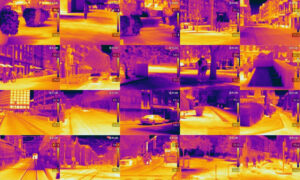
actif-trafiC is an independent association supported by nearly 65,000 people and committed to promoting sustainable mobility. During the heatwave of July 2022, actif-trafiC carried out surface temperature measurements at several locations and observed the vital importance of vegetation in cooling the city, as called for by the Urban Climate initiatives launched in several Swiss cities.
Canton of Geneva
The canton of Geneva has a dedicated webpage providing recommendations for heatwave situations. The information is intended for professionals and municipalities, and includes contact details for the Cantonal Medical Service, as well as campaign materials for informing the general public.
Climate Action Accelerator
Climate Action Accelerator is a not-for-profit initiative that aims to mobilise a critical mass of common good organisations to scale-up climate solutions, empowering them to radically transform their practices and contribute to tipping entire sectors of society towards low-carbon, resilient and sustainable models.
City of Geneva
The City of Geneva is active in protecting its population from extreme climate events, especially heatwaves. Since 2014, the heatwave plans (Plans Canicule) offer various measures to protect the most vulnerable to extreme temperatures in summer, namely refreshing areas, shaded refuges from heat islands, free swimming pools, and more.
Additional Resources
- Global Heath Health Information Network
- Extreme Heat Portal
- Extreme Heat Risk Management Scorecard | UNDRR
- Extreme Heat Decision-Support Package | Global Heath Health Information Network, WMO, UNDRR, Duke University
- Heatwaves | WHO
- Wildfires and extreme heat show climate change is now Europe’s biggest security threat | Chatham House | 18 August 2026
- Record-breaking heat and extreme weather continue | WMO | 12 August 2026
- How heatwaves are reshaping Switzerland’s glaciers | Euronews | 8 August 2026
- Switzerland’s new energy challenge: keeping cool in a warming climate | Swissinfo | 30 July 2026
- 5 764 décès en excès en France durant la période de canicule du 17 juin au 2 juillet | Santé publique France | 22 July 2026
- Too hot to work, too poor to rest: health and economic impacts of heat stress on informal workers in urban India | IIED | July 2026
- As Summers Get Hotter, the Buildings Sector Has More Tools Than the Air Conditioner | UNEP Global Alliance for Buildings and Construction | 14 July 2026
- Peak heat in Europe just broke historic 1970s records | UN News | 9 July 2026
- Ocean warming, marine heatwaves and sea-level rise pose increasing risk in South-West Pacific region | WMO | 7 July 2026
- El Niño is forecast to intensify, increasing likelihood of extreme weather | WMO | 3 July 2026
WMO’s monthly WMO Global Seasonal Climate Update indicates a rapid development into a strong El Niño event during July–September 2026. - Copernicus Marine and Copernicus Climate Change: Daily global sea surface temperatures break records for the time of year | Copernicus Services | 1 July 2026
- Vague de chaleur d’une ampleur historique | MétéoSuisse-Blog | 30 June 2026
- Record-breaking heat spreads through Europe | WMO | 29 June 2026
- Climate change has caused one-fifth of Pine Island glacier retreat | Carbon Brief | 29 June 2026
- Rethinking how buildings can adapt to extreme heat | UNDRR | 8 May 2026
- The hidden links between heat, water, and energy | UNDRR | 8 May 2026
- Three billion urban residents can avoid unprecedented future heat | Hamish Lewis & Luke Harrington | Climate Change | 18 April 2026
- Extreme heat and agriculture – FAO–WMO joint report | FAO – WMO | April 2026
- Extreme Heat Risk Governance Framework and Toolkit | Global Heath Health Information Network, WMO, UNDRR, Duke University | 2025
- Heat, air pollution and solar ultraviolet radiation: mass gathering-specific considerations and research gaps | WHO | 25 December 2025
- UNHCR report reveals extreme weather driving repeated displacement among conflict-affected communities | UNHCR | 10 November 2025
- Extreme heat can raise newborn death risk by 22 percent | Vox.com | 13 August 2025
- Extreme heat impacts millions of people | WMO | 7 August 2025
- Heatwaves and wildfires coincide with anniversary of Call to Action on Extreme Heat | WMO | 28 July 2025
- Heat waves put older persons at high risk, warns UN report | UNEP | 10 July 2025
- ARTE Europe Weekly : How heatwaves expose inequality | UNIGE | 9 July 2025
- Climate change tripled heat-related deaths in early summer European heatwave | Imperial College Grantham Institute – Climate Change and the Environment | 2 July 2025
- Extreme weather in a changing climate: Is Europe prepared? | European Environment Agency | 2 July 2025
- Northern hemisphere heatwave underscores value of early-warning alerts | UN News | 1 July 2025
- Heat: Through the eyes of the most vulnerable-Perceptions and pathways to action | IFRC and Red Cross Red Crescent Climate Centre | 1 June 2025
- Frontiers 2025: The Weight of Time – Facing a new age of challenges for people and ecosystems | UNEP | 10 July 2025
- The silent killer: We need better risk governance to beat extreme heat | GP 2025 | UNDRR | 11 June 2025
- The multidimensional impacts of heatwaves on human ecosystems: A systematic literature review and future research direction | Matthew Abunyewah, Thayaparan Gajendran, Michael Odei Erdiaw-Kwasie et al | Environmental Science & Policy | March 2025
- COP29 Special Report on Climate Change and Health | WHO | 7 November 2024
- Lancet Countdown on health and climate change: facing record-breaking threats from delayed action | Lancet | 29 October 2024
- Up to 2.8 Billion People Possibly Exposed to Heatwaves Worldwide by 2090: New IOM Analysis | IOM | 5 December 2023
- Launch of global indicator of outdoor workers in the Lancet Countdown on Health and Climate Change | WHO | 16 November 2023
- Climate change and heatwaves | WMO | 21 September 2023
- Change in cooling degree days with global mean temperature rise increasing from 1.5 °C to 2.0 °C
| Nicole D. Miranda, Jesus Lizana, Sarah N. Sparrow et al. | Nature Sustainability | 13 July 2023 - Heat-related mortality in Europe during the summer of 2022 | Nature Medicine | 10 July 2023
- WMO Bulletin: heatwaves worsen air quality and pollution | WMO | 6 September 2023
- Extreme heat: Preparing for the heat waves of the future | OCHA and IFRC | 10 October 2022
- Protecting People from Extreme Heat | 10 Steps for Governments to Address Human Rights Impact of Climate Crisis | 21 July 2022
- Hot weather and heat extremes: health risks | The Lancet | August 2021
- Western North American extreme heat virtually impossible without human-caused climate change | World Weather Attribution | 7 July 2021
- Rapid attribution analysis of the extraordinary heatwave on the Pacific Coast of the US and Canada June 2021 | Sjoukje Y. Philip, Sarah F. Kew, Geert Jan van Oldenborgh et al. | 2021
- Extreme Heat and Migration | IOM | 2017
- Attributing human mortality during extreme heat waves to anthropogenic climate change | Mitchell, Heaviside, Vardoulakis et al. | Environment Research Letters | 8 July 2016