
Event Virtual
Advancing Human Rights through the Global Plastics Treaty | Geneva Beat Plastic Pollution Dialogues
29 Jul 2025
14:00 – 15:30
Venue: Online | Webex
Organization: Office of the High Commissioner for Human Rights, Special Procedures of the UN Human Rights Council, Center for International Environmental Law, International Indigenous Peoples' Forum on Plastics, Children and Youth Major Group to UNEP, Earthjustice, Geneva Environment Network
In the lead-up to the resumed fifth session of the Intergovernmental Negotiating Committee (INC-5.2) in Geneva, this panel explored the urgent need to align the future Global Plastics Treaty with the existing human rights framework, as a matter of States’ obligations to respect, protect and fulfil human rights, and as a matter of policy coherence and effectiveness. This event is organized within the framework of the Geneva Beat Plastic Pollution Dialogues.

About this Event
The catastrophic impacts of unsustainable, unprincipled plastic production are undeniable, and they threaten our shared future. Plastic pollution touches every ecosystem on our planet. Current patterns of plastic production, use, and disposal are causing a global human rights crisis with deadly impacts on human health and the environment.
The full life cycle of plastics adversely impacts a wide range of human rights, including the rights to life, health, food, water, science, a healthy environment, access to information, public participation and access to justice. These harms disproportionately affect populations in vulnerable situations, including children and youth, women, Indigenous Peoples, persons with disabilities, coastal communities, people living in extreme poverty, neighbouring communities affected by plastic production, incineration and recycling facilities, and workers at heightened risk of occupational exposure, including waste-pickers.
In the lead-up to the resumed fifth session of the Intergovernmental Negotiating Committee (INC-5.2) in Geneva, this panel explored the urgent need to align the future Global Plastics Treaty with the existing human rights framework, as a matter of States’ obligations to respect, protect and fulfil human rights, and as a matter of policy coherence and effectiveness.
Geneva Beat Plastic Pollution Dialogues
The world is facing a plastic crisis, the status quo is not an option. Plastic pollution is a serious issue of global concern which requires an urgent and international response involving all relevant actors at different levels. Many initiatives, projects and governance responses and options have been developed to tackle this major environmental problem, but we are still unable to cope with the amount of plastic we generate. In addition, there is a lack of coordination which can better lead to a more effective and efficient response.
Various actors in Geneva are engaged in rethinking the way we manufacture, use, trade and manage plastics. The Geneva Beat Plastic Pollution Dialogues aim at outreaching and creating synergies among these actors, highlighting efforts made by intergovernmental organizations, governments, businesses, the scientific community, civil society and individuals in the hope of informing and creating synergies and coordinated actions. The dialogues highlight what the different stakeholders in Geneva and beyond have achieved at all levels, present the latest research and governance options.
Following the landmark resolution adopted at UNEA-5 to end plastic pollution and building on the outcomes of the first two series, the third series of dialogues will encourage increased engagement of the Geneva community with future negotiations on the matter.

Speakers
By order of intervention.
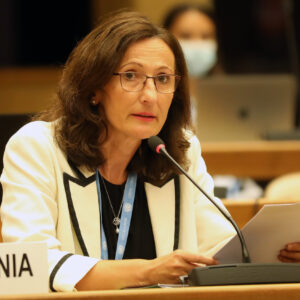
H.E. Amb. Anita PIPAN
Permanent Representative of the Republic of Slovenia to the United Nations Office and other international organizations in Geneva

H.E. Amb. Ian FRY
Ambassador for Climate Change and Environment, Ministry of Home Affairs, Climate Change and Environment, Tuvalu

Valentina SIERRA
Second Secretary, Directorate of Environment, Ministry of Foreign Affairs, Uruguay

Alexandra HARRINGTON
Chair, Plastic Pollution Task Force, IUCN WCEL

Marcos ORELLANA
UN Special Rapporteur on toxics and human rights

Pamela MILLER
Executive Director, Alaska Community Action on Toxics and Co-Chair, IPEN

Shiv SRIVASTAVA
Policy Director, Fenceline Watch
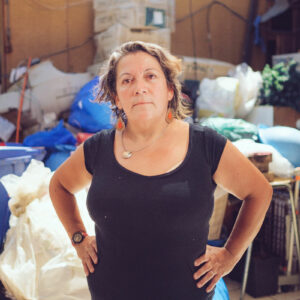
Soledad MELLA
President, Chilean National Association of Recyclers/ Spokesperson, International Alliance of Waste Pickers for the Plastics Treaty

Jacob KEAN-HAMMERSON
Global Policy Lead, Plastic Free Future, Greenpeace USA
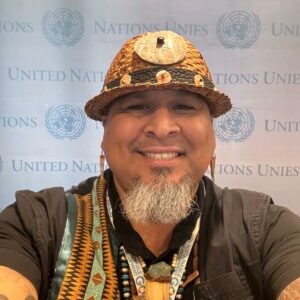
Frankie ORONA
Executive Director, Society of Native Nations | Co-Facilitator for the UNEP Indigenous Peoples Major Group & OHCHR Indigenous Fellow

Bethanie CARNEY ALMROTH
Professor at Gothenburg University | Scientists’ Coalition for an Effective Plastics Treaty

Dharmesh SHAH
Consulting Senior Campaigner, Center for International Environmental Law

Clive DONNLEY
Global Coordinator, Children and Youth Major Group to UNEP (CYMG)

Yves LADOR
Representative of Earthjustice to the United Nations in Geneva

Ana Paula DE SOUZA
Human Rights Officer, UN Office of the High Commissioner for Human Rights | Moderator
Highlights
Video
Summary
Welcome and Introduction
Ana Paula Souza | Human Rights Officer, UN Office of the High Commissioner for Human Rights
- INC 5.2 will be the first environmental negotiations following the historic ICJ opinion on climate change.
- The highest Court’s findings have significant implications for INC 5.2, as plastics are made almost exclusively from fossil fuels. Plastic production is inextricably linked to greenhouse gas emissions.
- Additionally, the Court also upheld human rights law and confirmed the right to healthy, clean, and sustainable environment.
- In this panel, many perspectives elaborate on the relationship between INC 5.2 and states obligations to protect and fulfill human rights.
States Perspectives
H.E. Amb. Anita Pipan | Permanent Representative of the Republic of Slovenia to the United Nations Office and other international organizations in Geneva
- We are at a defining moment that demands bold, united, and principled action to address the plastics crisis through a human rights lens.
- Plastic production is set to triple by 2060, driving fossil fuel demand and contributing to 4.5% of global GHG emissions, with over 4,000 toxic chemicals linked to severe health risks and human rights violations throughout the plastic lifecycle.
- The UN Human Rights Council recently adopted a resolution explicitly linking plastic pollution to human rights, emphasizing microplastic impacts on access to clean water and the need for lifecycle regulation.
- The International Court of Justice issued a historic Advisory Opinion affirming that a clean, healthy, and sustainable environment is a precondition for the enjoyment of all other human rights.
- Slovenia actively contributed to the ICJ case, highlighting the interdependence between environmental protection and rights to life and health, and stressing states’ duty of due diligence and international cooperation.
- The ICJ confirmed that states have legal obligations to prevent environmental harm under environmental treaties, human rights law, and customary international law.
- Slovenia urges that the plastics treaty explicitly include human rights language and core principles such as transparency, accountability, prevention, and equity.
- Despite differing national contexts, Slovenia calls for global cooperation and urges action aligned with the ICJ Opinion in upcoming climate and plastics negotiations, aiming for a treaty that is legally sound, morally just, and rooted in shared human dignity.
H.E. Amb. Ian Fry |Ambassador for Climate Change and Environment, Ministry of Home Affairs, Climate Change and Environment, Tuvalu
- It is still to be determined whether the full lifecycle of plastics will be included in the treaty, as per how the current Chair’s text was treated during the heads of delegation meeting in Nairobi.
- A key challenge from the heads of delegation meeting was whether the Chair’s text will serve as a framework for future negotiations.
- There is a crucial reference to human rights in Option 2 of the text, while Option 3 includes the right to development.
- Some countries are attempting to selectively apply elements from the Rio Declaration.
- Article 3, addressing plastics that pose risks to human health, is one of the most complex and controversial sections. The Russian Federation opposed references to human health in Article 3. Article 4 serves as an exemption clause to Article 3, and is considered necessary for the agreement. There is overall broad support for Article 3, which is viewed as a central part of the treaty.
- Small Island Developing States (SIDS) are advocating to ensure that the rights of Indigenous Peoples are standardized in the text. SIDS are pushing for the inclusion of a remediation mechanism in the treaty.
- Article 7, which addresses plastic releases and leakages, is directly linked to the right to a healthy environment.
- Respect for the rights of workers is acknowledged as a key human rights issue, but this language is being challenged, particularly by the Russian Federation.
- Article 10, on just transition, is considered important; there has not been much debate, but there is some pushback around including waste pickers.
- Discussions on financial mechanisms include recognition of the specific circumstances of some developing countries, and there is interest in preserving that language.
- Article 17 addresses information exchange and the right to information, which is seen as a critical component of the treaty.
- Article 18 includes references to public and Indigenous knowledge.
- There is concern over language that refers only to the “potential” health impacts of plastics, instead of acknowledging their definite harmful effects.
- Diplomatic communications from the United States indicate they favor a minimal treaty and may not commit to ratification.
- There is hope for continued progress toward a full lifecycle treaty, although it is recognized that the process ahead will be long.
Valentina Sierra | Second Secretary, Directorate of Environment, Ministry of Foreign Affairs, Uruguay
- This event is timely, taking place one week before the INC meeting and following the ICJ advisory opinion. The ICJ affirmed that human rights are part of the most relevant legal framework concerning states’ responsibilities on climate change.
- The world is facing a triple planetary crisis with interconnected elements. A science-policy panel to contribute to the sound management of chemicals and waste and to prevent pollution was established last month in Punta del Este, but efforts still need to be accelerated.
- There is hope that next week’s negotiations will demonstrate the value of multilateralism. Particular attention must be given to groups in vulnerable situations. It is essential to deliver this treaty on behalf of the world’s citizens. States already have existing international legal obligations related to this issue.
- Ensuring procedural rights, including the right to participation, is necessary. There is a need to secure support from countries to ensure that the treaty’s preamble and principles recognize human rights and translate that recognition into concrete mechanisms, including the creation of a fund.
Framing the Discussion
Alexandra Harrington | Chair, Plastic Pollution Task Force, World Commissioner on Environmental Law of the International Union for Conservation of Nature (IUCN WCEL)
- To begin, a reminder of how the process leading to the treaty negotiations began. This moment marks the potential conclusion of a three-year process that started in 2022 in Punta del Este. Throughout this process, human rights have become increasingly central to the treaty discussions.
- At INC-1, many countries and civil society organizations stated that human rights would not be a central element. Despite this, human rights have come to play a significant role in the architectural elements of the treaty.
- The current Chair’s text includes human rights in several ways, even though section headings have changed.
- Control measures—such as reporting obligations and voluntary mechanisms aimed at regulating state conduct—still maintain a strong connection to human rights.
- There is potential for human rights intersections with areas such as the powers of the Conference of the Parties (COP), subsidiary bodies, and the use of annexes.
Marcos Orellana | UN Special Rapporteur on toxics and human rights
- Human rights have been raised with increasing strength throughout the process, but there is still much work to be done. The original UNEA resolution already included human rights implicitly, particularly through its call to address root causes across the full lifecycle of plastics. An increasing number of delegations are highlighting the importance of integrating human rights into the treaty.
- An open letter from the SR’s mandate identified concrete proposals, including: 1) Explicit language in the preamble referencing the right to a healthy environment, among other rights, and clear language in the treaty’s objective; 2) Alignment with human rights principles such as prevention, precaution, and adequate control of chemicals of concern.
- Some of these elements are appearing in the current negotiating draft, but further progress is still necessary.
- The recent ICJ decision is critically relevant in three ways: 1) While focused on climate change, the decision also addresses environmental issues more broadly; 2) As the UN’s principal judicial organ, the ICJ reinforces key pillars of the international legal order; 3) By analogy, the ICJ’s reasoning clearly applies to plastic pollution, which affects human rights, including the realization of the right to a healthy environment.
Panel Discussion
Pamela Miller | Executive Director, Alaska Community Action on Toxics and Co-Chair, International Pollutants Environment Network (IPEN)
- IPEN is a global network of 676 civil society organizations, primarily based in the Global South, and also conducts research on endocrine disruption in the Arctic. They call for a health-protective treaty that drastically reduces plastic production and eliminates harm from toxic plastic chemicals.
- The Chair’s text from INC-5 remains influenced by disinformation, bracketed text, and pressure from countries representing the vested interests of fossil fuel and plastics industries.
- Children are now born already exposed to plastics, which increases risks of cancer and reproductive harm. Microplastics are transferred from mother to child during pregnancy, affecting the baby while still in the womb.
- Article 3 is a crucial component, essential for meeting the treaty’s objectives. To protect human health, the treaty must aim to eliminate hazardous chemicals.
- A total of 4,200 chemicals of concern have been identified, many of which persist in the environment and do not break down. A grouping approach should be adopted to eliminate entire classes of substances with similar hazardous properties. Particular attention must be paid to chemicals not currently addressed by the Stockholm and other conventions. Additional harmful plastic chemicals also need to be targeted for elimination.
- The integrity of the treaty must not be compromised to protect the profit-driven interests of corporations. There is a need to prioritize the protection of the most vulnerable populations.
Shiv Srivastava | Policy Director, Fenceline Watch
- Fenceline is an organization committed to eradicating the harms experienced by communities living at the fenceline of petrochemical facilities.
- The expansion of petrochemical production is being driven by increased plastic production. In Gulf Coast communities living near plastic production sites, chemical disasters are expected and common. In the past year alone, there have been three major chemical disasters—explosions, leaks, and releases—that have emitted carcinogens. These disasters are worsened by the ongoing triple planetary crisis.
- Reference is made to Special Rapporteur Astrid Puentes’ report, which identifies clean air, a safe climate, and non-toxic environments as essential to implementing the right to a healthy environment.
- Houston has never been in compliance with environmental standards. In the United States, environmental regulations are being rapidly rolled back, and a key investigative board is now at risk of permanent closure.
- Those who have contributed the least to the crisis, including Small Island Developing States (SIDS), are suffering the most.
- While the examples provided are specific to one fenceline community, the harms are experienced throughout every stage of the plastic lifecycle. It is imperative to achieve harmonization between Article 7 and human rights frameworks, particularly through a review of frameworks related to the right to a healthy environment.
Soledad Mella | President, Chilean National Association of Recyclers, and International Waste Pickers Alliance
- The International Alliance of Waste Pickers emphasizes that a just transition must include adequate financing, as enshrined in the principle of leaving no one behind.
- They stress the need for financing mechanisms that provide secure and sustainable resources directly to waste picker organizations, Indigenous peoples, and affected communities.
- In Latin America, there are already existing capacities to manage such resources effectively, which have strengthened their work and responsiveness.
- Waste pickers describe themselves as the last line of defense against plastic pollution but the first to take responsibility for addressing it.
- They call for transparent funding under the treaty, with clear criteria adapted to each country’s context.
- Waste pickers’ work creates a triple impact—social, economic, and environmental—by generating employment for millions worldwide.
- Financing must recognize the value of their work, including fair compensation for waste collection.
- If a global agreement on the plastics treaty is reached, waste pickers commit to continuing their recycling work as they have for over 30 years.
- They urgently call for reducing plastic use and for transparency regarding harmful chemicals that affect human health.
- They reject false solutions like plastic incineration and demand the construction of pretreatment facilities that enable a just transition.
- The closure of landfills must result in new employment opportunities for those currently working in dumps.
- Waste pickers play a crucial role in managing plastic and other waste, and they advocate for systems of monitoring, traceability, and triple impact indicators in the treaty framework.
- They want to demonstrate how their work has had a measurable and real impact in several countries in their region.
Jacob Kean-Hammerson | Global Policy Lead, Plastic Free Future, Greenpeace USA
- There is a critical need for a treaty that incorporates human rights across the full lifecycle of plastics. Article 11 addresses the financial mechanism of the treaty.
- Financing must be equitable and must not create debt burdens for countries. It is important to include human rights-based safeguards in the financial mechanism.
- Human rights should be embedded in the implementation of all treaty articles. The treaty should provide for technical assistance and capacity building.
- Domestic consultations must be included, especially involving those who will be most affected. Transparency and accountability in decision-making are essential.
- To effectively reverse the plastic crisis, financing should follow a polluter pays approach. A conflict of interest mechanism is needed to ensure a firewall exists between polluters and treaty implementation.
- There is a need for a treaty that is not only principled but also functional.
Frankie Orona | Executive Director, Society of Native Nations, Co-Facilitator for the UNEP Indigenous Peoples Major Group and a member of the Indigenous Peoples Caucus
- Indigenous Peoples and frontline communities bear a disproportionate burden of the plastics crisis. We are currently at a critical juncture in addressing this issue. The plastics crisis is not only an environmental issue, but also a human rights crisis.
- These communities are exposed to compounding harms and violence, leading to violations of multiple human rights. The future of the next generation is under serious threat.
- Indigenous Peoples are not merely stakeholders but also right holders, and their meaningful participation must be embedded in the treaty process. The treaty must be grounded in human rights and center the needs of vulnerable communities.
- Robust protections are needed for environmental human rights defenders, especially those resisting petrochemical expansion at its source.
- The assertion was made that there is no such thing as safer plastics, just as there is no such thing as safer cancer. Even the womb—once the safest place—is now contaminated, prompting a need to fundamentally rethink our approach.
- The final treaty must be not only legally binding but also morally just.
Bethanie Carney Almroth | Professor at Gothenburg University, and member of the Scientists’ Coalition for an Effective Plastics Treaty
- A scientist’s perspective emphasizes integrating human rights into global plastics governance, focusing on the right to science. Scientific evidence documents the harms of plastics throughout their life cycle and informs effective solutions and mitigation strategies.
- The right to science is enshrined in Article 27 of the Universal Declaration of Human Rights and Article 15(1)(b) of the International Covenant on Economic, Social and Cultural Rights. This right guarantees everyone the ability to participate in science, to access and benefit from scientific progress, and to be protected from harmful scientific practices. The right to science should guide the design and implementation of global solutions in the Global Plastics Treaty to enhance environmental protection and social justice.
- Vested interests, particularly from the plastics and chemical industries, undermine evidence-based policymaking through denial, delay, misinformation, and harassment of scientists. Scientific evidence has often been sidelined in multilateral environmental agreements due to lobbying, misinformation campaigns, and lack of transparency.
- Critical health and environmental evidence on issues such as microplastics, toxic chemicals, and lifecycle impacts is often ignored or undermined. Transparency must be guaranteed by ensuring that scientific data used in treaty decision-making is accessible, peer-reviewed, and free from conflicts of interest.
- Diverse knowledge systems, including Indigenous knowledge, must be recognized as valid and necessary scientific contributions. Affected communities must have meaningful participation in interpreting and applying scientific knowledge.
- Academic freedom and public research funding must be secured so that independent scientists, rather than corporate actors, shape understanding and solutions.
- Treaty mechanisms—including standards and criteria, scientific bodies, monitoring protocols, and implementation reviews—should be designed to uphold the right to science. Upholding the right to science in the treaty strengthens public trust, empowers marginalized voices, and accelerates evidence-based actions.
- The right to science is a legal obligation and should be embedded in the Global Plastics Treaty as a commitment to evidence, justice, and environmental sustainability. Embedding the right to science ensures the treaty is effective in protecting the planet and future generations.
Dharmesh Shah | Consulting Senior Campaigner, Center for International Environmental Law (CIEL)
- Transparency is a key theme and essential to the treaty’s success. Without the right to information and full transparency, the treaty will fail to protect human rights.
- The work is grounded in engagement with fenceline communities and people in the informal sector, addressing pollution as a lived reality rather than an abstract threat.
- Traceability is fundamental to informed decision-making at every stage of the plastics lifecycle. Parties are urged to strengthen Article 3.8 bis to ensure traceability across the entire value chain.
- A list of chemicals and polymers of concern must be created and maintained as a living instrument.
- A global digital product passport system should be established with harmonized criteria to reduce burdens on low- and middle-income countries.
- Civil society organizations must have a seat at the table, and conflict of interest safeguards are needed.
- Amendments should require chemical safety and reuse systems that are grounded in chemical transparency.
- Transparency and traceability are not merely technical matters; they are issues of power and justice. As long as industry controls the data and the public bears the risk, there is a fundamental imbalance. Without transparency, there can be no trust, safety, or justice.
Clive Donnley | Global Coordinator, Children and Youth Major Group to UNEP (CYMG)
- This is a once-in-a-lifetime opportunity to create a legally binding instrument. The right to participation must be explicitly enshrined in the treaty.
- Reference is made to UNEA 5.2, highlighting the value of cross-cutting participation.
- The treaty should align with the right to participation and include mechanisms to operationalize commitments, not just state them.
- Principle 10 of the Rio Declaration already affirms shared access to environmental decision-making. These principles have been codified in instruments such as the Aarhus and Escazú Agreements.
- The treaty must include inclusive consultations, especially with marginalized groups. Provisions ensuring transparency are necessary.
- The treaty must recognize differentiated knowledge systems, particularly those of Indigenous Peoples and local communities. These knowledge systems should be incorporated into the treaty through responsive and equitable solution design.
- Civil society must be adequately included in treaty processes, following models such as the Aarhus Convention.
Yves Lador | Representative of Earthjustice to the United Nations in Geneva
- The final pillar of procedural rights is access to justice. Justice mechanisms already exist at domestic and regional levels, but current access to justice remains inadequate. The treaty must enshrine access to justice to protect people’s rights effectively.
- This is not a matter of creating new obligations; the treaty should align with existing international legal obligations. It should not introduce complexities or barriers, but instead promote coherence with international law.
- The ICJ advisory opinion clearly affirmed the duty of states to fulfill their regulatory and accountability obligations. UNOHCHR and Human Rights Council guiding principles on business and transnational cooperation provide relevant support. Existing international human rights law obligations, including those set out by Human Rights Council resolutions, treaty bodies, Special Rapporteurs, and the UNOHCHR, must be utilized. The advisory committee of the Human Rights Council is also contributing ongoing work that can inform the treaty. Instruments like the Aarhus and Escazú Agreements already establish the three pillars: access to information, participation, and justice.
- Article 1 of the draft treaty includes references to the obligation of states to “do no harm.”
- There will be no just transition without clear and enforceable access to justice.
Closing
Marcos Orellana, UN Special Rapporteur on toxics and human rights
- It is often said that the UN feels distant from real people, but this treaty presents an opportunity for the UN to connect with the lived experiences of people on the ground.
- While a minimalist agreement may be designed to evolve over time as a living instrument, this should not replace the need for strong and robust treaty provisions from the outset.
- When on a country visit to the Dominican Republic, a 13-year-old girl was trapped in a drain for over eight hours due to plastics clogging the system, but eventually rescued. This story serves as a microcosm of the broader crisis humanity faces with plastic pollution.