Event Conference
Briefing on the 81st Meeting of the CITES Standing Committee | SC81

08 Oct 2026
10:00 – 11:30
Venue: International Environment House I & Online | Webex
Organization: Convention on International Trade in Endangered Species of Wild Fauna and Flora, Geneva Environment Network
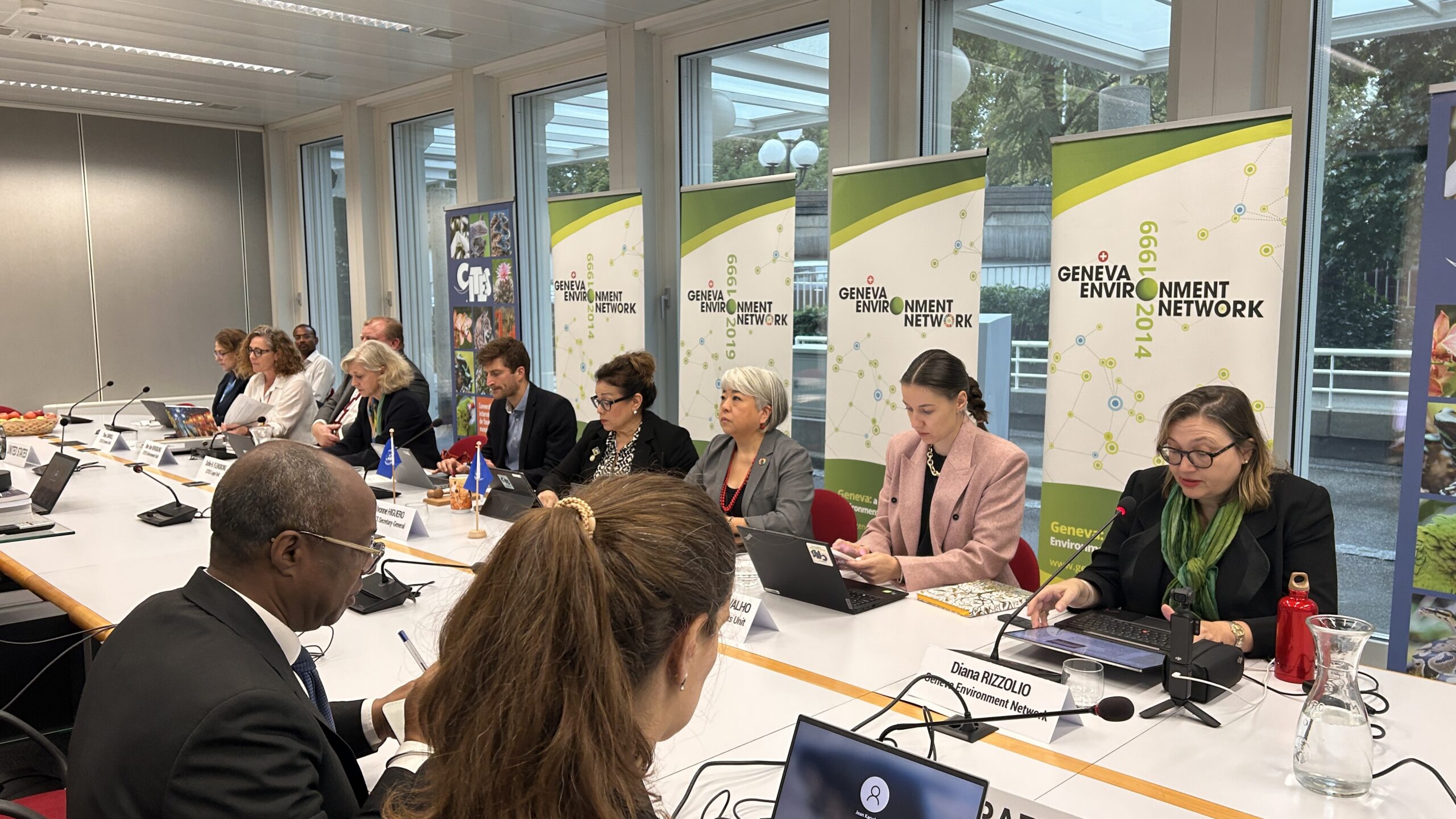
This briefing focused on the preparations of the upcoming 81st Standing Committee meeting of the Convention on International Trade in Endangered Species of Wild Fauna and Flora, that will convene in Geneva, from 2 to 6 November 2026.

About this Event
The Convention on International Trade in Endangered Species of Wild Fauna and Flora (CITES) entered into force on 1 July 1975. With 185 Parties (184 countries + the European Union), it remains one of the world’s most powerful tools for wildlife conservation through the regulation of international trade in over 41,000 species of wild animals and plants, which are used by people around the world in their daily lives for food, health care, furniture, housing, tourist souvenirs, cosmetics or fashion. CITES contributes to both national economies and the livelihoods of the communities that live closest to wild species. Through robust scientific assessment, legal compliance, and enforcement action, CITES Parties work to ensure that all international wildlife is sustainable, legal and traceable, in support of the CITES Strategic Vision 2021-2030, the goals and targets of the Kunming-Montreal Global Biodiversity Framework and United Nations Sustainable Development Goals.
The CITES Standing Committee is the governing body that plays an important role in steering the work and performance of the Convention in the periods between the meetings of the Conference of the Parties to CITES (World Wildlife Conference). The Committee is tasked with providing policy and general operational guidance on the Convention’s implementation and enforcement and to oversee the implementation of the decisions and resolutions adopted at the 20th World Wildlife Conference (CITES CoP20 in Samarkand, Uzbekistan, 2025). It will also consider recommendations from the CITES Animals Committee and Plants Committee (the two CITES Scientific Committees) on the conservation and trade of amphibians, jaguars, lions, edible tuberous orchids, Brazilwood, elephants, and other species.
The 81st Standing Committee meeting of CITES (SC81) will address compliance matters, including the application of Article XIII, trade in captive-bred specimens, National Ivory Action Plans (NIAPs). It will address illegal trade and enforcement matters, including tortoises and great apes, as well as wildlife crime linked to the Internet. The Committee will discuss regulatory matters, such as electronic CITES permitting systems (eCITES), Introduction from the Sea, Legal Acquisition Findings and traceability systems for tree species. Other agenda items include strategic matters, such as enhancing the work and efficiency of the Convention, capacity-building, CITES and people, and the conservation and trade of big cats, elephants, sharks and rays, seahorses and Brazilwood.
Speakers
By order of intervention.

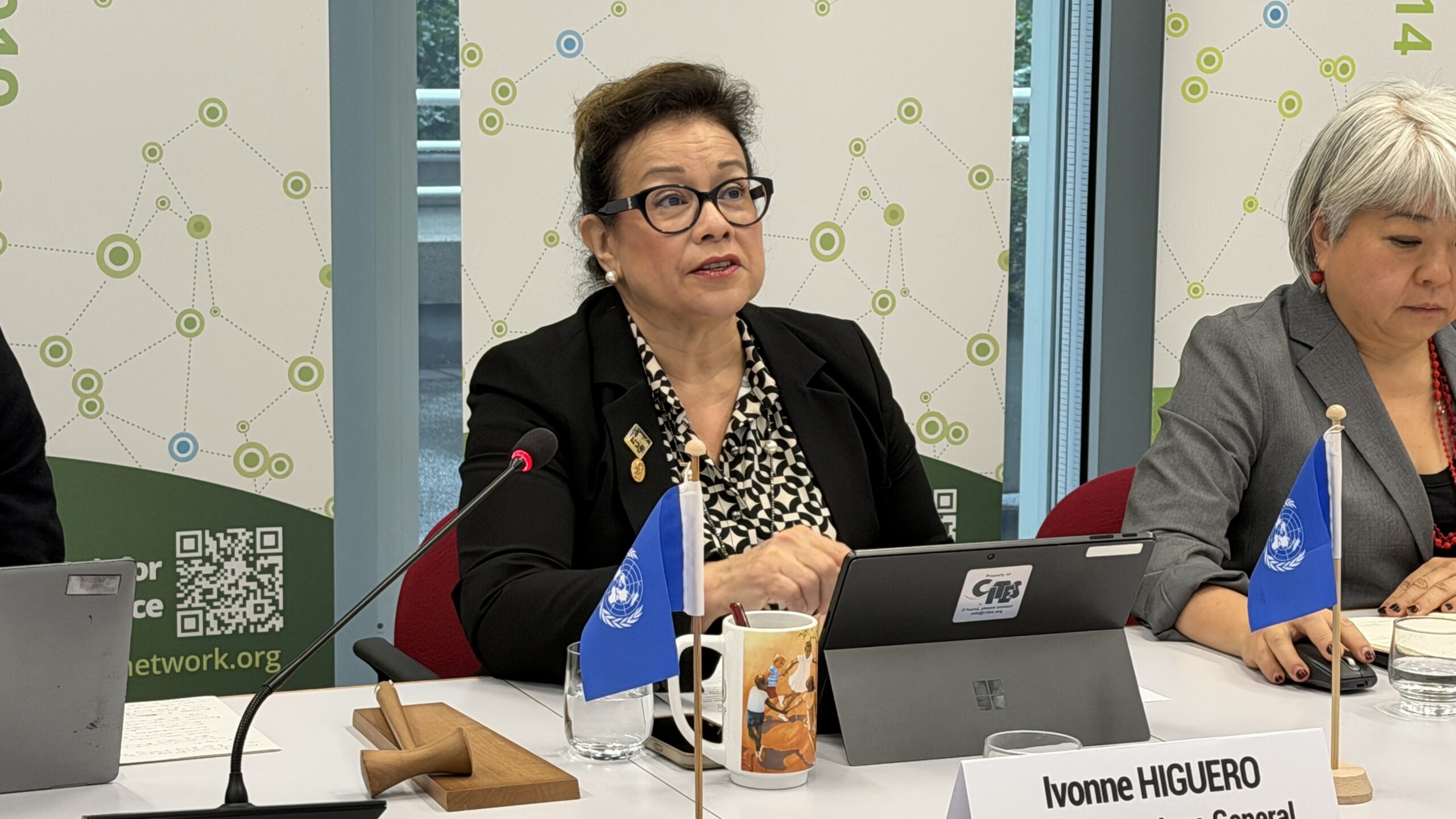
Ivonne HIGUERO
Secretary-General, CITES | Chair

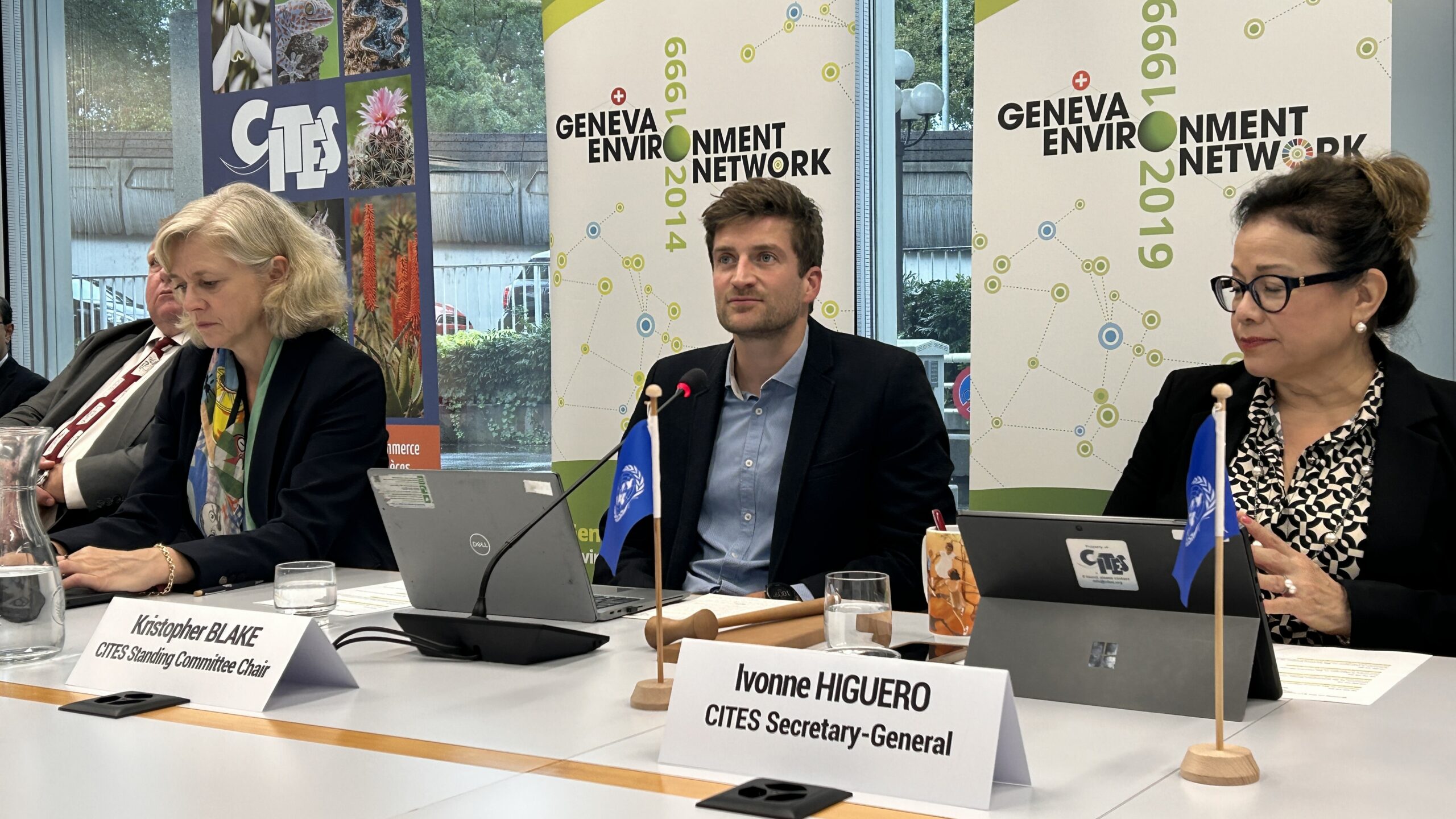
Kristopher BLAKE
Chair, CITES Standing Committee, United Kingdom of Great Britain and Northern Ireland

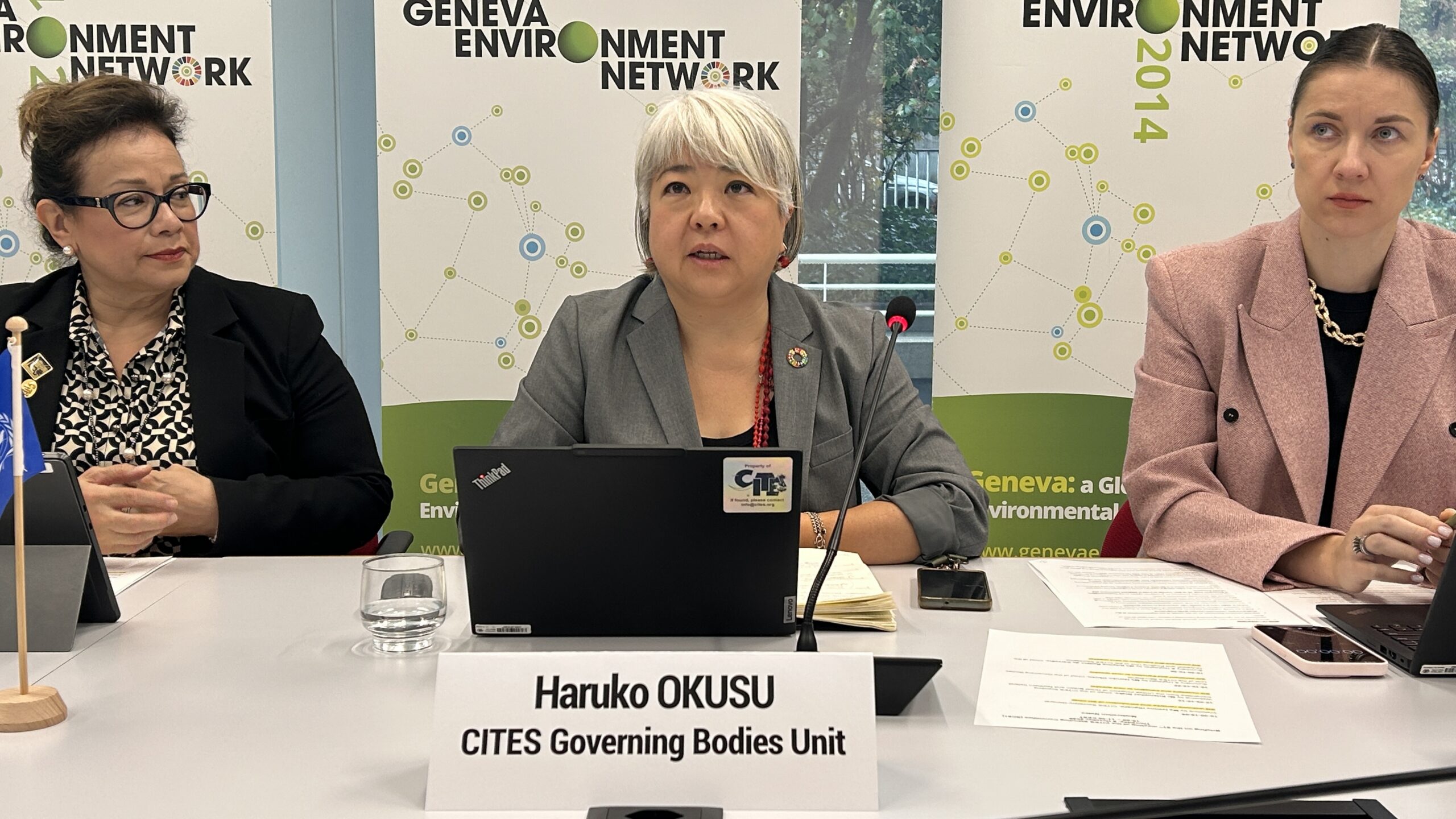
Haruko OKUSU
Chief, Governing Bodies Unit, CITES

Kristina RODINA DE CARVALHO
Chief, Outreach and Projects Unit, CITES

Sofie FLENSBORG
Chief, Legal Unit, CITES

Ben Janse VAN RENSBURG
Chief, Enforcement Unit, CITES

Thea CARROLL
Chief, Science Unit, CITES
Highlights
Video
Please note that Japan has paid in full all its contribution to CITES, however, the presentation featured in this video includes a typo to the contrary. Please refer to the updated presentation document here.
Summary
Welcome
Ivonne HIGUERO | Secretary-General, CITES | Chair
- This will be the first meeting of the CITES Standing Committee since our Conference of the Parties meeting in Samarkand, which took place in late 2025. It comes at an important moment for the Convention because we are now moving from the discussion and adoption of decisions and amendments to their implementation and the hard work that follows.
- The Standing Committee serves as the principal governing and policy-steering body of CITES between meetings of the Conference of the Parties, which take place every three years. It provides policy and operational guidance to the Secretariat, oversees budgetary matters and resource mobilisation efforts, addresses compliance and enforcement issues, coordinates with the Animals and Plants Committees, and prepares the groundwork for the next meeting of the Conference of the Parties, which will take place in Panama in 2028.
- The Committee therefore plays a critical role in ensuring that the Convention remains effective, responsible, and accountable between meetings of the Conference of the Parties.
- Preparations for what we call SC81 are well underway. Almost all meeting documents have been published on the CITES website.
- We are currently facing real financial constraints affecting the Convention’s core budget.
- A significant portion of the Committee’s work will focus on compliance matters. We have several outstanding cases requiring review and assessment by the Committee. These include 11 cases under Article 13 procedures; three applications concerning the registration of operations breeding Appendix I specimens in captivity for commercial purposes; reviews relating to National Ivory Action Plans; matters concerning the submission of national reports; and reviews of Parties’ compliance with the four central obligations of CITES national legislation, which form the basis for effective implementation.
- Beyond compliance, the agenda also reflects many of the strategic issues that continue to shape the Convention’s work. The Committee will review progress in implementing decisions adopted by the Conference of the Parties, consider reports from the Animals and Plants Committees, discuss enforcement and illegal wildlife trade issues, examine species-specific conservation and trade matters, and review a range of administrative, financial, and institutional questions that are vital to the functioning of the Convention.
- In particular, the meeting will provide an opportunity to assess how Parties are advancing the implementation of the outcomes of COP20 and to identify where further guidance, cooperation, or support may be needed. This will allow us to strengthen collaboration across all regions and among all stakeholders represented within the CITES community.
- The work of the Standing Committee is founded on a spirit of dialogue, cooperation, and shared responsibility. The challenges before us are significant, but so too is the collective expertise, dedication, and commitment represented by the Standing Committee members, CITES partners, and stakeholders.
Kristopher BLAKE | Chair, CITES Standing Committee, United Kingdom of Great Britain and Northern Ireland
- The United Kingdom is fairly new to the role of Standing Committee Chair. It will be our first substantive Standing Committee meeting, so we are looking forward to it.
- First, I would like to express my appreciation to the Secretariat for its help in preparing for the meeting. We have become accustomed to quite a large agenda in recent cycles, but it still requires a concerted effort to make it all the way through and leave enough time for substantive discussion on all the topics we are covering, particularly some of the compliance items, so that we give them the time they need for proper discussion and consideration.
- When we get to the Standing Committee meeting, I would really welcome clear, concise interventions, particularly those focusing on the recommendations in the documents. I know you have probably all heard that before, but it is really helpful. From my perspective, being able to hear the views of the Parties will give us more time to hear from more Parties, Standing Committee members, and observers.
- That would be my main request: concise interventions focused on the recommendations.
- The Standing Committee and its members will make the decisions on the way forward for the various items we are considering, with advice and input from observer Parties and observer organisations. This is really supported by good consultation across regions beforehand.
- I would encourage Standing Committee members to make a good effort to reach out to their regions.
Summary and Highlights
Haruko OKUSU | Chief, Governing Bodies Unit, CITES
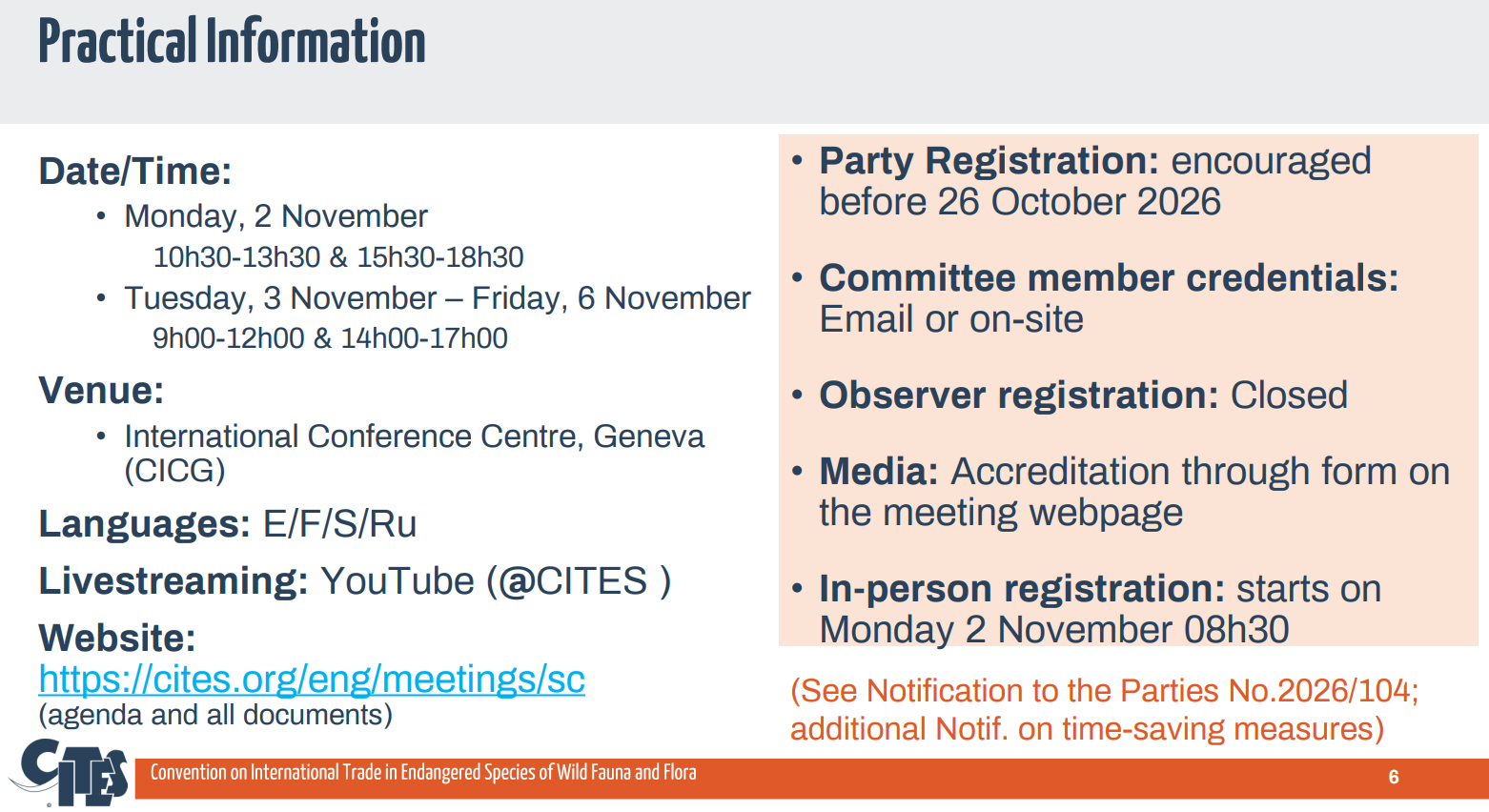
Registration
- There is no registration deadline for Parties, but they are strongly encouraged to register before 26 October so that the Secretariat can process their registrations in good time. Committee members are also encouraged to send their credentials by email beforehand. They can also bring their credentials on site so that they have the authority to make decisions, particularly to vote on behalf of their regions.
- For observer organisations, registration has unfortunately already closed. However, bodies or individuals interested in attending the meeting may still have the opportunity to register as observers.
- For the media, accreditation information is available on the website, along with a form that can be submitted to request media accreditation.
- Lastly, in-person registration will start on Monday, 2 November, at 8:30 at the CICG. c
- Most of this information is already available in Notification to the Parties No. 2026/104. An additional notification will be issued in a couple of weeks.
Strategic and Administrative Matters
- One of the important topics under the Governing Bodies Unit’s responsibility concerns three captive-breeding operations listed for consideration by the Standing Committee under agenda item 53. The issues to be raised in the discussions include the requests made by these operations and the objections from some Parties that have expressed disagreement with their registration.
- The discussions will examine the contribution of these operations to illegal trade, as well as the legal acquisition of their parental stock.
- There are two issues under the strategic matters section of the SC81 agenda that may be of interest to today’s audience.
- Agenda item 13 concerns enhancing the work and efficiency of the Convention through the permanent committees. These decisions were drafted by the Chairs of the Standing Committee, the Animals Committee, and the Plants Committee, as well as the Acting Chair of the Finance and Budget Subcommittee. They encourage Parties to consider developing a prioritisation framework to help the committees better manage their workload and focus on priority areas and their core work.
- An intersessional working group has been working on this matter and has reached broad agreement on some of the key principles. It has also revised a draft prioritisation matrix, which is now proposed for the Standing Committee to review.
- The Standing Committee is therefore requested to provide feedback on these key principles and the revised prioritisation matrix, and to extend the mandate of the working group so that it can continue its work and propose a more refined prioritisation matrix and framework for the next meeting of the Standing Committee.
Arrangement for the meetings of the Conference of the Parties
- Agenda item 10
- Panama has already kindly offered to host the next meeting of the Conference of the Parties, COP21, in 2028.
- Panama is already in the process of preparing for COP21. However, I would like to remind Parties and potentially interested donors that funding is still needed to ensure that delegates’ travel is supported and that delegates from each Party to the Convention are represented.
- The discussions under this agenda item will mainly involve continuing to consider how to strengthen financial preparedness for future meetings of the Conference of the Parties, particularly if an offer from a potential host country is not forthcoming or if an interested host country does not have the full financial capacity to provide both in-kind and financial support for the complete preparation of the meeting.
- The Secretariat has therefore started drafting guidance, as requested by the Parties, to outline the steps and timeline for organising a Conference of the Parties meeting. This guidance could also provide ideas on raising funds to support the logistical organisation of the meeting and consider ways to reduce organisational costs.
- The Standing Committee is asked to provide input on this draft guidance and consider what other elements and tools could be included in the guidance material.
Agenda items and related documents discussed in this intervention include:
- All documents related to Agenda Item 53 are available here
- Documents related to Agenda Item 13:
- Agenda item 10. Arrangement for meetings of the Conference of the Parties [Decision 20.2 & Resolution Conf. 18.2 (Rev. CoP20)] (SC81 Doc. 10)
Ivonne HIGUERO | Secretary-General, CITES | Chair
- One of the very important matters is prioritization. We really need to focus, given the financial issues, but it is not just about financial issues. It is also about the human resources necessary to implement this huge programme.
- This requires prioritization not only on the side of the Secretariat, but also on the side of the Parties.
- Some of the measures, including the fact that registration will take place early on Monday morning, are also due to financial difficulties.
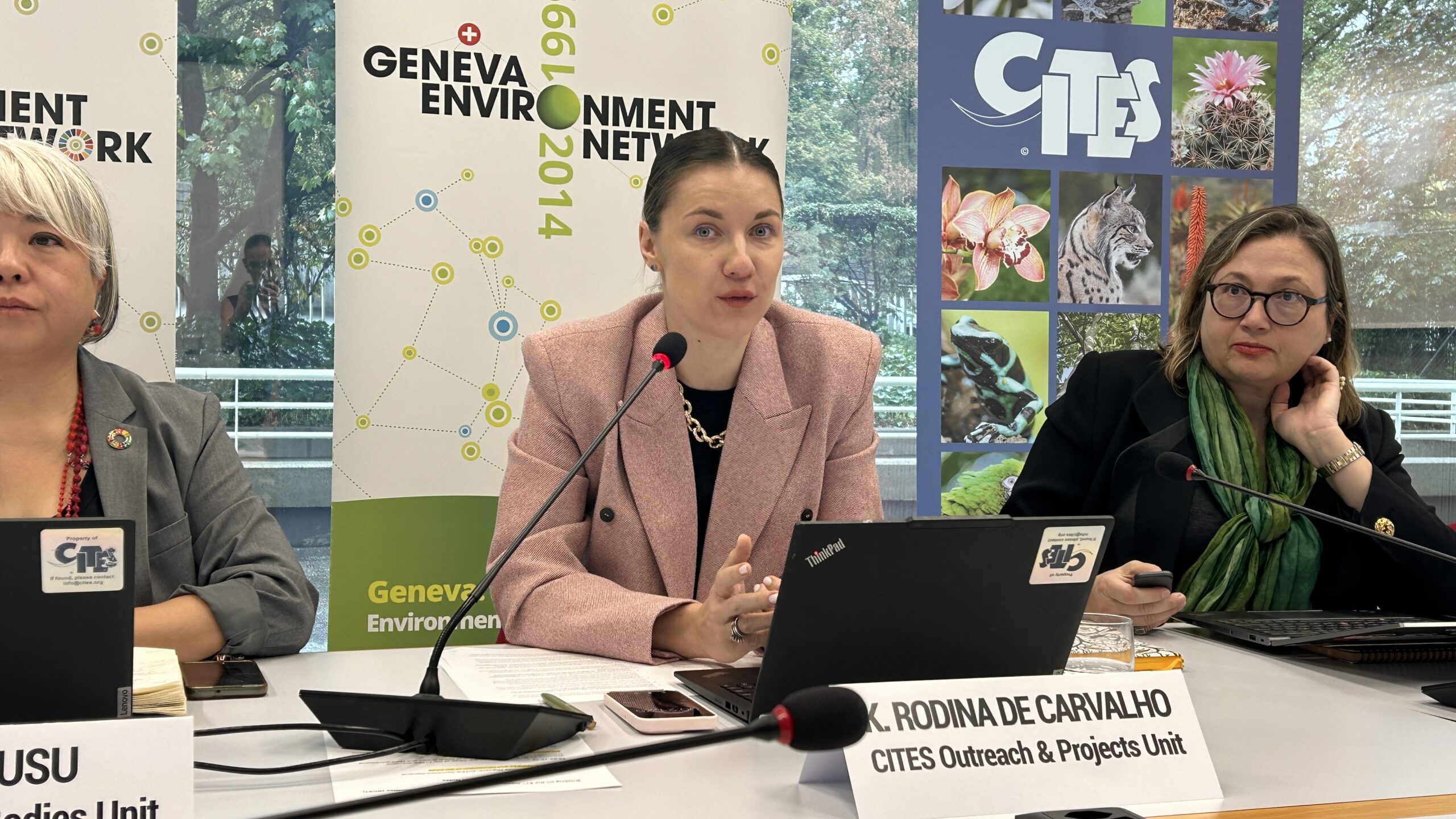
Kristina RODINA DE CARVALHO | Chief, Outreach and Projects Unit, CITES
- The Outreach and Projects Unit of the Secretariat deals with a number of cross-cutting issues in CITES. These include decisions on the capacity-building framework, work on the electronic CITES permitting system, project management, and resource mobilisation.
CITES Tree Species Programme
- This programme links the Convention’s requirements on international trade in tree species with broader efforts to strengthen forest governance. The main objective of the programme is to help address illegal and unsustainable harvesting and trade in CITES-listed tree species, while contributing to wider efforts to reduce deforestation.
- The programme is currently being implemented through the CITES Tree Species Project, which we call CTSP. It is financed by Germany through the International Climate Initiative (IKI).
- The document that will be addressed under this agenda item is Document 54. It mainly provides an update on the implementation of the project. The Secretariat is currently working with Parties to finalise the project documents and the budget for the 16 pre-selected subprojects.
- These subprojects cover countries across several regions: seven in Africa, three in Asia, and six in Central and South America and the Caribbean.
- This agenda item will also provide an update on the implementation of bridging activities on CITES-listed tree species, financed by the European Union. It will also address broader implementation issues, such as whether the CTSP programme could evolve into a permanent programme under the Convention.
Elephants
This topic has been addressed by various units of the Secretariat. I will focus on the two main agenda items.
- Document 41, which concerns the review of the implementation of the Elephant Trade Information System programme, known as ETIS. ETIS is the CITES-mandated system for monitoring illegal trade in elephant ivory and other elephant products. It is managed by TRAFFIC on behalf of the Parties and helps track trends in illegal trade and assess their relationship to relevant CITES decisions.
- Under this agenda item, the main document describes the recommendations arising from the ETIS review. These will particularly focus on improving methodological transparency, strengthening the governance of the programme, and enhancing data validation.
- The same document also addresses the work carried out on the ETIS Standard Operating Procedures. These procedures have been refined, and the dedicated ETIS subgroup will focus on these issues during SC81.
- The second document is Document 56, which provides an update on the implementation of Resolution 10.10, focusing on trade in elephant specimens and related decisions.
- Here, we have a few updates from our flagship MIKE programme, which stands for Monitoring the Illegal Killing of Elephants.
- One important update is that the programme has expanded to include five new sites in Africa, bringing the total number of sites to 74. The five new sites are one in Ethiopia, two in Nigeria, and two in Ghana.
- This is particularly important for the West African subregion because the elephant population there is very small and fragmented. Systematic monitoring is therefore important for the conservation and management of the species.
- The same agenda item also presents some positive signs in the data. For example, across Africa, the proportion of illegally killed elephants, which we call PIKE, continues to decline. The year 2025 recorded the lowest level since the MIKE programme began.
- In Asia, the PIKE trend has remained relatively stable over the past five years.
- For the first time this year, a separate PIKE analysis has been conducted for the two African elephant species. For the African savannah elephant, the PIKE level was lower than the continental average in 2025, while for the forest elephant, the PIKE level was higher, following the trend we have been observing in Central Africa.
Electronic Systems and Information Technology
- Under this agenda item, Document 48 will review progress in implementing the relevant CITES decisions, with a particular focus on electronic permitting, information exchange, traceability systems, and the use of harmonised system codes to support risk-based controls.
- Importantly, the document highlights the growing interest among Parties in implementing eCITES. However, it also demonstrates that implementation rates have been uneven across Parties.
- There are a number of key challenges, which the document sets out clearly. These include a lack of compatibility between customs systems and electronic permitting platforms, data protection concerns relating to the exchange of electronic permit data, and several other issues.
- This agenda item also provides an update on the ongoing feasibility assessment of a voluntary global hub for exchanging CITES electronic permit data, as well as on the capacity-building activities the Secretariat has undertaken to support Parties, including in Argentina, Guatemala, and Peru.
- Moving to strategic and financial matters, there are two items I would like to highlight.
- The first concerns financial matters under Agenda Item 12, on innovative financing mechanisms. Document 12 outlines the written consultation process undertaken with members of the Finance and Budget Subcommittee to gather their views on the scope and objectives of a report on innovative financing mechanisms that could support the implementation of CITES by Parties.
- The Standing Committee will be invited to review and approve the terms of reference for this report, noting that work on the report will only begin once the necessary extra-budgetary resources have been secured.
- Agenda Item 14 concerns the role of CITES in reducing the risk of future zoonotic disease emergence in the context of international wildlife trade.
- Under this agenda item, the Standing Committee will be invited to consider the need for a resolution on actions that CITES Parties could take to advance the One Health approach in the context of international wildlife trade.
- The relevant document provides the outcomes of discussions that took place at previous CITES governing body meetings, as well as a summary prepared by the Secretariat to help the Standing Committee determine whether such a resolution is needed.
- The same document also provides an update on progress made by the Secretariat on a number of decisions under this agenda item, including collaboration with key partners such as the World Organisation for Animal Health.
- We have been very successful in organising a number of regional webinars to strengthen collaboration between CITES and World Organisation for Animal Health national authorities. We have also been seeing very good case studies emerging from countries.
Communication and Outreach
- The CITES Secretariat is the custodian of United Nations World Wildlife Day, which is celebrated every year on 3 March.
- This agenda item will mainly be for noting and will also be used to announce the theme for 2027, which will focus on human-wildlife conflict and coexistence.
- We are currently fine-tuning the final title and will announce the theme in the coming weeks.
- We invite Parties and partners to organise satellite events and help us promote this very important issue of human-wildlife conflict and, of course, coexistence between humans and wildlife around the globe.
Agenda items and related documents discussed in this intervention include:
- Agenda item 41. Implementation of the recommendations from the review of the ETIS programme (Decisions 19.96, 20.94, 20.98 & 20.103) (SC81 Doc. 41)
- Agenda item 56. Elephants (Elephantidae spp.): Report of the Secretariat on the implementation of Resolution Conf. 10.10 (Rev. CoP20) [Resolution Conf. 10.10 (Rev. CoP20) paragraphs 12], 19) and Decisions 19.36, 18.117 (Rev. CoP20), 18.185 (Rev. CoP20), 20.104 & 20.168] (SC81 Doc. 56)
- Agenda item 48. Electronic systems and information technology (Decision 20.128) (SC81 Doc. 48)
- Agenda item 12. Innovative financing mechanisms (Decision 20.5) (SC81 Doc. 12)
- Agenda item 14. Role of CITES in reducing risk of future zoonotic disease emergence associated with international wildlife trade [Decisions 19.17 (Rev. CoP20) & 20.23] (SC81 Doc. 14)
- Agenda item 25. United Nations World Wildlife Day [Resolution Conf. 17.1 (Rev. CoP18)] (SC81 Doc. 25)
Ivonne HIGUERO | Secretary-General, CITES | Chair
- Through PIKE, which measures the proportion of illegally killed elephants, we have observed an overall decrease across the range States.
- We also welcome the further progress made on the electronic permitting system, or eCITES. It is very important that we are now moving into the twenty-first century with an electronic system rather than paper.
- Please also stay tuned for World Wildlife Day, which always has a very interesting theme and sees a great deal of active participation from our stakeholders, partners, and Parties.
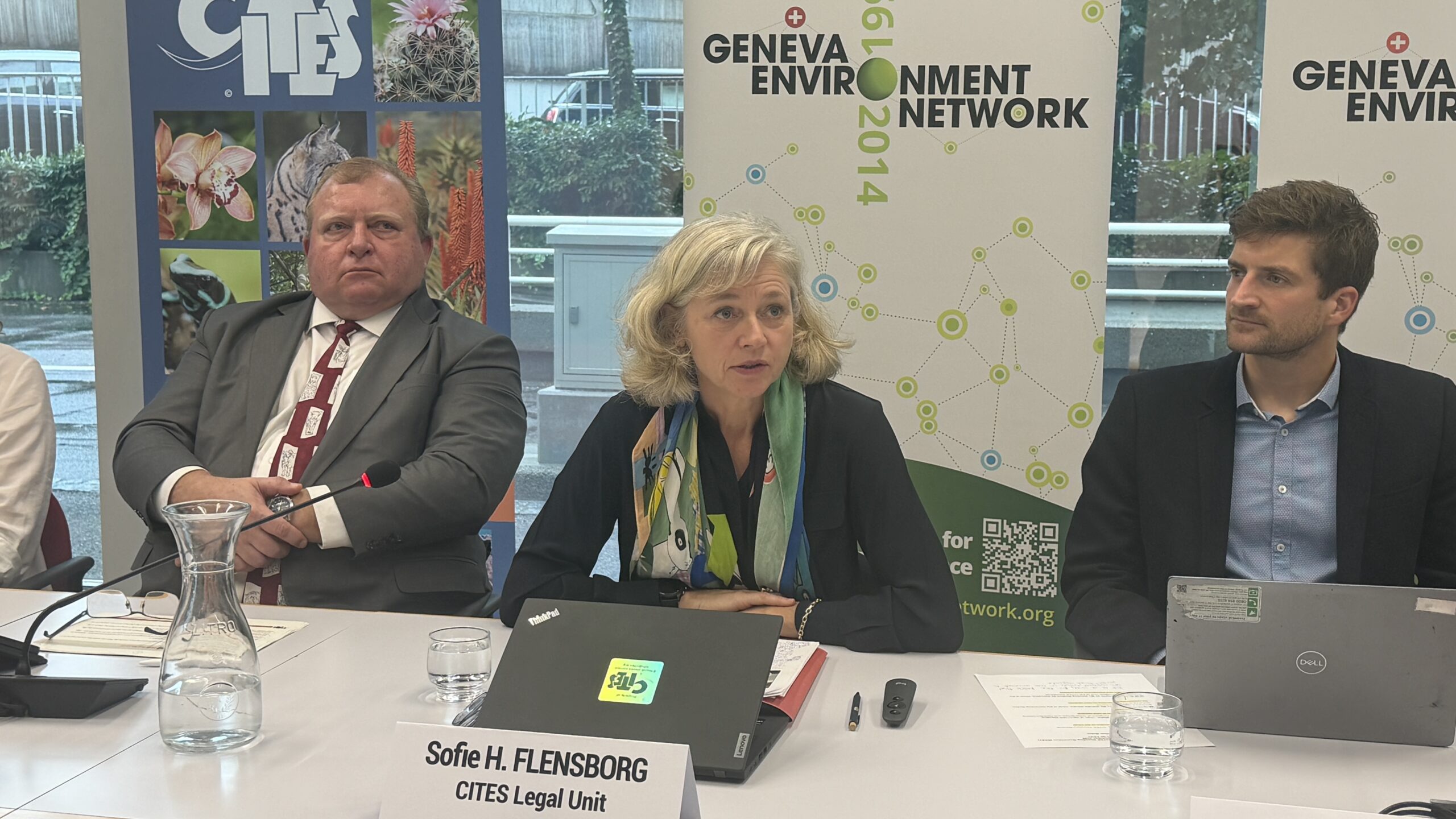
Sofie FLENSBORG | Chief, Legal Unit, CITES
- The Legal Unit is responsible for a very high number of agenda items, about half of them at this upcoming meeting. These relate to CITES and people, including the engagement of Indigenous Peoples and rural and local communities, demand reduction to combat illegal trade in jaguars, and matters related to the regulation of trade, including introduction from the sea, exceptions and special procedures, and legal acquisition findings, among many other issues.
Compliance Matters
- We are focusing on monitoring and assessing compliance because this is fundamental to the effectiveness of the Convention. A prerequisite for effective implementation is having legislation in place. All Parties are required to adopt and implement national legislation for the implementation and enforcement of the Convention.
- The Secretariat is responsible for monitoring and identifying Parties whose legislation does not meet the minimum requirements set out in Resolution Conf. 8.4. We have produced a document under agenda item 30 reporting on progress towards the adoption of this legislation and identifying several Parties that have not reported satisfactory progress towards adopting or putting this legislation in place.
- In these cases, the Standing Committee may take compliance measures. Based on the information provided by Parties to date, the Committee may consider compliance measures with respect to the following Parties: Afghanistan, Belize, Chad, Myanmar and Trinidad and Tobago.
- We are receiving information between now and the Conference of the Parties. Sri Lanka is included on the slide because we only just received an update from Sri Lanka this week, so the slide has not been updated. This process is ongoing. We also received information this week from Uzbekistan and Mongolia. We therefore invite Parties, particularly those on this slide, to update us on the development of their national legislation so that they can avoid compliance measures being put in place by the Committee.
- Another fundamental issue for monitoring the effectiveness and implementation of the Convention is the annual reports. These are reports submitted by the Parties every year on the trade they have authorized and that took place during the previous year. This data is incredibly important for monitoring the sustainability of trade in listed species.
- The Conference of the Parties decided, in Resolution Conf. 11.17, that if Parties have not submitted their reports for three consecutive years, there should be a recommendation to suspend trade until the reports are submitted, unless the Parties in question provide a good justification.
- In the document under agenda item 31.1, we have provided an update as of today. The following Parties are missing annual reports for 2022 to 2024: Antigua and Barbuda, Chad, Dominica, Saint Lucia and Sierra Leone. These Parties are strongly encouraged to submit the missing reports before the meeting.
- It is also important to note that the annual reports for 2025 are due by 31 October 2026. If we do not receive reports from the following Parties, they will also be behind by three consecutive years of annual reports: Comoros, Ecuador, The Gambia, Libya, Myanmar, Nicaragua, Nigeria, North Macedonia, Tonga and Venezuela.
- We understand that some of these reports may have been developed and may even have been submitted, but we have no records of them in the Secretariat. We again strongly encourage Parties to ensure that their reports are submitted by the 31 October deadline so that no compliance measures will need to be taken in this regard.
- Documents that discuss how the Committee handles compliance and certain compliance measures, particularly recommendations to suspend trade (Agenda item 32.2. Scope and application of recommendations to suspend trade (Decision 20.46) (SC81 Doc. 32.2)
- The Conference of the Parties adopted a decision requesting that the Standing Committee consider the scope and application of recommendations to suspend trade in greater detail. The Secretary-General and the Standing Committee Chair have developed draft guidance on the scope of application of these recommendations. This guidance will address questions such as: When does such a recommendation take effect? Does a recommendation to suspend trade with a Party also cover imports by that Party? Should exports of scientific samples for conservation purposes be exempted from such a recommendation? The guidance will ensure a common understanding of recommendations to suspend trade and greater consistency in the terminology used in the future. (Agenda Item 32.3. Addressing compliance matters by the Standing Committee (Decision 20.47) (SC81 Doc. 32.3)
- The Standing Committee will consider options for improving the way it addresses and handles compliance matters. It may identify options for further development to ensure that its approach is more effective and possibly more transparent, and that Parties can better understand the process in which they are involved.
- Finally, the Standing Committee will note progress in implementing the compliance assistance programme, which the Secretariat is implementing with general support from a number of donors.
- For the compliance matters being handled under Article XIII of the Convention, the Committee will consider progress in implementing recommendations to address identified compliance issues in Parties subject to the application of Article XIII. All the Parties concerned have submitted progress reports to the Secretariat, which has summarized and assessed them in documents provided for the Committee’s consideration. Based on the progress reported, the Committee may adopt revised recommendations.
- The first case concerns West African rosewood, Pterocarpus erinaceus, and involves all the range States. These are Cameroon, the Central African Republic, Chad, The Gambia, Guinea and Guinea-Bissau. These countries are subject to a recommendation to suspend trade in this species.
- Secondly, we have Mali, Nigeria and Togo. We also have Benin, Burkina Faso, Ghana and Sierra Leone. Finally, there are Côte d’Ivoire, Guinea, Nigeria and Senegal. These countries are all concerned with trade in Pericopsis elata and are invited to take measures to ensure that this trade is legal and sustainable.
- The other Parties subject to the application of Article XIII are Bangladesh, Cambodia, Cameroon, the Democratic Republic of the Congo, Ecuador, Peru, Guinea, India, the Lao People’s Democratic Republic, Nigeria and Suriname.
National Ivory Action Plan ( NIAP) Process
- The National Ivory Action Plan process, which is also a compliance process and concerns 12 Parties. These Parties are included in the process because they are, or have been, affected by illegal trade in elephant ivory to varying degrees.
- All these Parties have submitted progress reports on the implementation of the actions in their National Ivory Action Plans, and the Secretariat has assessed them. Three Parties have completed implementation of their plans: Mongolia, the Lao People’s Democratic Republic and Qatar. These are shown in green. The Committee will determine whether they can exit the process or whether further action must be taken.
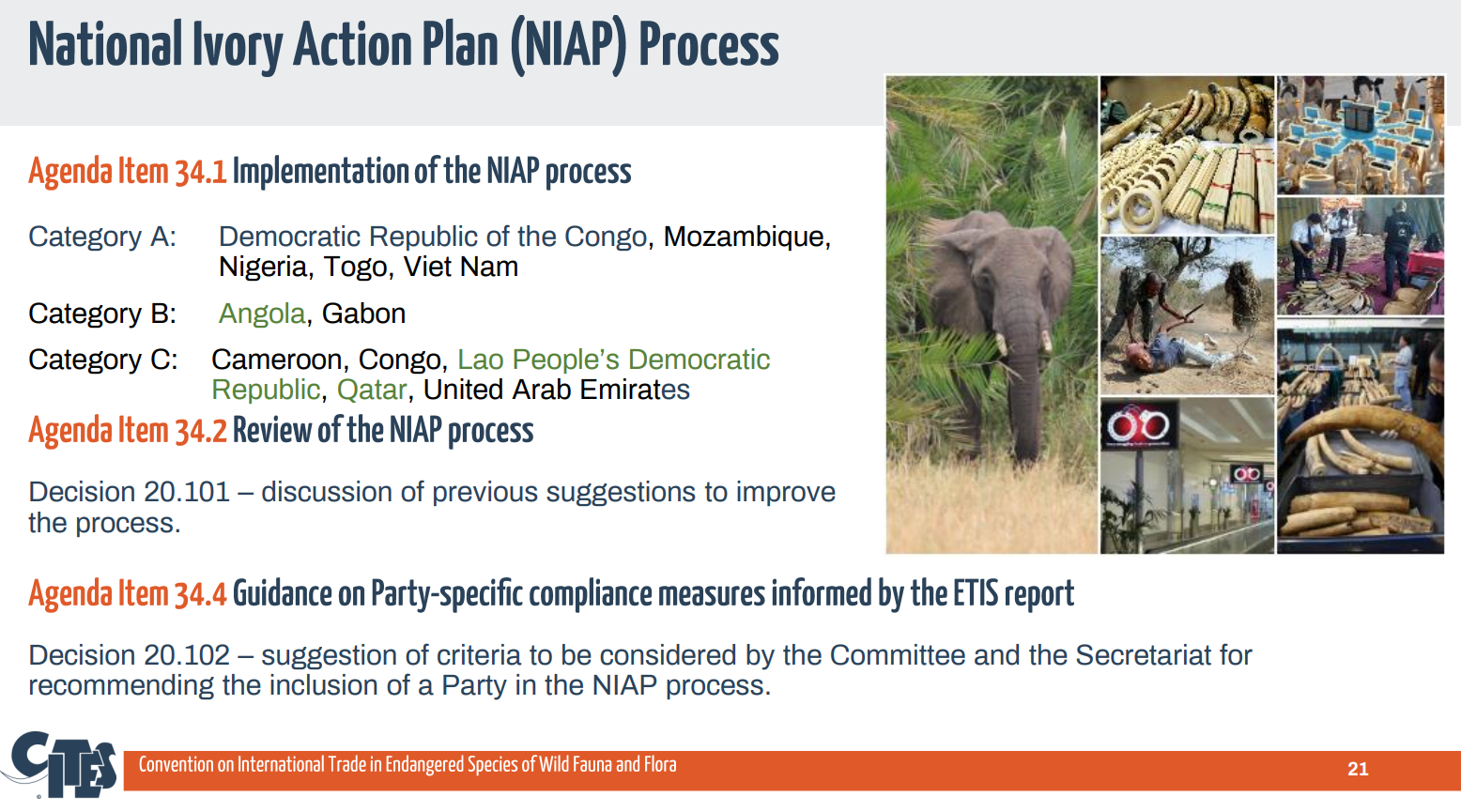
- The Committee will also consider other aspects of the National Ivory Action Plan process to improve its effectiveness, fairness and transparency. Agenda item 34.2 reports on a number of suggestions put forward in a review of the process.
- Under agenda item 34.4, the Standing Committee Chair and the Secretary-General have put forward suggestions for criteria that the Committee and the Secretariat could consider when determining whether a Party should be included in this process on the basis of the Elephant Trade Information System report. This report is the basis for recommending the inclusion of Parties in the National Ivory Action Plan process. There will therefore be some discussion on how this process could become more transparent in the future.
Agenda items and related documents discussed in this intervention include:
- Agenda item 30. National laws for implementation of the Convention (Decisions 20.42 to 20.44) (SC81 Doc. 30)
- Agenda item 31.1. Submission of annual reports SC81 (SC81 Doc. 31.1)
- Agenda item 32.2. Scope and application of recommendations to suspend trade (Decision 20.46) (SC81 Doc. 32.2)
- Agenda Item 32.3. Addressing compliance matters by the Standing Committee (Decision 20.47) (SC81 Doc. 32.3)
- Agenda Item 23 Compliance Assistance Programme (Decision 20.26) (SC81 Doc. 23)
- All documents related to agenda item 33 are available here
- Agenda item 34.2. Review of the National Ivory Action Plans Process (Decision 20.101) (SC81 Doc. 34.2)
- Agenda item 34.4. Guidance on Party-specific compliance measures informed by the ETIS report (Decision 20.102) (SC81 Doc. 34.4):
Ivonne HIGUERO | Secretary-General, CITES | Chair
- Some of the underlying foundations of the Convention, such as legal acquisition findings, are very important and will be discussed, as well as introduction from the sea.
- We have been working very quickly with Parties to make sure that they are complying with the Convention in terms of introduction from the sea. What I find very exciting about this part of the work is that we are now working with other stakeholders, such as the fisheries sector. With CITES, we are working with other sectors. We have to reach out to them and make sure that, at the national level, there are also discussions about the implementation of CITES, not only with those sectors that are directly involved with CITES.
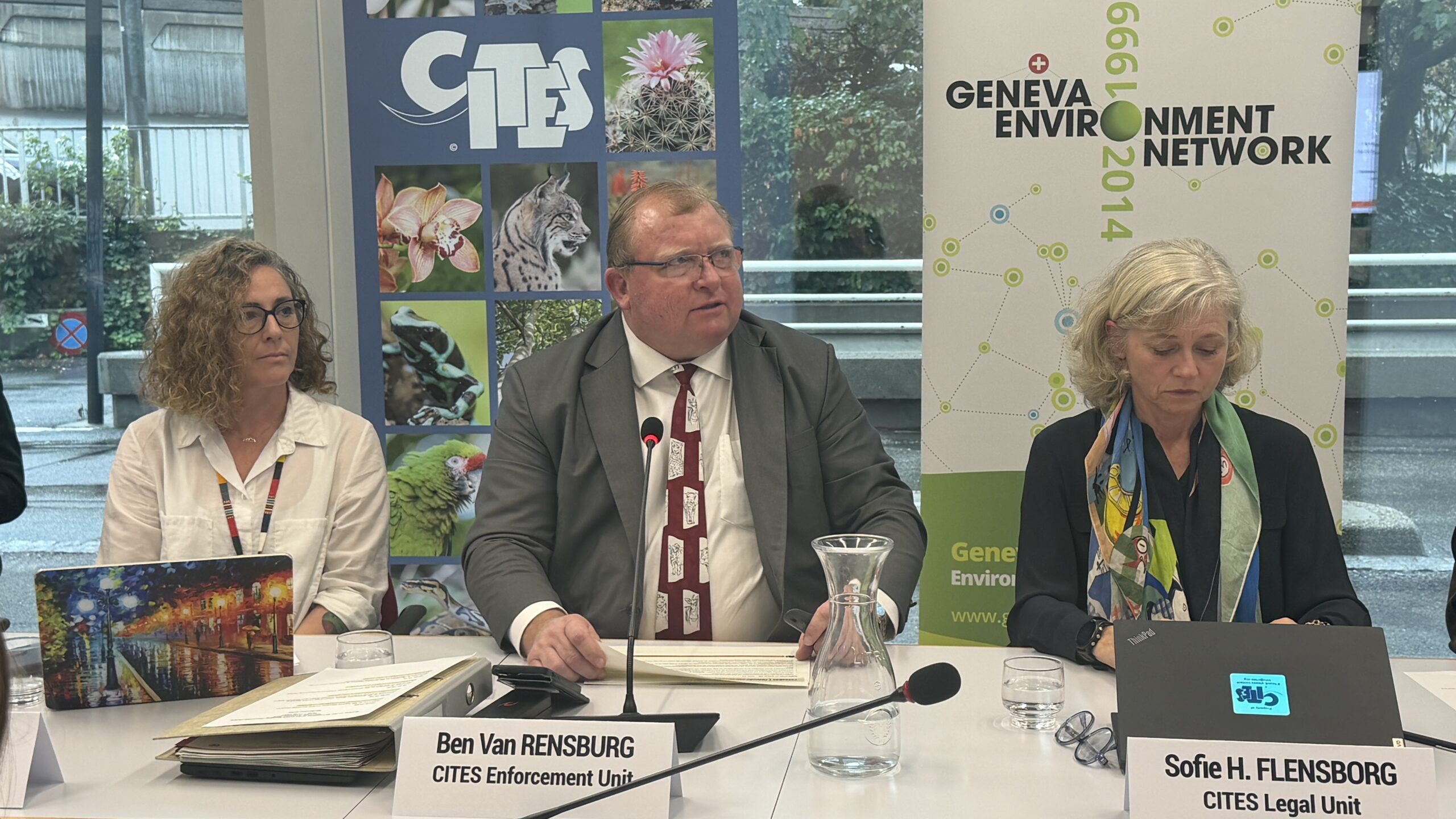
Ben Janse VAN RENSBURG | Chief, Enforcement Unit, CITES
Enforcement, Illegal Trade and Addressing this Illegal Trade
Totoaba
- Document 33.12.2 on totoaba is also one of the documents under agenda item 33 on the application of Article XIII.
- It reports on the implementation of a number of decisions on totoaba, as well as on the progress made by Mexico in implementing its compliance action plan, or CAP, on totoaba. The report from Mexico submitted to this meeting is available as Annex 1 to the document, and the Secretariat’s detailed observations and conclusions regarding progress in implementing the CAP are attached as Annex 2.
- There are various responses from Parties to a Notification to the Parties that was issued regarding the implementation of some of the decisions on totoaba. These responses are available in an information document for the present meeting. It is worth noting that China and the United States of America included reports on their implementation of Decisions 20.53 and 20.55, respectively, as relevant to them, in their responses to the notification.
- At its 79th meeting, the Standing Committee agreed to consider at this meeting, SC81, whether Mexico had fully implemented its compliance action plan or whether any further measures or compliance actions were needed. In addition, Decision 20.58 directs the Committee to review reports submitted by Parties and the Secretariat and to make the necessary recommendations in this regard.
Enforcement Matters
- Document 37.1 on enforcement matters reports on various issues, including addressing corruption, the CITES Illegal Trade Database and annual illegal trade reports, the CITES Directory of Laboratories Conducting Wildlife Forensic Testing, and the task force on illegal trade in specimens of CITES-listed tree species, as well as on Tibetan antelope.
- In this document, the Standing Committee is invited to consider a number of recommendations related to the different matters shown on the slide.
- There is also document 37.2 on the International Consortium on Combating Wildlife Crime, or ICCWC. This document provides an update on the implementation of the decision on ICCWC, as well as on activities delivered under the auspices of the consortium, with a particular focus on activities conducted since the last meeting of the Conference of the Parties, COP20.
- The document also provides information on the development of the ICCWC Strategic Action Plan for 2027–2030, which will be launched at a side event during this Standing Committee meeting.
- The Standing Committee is invited to consider a number of recommendations in this document. These relate to Parties’ efforts to combat wildlife crime, the work of ICCWC, and feedback to the consortium so that it can continuously enhance its interventions. They also relate to engagement in ICCWC initiatives and funding support for the implementation of the ICCWC Vision 2030 and the Strategic Action Plan for 2027–2030.
- Document 37.3, on wildlife crime linked to the internet reports that two regional studies focusing on Asia and Latin America have been completed. These studies are available in an annex to the document. It also reports that two further studies, focusing on Africa and Europe, will be conducted, with the findings to be reported to the next Standing Committee meeting, SC82.
- For SC81, the Standing Committee is invited to consider recommendations related to the implementation of provisions regarding wildlife crime linked to the internet in the resolution on compliance and enforcement. It is also invited to consider amendments to that same resolution to further strengthen it based on the findings of the completed studies.
- The Committee is also invited to recommend sharing the studies with relevant national authorities for their consideration in their efforts to combat wildlife crime linked to the internet. Lastly, it is invited to adopt a recommendation regarding Facebook, which the studies show accounted for the vast majority of wildlife-related listings online.
- Document 38 on great apes highlights information received from Parties on their implementation of decisions relevant to great apes. This information was received in response to a Notification to the Parties.
- The document highlights that responses to the notification were limited and that only one great ape range State responded. As a result, a full assessment of the implementation of Decision 20.77 on great apes and the resolution on great apes was not possible.
- The document also reports on the terms of reference and modus operandi for the CITES Great Ape Enforcement Task Force. These have now been developed and are available in an annex to the document for consideration by the Standing Committee.
- The Committee is invited to note the responses to the Notification to the Parties and the information in the document, agree to the terms of reference and modus operandi for the CITES Great Ape Enforcement Task Force, and encourage Parties to provide financial support for convening an in-person meeting of the task force.
- The document on tigers in captivity, document 58, reports on the implementation of decisions related to tigers in captivity.
- Various other decisions related to big cats were adopted at COP20, and reporting on those other decisions will be provided at the next Standing Committee meeting, SC82.
- For the present meeting, the document reports on the implementation of Decision 21.89, which outlines a methodological approach recommended for facilities breeding or housing tigers for purposes other than conservation breeding programmes.
- The document also reports on the implementation of country-specific recommendations addressed to a number of countries shown on the slide. For those in the room, these are China, South Africa, Thailand, the United States of America and Viet Nam.
- The Standing Committee is invited to consider recommendations related to the implementation of Decision 21.89 and a proposal for the Secretariat to prepare a document outlining the methodological approach set out in that decision. This document could also serve as the basis for a proposal to be considered by the Standing Committee at its next meeting, SC82, regarding the incorporation of the approach as an annex to the resolution on the conservation of and trade in tigers and other Asian big cat species listed in Appendix I.
- The Committee is invited to note that responses to the Notification to the Parties were limited and therefore did not allow for a robust assessment of the overall implementation of Decision 21.89. It is also invited to consider recommendations regarding the country-specific recommendations and the Parties concerned.
- Document 61 on seahorses highlights information received from Parties regarding the implementation of relevant decisions on seahorses. It also reports that the reports on global illegal trade in seahorses have been finalized.
- These reports include information from field research conducted in Senegal and Viet Nam and are available as an annex to the document. They provide a wealth of information for Parties to draw upon to strengthen and inform the measures and activities they employ to address illegal trade in seahorses.
- Among other things, the Committee is invited to consider recommendations related to the finalized report, as well as the establishment of an intersessional working group on seahorses.
- There are also other documents related to illegal trade and enforcement, such as document 39 on rhinos and documents 40.1 and 40.2 on tortoises and freshwater turtles from Madagascar.
Ivonne HIGUERO | Secretary-General, CITES | Chair
- With all the work being done by the Parties, the organizations belonging to the International Consortium on Combating Wildlife Crime (ICCWC), and the CITES Secretariat, we have seen a lot of disruption of these criminal networks. However, they are always staying two steps ahead of us, and we are now seeing more online sales, as Ben mentioned in relation to Facebook. This requires even more work and greater efforts to disrupt these criminal networks. We are very appreciative of the Parties for all the work they are doing on this.
- For the Secretariat, this represents an enormous amount of work. We are a very small Secretariat, and I have to recognize that both the Legal Unit and the Enforcement Unit are operating with several fewer staff members than needed, as I have not been able to fill vacant posts because of the financial crisis.
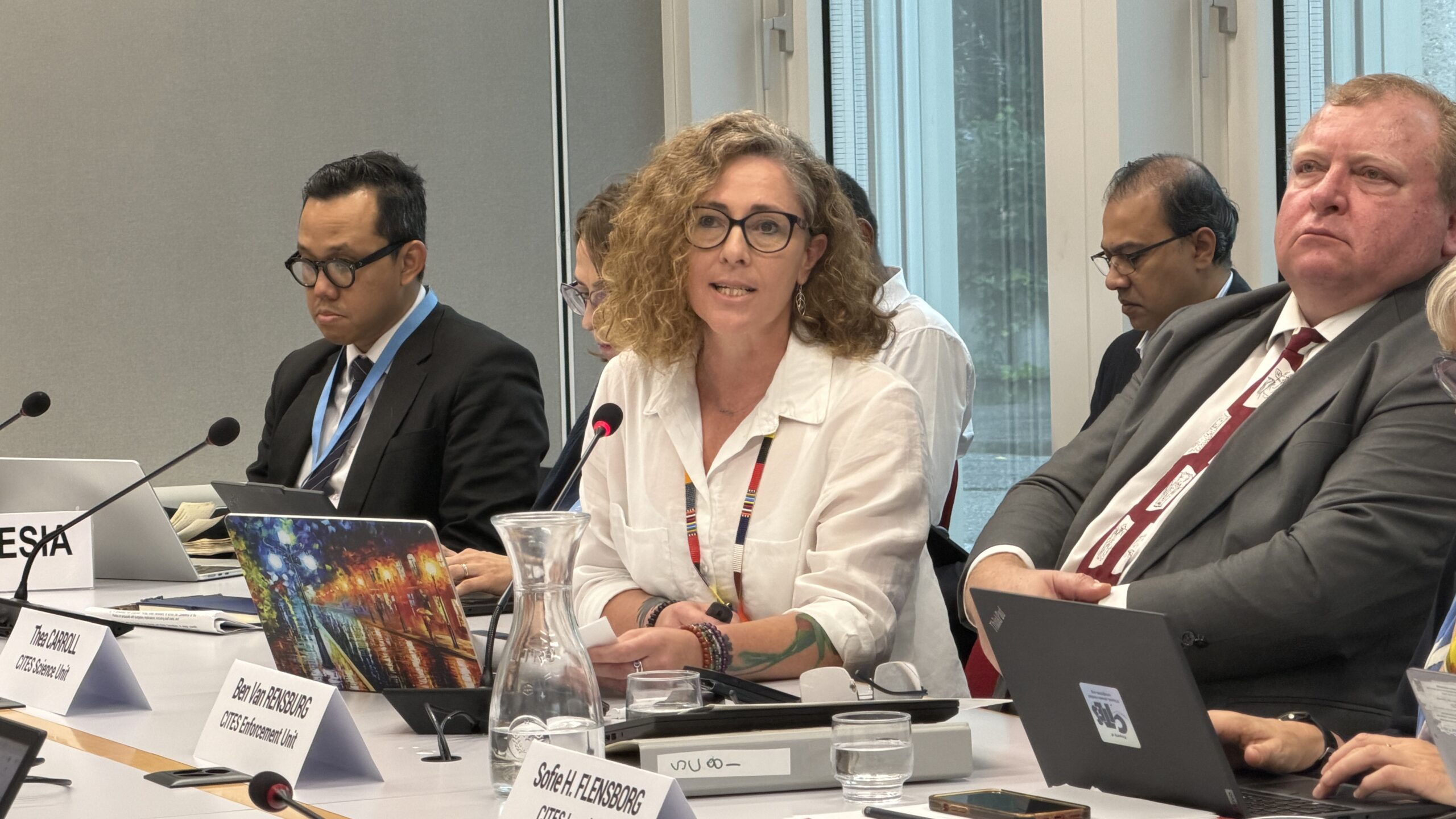
Thea CARROLL | Chief, Science Unit, CITES
Report of the Animals and Plants Committees
- Starting with agenda item 7, the report of the Chairs of the Animals and Plants Committees gives an indication of the scope of work undertaken by the scientific committees since the Conference of the Parties that took place in December last year.
- The Chairs’ report brings together 23 items arising from the 34th meeting of the Animals Committee and the 28th meeting of the Plants Committee that are relevant for the Standing Committee’s consideration. For the Animals Committee, updates are provided on 16 items, and you can see the range of issues being addressed, from sharks and rays, stony corals and ranching of aquatic species to eels, sea cucumbers, queen conch, vultures and the African Carnivore Initiative.
- For the Plants Committee, reports are given on six areas of work, including timber identification, edible tuberous orchids, and medicinal and aromatic plant species. Both committees also considered the periodic review of the Appendices.
- There was a joint session, with one item being reported on the country-wide review of significant trade, which focuses mainly on how we support Parties through capacity-building in conducting non-detriment findings. There is also a significant scope of work to be addressed intersessionally through working groups, and about 13 working groups have been established to give attention to that.
CITES and Forests
- Turning to CITES and forests, an important outcome from the 28th meeting of the Plants Committee was agreement on the CITES Forests Compendium for the period from COP20 to COP21. This provides us with one reference point for priorities relating to forests, with a specific focus on the CITES-listed tree species. It brings together 18 resolutions and decisions on 13 topics. This is an easy point of reference for all our partners working with the Parties to ensure synergies and catalyse and leverage joint implementation on a number of these issues.
- This compendium will be available on the website shortly. Another area of work relates to annual reporting on trade in tree species. The Plants Committee has proposed some changes to the annual report guidelines, which are considered in document 31.2.
- The Standing Committee is invited to note the progress made, but also to acknowledge that there are challenges in implementing the significant scope of work captured in the Forests Compendium, including issues relating to resource mobilisation and means of implementation.
Reviews
- There are two important reviews: the Review of Significant Trade and the Review of Trade in Animal Specimens Reported as Produced in Captivity. They are very different processes, but both essentially aim to ensure that trade is sustainable and legal, and complies with the provisions of the Convention.
- The Review of Significant Trade is underpinned by Resolution Conf. 12.8 and focuses on non-detriment findings that must be made by Parties to ensure that international trade is sustainable. The process mainly focuses on non-detriment findings. The idea is to identify challenges, but also solutions, to assist Parties in moving issues forward.
- I would like to use the cases from Ghana that will be considered by the Standing Committee as an example. They are a good example of where the process has produced positive results. In response to the recommendations of the Standing Committee and the Animals Committee, Ghana has implemented a number of scientific, technical and management-related interventions. These include the submission of a detailed non-detriment finding for two chameleon species that were under the Review of Significant Trade.
- After considering this non-detriment finding, the Animals Committee agreed to remove Ghana from the Review of Significant Trade for the two species. It is also recommending to the Standing Committee that the trade suspension for those species be lifted.
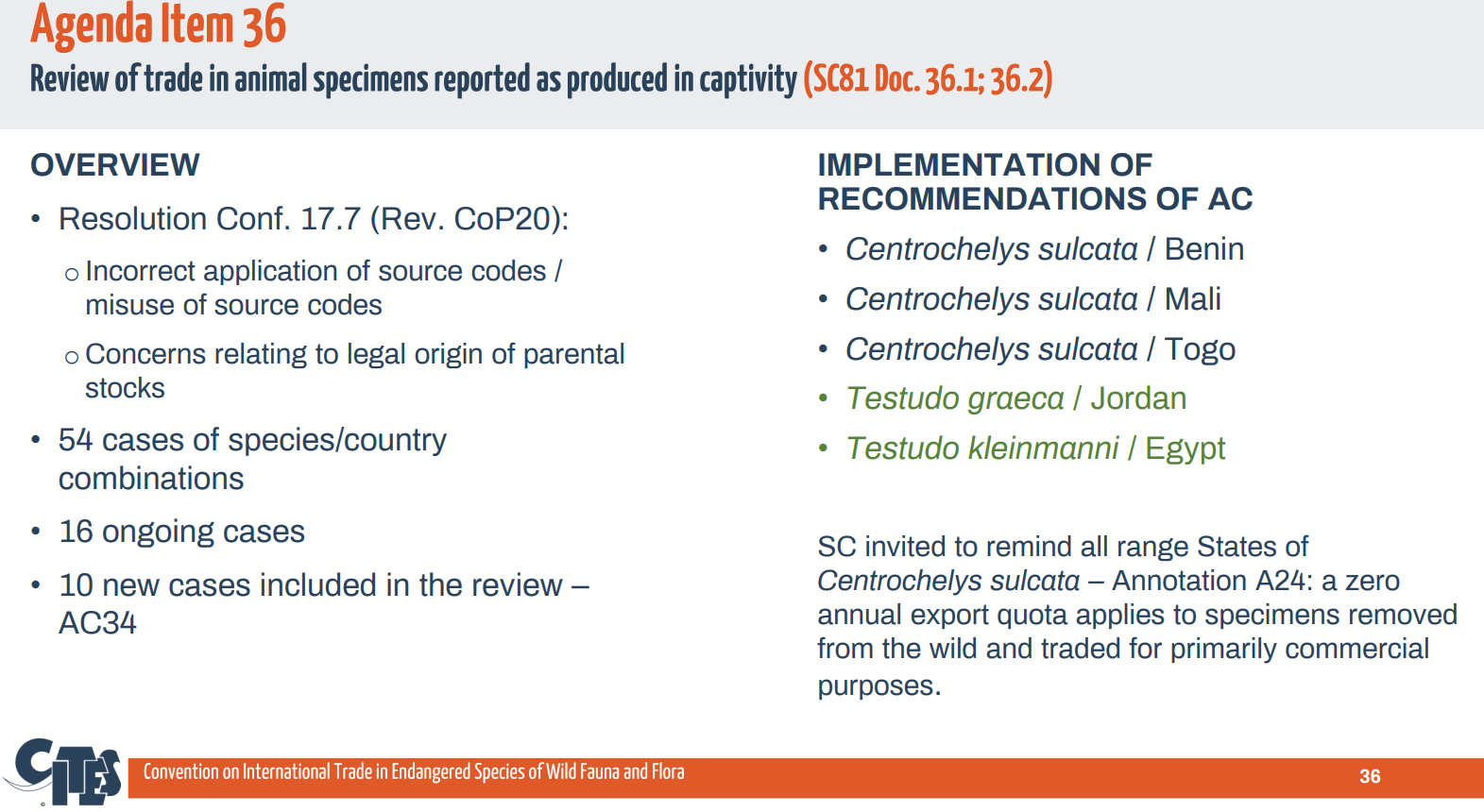
- The other process is the Review of Trade in Animal Specimens Reported as Produced in Captivity. This is underpinned by Resolution Conf. 17.7. The key consideration is whether the source codes used for trade in specimens that are not of wild origin, such as captive-bred or ranched specimens, are correct.
- It looks at the legal origin of parental stocks and whether claims of captive breeding are correct. I would like to highlight two species-country combinations that are proposed for removal from the process: Testudo graeca from Jordan, where safeguards have been proposed in case trade in captive-bred specimens resumes, and Testudo kleinmanni from Egypt, for which a zero export quota is proposed that will remain in place until various steps have been implemented.
-
- These processes aim to support Parties in addressing the key issues so that they can continue with sustainable and legal trade. The Standing Committee is invited to consider all the recommendations.
- There is also an additional recommendation to remind Parties that, for Centrochelys sulcata, a tortoise species, the annotation to the species establishes a zero quota for trade in wild specimens for primarily commercial purposes. We have observed in the trade data that trade is being authorised.
Paubrasilia Echinata
- There are two related documents before the Committee. Document 62.1 is a report of the intersessional working group, which discusses a number of issues listed here. These include funding challenges relating to traceability systems; due diligence, including legal origin, legal acquisition and chain of custody; and research into alternatives to Paubrasilia, or Brazilwood, for musical instruments.
- There is also a report by the Chair of the Plants Committee and the Secretariat (SC81 Doc. 62.2) that reflects on two terms of reference discussed at the Plants Committee. One concerns the traceability of Paubrasilia echinata bows, bow blanks and wood stockpiles. The second concerns the development of standard conversion factors for Paubrasilia.
- The Standing Committee is invited to consider the terms of reference for the traceability study and provide further input, note the progress made by the intersessional working group, and remind Parties and others of the COP decisions urging Parties to implement those decisions.
Other Items
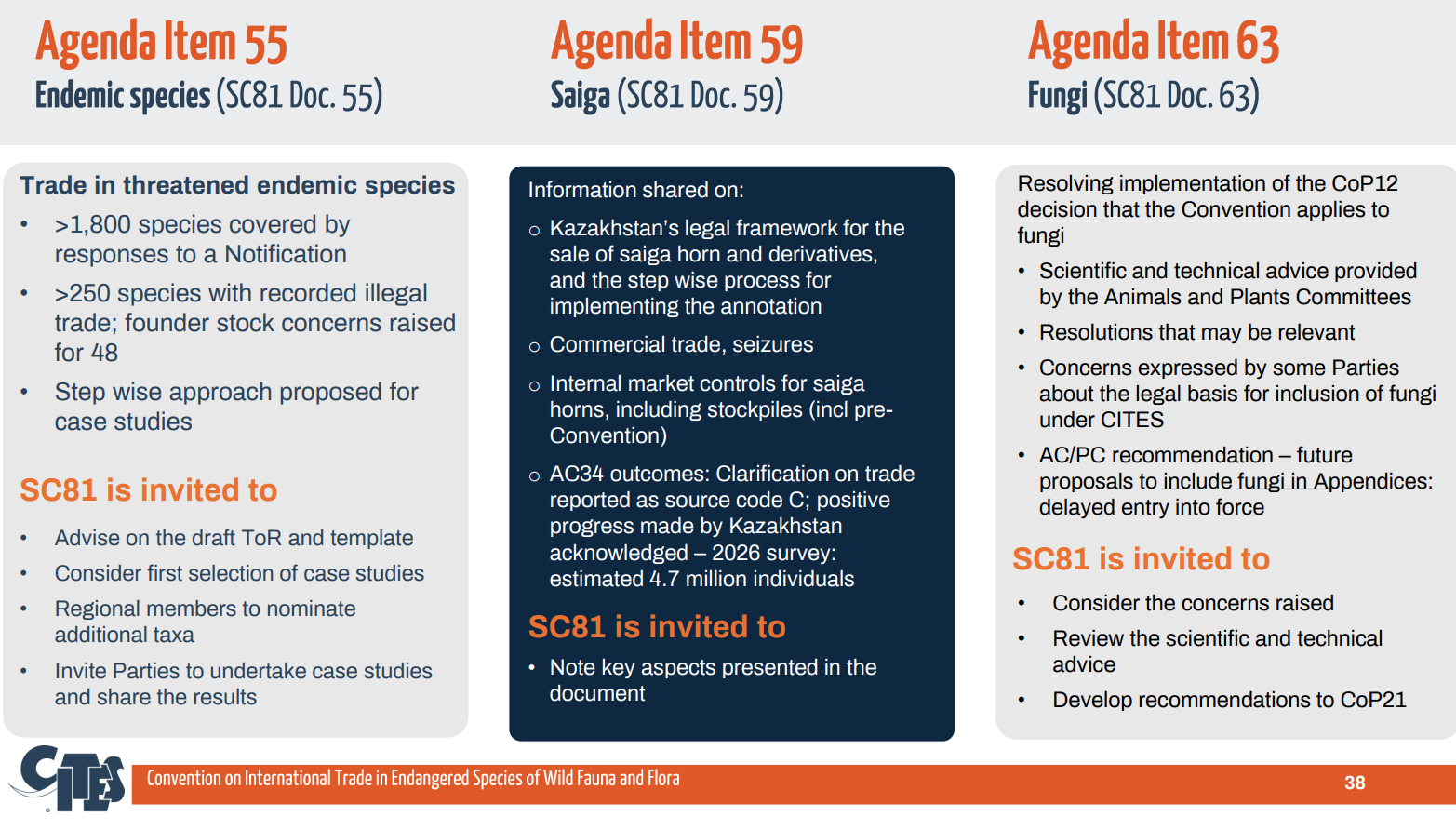
- The first is trade in threatened endemic species. The Secretariat issued a notification asking Parties to share information on their threatened endemic species affected by trade. We received responses from Parties covering more than 1,800 species. Parties indicated that more than 250 species are affected by illegal trade, and for 48 of these species, there are concerns about founder stock or parental stock.
- The Secretariat proposed a stepwise approach to the Standing Committee for undertaking case studies on trade in threatened endemic species. The Standing Committee will therefore consider the draft terms of reference and templates, as well as a first selection of case studies proposed by Brazil and New Zealand. Regional members will also be invited to nominate additional taxa.
- Because we have not yet been able to secure funding, we are also inviting Parties to undertake case studies and share the results with the Secretariat to inform the process leading up to SC82.
- On saiga antelope, the document (SC81 Doc. 59) includes information on Kazakhstan’s legal framework for trade in saiga horn and derivatives, as well as the stepwise approach Kazakhstan is following to implement the annotation adopted by COP20.
- The document also refers to an analysis of commercial trade and includes an analysis of seizures and internal market controls, including stockpiles. The Animals Committee also considered issues relating to saiga, including the use of source code C for trade in these species. It invited the Secretariat to reflect the positive progress made by Kazakhstan in saiga conservation, with the 2026 survey indicating an estimated 4.7 million saiga in Kazakhstan.
- The Standing Committee is invited to note the aspects presented in the document.
- The document on fungi (SC81 Doc. 63) addresses decisions relating to the implementation of the COP12 decision that the Convention applies to fungi, which have their own kingdom in scientific terms.
- The Animals and Plants Committees considered scientific and technical advice that is now being presented to the Standing Committee. They also considered a list of resolutions that may be relevant in the future if a Party submits a proposal to list fungal species and that proposal is adopted, so that the Parties are ready for implementation.
- Some Parties have expressed concerns about the legal basis for addressing fungi under the Convention. The Standing Committee will therefore have to consider the concerns raised, the scientific and technical advice provided by the scientific committees, and develop recommendations for COP21.
Agenda items and related documents discussed in this intervention include:
- Agenda item 7. Report of the Chairs of the Animals and Plants Committees (SC81 Doc.7)
- Agenda Item 19. CITES and forests (Decision 20.23) (SC81 Doc. 19)
- Agenda item 35. Review of Significant Trade in specimens of Appendix-II species [Resolution Conf. 12.8 (Rev. CoP18)]:
- 35.1. Overview of the Review of Significant Trade (SC81 Doc. 35.1)
- 35.2. Implementation of recommendations of the Animals Committee (SC81 Doc. 35.2)
- 35.3. Implementation of recommendations of the Plants Committee (SC81 Doc. 35.3):
- Agenda item 36.1. Overview of the Review of trade in animal specimens reported as produced in captivity (SC81 Doc. 36.1)
- Agenda item 36.2. Implementation of recommendations of the Animals Committee (SC81 Doc. 36.2)
- Agenda item 62.1. Report of the working group (Decision 20.242) (SC81 Doc. 62.1)
- Agenda item 62.2. Report of the Plants Committee and of the Secretariat (SC81 Doc. 62.2)
- Agenda item 55. Trade in threatened endemic species (Decision 20.151) (SC81 Doc. 55)
- Agenda Item 59. Saiga antelopes (Saiga spp.) [Decision 19.216 (Rev. CoP20)] (SC81 Doc. 59)
- Agenda Item 63. Resolving the implementation of the CoP12 decision that the Convention applies to fungi (Decision 20.249) (SC81 Doc. 63)
Ivonne HIGUERO | Secretary-General, CITES | Chair
- With all the issues we have concerning species and sustainability, overexploitation and illegal trade are concerns, but we also have many other problems with overexploitation. That is why non-detriment findings and the Review of Significant Trade are very important processes under the Convention.
Financial Matters
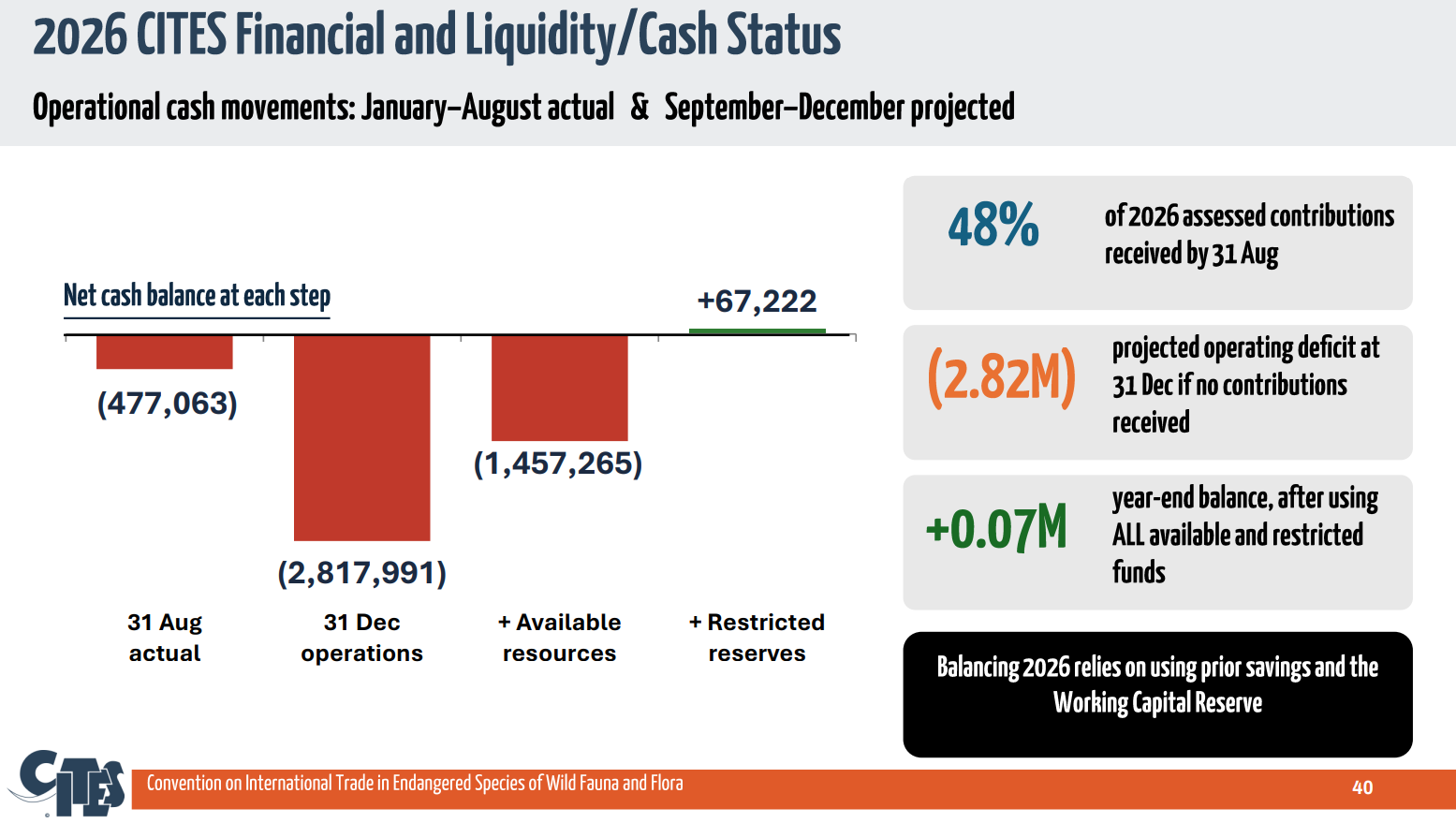
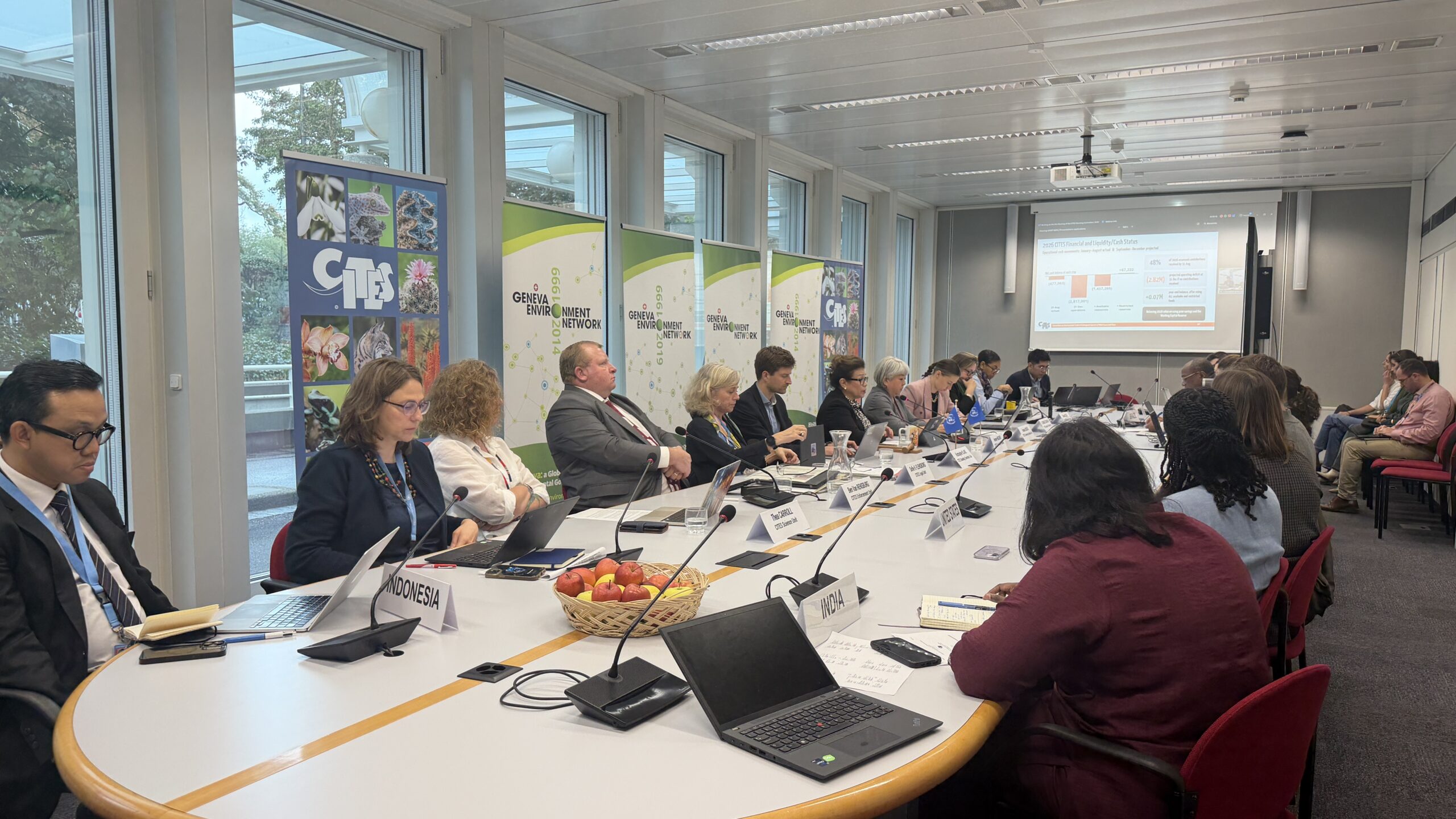
- The figures show that the liquidity situation of the Secretariat is in a very difficult state. This is due to the very large accumulation of unpaid contributions and outstanding assessments from Parties, both from previous years and for 2026.
- Expected contributions in 2026 were supposed to amount to US$7,074,069, of which US$3,393,933 had been received from 69 Parties. This reflects a collection rate of 48% for the first eight months of 2026.
- This is a difficult situation for the Secretariat because contributions are expected earlier in the year so that we can meet payroll. As you know, the majority of the Secretariat’s core budget is allocated to staff costs. This has become an increasing problem for us, alongside the US dollar–Swiss franc exchange rate, which has increased the cost of our budget, denominated in dollars, when paying our salaries in Swiss francs.
- The total arrears, including unpaid 2026 balances, now amount to US$6,627,496. The cash flow of the Trust Fund has therefore been adversely affected, further increasing the risk of liquidity constraints.
- You can see in the graphs how the Secretariat’s operational cash flow does not meet its budgeted expenditure for 2026. At the end of 31 August, we had a cash balance of US$477,063.
- When we project expenditure from September to December, if no contributions are paid during that period, the net cash balance would be negative US$2,817,991 as of 31 December 2026.
- We have received a pledge from the United States for its 2026 contribution. We have also been in discussions with China about making its contribution as soon as possible. My understanding is that this will happen in the coming weeks, and we should receive that contribution as well. As you may know, these contributions account for 42% of the Secretariat’s budget. They are therefore important contributions that we hope to receive as soon as possible.
- In the meantime, we have to temporarily cover this cash balance issue using two types of resources: accumulated savings from previous years and interest income earned. These amount to US$1,360,726, which would reduce the net negative cash balance to US$1,457,265.
- Since we would still be in the negative and lacking funds, we have a working capital reserve that amounts to 15% of the budget, which we are not supposed to use. However, we are now asking the Chair of the Standing Committee to engage with the Standing Committee before the meeting in November. We are in a critical situation in October, and we need authorisation to borrow cash from the working capital reserve and future-year contributions to address this crisis until we receive the outstanding contributions, which I hope will be in the bank in the coming weeks.
- There is an understanding that we are in a very serious financial position.
- This has meant that, following the restructuring of the Secretariat, we have not been able to reduce staffing costs further. We have made many efforts to reduce the costs of meetings and other expenditures affecting the Convention’s Trust Fund. We have reduced these costs and made savings, but it is still not enough. We need to ensure that these contributions and arrears are paid.
- Regarding the current contributions and arrears by Party. We have 42 Parties with unpaid contributions of US$5,000 or more due for 2026 or in arrears from previous years.
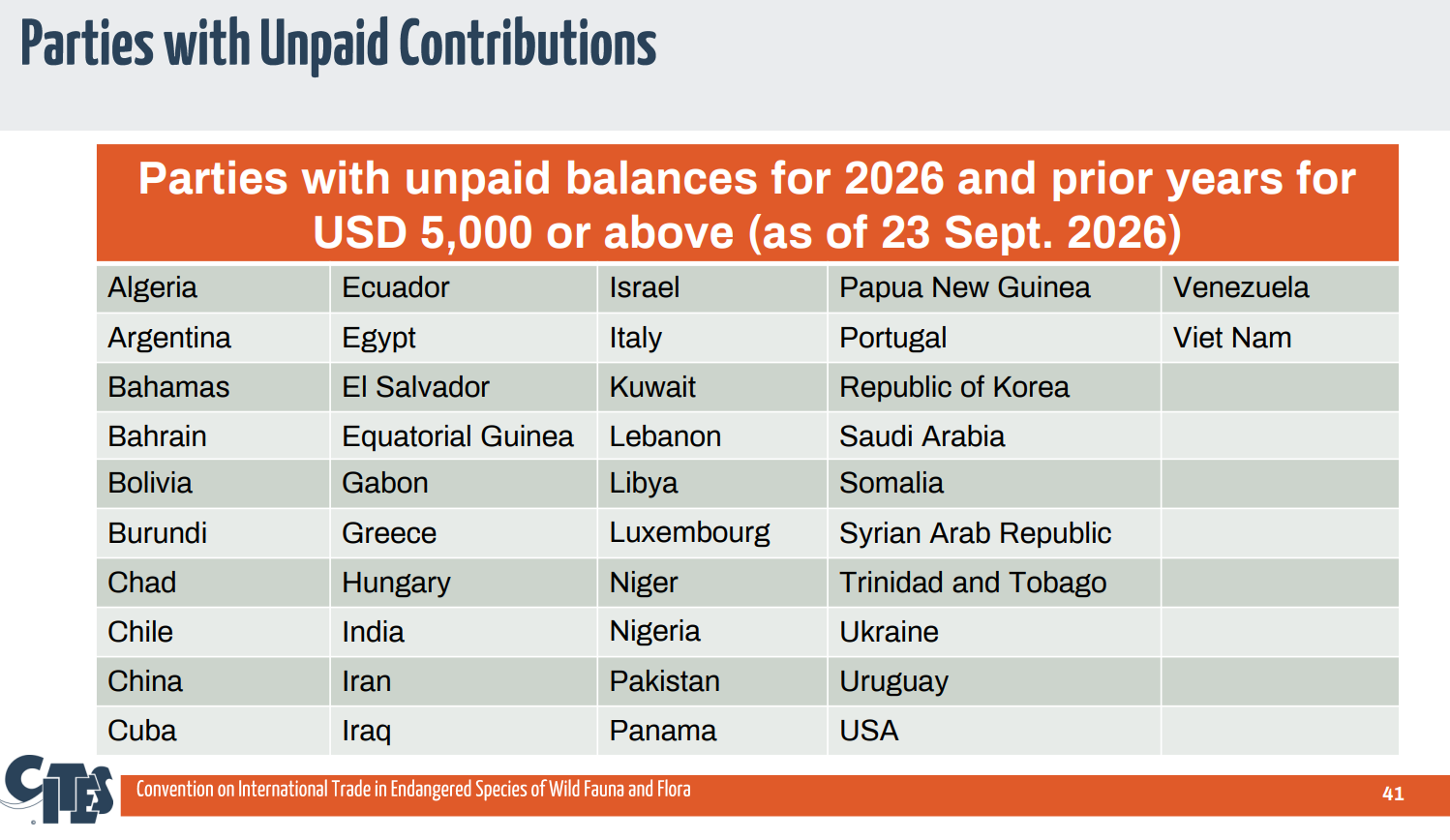
- I kindly ask the Parties to pay their outstanding contributions as soon as possible to ensure the Secretariat can continue functioning.
- I do not want to have to reach a situation in which I would need to lay off further Secretariat staff. As you know, we are already working on a shoestring, both financially and in terms of the human resources available to us. Any further loss of Secretariat staff would mean that we would no longer be able to serve the Parties as we have done in past years.
Q&A
Interventions from the Floor
- The first question is about the measures being considered to strengthen the capacities of developing countries, particularly in the implementation and enforcement of the Convention.
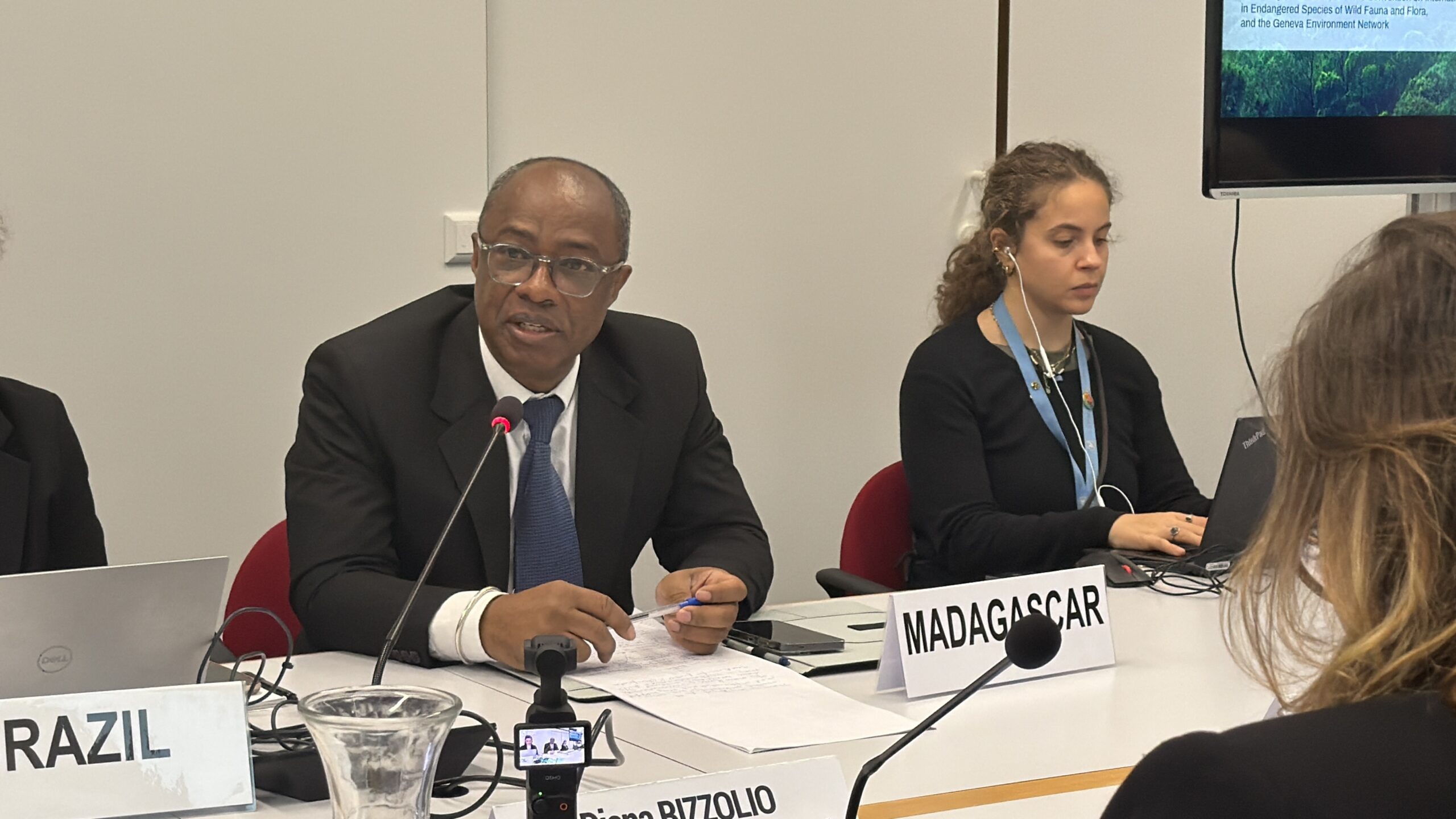
- What international best practices or initiatives would you recommend that Madagascar explore regardingthe traceability and legal trade of forest resources, particularly precious timber. ?
Ivonne HIGUERO | Secretary-General, CITES | Chair
- Madagascar is, of course, a very active Party to CITES, and we have been working very closely with Madagascar on many issues, including forest-related issues.
- Regarding the first part of your question, we have a number of programmes. One of those mentioned was the Compliance Assistance Programme. We also have the CTSP, the CITES Tree Species Programme, which assists Parties in effectively implementing the Convention with regard to tree species.
- A great deal of work is also being carried out by my colleagues on combating wildlife crime, working with INTERPOL, the World Customs Organization, the World Bank, and the United Nations Office on Drugs and Crime. All of these organizations work with Parties to help them combat wildlife crime.
- There are a number of other initiatives, as well as technical assistance provided by the Secretariat. These are some of the programmes through which we assist Parties in implementing the Convention. For example, under the CTSP, we have received proposals from 16 Parties with whom we will be working.
Ben Janse VAN RENSBURG | Chief, Enforcement Unit, CITES
- We have really tried to mobilize resources to support developing countries, especially those that need it. Madagascar is currently one of the ICCWC priority countries, so we have a full-time focal point in Madagascar who helps coordinate activities.
- We are mobilizing our partners under ICCWC to support you, and we will continue to do so. The main thing is to engage in the activities mobilized through the Consortium.
- For Madagascar, there are many national activities, as it is one of the priority countries. However, there are also many activities at the international level, such as global operations to combat wildlife crime and the forums we establish. These provide opportunities for face-to-face discussions with counterparts in other countries, and I encourage Madagascar to participate in them.
Ivonne HIGUERO | Secretary-General, CITES | Chair
- That is just one example with ICCWC. However, we have also been providing direct technical assistance to Madagascar on a number of issues and, more generally, to developing countries.
- Regarding legal acquisition findings and non-detriment findings, my colleague Thea has been working on this. We had a project, and we are now going to pilot the guidance we developed on non-detriment findings.
Kristina RODINA DE CARVALHO | Chief, Outreach and Projects Unit, CITES
- Madagascar benefited from the previous CTSP project. Madagascar was one of the countries receiving support under that project.
- Under the current CTSP, we have 16 projects. We received proposals from Madagascar, but they were not selected.
- Once we have finalized the 16 projects, the CTSP also includes activities related to regional workshops and strengthening countries’ capacities on the trade in tree species. There may be opportunities for Madagascar to benefit from these activities.
- We can let you know when these opportunities become available, once we have managed to finalize and launch the 16 projects.
Ivonne HIGUERO | Secretary-General, CITES | Chair
- Since you are representing Madagascar, we are mentioning these examples. However, these programmes are available to all countries that are eligible to receive this support under the Convention.
- We have also been providing support to Madagascar. You will be pleased to see in the reports we are preparing for the Standing Committee that there is good recognition of the efforts Madagascar has made over the last period to enforce many of the provisions of the Convention.
Interventions From the Floor
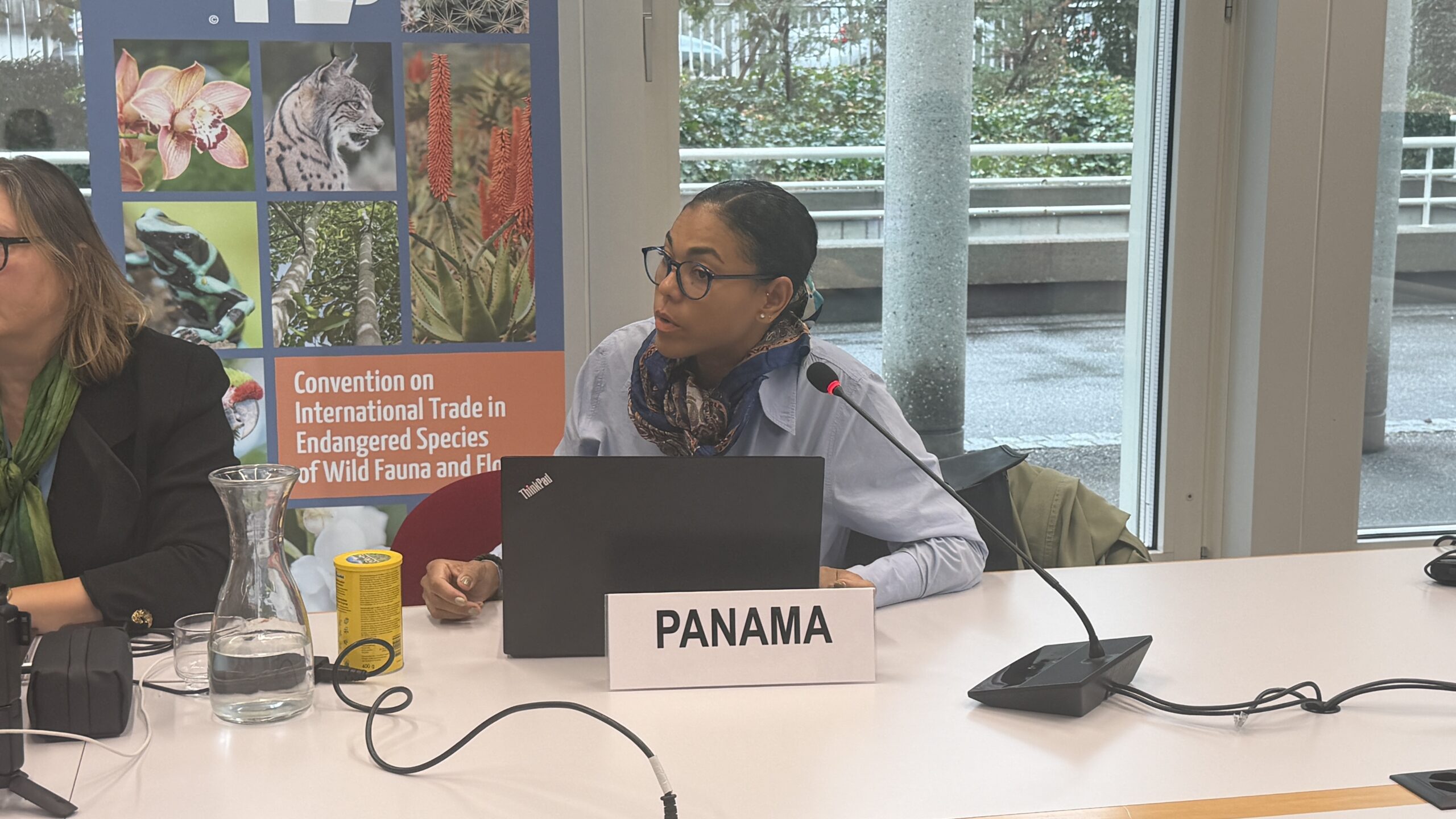
- My question concerns agenda item 48, on traceability and enforcement. Given the circumstances of the Parties, how will the Secretariat, through capacity-building and technical assistance, ensure that these tools remain responsive to national circumstances without creating additional administrative burdens?
Ivonne HIGUERO | Secretary-General, CITES | Chair
- The Ambassador also raised the issue of traceability. We have various workstreams underway within CITES related to traceability.
- Perhaps the issue you are raising on behalf of Panama concerns the work we are doing on eCITES. Would you like to respond to that? Please go ahead, as we are also working with UNCTAD on this matter.
Haruko OKUSU | Chief, Governing Bodies Unit, CITES
- With regard to capacity-building for countries, we take into account different national situations and considerations.
- The Secretariat does offer capacity-building support to Parties on eCITES, upon request and subject to the availability of external resources. Some of the support offered by the Secretariat, particularly in collaboration with UNCTAD, involves ASYCUDA-based support. We have an ASYCUDA-based eCITES solution, which includes looking at the feasibility study to see what the country actually has in place.
- Many countries already have customs systems that have been automated, whether through ASYCUDA or other means. The aim is to see what might be the best solution for that country if it is interested in putting CITES permits online, perhaps as part of the national single window or through other existing systems that are available. These are the kinds of support we offer.
- The Secretariat also provides a forum for countries to exchange information on what they are currently tackling with regard to the implementation of eCITES solutions or the exchange of electronic permit information. This allows Parties that are considering or interested in moving in that direction to learn about the challenges different countries are facing, as well as the tips and networks they have established, so that they can also advance together.
Ivonne HIGUERO | Secretary-General, CITES | Chair
- Traceability is a very interesting subject, and we are also looking at the traceability of CITES-listed tree species and whether guidance is needed to help establish traceability systems for these trees.
- Salim Khan is here and has been working with us on eCITES, in close collaboration with UNCTAD and on single-window systems. Could you say something about some of the countries you have been working with on eCITES and perhaps explain a little about the traceability aspect?
Salehin KHAN, CITES Outreach & Projects Unit
- Two weeks ago, we launched the eCITES project in Madagascar, in collaboration with UNCTAD and ASYCUDA. Hopefully, over the next year, Madagascar will be using electronic application systems for the issuance of CITES permits and certificates.
- Regarding eCITES, in terms of capacity-building and technical assistance, we help Parties as much as possible, subject to external funding, to plan and prepare for implementation. The implementation itself involves technical work, takes a long time, and requires significant resources.
- Since our capacity is limited, we try to plan the work carefully. In relation to the question raised by the representative of Panama, we conduct what we call a feasibility assessment. We look at the national context, including the systems already in place, existing workflows, and the requirements under CITES and at the national level. We then make recommendations based on that national context, presenting the Party with several options it could consider.
- That is our planning and preparation work. The Party is free to choose the ASYCUDA solution, a local solution, or an international solution, depending on what it wants. We do the groundwork with the participating country to support that process.
- Regarding traceability for tree species, as you know, traceability is a very broad topic, and there are already many resources and guidance materials available. Traceability systems for species can be very complex because they are species-specific and may involve the entire supply chain.
- We have therefore been considering whether to invite the Standing Committee to establish an intersessional working group to determine what the Parties actually want and what their plans are in terms of guidance.
Photo Gallery