
Event Conference
How Well Are National Climate Plans Protecting Health? Launching the GCHA Healthy NDC Scorecards
14 Oct 2026
18:30 – 20:00
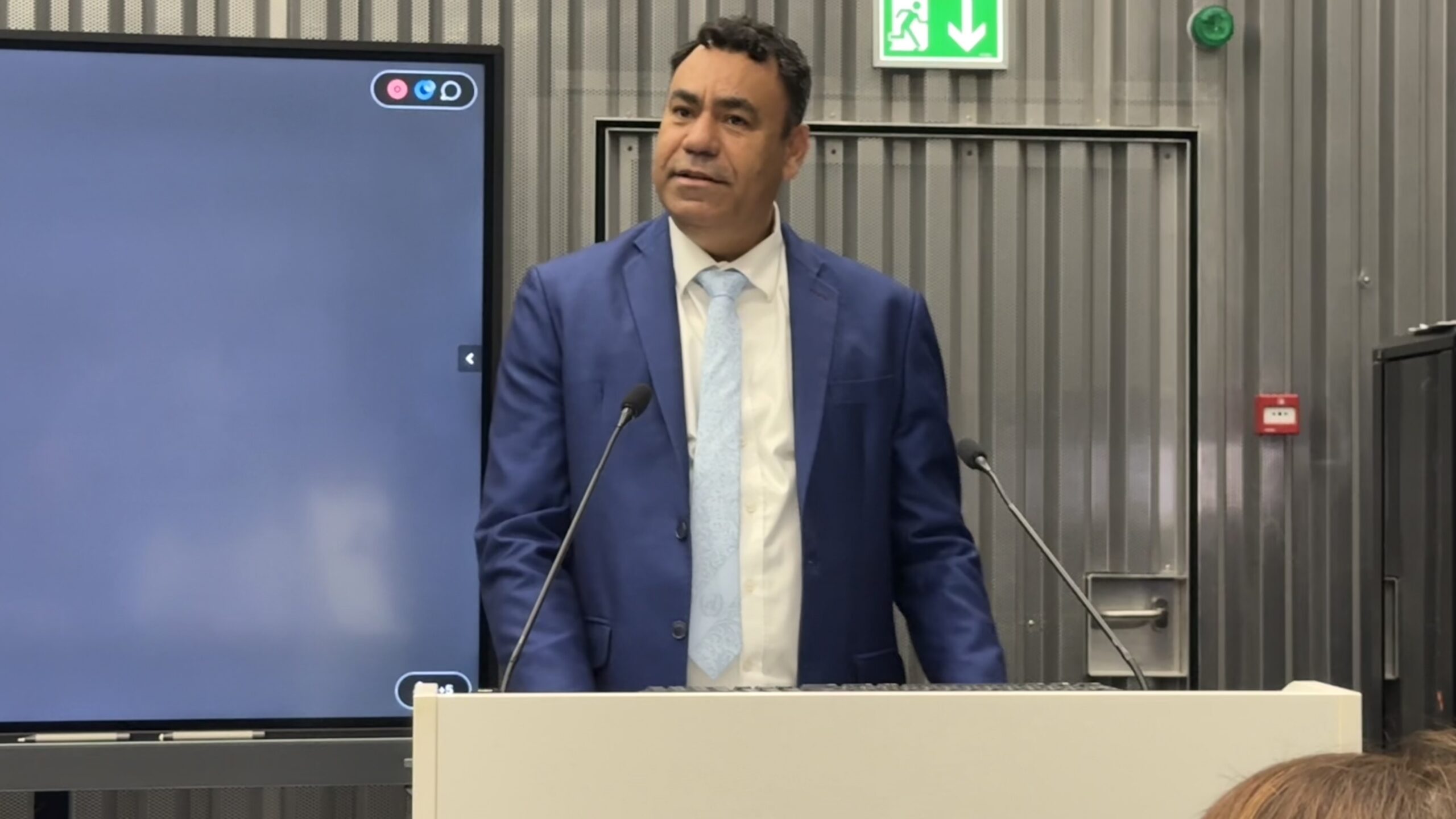
Venue: Maison de la Paix | Auditorium A2
Organization: Global Climate and Health Alliance, Geneva Graduate Institute, Geneva Global Health Platform, Geneva Environment Network, Climate Solutions for Health Lab, Wellcome Trust, Clean Air Fund
Ahead of 2026 UN Climate Change Conference (UNFCCC COP31), this event launched the latest iteration of the Healthy NDC Scorecards, which provide a global assessment of how comprehensively health is integrated into national climate plans. It explored what the findings tell us about the current state of health integration in national climate planning, and what is needed to strengthen it in the next round of NDCs.

About this Event
Under the Paris Agreement, governments update their national climate plans – known as Nationally Determined Contributions (NDCs) – every five years. These plans set out emissions reductions targets and interventions across sectors to address climate change. Health is a vital part of effective climate action. Ensuring the integration of health into climate policy protects populations, maximises economic benefits, and builds public support for ambitious climate policies which are so urgently needed.
In October 2026, the Global Climate and Health Alliance (GCHA) will launch the latest iteration of the Healthy NDC Scorecards, which provide a global assessment of how comprehensively health is integrated into national climate plans. The Scorecards examine, among other things, references to health impacts and air pollution, health-related actions across sectors, and financial and governance considerations.
By producing a global ranking highlighting where health is being addressed – and where important gaps remain – these scorecards provide policymakers with a tool to identify opportunities to strengthen the health dimension of climate action.
Ahead of 2026 UN Climate Change Conference (UNFCCC COP31), this event will bring together governments, policymakers, international organizations, civil society, and health and climate experts to explore what the findings tell us about the current state of health integration in national climate planning, and what is needed to strengthen it in the next round of NDCs.
Speakers

Suerie MOON
Professor of Practice, International Relations & Political Science Department and Director, Global Health Centre, Geneva Graduate Institute
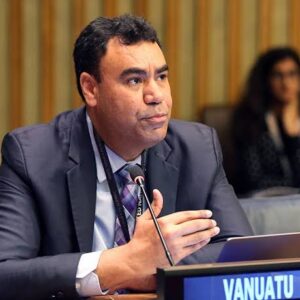
H.E. Amb. Sylvain KALSAKAU
Permanent Representative of the Republic of Vanuatu to the United Nations Office and other international organizations in Geneva

Nova TEBBE
Post Doctoral Researcher, Global Climate and Health Alliance and Climate Solutions for Health Lab at the University of Wisconsin-Madison

Amy SAVAGE
Technical Officer, Climate Change, Air Quality, Energy and Health Unit, World Health Organization

Zakariya MOHAMMED
Director/Head, Climate Change and Environmental Health (CCEH) Division, Public Health Department, Federal Ministry of Health & Social Welfare, the Federal Republic of Nigeria
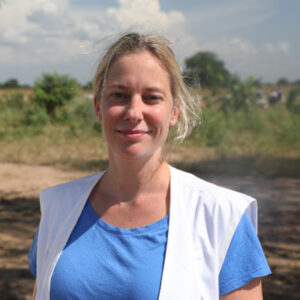
Alexandra MALM
Climate, Environment & Health Advocacy Coordinating Officer, Médecins Sans Frontières/Doctors Without Borders

Rosie TASKER
Clean Air Liaison, Global Climate and Health Alliance | Moderator
Video
The live video recording from the Geneva Environment Network is available on YouTube.
Highlights
Coverage
By Stefan Anderson, Health Policy Watch
Low- and middle-income countries that contribute little to global warming have done the most to plan for its toll on health, while the major economies behind more than half the world’s emissions barely consider it in their latest climate commitments, filed with the UN ahead of next month’s COP31 summit.
The findings come from a global scorecard released this week by the Global Climate and Health Alliance (GCHA), a network of more than 300 health organisations. It graded 117 national climate plans, including a joint plan covering the European Union’s 27 member states, on how seriously they address health, from heatstroke and malaria to whether governments set aside money to protect clinics from floods and heatwaves.
The 10 best-scoring countries produce about 1.5% of global greenhouse gas emissions, according to EU data. Ten large economies that scored fewer than 10 of a possible 32 points, among them China, the United States, India, Russia and Saudi Arabia, produce more than 60%.
India, the world’s third-largest emitter, scored two points. Its plan does not name a single air pollutant, despite one of the world’s heaviest death tolls from dirty air.
Jess Beagley, GCHA’s policy lead, said in a statement that the ranking reflects “lived realities” in countries that “do not have the luxury of pretending that climate change and health can be separated.”
The plans, known as Nationally Determined Contributions (NDCs), are the climate commitments countries make under the 2015 Paris Agreement. Their content is voluntary, but governments must update them every five years. This round sets out how each country will cut emissions and protect its people from a hotter world through 2035.
Those commitments offer the clearest preview of what governments will bring to COP31, which opens in Antalya, Türkiye, on 9 November.
The UN climate body’s most recent tally, covering the first 64 new plans, submitted by September 2025, found they would cut emissions 17% below 2019 levels by 2035. Holding warming to 1.5C requires a cut of about 60%.
In September, the UN Environment Programme concluded that overshooting the 1.5C limit is now unavoidable.
Gallery





Links
- Healthy NDC Scorecards | Global Climate and Health Alliance
- Mobilizing Climate Actors in International Geneva | GEN