
Event Conference
Human Rights and Marine Protected Areas | Geneva Rights and Environment Talks
13 Mar 2025
09:30 – 10:30
Venue: Palais des Nations | Room H-307-2 & Online | Webex
Organization: Geneva Human Rights, Biodiversity and Land Task Force, Special Procedures of the UN Human Rights Council, Earthjustice, Soka Gakkai International, Geneva Environment Network
On the sidelines of the 58th session of the Human Rights Council, the Geneva Rights and Environment Talks harnessed the opportunity of this moment of the year to reflect on the challenges posed by the rapid decline of nature and biodiversity, and on how Geneva contributes to bringing together the actors working towards ensuring the right to a clean, healthy, and sustainable environment is upheld for all. This session launched the second series of the Geneva Rights and Environment Talks.

About this Event
There is increasing global recognition of the urgency to protect and restore the ocean. Target 3 of the Kunming-Montreal Global Biodiversity Framework (GBF) aims to “ensure and enable that by 2030 at least 30 per cent of terrestrial, inland water, and of coastal and marine areas, especially areas of particular importance for biodiversity and ecosystem functions and services, are effectively conserved and managed”, such as in the case for Marine Protected Areas (MPAs) or other effective area-based conservation measures (OECMs).
However, according to the report, “On Track or Off Course? Assessing Progress Toward the 30×30 Target in the Ocean”, only 8.3% of global marine areas are reported as protected (either as MPAs or OECMs) in 2024. At the current rate of progress — an increase of 0.5% since the adoption of the GBF in 2022 — this figure is projected to rise to just 9.7% by 2030.
The protection of marine areas remains to be insufficient, but it remains to be the main instrument for protecting ocean areas. As highlighted by the UN Special Rapporteur on the right to a healthy environment, Astrid Puentes, in her report to the Human Rights Council (A/HRC/58/59), while important initiatives are under way internationally, regionally and nationally, they do not necessarily reflect the interconnectedness of the ocean and human rights. Moreover, even though over 600 ocean-related agreements exist, weak rule of law and fragmented governance have resulted in a failure to prevent ocean damage, safeguard the environment and human rights and enforce restoration and accountability.
Ahead of the upcoming third UN Ocean Conference taking place in June in Nice, France, this Geneva Rights and Environment Talk aimed to answer whether marine protected areas are sufficient to ensure the protection of the ocean biome, and all the fundamental rights associated with it. It investigated whether MPAs and OECMs have been established in accordance with international human rights law. The talk highlighted that an ecosystem-based approach offers a path for implementing them in a holistic, coordinated and collaborative way that takes account of the relationship between the ocean and human rights.
About the Geneva Rights and Environment Talks
In the face of the three interrelated environmental crises — climate change, loss of biodiversity, and pollution — the recognition of the right to a clean, healthy, and sustainable environment by the UN Human Rights Council and the UN General Assembly is an important milestone that puts environmental issues at the forefront of the human rights agenda.
The Special Rapporteur on the human right to a healthy environment reports to the Human Rights Council during its March session on issues related to their mandate. The Geneva Rights and Environment Talks harnessed the opportunity of this moment of the year to reflect on the challenges posed by the rapid decline of nature and biodiversity and the intertwined human rights implications. The talks were also an opportunity to discuss how Geneva contributes to bringing together the actors working towards ensuring the right to a clean, healthy, and sustainable environment is upheld for all.

Speakers

Astrid PUENTES RIAÑO
UN Special Rapporteur on the human right to a clean, healthy and sustainable environment

Nela CERNOTA
Associate Human Rights Officer, Office of the High Commissioner for Human Rights

Mrinalini RAI
Director, Women4Biodiversity

Ana Maria TABLADA
Central America Hub Representative, Bosques del Mundo, Honduras
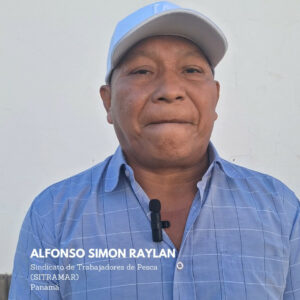
Alfonso Simon RAYLAN
Sindicato de Trabajadores del Mar, Panama

Ava IBANEZ AMADOR
Associate Attorney, Oceans Program, Earthjustice

Arnaud VANDER VELPEN
Sand Industry & Data Analytics Officer, UNEP/GRID-Geneva

Diana RIZZOLIO
Coordinator, Geneva Environment Network

Alexandra Masako GOOSSENS-ISHII
Representative to the UN & Programme. Coordinator, Climate & Environment Advocacy, Soka Gakkai International | Moderator
Highlights
Video
Live from Palais des Nations
Summary
Opening
Astrid PUENTES RIAÑO | UN Special Rapporteur on the human right to a clean, healthy and sustainable environment
- One of the biggest challenges faced today with the environmental crisis and the ocean is the compartmentalized and siloed vision.
- The ocean is one single biome: one should not refer to the oceans in plural but to one single ocean. But it is not only a biome in the sense that it’s ecosystems and biodiversity: it is where life on Earth began and now is under threat.
- Everything that has to do with the ocean is also linked to human rights. There is a need to increase obligations and effectiveness.
- 3 main points related to Marine Protected Areas (MPAs):
- Incorporating the ecosystem and human rights-based approach helps advance the effectiveness of not only marine conservation areas but also conservation aspects in general. Sometimes, Marine Protected Areas have been implemented in violation of human rights. It is very important to address this and make sure that Marine Protected Areas and all conservation efforts put human rights at the center.
- Marine Protected Areas should be part of a consistent and comprehensive approach, with a holistic perspective, and not be seen as some areas to protect while destroying the rest.
- Objectives such as the 30×30 are very important, yet the stake is not to protect a percentage of the planet while advancing other destroying or impacting activities.
Panel Discussion
Nela CERNOTA | Associate Human Rights Officer, Office of the High Commissioner for Human Rights
- Effective action is needed towards achieving Target 3 of the Kunming-Montreal Global Biodiversity Framework (KMGBF) in the marine and coastal context. Action must be based on human rights.
- Target 3 of the KMGBF states that by 2030, at least 30% of marine and coastal areas should be effectively conserved. Currently, only about a fourth of the areas foreseen in Target 3 have been conserved in the context of marine and coastal areas.
- Effective conservation measures are necessary to uphold human rights. The loss of marine biodiversity due to overfishing, pollution, habitat loss, and other drivers is seriously harming human rights, especially those of the people most closely dependent on the ocean. For instance, the overexploitation of aquatic resources puts their right to self-determination and many other rights at risk.
- Indigenous Peoples, small-scale fishers, fish workers, and others are stewards in protecting the ocean biodiversity and play an essential role in restoring, conserving, and managing local aquatic and coastal ecosystems. Small-scale fishers often create broad benefits. For instance, the customary tenure system in Sri Lanka ensures a fair distribution of benefits and acts as a powerful deterrent against overfishing.
- Target 3 not only has the quantitative goal of 30% but also requires that protected areas be governed equitably, recognizing and respecting the rights of Indigenous Peoples and local communities. Only the fulfillment of both qualitative and quantitative elements can lead to successful and sustainable implementation.
- Conservation that involves sustainable stewardship contributes to transformative change when it is inclusive, well-resourced, focuses on places of high value to Nature and people, and when the rights of Indigenous Peoples are recognized.
- It is important not to focus only on the targets but also on Section C which sets out that the implementation of the entire framework should follow a human rights-based approach and be gender responsive.
- Measures are necessary to ensure that Indigenous Peoples, coastal communities, and others who depend on ocean resources for their culture, health, livelihoods, and food are not exposed to human rights violations.
- Conservation that follows a human rights approach, is gender-responsive and promotes beneficial outcomes for both people and biodiversity.
- Participation is also an essential aspect of the implementation of Target 3. The establishment and governance of marine protected areas should be participatory and include all relevant stakeholders. This also relates to Target 22 of the KMGBF which concerns the full and effective participation of Indigenous Peoples and local communities, women and girls, youth and persons with disabilities in decision-making, and the full protection of environmental rights defenders.
- Protecting environmental defenders from violence and rights violations supports transformative change.
- Further efforts are needed for the implementation of Target 22, specifically in the context of marine coastal and island biodiversity.
- Resolution 57/28 of the Human Rights Council of last October, on Biodiversity and human rights, requests OHCHR to provide technical assistance to states on a human rights-based approach to biodiversity conservation, sustainable use, and the fair and equitable sharing of its benefits. OHCHR also stands ready to support states in the implementation of the KMGBF with human rights at the center.
Mrinalini RAI | Director, Women4Biodiversity
- The discussion on marine and coastal biodiversity is not a new agenda; it has been ongoing under the Convention on Biological Diversity (CBD) since its adoption in 1992. The CBD provides a definition of protected areas under its preambular text, Article 2, and Article 8, which outline the modalities for establishing protected areas. These foundations set the stage for discussions on Marine Protected Areas and have influenced conservation policies for decades. The concept of Other Effective Area-Based Conservation Measures (OECMs) was introduced at COP10 in Nagoya in 2010 under Aichi Biodiversity Target 11, broadening the scope of conservation to include Indigenous lands and areas not governed by the state.
- The increasing global focus on the 30×30 target, which aims to protect 30% of land and sea by 2030, must not come at the expense of a more holistic approach to biodiversity conservation. Similar area-based targets have existed in the past, such as the 2010 Aichi target of 17% terrestrial and 10% marine protection, which was one of the few successfully achieved biodiversity goals. However, much of this success was based on designating protected areas without ensuring effective conservation measures, an issue that must not be repeated under the Kunming-Montreal Global Biodiversity Framework. Instead of prioritizing a single numerical target, efforts must focus on integrated conservation strategies that incorporate human rights, climate change, and sustainable use of natural resources.
- A major concern in biodiversity discussions is the overemphasis on carbon, particularly in the ocean space where blue carbon initiatives dominate. While carbon sequestration is important, this narrow focus neglects the broader ecological, social, and cultural values of ecosystems. Biodiversity is not just about mitigating climate change; it is about preserving relationships between people and nature, ensuring ecosystem integrity, and maintaining sustainable livelihoods. The UN Ocean Conference has reflected this imbalance, with high-level discussions prioritizing climate and carbon while largely overlooking biodiversity itself, highlighting the need for a shift in narrative and policy focus.
- The governance of protected areas, particularly MPAs, raises significant concerns, especially regarding funding, benefit-sharing, and the potential for human rights violations. Many conservation policies have historically marginalized Indigenous communities, and without clear governance structures, there is a risk of repeating these mistakes. Sustainable use must be an integral part of conservation planning, recognizing that MPAs serve not only for conservation and restoration but also as vital resources for communities whose livelihoods depend on them. The push for renewable energy and the just transition has also led to increased deep-sea mineral exploration, raising concerns about its environmental impact and whether it is being done under the guise of sustainability without proper safeguards.
- The rapid expansion of protected areas, including the push for 30×30, brings questions about who will govern these spaces and how they will be financed. Conservation funding is increasingly tied to assets and benefit-sharing agreements, which, if not properly structured, could lead to inequities and further marginalization of Indigenous and local communities. In addition, marine genetic resources and biodiversity reserves present emerging challenges, as their management and access rights remain unclear. Every term and policy in biodiversity negotiations carries significant implications, and it is critical to ensure that decisions made at the global level do not lead to unintended consequences for the rights and well-being of affected communities
- Key issues that require urgent attention include deep-sea mining, solar radiation in the Arctic, and the broader impacts of extractive industries on marine and coastal ecosystems. Indigenous communities, particularly in the Arctic, are already facing declining fish stocks due to these activities, yet these concerns are currently overlooked. The UN Ocean Conference and other biodiversity forums must integrate these issues into their agendas, recognizing that biodiversity policies cannot be effective if they do not account for the real-world impacts on local communities. Conservation efforts must balance protection with livelihoods, ensuring that Indigenous and local communities are not excluded from decision-making processes but instead recognized as rights-holders with a legitimate stake in the governance of natural resources.
Ana Maria TABLADA | Central America Hub Representative, Bosques del Mundo, Honduras
- Honduras has really good initiatives for protecting the marine ecosystem, and other organizations are promoting the creation of a zone of 12 nautical miles to protect the seashore because they have 100% of the really important mangrove forest, 100% of the sea pass, and 83% of the coral reef. This area is really important and shared with four countries, Mexico, Honduras, Guatemala, and Belize.
- Honduras has no experience, laws, or technical expertise in oil extraction. Honduras signed a contract with an international firm attempting to extract oil. This will affect thousands of local communities, more than 75 thousand people who live in close relation to the sea.
- In case of an oil spill, the whole coral reef would be affected as well as protected areas, the people who are living on the coast. This is a huge threat.
- The contract states that the company won’t bear any responsibility. The lack of expertise and advice leads to Honduras signing, and then being in this situation.
- Indigenous rights, the right to a clean, healthy, and sustainable environment, the right to participation, and the right to food will be affected and there will be impacts on the lives of the people, especially for women.
- Information about this case is hard to find because the contract has a non-sharing information clause. There is a lot of opacity and a lack of consultation.
- It is still time to stop oil extraction to protect the ecosystem and the people, and to take this opportunity to create a good example since it is the first phase of exploration and not yet in the exploitation phase.
Alfonso Simon RAYLAN | Sindicato de Trabajadores del Mar, Panama
- The case referred to here is about the community having raised questions regarding tourism activities and development plans in several protected areas on the island of Ngäbe-Buglé. As a response, the environment ministry has proposed to create a one-year renewable moratorium on all external economic activities in three protected areas. That means only conservation-focused activities would be permitted, and Indigenous communities and small-scale fishers from the area are afraid they wouldn’t be able to have a livelihood anymore.
- The only productive activity they have on the island is small-scale fishing. There are more than 27 communities dedicated to fishing on the Island, which means more than 30,000 people are directly and indirectly dedicated to and dependent on small-scale fishing. It represents everything to them: food, health, education.
- They wonder where the fishers will carry out their activity if the island is privatized, and how they will carry out their activity to support their families.
- They call to raise voices together and to look for a way to fight and see what can be achieved.
Ava IBANEZ AMADOR | Associate Attorney, Oceans Program, Earthjustice
- The discussion concerns how establishing a global network of marine protected areas can protect biodiversity and people alike.
- Human rights are inextricably connected to the ocean. The marine biodiversity crisis threatens basic human needs such as access to food (fishing provides a major source of protein to feed vulnerable coastal nations), clean air (the ocean produces half of the world’s oxygen), and protection of coastal communities from destructive flooding and storms. Beyond human physical needs, the ocean is also the source of spiritualism and fundamental life philosophies and cultures. It is more than a carbon sink and, when marine ecosystems suffer, humans suffer too.
- Industrial overfishing, legal unreported and unregulated fishing, climate change, water pollution, and habitat destruction, amongst others, all contributed to the marine biodiversity crisis. Overfishing is considered the primary threat to global marine biodiversity.
- Offshore oil and gas projects pose a hazard to human health and risk oil spills that can destroy livelihoods, and wipe out entire ecosystems.
- Over 1/3 of shark and ray species are today threatened with extinction. This crisis can also be seen in the direct experiences of people who lack the support from their government to protect sharks and other species.
- What can be done facing this situation?
- Establishing marine protected areas with strict restrictions can help protect species by foreclosing harmful industrial activity in key ocean areas. Strategically expanding the existing global marine protected area network will decrease industrial fishing.
- Marine protected areas can also help remediate the harmful effects of historical overfishing including protecting important habitats and providing refuge for migratory species.
- A global fishing network that prohibits or restricts fishing must also include expansive areas of the high seas.
- Illegal unreported and unregulated fishing, which is often associated with forced labor, human trafficking, and unsafe work conditions, accounts for roughly 20% of global fish catch and often targets species on the high seas. Only 0.8% of the high seas have spatial protections.
- Even though marine protected areas pose implementation and enforcement challenges, they can be a powerful tool if implemented in conjunction with other instruments that address transparency and human rights.
- Nations should be encouraged to ratify the UN agreement on marine biodiversity of areas beyond national jurisdiction to establish a framework of protected areas on the high seas.
- Regional fisheries management organizations should work to strengthen compliance measures, improve transparency, and incorporate human rights into fishery management measures.
- If implemented correctly, meaning holistically, and considering biodiversity hotspots, transparency challenges, fishing measures, and human rights, a network of marine protected areas could be an incredibly effective tool to protect the ocean.
Arnaud VANDER VELPEN | Sand Industry & Data Analytics Officer, UNEP/GRID-Geneva
- Sand is a resource that is rarely discussed in the context of ocean conservation, yet it plays a fundamental role in our daily lives. While many people associate sand with deserts, its primary use is in construction—forming the backbone of concrete, asphalt, roads, schools, houses, hydropower dams, and even advanced technologies like glass and microchips. The demand for sand is immense, with approximately 50 billion tons of sand, gravel, and crushed rock extracted annually—enough to construct a 27-meter-high, 27-meter-wide wall encircling the entire Earth every year.
- The ocean is a significant and often overlooked source of sand, contributing to the global extraction total. Recent calculations estimate that six billion tons of sediment are removed from marine environments annually—equivalent to a 9-meter-high, 9-meter-wide wall around the equator each year or one million dumper trucks per day. Alarmingly, 15% of this marine sediment extraction occurs within Marine Protected Areas, with the percentage rising to over 25% in certain western regions where tracking is available. However, these figures only account for what can be monitored, meaning the true extent of marine sand extraction could be even greater.
- The extraction process has severe consequences for marine ecosystems, as large vessels act like vacuum cleaners, sucking up sediment and destroying benthic organisms in the process. This activity generates massive sediment plumes—clouds of fine material that smother coral reefs, increasing their susceptibility to bleaching events by a factor of six. The loss of marine habitats is another significant impact, as certain ecosystems, such as gravel beds, are rare and cannot easily regenerate once removed. Similarly, beaches that lose their sand will no longer support vital species like sea turtles, which depend on them for nesting.
- Unlike desert sand, which is too fine for construction, the sand we use comes from quarries, rivers, and increasingly, the ocean. Tracking the scale of this extraction is crucial, and initiatives like ‘Marine Sand Watch’ have been developed to monitor dredging vessels and analyze extraction activities worldwide. The data highlights the growing reliance on marine sand for various purposes, from beach nourishment and coastal protection to the construction of artificial islands and wind farms. Despite its importance, very few countries have long-term plans for managing sand resources, particularly in the face of sea level rise and increasing coastal erosion.
- As cities relocate and shorelines are reinforced, the demand for sand will only intensify. Without proactive planning, countries will likely extract sand from the most accessible areas, avoiding infrastructure zones such as ocean cable routes, marine accessways, and offshore wind farms. This raises a critical question: Will today’s marine-protected areas become the sand mines of the future?
Closing
Astrid PUENTES RIAÑO | UN Special Rapporteur on the human right to a clean, healthy and sustainable environment
- While the discussions may feel overwhelming at times, many existing alternatives and solutions to environmental challenges were highlighted.
- The importance of conversations like this was emphasized, noting that even a short discussion can open doors to rich exchanges of knowledge. The report, despite being just 10,000 words, has sparked valuable dialogue, which is seen as encouraging.
- An invitation was extended to continue the conversation beyond this session and to share resources, including the PowerPoints presented, to ensure the knowledge remains accessible. The updated report and its annexes contain extensive information, and participants were urged to make use of them.
- The need to hold states and businesses accountable was stressed, as there are significant opportunities to protect the ocean. Indigenous peoples and various stakeholders play a crucial role in this, and collective action is needed.
Geneva Human Rights, Biodiversity and Land Task Force | GeHRBiL
Photo Gallery


Documents
Presentations made during the event
Links
Photo Credit
Photo by Matt Curno / Ocean Image Bank