Event Virtual
Innovation Opportunities to Address Pharmaceutical Pollution: Green Chemistry and Sustainable Value Chains Strategies

02 Dec 2025
14:00 – 15:30
Venue: Online | Webex
Organization: UNEP Chemicals and Health Branch, Geneva Environment Network
This online event is part of the “Addressing Pharmaceuticals in the Environment through a Lifecycle Approach” Event Series, co-organized by the United Nations Environment Programme (UNEP) in cooperation with the World Health Organization (WHO) and the Geneva Environment Network (GEN).

About this Event
Pharmaceutical pollution represents a growing environmental and public health concern, with residues detected in surface and groundwater, soils, and even drinking water sources worldwide. These residues originate throughout the entire pharmaceutical lifecycle — from design and production to consumption and disposal. Addressing this challenge requires moving beyond end-of-pipe solutions and fostering upstream innovation to prevent pollution at its source.
Emerging opportunities in green and sustainable chemistry are driving the development of pharmaceuticals designed for reduced persistence and lower ecotoxicity, while sustainable procurement policies are increasingly promoting environmentally responsible manufacturing and supply chain practices. At the same time, multi-stakeholder initiatives that bring together governments, industry, academia, and civil society are proving essential to identify scalable, cost-effective strategies that minimize emissions and releases of pharmaceuticals into the environment and support the transition to sustainable production and use.
By fostering dialogue across disciplines and sectors, innovation can help to avoid, reduce, and eliminate pharmaceutical residues and their associated risks — contributing to healthier ecosystems and communities.
Experts joining the panel of this event explored and promoted innovative approaches, policies, and collaborative initiatives that contribute to preventing and mitigating pharmaceutical pollution, with a focus on advancing green and sustainable chemistry for the design and production of pharmaceuticals. They will also discuss how we can strengthen sustainable procurement practices to foster environmentally responsible supply chains, and showcase multi-stakeholder initiatives that offer scalable and effective solutions to reduce pharmaceutical residues in the environment.
Addressing Pharmaceuticals in the Environment through a Lifecycle Approach Event Series
The United Nations Environment Programme, in cooperation with the World Health Organization, the Geneva Environment Network, and other key partners, is organizing a series of events to raise awareness and share best practices, challenges and opportunities to address this pressing issue. The virtual events bring together experts, decision makers and other relevant stakeholders from around the world to discuss innovative practices throughout pharmaceutical lifecycle and across key sectors such as pharmaceutical manufacturing, healthcare facilities, agriculture, food production, and municipalities/households, shedding light on the benefits of action as well as existing tools.
Speakers
By order of intervention.

Dorothy NGAJILO
Health and Labour Officer, Global Framework on Chemicals Secretariat

Andrea FASANO
Water Stewardship Lead, Global Safety & Environmental Operation, Pfizer and Co-Lead, PSCI Environment Committee

Christian SCHÖNAU
Alliance Management Public Private Partnerships, Sanofi - PHARMECO Project

Ahmed BELAL
Environmental Expert, COMESA Secretariat

Aura LEDEZMA ESPINOZA
Professor, School of Chemistry, Instituto Tecnológico de Costa Rica
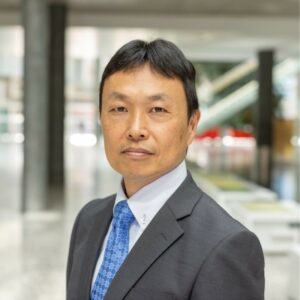
Yoshinari OYAMA
Green Technology and Liaison Officer, Climate Change, Food Security, Global Challenges and Partnerships Sector, World Intellectual Property Organization (Video Message)

Markos IERIDIS
Chemicals and Health Branch, UN Environment Programme

Stephanie LARUELLE
Programme Management Officer, Chemicals and Health Branch, UN Environment Programme | Co-Moderator

Fernando Gastón ITURBURU
Pharmaceutical Lifecycle Expert, UN Environment Programme | Co-Moderator
Highlights
Video
Summary
Welcome & Introduction
Stephanie Laruelle | Programme Management Officer, Chemicals and Health Branch, UN Environment Programme| Co-Moderator
- The event gathers diverse stakeholders to discuss innovation opportunities to address Pharmaceutical Pollution, particularly in relation to Green Chemistry & Sustainable Value Chains Strategies.
- Pharmaceuticals play a critical role for human and animal health, and food production. However, their release in the environment, which may occur during manufacturing, use or end of life, creates a serious threat that is raising growing concern.
- Addressing this challenge requires moving beyond end-of-pipe solutions and fostering upstream innovation to prevent pollution, opportunities for prevention do exist at multiple points along the chain.
- The objective of the session is to explore how different forms of innovation, technical, regulatory, organizational, can align to reduce pollution upstream and support more preventive, life-cycle-oriented solutions.
Introductory remarks
Dorothy Ngajilo | Health and Labour Officer, Global Framework on Chemicals
- The global nature of pharmaceutical pollution, spanning design, production, use, and disposal, demands cross-sector governance and upstream innovation. The new Global Framework on Chemicals (GFC) offers a unique platform to align ministries, stakeholders and sectors around preventive, life-cycle approaches.
- The framework aligns action across sectors, improving prevention, safer design and sustainable value chains. The GFC builds on earlier Strategic Approach to International Chemicals Management (SAICM) work, where environmentally persistent pharmaceutical pollutants (EPPP) were already identified as an issue of concern.
- At the 2025 OEWG, countries reiterated the continued relevance of the topic of pharmaceuticals in the environment (PiE) for antimicrobial resistance (AMR), One Health, and sustainable chemical management.
- Safer design approaches, greener chemistry, improved procurement practices and collaboration across supply chains, all run through all the strategic objectives.
Presentations
Andrea Fasano| Water Stewardship Lead, Global Safety & Environmental Operation, Pfizer and Co-Lead, PSCI Environment Committee
- PSCI vision is for excellence in safety, environmental, and social outcomes across the global pharmaceutical and healthcare value chain. PSCI comprises 84 members from pharmaceutical and healthcare companies.
- The supplier undergoes audit to identify gaps in the environmental policies and practices. When gaps are identified, the findings are addressed through corrective action plans and assured learning. The findings are useful to improve the practices and the sharing process with customer, and this cycle drives continuous improvement and transparency throughout the industry.
- PSCI supports pharma & healthcare value chain through Industry Leadership, Services, Tools & Systems to address the existing gaps and a Community of Peers for knowledge exchange and capability improvement.
- All the 84 members of PSCI integrate our principles in their supply code of conduct setting line expectation for suppliers. The PSCI principles guide responsible supply chain management in pharma and care by setting supply expectations in Ethics, Human Rights, Health & Safety, Environment and Governance.
- The PSCI Maturity Model provides a practical guide for ongoing improvement of supply practices that match the PSCI principles. The steps are starting out, developing, implementing and leading. By using this model, supplier can spot the areas needing improvement, set goals, and embrace best practices which promote greater transparency, resilience, and responsible value chain throughout the pharma sector.
- PSCI supports Environmental Stewardship through biodiversity, environmental authorizations & reporting, pharmaceuticals in the environment & antimicrobial resistance, resource efficiency, spills & releases, waste & emissions. Some examples are Webinars on PFAS and Strategies for accurate API exposure monitoring.
- PSCI provides resources such as a tool to perform the risk assessment of PiE. Moreover, PSCI created a waste vending checklist to help the supplier standardize the way to identify the best waste contractor.
Christian Schönau | Alliance Management Public Private Partnerships, Sanofi – PHARMECO Project
- The project PHARMECO is a public private partnership under the umbrella of the Innovative Health Initiative, co-financed by the European Commission and the pharmaceutical companies’ members of the project.
- The consortium brings together 31 international partners, including from research institutions, as well as industries with a total budget of 45 million euros and a duration of 6 years. Its governance is based on co-leadership with the Ghent University and Sanofi, as industry project lead.
- Highlighted drivers for change include new regulations and investor demand for greener manufacturing, demonstrating that industry can act responsibly and support global environmental goals.
- The project aims not only to integrate “safe and sustainability by design” principles into the design and scale up phase of new manufacturing processes, but also to provide sustainability steering tools that early development scientists can use to develop more environmentally friendly processes as well as a new extended toolbox of sustainable manufacturing solutions, for APIs, as well as biomanufacturing and cleaning/sterilization of equipment. The project also aims to establish a new standardized sustainability assessment methodology that creates common standards, with shared and harmonized datasets to report and quantify the impacts of the innovations.
- The project also envisages to connect to other initiatives and projects, such as PSCI, but also to address regulatory and supply chain hurdles, to collaborate and synergize.
Ahmed Belal | Environmental Expert, Common Market for Eastern and Southern Africa (COMESA) Secretariat
- The COMESA region encompasses 21 African member states with growing demand for manufacturing pharmaceutical products. COMESA is working to transform pharmaceutical manufacturing through a comprehensive strategy that addresses pollution at its source while improving business competitiveness, to strengthen regional capacity building and reduce reliance on imports.
- COMESA’s industrial strategy identified the pharmaceutical sector as one of the key influencers and drivers.
- Environmental sustainability must be integrated into this manufacturing agenda from the outset.
- COMESA’s proposed strategy was informed by comprehensive stakeholder engagement and aims at transforming manufacturing capabilities toward climate-smart, low carbon facilities, building on green chemistry and sustainable production as well as resource efficiency, waste management and circularity.
- Main environmental risks identified by the strategy include API contamination and increased antimicrobial resistance, high dependency on water and energy, and inadequate waste management.
- Taking into account the varying maturity levels of the industry across the region, the strategy is designed with tailored approaches that distinguish three groups of countries: (1) industrial hubs, through green manufacturing strategic interventions to improve existing practices and strengthen regulatory frameworks in alignment with international practices, (2) countries with emerging manufacturing capabilities, with measures towards environmental regulatory enhancement, greening practices in existing value chains and promotion of green processes for new facilities, and (3) markets that remain import-dependent, with measures focused on establishing environmental compliant policies and facilitate incorporation of green practices in supply chains.
- Activities identified to improve resource efficiency and risk management include advancing wastewater treatment, including zero liquid discharge, reducing solvents use and increasing their recovery, circular packaging and reverse logistics for expired medicines, expanding recycling, and lowering material intensity.
- A case study from Tunisia highlighted how practical particle sizing equipment for real time monitoring and process analytical technologies can lead to improved environmental performance and greater resource efficiency.
- Also, a case study from Uganda showed how the implementation of regulatory systems (ISO14001 and WHO prequalification requirements) helped a local pharmaceutical industry to improve the integration with Pharmaceutical Quality System, moreover they demonstrated environmental compliance enhancement.
- A third case was showcased, from Kenya. The speaker mentioned how banning single-use plastics, recyclable pharma packaging and producer responsibility obligations helped to improve waste management in line with COMESA’s approach.
- Other pathways forward are the introduction of climate risk assessment and energy efficiency alternatives, the recovery and substitution of solvents applying the principles of green chemistry and finally, the continuous manufacturing and process intensification to reduce the waste from used material and energy consumption.
- Proposed implementation priorities include no regret resources measures for utilities, leaks, and solvent reduction, water energy audits, regional procurement standards; and finally the reliance on existing COMESA governance structure and committees.
Aura Ledezma Espinoza | Professor, School of Chemistry, Instituto Tecnológico de Costa Rica
- In Costa Rica, a collaborative initiative between government institutions and academia has been launched to address PiE. The country has universal health coverage and widespread use of medicines, with confirmed presence of several pharmaceuticals in aquatic media, however currently no regulatory framework to address this issue.
- Wastewater treatment primarily relies on septic tanks and primary treatment systems, which are insufficient for removing pharmaceuticals.
- Proactive measures have been taken to address the issue, including prevention, chemical status characterization, mitigation and regulation, integrating One Health principles, and fostering collaboration.
- The key challenge of effective pharmaceuticals removal was turned into an opportunity for national applied research, combining institutional needs with scientific capacities of academia.
- Some pilot projects in on-site hospital WWTPs were explored, based on membrane bioreactors + UV/H2O2, O3/H2O2 or integrated fixed film activated sludge to assess effectiveness in removing pharmaceuticals, achieving >90% of APIs removal in some of the cases.
- The speaker highlighted about the contribution of the different members of the collaborative working group, and the benefits they reach.
- Finally, the speaker addressed the main challenges ahead at national level. One of them is to establish a national strategy that brings together diverse stakeholders. Priorities include integrating the issue into political frameworks, expanding green pharma initiatives and systemizing actions at the national level. Collaboration with international partners participating in regional monitoring initiatives are key to advance progress.
Yoshinari Oyama | Green Technology and Liaison Officer, World Intellectual Property Organization (WIPO)
- The speaker delivered a pre-recorded message outlining the role of intellectual property (IP) and technology transfer in green and sustainable pharmaceutical chemistry.
- WIPO, the UN specialized agency on IP, collaborates with governments, research institutions, and industry to explore ways in which IP can facilitate greener and safer pharmaceutical production.
- The WIPO GREEN database offers a technology matchmaking platform with currently over 140,000 green technologies from more than 140 countries and with over 160 partner organizations, including UNEP. The platform facilitates access amongst others to sustainable manufacturing and wastewaters technologies.
- WIPO aims to ensure green and sustainable chemistry solutions are scalable, accessible and locally adapted and to promote multi stakeholder collaboration to minimize pharmaceutical pollution throughout the product life cycle.
- Technology plays a key role in preventing pollution to protect ecosystems and human health, including global threats such as AMR. Upstream sustainable chemistry helps prevent pollution at source; safer molecule design reduces the persistence of harmful compounds.
- IP helps accelerate the development of greener pharmaceutical research and eco-friendly active pharmaceutical ingredients, through the creation of innovation and collaboration-friendly frameworks. Patent transparency accelerates the spread and adoption of sustainable pharmaceutical technologies,
- Sustainable IP portfolios are becoming more important as investors increasingly evaluate pharmaceutical companies based on ESG and AMR criteria.
- WIPO GREEN can showcase innovative solutions and support cross border partnerships that integrate green chemistry practices.
- A sustainable ecosystem requires multi-stakeholders’ models including technological advancements in academia, government policy and regulatory frameworks, civil society awareness, and industry investment.
- IP protection can incentivize investment in green chemistry and safer chemical alternatives R&D, facilitate technology sharing, support the co-development and customization of innovations such as wastewater treatment technologies, and expand equitable access to green technologies through licensing.
Interactive Panel Discussion
All the speakers (moderated by Fernando Gastón Iturburu | Pharmaceutical Lifecycle Expert, UN Environment Programme)
The discussion was structured around two trigger questions:
- Panellists exchanged on the potential benefits and difficulties of integrating sustainability strategies addressing pharmaceuticals into their operations and policies.
- Speakers highlighted several benefits of adopting greener processes, including environmental protection, improved compliance with regulations, and enhanced long-term resilience. They also noted that sustainability strategies can deliver competitive advantages and strengthen reputation, making them valuable beyond regulatory requirements. Additionally, collaborative initiatives that share practical, cost-effective solutions globally were seen as important drivers, ensuring that sustainability is not limited to costly innovations but includes accessible approaches.
- On the other hand, speakers flagged difficulties such as the higher costs of some greener processes compared to traditional ones and the lack of green alternatives for certain processes. Regulatory uncertainties were also mentioned as a challenge to integrate sustainability strategies in the sector. The need to balance advanced innovations with practical, easy-to-implement solutions was also highlighted. Joint and collaborative initiatives, including regulators, could be key drivers to address these difficulties in the future.
- Turning to key drivers/levers, a number of collaborative platforms or multi-stakeholder partnerships were mentioned that could be leveraged to enhance and expand the impact of these actions. Building on the example of Costa Rica, the establishment of a national and multistakeholder strategy was highlighted as a potential key driver, to allow aligning priorities and budgets, and long-term commitments. Also including extended producer responsibility in national policies, sharing experiences and information with different networks and science-based decision making. Collaborative platforms were highlighted as key drivers to support implementation of sustainability strategies. Through the development of its green pharmaceuticals strategy, COMESA is working with other regional organizations to avoid regulatory fragmentation, while engaging industry platforms, development partners, research and innovation institutions in Africa, and financing initiatives.
Closing Remarks
Markos Ieridis | Chemicals and Health Branch, UN Environment Programme
- The importance of innovation across the pharmaceutical life cycle to prevent pollution was emphasized, as well as the need for multi-sectorial and multi stakeholder coordinated solutions.
- Prevention must start upstream at the design phase. Providing the right tools can significantly reduce impacts across all lifecycle stages.
- Implemented solutions were highlighted, that deliver results. As one speaker said “Innovations can be incremental, but can have a dramatic effect”
- Innovation must be paired with standards and measurement. Patent transparency tools, and flexible licensing models, as well as pairing innovations with standards and harmonised metrics have been noted as key to advancing the pace of innovations.
- Policy support can incentivise the shift. Collaboration between policymakers and other stakeholders such as academia, can help inform responsible policies.
- UNEP will continue supporting countries in addressing pharmaceutical pollution and in advancing sustainable pharmaceutical management.
Documents
Links
- Addressing Pharmaceuticals in the Environment through a Lifecycle Approach Event Series
- Green and sustainable chemistry | UNEP
- Antimicrobial Resistance and the Environment | GEN
Photo Credits
Photo © Leo Rivas