
Event Conference
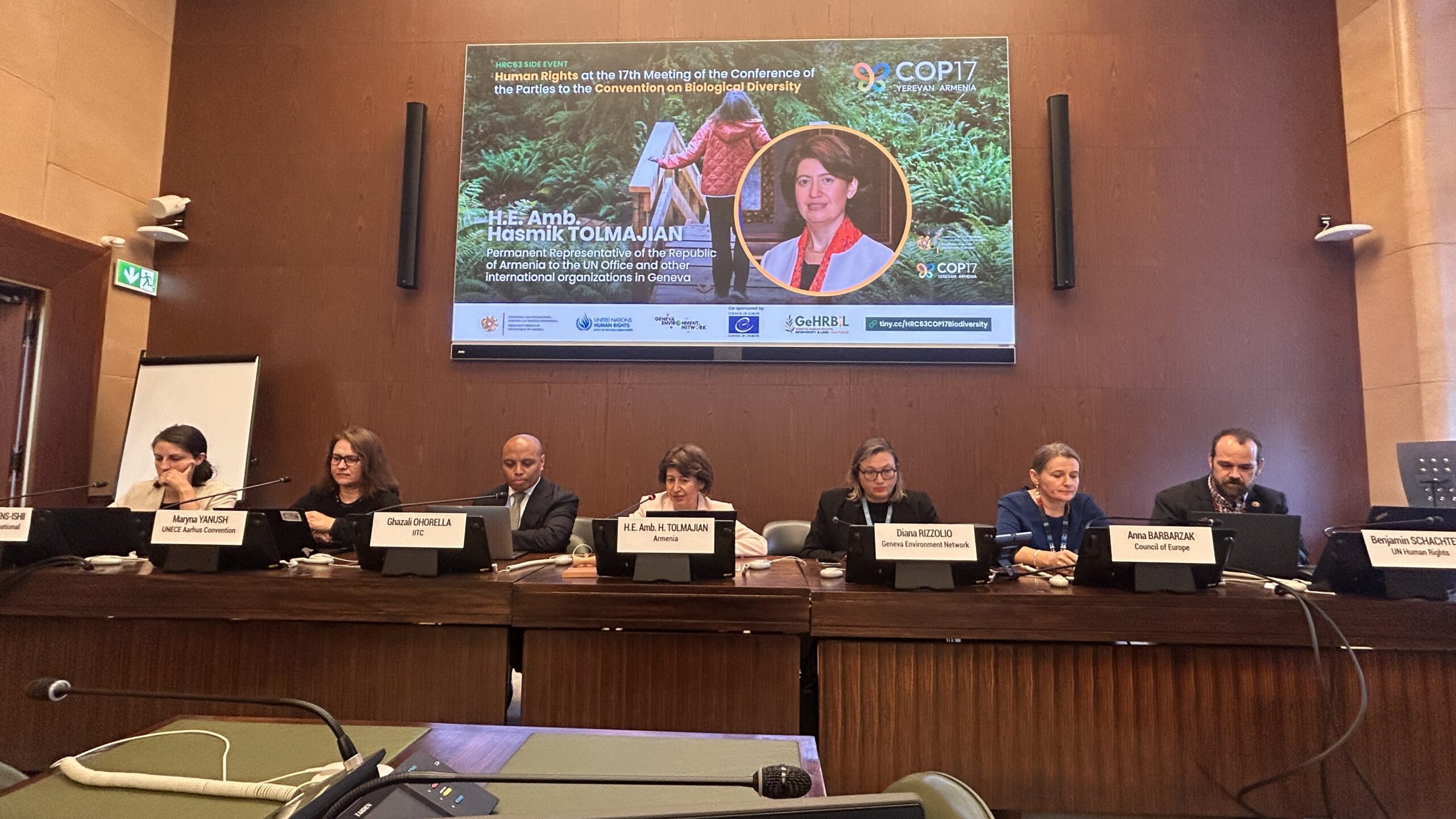
Human Rights at the 17th Meeting of the Conference of the Parties to the Convention on Biological Diversity | HRC63 Side Event
02 Oct 2026
12:00 – 13:00
Venue: Palais des Nations, Room XI
Organization: Armenia, Office of the High Commissioner for Human Rights, Geneva Environment Network
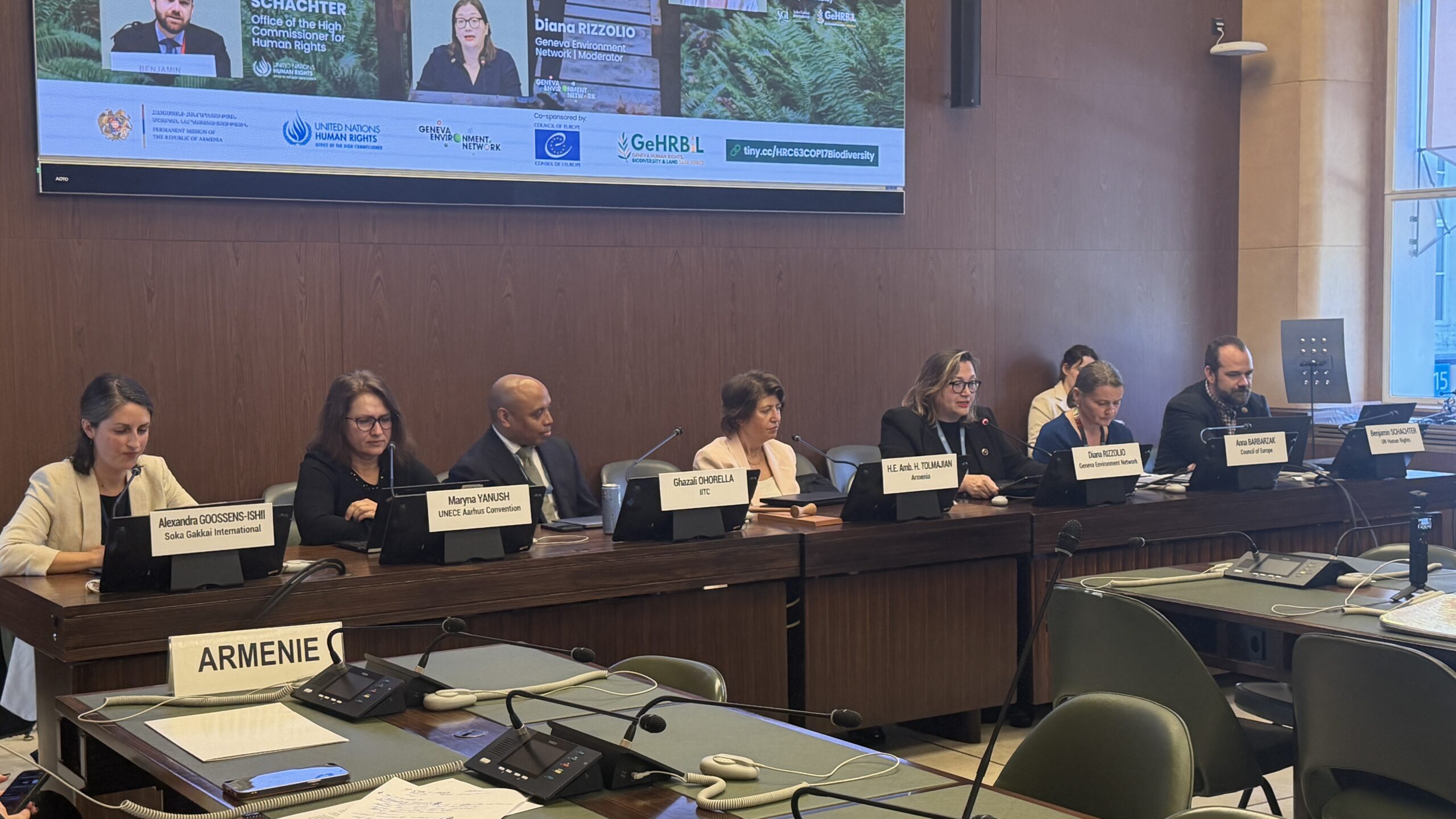
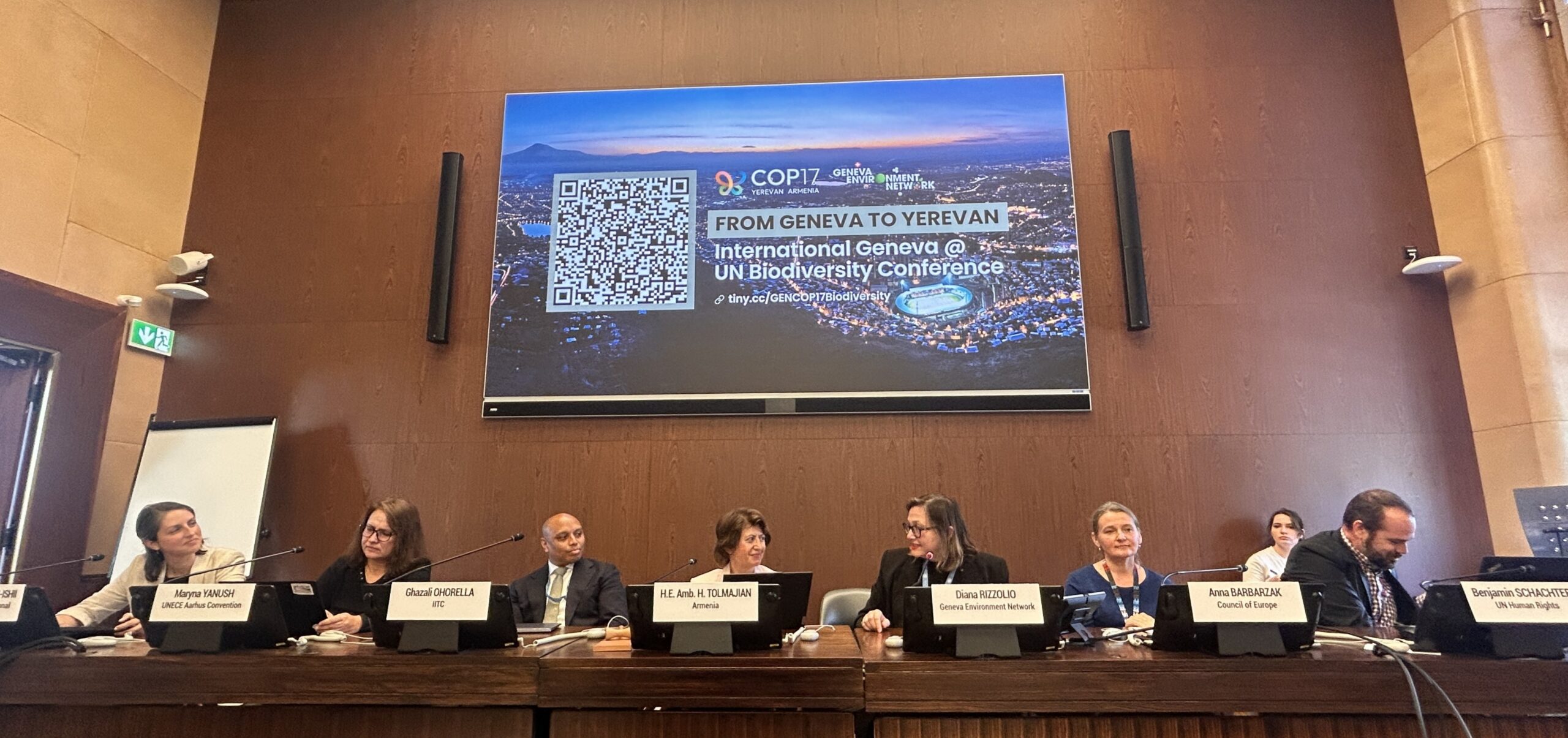
This side event to the 63rd session of the Human Rights Council explored best practices and lessons learned related to operationalizing a human rights-based approach for the implementation of the Kunming-Montreal Global Biodiversity Framework. The side event is co-organized by the Permanent Mission of Armenia, the Office of the High Commissioner for Human Rights and the Geneva Environment Network, and co-sponsored by the Council of Europe and the Geneva Human Rights, Biodiversity and Land Task Force (GeHRBiL). It takes place in the run-up to the 2026 UN Biodiversity Conference, comprising the Seventeenth meeting of the Conference of the Parties to the Convention on Biological Diversity, the Twelfth meeting of the Conference of the Parties serving as the meeting of the Parties to the Cartagena Protocol on Biosafety, and the Sixth meeting of the Conference of the Parties serving as the meeting of the Parties to the Nagoya Protocol on Access to Genetic Resources, which will convene in Yerevan, Armenia, from 19 to 30 October 2026.

About this Event
Biodiversity and human rights are intrinsically interlinked. Section C of the Kunming-Montreal Global Biodiversity Framework (KMGBF) sets out that its implementation should follow a human rights-based approach and acknowledges the human right to a clean, healthy and sustainable environment. The Framework recognizes the roles and contributions of Indigenous Peoples as custodians of biodiversity and as partners in its conservation, restoration and sustainable use along with other rights holders. Respecting, protecting and fulfilling human rights in the context of biodiversity-related actions is both a binding obligation under international human rights law and a crucial approach to achieve the best outcomes for people and biodiversity.
This is also recognized by the UN Declaration on the Rights of Indigenous Peoples and Human Rights Council resolution 57/28, which highlights the significance of promoting, respecting and protecting human rights in the context of conservation of biological diversity, the sustainable use of its components and the fair and equitable sharing of the benefits arising from the utilization of genetic resources. Article 8(j) of the Convention on Biological Diversity requires its Parties to respect, preserve and maintain Indigenous Peoples’ knowledge in a manner that is consistent with their human and collective rights.
Decisions regarding the implementation of the programme of work on Article 8(j) and the modus operandi of the SB8j will be negotiated at the 17th Meeting of the Conference of the Parties to the Convention on Biological Diversity (COP17), providing a timely opportunity to discuss the substantive integration of knowledge, cultures and traditional practices of Indigenous Peoples, and local communities in biodiversity conservation on an equal footing with other knowledge systems and with full respect for their respective rights. As part of these discussions, COP17 will also consider the Guidelines to strengthen the legal and policy framework for the implementation of Targets 2 and 3 of the KMGBF, including on Indigenous and traditional territories, to support the protection and restoration practices led by Indigenous Peoples, and local communities. Indigenous women and girls often face distinct barriers in biodiversity governance and action despite their critical contributions. These barriers must also be addressed in biodiversity policy and decision-making.
Leading experts joining the panel of this event explored best practices and lessons learned related to operationalizing a human rights-based approach for the implementation of the Kunming-Montreal Global Biodiversity Framework, including its Targets 2 and 3, and the work of the Subsidiary Body on Article 8 (j) – with the aim of supporting States to implement more effective, gender-responsive and rights-based biodiversity conservation measures.
Environment @ HRC63
The 63rd regular session of the UN Human Rights Council (HRC63) will take place in Geneva from 7 September to 7 October 2026. Consult this regularly-updated page that highlighted the environmental-related activities of this session.

Speakers
By order of intervention.
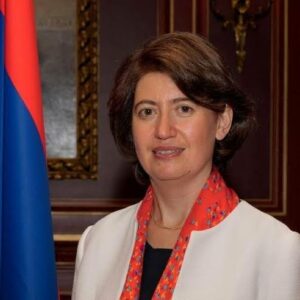
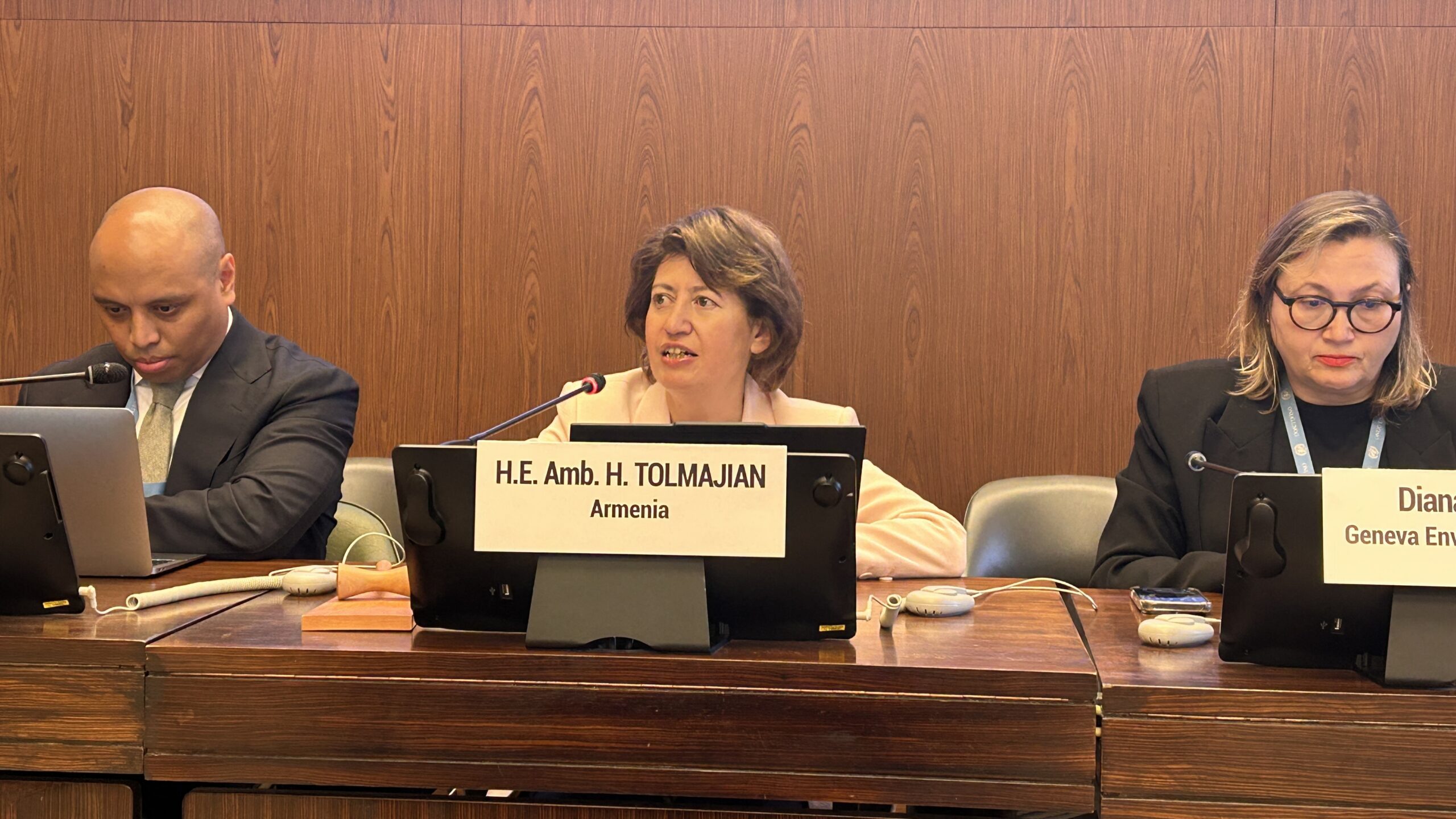
H.E. Amb. Hasmik TOLMAJIAN
Permanent Representative of the Republic of Armenia to the UN Office and other international organizations in Geneva

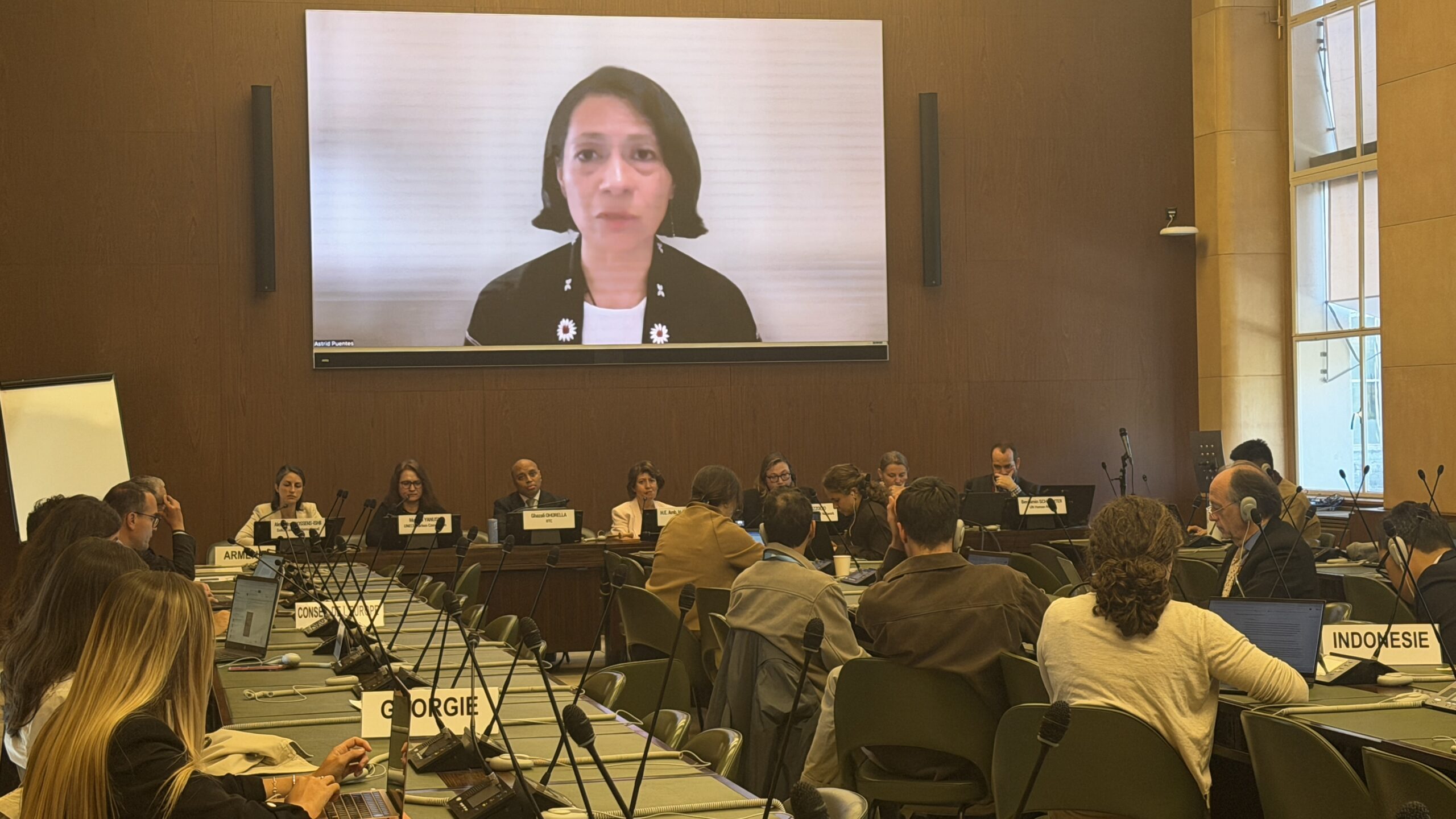
Astrid PUENTES RIAÑO
UN Special Rapporteur on the right to a healthy environment (Video message)
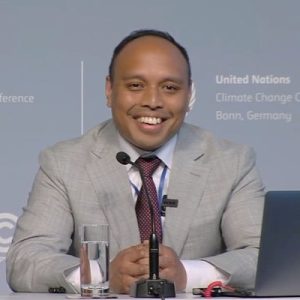
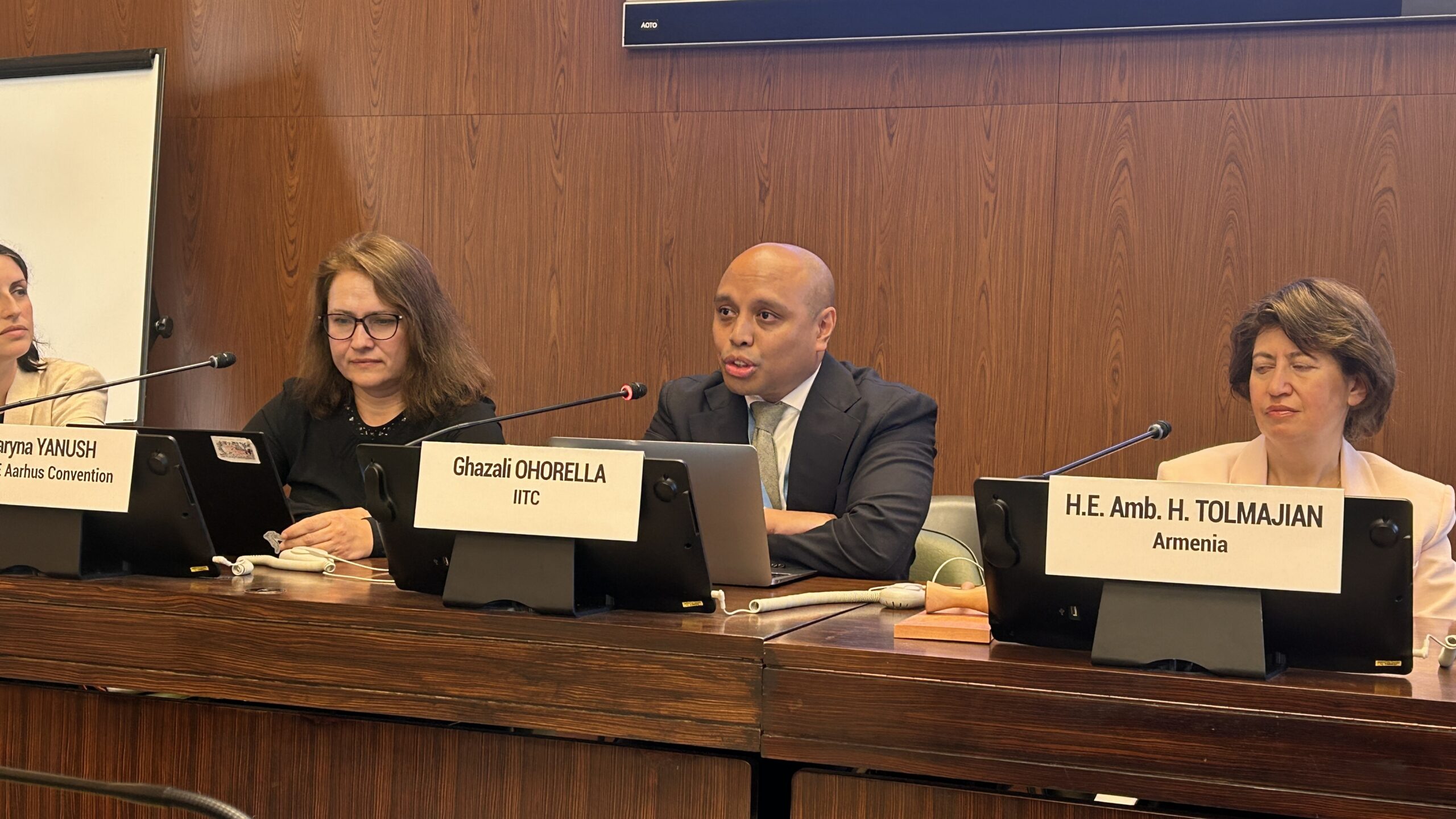
Ghazali OHORELLA
Human Rights / Legal Consultant, International Indian Treaty Council
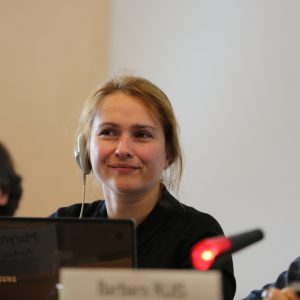
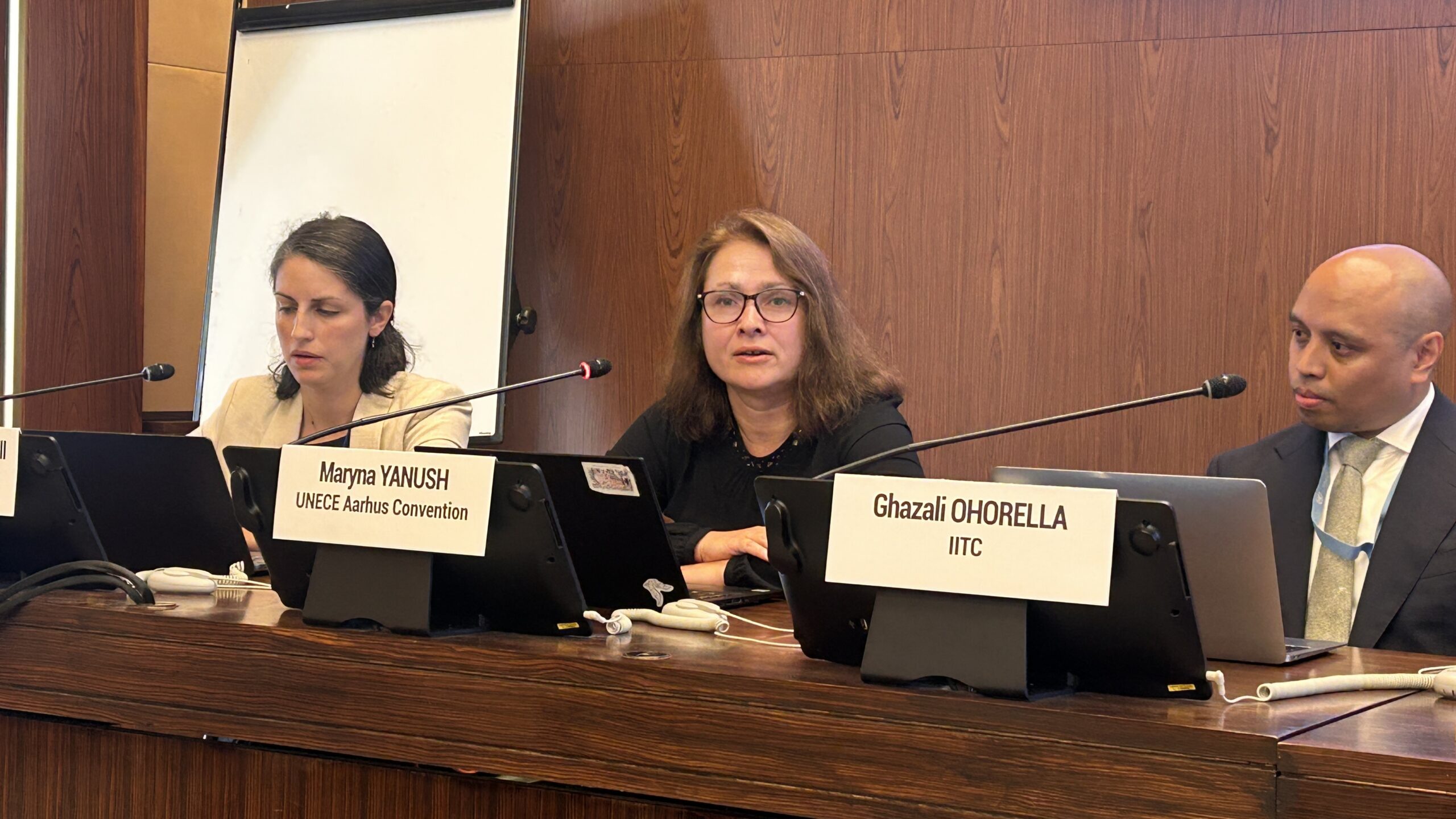
Maryna YANUSH
Environmental Affairs Officer, UNECE Aarhus Convention Secretariat
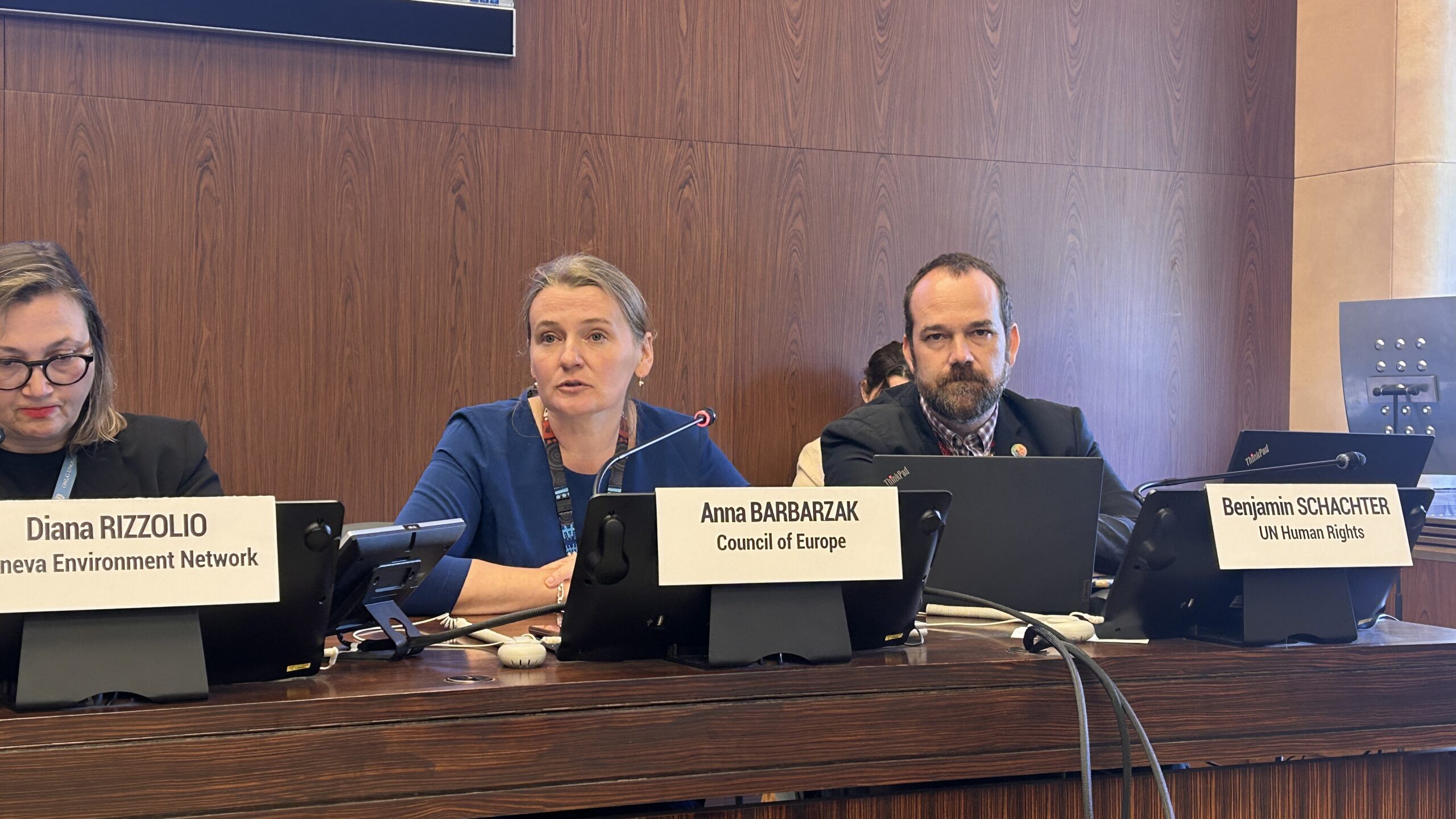
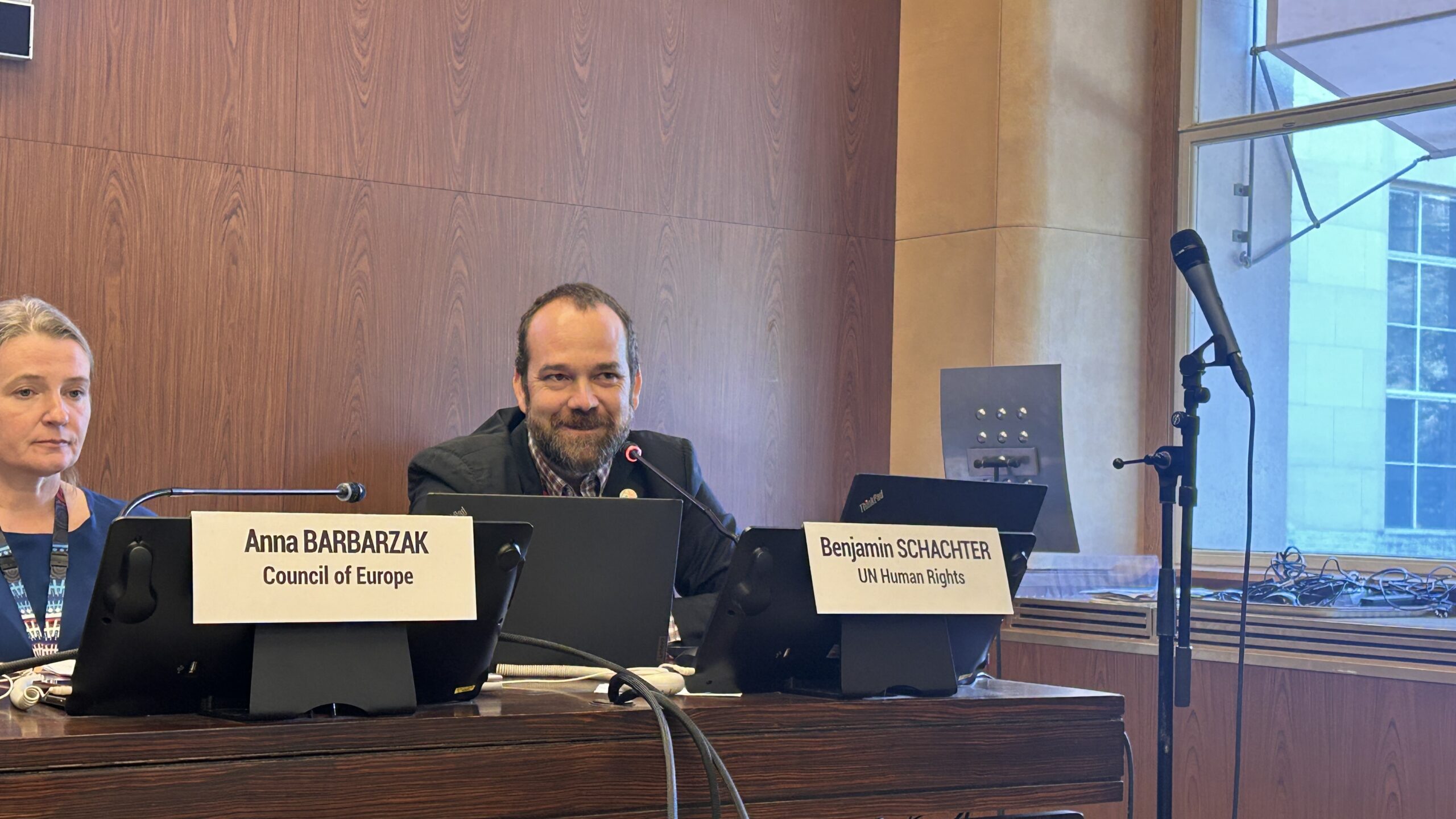
Anna BARBARZAK
Deputy Permanent Observer of the Council of Europe to the United Nations Office and other international organizations in Geneva

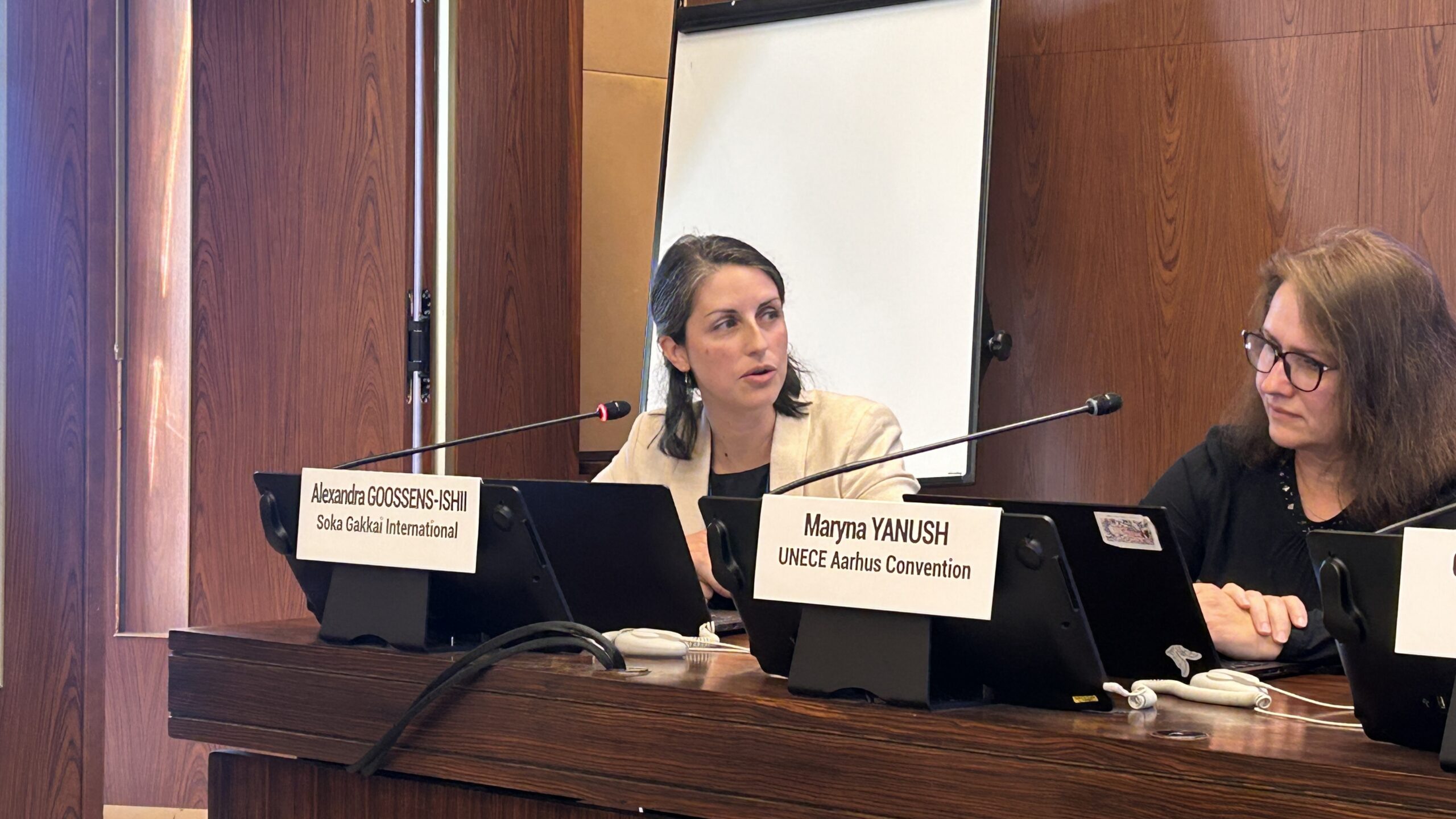
Alexandra GOOSSENS-ISHII
Representative to the UN and Programme Coordinator, Environment, Climate Change and Biodiversity Advocacy, Soka Gakkai International | Geneva Human Rights, Biodiversity and Land Task Force (GeHRBiL)

Benjamin SCHACHTER
Coordinator, Environment and Climate Change Team, Office of the High Commissioner for Human Rights

Diana RIZZOLIO
Coordinator, Geneva Environment Network | Moderator
Highlights
Video
Live from Palais des Nations
Summary
Opening Remarks
H.E. Amb. Hasmik TOLMAJIAN | Permanent Representative of the Republic of Armenia to the UN Office and other international organizations in Geneva
- A human rights-based approach is firmly embedded in the Kunming-Montreal Global Biodiversity Framework. The framework explicitly recognizes that its implementation should promote, protect, respect, and fulfil human rights. This is not merely an aspiration. It is a prerequisite for effective and equitable conservation outcomes.
- The rights of Indigenous peoples and local communities constitute one of the most important areas of convergence between biodiversity and human rights. One of the tangible achievements of the Convention has been the establishment of the Subsidiary Body on Article 8 (j). This body has been instrumental in institutionalising the meaningful participation of Indigenous peoples and local communities in conservation efforts, and Armenia stands ready to build on this momentum and work towards an agreement on the modus operandi of the Subsidiary Body on Article 8 at COP 17.
- We are actively promoting rights-based and gender-responsive implementation, as well as structured roles for youth and local communities throughout the preparatory process. As the incoming presidency of COP 17, Armenia is committed to placing human rights at the centre of the conference.
- We are proud to announce that the Armenian Presidency will host a Human Rights Day in its national pavilion on 26 October. The deliberations will focus on the human rights-based implementation of the Kunming-Montreal Global Biodiversity Framework, resource mobilisation, the protection of civic space, and synergies between regional and global biodiversity action. The detailed programme will be shared with the partners shortly.
- More broadly, human rights themes will feature prominently throughout COP 17, with a rich programme of side events organized by United Nations agencies, regional organizations, and a wide range of stakeholders. Another important highlight will be the Women’s Forum, organized in cooperation with the CBD Women’s Caucus and the CBD Secretariat.
- Armenia will co-organize an important training session on promoting a human rights-based approach in biosafety governance during the conference, together with Austria, the Secretariat of the Convention on Biological Diversity, the Aarhus Convention, and the Escazú Agreement, on 21 October 2026. It will provide an opportunity for governments, civil society, the private sector, academia, and other stakeholders to share good practices and challenges in implementing the relevant provisions of these significant treaties.
- The preparations for COP 17 have already generated significant energy, ideas, and engagement among Armenian civil society and community leaders, particularly women leaders. We are pleased that Armenian civil society and women’s organizations have partnered with international networks for capacity-building, knowledge-sharing, and mutual learning. Most recently, on 29 September, a national dialogue on gender and biodiversity at COP 17 was successfully held in Armenia.
- The Nature and Culture Summit will be co-organized by the Government of Armenia, as the incoming COP 17 Presidency and host country, together with Indigenous peoples and local communities, UNESCO, ICCA, IUCN, and other partners. The summit will take place on 24 and 25 October 2026.
- Discussions will focus on natural and cultural heritage, identity and memory, custodianship and community-led, area-based conservation, as well as the enabling conditions for nature-culture diversity, including access to funding for Indigenous peoples and local communities for their conservation, restoration, and sustainable use of biodiversity.
- Among the expected outcomes is a Nature-Culture Declaration by the participants, aimed at strengthening the implementation of the Global Biodiversity Framework.
Astrid PUENTES RIAÑO | UN Special Rapporteur on the right to a healthy environment (Video message)
- As highlighted by the mandate on the human right to a clean, healthy, and sustainable environment, it is crucial that States, as well as all other actors, place human rights at the centre, particularly the human right to a healthy environment.
- This is important both in the implementation of all targets relating to the Kunming-Montreal Global Biodiversity Framework, including, of course, Targets 2 and 3, and in all work related to Article 8(j), which, as we know, expressly refers to and highlights the importance of respecting the human rights of Indigenous peoples.
- As we know, part of the human right to a healthy environment is precisely enjoying healthy ecosystems and biodiversity. Part of that is access to information, but also public participation and access to justice.
- The right to a healthy environment was recognized five years ago by both the Human Rights Council and the United Nations General Assembly, and it is expressly included in Section C of the Kunming-Montreal Global Biodiversity Framework.
- I hope to see the right to a healthy environment, and all other human rights-based approaches, expressly incorporated into the implementation of the conservation of biological diversity.
- This is an obligation of States and a duty of businesses, but also an essential tool to increase implementation of and advance the Kunming-Montreal Global Biodiversity Framework, which is so essential for a healthy planet, but also for the effective conservation of biodiversity.
- Indigenous peoples, Afro-descendant communities, and small-scale fisherfolk are absolutely key and have also demonstrated their role and importance in conserving biological diversity.
Panel Discussion
Ghazali OHORELLA | Human Rights / Legal Consultant, International Indian Treaty Council
- On behalf of the International Indian Treaty Council, I would like to offer three brief observations on what a human rights-based approach requires in practice from the perspective of the rights of Indigenous peoples.
- Implementation. The relevant rights are already established, and COP 17 is considering decisions that directly concern Indigenous peoples’ lands, territories, and waters: free, prior and informed consent, knowledge of Indigenous peoples, data sovereignty, participation, and access to justice.
- These are not biodiversity measures to which human rights can simply be added afterwards. They concern the exercise of rights themselves. Who has authority over lands and waters? Who controls knowledge, and who participates in decisions affecting Indigenous peoples?
- A human rights-based approach therefore requires those rights to shape biodiversity measures from the outset.
- There is also an important question of universality. These peoples’ rights do not change because of the national context, when the national context changes, when States use different terminology, or when we move from one international forum to another. Institutional arrangements may differ. The rights, however, do not.
- Coherence between international regimes. The Convention on Biological Diversity is considering closer cooperation with the Agreement on the Conservation and Sustainable Use of Marine Biological Diversity of Areas beyond National Jurisdiction, or BBNJ Agreement, at the twenty-eighth meeting of the Subsidiary Body on Scientific, Technical and Technological Advice.
- One unresolved issue was whether Indigenous peoples should have recognized standing within the proposed advisory structure or participate only as experts or stakeholders when considered technically relevant. That distinction is significant. Indigenous peoples enter these processes not only as holders of knowledge, but as distinct rights holders.
- Synergy tells us that systems are moving together, but it does not tell us in which direction. A downward spiral is also synergy. Although the two agreements have different mandates, cooperation should not result in stronger protection for the same Indigenous right in one process and weaker protection in another. Where standards differ, cooperation should carry the stronger protection forward. This is what I mean by rights coherence.
- Institutional design, and this is particularly relevant for colleagues in the human rights system because, in some respects, multilateral environmental agreements have already operationalised participation modalities that go further than those routinely available in the Human Rights Council.
- For example, under the Convention on Biological Diversity, the Facilitative Working Group has seven Indigenous representatives, one from each Indigenous socio-cultural region, alongside seven Party representatives. Indigenous representatives are appointed by Indigenous peoples themselves through their own focal points and procedures, and its leadership includes shared co-chairing between Party and Indigenous representatives.
- The point is not that one form should simply copy another. It is that Indigenous self-selection, the seven socio-cultural regions, and shared institutional leadership are not theoretical propositions. They are already workable features of multilateral governance, and that experience provides an important benchmark for Article 8(j).
- The new permanent subsidiary body has already been established, and COP 17 is now negotiating its modus operandi. Standards have already been achieved.
- Three requirements are essential.
- Indigenous peoples and local communities must remain distinct rights holders. This is not merely terminology. Indigenous peoples are peoples with the right to self-determination and related collective rights. Local communities hold human rights, but the two categories cannot legally be interchanged. The distinct rights of peoples must remain identifiable and independently exercisable. Maintaining that distinction is part of maintaining the universality of the rights of Indigenous peoples.
- The benchmark for Indigenous representation is the seven Indigenous socio-cultural regions. They reflect how Indigenous peoples have organized our international representation and participation.
- However, proposals to use the five United Nations regional groups would instead organize Indigenous representation through an architecture designed for States. The issue is not simply five versus seven. It is whose institutional architecture determines Indigenous representation.
- Indigenous peoples must determine their own representatives. The negotiating text still leaves open arrangements involving State endorsement or recognition, but the underlying human rights principle is straightforward. Indigenous peoples should participate through representatives determined by themselves, in accordance with their own procedures.
- If these matters remain unresolved, particularly the distinction between Indigenous peoples and other groups, it would be preferable to defer adoption of the modus operandi rather than institutionalize arrangements that fall below the standard of the rights of Indigenous peoples.
- Ultimately, a human rights-based approach requires rights to shape institutional design itself. A principle that connects all of these issues is universality. Progress achieved in giving effect to Indigenous peoples’ rights in one international process should not be lost when Indigenous peoples enter another.
- A human rights-based approach cannot recognize peoples’ rights in principle and redesign them in practice.
Maryna YANUSH | Environmental Affairs Officer, UNECE Aarhus Convention Secretariat
- The Aarhus Convention is a multilateral environmental agreement that takes its origin from Principle 10 of the Rio Declaration on Environment and Development and is open for accession by any United Nations Member State.
- The Convention contributes to the protection of biodiversity as a crucial and integral part of the right to a clean, healthy, and sustainable environment. We all witness nowadays that existing threats to biodiversity negatively affect the environment in its integrity, as well as the rights and well-being of the public, in particular local communities and Indigenous peoples who depend on it.
- Inclusive governance, participatory decision-making, transparency, and proper law enforcement can support governance to respond effectively to biodiversity loss, ecosystem degradation, and biotechnology advances. This goes to the heart of the Aarhus Convention and its GMO amendment, which entered into force on 20 April 2025.
- The Convention empowers individuals, non-governmental organizations, local communities, and other stakeholders to complement this response by guaranteeing their rights to access information, participate in decision-making at the national and international levels, and access justice in matters related to biodiversity, nature conservation, and biosafety.
- To build trust in addressing these challenges, it remains important to ensure that persons exercising their rights in conformity with the Convention are not discriminated against, penalized, persecuted, or harassed in any way for their involvement.
- The Convention is more than just a legal text. It is also a platform for cooperation and the exchange of experience among Parties and stakeholders, which also supports biodiversity protection and the implementation of targets 14, 21, and 22 of the Kunming-Montreal Global Biodiversity Framework. We cooperate closely with the Secretariat of the Convention on Biological Diversity, UNEP, OHCHR, the Escazú Agreement, the Council of Europe, and other partners on these matters.
- In this regard, I would like to highlight our work on promoting a rights-based approach to biosafety-related decision-making and briefly share the outcomes of the round table on public awareness, education, access to information, public participation, and access to justice regarding living modified organisms and genetically modified organisms. The round table was organized under the auspices of the Aarhus Convention and the Cartagena Protocol on Biosafety in 2023, and several other events followed from these outcomes.
- Nationally identified key priorities for action included strengthening cooperation between focal points of relevant international agreements; enhancing cooperation among public authorities responsible for biosafety, agriculture, health, the environment, trade, and law enforcement; and building institutional expertise and capacity, including robust detection and traceability systems for living modified organisms and genetically modified organisms.
- It also remains important to draw on citizen science and local and Indigenous knowledge, and to support resource centres established to promote public awareness and participation in these matters.
- At the multilateral level, continued support is needed to help countries ratify and implement the Aarhus Convention and its GMO amendment, as well as the Cartagena Protocol on Biosafety, and to strengthen synergies between them.
- In this regard, a major achievement was the first-ever training session on access to justice in matters concerning living modified organisms and genetically modified organisms, which increased understanding of the importance, procedures, and practical application of both instruments.
- At its 2025 session, the Meeting of the Parties also encouraged Parties to develop and implement comprehensive action plans to further the implementation of the Convention in the context of genetically modified organisms. These plans should also take into consideration, as appropriate, relevant commitments under the Cartagena Protocol on Biosafety. They could be standalone instruments or integrated into national biodiversity strategies and action plans.
Anna BARBARZAK | Deputy Permanent Observer of the Council of Europe to the United Nations Office and other international organizations in Geneva
- The Council of Europe’s outstanding commitment to the issue of biodiversity stems from a perception that is captured in the quote “biodiversity starts in the distant past and points towards the future”. This is the conviction with which the Council of Europe is also contributing to the long-standing efforts to safeguard and protect biodiversity.
- We join today’s discussion with the conviction that the Council of Europe’s legal and policy frameworks offer valuable tools for advancing the human rights-based approach that underpins the Kunming-Montreal Global Biodiversity Framework, which is the focus of today’s deliberations in the run-up to the upcoming COP.
- For more than 75 years, the Council of Europe has worked to protect human rights, democracy, and the rule of law. In this context, long-supported environmental protection, biodiversity conservation, and the promotion of public health have been among our priorities.
- At the Reykjavík Summit in 2023, the leaders of our member states committed to strengthening the human rights dimension of environmental protection and responding to the triple planetary crisis of climate change, pollution, and biodiversity loss. In the context of biodiversity, we are proud to have pioneered some of the activities and actions that have been undertaken for almost four decades now.
- Building on this commitment, the Council of Europe Strategy on the Environment 2025–2030, entitled “United Around Our Values for People and for the Planet”, provides a framework for applying our core values to environmental protection by integrating human rights into environmental policies. The strategy lays the foundation for a future where ecological conservation and human well-being are mutually reinforcing.
- The strategy promotes a holistic, rights-based, and ethical approach, as reflected in the integration of a One Health perspective, which seeks to balance and optimise the health of people, animals, and ecosystems in a sustainable manner. It also encourages partnerships with local communities, as well as with Indigenous peoples, recognising their particular knowledge of ecological linkages and fragile ecosystems.
- Bringing all stakeholders together is the only option for our results-oriented activities. These approaches are reflected in several of our legal instruments.
- The Bern Convention on the Conservation of European Wildlife and Natural Habitats of 1979 provides a binding framework for protecting Europe’s wildlife and habitats, recognising that healthy ecosystems are fundamental to human well-being. It also gives civil society a voice, including through a compliance mechanism that can hold States to account for non-compliance. Its Strategic Plan 2030 provides a practical regional contribution to the Kunming-Montreal Global Biodiversity Framework, helping translate its global goals and targets into concrete actions for the conservation of species, habitats, and ecosystems across Europe and beyond.
- The new Council of Europe Convention on the Protection of the Environment through Criminal Law makes a particularly important contribution. Adopted in May 2025 and opened for signature on 3 December 2025, it is the only international instrument specifically dedicated to environmental crime. It establishes a modern and comprehensive criminal law framework covering serious environmental offences, including those affecting biodiversity and ecosystems.
- Let me use this opportunity to encourage the Council of Europe member states to sign and ratify the Convention so that it can enter into force as soon as possible.
- The Council of Europe Landscape Convention, also known as the Florence Convention, recognises landscape as an essential part of people’s surroundings, reflecting both natural and cultural heritage and contributing to human well-being. It places people and communities at the centre of landscape governance, promoting public participation in the identification, assessment, planning, and management of landscapes, and recognising that everyone has a role in shaping the places in which they live. The Convention is very comprehensive in the sense that it covers all types of landscapes.
- These instruments show that rights-based environmental protection, meaningful participation, and accountability can be translated into practice.
Alexandra GOOSSENS-ISHII | Representative to the UN and Programme Coordinator, Environment, Climate Change and Biodiversity Advocacy, Soka Gakkai International | Geneva Human Rights, Biodiversity and Land Task Force (GeHRBiL)
- First, a few examples of how a human rights-based approach to biodiversity conservation can lead to better outcomes, but also some of the challenges that come with it and that we are seeing.
- The Local Biodiversity Outlooks are a global collaborative publication series that highlights the vital contributions of Indigenous peoples, as well as local communities, to conserving biodiversity. The Outlooks contain many examples of communities and Indigenous peoples who are restoring biodiversity and advancing conservation efforts, and they are really grounded in a human rights-based approach.
- One recent example is from the Philippines, where Indigenous peoples wrote their own biodiversity strategy and action plan to feed into the national one. They handed it over to the national government in 2024. The final version of the Philippines Biodiversity Strategy and Action Plan, which covers 2024 to 2040 and is also aligned with climate targets, reflects a much stronger incorporation of traditional and local knowledge and Indigenous governance than in the past.
- For governments in general, this approach is also necessary to achieve their commitments under the Kunming-Montreal Global Biodiversity Framework. For instance, in the case of the Philippines, an assessment showed that, out of the 128 key biodiversity areas in the country, Indigenous peoples live in and protect 96 of them. A human rights-based approach can therefore really become a win-win situation.
- Another example of community-based monitoring comes from Cambodia’s Snoul Wildlife Sanctuary. Buddhist monks started a community forest in response to accelerating deforestation. The monks and people from the surrounding villages patrol the forest. There are about 3,700 people who depend on this forest.
- Since 2021, they have recorded what they find using a smartphone application that they created. They record illegal rosewood logging, wildlife trafficking, and forests cleared to claim land. They document these activities with a photograph and a GPS point. This has led to community-based monitoring.
- They submitted this information for the global report that is going to be reviewed at COP 17. However, it was not accepted as part of the national report, so it does not appear in the final report. I wanted to mention this because the global review will really rely on national reports, while, at the same time, the global report finds that we are lacking data and whole-of-society engagement.
- However, when this information is proposed and put forward, it is not always well received by States. This is an issue that we should continue to examine in relation to community-based monitoring.
- In general, where rights are recognised, communities become the front line of protection and monitoring. When those rights are denied, conservation can become a source of violations. It is always the people on the front line who pay the price.
- Global Witness reported that at least 124 land and environmental defenders were killed in 2025. That is about one person every three days, and more than three-quarters of them were Indigenous peoples, small-scale farmers, or people of African descent.
- The global report really shows that rights over lands and territories, as well as the protection of environmental human rights defenders, are among the elements least reflected in national targets.
- I would now like to link these examples to the negotiations and where we are heading at COP 17. It is great to hear that there will be a Human Rights Day at COP 17. However, in general, across almost all the draft decisions for COP 17, references to a human rights-based approach or to environmental human rights defenders are still in brackets. This is the case in the climate decision and in many other decisions.
- There is also a trend towards conflating all actors other than national governments and no longer distinguishing between them. Everything is being grouped together as stakeholders, which erases the language of rights holders. This distinction is really important.
- I would like to share six concrete points that we are looking at from a human rights and civil society perspective for COP 17.
1. The global review. We have the monitoring decision, and there are still brackets around Section C, which concerns a human rights-based approach, as well as around human rights-related elements concerning free, prior and informed consent. It is really important to remove these brackets.
2. We should not conflate different actors and group everyone together. We need to distinguish rights holders from other actors, who are stakeholders. This distinction should not be relegated to a footnote but should be made explicit.
3. It is important to recognise community-based monitoring, especially on the road to Yerevan, and to recognise the forthcoming third edition of the Local Biodiversity Outlooks as an input to the next global review. This should be done through a channel that does not depend solely on national gatekeeping. We need to continue tracking progress in a way that allows community-based monitoring to be received and includes gender-disaggregated data.
4. The protection of environmental defenders, particularly Indigenous women defenders. Governments have already agreed, in the context of biodiversity, on an indicator to count attacks on environmental human rights defenders, but its use is optional. It is therefore really important to report on it and, of course, to take action to guarantee safe participation without reprisals.
5. The recognition of territories. This has already been mentioned, but it is really about adopting the guidelines on Indigenous and traditional territories with free, prior and informed consent, and recognising these territories as a distinct pathway under Target 3, which concerns the 30-by-30 target. These territories should not simply be aggregated into other conservation measures. There are also issues concerning a specific grievance mechanism. For now, the language on grievance mechanisms relating to these territories remains in brackets. It is really important to remove those brackets as well. In relation to the 30-by-30 target, we must ensure that it is not pursued without human rights-based elements. This means securing land tenure, consent, and support for these territories through direct rights-based financing, including financing for Indigenous women and young people.
6. Synergies. It would be wonderful if the High Commissioner for Human Rights’ study were welcomed and if we could continue cooperation with OHCHR’s work through the cooperation decision and elsewhere.
Open Discussion
Intervention from the Floor
- Indonesia fully recognises the important contribution of Indigenous peoples and local communities to biodiversity conservation and the implementation of the Global Biodiversity Framework.
- At the same time, we would like to note that the concept of Indigenous peoples is understood differently across countries due to differing historical, legal, and constitutional contexts. Therefore, discussions on participation and rights should respect national circumstances and national legislation.
- From Indonesia’s perspective, it is important to maintain a balanced and inclusive approach that recognises both Indigenous peoples and local communities, consistent with agreed CBD terminology. Both play valuable roles in conserving biodiversity.
- Moving forward, we support stronger participation, capacity-building, and inclusive engagement, while ensuring that implementation remains consistent with national circumstances and agreed CBD language.
- We should avoid creating a hierarchy among knowledge holders and ensure that all relevant stakeholders can contribute effectively to the Global Biodiversity Framework.
Ghazali OHORELLA | Human Rights / Legal Consultant, International Indian Treaty Council
- Both the Kunming-Montreal Global Biodiversity Framework and Target 22 are very clear on participation, referring to full, equitable, inclusive, effective, and gender-responsive representation and participation, while respecting Indigenous peoples’ rights over their lands, territories, resources, and traditional knowledge.
- It is also very important that the Global Biodiversity Framework does not qualify these rights by national circumstances. That was the point I made in my presentation: when it comes to human rights, the universality of human rights is very important to maintain, including the rights of Indigenous peoples.
- The measure of a human rights-based approach is whether rights shape institutions and decisions. Human rights should not be reinterpreted as they move from one process to another, as this challenges the universality of human rights.
Intervention from the Floor
- What do you see as the main achievement of this Biodiversity COP? What do you expect or hope will be its main achievement?
- I tend to see the question of participation as a very important element in biodiversity. It will be interesting to see how these discussions can continue, and I am sure the question raised by Indonesia will require further discussion.
- Of course, several actors in this field are concerned with biodiversity issues. I am thinking particularly of some private actors who can hardly be considered to be safeguarding biodiversity. Unfortunately, they are contributing to the disappearance of ecosystems.
- Therefore, not all stakeholders are the same. Of course, there is a need to engage with them, and there is a need for States to talk with private actors, but they cannot speak with private actors as though they were all the same. We need to make this distinction; otherwise, we lose the purpose of the Convention itself. If everyone concerned with biodiversity, including those destroying it, were treated at the same level, we would lose that distinction.
- I was wondering, for all those who are preparing for this COP, what they see, expect, or hope will be the main achievement of this very important COP in Yerevan.
Intervention from the Floor
- I am Secretary of the Working Group on the Rights of Peasants and Rural Workers. This is a relatively new mandate, established three years ago to implement the new United Nations Declaration on the Rights of Peasants and Rural Workers.
- Seeds are the beginning of life. Seeds are what basically feed us, and seeds are what unite everyone. This is where biodiversity and human rights are linked through seeds.
- The Working Group’s report, which was presented during this session of the Human Rights Council, focuses on seeds that belong to Indigenous peoples, peasants, and rural workers, who are truly the custodians of agricultural biodiversity, not just its users. This is a point we really need to try to demystify.
- Traditional seed systems make up 70 to 90 per cent of planted seeds in many countries, especially in the Global South, and they hold diversity that provides resilience to drought and climate change. Yet, according to United Nations data, 75 per cent of genetic diversity has been lost since 1900.
- The report is a very useful tool because it documents good practices. It addresses the issue of seed governance shifting from the commons to commodities. It also examines how four companies concentrate so much of the global seed market, and how intellectual property, certification, and marketing rules make it nearly impossible for Indigenous peoples and peasants to maintain their own traditional seeds.
- Benefit-sharing with custodian communities remains rare, and digital sequence information allows genetic sequences to be patented without ever touching a physical seed. This is a growing challenge for us all.
- I encourage you to look at the good practices in the report. We have some good judicial cases in Kenya that recognise that seed sharing is not a crime. The Supreme Court struck down a restrictive plant variety law, citing UNDROP and UNDRIP. Brazil and Indonesia have also adopted laws protecting farmers and community practices.
- There are examples of community seed banks, participatory plant breeding, and peasant and Indigenous-led guarantee systems that sustain in situ conservation every day.
- Last year, the Working Group published a report on the right to participation, which included a substantial list of examples collected through submissions from Indigenous peoples and peasant groups.
Anna BARBARZAK | Deputy Permanent Observer of the Council of Europe to the United Nations Office and other international organizations in Geneva
- Our perspective regarding this question comes from the conviction that the plan is there and the roadmap is there. The goals have been defined and agreed upon, and the same applies to the targets.
- What we need to look at now is how we put this roadmap into practice and how we move the agenda forward. From this perspective, I would say that the Council of Europe’s experiences, both good and bad, could be very useful to share and discuss as we collectively move forward with implementing the roadmap that has already been defined.
Maryna YANUSH | Environmental Affairs Officer, UNECE Aarhus Convention Secretariat
- An important step forward would be to accelerate the implementation of the Global Biodiversity Framework by using a whole-of-government and whole-of-society approach. It is not only an obligation or commitment of the State; it is a universal commitment for all of us to protect biodiversity.
- For this, we need trust, and we need to address the issues that were raised, such as using data and recognising different groups, in order to reach a conclusion that takes different interests into account.
Closing
Benjamin SCHACHTER | Coordinator, Environment and Climate Change Team, Office of the High Commissioner for Human Rights
- The right to a healthy environment is composed of a number of interconnected elements, one of which is healthy ecosystems and biodiversity.
- We cannot meet any of the basic preconditions or needs for our survival without healthy ecosystems and biodiversity, and without the right to a clean, healthy, and sustainable environment. This is very clear and is increasingly established in authoritative ways by various international law mechanisms, including, most recently, the International Court of Justice and its advisory opinion on the legal obligations of States with respect to climate change.
- In the biodiversity space, we have seen a number of positive developments recently, with increasing recognition and understanding of the relationship between human rights, the environment, the right to a healthy environment, and biodiversity. We need to make further progress in implementing and acting on those decisions and findings.
- I want to highlight that path. At the fifteenth meeting of the Conference of the Parties to the Convention on Biological Diversity, the Kunming-Montreal Global Biodiversity Framework integrated a human rights-based approach. It integrated human rights into its targets, and it was very clear that a human rights-based approach applied to the entire framework.
- Human Rights Council Resolution 57/28 was a groundbreaking first resolution on human rights and biodiversity. This resolution was recognised in the outcomes and decisions of the sixteenth meeting of the Conference of the Parties to the Convention on Biological Diversity.
- At COP 16, there was also an agreement to establish the new mechanism on Article 8(j), which we have heard about from many speakers today. Looking at the next steps, one of the key priorities for the Office will be supporting efforts to operationalise Article 8(j) and the new mechanism in a way that respects the rights of Indigenous peoples, as well as local communities and others.
- I want to conclude by outlining our priorities and, briefly, OHCHR’s planned engagement at COP 17.
- Before COP 16, we launched guidance on Section C of the Kunming-Montreal Global Biodiversity Framework, which we developed with the Secretariat of the Convention on Biological Diversity.
- We aim to launch guidance on Targets 3 and 22 of the framework at COP 17 and to continue developing tools and clear guidance for States, rights holders, and stakeholders.
- The distinction between rights holders and stakeholders, which several speakers have mentioned, is critical. We will continue this work.
- We are looking forward to supporting Human Rights Day. This will be the second Human Rights Day at a Convention on Biological Diversity COP, and it will be organised in the COP 17 Presidency Pavilion.
- We will work specifically on the operationalisation of Article 8(j), ensuring that human rights are integrated across all COP 17 processes and outcomes to the extent possible, through advocacy and engagement with States and other partners, and advancing coherence.
- There are many bracketed references to human rights and human rights-related matters in the current draft decision texts. One of these refers to the first report that the Office produced on biodiversity, which was presented at the sixty-first session of the Human Rights Council and mandated by the aforementioned resolution.
- We need to remove those brackets. We need to strengthen the recognition of rights holders, ensure participation, and adopt rights-based monitoring and reporting mechanisms.
- Finance is another critical issue. We cannot achieve our key objectives in this area without adequate financing. We also need to advance synergies across the Rio Conventions, recognising that biodiversity is one of the elements of the right to a healthy environment. We need to build on these opportunities and advance a coherent approach across the conventions and across environmental and human rights forums.
Photo Gallery
Links
- Environment @ 63rd Session of the UN Human Rights Council
- Human Rights, Biodiversity, and the Role of Geneva
- From Geneva to Yerevan | International Geneva @ UN Biodiversity Conference
- Geneva Human Rights, Biodiversity and Land Task Force
Photo Credits
Woman in red jacket standing on wooden bridge in lush green forest, surrounded by tall trees. Bowser, Vancouver Island, Canada (Photo by Keith Levit / Connect Images / Connect Images via AFP)