Nouvelle
From Geneva to Abu Dhabi: 2026 UN Water Conference
The United Nations General Assembly will convene the 2026 UN Water Conference, co-hosted by the United Arab Emirates and the Republic of Senegal, in Abu Dhabi, United Arab Emirates, from 8 to 10 December 2026. The Conference—formally titled the 2026 United Nations Water Conference to Accelerate the Implementation of Sustainable Development Goal 6: Ensure Availability and Sustainable Management of Water and Sanitation for All—will bring together world leaders, policymakers, practitioners, civil society, the private sector and other stakeholders to strengthen international cooperation, mobilize investments and advance innovative solutions to help build a more water-secure future.
About the 2026 UN Water Conference
On 1 September 2023, the UNGA adopted resolution 77/334, in which it decided to convene the UN Water Conference in 2026 and the UN Conference on the Final Comprehensive Review of the Implementation of the Objectives of the International Decade for Action, “Water for Sustainable Development”, 2018–2028 in 2028. The United Nations General Assembly will convene the 2026 UN Water Conference, co-hosted by the United Arab Emirates and the Republic of Senegal, in Abu Dhabi, United Arab Emirates, from 8 to 10 December 2026. The UNGA also invited the UNSG to report on actions, best practices, lessons learned and challenges on progress on the International Decade for Action, “Water for Sustainable Development”. Finally, it requested the UN Secretary-General to present a UN system-wide water and sanitation strategy in consultation with Member States. The strategy was presented in the context of the SDG6 review during the High-Level Political Forum 2024. The resolution highlights the interdependence of water, ecosystems, and energy, and will contribute to making sustainable water management a reality.
Access to water and sanitation, recognized as a fundamental human right, is foundational to all aspects of human development and remains a powerful catalyst for healthier communities, stronger economies and more inclusive societies. Since the Sustainable Development Goals were adopted in 2015, the world has made significant progress on advancing water and sanitation goals, with billions of people gaining access to safer drinking water, sanitation and hygiene services, and water use efficiency seeing major improvements. Still, today, an estimated 2.1 billion people lack access to safely managed drinking water, while 3.4 billion people do not have access to safely managed sanitation services. At the same time, population growth, rising water demand, pollution, climate change, environmental degradation and growing competition over water resources are increasing pressure on communities and economies around the world.
The Conference—formally titled the 2026 United Nations Water Conference to Accelerate the Implementation of Sustainable Development Goal 6: Ensure Availability and Sustainable Management of Water and Sanitation for All—will bring together world leaders, policymakers, practitioners, civil society, the private sector and other stakeholders to strengthen international cooperation, mobilize investments and advance innovative solutions to help build a more water-secure future. The conference will feature six interactive dialogues that will explore practical solutions and opportunities for collaboration. The Conference will also feature high-level side events showcasing partnerships, innovation and commitments aimed at accelerating progress on clean water and sanitation.
The Conference will result in a summary of proceedings by the Presidents of the Conference as its outcome document, reflecting the diversity of Member States’ perspectives in a balanced approach, focusing on areas of accelerated and collective action to support the implementation of Sustainable Development Goal 6.
To support its effective preparations, a High-level Preparatory Meeting was convened on 26 and 27 January 2026 in Dakar, Senegal. The event will bring together global water stakeholders to lay the groundwork for the 2026 UN Water Conference and launch discussions on the six interactive dialogues. The meeting will take place back-to-back with the resumed negotiations for a joint management agreement of the Senegal–Mauritania Aquifer Basin, shared by four West African countries and key to water security and climate resilience.
Interactive Dialogues
As per General Assembly Resolution A/RES/78/327, the 2026 UN Water Conference will include six interactive dialogues, to be held in parallel with the plenary meetings. Summaries of the interactive dialogues should be presented to the Conference at its closing plenary meeting, followed by a written submission for the final report of the Conference. The advanced unedited versions of the Concept Papers on each interactive dialogue theme have been recently released, setting out the status, challenges, emerging issues, solutions and recommendations across the six Interactive Dialogue themes.
2026 UN Water Conference Interactive Dialogue A - Water For People
9 December 2026
Co-chaired by Ghana and Switzerland | Concept Paper
2026 UN Water Conference Interactive Dialogue B - Water For Prosperity
8 December 2026
Co-chaired by China and Spain | Concept Paper
2026 UN Water Conference Interactive Dialogue C - Water For Planet
9 December 2026
Co-chaired by Egypt and Japan | Concept Paper
2026 UN Water Conference Interactive Dialogue D - Water For Cooperation
8 December 2026
Co-Chaired by Finland and Zambia | Concept Paper
2026 UN Water Conference Interactive Dialogue E - Water in Multilateral Processes
10 December 2026
Co-chaired by Germany and Mexico | Concept Paper
2026 UN Water Conference Interactive Dialogue F - Investments For Water
8 December 2026
Co-chaired by France and South Africa | Concept Paper
Events held in Geneva in Preparation for the 2026 UN Water Conference
From Geneva to Abu Dhabi through Dakar: Positioning Wetlands in the Global Water Agenda
3 November 2026 | Organized by the Convention on Wetlands
A Wetland Lens for the 2026 United Nations Water Conference
2 November 2026 | Organized by the Convention on Wetlands
Policy Briefs on Global Water Governance by the Special Rapporteur on the human rights to safe drinking water and sanitation
15 and 16 October 2026 | Special Procedures of the UN Human Rights Council
Human Rights to Water and Sanitation in Times of Armed Conflict | HRC63 Side Event
17 September 2026 | Office of the High Commissioner for Human Rights, Germany, Spain, Lebanon, Slovenia, Bangladesh, Special Procedures of the UN Human Rights Council
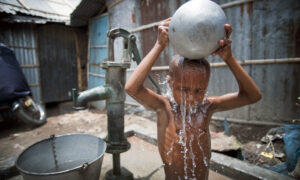
Turning the Spotlight on the Right to Sanitation | HRC63 Side Event
16 September 2026 | Special Procedures of the UN Human Rights Council, Germany, Spain, International Dalit Solidarity Network, ONGAWA
High-Level Briefing on the 2026 United Nations Water Conference
14 September 2026 | United Arab Emirates
100 Days to the UN Water Conference
27 August 2026 | Global Cities Hub Geneva
8th Meeting of the Expert Group on Equitable Access to Water and Sanitation under the Protocol on Water and Health
28 – 29 April 2026 | UNECE, WHO, UNECE/WHO Protocol on Water and Health, France, Hungary, North-Macedonia
RFSD 2026 Round Table SDG 6: Clean Water and Sanitation | Achievements, Opportunities and Future Pathways – On the Road to the 2026 UN Water Conference
22 April 2026 | Regional Forum for Sustainable Development
The 22nd Meeting of the Group of Friends on Water and Peace | Water Bankruptcy and its Implications for Cooperation and Peace
27 March 2026 | Slovenia, Geneva Water Hub
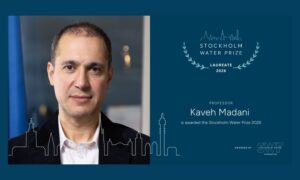
Global Water Bankruptcy | Stakeholder Briefing and Dialogue with Prof. Kaveh Madani
26 March 2026 | United Nations University Institute for Water, Environment and Health, Geneva Environment Network
Local Leadership on Water Resilience
23 March 2026 | Organized by Global Cities Hub- Geneva and UN-Habitat
21st Meeting of the Group of Friends on Water and Peace | Towards the UN 2026 Water Conference: International Geneva and its contribution
30 September 2025 | Slovenia, Geneva Water Hub
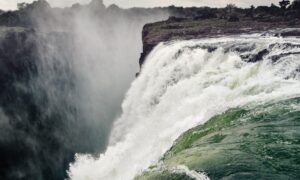
The Water-Energy Nexus and the Human Right to Water | HRC60 Side Event
16 September 2025 | Special Procedures of the UN Human Rights Council, Germany, Spain, Geneva Environment Network
International Geneva @ 2026 UN Water Conference
Convention on Wetlands
Wetlands are vital for human survival. They are among the world’s most productive environments; cradles of biological diversity that provide the water and productivity upon which countless species of plants and animals depend for survival.
Geneva Water Hub
The Geneva Water Hub will be at the 2026 UN Water Conference to advance the water for peace agenda.
Global Cities Hub – Geneva
The Global Cities Hub bring the perspective and voices of cities to represent their water related concerns.
IOM
IOM will continue engaging in the process, calling for enhanced recognition and solutions to address the water-migration nexus.
ILO
ILO suggested that access to WASH in workplaces, health facilities and schools be part and parcel of Theme 1. Workers in all sectors, especially those traditionally left behind and exposed to heat or waterborne occupational diseases, are entitled to protection under international
labour standards.
IUCN
IUCN has four main objectives for the UN Water Conference 2026:
- Strengthen the global water governance system
- Scale up transboundary water cooperation
- Emphasize water as an organizing principle for sustainable development,
- Promote science – based decision – making
OHCHR
UN Human Rights continues to call on States and international organizations to provide financial resources, capacity-building assistance and technology to help countries, in particular developing countries, to provide safe, clean, accessible and affordable drinking water and sanitation for all.
UNDRR
UNDRR’s commitment on “Better data for water-related disasters” (UNDRR has established a new disaster tracking system, partnering with UNDP and WMO, to enable countries to systematically collect, analyze and apply data on hazardous events and losses and damages) and UNDRR’s support to implementing the Netherlands-funded “Water at the Heart of Climate Action” project as an Early Warnings for All-aligned project to support five countries in the Nile River basin.
Water Convention and the Protocol on Water and Health
Beyond the formal programme, the Water Convention, the Protocol on Water and Health and transboundary water cooperation will contribute to the following side events.
WHO
WHO is engaged in a variety of different aspects for the event, advocating primarily for the crucial role that safely managed water supply, sanitation and hygiene have for the health of people on the planet.
World Meteorological Organization
Observing and monitoring the water cycle is essential for understanding how its changes impact precipitation patterns, droughts, floods, and the overall availability of water resources.
Key Reports Ahead of the UN Water Conference
State of Global Water Resources
The State of Global Water Resources 2025 was launched by the World Meteorological Organization on 17 September 2026. This comprehensive science-based annual assessment of the hydrological cycle and extreme events shows that the water cycle is becoming more erratic and unpredictable, swinging between severe shortages and excess of water. In the past seven years, the proportion of rivers with “normal” flows since 1991 has reached its lowest level. While the overall picture is concerning, signs of improvement have been observed in water storage in South America and in the water levels in Central and Southern Africa. Key areas of concern highlighted in the report include:
- 2025 was one of the driest years for river discharge globally in 35 years, with below-normal flows over 36 per cent of global river basin area.
- For the seventh year in a row, the number of river basins experiencing “normal” conditions was in a clear minority: accounting for only 34–38 per cent of basins, compared with the 1991–2020 average of 46%.
- Terrestrial water storage – the total amount of water stored in groundwater, lakes and rivers, soil moisture, vegetation and ice and snow – has been declining since the mid-2010s, raising concerns about long-term water security.
- 2025 marked the fourth consecutive year with widespread glacier loss across all regions, leading to short-term hazards such as flooding and long-term water insecurity threat.
- Record-breaking floods and droughts have been reported every year of the the past five years by National Meteorological and Hydrological Services worldwide. In various regions, communities have had little or no time to recover from one extreme event before facing another.
UN Sustainable Development Goal 6 Synthesis Report on Water and Sanitation 2026
The UN Sustainable Development Goal 6 Synthesis Report on Water and Sanitation 2026 was released in June 2026. It stresses that moving from incremental and uneven progress to transformative change will require maintaining what is working, while making improvements to the systems, means and processes required to implement SDG 6 better going forward. The report also stresses that a UN multilateral approach for water and sanitation towards 2030 and beyond can be strengthened by:
- Accelerating, improving and transforming SDG 6 implementation through a transformational shift in the approach to finance and capacity development for water and sanitation to support countries in scaling up implementation. Capitalize on the upcoming 2026 and 2028 UN conferences on water to align efforts and strengthen political will, partnership and international cooperation.
- Addressing water as a systemic driver of sustainable development through strengthening cross-sectoral coordination and decision-making to ensure water is coherently integrated into national policies and plans. Continue mainstreaming water-related issues within existing intergovernmental processes by aligning efforts towards compatible policy objectives, targets and indicators.
- Enabling more structured and meaningful multi-stakeholder engagement and dialogue to improve stakeholder coordination and engagement in water and sanitation policies, plans and decision-making processes, as well as within existing and future water-related intergovernmental processes at the UN.
- Building on lessons learned from SDG 6 to improve future water-related goals that better link high-level policy goals and targets with the means of implementation. Consolidate evidence and data to strengthen future goals and targets, including potential candidate indicators for a possible post-2030 framework.
- Ensuring a future intergovernmental process for water at the UN beyond 2030. Such a process could be convened within the UN General Assembly or Economic and Social Council, with substantive outcomes, including the possibility of intergovernmentally agreed declarations.
- Scaling up agile and effective UN system-wide support, coordination and delivery of water and sanitation by strengthening water and sanitation programmes in individual UN entities and scaling up and localizing implementation of the UN System-wide Strategy for Water and Sanitation. Enhance UN-Water by evolving its secretariat into a coordination office that serves the inter-agency mechanism.
More Resources
- IUCN | Technical Brief – Global Framework for Water Governance and Action | A Global Framework for Water Governance and Action | IUCN Policy Brief for the UN Water Conference 2026
- Geneva Water Hub | Flowing Towards Peace – Recommendations ahead of the 2026 UN Water Conference
- Water Bankruptcy Is More Than a Metaphor: 13 Misconceptions Worth Avoiding | Kaveh Madani, UNU-INWEH | 6 October 2026
- Multilateral Challenges in Water Governance | Special Rapporteur on water and sanitation | October 2026
- Aquatic ecosystems and the human rights to drinking water and sanitation in the Amazon | Special Rapporteur on water and sanitation | October 2026
- The Weaponization of Water | Special Rapporteur on water and sanitation | October 2026
- WMO: Recent water trends have serious future implications | WMO | 17 September 2026
- What WMO’s State of Global Water Resources 2025 report tells us about our depleting water reserves | Celeste Saulo, WMO Secretary-General | 17 September 2026
- As freshwater reserves shrink, countries must prepare for a new water reality | UN News | 17 September 2026
- WMO State of the Global Water Resources 2025 Report shows river temperatures above the historical average in most areas around the globe
- Rewatch the press conference
- UNGA Agrees Modalities for 2028 UN Water Conference | IISD SDGs Knowledge Hub | 9 September 2026
- 3 reasons everyone should care about the upcoming UN Water Conference | UN DESA | 8 September 2026
- An interview with the co-hosts of the 2026 UN Water Conference | The Water Diplomat | 7 September 2026
- Illustrative Elements for Member State Consultations on the Future of Water Governance | IUCN | September 2026
- Freshwater System progress tracker | Systems Change Lab with support from UNEP-WCMC, the World Resources Institute and the Bezos Earth Fund | August 2026
- Financing Water Security | OECD|
- Summer School on Water Governance 2026: A Wrap-Up | Geneva Water Hub | 8 July 2026
- Dushanbe 2026: turning water ambition into progress | SIWI | 31 May 2026
- SIWI Insight Brief: Dushanbe Water Conference 2026 | SIWI | 29 May 2026
- Closing Session: From Commitments to Results | Dushanbe Water Process | 28 May 2026
- Press conference on the outcomes of the Fourth High-Level International Conference on the International Decade for Action “Water for Sustainable Development, 2018–2028” | Embassy of the Republic of Tajikistan to the Kingdom of Belgium, Kingdom of the Netherlands and Grand Duchy of Luxembourg The Permanent Mission of the Republic of Tajikistan to the European Union and NATO | 27 May 2026
- The Water-energy-food-ecosystems (WEFE) Nexus | UN Office for Sustainable Development (UNOSD) and UN University Institute for Water, Environment and Health (UNU-INWEH) | 14 May 2026
- SIWI: Indigenous Lands Moisture Tracking Project | UN Water | 14 May 2026
- New law strengthening water protection in EU enters into force | EU Commission | 11 May 2026
- Countries commit to accelerating accessions to the UN Water Convention ahead of the 2026 UN Water Conference | UNECE | 2 February 2026
- UAE and Republic of Senegal Conclude High-Level Meeting with Collective Roadmap For 2026 UN Water Conference | UAE | 29 January 2026
- Co-Chairs for 2026 UN Water Conference Interactive Dialogues Announced | IISD SDG Knowledge Hub | 28 January 2026
- Dakar High Level Preparatory Meeting Newsletter No. 3 | 28 January 2026
- UN envoy: ‘Water must be put at the top of the political agenda’ | Swissinfo | 27 January 2026
- UNU, UNESCO, UNITAR and UN-Water Launch Academic Hub to Strengthen Science–Policy Engagement for the 2026 UN Water Conference | 27 January 2026
- New UN-Water GLAAS findings: stronger WASH systems needed for safe drinking-water, sanitation and hygiene for all | WHO | 26 January 2026
Previous UN Water Conferences & the Role of Geneva
The first United Nations conference on water since 1977 — formally referred to as the Midterm Comprehensive Review of the Implementation of the Objectives of the 2018-2028 International Decade for Action — was held at the United Nations HQ from 22 to 24 March 2023. The UN 2023 Water Conference, convened by the UN General Assembly and co-hosted by the Governments of Tajikistan and the Netherlands, featured an opening and closing ceremony, six plenary meetings and five multi-stakeholder interactive dialogues, as well as a number of high-level special events and side events organized by Member States, the UN system and other stakeholders.
The outcomes of the Conference are reflected in a summary of the Conference proceedings and new commitments, pledges and actions by Governments and all stakeholders towards achieving SDG 6 and other water-related goals and targets, compiled in the Water Action Agenda. The parameters of the outcomes of the UN 2023 Water Conference are described in UN General Assembly resolution 75/212.
The UN 2023 Water Conference and the Water Action Agenda will unite the world for water. The key building blocks of the Water Action Agenda are:
- commitment to action
- sustained and scalable implementation
- follow-up and review processes
The event brought together over 6,500 participants. By the close of the meeting, the Water Action Agenda had received approximately 700 commitments in the form of financial pledges, collaborative projects, and actions to protect the world’s most precious and irreplaceable resource. → Read the coverage by the IISD Earth Negotiation Bulletin
- In an unprecedented political push for cross-border water cooperation, Ministers from Africa, Latin America and the Middle East have declared at the UN Water Conference their country’s resolve to join the Water Convention.
- 2023 United Nations World Water Development Report on Partnerships and Cooperation was launched on 22 March 2023. The report assesses the nature and role of partnerships and cooperation among stakeholders in water resources management and development and their role in accelerating progress towards water goals and targets.