
Événement Virtuel
Strengthening Scientists Engagement: Shaping the Future of Chemicals, Waste, and Pollution Prevention | Road to OEWG 3.2 | GEN @ 25

26 Sep 2024
14:00 – 15:30
Lieu: Online | Webex
Organisation: Groupe de travail spécial à composition non limitée chargé d’examiner la création d’un groupe d’experts sur l’interface science-politiques au service de la gestion rationnelle des produits chimiques et des déchets et de la prévention de la pollution, Geneva Environment Network
This online event is part of the "Road to OEWG 3.2 Event Series" and organized in the framework of the Geneva Environment Network's 25th anniversary series of events aiming to explore and highlight frameworks and partnerships that strengthen environmental governance. This webinar, organized by the Secretariat of the ad hoc open-ended working group (OEWG) on a Science-Policy Panel to Contribute Further to the Sound Management of Chemicals and Waste and to Prevent Pollution with the support of the Geneva Environment Network, will present the science-policy panel to contribute further to the sound management of chemicals and waste and to prevent pollution to the wide scientific community, including scientists, scientific institutions, networks and journals and present the current state of the negotiations as well as the different ways in which scientists across the world can take part in the work of the future Panel.

About this Event
In March 2022, the United Nations Environment Assembly at its resumed fifth session (UNEA-5.2) countries agreed to establish an independent, intergovernmental science-policy panel to contribute further to the sound management of chemicals and waste and to prevent pollution, as set out in UNEA Resolution 5/8.
After the IPCC working on climate change and the IPBES working on the biodiversity loss, the new panel aims at providing policymakers and stakeholders with a unified voice based on the best available science on the third pillar of the triple planetary crisis: the issue of chemicals, waste and pollution prevention.
The panel will support countries to take action on chemicals, waste and pollution prevention, including to implement various international instruments such as multilateral environmental agreements (MEAs), by providing policy-relevant scientific advice. The Panel will also further support relevant MEAs, other international instruments and intergovernmental bodies, and other relevant stakeholders in their work.
An ad hoc open-ended working group process has been initiated to prepare proposals for the panel, its structure, rules and processes. The work of the OEWG is to be finalized at the beginning of 2025, which will allow the subsequent creation of the Panel.
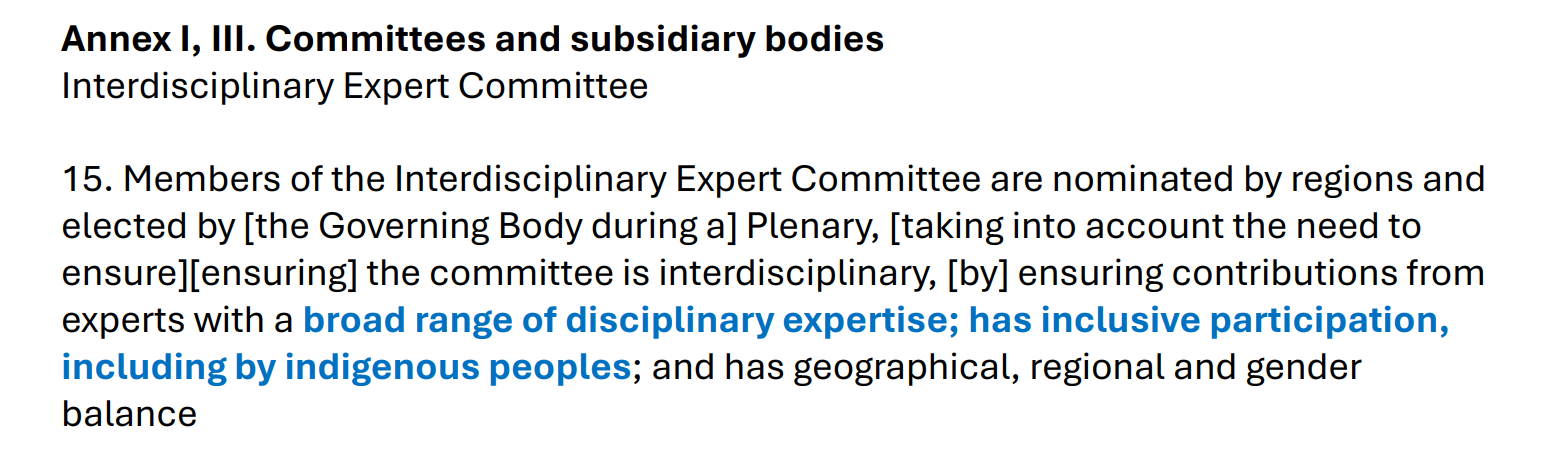
The broad participation of the scientific community in the Science-Policy Panel will be key to ensuring that the Panel meets its objectives. It will be central to ensure the Panel’s work is interdisciplinary, ensuring contributions from experts with a broad range of disciplinary expertise. has inclusive participation, including indigenous peoples, and has geographical, regional and gender balance. It is also central to make sure that the Panel is able to deliver outputs that are policy relevant without being policy prescriptive.
The secretariat of the OEWG, with the support of the Geneva Environment Network, organized a webinar to present the Science-Policy Panel to the wide scientific community, including scientists, scientific institutions, networks and journals, to raise awareness and get prepared to engage and involved in the Science-Policy Panel’s activities once established. The webinar was aimed at all scientific communities relevant to chemicals, waste, and the prevention of pollution, from all disciplines, including natural sciences, social sciences and humanities, particularly targeting those that are not yet familiar with international science-policy work. It presented the current state of the negotiations as well as the different ways in which scientists across the world can take part in the work of the future Panel.
Road to OEWG 3.2 Series
In March 2022, the United Nations Environment Assembly at its resumed fifth session (UNEA-5.2) agreed to establish an independent, intergovernmental science-policy panel to contribute further to the sound management of chemicals and waste and to prevent pollution. An ad hoc open-ended working group (OEWG) process has been initiated to prepare proposals for the panel.
As set out in UNEA resolution 5/8, the panel will support countries to take action on chemicals, waste and pollution, including to implement various international instruments such as multilateral environmental agreements (MEAs), by providing policy-relevant scientific advice. The Panel will also further support relevant MEAs, other international instruments and intergovernmental bodies, and other relevant stakeholders in their work.
The OEWG concluded its third session in June 2024, in Geneva and despite making significant progress, delegates were unable to finalize the work and will meet for a resumed session (OEWG 3.2) in early 2025, back to back with an intergovernmental meeting to consider the establishment of the SPP.
GEN 25th Anniversary
The celebration of the 25 Years of the Geneva Environment Network – the pivotal platform of international Geneva dedicated to enhancing collaboration among stakeholders in the fight against the triple planetary crisis – will start with a series of events exploring and highlighting frameworks and partnerships that can strengthen environmental governance. It will conclude on 20 January 2025 with a closing ceremony. This approach aims to create a meaningful and impactful celebration, inspiring renewed commitment to environmental governance and collaborative action.
Speakers
By order of intervention.
Tessa GOVERSE
Principal Coordinator, SPP OEWG Secretariat

Zhanyun WANG
Secretariat of the OEWG on a Science-Policy Panel on Chemicals, Waste and Prevention of Pollution

Marie STENSEKE
Professor in Human Geography, Department of Economy and Society, Gothenburg University | Former Co-Chair, Multidisciplinary Expert Panel 2015-2022, IPBES

Aïda DIONGUE-NIANG
AR6 WG I Lead Author and AR7 WGI Vice-Chair, IPCC

Camilla ALEXANDER-WHITE
Lead Policy Advisor, International Chemicals Policy, Royal Society of Chemistry
Aseel ABO-TALEB
Thematic Facilitator Chemicals, Waste and Pollution, Children and Youth Major Group to UNEP

Anna Isabel BECKER
Policy Director, International Sustainable Chemistry Collaborative Centre (ISC3)

Andrea HINWOOD
Chief Scientist, UN Environment Programme | Moderator
Highlights
Summary
Andrea HINWOOD | Chief Scientist, UN Environment Programme | Moderator
- When established, this particular science-policy panel will focus on the sound management of chemicals and the prevention of pollution and waste.
- Thousands of chemicals are in use in products and they result in human and environmental exposures with many unknown risks associated with them.
- We must ask, how much is too much? What is the maximum threshold for chemicals in soil, water, air, food, and human bodies? Such thresholds are known for only some chemicals.
- The issue of pollution and waste is multifaceted. We have a lot of knowledge in particular areas, like air pollution, but there are many others where data gaps on environmental and human exposures do not allow to gauge the real impacts of it.
- We are living in a context of increasing chemical usage and of increasing knowledge about pollution and waste. Science is necessary to help answer questions about risk impact, hazard, exposure types and routes. To find all these answers, interdisciplinarity is required.
- It is essential to better engage scientists and science disciplines to ensure that when the science-policy panel on chemicals, waste and pollution prevention is established, the most robust credible and quality science to inform policies IS at hand.
Overview of the SPP OEWG Process
Tessa GOVERSE | Principal Coordinator, SPP OEWG Secretariat
- We are currently facing a triple planetary crisis of climate change, biodiversity and nature loss, and pollution and waste. These crises are interlinked, with unsustainable consumption and production as main drivers.
- For climate change, the scientific evidence to rely on is provided by the Intergovernmental Panel On Climate Change (IPCC), established in 1988. For biodiversity and nature loss, the Intergovernmental Science Policy Platform On Biodiversity and Ecosystem Services (IPBES) has provided scientific guidance since 2012. A similar global and comprehensive science-policy interface is currently lacking for pollution related issues and the new – the science-policy panel on chemicals waste and the prevention of pollution (SPP CWP) aims at structuring a strong science-policy interface on the third, often a bit overlooked, pollution and waste pillar of the triple planetary crisis.
- The decision to establish the SPP was adopted in March 2022 by the UN Environment Assembly (UNEA). The resolution – UNEA 5/8- provides the mandate to work on the creation of this panel. Key features set out in the resolution include:
- the decision that a SPP should be established to contribute further to the sound management of chemicals and waste and to prevent pollution;
- that the panel should be an independent intergovernmental body with a program of work approved by its member governments to deliver policy-relevant scientific evidence without being policy prescriptive.
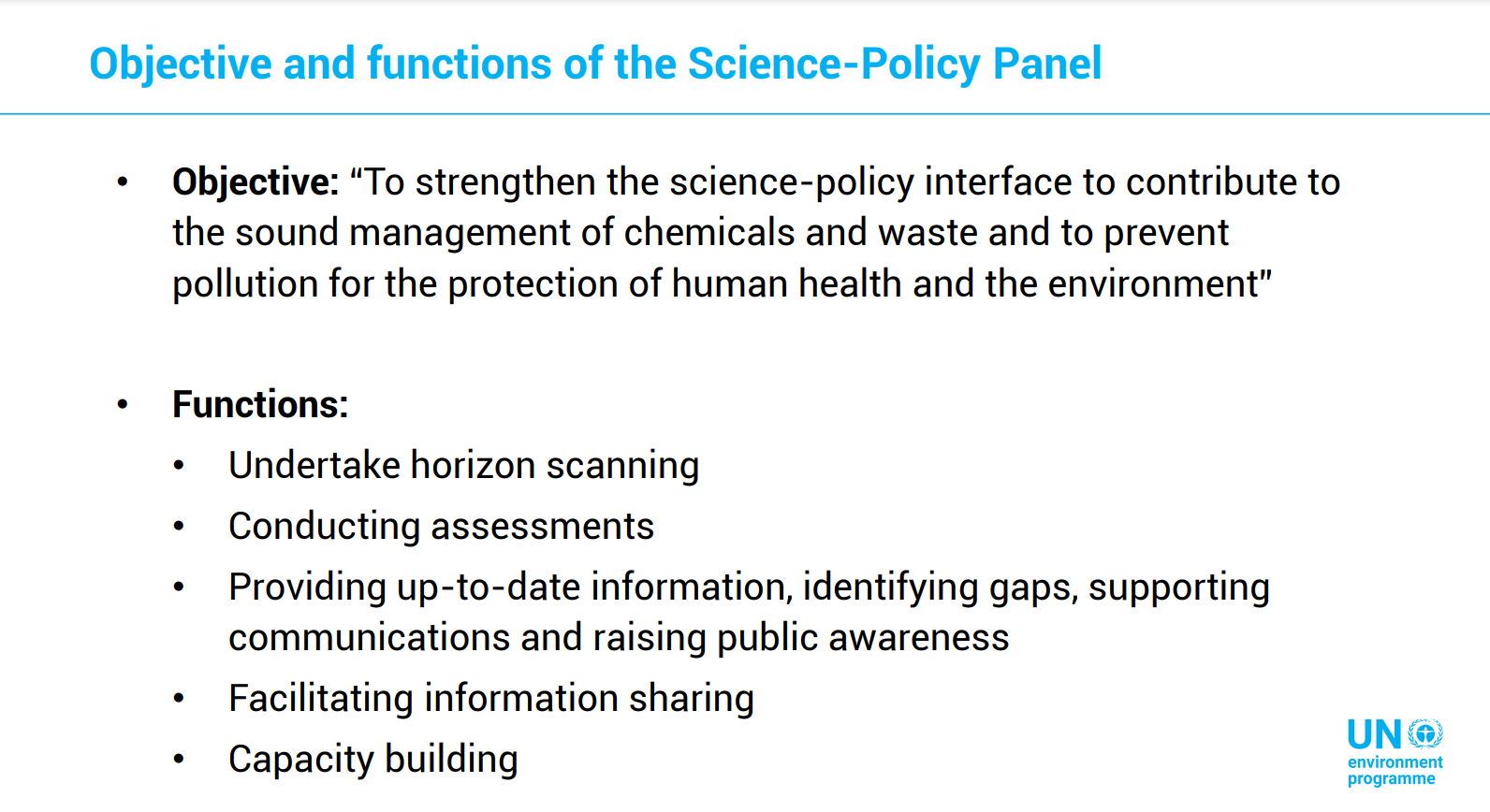
- In the ongoing negotiations, the envisaged objective of the panel is to strengthen the science-policy interface to contribute to the sound management of chemicals and waste and to prevent pollution for the protection of human health and the environment.
- To reach this objective, government representatives defined five functions for the panel:
- To set up a strong SPP, governments are also taking into account lessons learned from existing science-policy panels such as IPCC and IPBES but also from the International Resource Panel; the Global Environment Outlook panels under the Montreal Protocols and others as relevant.
- To establish the SPP a process has been put in place based on the requests and guidance provided in the UNEA resolution 5/8. An ad hoc open-ended working group (OEWG) was established to prepare proposals for the SPP, including on its institutional design rules and processes.
- The OEWG is composed of governments and regional economic integration organizations and is open to UN observers, relevant multilateral agreements other international instruments and intergovernmental bodies and stakeholder representatives.
- The OEWG began his work in October 2022 in Nairobi, Kenya with the ambition of completing the work by the end of this year.
- In June 2024, the third session of the OEWG took place in Geneva. It negotiated key documents- including the foundational document which contains elements on the SPP’s functions and governance structure (UNEP/SPP-CWP/OEWG.3/2); the draft rules of procedure (UNEP/SPP-CWP/OEWG.3/2/Add.1) and draft work program (UNEP/SPP-CWP/OEWG.3/2/Add.3/Rev.1), etc.
- Despite making significant progress, delegates were unable to finalize the work. A resumed session, OEWG 3.2, will therefore be held in the first part of 2025 with the aim of finalizing the key documents enabling the establishment and operationalization of the SPP. OEWG 3.2 will be organized back to back with an intergovernmental meeting to consider the establishment of the SPP. This would then allow the convening of the first session of the governing body of the panel in the following months and the launching of the substantive work of the science-policy panel.
Scientists Participation in the SPP
- Scientists’ participation is crucial to ensuring that the panel meets its objective and supports governments to make informed decisions based on science.
- A broad diversity of science scientists will be central to ensure that the panel’s work is solution-oriented and interdisciplinary and capable of mobilizing all relevant forms of knowledge including indigenous and traditional knowledge, inclusive and has regional and gender balance.
Overview of the different ways in which scientists, scientific institutions, networks and journals can get involved
Zhanyun WANG | Secretariat of the OEWG on a Science-Policy Panel on Chemicals, Waste and Prevention of Pollution
Scientist participation during the OEWG
Direct Forms of Engagement:
- Raising awareness on the future panel among peers and scientific networks so that more scientists can get familiarized with the future panel and learn about how to get involved.
- Consult national focal points to learn about key priorities for national governments and to support them or by bringing them views, perspectives and evidence to support their negotiation and create a bi-directional dialogue.
- Participate in OEWG 3.2 to provide onsite support.
Indirect Forms of Engagement:
- Publish articles on personal views and perspectives
Scientist participation in the Science-Policy Panel on Chemicals, Waste and Pollution Prevention
Direct forms of engagement
- Raise awareness of the Panel among your peers and networks
- Consult national focal points and observers
- Provide (joint) written submissions prior to the meetings of Panel’s
- Governing Body, subject to the outcome of OEWG
- Participate in the meetings of the Panel’s Governing Body as observers
- Participate as authors, information and data contributors, or reviewers in the Panel’s work
Indirect forms of engagement
- Generate and publish relevant data and knowledge, including
- organizing special issues in scientific journals
- hosting expert workshops/meetings
- Conduct work contributing to the Panel’s objective and functions, e.g.
- addressing knowledge gaps identified by the Panel
- translating and disseminating the Panel’s outputs
- fostering uptake of the deliverables by policy- and decision-makers
- conducting capacity building based on the deliverables
Perspectives from Scientists having Engaged in the work of IPBES and IPCC
Aïda DIONGUE-NIANG | AR6 WG I Lead Author and AR7 WGI Vice-Chair, IPCC
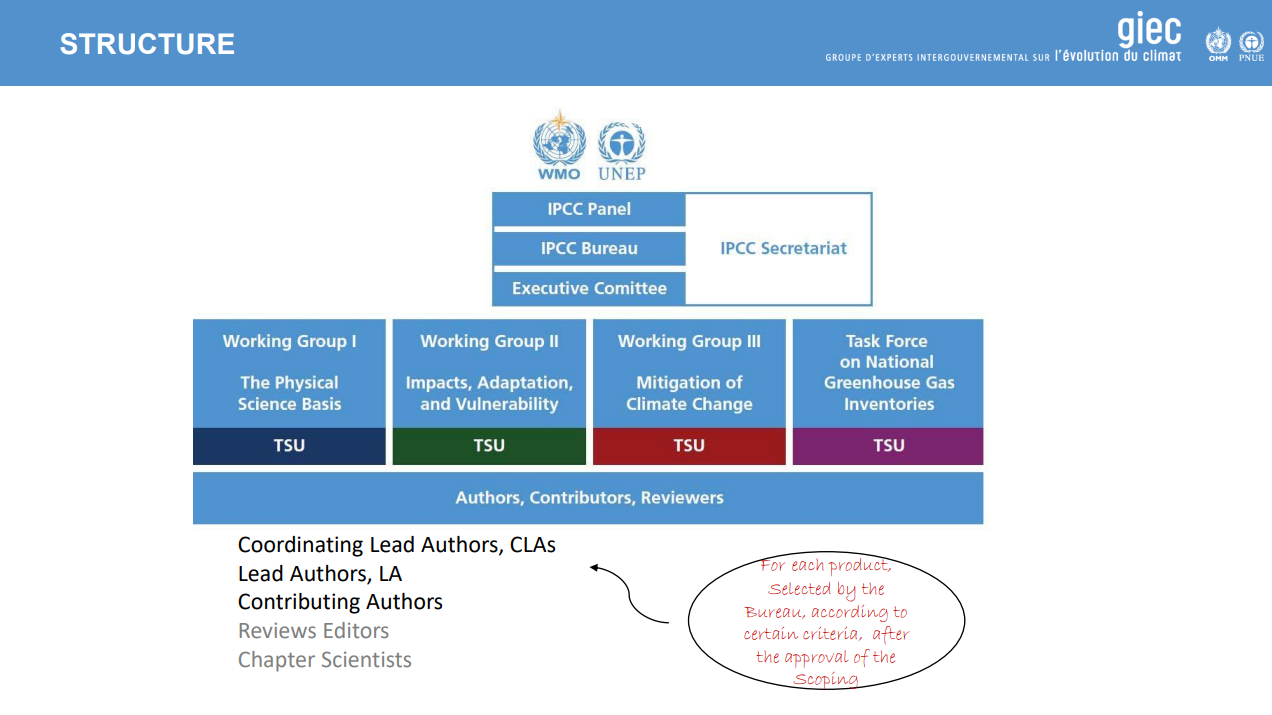
- Assessment work within the IPCC is done by authors in the science-policy panel. Lead authors coordinate, draft assessments in the chapter and may ask contributing authors to provide support for specific elements of the assessment, like figures or a specific topic, while review editors ensure the consistency of the chapter.
- Chapter scientists are usually PhD students or early career scientists.
- Authors are selected by the Bureau based on criteria such as diversity of expertise while ensuring geographical and gender balance.
How to Identify Research Gaps?
- Science-policy panels do not conduct their own research, they assess the knowledge on the basis of existing literature or knowledge at a given point in time, taking into account that knowledge and literature evolve.
- Using assessment reports of the previous IPCC cycle is useful to identify knowledge gaps, but for the future science-policy panels this will not be possible but could still be done through literature review and analysis, including on conflict findings , unanswered questions or limited studies.
- A caveat that authors coming from some developing countries might be faced with is access to literature. During the assessment, the IPCC provides a UNEP help desk email address but sometimes access issues persist. It is useful to subscribe to journals that offer low fees for scientists from developing countries.
- This issue must set out in advance of the evaluation exercise to ensure equitable access to literature for all authors involved in the assessment.
- We need to have more interactions among peers and scientists in related fields to have a broader and better identify research gaps.
- Interacting with practitioners, policymakers could help to be more aware of the real world and also know more about research gaps that are policy-relevant and socially driven.
How to Prepare Research Projects and Scientific Publications that could be Used by the Panel?
- Policy-relevant research in the field of the SPP is important as research to advance knowledge gaps is important to tackling the pollution crisis.
- Attending specific conferences or expert meetings in a specific area is useful for the scientific community to be aware of challenges that could be better-addressed thanks to more specific research.
- Scoping meetings provide guidelines for drafting IPCC reports. Topics may emerge with limited paper review literature on which authors can base their assessment on and researchers are encouraged to publish more literature. For this, being aware of cut-off date is important as this process might be biased because some scientists facing structural research problems such as research infrastructure, access to data and little collaboration within their country and region wil not be able to publish as quickly as others.
- Authors engaged in the assessment may publish their own research while they are drafting the chapter. This is usually not a problem but leads to ethical problems, including unbalanced self-citation.
How can one Contribute to the Organization of their Scientific Communities?
- Direct engagement and raising awareness about the assessment process are all important ways to promote science and collaboration within the science committee.
- Collaborative research may be interdisciplinary, for which it is important not to work in siloes and promote multidisciplinary research and publish research results and other types of knowledge relevant to the region, as regional perspectives are also important.
What Does it Entail to be an Author?
- SPIs authors engage on a voluntary basis. Commitment takes over personal time depending on assessment cycles and their reports.
- Taking the responsibility of being an author entails responding of the content of their report, knowing when and what to communicate, and how and in which capacity.
- One cannot disclose elements of a report before the report is approved for or if so, specify such information is shared in a personal capacity as a scientist.
- Language should always be specific and calibrated to being policy relevant but not policy perspective.
- IPCC, as much as IPBES and the future panel on pollution, chemicals and waste prevention is an international and multicultural setting with people from different backgrounds. Codes of conduct must be respected to be inclusive and equitable.
- Engaging with and contributing to the science-policy panel is rewarding for scientists because it allows to contribute to tackling major problems humanity: climate change, biodiversity loss, waste and pollution. It also offers an opportunity for growth by working along with renowned scientists and having a broader view of the problem, one can expand personal knowledge and benefit from enriching human interactions.
- Another of the benefits of being part of SPIs is the feeling of being legitimate to talk about an important topic such as climate change assessment.
Marie STENSEKE | Professor in Human Geography, Department of Economy and Society, Gothenburg University | Former Co-Chair, Multidisciplinary Expert Panel 2015-2022, IPBES
- IBPES has borrowed much of its settings from the working of the IPCC.
Attractions in Global Assessment Report (GEA) Engagement
- Intellectually stimulating in a broad sense: participating in IPBES broadens perspective from a scientific angle.
- Producing applicable knowledge with potential to make change.
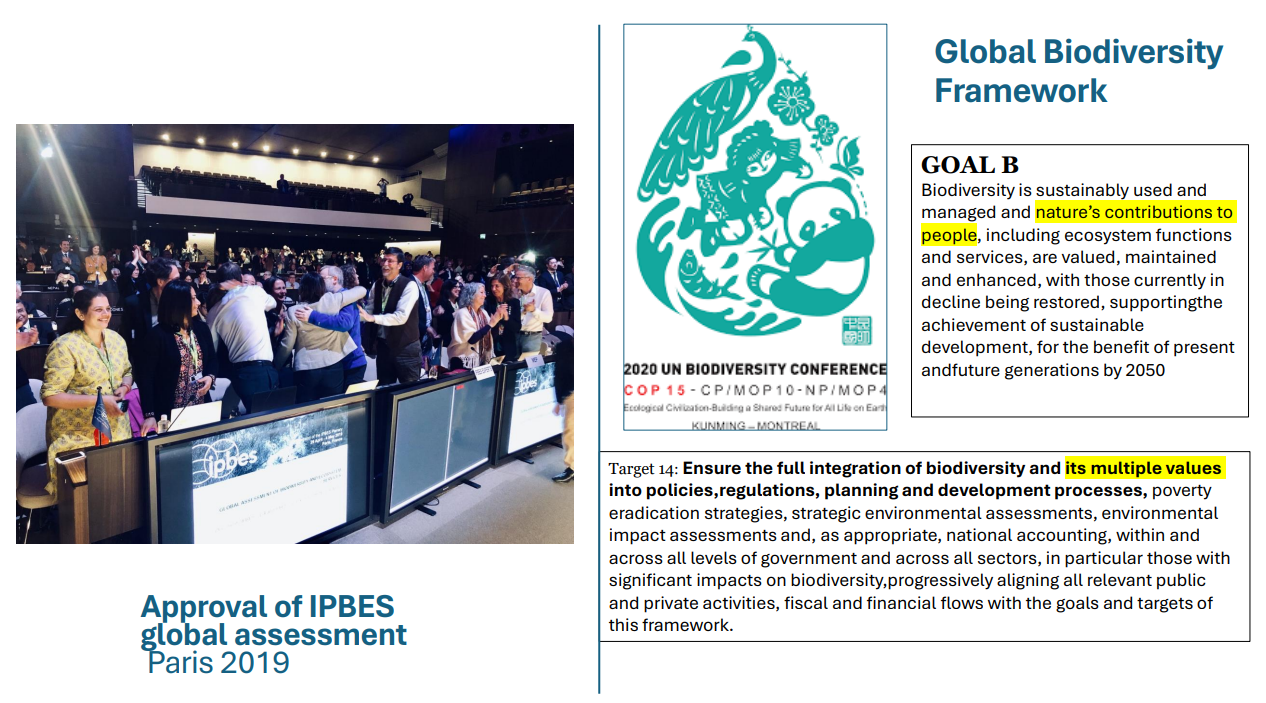
- The approval of the IPBES Global Assessment was a flagship moment for the panel. Works on a second global assessment will soon begin.
- The global assessment was the first one, so it is a reason of pride for it to be quickly catching up with the fame of IPCC.
- What was agreed in the Global Biodiversity Framework in the 2022 Kunming-Montreal COP15 is the politically negotiated document which set out standards and commitments on how countries should work with their biodiversity in the policies.
- Some of the language of GFC came from IPBES global and thematic assessments. This shows that the work of the scientists really makes an impact and that the hard work they put through transforms into policy.
3. Enhances interesting career options.
- Working with an SPIs enhances interesting career options, providing visibility to authors and the possibility to become part of networks, participate to projects and access more kind of funding. Additionally, it offers the possibility of taking part in many publications.
4. Contributes to a broader network inside and outside academia.
- Another important benefit coming from being part of the global assessment is developing a broader network inside and outside academia.
5. Getting friends and colleagues all over the globe.
Social Sciences Humanities Engagement
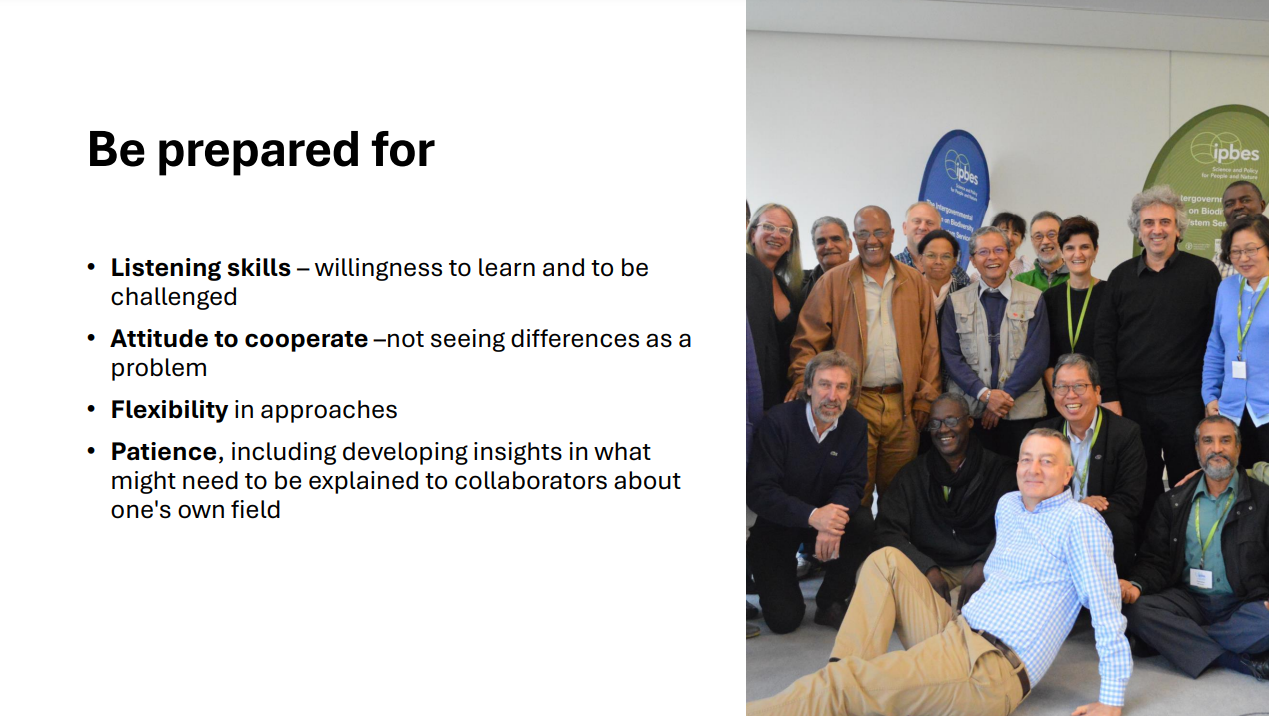
- Social scientist both in IPBES and IPCC are in shortage. Social scientists are crucially important because when we need to make “peace with nature”, it’s humans that need to adapt, not nature itself.
- We need knowledge on societal drivers, legal rights, justice, governance, implementation, regional context, communication and so on, therefore social scientists and humanities experts are needed.
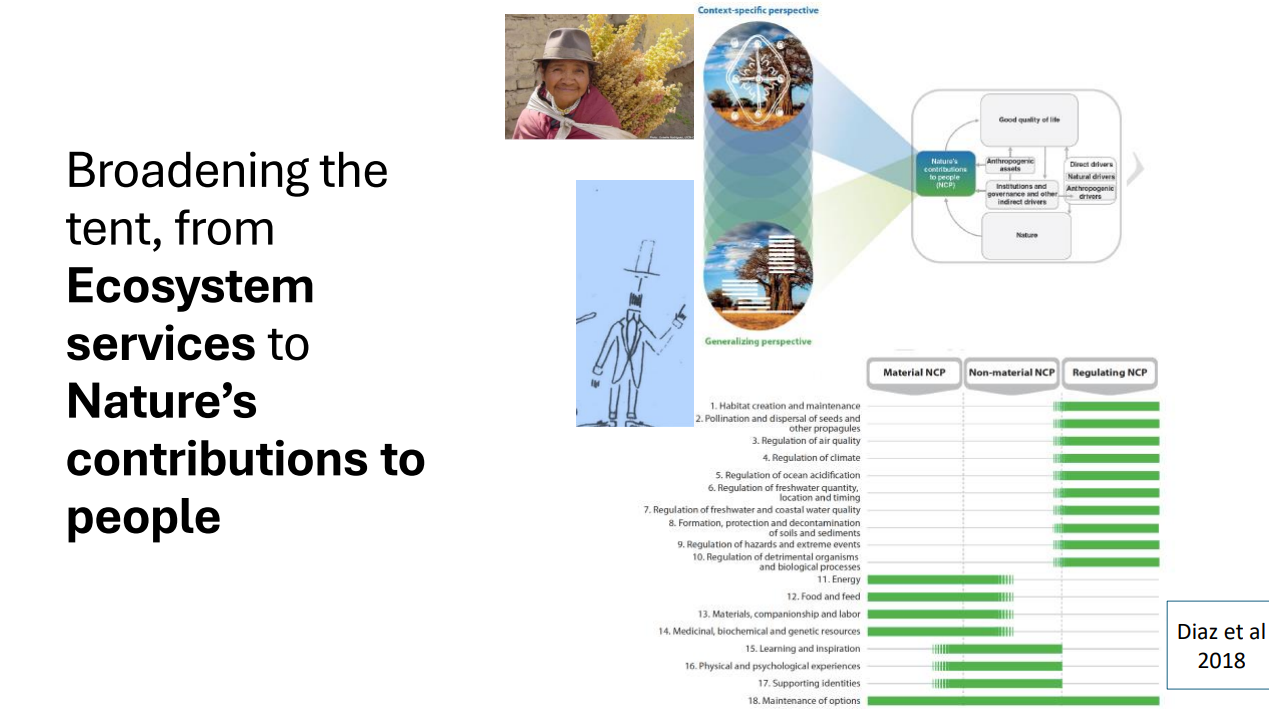
- IPBES worked on a conceptual evolution showing how, through the engagement with social scientist, some concepts were changed or broadened to address in a more scientifically correct way how we relate to nature.
Challenges to Social Sciences Humanities Engagement
- Global Environmental Assessments are still very much set on natural science, therefore experts in SSH might need to adapt to other disciplines, to indigenous and local knowledge that IBPES has been keen in bringing in as concepts and frameworks.
- Organizational structures need to be evaluated through a broader scientific interdisciplinary perspective, removing forms of skepticism about possibilities for SSH to participate and contribute on equal terms.
- GEAs also need to be handled to make the platform attractive to social scientists and humanities experts.
- Some IPBES experts created a Social Science Humanities Network that allows authors within IPBES and beyond to discuss joint papers, hold workshops and seminars to strengthen SSH engagement in the Global Environmental Assessments.
Crossed Perspectives of Scientific Initiatives Contributing to the Set Up of the Science-Policy Panel
Camilla ALEXANDER-WHITE | Lead Policy Advisor, International Chemicals Policy, Royal Society of Chemistry
- The Royal Society of Chemistry is a network of networks, with over 56,000 members worldwide, engaging with international science and policy communities to share knowledge and opinions to address chemical waste and pollution.
- Working groups have been discussing and engagement sessions to set up a new science-policy planning. By sharing research, knowledge, and data, it aims to bring the best science to the table, particularly in creating strategies for better chemical management and improving safety evaluations for chemicals that currently lack information.
- RSC works on a chemical strategy for a sustainable chemicals revolution organized under four pillars: education, innovation, circular economy, and regulation and tries to respond to one main objective: as chemical pollution is projected to triple by 2050, we should not allow its waste to follow the same trend.
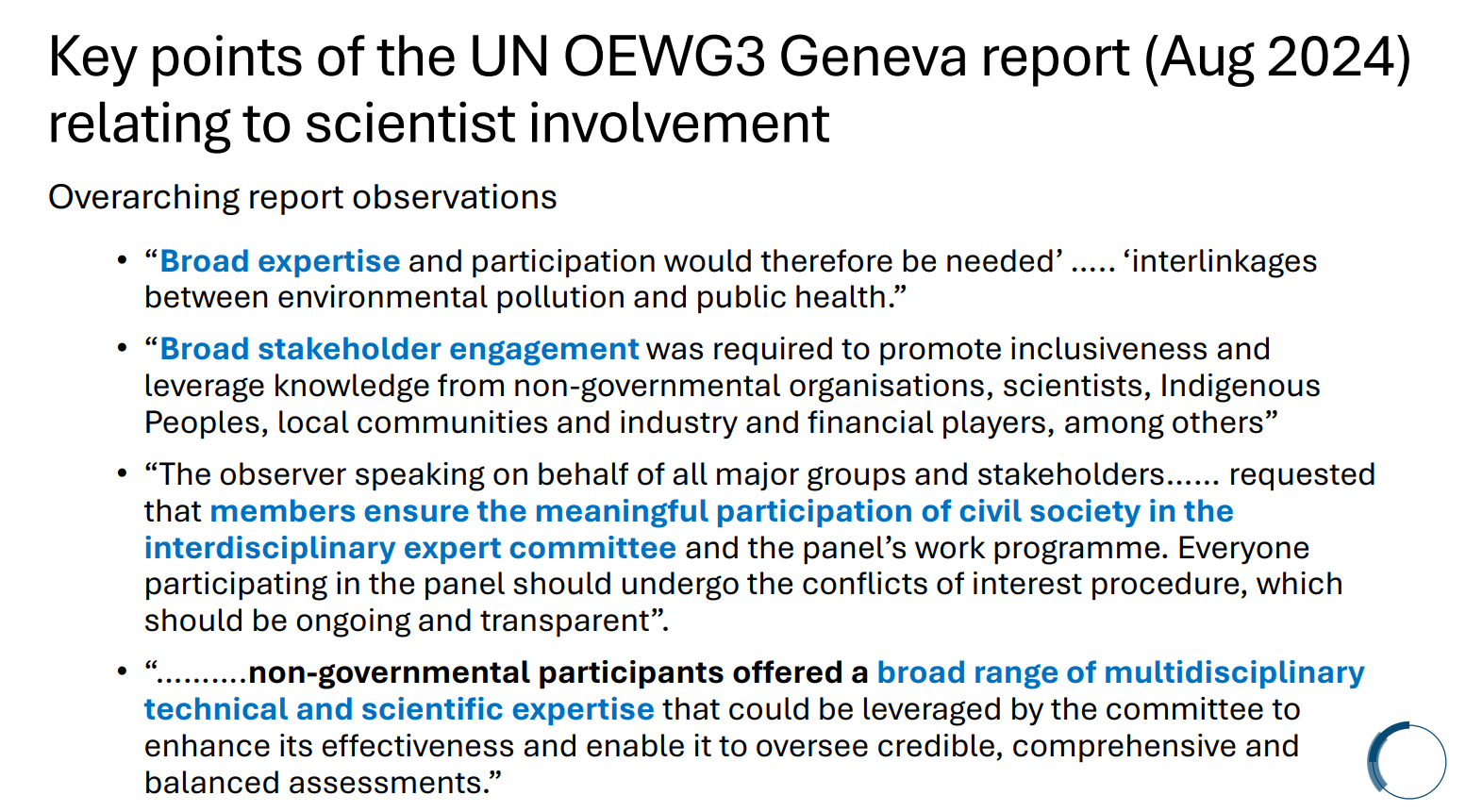
- The OEWG 3 report for the sound management of chemicals and waste highlights the need for broad expertise, stakeholder engagement including from indigenous peoples and local communities, and meaningful participation of civil society.
- Given the broad range of issues, actors, and multidisciplinary technical areas involved, the work program needs to be prioritized.
- Inclusive participation of a broad range of multidisciplinary expertise is crucial.
- The Scientific Advisory landscape in the UK provides a practical taste of how broad stakeholder participation can look like:
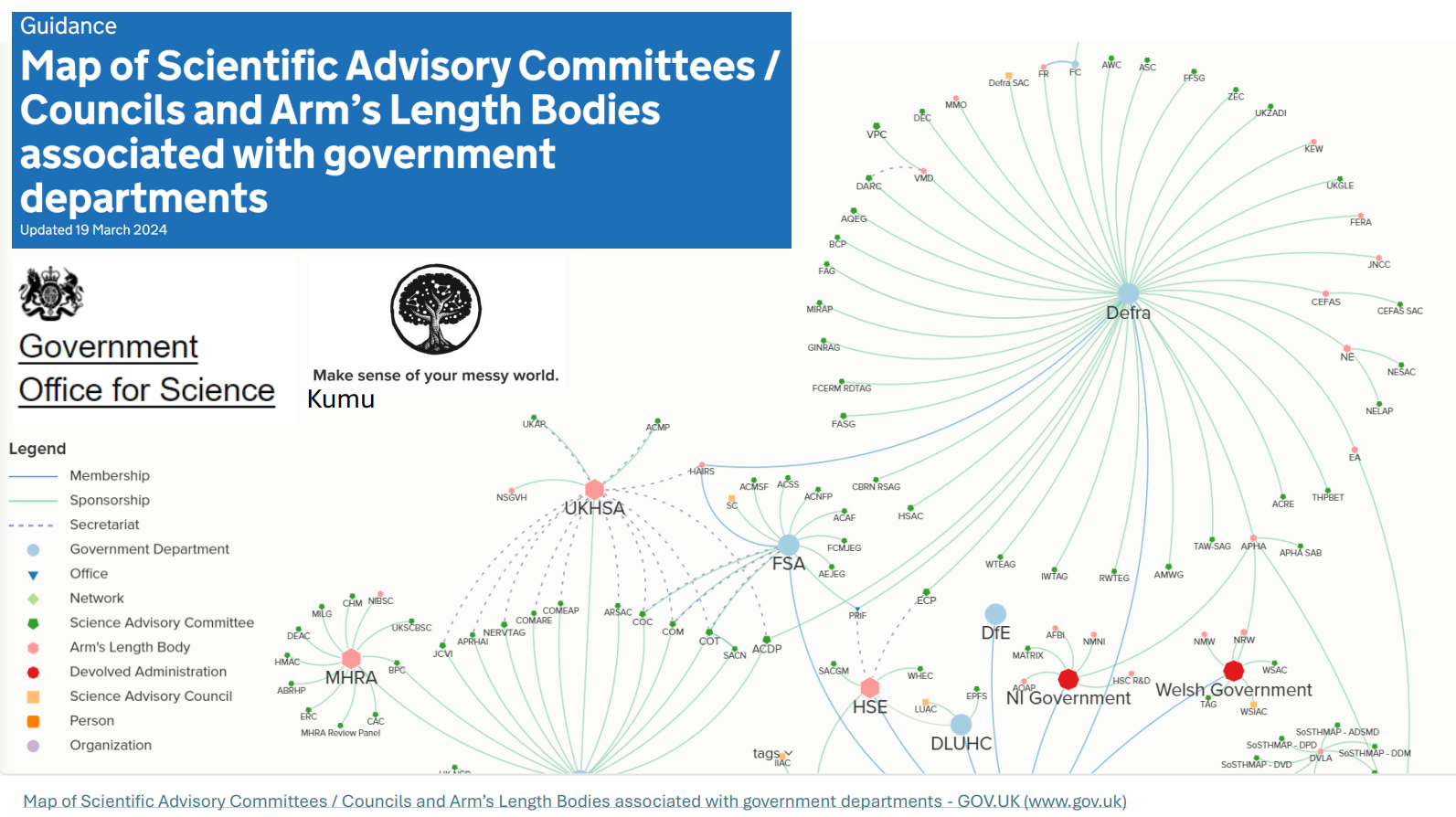
- Stemming from the UK Department for Environment, Food & Rural Affairs (DEFRA), there is a broad network of science advisors advising the government in different areas such as flooding, air quality, and land quality.
- We need to be aware of the various non-overlapping science and technology disciplines in chemicals, waste, and pollution. Science is an international collaborative effort, and our events and platforms bring the different disciplines together, incorporating chemistry science data into broader multidisciplinary conversations.
- Our focus extends beyond chemical sciences; we interact with other professional bodies and disciplines, including social, behavioral and psychological sciences, and a wide range of natural sciences.
- Given the interdisciplinarity of the chemicals, waste and pollution crisis and landscape, new sets of skills must be developed. → Learn more
Aseel ABO-TALEB | Thematic Facilitator Chemicals, Waste and Pollution, Children and Youth Major Group to UNEP
- It is more critical than ever to strengthen the scientific engagement with OEWG, the future panel and all multilateral and intergovernmental processes to address global environmental challenges.
- In September 2024, the Pact for the Future was adopted in New York, which includes a declaration on the future generations and makes it clear that overcoming current challenges is not the responsibility of any single entity or group of stakeholders, it is a shared duty that requires immediate action from all. The scientific community plays a major role in the process.
- Children and Youth Major Group (CYMG) is a self-organized network and is one of the nine major groups and stakeholders accredited to UNEP. Having over 900 organizations and over 7,000 individual members, it plays a vital role in advocating for the inclusion and meaningful engagement of youth in global environmental governance in addressing the triple planetary crisis. The major groups are recognized by Agenda 21 of the Rio Declaration as an essential system in promoting broad participation in sustainable development goals and in facilitating the inclusion of non-governmental stakeholders in decision-making processes.
CYMG Engagement in the SPP CWP OEWG Process
- CYMG has been engaging in the process by attending working group meetings, taking part in regional preparations, and responding to the calls for submissions from the working group and the secretariat. We are committed to ensuring meaningful non-governmental stakeholder participation, integrating intergenerational equity, scientific integrity, and credibility.
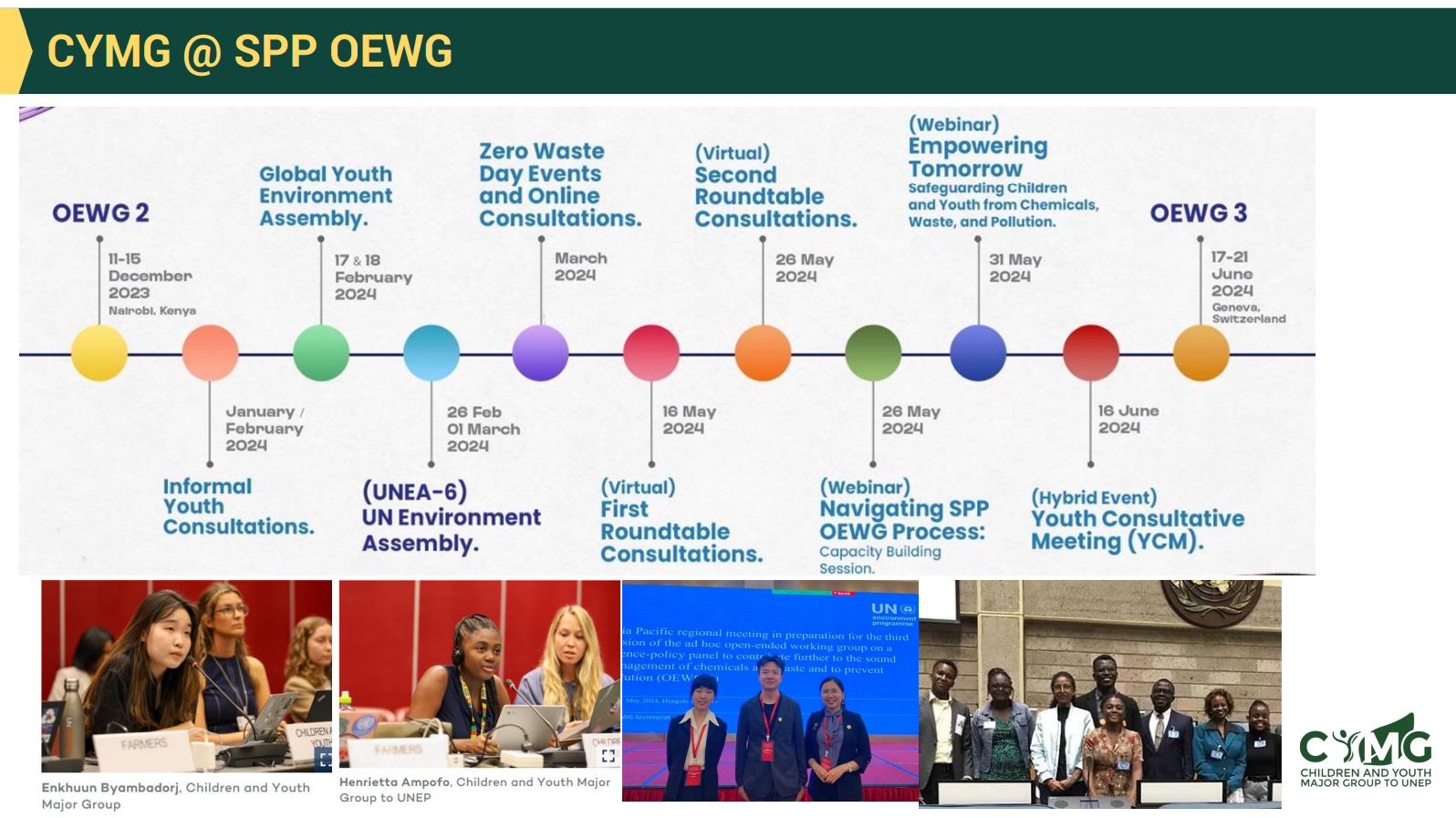
- CMYG works on involving early careers and young scientists in the negotiation. As part of the OEWG process, we have analyzed existing science-policy panels and interfaces to come up with key recommendations. We advocate for the adoption of a Youth Experts Advisory Group and Innovative Youth Engagement. → Learn more
Avenues for Early-Career Professionals to Support the Future Panel
- Integrating fresh perspectives and utilizing advanced technologies.
- Advocating for intergenerational equity.
- Contributing to global assessments and panel deliverables.
- Driving innovation and sustainable solutions.
- Translating key messages and engaging young audiences.
Examples
- Young scientists’ contributions include the Youth Summary of the Global Waste Management Outlook 2024, jointly published with UNEP, which equips young people with knowledge and tools to tackle waste management challenges and drive sustainability efforts. CYMG has also supported the translation of the Youth Summary into all UN official languages, as well as Portuguese and Swahili.
- CYMG Digital Campaign ahead of SPP OEWG 3
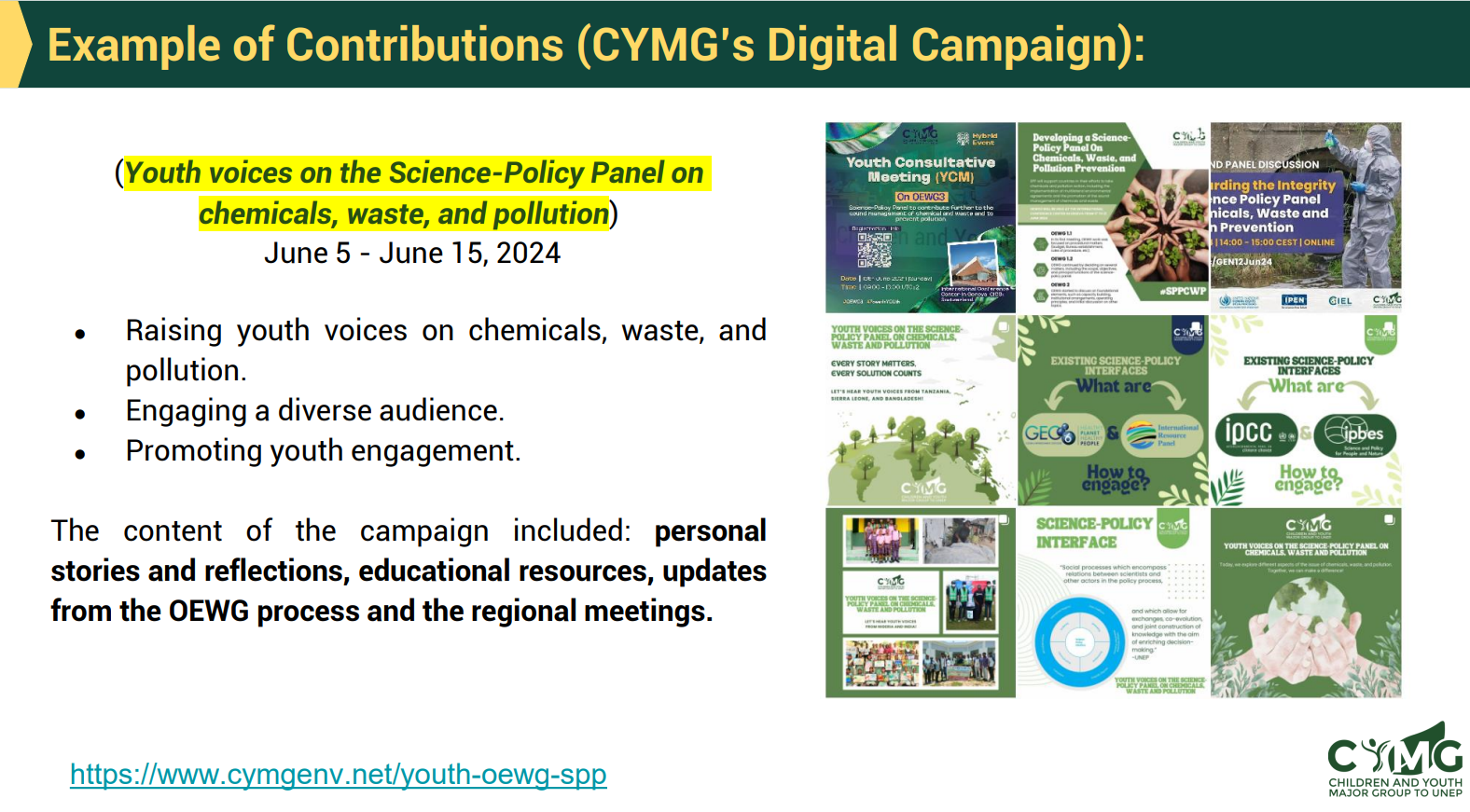
- One challenge that scientific communities and early career professionals face is the acquisition of accreditation to the UN system. CYMG has been providing accreditation support and a contribution platform that will enable the reflection of young people’s views in the process.
- The escalating planetary crisis of pollution, climate change, and biodiversity loss has intensified the urgency of action. We need all expertise more than ever to address these global challenges and drive solutions.
Anna Isabel BECKER | Policy Director, International Sustainable Chemistry Collaborative Centre (ISC3)
- At the OEWG 2 in Nairobi, we noticed a lack of engagement and participation opportunities for scientists in the SPP process. The idea of an SPP Science Alliance was born to ensure the participation of all relevant scientific knowledge-holders and interdisciplinary scientific experts.
- The SPP Science Alliance is envisaged to be an international network of interdisciplinary and independent scientific and technical experts, with social, geographical and disciplinary diversity, seeking to bring together the expertise needed to address global environmental issues.
- Our mission is to broaden the impact of scientific knowledge in policy on chemicals, waste, and pollution prevention. Our objectives are:
- Inform the work of the new intergovernmental science policy panel;
- Establish a network of scientists across all relevant disciplines;
- Build the capacity of scientists to contribute to policy; and
- Widen the inclusion of underrepresented experts.
- We are currently in the process of establishing the alliance and finalizing our draft mission and objectives. Our current tasks are to set up governance structures and policy guidelines, and secure funding by identifying potential donor and host organizations.
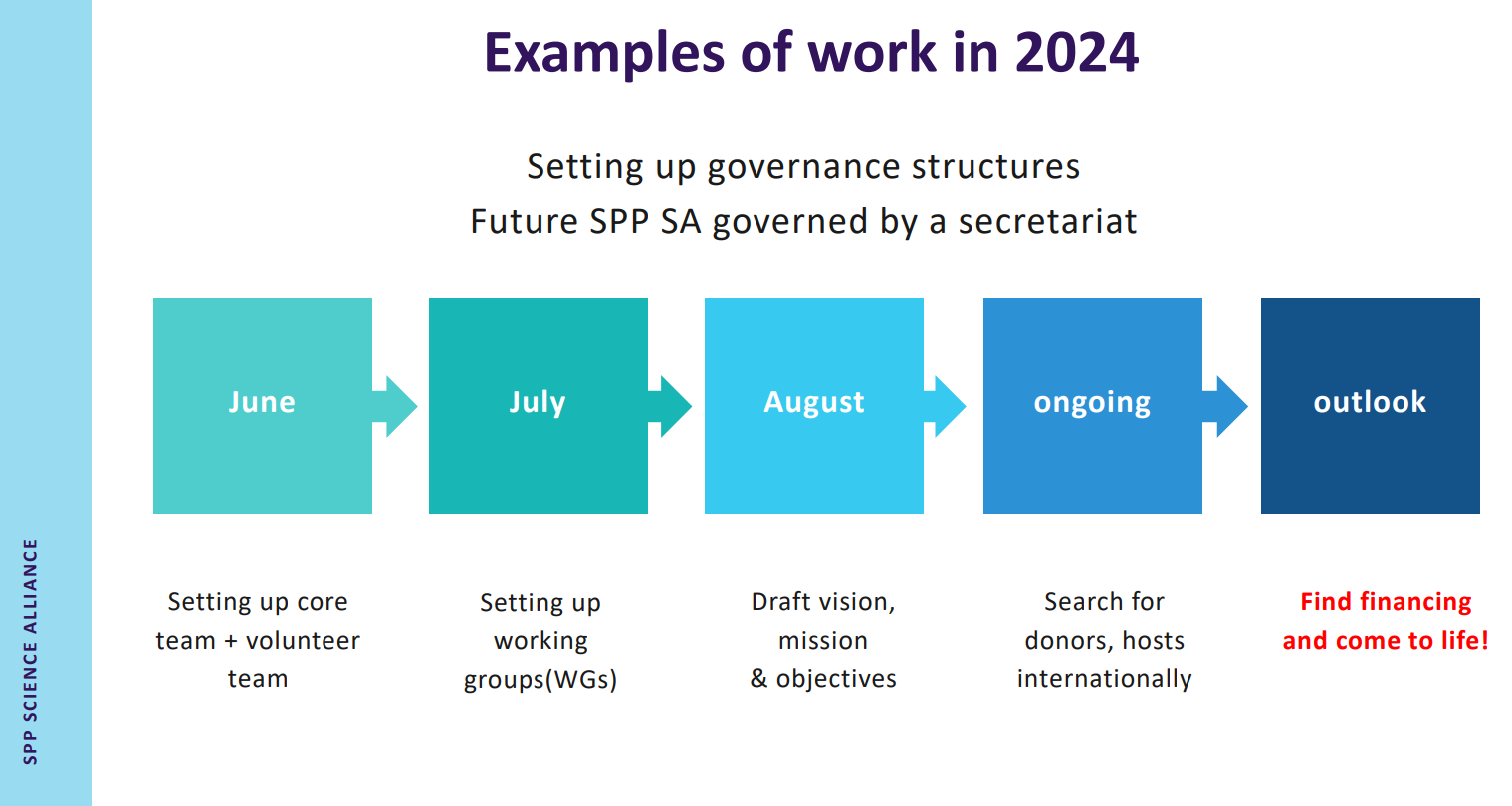
- There is a wide range of disciplines involved, such as environmental law, toxicology, and chemical risk assessment, and the members of the group are coming from different regions of the world. Our goal is to broaden representation and ensure that all regions are represented in the long term, tapping into new national and knowledge networks.
- We are planning to operate platforms to provide opportunities for information exchange among interested scientists and stakeholders, as well as for improving understanding and communication between the science and policy sphere.
Q&A
Q: What does the author selection process entail? What do the conflict of interest policies look like?
Aïda DIONGUE-NIANG
- Authors’ selection is firstly based on needed expertise. We also take into account geographical and gender balance, as well as balancing those who are new in the IPCC and those who have engaged in previous cycles. It is a collaborative process
- Clear guidance on conflict of interest in the selection process is a must and having multiple people screening potential authors is a way to guarantee it.
Marie STENSEKE
- IPBES considers disciplinary balance to fill in the gaps when there is a shortage in certain fields. We try to include practitioners who work in the policy sector and indigenous and local knowledge holders.
Video
Documents
Links
- Ad hoc open-ended working group on a science-policy panel on chemicals, waste and pollution prevention official website
- Developing a Global Science-Policy Panel on Chemicals, Waste and Pollution Prevention
- Geneva addressing Hazardous Substances | GEN
- GEN 25th Anniversary
More on GEN @ 25 Celebration

Faith-based Organizations Leadership in Tackling the Triple Planetary Crisis | GEN @ 25
16 December 2024 | 14:00 – 15:30 CET | International Environment House 1, Room 2 | With GIF

Geneva Environment Network High Level 25th Anniversary Celebration
20 January 2025 | 9:00 – 12:00 CET | International Environment House 2
How to Keep the United Nations Environmental Agenda in Times of Crisis? | GEN @ 25
15 November 2024 | 10:00 – 11:30 CET | International Environment House I, Room 2 | With the Geneva Graduate Institute Global Governance Center
From Stockholm to Rio and Geneva | Six Decades of Enhancing Collaboration in the Fight Against the Triple Planetary Crisis: A Roundtable with Elders | GEN @ 25
28 November 2024 | 14:00 – 15:30 CET | International Environment House 1, Room 2

ICJ Oral Hearings on Climate Justice – Diplomatic Screening and Commentary | GEN @ 25
2 December 2024 | 9:00 CET | Palais des Nations, Room XXIII | With CIEL, Geneva Human Rights Platform, Earthjustice, World’s Youth for Climate Justice
Pushing Boundaries Through Collective Action: How Can Citizens Drive Systems Change and Catalyze Climate Action? | Climate Solutions to Keep 1.5° Alive | GEN @ 25
2 December 2024 | 15:30 – 17:00 CET | Palais des Nations, Room XVII | With UNDP Geneva