
Event Conference
Faith-based Organizations Leadership in Tackling the Triple Planetary Crisis | GEN @ 25
16 Dec 2024
14:00 – 15:30
Venue: International Environment House I
Organization: Geneva Environment Network, Geneva Interfaith Forum on Climate Change, Environment and Human Rights
This roundtable discussion, organized as part of the Geneva Environment Network's 25th anniversary series of events, aims at celebrating Geneva’s legacy in global environmental governance. Faith-based organizations leading experts and diplomats explored the role faith-based organizations play in addressing the triple planetary crisis.

About this Event
This event, organized in collaboration with the Geneva Interfaith Forum on Climate Change, Environment and Human Rights (GIF) as part of the Geneva Environment Network’s 25th anniversary series of events aiming to explore and highlight frameworks and partnerships that strengthen environmental governance, will discuss the role faith communities and religious leaders play in advocating for environmental and social justice, supporting discussions and negotiations from a spiritual and ethical perspective.
As the world capital for multilateralism, Geneva is at the center of numerous debates and negotiations in the fields of science, health, human rights, development, trade and green finance, employment, peacebuilding and security, disaster risk reduction, humanitarian response, nature conservation, chemicals and pollution, as well as new technologies and innovation. This interdisciplinarity has allowed and continues to allow International Geneva to have unique cross-disciplinary expertise in addressing the triple planetary crisis of climate change, biodiversity loss and pollution. The numerous faith organizations represented in Geneva are also actively involved in these processes, bringing spiritual and religious values to protect our environment and respect our planet.
Leading experts invited to join the panel of this event will explore the role faith-based organizations play in addressing the triple planetary crisis. It will also explore ways to support the pursuit of transformational change at the core of the human relationship with the natural world, a shift upon which the future of our planet depends.
To welcome all to this event, a musical performance by pianist Andrea Amanti took place before the event. The performance engaged the audience in a “blind test” around the theme of the event.
GEN 25th Anniversary
The celebration of the 25 Years of the Geneva Environment Network – the pivotal platform of international Geneva dedicated to enhancing collaboration among stakeholders in the fight against the triple planetary crisis – will start with a series of events exploring and highlighting frameworks and partnerships that can strengthen environmental governance. It will conclude on 20 January 2025 with a closing ceremony. This approach aims to create a meaningful and impactful celebration, inspiring renewed commitment to environmental governance and collaborative action.
Speakers
By order of intervention.
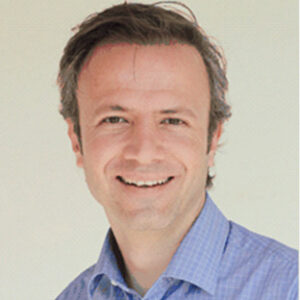
Arnold KREILHUBER
Director, Europe Office, UN Environment Programme | Chair
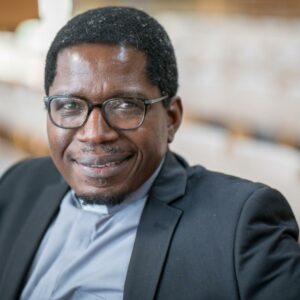
Rev Dr Kenneth MTATA
Director of Public Witness and Diakonia, World Council of Churches
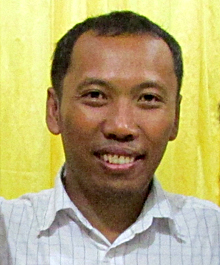
Budi TJAHJONO
International Advocacy Director, Franciscans International

Alexandra Masako GOOSSENS-ISHII
Program Coordinator for Sustainable Development, Soka Gakkai International
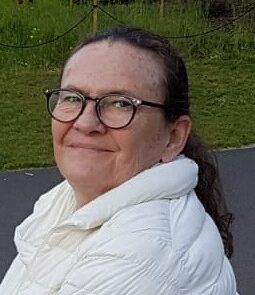
Valeriane BERNARD
Brahma Kumaris Representative to the UN in Geneva
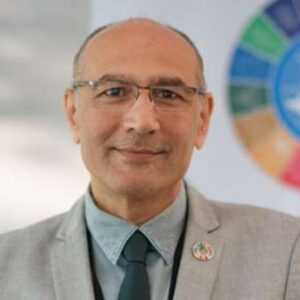
Iyad ABUMOGHLI
Founder and Director, Faith for Earth Coalition, UN Environment Programme
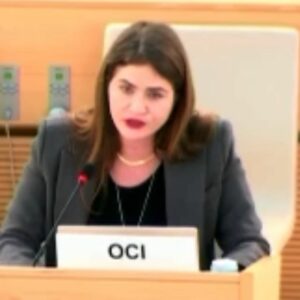
Yasemin EREN
Counselor, Organization of Islamic Cooperation
Highlights
Video
Faith-based Organizations Leadership in Tackling the Triple Planetary Crisis | GEN @ 25
Live from International Environment House.
Summary
Arnold KREILHUBER | Director, Europe Office, UN Environment Programme | Chair
- There is an inseparable bond between humans and nature. This event will reflect on how to support transformational change by placing human relationship with the natural world at the core, and identify the shifts needed for the future of our planet.
- Many faith-based organizations in Geneva are deeply involved in global environmental processes, bringing spiritual and religious values to the protection of the environment and respect for the planet.
Rev Dr Kenneth MTATA | Director of Public Witness and Diakonia, World Council of Churches
- At its 2022 Assembly in Karlsruhe, the World Council of Churches (WCC), representing 352 churches across 120 countries, declared that climate crisis a priority, a life matter. The statement The Living Planet: Seeking Just and Sustainable Global Communities called for a transition to renewable energy, a phase-out of fossil fuels, and action recognizing the historic responsibility and justice for vulnerable communities disproportionately affected by the crisis.
- WCC believes that a just transition is the only sustainable transition, and that equity is the pathway to sustainability. Our engagement reflects the faith imperative to uplift vulnerable communities, care for our shared planet, and protect the divine gift of life. We promote just transition by accompanying affected communities, fostering a movement of green churches, and advocating for equitable change.
- In 2022, the WCC delegation engaged with Sámi communities in Norway, who face injustices due to the so-called green transition, including the construction of dams and windmill parks that disrupt their lands, livelihoods, and culture. The Supreme Court has ruled illegal at one of the parks for advancing the construction without proper consultation. The Sámi youth denounced these climate solutions as “green colonization” that comes at the expense of nature and their well-being.
- Mining for rare earth metals and minerals critical to green technologies is accelerating across Africa, creating jobs but with significant risks. Churches have played an important role in fostering social dialogue among affected communities, companies, and policymakers.
- In South Africa, church leaders have highlighted that transitions from fossil fuels must not come at the expense of livelihoods or rights of vulnerable communities, especially indigenous peoples. Their voices must be integral to planning and decision-making from the outset.
- The WCC and other churches have worked on building green churches for transition. For example, the Ethiopian Orthodox Church and Anglican communities are switching to solar energy and growing forests.
- The climate crisis has impacted livelihoods, with over six million jobs at risk, particularly for low-skilled workers. Faith-based organizations play a critical role in advocating for policies that protect decent work, labor rights, and human dignity.
- The WCC works with the International Labour Organization and other faith-based organizations to influence labor policies and ensure human rights for a just transition, highlighting the need for finance, regulation, and coordination. The WCC has urged G20 leaders to implement progressive wealth and carbon taxes to fund zero-carbon economies, climate change mitigation, adaptation, and support for vulnerable nations.
- The climate and planetary emergency, driven by a structural focus on short-term financial gain and extractive development model for economic growth, represents existential challenges for our generation.
- Just transitions require a profound transformation of economic systems. Faith plays a vital role in envisioning a new economic model focusing on health, well-being, and happiness of humanity and ecological communities, recognizing the interconnectedness of all life and divine in these relationships.
Budi TJAHJONO | International Advocacy Director, Franciscans International
- Although the outcome of COP Baku was disappointing, faith-based organizations continue our work, advocating for those severely affected by the triple planetary crisis.
- Environmental justice plays a central role in the work addressing the disproportionate impacts of environmental degradations on marginalized communities. We emphasize the ethical responsibility to protect the most affected, by amplifying their voices and advocating for policies that address the systemic injustices. Examples of our work include protection of the rights of indigenous peoples and environmental defenders.
- Faith-based organizations played a significant role at the Rio Summit in 1992 in highlighting the moral and ethical dimensions of environmental issues and advocating for sustainable development, as well as emphasizing the interconnectedness of environmental, social, and economic factors of global challenges.
- One key contribution at the Rio Summit was advocacy for including ethical and religious insights in the global dialogue on sustainable development. Side events and workshops bringing together leaders from various religions to discuss the moral responsibility of caring for Earth and promoting social justice raised awareness about the importance of integrating spiritual and ethical considerations into environmental practices.
- We have also mobilized grassroots support for sustainable development, using extensive networks to engage local communities and encourage action on environmental issues. Faith-based groups helped build a broad coalition for the principles and goals of the Rio Summit by fostering shared responsibility and collective action.
- Since the Rio Summit, faith-based organizations have continued to lead climate action, drawing on ethical and spiritual teachings for a sustainable future. One example is Pope Francis’ encyclical Laudato Si’ encyclical, which emphasized the moral and ethical dimensions of climate change, urging action and promoting the interconnectedness of environmental, social, and economic issues. Through initiatives including fossil fuel divestment, renewable energy promotion, and grassroots efforts such as tree-planting and education programs, faith-based organizations mobilize communities and influence policy makers to address climate change and support vulnerable populations.
- The protection of human rights is inextricably linked to environmental justice. Two latest contributions of faith-based organizations at the UN Human Rights Council in addressing the environmental crisis are:
- Since 2008, the Geneva Interfaith Forum on Climate Change, Environment and Human Rights has worked to push on the interconnectedness between climate change and human rights. This led to the establishment of the mandate of the UN Special Rapporteur on Climate Change and Human Rights in 2021.
- Faith-based organizations played a key role in the global campaign for the recognition of the right to a clean, healthy and sustainable environment, supported by more than 1000 organizations. The right was recognized by the UN Human Rights Council and the UN General Assembly in 2022.
- Despite the challenges and doubts from some organizations about the role of faith in human rights, faith-based organizations have perseverance in working and proving our strong connection with the grassroots. We have the moral and ethical obligations to represent those who are most affected, and bring their voices in international discussions, which we believe will greatly contribute to addressing the triple planetary crisis.
Alexandra Masako GOOSSENS-ISHII | Program Coordinator for Sustainable Development, Soka Gakkai International
- The Faiths for Biodiversity Coalition has been working on disseminating the implementation of the Kunming-Montreal Global Biodiversity Framework. The coalition shared its report at COP16 at Cali, titled “Uniting for Nature”, showing examples of various faith-based organizations implementing aspects of the KMGBF.
- The report mentions increasing activities by faith-based organizations, such as using church grounds and temples to enhance biodiversity, with many groups inspiring each other. There has also been a significant rise in environmental education and awareness activities, often linked to religious teachings or local regions, using schools and informal settings to raise awareness on environment and biodiversity.
- Faith-based organizations have supported rights-based approaches in advocacy, focusing on the demands of indigenous peoples. This contributes not only to the implementation of KMGBF but also to helping restore difficult relationships from the past. The faith-based organizations working in the biodiversity space have the potential to be bridge builders due to their diversity, including Indigenous people, women, and the private sector.
- The introductory section of KMGBF includes a mention of a human rights-based approach, rights of indigenous peoples, and a whole-of-society approach.
- The report “Uniting for Nature” serves as a tool for disseminating and advocating to policymakers, while also faith-based groups engaging in National Biodiversity Strategies and Action Plans (NBSAPs) to create a bridge for better implementation and mutual outreach.
- Due to its diverse nature, faith groups look at issues in an interconnected way, considering the links between biodiversity, economic justice, climate, and pollution. This approach enables groups to work together in a synergistic way.
- True inner motivation to act is very powerful, creating indistinguishable energy. While we are gaining increasing knowledge on traditional communities and indigenous peoples, knowledge alone cannot give rise to value but it needs to be guided by wisdom. We strive to engage in our work using this approach.
- Faith groups have been involved in the Geneva Human Rights, Biodiversity, and Land group (GeHRBiL), which focuses on the synergy between biodiversity and human rights. Thanks to leadership from Colombia and Costa Rica, biodiversity has gained more prominence at the Human Rights Council, and faith groups are actively engaging in this space to strengthen the linkages between human rights and biodiversity.
Valeriane BERNARD | Brahma Kumaris Representative to the UN in Geneva
- It is important to understand the interconnection between issues, as faith-based work needs to have a holistic vision rather than focusing on one thing. The current crisis requires a broad perspective that considers the impact of human activities, government policies, and ethical awareness on the planet.
- With the Interfaith Liaison Committee (ILC) and UNFCCC, we have built a broad, flexible network, with members joining based on their interests. Justice is the heart of our work, and good decisions can only be made with the heart is involved.
- Faith-based organizations bring hope, which is essential for motivating action. We are a cross-cutting group, since even governments have religion and people have a space for faith in their hearts.
- The ILC, together with other faith-based organizations, called for action for the COP29, emphasizing the need for ambitious climate action and fair climate finance.
- It is also essential to think about climate and intergenerational justice, what kind of planet we are giving to future generations, as well as the role of indigenous peoples in taking care of the planet.
- We are working to make people aware of spiritually guided lifestyle choices that align with a sustainable future.
- War, conflicts, and climate action for peace was another focus this year. As soon as there is war, the whole environmental issue goes to the back burner, with concerns like climate justice and desertification becoming less of a priority in the face of immediate survival needs.
- Human rights means caring for our human family and for our home, Earth.
Iyad ABUMOGHLI | Founder and Director, Faith for Earth Coalition, UN Environment Programme
- Faith actors play a key role in global environmental governance and in addressing today’s global challenges, including environmental, economic, social, or related to conflicts.
- Faith organizations have long been at the forefront of responding to crises, often mobilizing to disaster-stricken areas even before governments and providing essential social support to those in need. They have been engaged in sustainable development since 1992, with roots tracing back even earlier, to the 1972 Stockholm Conference.
- The Stockholm Declaration states “We have a spiritual responsibility towards our earth, living in harmony with nature.” Unfortunately, little progress has been made on that spiritual connection between people and nature since 1972.
- UNEP began collaborating with faith organizations in the early 1980s, and the Interfaith Network was established in 1987. The book Earth and Faith was launched, clarifying the relationship between different religions and their environmental responsibility.
- Following the adoption of the Sustainable Development Goals, UNEP recognized the need for broader collaboration. However, even within the United Nations Environment Assembly’s observer members, only a few organizations, like Brahma Kumaris, were involved.
- In 2017, recognizing the need for greater engagement of faith actors in international environmental governance, the rule of law, and policy, UNEP developed a strategy to leverage the unique powers of faith-based organisations on convincing, convening, and owning vast assets that can contribute to sustainability.
- UNEP aimed to connect these strengths with the power of science and policy to drive behavior change, recognizing the power of internal convictions, internal values, and ethical approaches to change unsustainable patterns of consumption and production. Today, UNEP has 95 accredited faith-based organizations working hand-in-hand with policymakers to make a change and address pressing challenges.
- The triple planetary crisis are interconnected, not only among environmental issues but also with people and nature. Addressing climate change must include disaster risk reduction, social development, and the needs of vulnerable groups like youth and women.
- The Faith for Earth Coalition was created to empower faith leaders to engage in dialogue with policymakers on environmental decisions. Together with UNEP partners, religious illiteracy was identified around climate change, biodiversity, pollution, and other critical issues. To respond to this, over 40 publications were produced, addressing these environmental challenges from a faith-based perspective.
- There are over 2,500 religions globally. UNEP focuses on the major ones based on their number of adherents and has collaborated with more than 15 religions and hosted meetings with over 90 congregations participating.
- Finally, the Faith for Earth Initiative identified five key areas where UNEP needs to engage more and better with faith organizations:
- Leadership makes a significant change in effectiveness. UNEP created a Council of High-Level Faith Leaders and held high-level summits, starting with the Vatican during COP26, and then COP28 and COP29.
- Intergenerationality. UNEP created the Youth Council of the Faith for Earth Coalition, with over 35 members, works on advocacy and brings youth perspectives to the forefront.
- UNEP addresses the impacts of the environmental crises on women and girls. UNEP created the Council of High-Level Women Faith Leaders to ensure gender perspectives are included.
- Power of science. UNEP created the Religion-Science Consortium to bridge the gap between religions and sciences and highlight common points. Religious leaders often rely on scientific reports like those from the IPCC, while scientists need religion for valuable perspectives on the relationship between people and nature.
- The momentum of the religion and ecology movement has grown tremendously. With over 95 accredited faith-based organizations, UNEP formed a Steering Committee to guide the coalition, set priorities, and coordinate efforts in the field of religion and ecology.
- Efforts are still needed, for example in connecting with decision-makers and incorporating religious beliefs into policy making.
Yasemin EREN | Counselor, Organization of Islamic Cooperation
- The shared responsibility to address the current environmental challenges has profound importance to humanity. The climate crisis, biodiversity loss, and pollution have brought humanity to a critical juncture, demanding urgent and transformative action.
- The OIC Environment Report 2023 highlights that OIC member states, which represent over a quarter of the global population, are severely impacted by climate change. Issues such as rising temperatures, desertification, water scarcity, and extreme weather threaten fundamental human rights, including access to life, health, food, water, and a healthy environment, while also straining livelihoods and security, challenging national resilience.
- Despite their vulnerability, OIC countries have the potential to drive sustainable solutions, with abundant renewable energy resources, rich biodiversity, and cultural and spiritual heritage that can inspire global action.
- Faith actors have been providing moral and ethical guidance in addressing environmental challenges, such as Islamic teachings emphasizing the just and sustainable use of natural resources. Across all faiths, these principles advocate for living in harmony with the environment and taking action to protect the Earth.
- The OIC participated in the Global Summit of Religious Leaders at COP29 in Baku, highlighting the role of faith-based organizations in raising awareness about the climate crisis. The Assistant Secretary-General for Science and Technology emphasized the importance of aligning scientific insights with spiritual wisdom for collective action, while religious leaders have advocated for sustainable practices and rebuilding trust in divided societies.
- For example, the OIC has engaged religious leaders in health initiatives, such as addressing negative perceptions of polio vaccination in Pakistan and Afghanistan, demonstrating the power of faith actors to overcome complex challenges.
- Environmental challenges are occurring alongside global conflicts and a breakdown of trust, with climate change and resource scarcity exacerbating tensions, migration, and instability. Addressing these interconnected issues requires rebuilding trust and strengthening international cooperation to ensure effective governance and collective action.
- OIC’s specialized institutions, such as the Islamic World Educational, Scientific, and Cultural Organization, ISESCO, play a leading role in merging technology, heritage, and sustainability. At COP29, ISESCO hosted discussions on climate finance, renewable energy, and cultural heritage protection, as well as launching a water sustainability platform using advanced data analytics.
- The Islamic Development Bank funds initiatives for sustainable development and climate resilience.
- Our mission is both technical and human. Rebuild trust requires addressing inequality, fostering accountability, and reconnecting with nature, acknowledging the link between environmental degradation and social fragmentation.
- The ongoing genocide in the occupied Palestinian territories is causing severe environmental devastation in Gaza, showing how conflict worsens the environmental crisis. UNEP reports over 39 million tons of hazardous debris from Israeli bombardments, requiring up to 14 years for cleanup. With 305 million people projected to need humanitarian aid in 2025 due to conflict and climate emergencies, urgent international cooperation is needed to address environmental damage, rebuild trust, and link peace with sustainability.
Q&A
Arnold KREILHUBER
- The panelists highlighted the critical role of faith-based organizations in addressing the challenges posed by an increasingly complex geopolitical climate. In such a context, these organizations serve as bridge builders, fostering dialogue and collaboration.
- Rebuilding trust and strengthening cooperation are essential to tackling the pressing environmental challenges of our time. No country can address these issues alone. Even before recent events, the environment continues to suffer long after the last bullet has been fired. This underscores the urgent need for collective action and mutual trust. Faith-based organizations are uniquely positioned to contribute to this effort by facilitating the connections and understanding necessary to overcome these obstacles.
Arthur DAHL | President, International Environment Forum | Former Deputy Assistant Executive Director, UN Environment Programme
- Arthur Dahl reflects on his unique position, having engaged with environmental and faith-based initiatives for over half a century. He participated in the Stockholm Conference in 1972, where he contributed to the action plan that ensured civil society organizations were recognized within the responsibilities of the UN.
- His journey in this field has been extensive, spanning decades of work, including his early role as one of the first UN staff members to move to Geneva, even before the current Environment House was established.
- Since 1972, the Bahá’í community has issued over forty statements on environmental issues, emphasizing its longstanding commitment to this cause. Collaboration with other faith communities has been central to these efforts, with Arthur Dahl currently chairing the environment working group of the G20 Interfaith Forum.
- The Bahá’í community has also taken a pioneering step by creating a professional scientific organization. For 28 years, this organization has combined science and faith, bringing a unique perspective to discussions within the UN’s Science and Technology Major Group. This approach may inspire other faith groups—not only to engage as religions but also to involve professionals who can speak from a scientific perspective while integrating faith-based views.
- Materialism today, without a spiritual dimension, is leading us in the wrong direction. From all our perspectives, we need to bring together these values to build a better world. How do we build trust? How do we rebuild a sense of humanity?
- The current system has become trapped in institutions of greed, including corporate structures and the economy. The lack of ethical integration in these systems hampers the necessary transition to a more sustainable and equitable future.
- While his personal involvement spans more than fifty years, he stresses the urgency of sustaining and amplifying this momentum across all faith traditions. Building a better world for future generations is not just an aspiration but “is needed desperately”.
Representative of Cameroon Permanent Mission to the UN in Geneva
- Cameroon is fully aligned with much of the analysis shared by the panelists, particularly the emphasis on how faith can drive commitment at both the national and global levels to address the pressing environmental crisis. This triple crisis is becoming increasingly urgent, and it demands a unified and immediate response.
- The critical task at this stage is to transition from raising awareness to taking concrete action. This is the most pressing need, and Cameroon is committed to working collaboratively to achieve it. Cameroon is eager to engage with the coalition to identify actionable strategies and strengthen the global platform for partnerships in addressing environmental challenges.
- However, it is equally important to ensure that these discussions translate into actions on the ground. Cameroon is keen to explore and leverage intellectual resources and opportunities available globally to advance our environmental agenda and implement effective public policies.
Diana Rizzolio, Coordinator | Geneva Environment Network
- The keywords mentioned, grassroots, perseverance, and the human family, are truly important. These aren’t just words; they represent the essence of why working together is so meaningful.
- It’s essential to bring people in from the grassroots. Faith-based organizations make this possible. They create the connections needed to engage directly with communities on the ground.
Audience Member
- As a scientist by training, a central concern in 1985 was the absence of women in biodiversity discussions, especially in biodiversity discussions.
- Previously, religious faiths were never integrated into government policies on science, technology, and environmental issues. But no scientific program could succeed if faith and religion were excluded from the conversation.
- During the Covid crisis, religion, faith, and inner strength connected various fields: medical science, governance, education, and beyond. If COVID was a test of our resilience as humanity, we can approach climate change in a similarly positive and constructive way.
- This effort requires not just faith organizations but also individuals. Each of us has a role in this exercise. UNEP and other institutions will continue to play a vital role. Scientists, and platforms such as IPBES and IPCC are all part of this collective determination.
- From the scientist to the teacher, the housewife, and the child, we are all part of this journey. With knowledge and wisdom, we can face and solve the challenges ahead. It takes all of us, resilient and determined, to move forward.
Closing
Budi TJAHJONO | International Advocacy Director, Franciscans International
- 2025 is a significant year for faith-based organizations, as it marks a jubilee year. This year presents not only a need for ongoing action and the resolution of certain issues but also the recognition of the ecological debt that industrialized countries owe to developing nations.
- Faith-based organizations will continue their campaign, maintaining a narrative that challenges the current one, which often includes corporate influence. These organizations will keep addressing critical issues while also providing hope for the future.
Valeriane BERNARD | Brahma Kumaris Representative to the UN in Geneva
- It’s essential to find a way to address these issues collectively and to get people moving forward together. We need to find the right words and the right concepts to bring people together.
- This effort requires wisdom, ethics, and spirituality, which are qualities that are not always strong in our society.
Iyad ABUMOGHLI | Founder and Director, Faith for Earth Coalition, UN Environment Programme
- The Emissions Gap Report places the responsibility squarely on G20 countries. If these countries take action, climate change can be effectively addressed towards the 1.5 degree target.
- There is also an interfaith forum for the G20 that convenes annually, organizes regional discussions, and issues statements. However, these discussions often preach to the converted.
- We need to rethink how we engage with policymakers, and shift our engagement strategies to directly involve government representatives and politicians.
Yasemin EREN | Counselor, Organization of Islamic Cooperation
- The challenges we face are deeply interconnected, and the solutions must reflect this interconnection. By focusing on dialogue and promoting equity, which is a key topic within the framework of the pandemic agreement, we can address these issues more effectively.
- By keeping our shared humanity at the forefront, we may be able to rebuild the foundations of a multilateral system that truly works and is sustainable for everyone.
Alexandra Masako GOOSSENS-ISHII | Program Coordinator for Sustainable Development, Soka Gakkai International
- The final part of the summary for policymakers of the latest IPBES report was recently officially adopted.
- We need to keep pushing forward despite the challenges, without losing hope. We need to keep working together to really show that it works. Through action and stories on the ground, we need to show that when we put human dignity at the center, it works better for everyone.
Photo Gallery


More on GEN @ 25 Celebration

Geneva Environment Network High Level 25th Anniversary Celebration
20 January 2025 | 9:00 – 12:00 CET | International Environment House 2

Strengthening Scientists Engagement: Shaping the Future of Chemicals, Waste, and Pollution Prevention | Road to OEWG 3.2 | GEN @ 25
26 September 2024 | 14:00 – 15:30 CEST | Online (Webex) | With SPPCWP OEWG Secretariat
How to Keep the United Nations Environmental Agenda in Times of Crisis? | GEN @ 25
15 November 2024 | 10:00 – 11:30 CET | International Environment House I, Room 2 | With the Geneva Graduate Institute Global Governance Center
From Stockholm to Rio and Geneva | Six Decades of Enhancing Collaboration in the Fight Against the Triple Planetary Crisis: A Roundtable with Elders | GEN @ 25
28 November 2024 | 14:00–15:30 CET | International Environment House I, Room 2 & Online | Webex
Pushing Boundaries Through Collective Action: How Can Citizens Drive Systems Change and Catalyze Climate Action? | Climate Solutions to Keep 1.5° Alive | GEN @ 25
2 December 2024 | 9:00 CET | Palais des Nations, Room XXIII | With CIEL, Geneva Human Rights Platform, Earthjustice, World’s Youth for Climate Justice
Pushing Boundaries Through Collective Action: How Can Citizens Drive Systems Change and Catalyze Climate Action? | Climate Solutions to Keep 1.5° Alive | GEN @ 25
2 December 2024 | 15:30 – 17:00 CET | Palais des Nations, Room XVII | With UNDP Geneva