
Event Conference
ICJ Oral Hearings on Climate Justice – Diplomatic Screening and Commentary | GEN @ 25
02 Dec 2024
09:00
Venue: Palais des Nations | Room XXIII & Online
Organization: Center for International Environmental Law, Geneva Environment Network, Geneva Human Rights Platform, Earthjustice, World's Youth for Climate Justice
The Geneva Environment Network, the Center for International Environmental Law, the Geneva Human Rights Platform, World Youth for Climate Justice and Earthjustice are organizing a diplomatic screening of the first day of the public hearing of the International Court of Justice (ICJ) to issue an Advisory Opinion on States’ obligations in respect of climate change, accompanied by a commentary by experts and State representatives from Geneva and the Hague. This diplomatic screening is part of the series of events for the Geneva Environment Network’s 25th anniversary celebration.

About this Event
On 2 December, the International Court of Justice will start holding its first-ever public hearings on States’ obligations with regard to climate change. On 29 March 2023, the United Nations General Assembly adopted a resolution requesting the International Court of Justice (ICJ) to issue an Advisory Opinion on States’ obligations in respect of climate change. The resolution was the result of the leadership of Vanuatu and 18 other States. The resolution requests the ICJ to clarify States’ obligations with regard to climate change, with specific attention to vulnerable States and affected peoples and individuals, including future generations. The full text is available here in all official UN languages.
The International Court of Justice has now, for the first time in history, the mandate to address the obligations of States with regard to climate change, under multiple sources of law including international environmental law and human rights law.
From 2 to 13 December, the Court will hold public hearings. Ninety-eight States and twelve international organizations will be participating in the oral proceedings before the Court. These hearings are a turning point, setting the stage for the Court’s 2025 Advisory Opinion.
The Geneva Environment Network, the Center for International Environmental Law (CIEL), the Geneva Human Rights Platform, World’s Youth for Climate Justice (WYCJ), and Earthjustice have the pleasure of organizing a diplomatic screening of the first day of the public hearing, accompanied by a commentary by experts, intergovernmental representatives and State representatives from Geneva and the Hague.
The event is organized back to back with the Pushing Boundaries Through Collective Action: How Can Citizens Drive Systems Change and Catalyze Climate Action? | Climate Solutions to Keep 1.5° Alive | GEN @ 25 (starting at 15.30 CET in room XVII).
GEN 25th Anniversary
The celebration of the 25 Years of the Geneva Environment Network – the pivotal platform of international Geneva dedicated to enhancing collaboration among stakeholders in the fight against the triple planetary crisis – will start with a series of events exploring and highlighting frameworks and partnerships that can strengthen environmental governance. It will conclude on 20 January 2025 with a closing ceremony. This approach aims to create a meaningful and impactful celebration, inspiring renewed commitment to environmental governance and collaborative action.
Speakers
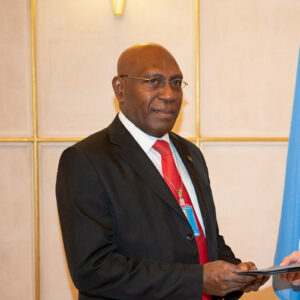
H.E. Amb. Sumbue ANTAS
Permanent Representative of the Republic of Vanuatu to the UN Office and other international organizations in Geneva
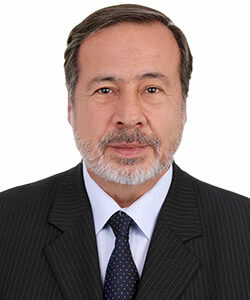
H.E. Amb. Gustavo GALLÓN
Permanent Representative of Colombia to the UN Office and other international organizations in Geneva
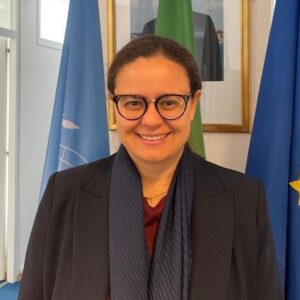
Joana FISHER
Deputy Permanent Representative and Chargée d'affaires a.i., Permanent Mission of Portugal to the UN Office and other international organizations in Geneva

Benjamin SCHACHTER
Coordinator, Environment and Climate Change Team, UN Office of the High Commissioner for Human Rights

Sébastien DUYCK
Senior Attorney & Campaign Manager, Human Rights & Climate, Climate & Energy Program, Center for International Environmental Law

Francesca MINGRONE
Senior Attorney, Climate & Energy Program, Center for International Environmental Law

Yves LADOR
Representative to the United Nations in Geneva, Earthjustice

Felix KIRCHMEIER
Executive Director, Geneva Human Rights Platform

Ginevra LE MOLI
Professor, European University Institute, Florence School of Regulation

Jule SCHNAKENBERG
Finance Coordinator, World Youth for Climate Justice

Diana RIZZOLIO
Coordinator, Geneva Environment Network
Geneva Debriefing on ICJ Climate Justice Hearings
The World Youth for Climate Justice, Earthjustice, the Geneva Environment Network, the Geneva Human Rights Platform, and the Center for International Environmental Law are organizing a special event to unpack key arguments and draw lesson from the hearings of the International Court of Justice (ICJ) to issue an Advisory Opinion on States’ obligations in respect of climate change.
Agenda
09:00
Opening Remarks
Speakers will include the organizers, State representatives, and legal experts
10:00-13:00
Hearings Live Streamed
The Court’s hearings will be livestreamed.
- 10:00-10:15 – Opening of the oral proceedings
- 10:15-11:15 – Vanuatu and Melanesian Spearhead Group
- 11:15-11:30 – Short break
- 11:30 -12:00 – South Africa
- 12:00-12:30 – Albania
- 12:30-13:00 – Germany
13:00-14:00
Lunch Break (sandwiches and beverages will be provided)
14:00-15:00
Expert Roundtable
The organizers, legal experts, and experts live from The Hague will share their reflections on the interventions by States in the morning
15:00-18:00
Hearings Live Streamed & Final Reactions
The Court’s hearings will be livestreamed.
- 15:00-15:30 – Antigua and Barbuda
- 15:30-16:00 – Saudi Arabia
- 16:00-16:30 – Australia
- 16:30-16:45 – Short break
- 16:45-17:15 – Bahamas
- 17:15-17:45 – Bangladesh
- 17:45-18:15 – Barbados
Highlights
Part 1
Part 2
Videos
Part 1
Part 2
Summary
Opening Remarks
Diana Rizzolio | Coordinator, Geneva Environment Network
- With 98 states and 12 international organizations participating in the oral proceedings before the court, this special event will dive deeply into what will be setting the stage for the court’s 2025 advisory opinion.
- The advisory opinion, once rendered, has the potential to reshape the landscape of international climate action in several ways.
- The court’s interpretation of various international legal instruments could lead to a more integrated approach to global environmental governance. This is a significant development for climate justice for present and future generations.
- It is the first time the world’s highest court has been asked to clarify states’ obligations to protect the climate system and the legal consequences of failing to meet them.
- The scope of the resolution also invites the court to look beyond the Paris Agreement. It explicitly references key human rights instruments that the court should consider.
- A safe climate is widely regarded as a vital element of the right to a healthy environment and is essential to human life and well-being. This process also highlights the legal consequences of causing significant harm to vulnerable small island developing states, such as Vanuatu, as well as future generations, opening the door to greater accountability owed to these groups.
- The resolution also demonstrates the power of civil society. It resulted from pressure by law students from the Pacific Islands, showing what is possible when those most affected by climate change stand up to protect their rights and those of future generations.
Francesca MINGRONE | Senior Attorney, Climate & Energy Program, Center for International Environmental Law
- Today is a very important day. The International Court of Justice is starting its first-ever public hearings on State obligations regarding climate change. These hearings will run until 13 December 2024.
- On 29 March 2023, the UN General Assembly passed a resolution requesting the International Court of Justice to issue an advisory opinion on State obligations regarding climate change. The resolution specifically requests the Court to clarify State obligations regarding climate change, with specific attention to vulnerable and affected peoples and individuals, as well as future generations. This is a very important dimension that is often overlooked by international processes.
- The International Court of Justice now has, for the first time in its history, the mandate to address the obligations of States regarding climate change under multiple sources of law—looking at international public law, environmental law, human rights law, and trade law, among others.
- The ICJ climate proceedings have seen unprecedented engagement from States and international organizations, with a record of 91 written submissions in the initial phase, 62 follow-up comments, and now, for the oral hearings, 98 States and 12 international organizations have signed up to participate.
- This truly highlights the urgency and gravity of the climate crisis, as well as the importance States place on the Court to clarify what international law requires in the face of escalating climate change impacts and the harm these are causing to peoples and communities worldwide.
- There are also two other important advisory opinion processes currently unfolding:
- The advisory opinion requested by the International Tribunal for the Law of the Sea (ITLOS) regarding State obligations under the United Nations Convention on the Law of the Sea.
- This advisory opinion was issued in May 2024 and provides an important foundation on what the law of the sea entails regarding climate change.
- The advisory opinion process addressing human rights under the Inter-American Court of Human Rights. In January 2023, an advisory opinion was requested from this Court, with hearings already held in April and May 2024, and the advisory opinion is expected next year.
- These developments show that the international community and international bodies with the authority to interpret international law are building on each other’s work.
- Geneva plays an important role in this process. Legal clarity on what State obligations are is essential. Judges, when looking at these advisory opinions, will have to build on multiple bodies of law.
- The Paris Agreement and the UNFCCC set a framework for climate change action, but they are not the only sources of obligations for States. States already have existing obligations under international public law, particularly human rights law, and Geneva has played a key role in advancing this understanding.
- Since 2008, the Human Rights Council has introduced and strengthened the argument that climate change impacts human rights. States have human rights obligations to take action to mitigate, adapt, and provide remedies for climate change. States also have obligations to ensure their measures addressing climate change uphold human rights. This is a critical opportunity for the international community to understand these implications.
- The specific request made by the General Assembly to the Court involves two essential questions :
- What are State obligations under international law to protect the climate system, on which both present and future generations depend?
- What are the legal consequences for States that fail to meet these obligations?
- State arguments and the Court’s reasoning are expected to address six key legal issues:
- The law governing State obligations regarding climate change and how the best available science must inform the interpretation of these legal obligations.
- The human rights of present and future generations. While the main human rights covenants do not explicitly reference future generations, many treaty bodies and courts have reiterated that future generations are entitled to human rights.
- The preventive and precautionary approach informing State actions. States, knowing the risks of inaction or inadequate action, must take adequate measures to address climate change.
- The right to remedy and reparations. When harm occurs, responsibility must be established, and remedies put in place for affected States, communities, and groups.
- Corporate accountability. Many multinational corporations contribute more to climate change than some small States. What are State obligations to regulate these corporations and private actors? What consequences arise when harm is caused?
- The equitable phase-out of fossil fuels. Fossil fuels drive not just climate change but also biodiversity loss and pollution. There is a legal duty under international and human rights law to phase out fossil fuels rapidly and fairly.
- This event in Geneva is important for breaking silos. Geneva’s work has informed the ICJ’s process. The Court is expected to build on the work of treaty bodies, Human Rights Council resolutions, and special procedures. Ongoing conversations are crucial.
- The objectives of this event are threefold:
- Provide a framework for the diplomatic community to understand the implications of this advisory opinion. Some arguments are technical and legal in nature, so we aim to provide tools to unpack and understand these arguments.
- Highlight the process itself and provide a space for diplomats, civil society, students, and scholars to follow the live stream and join the conversation.
- Collaborate on next steps to build on the results of this advisory opinion.
H.E. Amb. Sumbue ANTAS | Permanent Representative of the Republic of Vanuatu to the UN Office and other international organizations in Geneva
- Today marks an important milestone with the beginning of the proceedings at the International Court of Justice (ICJ) in The Hague.
- The ICJ has been asked to address two key questions:
- What are the obligations of States under international law to ensure the protection of the climate system and other parts of the environment from anthropogenic emissions of greenhouse gases, for both present and future generations?
- What are the legal consequences under these obligations for States whose acts or omissions have caused significant harm to the climate system and other parts of the environment?
- These questions are framed within the context of a wide range of legal sources, including the UN Charter, human rights governance, environmental treaties, and customary international law.
- This journey began with students taking an active role in advocating for this issue. Last year, in March, the UN General Assembly adopted a resolution requesting the ICJ to address these questions.
- Vanuatu will present their oral submissions in The Hague, among many exciting submissions to look forward to during this process. The Court has already received briefings from scientists in preparation for these oral submissions, which is an exciting aspect of the proceedings.
- It is crucial to continue speaking out—this morning, later today, and throughout the next few weeks. This case is an important step in addressing the climate crisis.
H.E. Amb. Gustavo GALLÓN | Permanent Representative of Colombia to the UN Office and other international organizations in Geneva
- The current climate crisis significantly affects the enjoyment of fundamental human rights, including adequate housing, nutrition, health, water, and cultural rights. It is crucial that states comply with international obligations of prevention, precaution, and cooperation in good faith. Failure to do so constitutes a violation of international commitments. This situation affects everyone, particularly vulnerable populations, irrespective of borders.
- Colombia acknowledges that actions to confront the climate crisis must be guided by the principle of common but differentiated responsibilities, considering the historical accountability of those responsible for this crisis.
- However, it is essential to remember that while most Latin American countries are not major emitters, they have the potential to be significant mitigators. In this context, Latin American Countries bear the responsibility to protect their territories, with a special focus on the rights of Indigenous peoples, people of African descent, and the most vulnerable communities.
- Addressing the climate crisis also involves ensuring a habitable and dignified environment for future generations, in line with the principle of intergenerational equity. States must advocate for the conservation of natural resources and the environment.
- In January 2023, Colombia and Chile jointly requested an advisory opinion from the Inter-American Court of Human Rights to clarify the scope of state obligations, both individually and collectively. This request aims to address the climate emergency within the framework of international law, emphasizing the differentiated impacts of the crisis on various regions and vulnerable populations.
- This year, Colombia participated in the oral hearings of the Inter-American Court of Human Rights held in Barbados and Brazil. A response to this request is expected in the first quarter of 2025. Hopefully, the court’s advisory opinion will guide states across the Americas, reinforcing their international obligations. This advisory opinion process represents a milestone, offering judicial clarity on liability, obligations, and the infringement of human rights threatened by the climate crisis.
- Additionally, this year, Colombia submitted its written statement in March and written comments in August to the International Court of Justice regarding the advisory opinion request on states’ obligations in addressing climate change. Colombia commends the efforts of Vanuatu and the core group of 17 countries for leading this initiative at the UN General Assembly. Colombia engaged in the deliberations leading up to the resolution requesting the advisory opinion and co-sponsored it.
- In our statement and comments submitted to the court, Colombia emphasized the need to consider human rights dimensions in addressing the climate crisis, particularly its disproportionately adverse effects on vulnerable populations and groups requiring special protections, such as Indigenous peoples, people of African descent, insular communities, women, children, and people living in poverty.
- The historical, cultural, and collective rights of Indigenous peoples and African-descended communities have been systematically violated.
- Colombia also stressed the necessity of developing protection policies and mechanisms focused on migrants, refugees, and forcibly displaced persons. It is crucial to establish a binding legal framework to address these challenges effectively.
- Additionally, the activity of human rights defenders working on environmental issues must be protected and guaranteed.
- Colombia trusts that the International Court of Justice, as the principal judicial organ of the United Nations, will use this historic opportunity to clarify states’ obligations and define the international cooperation actions needed to address the climate crisis.
- This will contribute to protecting the planet and ensuring the well-being of present and future generations, as well as determining the legal consequences for states that have neglected their obligations, exacerbating the current situation.
- Colombia’s National Development Plan highlights the importance of safeguarding the living memory, cultural heritage, and collective knowledge of these populations, recognizing their contributions to nature-based solutions for the environmental crisis.
- To achieve these goals, it is vital to strengthen territorial management capacities and involve society in ecosystem restoration efforts.
- Colombia has ratified the Escazú Agreement to establish regional standards for access to information, public participation, and environmental justice.
- The country is also working toward sustainable peace, recognizing the strong link between environmental degradation and armed conflict. Colombia’s foreign policy underscores the need for multilateral cooperation and adherence to international law to find solutions to the climate crisis that threatens humanity’s existence and life on the planet.
- States have an inescapable responsibility to act urgently to address the climate emergency. Colombia deeply appreciates the work undertaken by both courts, which transcends basic state obligations. It is imperative for the courts to intervene and harmonize human rights obligations with international environmental law.
- The guiding principles of international environmental law must direct states in fulfilling their obligations, understanding that these are part of a universal legal framework aimed at preventing and mitigating climate emergencies.
- The advisory opinions from the Inter-American Court of Human Rights and the International Court of Justice will be fundamental tools for safeguarding life on Earth.
Joana FISHER | Deputy Permanent Representative and Chargée d’affaires a.i., Permanent Mission of Portugal to the UN Office and other international organizations in Geneva
Portugal is very proud to have been a member of the core group led by Vanuatu that advanced this initiative in the UN General Assembly. Portugal is also participating in its national capacity in the historical written and oral proceedings before the ICJ.
- The ICJ is not the only body involved in these efforts, as we have heard, but its role is very significant. Although advisory opinions are not legally binding, there is broad consensus that they carry considerable legal, moral, and political weight. In the context of climate change, advisory opinions can play a crucial role in shaping international norms, influencing state behavior, and supporting climate action.
Four key contributions of the advisory opinions:
- Clarifying International Law
Advisory opinions can help clarify what international law requires of states in relation to their environmental obligations. The effects of climate change are complex and multi-layered, while the legal landscape is fragmented and complex. In this context, advisory opinions can contribute to coherence in the international legal framework, including questions about the interaction between treaty law and customary international law. They can also help further define the content of certain principles of environmental law. It will be interesting to see how different courts interpret and apply international law in the context of climate change, with the interventions of states contributing to consistency and helping to avoid fragmentation. - Strengthening Accountability
Advisory opinions can promote accountability by providing clarity and reducing controversy within the legal landscape. A clearer framework can lead to higher levels of compliance and effectiveness, helping to hold states and non-state actors accountable when they fail to mitigate or adapt to climate change effectively. - Promoting Normative Development
Advisory opinions can not only shed light on the meaning of certain obligations but also help identify gaps in the existing legal systems, contributing to the development of new norms. - Influencing Public Opinion
Advisory opinions often attract significant attention, putting pressure on governments and corporations to act more decisively on climate issues. They broaden discussions on climate change from a purely scientific level to moral and legal dimensions, enhancing their authority and impact.
- The existence of these advisory opinions allows us to address climate change in ways that resonate across multiple levels, reinforcing the urgency for decisive action.
Yves LADOR | Representative to the United Nations in Geneva, Earthjustice
- This is definitely a milestone moment for everyone working in the field of human rights and climate change.
- Judicial decisions today, Judicial decisions are better at linking people’s obligations and rights with physical realities.
- There’s an overall impression that political bodies, whatever their level, are still negotiating with geophysics.It doesn’t feel like global or national negotiations are taking into account the fact that people are dying from climate change today. More will die, more will be affected, and more will see their rights being violated.
- It seems as though there’s still an assumption that there is time for progressive realization. But humanity is facing a countdown.
- The way state obligations and people’s rights must be considered in order to be protected in the context of an advisory opinion is particularly important. There’s a shift in how we think about human rights protection—how they should be effective, not just wishful thinking.
- The discussions should provide clear directions for the type of discussions needed at the international level.
- What are the obligations in the field of cooperation? Today, cooperation can no longer be seen as just goodwill. Goodwill is no longer enough, because relying on it alone, people will continue to die, and governments’ legitimacy will continue to diminish. This is already a challenge in many situations.
- This should help to create more coherence: we live in one world, we have one life, we are one people, and legal fragmentation does not help us cope with the situation.
Vishal PRASAD | Director, Pacific Islands Students Fighting Climate Change
- Today is a historic day for us all as we celebrate the start of the International Court of Justice advisory opinion oral hearings. It’s been a long journey that we, in the Pacific, began five years ago. Since then, we have been working with partners, networks, young people, and governments all over the world for the past few years.
- This moment is such a crucial time in our fight for climate justice. Systems are currently failing and unable to deliver, which is why alternative mechanisms could help strengthen these systems and strengthen the fight for climate justice.
- This will help us get back on track, course-correct, and ensure that we bring all of us, especially frontline communities, their voices to the ICJ through this process, as well as the voices of people of present and future generations.
Expert Roundtable
Sébastien DUYCK | Senior Attorney & Campaign Manager, Human Rights & Climate, Climate & Energy Program, Center for International Environmental Law
- Screenings of the ICJ public hearings are beneficial in enabling the public and civil society to track the legal arguments presented by states regarding climate change, thus holding states accountable.
- On the opening day of the public hearings, a plenary session was organized by the Pacific youth in Hague, where they brought testimonies and different forms of expression to reframe the process in the context of the lived experiences of Pacific islanders.
- The convergence of legal experts will place governments in a position where the strength of their arguments will be determined by the validity of their legal reasoning, rather than the nations they represent. This could lead to a different outcome than what has been seen at UN climate conferences.
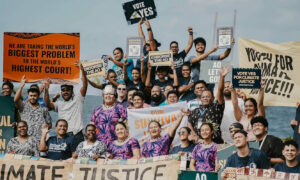
- A rally took place this morning in front of the court, with young people from the Pacific and around the world expressing their solidarity. This process, unthinkable 10 years ago, has been made possible by the leadership of Pacific island states and youth from the region and beyond.
- Germany expressed commitments to human rights but deconstructed the relevance of human rights obligations towards future generations, extraterritorial obligations and the right to a healthy environment. By citing the work of the Human Rights Committee, this approach has undermined the credibility of attacks against the scope of these legal obligations and misrepresents the spirit of the Committee, which recognizes climate change as a threat to the right to life.
Ginevra LE MOLI | Professor, European University Institute, Florence School of Regulation
- The most inspiring aspect of the statements made this morning was unpacking the legal elements, as well as whether delegations have given weight to them.
- The first key point raised was the role of science and the conduct at stake, particularly the actions and omissions that cause significant harm to the environment, as clearly defined in the General Assembly resolution.
- There was an alignment between the positions of Vanuatu, the Melanesian Spearhead Group (MSG), and Albania, and on the other side, South Africa and Germany. All parties argued that the relevant conduct implies cut of anthropogenic GHG emissions that contribute to environmental harm. Science also played an important role, with some citing IPCC reports and referring to scientific consensus. The consultation of scientific experts in advisory proceedings is a new element seen at the ICJ. The positions expressed by states this morning were consistent with their written statements.
- The second point addressed was the applicable law and legal obligations, which provide the basis for assessing whether the relevant conduct aligns with international law, as well as evaluating the possible legal consequences of breaching international law.
- Both Vanuatu and Albania argued that the whole corpus of international law is relevant and that the conduct is a breach of international law.
- Vanuatu emphasized obligations arising from the right to self-determination and the duty of due diligence, which both imply the responsibility to prevent and protect the environment, including the marine environment, from significant harm. They also highlighted the legal consequences under the ILC Articles on State Responsibility, which include the cessation of the unlawful act, reparation through restitution and compensation, and satisfaction. They also emphasized that the duty associated with the right to self-determination implies the obligation to recognize state sovereignty and engage in cooperation.
- Reference was also made to ICJ cases, such as the pulp mills case, alongside previous advisory opinions.
- Albania also made references to customary law and human rights law, including gender rights. By incorporating examples from other written statements, Albania adopted a global approach, going beyond a presentation of the state’s issues.
- On the other hand, South Africa and Germany argued that only the climate change regime applies to obligations related to climate change. The South African representative emphasized that it is the only relevant applicable law, noting that these obligations are “nuanced”.
- By narrowing down the scope of obligations relevant to climate change, we are setting aside the possibility of opening the discourse on legal consequences. This is because the climate change regime only sets a compliance mechanism without binding obligations, instead of providing a system for liability or compensation.
- What is missing is the applicability of the articles on state responsibility and obligations arising from primary sources.
- Germany argued that the climate change regime and human rights law are parallel treaty regimes that do not operate in isolation, though he concluded that the climate change regime sets the only relevant obligation in this case.
- It was argued that there were certain cases in which the Human Rights Committee has not recognized human rights violations in the context of climate change. While this is partly true, there have been cases, such as Teitiota v. New Zealand case, where evidentiary challenges prevented the Committee from concluding that there was an immediate risk of human rights violations.
- Human rights law is applicable in the context of climate change. The impact of climate change on human rights has been acknowledged in other decisions at the domestic level, such as those by the European Court of Human Rights, as well as in the general comments of the Human Rights Committee on the right to life.
Jule SCHNAKENBERG | Finance Coordinator, World Youth for Climate Justice
- This morning began with a powerful solidarity demonstration in front of the court. Our hope is for people inside the court to hear the chants of the people outside, and I was reassured that I was able to hear their voices when walking up to the courthouse.
- The submissions from Vanuatu, MSG, and the Pacific Islands Students Fighting Climate Change (PISFCC) were clear and powerful. Their specific references to reparations, its link with climate finance, and the need to phase out fossil fuels brought positive energy.
- We, along with other attendees, were surprised by Germany’s submissions, particularly their views on the right to a healthy environment and intergenerational equity. Although it was a disheartening moment, I am interested to see how their points can be unpacked and how these legal arguments can draw more attention.
Benjamin SCHACHTER | Coordinator, Environment and Climate Change Team, UN Office of the High Commissioner for Human Rights
- The Office of the High Commissioner for Human Rights (OHCHR) has been supporting human rights mechanisms for many years. Over 20 reports have been drafted by the OHCHR, including the recent Secretary General’s report on loss and damage.
- The special procedures mechanisms of the Human Rights Council, which are supported by the OHCHR, have extensively addressed human rights and climate change in their work, making clear that states have human rights obligations with respect to climate change. We have made recommendations and findings on the scope and content of these obligations, which are been partly discussed in the context of the ICJ advisory opinion.
- The reports and resolutions of the Human Rights Council were submitted by the UN Office of Legal Affairs as part of the dossier for the ICJ to consider.
- The study on loss and damage was submitted in response to the Human Rights Council Resolution 53/6, which requested the Secretary-General to prepare a study on the impact of loss and damage from the adverse effects of climate change on the full enjoyment of human rights, with a focus on equity-based approaches and solutions. The report was informed by a wide range of inputs and contributions from human rights bodies, the UN system, and civil society organizations.
- The report outlines legal and policy frameworks for addressing the impact of loss and damage on human rights. It concludes that the right to an effective remedy is a fundamental principle of international human rights law, which must be made available and accessible to all whose rights have been violated due to loss and damage. This includes the right to reparation, such as restitution, compensation, rehabilitation, satisfaction, and guarantees of non-repetition. Remedies not only serve to address past harm but also future harm and minimize loss and damage through mitigation and adaptation measures.
- States’ obligations in the context of climate change extend to all rights holders, and to harms that occur within and beyond national boundaries. Attributing responsibility for historical emissions is crucial to determining accountability for climate impacts; those responsible for climate change must be held accountable for compensatory measures, including financial reparations. There is a moral, rational, and legal basis for holding fossil fuel companies accountable for climate-related harm and reparation.
- The study outlines several pathways for human rights- and equity-based approaches to address loss and damage, including anchoring relevant policies in human rights measures, building climate resilience through social security and a just transition towards a human rights-centered economy, promoting human rights and equity-based approaches to mobilize financing and fiscal space, advancing access to judicial remedies, and developing climate justice and transitional justice approaches.
Yves LADOR | Representative to the United Nations in Geneva, Earthjustice
- Although we still need to hear from many states, and what is important is the final opinion that the court will produce, it was interesting to see how central the Human Rights Council resolution was to many country’s arguments.
- There has been a discussion that climate change and human rights are disconnected, but it was clearly articulated at the public hearing this morning that this argument is dead. The discussions in Geneva will be informed by the outcome of the ICJ’s opinion, and are a part of the broader global system.
- Transparency is one of the key points of this public hearing. Exact arguments brought by countries are usually not exchanged or made clear in negotiation settings, which makes it difficult to report back accurately. Hearing countries’ statements directly will be invaluable in informing ongoing discussions.
Key points:
- Coherence in international law, which was mentioned several times this morning. On the other hand, “cherry-picking” can still be seen, where some focus only on specific regional decisions from courts while ignoring differing positions from others. I hope that ICJ will provide a more coherent approach that will discourage this cherry-picking.
- The crucial role of science. Scientific bodies have already been heard in the advisory opinions, and the work at the Human Rights Council in Geneva should strengthen the connection between science and suffering caused by climate change.
- Addressing remedies for victims of climate change. In the public hearings, we heard countries mentioning finance as voluntary actions, forgetting that there already exists long-term obligations under covenants and human rights instruments. I hope that the advisory opinion will provide guidance to end this “game” approach.
- Company’s accountability and investor-state dispute settlement (ISDS). Discussion on this topic derives from the report produced by David Boyd, former UN Special Rapporteur on Human Rights and the Environment, which has drawn attention to the negative impacts of ISDS while being criticized for its high financial stake and lack of clarity regarding its effects on environmental protection and people’s capacities to defend their rights. This element should be followed in the work of the Human Rights Council.
Q&A
Q: What is the difference between duty, responsibility, obligation, and accountability in terms of legal outcomes?
Ginevra LE MOLI: Duty and obligation refer to binding duties arising from primary sources of international law, such as treaties, for example, the right to life under the ICCPR. Accountability involves secondary sources of international law, like the ILC Articles on State Responsibility, which require a breach of an international obligation and attribution of that breach to a state. For example, Vanuatu’s statements explore the issue of attribution, considering whether the breach can be attributed to one or multiple states.
Q: Does a framework for a “human rights economy” exist? Does climate justice through social security exclude the private sector?
Benjamin SCHACHTER: The UN guiding principles on business and human rights emphasize the responsibilities of businesses, and they apply in the context of harms and abuses related to the human right to a clean, healthy and sustainable environment. The human rights economy is guided by human rights, including the right to a healthy environment, with the objective of advancing human rights. Human rights and the rule of law is therefore a part of the fiduciary duty of businesses, and human rights due diligence include an environmental dimension.
Social security, just transition, climate justice and transitional justice are all elements of the Secretary General’s report on loss and damage. The challenge of addressing loss and damage through equity-based and human rights-based approaches is that judicial recourse requires time and is not accessible to all. Transitional justice offers valuable lessons for addressing complex issues like climate change and human rights harms, and there is a need to fulfill existing human rights obligations, particularly regarding social security and the transition to sustainable economies and societies.
Q: By which channels is the court informed about our decision here?
Jule SCHNAKENBERG: Judges are increasingly aware of the public attention and pressure surrounding the case, from media reports, protests in the streets, and events related to the case. Despite some inattentive attitudes in the court, the general sense is that the bench is likely to find a progressive outcome.
Q: What is the current state of the principle of intergenerational equity, and how do the various terms used to describe obligations to future generations impact the implication of the responsibilities?
How will opposing views on obligations, as we saw in Germany’s pleadings, affect the outcome, and what do the obligation towards future generations say about our state’s conduct regarding climate?
Ginevra LE MOLI: The element of intergenerational equity and the rights of future generations has been central in discussions at international organizations like the African Union and in workshops with African countries. The main approach has been to consider the convention on children’s rights to respect, protect, and ensure the human rights of children and future generations. There are also regional instruments that play a role, such as the African Charter, which will likely influence and enrich legal arguments and debates.
Sébastien DUYCK: There have been many references to Geneva-based human rights mechanisms and institutions, and I hope other delegations will also consider the work of UN human rights treaty bodies, such as the Special Rapporteur on the Right to Development, the Committee on the Rights of the Child, and the Committee on Economic, Social, and Cultural Rights. There is much to draw from these bodies on the human rights of future generations.
Q: What are your thoughts on the establishment of causal links, as discussed by different representatives and speakers from the parties? Do you have any insights into the membership of the court and how the past decisions might influence their positions?
Ginevra LE MOLI: Under the Articles of State Responsibility, specifically Article 15, acts and omissions causing significant environmental harm over time can be defined as an aggregate or composite act. Many states argue that both actions, including promoting fossil fuel activities, and inactions, such as failing to reduce emissions or regulate businesses, contribute to environmental harm. These cumulative acts and omissions can be considered to be responsible for the long-term environmental damage.
Yves LADOR: The argument, particularly from the United States, that the link between climate change and extreme events cannot be established is becoming less relevant due to advances in attribution science, which increasingly shows its connection. With clearer attribution of states’ contributions to global warming, both historically and currently, it is now possible to have a more well-defined attribution. Courts are also holding companies accountable for their actions in the health sector from a global perspective, further weakening the argument of uncertainty.
Closing Reflections
Francesca MINGRONE | Senior Attorney, Climate & Energy Program, Center for International Environmental Law
- We heard arguments about the interrelation of different legal frameworks, emphasizing that the Paris Agreement and UNFCCC should not be seen as lex specialis, being the only relevant body of law, but rather interpreted alongside other obligations such as customary law, environmental law, and human rights law.
- The different arguments presented represent the spectrum of positions that we will be witnessing over the next weeks.
Yves LADOR | Representative to the United Nations in Geneva, Earthjustice
- We have heard two opposing arguments that will frame the upcoming testimonies: one from affected or developing states, advocating for adaptation and human rights, and the other from northern or oil-producing states, some of which deny the role of science or climate change.
- These arguments, backed by hard facts and legal evidence, will enrich future discussions and are very relevant to the work we are doing in Geneva.
Photo Gallery


Documents
Links
- Human Rights, Climate Change, and the Role of Geneva
- Mobilizing Climate Actors in International Geneva
- Historic Hearings at the World’s Highest Court Could be a Gamechanger for Climate Justice | CIEL | 24 November 2024
More on GEN @ 25 Celebration

Faith-based Organizations Leadership in Tackling the Triple Planetary Crisis | GEN @ 25
16 December 2024 | 14:00 – 15:30 CET | International Environment House 1, Room 2 | With GIF

Geneva Environment Network High Level 25th Anniversary Celebration
20 January 2025 | 9:00 – 12:00 CET | International Environment House 2

Strengthening Scientists Engagement: Shaping the Future of Chemicals, Waste, and Pollution Prevention | Road to OEWG 3.2 | GEN @ 25
26 September 2024 | 14:00 – 15:30 CEST | Online (Webex) | With SPPCWP OEWG Secretariat
How to Keep the United Nations Environmental Agenda in Times of Crisis? | GEN @ 25
15 November 2024 | 10:00 – 11:30 CET | International Environment House I, Room 2 | With the Geneva Graduate Institute Global Governance Center

From Stockholm to Rio and Geneva | Six Decades of Enhancing Collaboration in the Fight Against the Triple Planetary Crisis: A Roundtable with Elders | GEN @ 25
28 November 2024 | 14:00 – 15:30 CET | International Environment House 1, Room 2
Pushing Boundaries Through Collective Action: How Can Citizens Drive Systems Change and Catalyze Climate Action? | Climate Solutions to Keep 1.5° Alive | GEN @ 25
2 December 2024 | 15:30 – 17:00 CET | Palais des Nations, Room XVII | With UNDP Geneva