Newsletter 28 Sep 2026
Environment: What’s Up in GENeva | 28 September – 4 October 2026
The Geneva Environment Network’s weekly newsletter includes the latest information on the global environmental agenda, main events, job vacancies, as well as other useful resources and updates. The Geneva Environment Network is not responsible for the content of any linked site or any link contained in a linked site. Stay tuned and follow us on X (Twitter), Facebook, LinkedIn, Instagram, Bluesky, Youtube, and WhatsApp, or visit our website regularly for additional updates.
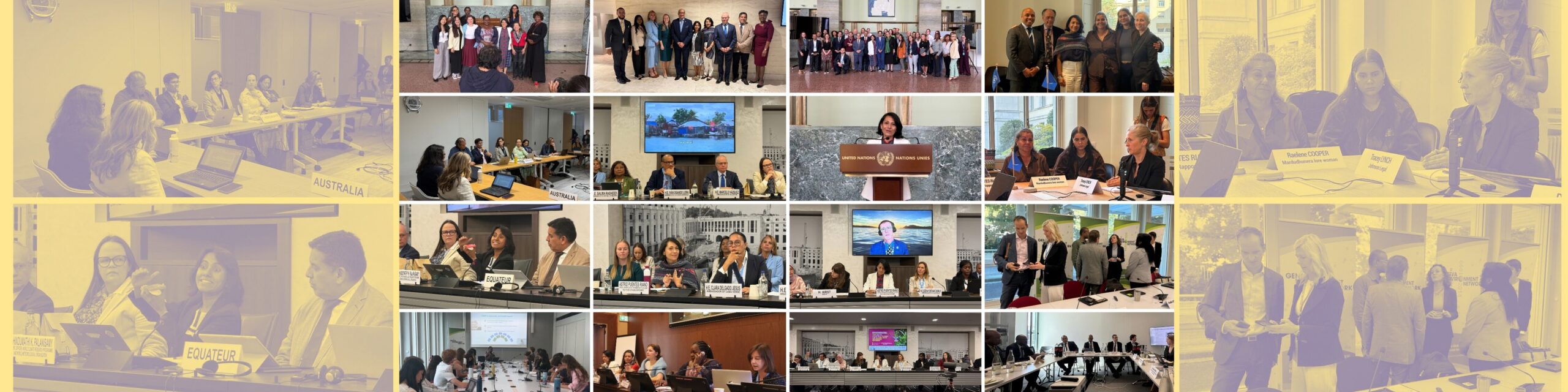
Image of the week | A non-exhaustive snapshot of events from last week at Palais des Nations, the International Environment House, and Avenue de France, highlighting ongoing efforts to advance the global environmental governance agenda. © UNEP/GEN and ISHR.
Environment at the Human Rights Council
The 63rd session of the UN Human Rights Council (HRC63) is now in its fourth week, putting a spotlight on environment-related events and statements, including on human rights and the nuclear legacy in the Marshall Islands, biodiversity and human rights, and participation of environmental human rights defenders in environmental fora.
Human Rights and the Nuclear Legacy in the Marshall Islands | The year 2026 marks 80 years since the beginning of the nuclear testing era in the Marshall Islands. The human rights impacts of this legacy, including violations of the right to a clean, healthy and sustainable environment, are not confined to the past. Marshallese continue to face barriers in access to justice. The continued denial of an effective remedy is itself a human rights impact of the nuclear legacy, compounding and perpetuating underlying harm. On Thursday 1 October 2026, the Human Rights Council is scheduled to hold an Enhanced Interactive Dialogue on the report of the Office of the High Commissioner for Human Rights on challenges and barriers to the full realization of human rights of people of the Marshall Islands, stemming from the State’s nuclear legacy. Building on the Office’s first report which was focused on the element of truth (A/HRC/57/77), the current report is focused on the element of justice, as part of a transitional justice framework comprising the interrelated elements of truth, justice, reparation and guarantees of non-recurrence. Related events taking place this week include:
- 67 Bombs to Enid | Film Screening and Panel Discussion | 28 September 2026 | 15:00–17:00 CEST | Palais des Nations, Room XIV | Marshall Islands
- Human Rights in the Marshall Islands | HRC63 Side Event | 29 September 2026 | 15:00–16:00 CEST | Palais des Nations, Concordia 1 | United Church of Christ – Board for World Ministries
Biodiversity and Human Rights | As biodiversity and human rights are intrinsically interlinked, and in the lead-up to the 2026 UN Biodiversity Conference, a side event to 63rd session of the Human Rights Council, “Human Rights at the 17th Conference of the Parties to the Convention on Biological Diversity”, is taking place on Friday 2 October 2026. → In-person participation is open to those accredited to HRC63. The event will be streamed live on YouTube.
Joint Statements | This week, various environment-related joint statements are also expected to be made across various agenda items:
- International participation of environmental human rights defenders in environmental fora | A joint statement on the work and international participation of environmental human rights defenders (EHRDs), to be delivered on the afternoon of Tuesday 29 September during the general debate on Item 8 (Follow-up to and implementation of the Vienna Declaration and Programme of Action). The statement calls for the Council to step up its efforts to better protect and empower EHRDs, and for EHRDs to be able to safely participate in other UN fora, including international environmental conferences on biodiversity, climate change, and pollution – including COP31 on climate change in Türkiye, the 1st International Conference of the Global Framework on Chemicals in Switzerland, and COP17 on biodiversity in Armenia, and calls to have their situation and agency be recognized in the host country agreements and the outcome documents of those meetings. → States who wish to co-sponsor are requested to message rcespedes@rree.go.cr at the latest by 15:00 CEST on 29 September.
- Call for a strong, effective and accessible UN Treaty Body System | A joint oral statement, led by various civil society organizations, calling on States to reaffirm their political and financial commitment to the UN treaty body system, is expected to be delivered under Item 8 on Tuesday 29 September 2026. The statement warns that the treaty bodies’ challenges are not purely financial but reflect a political and human rights crisis, and calls on States to: ensure sustainable funding through the UN regular budget; reduce review backlogs and make State reviews predictable well in advance; provide dedicated resources for hybrid modalities that enable meaningful civil society participation; and invest without delay in accessible digitalization tools. → Signing form. NGOs with ECOSOC status can formally co-sponsor the statement, and are requested to confirm co-sponsorship on the Events platform
→ Regular updates on key environmental issues at HRC63, side events, and further resources are available on our dedicated HRC63 and the environment update.
Press Releases and News | Recent releases include:
- Move beyond managing toxic pollution after harm has occurred and focus on prevention: UN expert | OHCHR Special Procedures | 23 September 2026
- Right to protest: new UN guidelines for environmental defenders | UN Today | 23 September 2026
Road to 2026 UN Biodiversity Conference | Spotlight on Human Rights
Biodiversity and human rights are intrinsically interlinked. Respecting, protecting and fulfilling human rights in the context of biodiversity-related actions is both a binding obligation under international human rights law and essential for achieving effective biodiversity outcomes. The Kunming-Montreal Global Biodiversity Framework (KMGBF) sets out that its implementation should follow a human rights-based approach and acknowledges the human right to a clean, healthy and sustainable environment. This is also recognized by the UN Declaration on the Rights of Indigenous Peoples, Human Rights Council resolution 57/28, and Article 8(j) of the Convention on Biological Diversity, which call on Parties to respect and safeguard Indigenous Peoples’ knowledge and practices.
At the upcoming 2026 UN Biodiversity Conference, comprising the Seventeenth meeting of the Conference of the Parties to the Convention on Biological Diversity (CBD COP17), the Twelfth meeting of the Conference of the Parties serving as the meeting of the Parties to the Cartagena Protocol on Biosafety, and the Sixth meeting of the Conference of the Parties serving as the meeting of the Parties to the Nagoya Protocol on Access to Genetic Resources, which will convene in Yerevan, Armenia, from 19 to 30 October 2026, Parties will negotiate decisions on the implementation of the programme of work under Article 8(j) and the modalities of the Subsidiary Body on Article 8(j) (SB8j). They will also consider guidelines to strengthen legal and policy frameworks for achieving Targets 2 and 3 of the KMGBF, including measures to support the protection, restoration and governance of Indigenous and traditional territories led by Indigenous Peoples and local communities.
This week, in the lead up to the 2026 UN Biodiversity Conference, the Permanent Mission of Armenia, the Office of the High Commissioner for Human Rights and the Geneva Environment Network, with co-sponsorship by the Council of Europe, are convening the HRC63 side event “Human Rights at the 17th Conference of the Parties to the Convention on Biological Diversity”, on Friday 2 October 2026, from 12:00 to 13:00 CEST. The event will explore best practices and lessons learned related to operationalizing a human rights-based approach for the implementation of the Kunming-Montreal Global Biodiversity Framework, including its Targets 2 and 3, and the work of the Subsidiary Body on Article 8 (j). The discussion aims to support more effective, rights-based and gender-responsive biodiversity action. → In-person participation is open to those accredited to HRC63. The event will be streamed live on YouTube.
Updates in the lead-up to CBD COP17 include:
- The deadline to apply for media accreditation for the 2026 UN Biodiversity Conference has been extended until 30 September 2026.
- A joint preparatory webinar for COP 17, CP/MOP 13, and NP/MOP 7 convened by the Secretariat of the Conventions will take place on 1 October 2026 from 14:00 to 16:00 CEST. The aim of the webinar is to facilitate early preparations for the meetings, providing updates on a number of issues, including the modalities for early submission of statements, as well as agenda items for both meetings. → Register via Teams
- CBD COP 17 Roundup Newsletter #6 | Convention on Biological Diversity | 22 September 2026
→ International Geneva is strongly engaged in the preparations for the 2026 UN Biodiversity Conference. Consult our regularly updated page as we move from Geneva to Yerevan.
The Economics of Addressing Pharmaceuticals in the Environment
Pharmaceuticals play a critical role in safeguarding human and animal health, enhancing food production, and driving economic prosperity. However, their release into the environment — through manufacturing, use, and disposal — poses significant risks, including antimicrobial resistance, endocrine disruption, and toxic effects on ecosystems and public health. To raise awareness and share best practices, challenges and opportunities to address this pressing issue, the United Nations Environment Programme, in cooperation with the World Health Organization, the Geneva Environment Network, and other key partners, is hosting the Addressing Pharmaceuticals in the Environment through a Lifecycle Approach event series.
The series resumes this week with a session discussing The Economics of Addressing Pharmaceuticals in the Environment. To address the widespread presence of pharmaceutical residues in the environment, and their potential impacts on biodiversity, ecosystems and human health, different approaches are being implemented at key stages of the life cycle of pharmaceuticals. These include upstream preventive measures, such as awareness-raising, innovation in manufacturing, responsible prescription and use, as well as downstream interventions, including the safe disposal of waste and improved wastewater treatment. This online event will explore the costs of inaction, business models and innovations, and opportunities to mobilize economic and financial incentives through practical examples. → Register on Webex to attend on 1 October 2026 from 14:00 CEST.
UNECE Energy Week | Energy Security in an Uncertain World
The UNECE Sustainable Energy Week 2026 is taking place from 28 September to 1 October 2026 at Palais des Nations, bringing together experts, policymakers and stakeholders to discuss challenges and opportunities shaping the future of energy systems. Under the theme “Strengthening Energy Security, Affordability and Sustainability in an Uncertain World”, participants will explore how countries can strengthen energy security and keep energy affordable while continuing the transition towards more sustainable energy systems. The event includes the 35th session of the Committee on Sustainable Energy (CSE-35), as well as the annual sessions of the UNECE Groups of Experts on Energy Efficiency (GEEE-13), Cleaner Electricity Systems (GECES-22) and Renewable Energy (GERE-13).
Discussions will address several interconnected priorities, including:
- Assessing the full value and cost of electricity options.
- Aligning data centre growth with grid resilience.
- Financing the digital transformation of energy systems.
- Improving the energy performance of buildings.
- Integrating renewable energy and advancing biofuel standards.
On energy security, experts will explore the role of natural gas and low-carbon gases, such as biomethane. The affordability discussion will look at how full system costs and value can inform energy decisions. On sustainability, speakers will share practical actions that support the transition, including how the Life Cycle Accountability Framework can help clarify responsibilities throughout the life cycle of critical energy transition minerals. → Read more in the UNECE press release
Climate Action Update
Climate and Health | Preparing for a Strong El Niño
As climate impacts continue to intensify, new research highlights the potentially devastating human consequences of extreme weather events and the growing importance of preparedness. Against this backdrop, UN agencies and health authorities are stepping up efforts to help countries anticipate and reduce the risks associated with a potentially record-breaking El Niño:
- A new Climate Impact Lab report finds this year’s “Super El Niño” is projected to lead to 451,000 deaths from extreme hot days. That’s on top of the impacts from droughts, wildfires and flooding expected from hotter temperatures and shifting rainfall patterns as this El Niño could become the strongest on record. The report identifies the regions where the greatest number of people are projected to die, pinpointing where immediate actions could offer the greatest opportunity to save lives. → Read more in the press release
- As El Niño is forecast to intensify into a very strong event by the end of the year, with cascading impacts on economies and societies, the World Meteorological Organization (WMO) will remain focused on the phenomenon. As stated last week by WMO Secretary-General Saulo: “We have the forecasts, we have the science. We can prepare for what is coming, in health and in every sector that is affected by the weather and our changing climate.” Through its seasonal outlooks, WMO provides the necessary information for health authorities to prepare, rather than repair. An example of this preventive action is the recent WHO-WMO Global Public Health Situation Analysis – El Niño 2026, which outlines health risks across different regions and the actions countries and communities could take to reduce their impact. Countries and communities that act now could mitigate these impacts. Countries should strengthen disease surveillance systems, ensure rapid response capacities are in place, and pre-position medical supplies in areas at greatest risk. → Read more in WMO dedicated news
- Spain has officially submitted the nomination of former Director of the Department of Environment, Climate Change and Health Dr. María Neira for the WHO Director-General election ahead of last Thursday’s statutory deadline. Her nomination places prevention and climate-related health risks among the key priorities. Read more at:
- EXCLUSIVE: Spain to Nominate María Neira as Candidate for WHO Director-General | Health Policy Watch | 23 September 2026
Climate and Migration
While the impacts of climate change worldwide are increasing risks of people becoming stateless and making those already without a nationality even more vulnerable, the United Nations High Commissioner for Refugees (UNHCR) and the Peter McMullin Centre on Statelessness at the University of Melbourne last week released the first-ever Global Recommendations on Nationality and Statelessness in the Context of Climate Change, stressing that solutions exist. Read more at:
- New global recommendations help States safeguard nationality and protect stateless people amid climate crisis | UNHCR and Peter McMullin Centre on Statelessness at the University of Melbourne | 22 September 2026
Sea-Level Rise
At the High-level meeting to address the existential threats posed by sea level rise held on 24 September 2026, world leaders approved the UN Declaration on Sea Level Rise, finalized in August. The four-page declaration expresses deep concern about sea level rise and emphasizes the need to implement international law and to strengthen action to address it by protecting our shared environment. The declaration outlines four pillars of action: knowledge, data, and science; adaptation, finance, and resilience; livelihoods, socioeconomic challenges, culture, and heritage; and legal dimensions of sea level rise.
In Geneva, a side event to the Human Rights Council “Coastal Cities Towns & Settlements on the Front Line: Protecting People from Sea-Level Rise – A human rights agenda for liveable, inclusive and resilient cities“, explored possible elements for a future Human Rights Council initiative on sea-level rise and human rights focused on urban and local action. It was part of a series of events organized by the core group on sea-level rise and human rights, as the Council laid an important foundation through resolution 60/20. → Read highlights and watch recording
Read more at:
- UN General Assembly adopts declaration on sea level rise | WMO | 25 September 2026
- World leaders approve new declaration to tackle rising sea levels | UN News | 24 September 2026
- ‘Rising seas are sinking futures’ | UN News | 24 September 2026
- With Highest Annual Sea Level Increase Recorded, States Approve Declaration Calling for Urgent Action to Address Existential Threat | UN Meetings Coverage and Press Releases | 24 September 2026
- When a country goes underwater: Island States fight for their future | UN News | 22 September 2026
- In Tanzania, the sea is moving inland – and taking livelihoods with it | UN News | 21 September 2026
- Sea Level Rise: Human Rights Impacts and Legal Obligations to Prevent and Repair Climate Harm | CIEL | 17 September 2026
Loss and Damage
The seventh meeting of the Santiago Network Advisory Board (SNAB7) is taking take place in Tokyo, Japan, from 29 September to 1 October 2026, with an informal Advisory Board-only meeting on 28 September 2026. The meeting will tackle, among others, the operationalization of the Santiago Network and guideline revision, the Monitoring, Evaluation and Learning Framework, the Gender and Inclusion Action Plan Zero Draft and budgetary matters.
Additional News on Climate
- Guterres calls on countries to set clear timelines for transition away from fossil fuels | UN News | 23 September 2026
- LIVE: Climate change is here – What happens next is still in our hands | UN News | 23 September 2026
- We Will Go Beyond 1.5 Degrees. We Are Not Beyond Hope | Mafalda Duarte, Executive Director of the Green Climate Fund | 22 September 2026
- How El Niño offers a test of whether the world can adapt to a changing climate | UN News | 22 September 2026
- iClimateAction publishes three new reports on the climate observation data chain | WMO iClimateAction | 21 September 2026
- Renewables Gain Ground, but Must Accelerate Towards the 2030 Goal | IRENA | 21 September 2026
- Why climate action now comes down to speed, finance and cooperation | UN News | 21 September 2026
- L’impact du changement climatique sur les glaciers | UNIGE | 20 September 2026
- The Independent Climate 100 List 2026 | The Independent | 20 September 2026
Events this Week in Geneva
Climate-related events taking place in Geneva this week include:
- Global ITU/WMO Seminar | Spectrum Use for Meteorology: Challenges, Opportunities and Evolving Requirements | ITU & WMO | 28–29 September 2026 | ITU Headquarters
The event will bring together policymakers, spectrum regulators, meteorological authorities, satellite experts and international organizations to address a growing challenge: ensuring that the radio frequencies essential for weather forecasting, climate monitoring, water management and natural hazard early warning systems remain protected and available. - CTE Thematic Session on Trade-related Climate Measures, Including Interoperability and Development Aspects | WTO | 28 September 2026, 10:00–17:30 CEST | WTO | Room S1 & Online | Zoom
This session will present a factual overview of the past CTE work on trade-related climate measures (TrCMs) and introduce the framework and objectives of the Thematic Session: to move from a general mapping of issues related to interoperability towards a more operational examination of what interoperability means in practice, where gaps arise for governments and enterprises, and what forms of cooperation may help address them. - Towards a Low-Carbon Future with Biofuels: Exchange and Next Steps | UNECE, IUCN | 29 September 2026, 09:30–11:15 CEST | Palais des Nations | S.225-4 & Online Teams
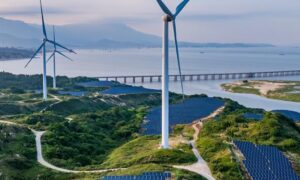
The meeting will discuss the ole of the UNECE-IUCN platform in advancing sustainable biofuels. - Financing a Transition Away From Fossil Fuels: Building an implementation network for Santa Marta workstream 2 | IISD | 30 September 2026 | 09:00 CEST | Online, Zoom
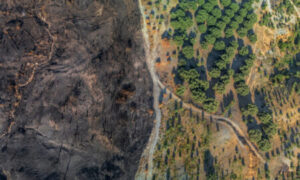
This webinar aims to draw on existing initiatives and useful precedents to identify priority actions and quick wins ahead of the Tuvalu conference, and gather initial expressions of interest from participants in joining the network that will provide inputs on Workstream 2. - Deep dive “A hotter Europe: What have we learned?” | WHO | 30 September 2026, 09:30–11:30 CEST | Online, Zoom
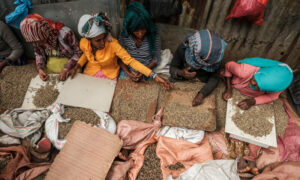
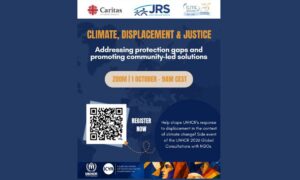
Drawing on recent international discussions and experiences from across the WHO European Region, the event will explore how countries, cities and institutions are responding to growing heat-related health risks. - CLIMATE, DISPLACEMENT & JUSTICE: Addressing protection gaps and promoting community-led solutions | Caritas Internationalis, Jesuit Refugee Service, ICMC | 1 October 2026, 09:30–11:30 CEST | Online, Zoom
An online side-event and Consultation, as part of 2026 UNHCR Global Consultations with Non-Governmental-Organizations (NGOs), focused on ‘Safeguarding the Right to Asylum and Strengthening Protection’.
Pollution Action Update
Intergovernmental Science-Policy Panel on Chemicals, Waste and Pollution | ISP-CWP
After meeting in Geneva in February 2026 for the First session of the Plenary of the Intergovernmental Science-Policy Panel on Chemicals, Waste and Pollution, Members of the Panel, the European Union and members of United Nations specialized agencies will gather again to advance the operationalization of the Intergovernmental Science-Policy Panel on Chemicals, Waste and Pollution. The informal technical meeting to advance on the draft Rules of Procedure (RoP) of the Plenary of the ISP-CWP is taking place from 1 to 3 October 2026 at the United Nations Conference Centre in Bangkok, Thailand, preceded by regional meetings on the afternoon of 30 September 2026. The objective of this informal technical meeting is to advance on the draft rules of procedure through focused, text-based discussions among experts and to support the Chair in facilitating consensus on the outstanding provisions of the draft rules of procedure. As underscored by the ISP-CWP Chair Osvaldo Alvarez of Chile, elected by the 1st plenary, “Effective rules of procedure remain fundamental to transparent, predictable and participatory multilateral decision-making.” All documents related to the session can be accessed under the documents tab on the meeting website. Recent articles on the panel include:
- Can the New Intergovernmental Science-Policy Panel on Chemicals, Waste and Pollution Succeed? – Policy Brief | Henrik Selin, Frederick S Pardee School of Global Studies, Boston University | UNU-CPR | September 2026
Intergovernmental Negotiating Committee to Develop an International Legally Binding Instrument on Plastic Pollution | INC
The process towards the fourth part of the fifth session of the Intergovernmental Negotiating Committee to develop an international legally binding instrument on plastic pollution, including in the marine environment (INC-5.4), continues to progress, as delegates are convening in Bangkok, Thailand to continue discussions at the Second Informal in-person Heads of Delegation (HODs) meeting. The meeting is expected to conclude on 30 September 2026. Ahead of the meeting, the Chair H.E. Amb. Julio Cordano shared an Additional Note dated 18 September 2026, further discussing modalities, expectations and the way beyond Bangkok.
Additional news on plastics includes:
- Call for contributions: Global Plastic Pollution Treaty (deadline 23 October) | International Science Council
ISC is seeking contributions to support the negotiations and future implementation of an international plastic pollution treaty. - Cities and Regions Mobilize as Plastic Pollution Treaty Negotiations Enter Decisive Phase | Global Cities Hub | 24 September 2026
- Plastic pollution in agrifood systems and One Health – impact pathways and policy implications | FAO | 21 September 2026
- The Plastics Treaty’s ‘Aid to Negotiations’ Text, Explained — And Why It Falls Short | CIEL | 17 September 2026
Global Framework on Chemicals | GFC
The countdown for the First International Conference of the Global Framework on Chemicals has begun, with less than two months before decision-makers and practitioners from across borders and sectors meet in Geneva to discuss priorities, challenges, and solutions, from policy and regulation to innovation, finance, and implementation across value chains. With the Conference approaching, key information deadlines to keep in mind include:
- The registration deadline for self-funded participants closes on 30 September 2026. Participants who wish to attend the conference are requested to register on Indico.
- The Chemicals and Waste Youth Platform (CWYP) has launched an open call for delegates to represent the children and youth constituency at IC-1. To join the delegation, submit your application by 29 September 2026 for the travel grant or by 13 October 2026 for non-funded registration support.
→ Save the date and register for the last event on the Road to the First International Conference of the Global Framework on Chemicals series, taking place on 27 October 2026.
Outcomes of Basel, Rotterdam and Stockholm Conventions Scientific Meetings
Global efforts to reduce risks from hazardous chemicals and persistent pollutants advanced significantly this month, as expert committees under the Rotterdam and Stockholm Conventions concluded their latest scientific reviews:
- The twenty-second meeting of the Chemical Review Committee of the Rotterdam Convention took place from 15 to 18 September 2026 at the FAO headquarters in Rome. It completed a demanding scientific review of pesticides and industrial chemicals notified by Parties from around the world. Among its most significant outcomes, the Committee finalized a draft Decision Guidance Document (DGD) for methyl-parathion and agreed to forward it, together with a recommendation to list the chemical as a pesticide in Annex III to the Rotterdam Convention, making it subject to the Convention’s Prior Informed Consent procedure, for consideration by the Conference of the Parties (COP) in Panama. → Read the press release “Experts advance key chemicals recommendations ahead of next global decision-making meeting” issued on 21 September 2026.
- The twenty-second meeting of the Persistent Organic Pollutants Review Committee (POPRC.22), a subsidiary body of the Conference of the Parties to the Stockholm Convention, took place from 21 to 25 September 2026. → Read the Earth Negotiation Bulletin final report.
→ Save the date and register to join in person or join online for the Briefing on the 2027 Meetings of the conferences of the Parties to the Basel, Rotterdam and Stockholm Convention, taking place on 5 October 2026.
Stop Food Loss and Waste, for the People, for the Planet
29 September was proclaimed by the UN General Assembly as the International Day of Awareness of Food Loss and Waste (IDAFLW), which seeks to promote awareness and collective action to reduce food loss and waste. This year’s theme focuses on the “Transformative Potential of Reducing Food Loss and Waste”. Globally, there has been no apparent progress since 2015 on reducing food loss and waste: most recent estimates show that more than 13 per cent of food was lost globally after harvest and before reaching retail, while a further 19 per cent of food available to consumers was wasted at retail, food service and household levels. With an estimated 645 million people facing hunger and almost 2.7 billion unable to afford a healthy diet, the world could not afford business as usual. Tackling FLW can generate a triple win: improving food security and nutrition, reducing pressure on natural resources and greenhouse gas emissions, and enhancing productivity and economic growth. → Learn more about Food Loss and Waste and the Role of Geneva
To mark the observance, the flagship event this year celebrating the International Day of Awareness of Food Loss and Waste is taking place, in conjunction for the first time ever with the World Forest Week and the FAO Committee on Forestry, at the FAO Headquarters and online on 29 September 2026, from 12:30 to 14:00 CEST. FAO will share the latest updates on food loss estimates and will launch an interactive map featuring the 2024 estimates from the food loss index. These data, when combined with the food waste estimates generated by UNEP, provide better information for targeted actions and tailored solutions. → Register to participate online
First International Coffee Day
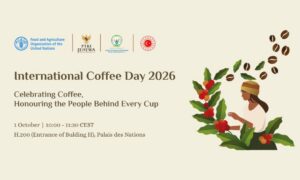
Another important food-related celebration takes place this week, as the world observes the first International Coffee Day. Recognizing both coffee’s global importance and the people behind it, the United Nations General Assembly designated 1 October as International Coffee Day through resolution 80/248. The observance calls on governments, international organizations, civil society, Indigenous Peoples, local communities, businesses, academia and others to share knowledge and advance a fairer, more resilient and sustainable coffee sector. The Coffee Cultural Landscape of Colombia, inscribed on UNESCO’s World Heritage List, offers one vivid example of how coffee can shape landscapes, livelihoods and living cultural traditions.
The FAO Liaison Office in Geneva, together with the Permanent Missions of Indonesia, Rwanda and Türkiye to the United Nations in Geneva, warmly invites you to the celebration of International Coffee Day on 1 October 2026. Under the theme “Celebrating Coffee, Honouring the People Behind Every Cup”, this inaugural observance will highlight coffee’s economic, social, environmental and cultural significance, as well as its vital contribution to livelihoods, rural development, food security and sustainable agrifood systems. → Join the Geneva Celebration taking place on 1 October 2026 from 10:00 to 11:30 CEST in Palais des Nations, Building H Auditorium.
Takeaways from UNGA High-Level Week 2026
Last week was the busiest week of the year at the UN Headquarters in New York, with over 110 Heads of State and Government attending the General Debate in person. Various speeches at the General Debate referred to climate change.
- The UN Secretary-General António Guterres delivered a wide-ranging speech that framed the world’s most pressing crises not as isolated problems, but as different expressions of the same underlying struggle over how power is exercised and by whom. He warned that humanity faces four defining “tests of power” – around war or peace, inequality, climate change and AI – that will determine whether the world moves towards a new era of cooperation or deeper division. He urged all Governments to adopt plans to transition away from fossil fuels in line with the 1.5-degree goal, calling on developed countries to increase support for vulnerable nations.
- H.E. Khalilur Rahman Khalilur of Bangladesh, President of the General Assembly, stressed that the ongoing wars across the Middle East and Europe have consequences far beyond their front lines, and the heartbreaking natural disaster in Nepal and China was not just an isolated event, but yet another horrible climax to our collectively insufficient response to climate change. “The circumstances and the politics of this crisis differ, but our commitment under the United Nations Charter do not. The principles of multilateralism, international law, international humanitarian law, the protection of civilians and humanitarian access cannot be applied selectively. Not if we want the world to trust us.”
-
H.E. Luiz Inácio Lula da Silva, President of Brazil, said that the UN is failing in ridding humanity of the scourge of war and its credibility has never been lower. “We are all held hostage by the inaction of the Security Council failing to fulfil its role,” he stressed, adding that this inherent flaw in the UN Charter granted the great powers the luxury of being insensible. On climate change, President Lula said that, in an era of disinformation, those who reject scientific evidence are denying reality. He said economic development should always go hand in hand with environmental protection.
- H.E. Guy Parmelin, President of Switzerland, said that as “an open economy with few natural resources”, a large part of Switzerland’s prosperity depends not only on trade, but also on the stability and predictability of rules that make trade possible. Switzerland’s neutrality goes hand-in-hand with a commitment to international law. “Our experience has also taught us that dialogue is not a sign of weakness,” he stressed. Engaging in dialogue means maintaining contact when positions begin to diverge. Switzerland will continue to offer its good offices and provide spaces “where those who are no longer on speaking terms can, when circumstances permit, resume dialogue.” Geneva – home to the UN, various international organizations and humanitarian actors – is one such space. As host state, Switzerland pledged to keep Geneva open, accessible and inclusive for countries of all sizes and regions, and positioned it as a key venue for addressing emerging global challenges, including AI governance through the 2027 Geneva AI Summit. The speech underscored that Geneva’s value lies in its ability to maintain dialogue, build trust and help bridge divides at a time when international cooperation is under strain.
- H.E. Balendra Shah, Prime Minister of Nepal, said that the catastrophic flash floods in Nepal’s mountain communities last month were “not just a local tragedy, it was a warning to the world.” “Climate change does not recognize borders. Glaciers and floods do not travel with a visa stamped on passports,” he said. Yet, the world’s political leaders have been negligent in translating those warnings over the climate crisis into action at the speed and scale that required. Nepal contributes less than 0.1 per cent of global greenhouse-gas emissions. He stressed, “We did not create this crisis. Yet we are paying a colossal price for it.” “Our glaciers are retreating. Our mountain slopes are becoming unstable. Our rivers are becoming less predictable.” He also added “climate Justice cannot just remain a beautiful phrase in a United Nations Document,” as Nepalis must be “allowed to build their future instead of constantly rebuilding their past.”
Outcomes from last week include:
- At the High-level meeting to address the existential threats posed by sea-level rise held on 24 September 2026, world leaders approved the UN Declaration on Sea-Level Rise, finalized in August.
- UN Secretary-General António Guterres launched the Global Grids Accelerator, a new initiative to help accelerate investment in electricity infrastructure across Africa and South-East Asia and help turn government and regional priorities into investable, operational projects. → Press Release on the Global Grids Accelerator
- UN Secretary-General António Guterres announced a new Country Support Mechanism on Critical Energy Transition Minerals. The Mechanism will assist resource-rich developing countries in building sustainable, responsible and resilient mineral value chains, ensuring the benefits reach the people and nations at the source of the transition. The Country Support Mechanism is part of the broader effort of the UN Task Force on Critical Energy Transition Minerals, co-led by the UNDP, the UNCTAD and UNEP. Guinea, Indonesia, Madagascar, Nigeria, Zambia and Zimbabwe will be the first countries to receive dedicated support through this innovative new initiative. → Press Release on the Country Support Mechanism on Critical Energy Transition Minerals
- The progress of the Early Warnings for All (EW4A) Initiative was praised as countries with comprehensive multi-hazard early warning systems are found to experience six times lower disaster mortality than countries without them. To ensure every person on Earth is protected by an early warning system by the end of 2027, the UN is calling for a decisive shift from establishing basic early warning capabilities to building nationally owned, fully operational and financially sustainable systems that protect people from end to end. → Press Release on Early Warning Protection
- At the second High-level Meeting on pandemic prevention, preparedness and response (PPPR), world leaders renewed their commitment to protect the world from future pandemics. Read more at:
- World leaders renew commitment to protect the world from future pandemics | WHO | 25 September 2026
- UN High-Level Meeting on Pandemic Prevention, Preparedness, and Response | IFPMA | 25 September 2026
- Governments must act now to build a pandemic-ready health workforce, says WHPA | WHPA | 25 September 2026
- UN Declaration on Pandemic Readiness Appears Headed for General Assembly Approval | Health Policy Watch | 25 September 2026
- Member States advance negotiations on pathogen access and benefit-sharing ahead of UN General Assembly meeting on pandemics | WHO | 18 September 2026
Key moments taking place this week include:
- High-level plenary meeting to commemorate and promote the International Day for the Total Elimination of Nuclear Weapons | 29 September 2026 | A/RES/80/49
This annual high-level plenary meeting commemorates and promotes the International Day for the Total Elimination of Nuclear Weapons. → Watch on UN Web TV
Water Meetings in Rome
Water governance, financing and transboundary cooperation will take centre stage this week as a series of international meetings convene in Rome:
- 14th meeting of the Roundtable on Financing Water | The 14th meeting of the Roundtable on Financing Water is convened by the OECD, jointly with the Swiss Agency for Development and Cooperation (SDC) and the International Fund for Agricultural Development (IFAD). The meeting will be a thematic workshop on improving the targeting and efficiency of water investments. It is taking place on 29 and 30 September 2026 at IFAD headquarters and online.
- 44th UN-Water Meeting | The 44th UN-Water Meeting is convening at the IFAD Headquarters on 1 and 2 October 2026. UN-Water meetings gather UN-Water Members and Partners to coordinate the UN’s approach to water and sanitation issues.
- 10th meeting of the Task Force on Water-Food-Energy-Ecosystems Nexus | The 10th meeting of the Task Force on Water-Food-Energy-Ecosystems Nexus under the Convention on the Protection and Use of Transboundary Watercourses and International Lakes (Water Convention) is taking place in Rome, Italy, on 1 October 2026 as a hybrid event. The meeting will be organized in the context of the Euro-Mediterranean Water Forum (29 September – 2 October 2026), which is organized by the “One Water” (OW) Committee Italy in collaboration with the Union for the Mediterranean (UfM) and the Mediterranean Water Institute of Marseille (IME) and other partners.
Additional news include:
- Benin joins UN Water Convention, strengthening transboundary water cooperation in West Africa | UNECE | 24 September 2026
The Republic of Benin has acceded to the UN Water Convention during a high-level ceremony at UN headquarters in New York at the 81st session of the UN General Assembly. Benin is now the 61st Party to this global legal framework for cooperative management of shared waters.
Upcoming Call for Inputs and Deadlines Relevant for the Environment
With the environment high on the agenda of International Geneva and beyond, international processes, negotiations, and fora regularly call for inputs in preparation for future reports and guidelines or for people to support their processes. A dedicated update lists calls for submissions related to the environment. Additional updates also list those related to human rights mechanisms and ongoing contests launched by our partners. Upcoming deadlines include:
- Call for information in follow-up to the Basel Convention 15th Meeting of the Open-ended Working Group | At the fifteenth meeting held from 23 to 26 June 2026, the Open-ended Working Group agreed to invite Parties, observers and others, as applicable, to provide written comments to the Secretariat on various products reflecting the outcomes of the meeting. A letter inviting the submission of comments and information as agreed by the Open-ended Working Group at its fifteenth meeting was sent to Parties and observers. The deadline to provide written comments on Technical guidelines on transboundary movements of electrical and electronic waste and used electrical and electronic equipment, in particular regarding the distinction between waste and non-waste under the Basel Convention, National reporting, Electronic approaches to the notification and movement documents, Amendments to the annexes to the Basel Convention, Providing further legal clarity and Cooperation with the World Customs Organization on the Harmonized Commodity Description and Coding System is 30 September 2026. The deadline for submission is 30 September 2026.
- Call for submissions on technologies related to climate change and their impacts on human rights | To advance the clarification of the human rights-based approach to climate action and just transition (A/HRC/60/52), including the human rights imperative of defossilizing our economies (A/HRC/59/42), in her report to the 65th session of the Human Rights Council, the Special Rapporteur on the promotion and protection of human rights in the context of climate change seeks to synthesize and analyze a varied body of evidence (from across the natural and social sciences, including Indigenous science and other knowledge systems) of the actual and potential, positive and negative impacts on human rights of technologies related to climate change mitigation, adaptation, or responses to loss and damage. → Submit your input
- Global Survey to Inform the Development of the Minamata Convention Exchange Platform | The survey marks the first step in the development of the Minamata Convention Exchange Platform, a new digital service designed to strengthen the exchange of scientific, technical, economic and legal information on mercury. It seeks to better understand users’ information needs, priorities and expectations, and will directly inform the platform’s content, services, navigation and technical features, ensuring that it responds to the practical realities of those working to implement the Convention. The survey is available in English, French and Spanish and will remain open until 30 September 2026. → Complete the survey here.
- Submit a case study for the Global Wetland Outlook 2028: Wetlands for Healthy Cities | The Global Wetland Outlook is the Convention’s flagship publication. GWO2028 will be launched ahead of COP16 in Panama City in June 2028. Case studies should address wetlands and sustainable urban development, e.g. how cities have integrated wetlands into urban planning, governance, financing, stakeholder engagement, biodiversity conservation, restoration, climate resilience, human health, or other relevant initiatives. Case studies should be submitted using this online form. If you experience any difficulties completing the online form, please use the Word version attached to this invitation or download it here, and submit the completed form to gwo@ramsar.org. The deadline for submission is 30 September 2026.
- Call for expressions of interest: Technical Advisory Group on Wastewater and Environmental Surveillance for Public Health | WHO is seeking experts to serve as members of its Technical Advisory Group on Wastewater and Environmental Surveillance for Public Health (WES TAG). The WES TAG will provide WHO with independent scientific, technical and operational advice on the public health value and implementation of wastewater and environmental surveillance. It will also advise on research priorities, methods, interpretation of results, legal and ethical considerations, and the integration of WES into broader surveillance systems, including through a One Health approach. Applications should be emailed to Aubrey Musngi-Anouar at musngia@who.int, copied to Joanna Esteves Mills at estevesj@who.int using the subject line “Expression of interest for the WES TAG”, by midnight on 9 October 2026.
More Happening Abroad
ISO Annual Meeting | The ISO Annual Meeting will take place in Paris, France from 28 September to 2 October 2026 and online. Global leaders and change-makers will convene to explore how International Standards can unlock progress, foster trust and drive lasting solutions to our shared challenges. Events discussing the environment under the people and planet pillar tha can be followed online include:
- | 11:00–11:45 CEST
- Business & nature: A conversation shaping the future | 29 September 2026 | 14:30–15:00 CEST
- Climate adaptation and resilience: Invest now… or pay later | 10:00–10:30 CEST
- Scaling solutions for a water-resilient future | 30 September 2026 | 11:00–11:45 CEST
Second Meeting of IPCC Working Group III Authors | Nearly 200 authors from 79 countries will gather at the Asian Institute of Technology in Pathum, Thailand, from 28 September to 1 October to draft the Working Group III contribution to the Intergovernmental Panel on Climate Change (IPCC) Seventh Assessment Report (AR7) on the mitigation of climate change.
Announcement of the 2026 Right Livelihood Laureates | The Right Livelihood Award aims to boost urgent and long-term social change by recognizing the actions of brave visionaries working for a more just, peaceful and sustainable world for all. The Laureates of the 2026 edition will be announced on 30 September 2026 at 06:00 CEST. The announcement can be followed live on YouTube. This year, for the 2026 Right Livelihood Award, 200 nominations from 72 countries were considered.
Enjoying a Green Autumn
This autumn brings a wide variety of experiences, from cultural festivals and thought-provoking exhibitions to outdoor walks, forums, and community events, while offering opportunities to connect with nature and enjoy the beauty of the changing landscape. Suggestions of activities this week to enjoy a Green Autumn include:
- Nouvelle promenade urbaine au cœur de la Genève internationale | Ville de Genève
A new urban promenade in the heart of Geneva’s international district, offering nearly 4 kilometres of walking routes through historic estates, green spaces and areas dedicated to biodiversity. - Nocturnes de St-Pierre | 28 September 2026 | Cathédrale Saint-Pierre
On 28 September, the Saint-Pierre Cathedral opens its doors at night, offering you the chance to admire a breathtaking panoramic view of Geneva under the full moon. From the towers, discover the Old Town, the lake and the surrounding mountains from a unique perspective. The perfect opportunity to enjoy Geneva by night and capture some beautiful pictures to share with your friends and family! - PAC(O) X Vanessa Riera et Carla da Silva | Until 28 September 2026 | Rond-Point de Plainpalais
Discover Collection annuelle, an exhibition exploring the environmental and social impact of fast fashion through photography and textile art. Created by the young people of PAC(O) with artists Vanessa Riera and Carla da Silva, the project transforms discarded clothing into sculptural outfits inspired by Swiss clothing consumption figures. Presented in the style of fashion advertising, the photographs invite us to reflect on overconsumption, waste and the true weight of our everyday choices. - Afterwork Engagé ! édition automne | 29 September 2026 | One Planet Lab | Maison de l’Avenir
The communities of One Planet Lab, Impact Hub Genève, and Maison de l’Avenir warmly invite you to an informal and friendly evening. Open to anyone involved in sustainability or looking to get involved, the event will feature a short introduction, speed networking and mini-pitches, followed by an apéro and informal exchanges. - Les arbres du Jardin Botanique | 30 September 2026 | Jardin Botanique de Genève
This activity invites children to discover the nearly 750 trees representing more than 400 different species from around the world. Through thematic surveys, sensory discoveries and botanical exploration, children will have the opportunity to learn more about the living collections of the Botanical Garden and discover how to recognize and identify some of its trees. - Au cœur de la ville, une étonnante biodiversité à découvrir ensemble : les Eaux-Vives | 30 September 2026 | Cycle de Vie | Eaux-Vives
Guided by a biologist, you will have the chance to explore the Eaux-Vives neighborhood. This activity is proposed by the Cycle de Vie association and gives older people the opportunity to observe natural habitats, as well as the local fauna and flora, and discover more about biodiversity. - Botanic Circus Exhibition | Until 30 September 2026 | Alice Izzo | Jardin des Nations
Step into a colourful world where plants, flowers, and fruit take centre stage. Created by Geneva-based artist Alice Izzo, Botanic Circus transforms the Jardin des Nations into an immersive open-air exhibition blending nature, illustration and imagination. - Urban Climate Circles: Un atelier où l’art, la science, l’imagination et l’action se rencontrent | 1 October 2026 | Climanosco | Maison de l’Avenir
On 1 October, join an evening where science, art and imagination come together! Discover an exhibition of climate and art works, take part in creative activities, and enjoy an apéro – a perfect opportunity to exchange ideas and connect with others around climate and sustainability. - Exposition photographique : Les peuples autochtones face aux défis contemporains | Until 1 October 2026 | Traditions pour demain | Quai Wilson
To mark its 40th anniversary, the Geneva-based association Traditions pour demain is presenting a photographic exhibition. Created in collaboration with five partner photographers from Bolivia, Ecuador and Guatemala, the exhibition showcases the daily lives, knowledge and resilience of Latin America’s indigenous peoples in the face of the climatic, social and cultural crises of our time. - Au cœur de la ville, une étonnante biodiversité à découvrir ensemble: Plainpalais et la Jonction | 2 October 2026 | Cycle de Vie | Plainpalais et la Jonction
Guided by a biologist, you will have the chance to explore the Jonction and Plainpalais neighborhoods. This activity is proposed by the Cycle de Vie association and gives older people the opportunity to observe natural habitats, as well as the local fauna and flora, and discover more about biodiversity. - Urgences sauvages – les plantes à bobos | 3 October 2026 | Pro Natura | Centre Nature du Vallon de l’Allondon
This hands-on activity invites children aged 6 to 12 to discover how plants can be used as natural remedies for everyday minor injuries. From plantain and cucumber to lavender, lemon and geranium, participants will discover the traditional uses of different plants and their properties. After collecting the plants, they will put their knowledge into practice by making their own soothing balm to take home. - Promenade botanique à Lancy | 4 October 2026 | Fondation de la Maison Rousseau et de la Littérature | La Gavotte (Grand-Lancy)
Explore the plants and landscapes of Lancy on a botanical walk inspired by Jean-Jacques Rousseau. Accompanied by a botanist and a Rousseau specialist, participants will learn to recognize local species and discover their stories, while developing a closer connection with the natural world. - Immersion sensorielle au cœur des arbres | 4 October 2026 | Pro Natura | Bois d’Humilly
During this forest walk, open to children from 7 years old, you will take part in artistic activities, search games and moments of immersion to learn more about this natural landscape. More specifically, after this activity, you will be able to recognize different species of trees! - Où te caches-tu, champignon? | 4 October 2026 | Pro Natura | Centre Nature du Vallon de l’Allondon
Are mushrooms intriguing to you? So many colours and different species, some edible and some poisonous! Do you want to learn more about these fascinating organisms that are part of the natural landscapes around us? Come and join this activity organized by Pro Natura and explore the forest in search of these hidden treasures. - EuroBirdwatch | 4 October 2026 | BirdLife Suisse | Jetée des Pâquis
EuroBirdwatch is an opportunity to witness one of the most fascinating moments in the birds’ life cycle: migration. This event has been taking place for more than twenty years, every first weekend of October, across Europe. Come to the Jetée des Pâquis to observe the fascinating world of migratory birds, on your own or with your loved ones, and enjoy this unique experience! - Telling the story of Death | Until 4 October | Jardin Botanique de Genève
The “Telling the Story of Death” exhibition invites visitors to reflect on our relationship with death, grief and memory through six audio stories and twelve photographs. Hosted at the Geneva Botanical Garden, it also explores the disappearance of non-human life, raising questions about biodiversity, extinction and how we remember what has been lost. - Aux Acacias – entre hier et demain: exposition photographique en plein air | Until 4 October 2026 | Topos | Rues du Quartier des Acacias
Photographer Laura Gauch captures the Acacias as the neighbourhood undergoes a period of transformation, with new buildings and constructions reshaping its landscapes. Through more than 50 photographs displayed in the open air across several streets, discover the links between the Acacias of today and tomorrow, as well as cultural projects rooted in the local community and developed with the support of the Topos association. - La Fête du Théâtre | From 4 to 11 October 2026 | Diverse Locations
From 4 to 11 October, the “Fête du Théâtre” is coming back to Geneva! A full programme of performances, completely free for all. You will be able to discover a programme exclusively for professionals, as well as three themed evenings in three different languages: French, Spanish and Italian. Finally, the “La Cour à Germaine” day on 4 October will be dedicated to street arts, with a full day of free performances for all. Come and enjoy these days of discovery and fun, alone, with family or with friends! - Leurs cultures, nos racines – portraits de femmes en terre genevoise | Until 16 October 2026 | Promenade de l’Observatoire Saint-Antoine
This exhibition highlights the women who contribute to Geneva’s agricultural heritage, from farmers and winegrowers to livestock breeders and horticultural workers. Through a series of portraits by photographer Bertrand Carlier, discover their stories, professions and essential role in shaping the present and future of local agriculture. The exhibition also celebrates the International Year of the Woman Farmer 2026. - Exhibition – LÉMAN ÊTRE VIVANT | Until 18 October 2026 | ASL | Espace Léman
See Lake Geneva from a completely different perspective through this immersive exhibition combining photography, films, sculptures, sound installations, and storytelling. Created by the Hydromondes collective, LÉMAN ÊTRE VIVANT invites visitors to think of the lake as a living ecosystem, connected to its rivers, forests, glaciers, wildlife, and communities. A programme of workshops and family activities complements the exhibition throughout the summer. - Hortus Botanicus Helveticus: Together for 30 years | Until 29 November 2026 | Jardin Botanique de Genève
Marking the 30th anniversary of Hortus Botanicus Helveticus, this outdoor exhibition celebrates the work of Switzerland’s 30 botanical gardens. As you walk through the Jardin Botanique de Genève, discover 30 illustrated displays, each featuring a representative plant species and highlighting the important role these gardens play in protecting biodiversity and preserving plant life for future generations. - Du Grand Cinéma pour les Petit·e | Until 19 December 2026 | Various locations
This autumn, young children are invited to discover the wisdom behind four popular proverbs through specially selected animated short films. Each month features a new programme exploring themes such as difference, perseverance, respect for nature and helping others, using humour, poetry and imagination to engage young audiences. In September, “L’habit ne fait pas le moine” encourages children to look beyond appearances and reflect on prejudice, exclusion and the value of differences. - Create Your Own Rousseau-Style Herbarium | Until 23 December 2026 | Jardin Botanique de Genève
Discover the art of herbarium making in this hands-on workshop inspired by Jean-Jacques Rousseau. Using dried flowers, plants, and traditional paper, participants can create their own herbarium sheet while learning about plant identification and the scientific techniques behind this botanical practice. The activity is free and suitable for visitors aged four and above.
What (Else) to Read Next?
- The High Seas Treaty reaches 100 parties, cementing momentum ahead of its first conference | High Seas Alliance | 23 September 2026
The High Seas Treaty has just reached 100 parties, after Germany, Papua New Guinea, Zimbabwe, Canada, Australia and Brunei Darussalam deposited their instruments of ratification during the UN General Assembly (UNGA) this week. This triple figure milestone comes almost a year to the day after the Treaty crossed the 60-ratification threshold needed for entry into force, and brings the Agreement closer to the goal of universal ratification. […] With the first Conference of the Parties (COP1) scheduled for January 2027, the Treaty is now entering a new phase: its implementation. - Five countries, one ecosystem, one future”: COP7 calls for stronger Caspian Sea cooperation | Tehran Times | 23 September 2026
“Five countries, one ecosystem, one future” was the message highlighted by Shina Ansari, head of Iran’s Department of Environment, at the seventh meeting of the Conference of the Parties (COP7) to the Tehran Convention on the Protection of the Marine Environment of the Caspian Sea in Tehran on Wednesday, underscoring the vital importance of preserving the Caspian Sea and its unique ecosystem for the present and future generations of the region. - Les feux de forêt et de tourbe qui ravagent Kalimantan, Sumatra et la Papouasie provoquent une crise sanitaire majeure | Tribune de Genève | 22 September 2026
More than 170,000 people have suffered from respiratory problems since August in Indonesia
in the areas affected by the fires that are ravaging several regions of the archipelago. - Nature and the Environment: How Can the UN Improve Its Work on the Environment? | Prof. Felix Dodds and Chris Spence, Global Issues | 22 September 2026
But what about all-important environmental issues? Does UN80 address the triple planetary crisis of climate change, biodiversity loss and pollution? The short answer is, yes. UN80 includes “Work Package 27” dealing with the environment. We are delighted to see the inclusion of several issues we believe would improve how multilateral environmental agreements (MEAs) are organized, including the idea of “clustering.” - Planetary Health Check 2026 finds mounting pressures across Earth’s life support systems | Potsdam Institute for Climate Impact Research (PIK) | 21 September 2026
Seven breached Planetary Boundaries continue to worsen as record ocean heat, droughts, floods, wildfires and extreme heat reveal an Earth system under strain, according to the latest Planetary Health Check. The annual update is authored by more than 60 scientists and produced by the Planetary Boundaries Science Lab at the Potsdam Institute for Climate Impact Research (PIK). - Making data centres energy efficient thanks to a new EU rating system | EU Commission | 21 September 2026
Data centres are essential to Europe’s digital future. They are also one of the world’s fastest growing sectors, projected to consume more than 3% of overall electricity demand in the EU by 2030, according to the International Energy Agency. This growth puts pressure on electricity grids and the use of natural resources, such as water, and contributes to increased carbon emissions. To limit these impacts, the European Commission has proposed a common rating scheme for data centres aimed at increasing transparency on their energy use and supporting their sustainable integration into Europe’s energy system. - New Mining Tax Modelling Tool Supports Fair and Transparent Financial Benefits for Governments | Viola Tarus, Jonah Allen and Thomas Lassourd, IGF | 18 September 2026
The Mining Fiscal Regime Simulator (MiFRS) is a new interactive platform developed by the Applied Resource Policy Lab (ARPL) in collaboration with the IGF’s Global Mining Tax Initiative. The tool helps governments, civil society organizations, researchers, and development partners test how different mining tax rules could affect public revenues, investor returns, and benefit sharing under changing project and market conditions. - Practical Briefing Note on Just Transition | UNIGE Centre for Philanthropy collaboration with the UNECE | September 2026
Only 3.7% of environmental funding from European foundations went to just transition in 2024. A new Practical Briefing Note on Just Transition from the Geneva Centre for Philanthropy, prepared in collaboration with UNECE, looks at what just transition means and how organizations can start engaging with it. It also explores the role philanthropy can play in ensuring that the transition leaves no one behind.
Events
See all
Body Meeting
63rd session of the Human Rights Council | HRC63
07 Sep – 07 Oct 2026
Palais des Nations | Assembly Hall
HRC

Body Meeting
7th Meeting of the Expert Working Group on the Review of Annexes to the Basel Convention (Part II)
27 – 30 Sep 2026
International Environment House II | Room Rhin, Aare and Rhone,
BRS
Body Meeting
29th meeting of the Scientific and Technical Review Panel
28 Sep – 02 Oct 2026
Gland
Ramsar Convention

Conference
Technical Meeting on Occupational Safety and Health in the Retail Sector
28 Sep – 02 Oct 2026
ILO
ILO
Conference
UNECE Sustainable Energy Week 2026
28 Sep – 01 Oct 2026
Palais des Nations | Room VII, XI, XII
UNECE

Conference
Global ITU/WMO Seminar | Spectrum Use for Meteorology: Challenges, Opportunities and Evolving Requirements
28 – 30 Sep 2026
ITU Headquarters
WMO, ITU

Conference
CTE Thematic Session on Trade-related Climate Measures, Including Interoperability and Development Aspects
28 Sep 2026 | 10:00 – 17:30
WTO | Room S1 & Online | Zoom
WTO

Conference
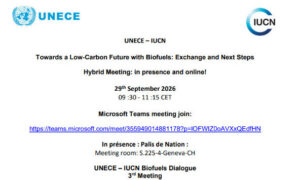
Towards a Low-Carbon Future with Biofuels: Exchange and Next Steps
29 Sep 2026 | 09:30 – 11:15
Palais des Nations | S.225-4 & Online Teams
UNECE, IUCN
Conference
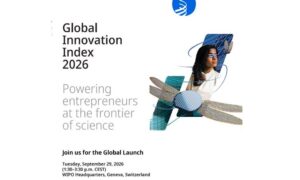
Launch of the Global Innovation Index 2026 | Powering Entrepreneurs at the Frontier of Science
29 Sep 2026 | 13:30 – 15:30
WIPO
WIPO
Virtual
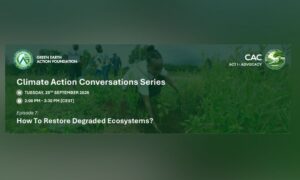
Climate Action Conversation Series. Episode 7: How to Restore Degraded Ecosystems?
29 Sep 2026 | 14:00 – 15:30
Online | Zoom
GEAF

Conference
Buyer Strategy in a Nascent Clean-Commodity Market: Demand Activation, Supply Support, and Security Trade-Offs
29 Sep 2026 | 14:15 – 15:30
Maison de la Paix, Room S5
IHEID

Virtual
Strengthening Public Revenues in the Age of Critical Minerals: Lessons from a decade of practical solutions to tax avoidance in mining
29 Sep 2026 | 15:00
Online | Zoom
IISD, IGF
Body Meeting
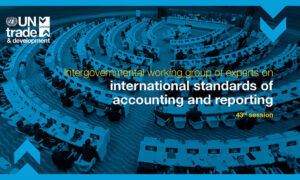
43rd Session of the Intergovernmental Working Group of Experts on International Standards of Accounting and Reporting
30 Sep – 02 Oct 2026
Palais des Nations | Room XVI
UNCTAD
Virtual
Financing a Transition Away From Fossil Fuels: Building an implementation network for Santa Marta workstream 2
30 Sep 2026 | 09:00
Online | Zoom
IISD

Conference
Postgraduate Research Conference on International Law of the Sea
30 Sep 2026 | 09:00 – 18:30
Maison de la Paix
IHEID
Virtual
Deep dive “A hotter Europe: What have we learned?”
30 Sep 2026 | 09:30 – 11:30
Online | Zoom
WHO
Virtual
Climate, Displacement & Justice: Addressing Protection Gaps and Promoting Community-Led Solutions
01 Oct 2026 | 09:00
Online | Zoom
Caritas Internationalis, Jesuit Refugee Services, UNHCR, ICMC
Conference
International Coffee Day Celebration in Geneva
01 Oct 2026 | 10:00 – 11:30
Palais des Nations | Building H Auditorium
FAO, Indonesia, Rwanda, Türkiye
Body Meeting
Dialogue on Plastics Pollution and Environmentally Sustainable Plastics Trade (DPP) – Pre-Plenary Meeting
01 Oct 2026 | 10:00
WTO | Room D & Online | Zoom
WTO
Local
Jeudi de l’environnement | Protection des eaux souterraines et urbanisation
01 Oct 2026 | 12:00 – 14:00
Uptown Geneva
City of Geneva

Conference
Honey-Coated Defoliants: Biochemicals, the American-Vietnam War, and Scientists taking Sides
01 Oct 2026 | 12:15 – 13:45
Maison de la Paix, Room S10
IHEID

Virtual
The Economics of Addressing Pharmaceuticals in the Environment | Addressing Pharmaceuticals in the Environment Series
01 Oct 2026 | 14:00 – 15:30
Online | Webex
UNEP Chemicals and Health Branch, GEN
Local
RegEWS – Feasibility study on reducing the space requirements of large geothermal borehole field for thermal networks.
01 Oct 2026 | 17:15 – 18:45
Uni Carl-Vogt | Room CV
UNIGE
Conference
Human Rights at the 17th Meeting of the Conference of the Parties to the Convention on Biological Diversity | HRC63 Side Event
02 Oct 2026 | 12:00 – 13:00
Palais des Nations, Room XI
Armenia, OHCHR, GEN
Jobs
See all
Intern
Publications Digitization and Records Management Intern
07 Oct 2026
UNEP Chemicals and Health Branch

Updates
See all