
Event Conference
How Far Have the Basel, Rotterdam and Stockholm Conventions Gone in Advancing a Rights-based Approach and Environmental Justice? | 2025 BRS COPs Side Event

28 Apr 2025
19:00 – 20:30
Venue: CICG, Room 2 & Online | Webex
Organization: Office of the High Commissioner for Human Rights, Special Procedures of the UN Human Rights Council, Geneva Environment Network
This side event to the 2025 meetings of the Conference of the Parties to the Basel, Rotterdam and Stockholm Conventions was organized by the Special Rapporteur on toxics and human rights, the Office of the UN High Commissioner for Human Rights (OHCHR), and the Geneva Environment Network, as part of the Geneva Toxic Free Talks.

About this Event
This panel is particularly timely, given recent and ongoing developments in the chemicals and waste cluster that link environmental and health protection and human rights. In July 2022, the General Assembly adopted a landmark resolution recognizing the human right to a clean, healthy, and sustainable environment. In June 2022, the International Labour Conference adopted a resolution recognizing “a safe and healthy working environment” as a fundamental principle, supporting a just transition. In May 2023, the World Health Assembly adopted a resolution regarding the impact of chemicals, waste and pollution on human health, which affirmed “the need to tackle pollution as a cornerstone of achieving the Sustainable Development Goals”. The Global Framework on Chemicals: for a Planet Free of Harm from Chemicals and Waste, adopted in September 2023, recognized that the implementation of the sound management of chemicals and waste contributes to the full enjoyment of human rights and human well-being and dignity. Ongoing negotiations, including at INC and the OEWG SPP represent efforts contributing to increase synergies and cooperation for the implementation of the BRS Conventions, amongst other MEAs.
Populations in vulnerable situations bear a disproportionate burden of the human rights consequences of exposure to pollution and hazardous substances. Human rights law imposes specific duties on States to prevent, protect and remediate environmental harm, and the BRS Conventions are key tools to advance protection of human health and the environment against harmful effects of hazardous chemicals and wastes. These objectives are thus interrelated, interconnected and synergistic.
The panel was invited to discuss progress to date in strengthening a human rights-based approach to the implementation of the BRS Conventions, through concrete examples, such as the lack of a human rights-based approach to pesticide management and its impact on the right to safe food. The panel also reflected on opportunities and challenges for further action, such as the integration of a HRBA to the International Code of Conduct on Pesticide Management – including ways to accelerate the sound management of chemicals and waste, enhance health and environmental protection, and increase efforts to create a toxic-free environment.
2025 Meetings of the Conference of the Parties to the Basel, Rotterdam and Stockholm Conventions
The seventeenth meeting of the Conference of the Parties to the Basel Convention (BC COP-17), the twelfth meeting of the Conference of the Parties to the Rotterdam Convention (RC COP-12) and the twelfth meeting of the Conference of the Parties to the Stockholm Convention (SC COP-12) will be held back-to-back in Geneva from 28 April to 9 May 2025. Side events to the 2025 meetings of the BRS COPs will serve as a platform for Parties and observers to share knowledge, build capacity, network and exchange on experience in the implementation of the BRS conventions. They also contribute to fostering discussions on specific issues under consideration at the COPs.
Geneva Toxic Free Talks
The Geneva Toxic Free Talks is an opportunity to reflect on the challenges posed by the production, use and dissemination of toxics. This series, taking place in the margins of the 2025 Meetings of the Conferences of the Parties to the Basel, Rotterdam and Stockholm Conventions (BRS COPs 2025), will highlight how Geneva, as a global hub for tackling toxic substances and waste, contributes to bringing together the actors working in reversing the toxic tide.
Speakers
By order of intervention.

Marcos ORELLANA
UN Special Rapporteur on toxics and human rights
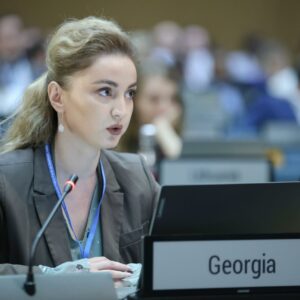
Ana BEREJIANI
Head of Chemicals Management Division, Ministry of Environmental Protection and Agriculture, Georgia

Siddika SULTANA
Executive Director, ESDO & Member, Bangladesh Delegation

Santos VIRGILIO
Ministry of the Environment, Angola

Ana Paula SOUZA
Human Rights Officer, UN Office of the High Commissioner for Human Rights (OHCHR)

Elham REFAAT ABDEL AZIZ
Hazardous Substances and Waste Management Expert, Member, IPEN
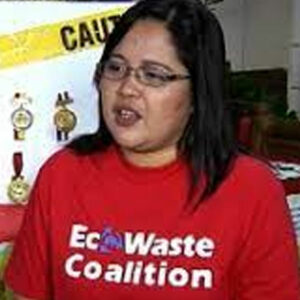
Aileen LUCERO
National Coordinator, Ecowaste Coalition

Gohar KHOJAYAN
Communications Specialist, Armenian Women for Health and a Healthy Environment

Anpotowin JENSEN
Indigenous scientist, Chemicals and Waste Youth Platform/Children and Youth International
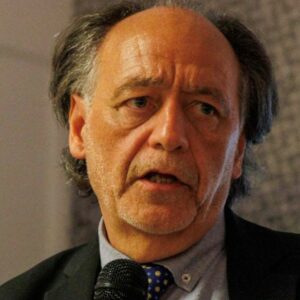
Yves LADOR
Representative to the United Nations in Geneva, Earthjustice
Highlights
Summary
Welcome
Ana Paula SOUZA | Human Rights Officer, UN Office of the High Commissioner for Human Rights (OHCHR) | Moderator
- There is a vast body of evidence that shows toxic chemicals are responsible for ongoing massive human rights harms that negatively affect multiple aspects of human life in dignity.
- International human rights law imposes specific duties on States to prevent, protect and remediate environmental harm.
- The BRS conventions are key tools to advance the protection of human health and environment against the harmful effects of chemicals and waste. These objectives are interrelated, interconnected and synergistic.
- The effective implementation of the BRS Conventions contributes to ensuring the full enjoyment of human rights and this synergy enhances efforts to create a toxic free environment.
- The core issue of todays’ event is how together, Multilateral Environmental Agreements and human rights law promote a holistic approach to environmental justice and human rights protection.
- The BRS Conventions, by regulating hazardous chemicals and waste and by promoting the safe management and disposal of hazardous waste, helps reduce our exposures to toxic substance, preventing disease and health issues related to chemical exposures and therefore advancing the right to health and the right to a clean, healthy and sustainable environment. Also, proper waste management regulations can improve worker safety which is related to the right to work.
- The BRS Conventions enhance the rights to access to information, participation and to justice, both as rights on their own, as well as elements of the right to a clean, healthy, and sustainable environment.
Marcos Orellana | UN Special Rapporteur on Toxics and Human Rights
- The integration between human rights and the environment falls under the umbrella of the sustainable development paradigm. This includes the idea that environmental issues should not be addressed in isolation.
- There has been progress to date on the understanding of the parallelism between human rights and the environment, including how the obligations that have been established in the BRS Conventions exist in parallel to international human rights obligations.
- This has been recognized with regards to climate and human rights by judgements and advisory opinions from international and regional human rights courts, such as ITLOS, and most likely soon by the ICJ.
- The Convention on the Law of the Sea and the Paris agreement coexist, so does the Basel convention and the Hong Kong Recycle Convention on the Recycling of Ships.
- However, there are still significant obstacles. There is a tension between managing risk on the one hand and an accountability framework as established by a human rights-based approach on the other when we are talking about managing risks and multilateral environmental agreements such as the BRS Conventions.
- There is a balancing of interests, and a tendency to use language such as “managing risks” or “minimizing risks”, which is different from human rights language, which establishes rights, duties and means of accountability.
- Another obstacle are the limitations of science policy interface platforms we see, such as in the Rotterdam convention, where there’s a complete breakdown of the science policy interface platform with the conference of the parties being totally unable or unwilling to follow the the advice of the scientific bodies.
- Under the Stockholm Convention we see the limitations of listing processes that go chemical-by-chemical, dealing with hundreds if not thousands of chemicals.
- There are also opportunities, as there are certain elements of a human rights-based approach already included in the baseline. With some of the Preambles referring to human health, the vulnerability of Indigenous Peoples, and other elements.
- There are also tools for prevention. The Basel Ban on export of hazardous waste, which is nuanced, is an important tool for prevention. Other examples include expressions of shared responsibilities in the Rotterdam Convention, and tools for the strengthening of institutional capacities in the Stockholm Convention. Here there is an opportunity for synergies.
- Another opportunity has come from the Human Rights Council and the UN General Assembly in the recognition first time at the global level of the right to a clean, healthy, and sustainable environment, which speaks to the importance of Multilateral Environmental Agreements for the effective realization of the right.
- Integration is not only possible but is under way. There is no time for complacency given the increasing toxification of our planet.
Panel Discussion 1
- Ana Berejiani, Head of the Chemicals Management Division of the Ministry of Environmental Protection and Agriculture of Georgia, emphasized that the three pillars of the Aarhus convention, access to information, public participation and access to justice, are key to achieving sustainable management of chemicals and waste in accordance with the BRS conventions. Berejiani highlighted synergies between the Aarhus- and BRS Conventions, such as access to information which empowers the public, public participation which ensures all communities have a voice, and access to justice which makes it possible to ensure accountability for environmental harm. She presented examples of good practice from Georgia, exploring how these synergies can be realized by actively pursuing integrated reporting, joint capacity-building, public empowerment, and multi-stakeholder platforms, through encouraging public participation. Finally, she emphasized that the full and effective implementation of the Aarhus Convention ensures States fulfil both human rights obligations and objectives of the BRS Conventions.
- According to Siddika Sultana, Executive Director of ESDO and Member of Bangladesh Delegation, in order to achieve environmental justice, it is crucial to prioritize the the voices of those most impacted and to provide supported capacity building. Sultana highlighted that the BRS Conventions have laid a strong foundation, but the work to achieve environmental justice is ongoing, and big challenges remain, such as limited resources. She emphasized the importance of this work for both todays’ and future generations.
- Santos Virgilio, Ministry of the Environment of Angola, highlighted the double standards of Global North Countries raising human rights concerns in Global South Countries, while exporting banned chemicals to and dumping hazardous waste in those same countries. He questioned how Countries can claim they are protecting human rights if they do not respect the rights of the people in other countries, and underscored the importance of applying human rights when discussing chemicals and companies, if we are to create a world we want to live in.
Panel Discussion 2
- Elham Aziz, Hazardous Substances and Waste Management Expert, IPEN Member, emphasized the major challenges facing Egypt and other countries in meeting their obligations under the BRS Conventions, raising issues such as limited technology, monitoring capabilities, and financial resources. She also shared the success story of Egypt, and how they, with the help of BRS and JICA, were able to develop a Sustainable Management of Persistent Organic Pollutants Project.
- Aileen Lucero, National Coordinator, Ecowaste Coalition Philippines, underscored that for developing countries, implementing the Basel ban amendment, and the more recent amendment addressing the plastic pollution crises, is crucial in protecting our environment from adverse effects of waste. These amendments, if duly implemented, empower and offer legal protection for developing countries, and Lucero emphasized that ineffective implementation allows for “business as usual”, driving traders to continue exporting hazardous waste to developing countries in the guise of recycling and causing environmental and health damage, and ultimately weaken the Basel Convention.
- Gohar Khojayan, Communications Specialist at Armenian Women for Health and a Healthy Environment, emphasized that chemicals exists everywhere, entering the body from food and products from containers, cosmetics, inhalation and even to children through breastmilk. Some of these chemicals have endocrine disruptive properties, which poses particularly dire threats to women and girls due to biological and social circumstances. Khojayan highlighted that the identities of many chemicals are still not known, that few countries screen them, and that not all are tested for EDC. BRS can more effectively address this by systemically integrating gender into policy measures and national plans, prioritising phasing out hazardous substances, and increasing availability of information and health effects. Collaboration is key to ensure the BRS Conventions enhances both chemicals safety and gender equality.
- Anpotowin Jensen, Indigenous Scientist, Chemicals & Waste Youth Platform Representative, highlighted the deep connection between Indigenous Peoples and the land, their role as stewards of the land engaging with and cultivating a relationship with the land for a healthy ecosystem. A connection that has been threatened by contamination from mining and mercury, as well as lack of information and data. She explained how realizing how a lot of characteristics in the reservations are similar to those in developing countries inspired her to begin working with other youths. Jensen emphasized the power and influence of youths, sharing how the lack of data caused them to mobilize the youth in her home to try to localize the source of the mercury. She called for all participants to mobilize the youth present, as the youth are here, they are capable, they want to change the world, help their communities, and learn as much as they can.
- Yves Lador, Representative to the United Nations in Geneva, EarthJustice, shared positive developments from the work of EarthJustice with local communities, including the cancellation of a toxic plant in Louisiana, USA, to the recent historic ruling of the Inter-American Court of Human Rights on underlying the obligations to control toxics and pollution. Lador highlighted how “Make visible the invisible” is a particular challenge with the BRS Conventions, an issue often overshadowed by climate change. He underscored the crucial need to make the issue of toxics and pollutants visible within the right to a clean, healthy, and sustainable environment, including by making the right more prevalent at the COPs. The right to a clean, healthy, and sustainable environment within the BRS Framework highlights the need for alternatives. We cannot only work to eliminate, we need alternatives. The target in the end is to live and have the right to live in a toxic free environment, but we must not substitute one problematic substance with another problematic substance.
Video
Live from CICG.
Photo Gallery
More photos can be found on the BRS dedicated album.


GEN @ 2025 BRS COPs

Gender, Toxics Exposures and the Right to a Clean, Safe, Healthy, and Sustainable Environment | 2025 BRS COPs Side Event
29 April 2025 | 18:45 – 20:15 CEST

Preventing Plastic and E-Waste Trafficking: Lessons from the Frontlines | 2025 BRS COPs Side Event
4 May 2025 | 18:15 – 19:15 CEST
The Potential of the Bamako Convention in Furthering Implementation of the Basel Convention in Africa | 2025 BRS COPs Side Event
6 May 2025 | 18 :15 – 19:45 CEST

One Health Approach to Addressing Pharmaceuticals in the Environment Across Key Sectors | 2025 BRS COPs Side Event
9 May 2025 | 13:15 – 14:45 CEST