Update
Human Rights, Hazardous Substances, and the Role of Geneva
Last updated: 28 Sep 2026
Though integral to almost all sectors of society, the lack of environmentally sound management of chemicals and waste can have long-lasting negative impacts on human health, society, and on the environment. This page highlights the role stakeholders from International Geneva as a global hub for the governance of hazardous substances, and how they are actively working to reduce the environmental and health risks from chemicals, including their human rights implications.
LATEST NEWS
- PFAS pollution: French citizens take on chemical giants | Euractiv | 3 February 2026
Case billed as Europe’s largest ever class action lawsuit over contamination by ‘forever chemicals’
- PFAS Contamination Case in Veneto: Vicenza Court Delivers Historic Judgement in Pollution Trial | Antonio Papisca Human Rights Center | 27 June 2025
On 26 June 2025, the Court of Assise in Vicenza delivered a landmark judgment in the long-running case concerning PFAS contamination across the provinces of Vicenza, Padua, and Verona. Eleven of fifteen former managers of the chemical company Miteni S.p.A., based in Trissino (Vicenza), were convicted in the first instance for serious environmental offences, including intentional water poisoning and deliberate environmental disaster. The total prison sentences amount to 141 years, with individual sentences ranging from 2 years and 8 months to 17 years and 6 months.
Human Rights Impacts of Hazardous Substances
Though integral to almost all sectors of society, the lack of environmentally sound management of chemicals and waste can have long-lasting negative impacts on human health, society, and on the environment. Responsible for 9 million premature deaths (Global Burden of Diseases 2019), pollution is the largest environmental risk factor for diesease and premature death in the developing world, causing approximately three times more deaths than HIV/AIDS, tuberculosis and malaria combined (Lancet Commission on Pollution and Health, 2018 & 2022). Exposure to pesticides, heavy metals, plastic additives, radioactive waste, and other toxic substances and leakage of these substances into the environment is causing severe harm to people’s health and infringing on their human rights.
An estimated 350,000 chemicals and mixtures of chemicals are registered on the global market, most of which where developed in the past few decades. Many of these substances remain unidentified as they are classified as confidential business information or are poorly described.
The complete lifecycle of hazardous substances (used here to include all toxics and wastes that have adverse effects on human health and on the environment), starting from their manufacturing and transport, to use, to trade, and eventually disposal, can have an enormous impact on the enjoyment of fundamental human rights — such as the rights to life, to the highest attainable standard of health, to food, to clean water and sanitation, to housing, and the right to a healthy environment.
Spotlight on PFAS
Per- and polyfluoroalkyl substances (PFAS) are toxic, man-made, hazardous chemicals that have dangerous effects on the environment and our health. Composed of thousands of synthetic organic chemicals, PFASs were developed from the 1940s by the chemical industry and, since then, have been widely used in consumer products like non-stick cookware, waterproof clothing, food packaging, and firefighting foams, as they are known for their water-resistant, non-stick, and stain-repellent properties. However, these “forever chemicals” are also known for their long-term persistent accumulation in the environment, with a lifespan reaching up to several thousand years, as they do not break down easily and can accumulate in soil, water, and living organisms. Such compounds continuously pose exposure risks to humans, wildlife and the environment even long after they have been released into the air, water and soil. → Read more on UNEP dedicated webpage.
Exposure to certain PFAS has been linked to a range of adverse health outcomes, including increased risks of cancers, immune-system suppression, thyroid and metabolic disorders, reproductive and developmental harm, altered hormone regulation, and reduced vaccine effectiveness. Studies have shown that PFAS can be found in drinking water, food, and even human blood. PFAS contamination can also compromise the rights to physical integrity, the highest attainable standard of health, to safe drinking water and adequate sanitation, and to a healthy environment, including a safe and healthy working environment, among others, by contaminating drinking water supplies, food chains and household environments. → Read more on human rights, hazardous substances and the role of Geneva.
As such, the UN Special Rapporteur on toxics and human rights, Marcos Orellana, is dedicating his final report to the Human Rights Council at its 63rd session (HRC63), on forever chemicals (PFAS) and human rights. The focus on the human rights implications of forever chemicals is both timely and essential as scientific studies have made clear that PFAS are widely disseminated and remain recalcitrant in the environment for decades. The scale, transboundary nature and long-term costs of contamination mean that delayed action will increase remediation costs and perpetuate avoidable risks and harms to human and environmental health.
The Right to Live in a Non-toxic Environment
United Nations treaty bodies, regional courts, national courts, national human rights institutions and special procedure mandate holders have expressed concerns about the impacts of pollution and toxic substances upon the enjoyment of a wide range of human rights, including the rights to life, health, water, food, housing, cultural rights and an adequate standard of living, the rights of the child and the rights of Indigenous peoples. The recognition of the right to a clean, healthy and sustainable environment by the UN Human Rights Council and the UN General Assembly should mark a turning point in society’s approach to managing pollution and toxic substances. From a human rights perspective, achieving a non-toxic environment is a legally binding obligation rather than a policy option.
During the 49th session of the Human Rights Council, the former Special Rapporteur on environment and human rights, David R. Boyd – with the collaboration of the Special Rapporteur on toxics and human rights, Marcos Orellana – presented a joint report on “The right to a clean, healthy and sustainable environment: non-toxic environment” (A/HRC/49/53). The report identifies a non-toxic environment as one of the substantive elements of the right to a safe, clean, healthy and sustainable environment.
The ongoing toxification of people and the planet is causing environmental injustices and creating “sacrifice zones”, extremely contaminated areas where vulnerable and marginalized groups bear a disproportionate burden of the health, human rights and environmental consequences of exposure to pollution and hazardous substances. The Special Rapporteur highlights State obligations, business responsibilities and good practices related to ensuring a non-toxic environment by preventing pollution, eliminating the use of toxic substances and rehabilitating contaminated sites.
Impact on Groups in Vulnerable Situations
While exposure to toxic hazards of chemicals and waste can pose a risk to all, it is also known to affect people differently. The lack of environmentally sound management of chemicals and waste disproportionately affects persons, groups and peoples in vulnerable situations reflecting both historical and ongoing discrimination, racism, and power imbalances that have given rise to powerful social movements for environmental justice. Exposure to toxic and otherwise hazardous substances often affects rightsholders in already vulnerable situations, among them people living in poverty, indigenous peoples, workers, migrants, and minorities. Women and children are also among the most exposed to toxic chemicals. Thus, human rights-based and gender-sensitive approaches are highly relevant to sound chemicals management.
Duty to Prevent People from Toxic Exposures
The dangers of exposure to toxic pollutants have been known for decades. Yet the magnitude and impact of a rapidly toxifying world continues to grow faster than measures to prevent exposure.
States are required by international human rights law to take active measures to prevent the exposure of individuals and communities to toxic substances. Since Rachel Carson’s warning nearly sixty years ago, States have taken positive steps. Yet prevention continues to be the exception, not the norm. No State will meet their obligations to protect, respect and fulfill human rights without taking greater measures to prevent exposure.
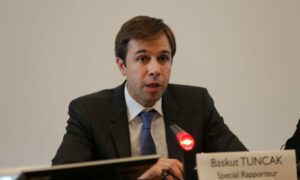
In October 2019, the former Special Rapporteur on toxics, Baskut Tuncak, presented a report to the UN General Assembly on the duty to prevent exposure (A/74/480). Building upon his 2016 report to the Human Rights Council on the duty to prevent childhood exposure, this report clarifies the State’s duty to prevent exposure, and its legal foundation. States have a duty to “prevent and minimize” exposure to hazardous substances to protect against preventable diseases and disabilities, considering prevention as precondition to such duty. This duty is derived from the rights to life, health, dignity and bodily integrity; the right to information and the right to a healthy environment; as well as equality and access to an effective remedy. However, an approach of prevention is the exception for many entities, leading to existential threats to life and health, such as reproductive health.
The Special Rapporteur discusses the legal basis of this duty, and highlights how exposure prevention is the exception, leading to existential threats to life and health, including reproduction. The Special Rapporteur explains the importance of this duty to prevent exposures, the human rights to a healthy environment, safe and healthy work, among others impacted by pollution and other sources of toxic exposure.
Tackling Toxics in Human Rights Instruments
The various human rights mechanisms and instruments present in Geneva, such as the Human Rights Council, Special Procedures, and Human Rights Treaty Bodies, play an increasingly pivotal role in addressing the human rights impacts of toxics and hazardous substances. With already existing international standards on toxics and human rights, not only do they identify the rights and the specific groups affected by toxics, they also help clarify the relevant obligations of States to advance human rights while addressing the triple planetary crisis.
Human Rights Treaty Bodies
The human rights treaty bodies are committees of independent experts that monitor implementation of the core international human rights treaties. The treaty bodies have addressed toxics and human rights in a number of statements, decisions, concluding observations, General Comments and General Recommendations. This body of work provides guidelines for the interpretation and application of State party obligations deriving from the respective Covenants and Conventions in relation to chemicals and pollution action and constitutes part of the evolving international human rights law framework that is increasingly addressing the human rights impacts of toxics and hazardous substances.
Human Rights Council
The Human Rights Council (HRC) has contributed to raising awareness of the links between human rights and hazardous substances including the adoption of resolutions that highlight the ways hazardous substances affect human rights, including the movement and dumping of toxic and dangerous products and wastes (A/HRC/RES/12/1), the rights of workers exposed to hazardous substances and wastes (A/HRC/RES/42/21), and the mandate of the UN Special Rapporteur on toxics and human rights.
Universal Periodic Review
The Universal Periodic Review (UPR) of the Human Rights Council — a periodic review of the human rights records of all 193 United Nations Member States — is increasingly addressing the links between toxics, hazardous wastes. and human rights through the recommendations made by Member States to the State concerned.
UN Special Rapporteur on toxics and human rights
The mandate of the UN Special Rapporteur on the implications for human rights of the environmentally sound management and disposal of hazardous substances and wastes (also known as the UN Special Rapporteur on toxics and human rights), currently held by Marcos Orellana, was established to examine the human rights implications of toxic and otherwise hazardous substances. The scope of the mandate includes extractive industries, particularly oil, gas and mining; labour conditions in manufacturing and agricultural sectors; consumer products; environmental emissions of hazardous substances from all sources; military activities, war and conflict; and the disposal of waste.
As envisaged in resolution A/HRC/RES/45/17, the Human Rights Council requests the Special Rapporteur, in accordance with his mandate, to continue to provide detailed, up-to-date information on the adverse consequences for the full enjoyment of human rights of managing and disposing of hazardous substances and wastes, in an unlawful manner, which may include information on:
- The adverse consequences for persons and groups in vulnerable situations, including indigenous peoples;
- The science-policy interface as regards the risks associated with the lifecycle of hazardous substances and wastes, including the risks to the right to freedom of expression, which includes the freedom to seek, receive and impart information, and the right to enjoy the benefits of scientific progress;
- The developments, gaps and shortcomings in the effectiveness of international regulatory mechanisms concerning hazardous substances and wastes and their impact on the enjoyment of human rights, including with respect to emerging chemicals and waste management and disposal issues; and
- Human rights issues relating to all business enterprises, both transnational and other, regarding the environmentally sound management and disposal of hazardous substances and wastes.
The Special Rapporteur also presents thematic reports to both the Human Rights Council and the UN General Assembly, highlighting relevant issues on toxics and human rights.
Special Procedures of the Human Rights Council
As independent human rights experts with mandates to report and advise on human rights from a thematic or country-specific perspective other special procedures of the Human Rights Council also make links with their own mandates with issues of hazardous substances and human rights. This includes the work achieved when they undertake country visits; act on individual cases and concerns of a broader, structural nature by sending communications to States and others in which they bring alleged violations or abuses to their attention; conduct thematic studies and convene expert consultations, contribute to the development of international human rights standards, engage in advocacy, raise public awareness, and provide advice for technical cooperation.
Some relevant topics tackled by the UN Special Rapporteur on toxic and human rights, and other Special Procedures mandate holders include the following:
UN Office of the High Commissioner for Human Rights
As the leading UN entity on human rights, the Office of the UN High Commissioner for Human Rights (OHCHR, UN Human Rights) aims to provide guidance that encourages policy coherence and ensures that efforts to address the human rights harms of toxic substances are adequate, sufficiently ambitious, non-discriminatory and compliant with human rights obligations.
Guided by principles and standards derived from international human rights law, especially the Universal Declaration of Human Rights and the core universal human rights treaties, as well as the 2030 Agenda, UN Human Rights aim to help States, businesses and other duty-bearers meet this expectation. OHCHR and the UN Environment Programme has published Key Messages on Human Rights and Hazardous Substances “to highlight the human rights obligations and responsibilities of States and other duty-bearers, such as businesses, to prevent and remedy the harmful effects of hazardous substances.”
Key Messages
- Ensure a “non-toxic environment” for present and future generations
- Cooperate internationally to prevent and combat harms from exposure to hazardous substances
- Prevent exposure to hazardous substances from business activities
- Guarantee all persons’ access to information about hazardous substances
- Ensure the meaningful and informed participation of all persons in decision-making processes
- Ensure accountability and effective remedies for human rights harms caused by hazardous substances
- Protect environmental human rights defenders
- Protect, respect and fulfil the human rights of people who are in particularly vulnerable situations
- Guarantee all human beings the right to benefit from scientific progress and its applications
- Take a precautionary approach to the handling and management of hazardous substances and potentially hazardous substances
A comprehensive overview of references to toxics made by special procedures, treaty bodies (including concluding observations) and the UPR (including the recommendations in the reports from the working groups) can be found by searching the Universal Human Rights Index.
A Global Framework for a Toxic-free Planet
The Global Framework on Chemicals – for a planet free of harm from chemicals and waste and a High-Level Declaration (Bonn Declaration) that provides political impetus to drive the deal’s implementation, were adopted as the closing plenary of the Fifth Conference on Chemicals Management (ICCM5) that took place from 25 to 29 September 2023 in Bonn, Germany.
Based on 28 targets that aim to improve the sound management of chemicals and waste, the framework is a comprehensive plan to guide countries and stakeholders in jointly addressing the lifecycle of chemicals, including products and waste, with a vision for a safe, healthy and sustainable future.
Human rights are also present in the framework, as seen in one of the principles:
C. Human Rights
15. The implementation of the sound management of chemicals and waste contributes to the full enjoyment of human rights and human well-being and dignity.
There is also a target (E6) on strengthening links between the new instrument and the climate, biodiversity, human rights and health agendas. The framework also calls for a phase-out by 2035 of highly hazardous pesticides in agriculture where the risks have not been managed and safer alternatives are available.
Resolutions have also been adopted that ensures human rights are “protected and respected”. These include a resolution endorsing the formation of a global alliance on highly hazardous pesticides with the goal of taking effective measures to phase out highly hazardous pesticides in agriculture where the risks have not been managed and where safer and affordable alternatives are available (Res. V/11). A resolution on “Mainstreaming a gender perspective and promoting gender equality and empowerment of all women and girls in chemicals and waste management” (Res. V/4) requests the secretariat to develop a gender action plan for consideration by the Conference at its next session.
International Instruments and Standards Addressing Hazardous Substances
Providing a non-toxic environment for all has been a core priority of environmental governance since its foundations. The first Principles of both the 1972 Stockholm and 1992 Rio Declarations focus on the human right to a safe and clean environment. The Stockholm Declaration describes “the fundamental right to freedom, equality and adequate conditions of life, in an environment of a quality…”, while the Rio Declaration states that humans “are entitled to a healthy and productive life in harmony with nature”. The adoption of the Sustainable Development Goals reiterated the importance of taking action to prevent and reduce pollution in order to protect human health and the environment.
The UNEP Global Chemicals Outlook II emphasizes that ambitious, global action by all stakeholders is required to minimize the adverse impacts of hazardous chemicals and wastes on people and the planet. As the full lifecycle of hazardous substances can have an enormous impact on the enjoyment of fundamental human rights, those responsible for the harmful impacts of hazardous substances must be held legally accountable for them through the application of human rights laws, norms and standards. Effective international and national measures must also be employed to prevent future harms.
Some extracts from international instruments and standards based in Geneva addressing hazardous substances, include:
Geneva Toxic Free Talks
The Special Rapporteur on toxics and human rights reports every fall to the Council and to the UN General Assembly on issues related to his mandate. The Geneva Toxic Free Talks aim to harness the opportunity of this moment of the year to reflect on the challenges posed by the production, use, and dissemination of toxics and on how Geneva contributes to bringing together the actors working in reversing the toxic tide.
Role of International Geneva
Geneva is a global hub for the governance of hazardous substances, and thus is actively working to reduce the environmental and health risks from chemicals, including their human rights implications.
Organizations are listed by alphabetical order.
Basel, Rotterdam and Stockholm Conventions | BRS Conventions
The BRS Conventions promote the sound management of chemicals and waste to prevent and minimize significant adverse effects on human health and the environment. They address respectively transboundary movements and management of hazardous wastes (Basel), persistent organic pollutants (Stockholm) and international trade of certain hazardous chemicals (Rotterdam).
Center for International Environmental Law | CIEL
The Center for International Environmental Law (CIEL) works to achieve a toxic-free future through our work negotiating new international treaties; changing public policy and private practices; advocating for precaution and increased attention on new forms of chemicals; and, along the way, building strong and diverse coalitions.
Earthjustice
Earthjustice is a nonprofit public interest environmental law organization that wields the power of law and the strength of partnership to protect people’s health, to preserve magnificent places and wildlife, to advance clean energy, and to combat climate change. Their work aims to ensure that all people have safe workplaces and neighborhoods, have access to safe drinking water and food, and live in homes that are free of hazardous chemicals.
FIAN International
FIAN International is a global human rights organization that advocates for the right to adequate food and nutrition. There is a growing movement for global action to halt the increasing use of harmful pesticides in agriculture and transition towards more sustainable farming methods that protect people and the environment. FIAN International has contributed to the momentum for change with a study of local experiences from around the world. Transitioning to pesticide free food systems: people´s power and imagination takes a bottom-up human rights approach and shows that a transition towards agroecology is underway in many parts of the world.
Franciscans International
Franciscans International addresses the root causes of injustices by bringing cases of discrimination and violence, including toxic-related issues, committed against individuals and groups living on the margins to the attention of the international community.
Global Alliance on Health and Pollution | GAHP
The Global Alliance on Health and Pollution (GAHP) is a collaborative body made up of more than 60 members and dozens of observers that advocates for resources and solutions to pollution problems.
Global Framework on Chemicals
The Global Framework on Chemicals, adopted by the 5th International Conference on Chemicals Management in Bonn in 2023, provides a vision for a planet free of harm from chemicals and waste, for a safe, healthy and sustainable future – where industry and private sectors are strategic actors to foster innovation, move towards sustainable business models and drive change. The framework instrument replaced the Strategic Approach to International Chemicals Management (SAICM).
International Labour Organization | ILO
ILO aims to advance social and economic justice through setting international labour standards, including in the area of chemical exposure and health risks in the workplace.
Workers continue to face the persistent threat of traditional hazards and risks, including biological, chemical, and physical hazards. The inclusion of “a safe and healthy working environment” in the ILO’s framework of fundamental principles and rights at work, and the designation of the Occupational Safety and Health Convention, 1981 (No. 155) and the Promotional Framework for Occupational Safety and Health Convention, 2006 (No. 187) as fundamental Conventions, ensure the protection and respect of the rights of workers.
Inter-Organization Programme for the Sound Management of Chemicals | IOMC
IOMC is a cooperative agreement among FAO, ILO, UNDP, UNEP, UNIDO, UNITAR, WHO, World Bank and OECD. Its objective is to strengthen international cooperation in the field of chemicals and to increase the effectiveness of the organisations’ international chemicals programmes.
International Trade Union Confederation Geneva Office | ITUC
The International Trade Union Confederation (ITUC) advocates for the protection of workers from the exposure to chemicals and toxic substances and for the recognition of health and safety at work as a fundamental right.
Minamata Convention on Mercury
The Minamata Convention on Mercury regulates anthropogenic emissions and releases of mercury and mercury compounds, with the aim of protecting human health and the environment. The Minamata Convention is also engaged in combating the illicit trade of mercury and upholding the rights of Indigenous Peoples, including their rights to a safe and clean environment, such as in the development of the Indigenous Peoples Platform.
UN Office for Disaster Risk Reduction | UNDRR
UNDRR alongside the International Science Council has published the Sendai Hazard Definition and Classification Review Technical Report that provides a common set of hazard definitions for monitoring and reviewing implementation which calls for “a data revolution, rigorous accountability mechanisms and renewed global partnerships”. The list includes the hazards that come from chemicals.
UN Environment Management Group | UN EMG
The UN EMG is a system-wide coordination body on environment and human settlements. It identifies issues on the international environmental agenda that warrant cooperation and finds ways of engaging its collective capacity in coherent management responses to those issues.
In support of the global Implementation Plan “Towards a Pollution-Free Planet” welcomed at the fourth session of the UN Environment Assembly, the EMG has established a consultative process to prepare a UN system common approach on pollution to provide a framework that can guide and mobilize UN entities in their work to ensure pollution is prevented and reduced to levels that are not harmful to people and the planet, including through the sound management of chemicals and waste.
UN Environment Programme Chemicals and Health Branch
The Chemicals and Health Branch of UNEP works closely with governments, industry, and civil society organizations around the world to develop mainstream solutions for the sound management of chemicals and waste.
UN Institute for Training and Research | UNITAR
UNITAR Chemicals and Waste Management Programme supports governments and stakeholders to strengthen their institutional, technical, and legal infrastructure and capacity for sound chemicals management. UNITAR is part of IOMC.
UN Office of the High Commissioner for Human Rights | OHCHR
OHCHR aims to promote a human rights-based approach to addressing the impacts of hazardous substances on human rights including the rights to health and life. UN Human Rights works with rights holders and duty bearers to create a better understanding of the relationship between toxics and human rights and facilitates actions to improve the level of respect for the related rights.
UN Special Rapporteur on toxics and human rights
The UN Special Rapporteur on toxics and human rights is an independent expert mandated by the Human Rights Council to help States, businesses and other stakeholders adopt solutions to human rights issues related to exposure to harmful substances. The current mandate holder is Marcos A. Orellana, appointed Special Rapporteur on toxics and human rights in August 2020.
World Health Organization | WHO
Through the International Programme on Chemical Safety (IPCS), WHO works to establish the scientific basis for the sound management of chemicals, and to strengthen national capabilities and capacities for chemical safety.
At the Seventy-sixth World Health Assembly (WHA76) that took place in Geneva from 21 to 30 May 2023, a resolution on the impact of chemicals, waste, and pollution on human health initially tabled by Peru, Canada, Colombia, Ecuador, El Salvador, Mexico, Monaco, Switzerland, Uruguay, and the European Union and its Member States was adopted.
GEN Events
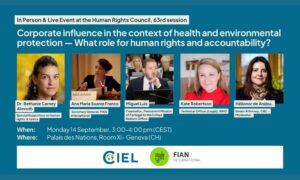
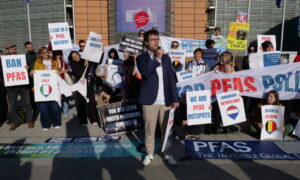




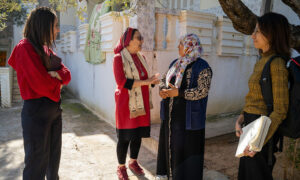
Tackling Toxics on the Ground | Geneva Toxic Free Talks 2025
17 September 2025

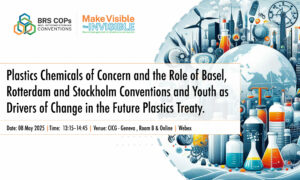




Geneva Toxic Free Talks 2024
19 September 2024


Toxics, Zero Waste, Women and Human Rights | HRC57 Side Event
13 September 2024
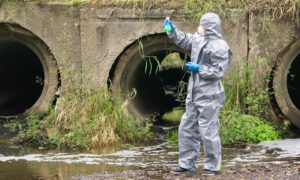
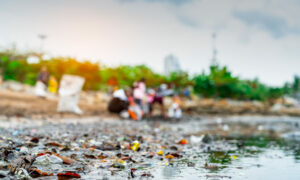
Geneva Toxic Free Talks 2023
20 – 22 September 2023

Geneva Toxic Free Talks 2022
21 – 22 September 2022
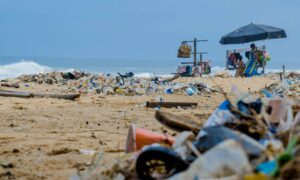
HRC48 Side Event | Plastics and Human Rights
23 September 2022
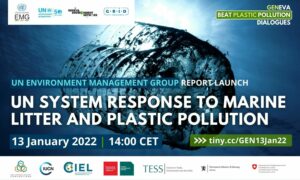

How can human rights contribute to the protection of the environment ?
22 September 2016
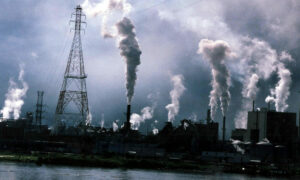

Resources
- Key Messages on Human Rights and Hazardous Substances | OHCHR & UNEP
- Plastics and Human Rights | GEN
- Air Pollution and Human Rights | GEN
- Human Rights and the Environment | GEN
- Geneva addressing Hazardous Substances | GEN
Relevant News and Updates
- European court slams Italy over mafia toxic waste dumping | POLITICO | 30 January 2025
Italy has put the lives of its citizens at risk by not addressing illegal waste dumping by the mafia in the Campania region, the European Court of Human Rights ruled Thursday. - Plastic pollution a global threat to human rights, say UN experts | OHCHR | 21 November 2024
Photo Credit
CIMMYT, Alfonso Cortés, 2020