Nouvelle
Environment @ 57th Session of the UN Human Rights Council

Mise à jour: 14 Oct 2024
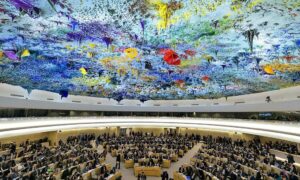
The 57th Regular Session of the Human Rights Council (HRC57) took place in Geneva from 9 September to 11 October 2024. This page highlights the environmental-related activities of this session.
The 57th regular session of the Human Rights Council took place in Geneva from 9 September to 11 October 2024. The Council proceedings can be viewed on UN TV. The meeting summaries are available on the UN Geneva website and the live-updated programme of work on Sched.
Opening of the Session
The 57th session of the UN Human Rights Council commenced in Geneva with the oral update by the UN High Commissioner for Human Rights, Volker Türk.
Providing broad reflections on human rights at the halfway mark of his mandate, the High Commissioner highlighted that we are at a fork in the road: in the face of global challenges, including the triple planetary crisis, we can either continue on our current path and sleep walk into a dystopian future, or to wake up for a better world for humanity.
We can and must make a different choice: reconnect with our common humanity, nature and our planet. In other words, we could choose to be guided by human rights and the universal values that we all share.
Recommitting to human rights as the principle that will guide the work of the Office, he underscores the need for international cooperation and engagement with the Office. He highlights the pivotal moment presented to all to embrace the opportunities offered by the human rights ecosystem, and to ensure human rights are bolstered and strongly integrated in the upcoming Pact for the Future.
Collectively, we should make the choice against the new normal and the dystopian future it would present. Let us embrace and trust the power of human rights as the path of the world we want: more peaceful, just, fair, and sustainable.
Highlights
Human Rights, Toxic Substances and Waste
Though integral to almost all sectors of society, the lack of environmentally sound management of chemicals and waste can have long-lasting negative impacts on human health, society, and on the environment. Such negative impacts violate our human right to live in a clean, healthy, and sustainable environment. Human rights, toxic substances, and waste are discussed at the September session of the Human Rights Council.
Report | Pollution Information Portals: Strengthening access to information on releases of hazardous substances | SR toxics and human rights
Confronting the global pollution crisis demands information on critical questions concerning emissions and the disposal of hazardous substances and wastes – what pollutants and wastes are emitted or disposed of; where; in what quantities; by whom; and with what consequences – these are all decisive questions. Actionable knowledge on these issues enables regulators, individuals and communities, and businesses to take measures to prevent, control and reduce pollution and exposure. Such information is also crucial for the accountability of governments and businesses, and for meaningful public participation in decision-making on environmental matters.
The UN Special Rapporteur on toxics and human rights, Marcos Orellana, presented to the Council his report (A/HRC/57/52) which seeks to explore the functions of Pollution Information Portals (PIPs) and identify good practices in their design and implementation.
These portals provide direct and contextual information on emissions and wastes to the public, businesses, regulators and other users. In the present report, the Special Rapporteur on the implications for human rights of the environmentally sound management and disposal of hazardous substances and wastes explored the functions of PIPs in regard to the right to a clean, healthy and sustainable environment, the right to science and the right of access to information, and identifies good practices in their design and implementation. He also critically assessed limitations and shortcomings of existing models and includes recommendations to help States establish, strengthen or integrate PIPs.
Reports on the Special Rapporteur Visits
The Special Rapporteur also presented the reports on his country visits to South Africa (A/HRC/57/52/Add.1) and Australia (A/HRC/57/52/Add.2).
Interactive Dialogue
An interactive dialogue on the report with the Special Rapporteur took place on 17 September 2024.
Highlights
Report | Addressing the challenges and barriers to the full realization of the human rights of the people of the Marshall Islands stemming from the State’s nuclear legacy | OHCHR
The Human Rights Council has affirmed the importance of addressing the adverse impacts of the nuclear legacy on the human rights of the people of the Marshall Islands. The Council expresses grave concern over the lasting threats posed by nuclear waste, radiation, and contamination. These dangers not only jeopardize the environment but also continue to adversely affect the human rights of the Marshallese, such as the rights to life, physical and mental health, an adequate standard of living, food, housing, safe drinking water, sanitation, cultural participation, and the enjoyment of a clean, healthy, and sustainable environment for both current and future generations.
Following the Human Rights Council resolution 51/35 of 13 October 2022 (A/HRC/Res/51/35) entitled “Technical assistance and capacity-building to address the human rights implications of the nuclear legacy in the Marshall Islands”, the High Commissioner for Human Rights prepared a report (A/HRC/57/77, advanced edited version) on addressing the challenges and barriers to the full realization and enjoyment of the human rights of the people of the Marshall Islands, stemming from the State’s nuclear legacy.
Interactive Dialogue
An interactive dialogue on the report is scheduled to take place on 7 October 2024.
Plastics and Human Rights
The UN Special Rapporteur on toxics and human rights encourages States « to put human rights obligations at the forefront of considerations and decision-making, whether in national policies or in international environmental negotiations ». As such, a priority of the Special Rapporteur this year is the negotiations on the international legally-binding instrument on plastic pollution, including in the marine environment.
HRC57 is the last session of the UN Human Rights Council before the fifth session of the Intergovernmental Negotiating Committee to develop an international legally binding instrument on plastic pollution, including in the marine environment (INC-5), scheduled to take place from 25 November to 1 December 2024 in Busan, Republic of Korea.
Furthermore, at HRC56, the Council passed a decision on the Plastic pollution implications on the full enjoyment of human rights (A/HRC/56/L.23) that requests the Human Rights Council Advisory Committee to prepare a comprehensive study on the implications of plastic pollution for the full enjoyment of human rights, based on a comprehensive approach that addresses the full life cycle of plastic.
As plastics and human rights are increasingly becoming high on the agenda of the Council, discussions on human rights in the context of the upcoming INC-5 are expected to take place within and around HRC57, including at side events.
Zero Waste, Women, and Human Rights
The waste sector contributes significantly to the triple planetary crisis of climate change, biodiversity and nature loss, and pollution. A Zero Waste approach aims to contribute to environmental, economic, and social benefits, including reduced greenhouse gas emissions and improved community health.
In this session of the Human Rights Council, the interlinkages between zero waste and human rights were also highlighted in various activities in this session. In particular, the differentiated human rights impacts of toxics and waste on women was underscored, as well as the significant and central role of women in addressing this issue.
The UN Special Rapporteur will be presenting his report to the UN General Assembly on « Gender and Hazardous Substances« , which aims to examine and enable the application of a human rights-based approach to countless persons and groups that may find themselves in vulnerable situations because of their gender, in respect of toxic exposures. This includes identifying human rights violations and abuses in respect of gender and toxics, recognizing root causes of discrimination and gendered toxic impacts, strengthening tools for implementing the right to a healthy environment in this regard, improving policies for the realization of the rights to information and public participation, and advancing corporate responsibilities with respect to toxics and human rights.
Geneva Toxic-Free Talks
The Special Rapporteur on toxics and human rights reports every fall to the Council and to the UN General Assembly on issues related to his mandate. The Geneva Toxic Free Talks aim to harness the opportunity of this moment of the year to reflect on the challenges posed by the production, use, and dissemination of toxics and on how Geneva contributes to bringing together the actors working in reversing the toxic tide.
On the sidelines of HRC57, the 2024 edition of the Toxic Free Talks took place on 19 September 2024, with conferences and discussions, highlighting the work of the Special Rapporteur and of organizations in the struggle for the right to live in a toxic-free environment.

Human Rights to Safe Drinking Water and Sanitation
Water and sanitation are recognized by the United Nations as human rights, reflecting the fundamental nature of these basics in every person’s life. Water access, lack, and related activities are found to have an important gender dimension, with women and girls collectively spending 200 million hours collecting water, which affects their education and working lives as well as their health and safety.
Report | Nexus water-economy: managing water for productive uses from a human rights perspective | SR rights to water and sanitation
Since the UN Water Conference, two expressions have been used among water and sanitation actors: on the one hand, that water is a global common good and, similarly, that the water cycle is a global common good. The Special Rapporteur considers it essential to clarify and analyse these expressions from a human rights perspective.
Building on his 2021 report on the “Risks and impacts of the commodification and financialization of water on human rights” (A/76/159), and on the report of his predecessor from 2020 “Human Rights and the privatization of water and sanitation services” (A/75/208), the UN Special Rapporteur on the rights to water and sanitation, Pedro Arrojo-Agudo, presented his report (A/HRC/57/48) to the UN Human Rights Council which focuses on the crucial role of water requires managing aquatic ecosystems, the water cycle and water itself in a fair and sustainable way, involving local, regional and global populations in a nested governance structure.
Report on the Special Rapporteur Visit
The Special Rapporteur also presented the reports on his country visit to Canada (A/HRC/57/48/Add.1).
Interactive Dialogue
An interactive dialogue on the report with the Special Rapporteur took on 16 September 2024.
Highlights
Rights of Indigenous Peoples and the Environment
Protecting 80% of the world’s biodiversity, indigenous peoples are inheritors and practitioners of unique cultures and ways of relating to people and the environment. However, as they face discrimination due to their culture or attacked as they defend their rights, protecting their human rights is an indispensable element in protecting the environment.
Report | Indigenous Persons with disabilities | SR rights of Indigenous Peoples
The UN Special Rapporteur on the rights of Indigenous Peoples, Francisco Cali Tzay, dedicates his annual report to the Human Rights Council to the theme « Indigenous Persons with Disabilities » (A/HRC/57/47).
An estimated 1.3 billion people, or 16% of the world’s population are persons with disabilities. While there is a lack of disaggregated global data on Indigenous persons with disabilities, the estimate is more than 54 million. The UN has reported that « the rate and risk of disability among Indigenous Peoples are higher because of dangerous working conditions, lower standards of living, and the poor quality of the preventive medical services available to them. Above all, … they do not usually have access to suitable rehabilitation services. »
Indigenous persons with disabilities often suffer multiple forms of discrimination and face barriers to the full enjoyment of their rights, based on their Indigenous status and disability. Intersectional discrimination can limit their access to the justice system, development programmes and funds, education, employment, health care, communication, and transportation services. Due to marginalization, poverty and « invisibility, » they are not always able to voice their concerns and exercise their rights.
The Special Rapporteur identified this theme as a focus for his report after hearing directly from Indigenous persons with disabilities about the challenges they face in exercising their rights. As per resolution of the Human Rights Council 51/16, the Special Rapporteur is to pay special attention to the human rights and fundamental freedoms of Indigenous persons with disabilities in carrying out his mandate. The report builds upon the findings of the Permanent Forum on Indigenous Issues (UNPFII), the Expert Mechanism on the Rights of Indigenous Peoples (EMPRIP), the Office of the High Commissioner for Human Rights (OHCHR) and the International Labour Organization (ILO) who have previously examined this issue.
Report on the Special Rapporteur Visit
The Special Rapporteur also presented the reports on his country visit to Colombia (A/HRC/57/47/Add.1).
Interactive Dialogue
An interactive dialogue on the report with the Special Rapporteur is scheduled to take place on 26 September 2024.
Report | Laws, legislation, policies, constitutions, judicial decisions and other mechanisms to achieve Article 38 of UNDRIP | Expert Mechanism on the Rights of Indigenous Peoples
The Expert Mechanism presented their study on “Laws, legislation, policies, constitutions, judicial decisions and other mechanisms in which States had taken measures to achieve the ends of the United Nations Declaration on the Rights of Indigenous Peoples, in accordance with article 38 of the Declaration,” wherein “States, in consultation and cooperation with indigenous peoples, shall take the appropriate measures, including legislative measures, to achieve the ends of the Declaration.”
Interactive Dialogue
An interactive dialogue on the report with the Expert Mechanism is scheduled to take place on 26 September 2024.
Report | Rights of Indigenous Peoples | OHCHR
Submitted pursuant to Human Rights Council resolution 54/12, the report of the High Commissioner for Human Rights (A/HRC/57/25) to the Human Rights Council contains information on relevant developments in human rights bodies and mechanisms and the activities undertaken by the Office of the United Nations High Commissioner for Human Rights at headquarters and in the field that contribute to the promotion of, respect for and full application of the provisions of the United Nations Declaration on the Rights of Indigenous Peoples, highlighting challenges and main achievements. The report covers the period from 1 June 2023 to 31 May 2024.
Panel Discussion | Annual Panel on Rights of Indigenous Peoples
The annual panel discussion is scheduled to take place on 25 September 2024.
Highlights
Climate Change and Human Rights
Climate change is one of the greatest existential threats for people and the planet. Its harmful effects undermine the full enjoyment and realization of all human rights, posing a serious risk to the fundamental rights to life, health, food and an adequate standard of living of individuals and communities across the world and disproportionately affecting those who are already in situations of vulnerability. International Geneva as a global hub for environmental governance plays a key role in advancing a human rights-based approach to climate action.
Analytical Study | Impact of loss and damage from the adverse effects of climate change on the full enjoyment of human rights | UN Secretary-General
The Human Rights Council has recognized the importance for all countries of averting, minimizing and addressing loss and damage associated with the adverse effects of climate change, including extreme weather events and slow-onset events. The Council has, among other things, called upon States to enhance international cooperation and reiterated the urgency of scaling up action, in particular in financing, the transfer of technology and capacity-building, for mitigation and adaptation measures and to assist developing countries in averting, minimizing and addressing loss and damage, especially those that are particularly vulnerable to the adverse effects of climate change.
Following the Human Rights Council resolution 53/6 of 7 July 2023 (A/HRC/RES/53/6) entitled “Human rights and climate change”, the Council held an interactive dialogue on the analytical study on the impact of loss and damage from the adverse effects of climate change on the full enjoyment of human rights, exploring equity-based approaches and solutions to addressing the same (A/HRC/57/30).
Interactive Dialogue
An interactive dialogue on the report took place on 13 and 16 September 2024.
Highlights
Loss and Damage and Human Rights
Following the UN Secretary-General’s Analytical Study on the « Impact of loss and damage from the adverse effects of climate change on the full enjoyment of human rights », the interlinkages between loss and damage and human rights are also expected to be explored and discussed in this session of the Human Rights Council. Various side events and activities are also expected to address this issue, including:
- A joint statement led by Small Island Developing States also presented on « sea-level rise and its effects on the full and effective enjoyment of human rights ».
- Dialogues on the non-economic dimensions of loss and damage, in the framework of the Geneva Interfaith Forum on Climate Change, Environment and Human Rights took place in the margins of HRC57.
Relevant to this agenda, the UN Special Rapporteur on the right to development, Surya Deva, published his report to the UN General Assembly on “Climate justice: loss and damage” (A/79/168). The report developed a climate justice framework comprising four pillars (mitigation, adaptation, remediation and transformation) and 12 overarching human rights principles. He proposed that climate change-related loss and damage, which undermines the right to development of individuals and communities, especially those living in developing countries, should be seen as part of the remediation pillar of the climate justice framework.
Report | Impact of climate change on the equal enjoyment of the right to education by every girl | OHCHR
Pursuant to resolution 54/19, adopted by the Human Rights Council on 12 October 2023, the Office of the High Commissioner for Human Rights (OHCHR) is presenting a report (A/HRC/57/37) on « how climate change can have an impact on the realization of the equal enjoyment of the right to education by every girl, highlighting how the realization of the equal enjoyment of the right to education by every girl can contribute to the climate change agenda and making recommendations”.
The report addressed the most important barriers for girls to their equal enjoyment of the right to education in relation to climate change, as well as the measures being taken to address these, existing gaps and challenges in education to empower all girls to contribute to the climate change agenda, and concrete measures taken to empower all girls through education to contribute to addressing climate change. The High Commissioner concluded with recommendations for the protection and promotion of girls’ enjoyment of the right to education in the context of climate change.
The presentation of the thematic report took place on 18 September 2024.
Mandate Renewal | SR climate change and human rights
In accordance with HRC resolution 48/14, the mandate of the Special Rapporteur on the promotion and protection of human rights in the context of climate change is expiring in this session of the Council. A resolution was adopted in this session extending the mandate of the Special Rapporteur.
UN Climate Change Conference (COP29) and Human Rights
HRC57 is the last session of the UN Human Rights Council before the UN Climate Change Conference (COP29) taking place in Baku, Azerbaijan, from 11 November – 22 November 2024. As climate change continues to remain high in the agenda of the Council, discussions on human rights in the context of the upcoming UN Climate Change Conference took place within and around HRC57, including at side events.
Launched during HRC56 by Climate Observers Partnership, the COP29 campaign aims to awareness-raising initiative launched to address and bring global attention to human rights issues in Azerbaijan surrounding the upcoming UN Climate Change Conference, aiming to shed light on the systemic issues, advocate for justice, and mobilize international support for the affected individuals and communities.
Right to Development and the Environment
Report | The right to development of children and future generations | SR right to development
The UN Special Rapporteur on the right to development Surya Deva presented his 2024 reports to the Human Rights Council and the General Assembly on the following themes: (a) Climate justice: Loss and damage; and (b) The right to development of children and future generations.
The Special Rapporteur in his vision report to the Human Rights Council (A/HRC/54/27) underlined his priority to focus on the development aspirations of certain marginalised or vulnerable beneficiaries, including children, youth and future generations. This report (A/HRC/57/43) focused on what the right to development (economic, social, political and cultural development) means for children and future generations, how their human rights are impacted by decisions taken by the present adult generation, and how to ensure a meaningful participation of children and future generations in decision-making processes at all levels. This report drew, among others, on the principle of intergenerational equity, the General Comment No. 26 of the Committee on the Rights of the Child, and the Maastricht Principles on the Human Rights of Future Generations.
Report on the Special Rapporteur Visit
The Special Rapporteur also presented the reports on his country visit to Viet Nam (A/HRC/57/43/Add.1).
Interactive Dialogue
An interactive dialogue on the report with the Special Rapporteur took place from 18 to 19 September 2024.
Thematic Study | Individual and collective dimensions of the right to development | Expert Mechanism on the Right to Development
The Human Rights Council established the Expert Mechanism on the Right to Development (EMRTD) through resolution 42/23 of 27 September 2019. The Expert Mechanism is composed of five independent experts and provides the Human Rights Council (HRC) with thematic expertise on the right to development. The HRC, in its resolution 45/6 of 6 October 2020, welcomed the first report of the Expert Mechanism (A/HRC/45/29), and requested the EMRTD to implement the recommendations contained in its report, including the preparation and submission of one to two thematic studies per year and the conduct of country visits to provide thematic expertise to the HRC on the right to development, in seeking, identifying and sharing best practices with Member States.
In the Declaration on the Right to Development, the right to development is described as both an individual right of all human beings and a collective right of all peoples. The right to development is defined in the Declaration as “an inalienable human right by virtue of which every human person and all peoples are entitled to participate in, contribute to, and enjoy economic, social, cultural and political development, in which all human rights and fundamental freedoms can be fully realized”. While the individual and collective dimensions of the right are drawn from the recognition in that definition of every human person and all peoples as rights holders, the collective dimension also centres on self-determination, namely, the right of peoples to determine their own political status and economic, social and cultural development agendas.
The inclusion of both individuals and peoples as rights holders in the Declaration on the Right to Development suggests the progressive expansion of international human rights norms from individual liberties to social justice and global responsibilities. The recognition of collective rights may address the limitations of an overly individualistic conceptualization of human rights and provide a framework for addressing issues of common concern to humankind, such as the climate crisis, peacebuilding and sustainable development.
In the present thematic study (A/HRC/57/40), the Expert Mechanism on the Right to Development elaborated on the nature, scope and content of the right to development as both an individual right of all human beings and a collective right of all peoples and explores the relationship between the two.
Interactive Dialogue
An interactive dialogue on the report with the Expert Mechanism took place on 18 September 2024.
Panel Discussion | Biennial Panel on the Right to Development
The biennial panel discussion on the right to development, with the theme « Realizing the right to development: the case for a United Nations framework convention on international tax cooperation », took place on 18 September 2024. → Rewatch the panel discussion
Rights of Peasants and Other People Working in Rural Areas and the Environment
Report | WG on the rights of peasants and other people working in rural areas
In its 54th session, the UN Human Rights Council adopted resolution 54/9, establishing a new Working Group on the Rights of Peasants and other People Working in Rural Areas, comprising five experts from the five UN regions. The Working Group is mandated to to promote the effective and comprehensive dissemination and implementation of the United Nations Declaration on the Rights of Peasants and Other People Working in Rural Areas, while identifying challenges and gaps in its implementation at the national, regional and international levels, and to make recommendations in this regard.
After the appointment of its members in HRC55, the Working Group presented their first report (A/HRC/57/51) to the Human Rights Council during its 57th session.
Interactive Dialogue
An interactive dialogue on the report with the Working Group took place on 18 September 2024.
Promotion of a Democratic and Equitable International Order and the Environment
Report | Independent Expert on international order
The aspirations of all peoples for a democratic and equitable international order based on the principles of justice and international law are set forth in the United Nations Charter and the Universal Declaration of Human Rights.
In the resolution establishing the mandate of the Independent Expert (Res. 18/6), the Human Rights Council affirmed that “everyone is entitled to a democratic and equitable international order”, which “fosters the full realization of all human rights for all”, and the “principle that the will of the people, as expressed through periodic and genuine elections, shall be the basis of government authority”.
The Human Rights Council listed a number of requirements for the realisation of a democratic and equitable international order, including international cooperation to ensure the right of all peoples to a healthy environment; assist national efforts to adapt to climate change, particularly in developing countries; and fulfil international agreements in the field of mitigation.
The report (A/HRC/57/49) of the Independent Expert on international order, George Katrougalos, highlighted current obstacles to and good practices in the promotion and protection of a democratic and equitable international order at the local, national, regional and international levels.
Report on the Independent Visit
The Independent Expert also presented the reports on his country visit to Maldives (A/HRC/57/49/Add.1).
Interactive Dialogue
An interactive dialogue on the report with the Independent Expert took place on 16 September 2024.
Biodiversity and Human Rights
The Human Rights Council’s recognition of the right to clean, healthy and sustainable environment is crucial to tackling the unprecedented biodiversity crisis that is threatening human well-being, human rights and the future of life on Earth, even three decades after the adoption of the Convention on Biological Diversity (CBD). It recognizes that the protection of the environment is equally important for the enjoyment of human rights, and that our action to protect biodiversity and ecosystems is critical. As biodiversity loss is caused by human activity, it has enormous implications for human rights and human well-being.
2024 UN Biodiversity Conference and Human Rights
HRC57 is the last session of the UN Human Rights Council before the 2024 UN Biodiversity Conference, which includes the 16th session of the Conference of the Parties to the Convention on Biological Diversity (CBD COP16), taking place from 21 October to 1 November 2024 in Cali, Colombia.
As the implementation of the Kunming-Montreal Global Biodiversity Framework is high on the global environmental agenda, discussions on interlinkages with having a human rights-based approach in the implementation took place in this session.
Events
Date and time of some events subject to change on the live-updated programme of work on Sched.


HRC57 Info-Sharing Session | Human Rights and the Environment
22 August 2024 | 10:00 – 11:00 CEST | IEH1, Room 2 & Online, Webex
Organizational meeting for the 57th session of the Human Rights Council
26 August 2024 | 15:00 CEST | Palais des Nations, Room XX & Online
Inscription on the lists of speakers | NGOs
3 September 2024 | 14:00 CEST
Opening of the session and Oral update by the High Commissioner
9 September 2024 | 10:00 – 10:45 CEST | Palais des Nations, Room XX & Online
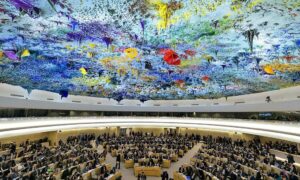
Informal consultations on the draft resolution on technical assistance and capacity-building to address the human rights implications of the nuclear legacy in the Marshall Islands
10 September 2024 | 9:00 – 10:30 CEST | Palais des Nations, Room XXIV
Fiji, Marshall Islands, Nauru, Samoa and Vanuatu
Conflict-Induced Climate Change | HRC57 Side Event
10 September 2024 | 11:00 – 12:00 CEST | Palais des Nations, Room XXV
International Action for Peace & Sustainable Development
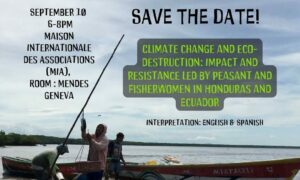
Climate Change and Eco-destruction: Impact and resistance led by peasant and fisherwomen in Honduras and Ecuador
10 September 2024 | 18:00 – 20:00 CEST | Maison Internationale des Associations, Room Mendes
FIAN International
Biodiversity and Human Rights: From Agreements to Action | HRC57 Side Event
11 September 2024 | 14:00 – 15:00 CEST | Palais des Nations, Room XXV
Soka Gakkai International, Earthjustice, Geneva Human Rights, Biodiversity and Land Task Force (GeHRBiL)
Justice and Reparation for Whistleblowers | HRC57 Side Event
11 September 2024 | 16:00 – 17:00 CEST | Palais des Nations, Room XXV
Institute for Human Rights
Informal consultations on the draft resolution on biodiversity and human rights
12 September 2024 | 9:00 – 10:30 CEST | Palais des Nations, Room XXIV
Colombia and Costa Rica
Informal consultations on the draft resolution on the human rights to safe drinking water and sanitation
12 September 2024 | 10:30 – 12:00 CEST | Palais des Nations, Room XXII
Germany and Spain
Arbitrary Detentions in the Context of COPs | HRC57 Side Event
12 September 2024 | 16:00 – 17:00 CEST | Palais des Nations, Room XXV
Institute for Reporters’ Freedom and Safety
Informal consultations on the draft resolution on the human rights to safe drinking water and sanitation
12 September 2024 | 16:30 – 18:00 CEST | Palais des Nations, Room XXII
Germany and Spain
Informal consultations on the draft resolution on technical assistance and capacity-building to address the human rights implications of the nuclear legacy in the Marshall Islands
13 September 2024 | 9:00 – 10:30 CEST | Palais des Nations, Room XXII
Marshall Islands, Fiji, Nauru, Samoa and Vanuatu

Toxics, Zero Waste, Women, and Human Rights | HRC57 Side Event
13 September 2024 | 13:00 – 14:00 CEST | Palais des Nations, Room XXIV
Türkiye, Sierra Leone, Suriname, SR toxics, GEN
Interactive Dialogue on the SG analytical study on climate change
13 & 16 September 2024 | 16:45 – 18:00 & 10:00 – 11:30 CEST | Palais des Nations, Room XX & Online
Interactive Dialogue with SR on water and sanitation
16 September 2024 | 11:30 – 13:00 & 15:00 – 16:30 CEST | Palais des Nations, Room XX & Online
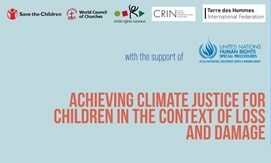
Achieving Climate Justice for Children in the Context of Climate Change | HRC57 Side Event
16 September 2024 | 13:00 – 14:00 CEST | Palais des Nations, Room XXV & Online
Save the Children, World Council of Churches, Child Rights Connect, Child Rights International Network, Terre des Hommes International Federation
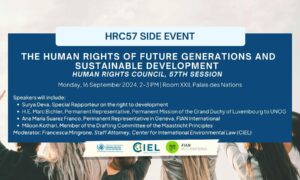
The Human Rights of Future Generations and Sustainable Development | HRC57 Side Event
16 September 2024 | 14:00 – 15:00 CEST | Palais des Nations, Room XXII
SR development, CIEL & FIAN
Informal consultations on the draft resolution on the mandate of the Special rapporteur on the promotion and protection of human rights in the context of climate change
16 September 2024 | 15:00 – 16:30 CEST | Palais des Nations, Room XXII
Marshall Islands, Bahamas, European Union, Fiji, Panama, Paraguay, Sudan
ID with IE on international order
16 September 2024 | 16:30 – 18:00 CEST | Palais des Nations, Room XX & Online
Informal consultations on the draft resolution on the human rights to safe drinking water and sanitation
16 September 2024 | 16:30 – 18:00 CEST | Palais des Nations, Room XXV
Germany and Spain
Informal consultations on the draft resolution on biodiversity and human rights
17 September 2024 | 9:00 – 10:30 CEST | Palais des Nations, Room XXIV
Colombia and Costa Rica
Interactive Dialogue with SR toxics and human rights
17 September 2024 | 12:30 – 13:00 & 15:00 – 16:30 CEST | Palais des Nations, Room XX & Online
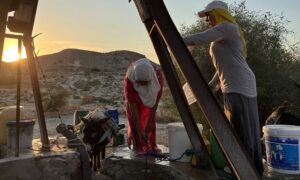
Water as a Common Good | HRC57 Side Event
17 September 2024 | 14:30 – 15:30 CEST | Palais des Nations, Room XXII
SR water and sanitation, Spain, Germany, End Water Poverty, ISHR, GEN
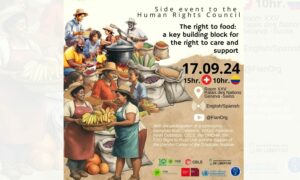
The Right to Food: A building Block for the right to care and support | HRC57 Side Event
17 September 2024 | 15:00 – 16:00 CEST | Palais des Nations, Room XXII
FIAN International
Interactive Dialogue with Expert Mechanism on right to development
18 September 2024 | 12:00 – 13:00 CEST | Palais des Nations, Room XX & Online
Interactive Dialogue with SR right to development
18 – 19 September 2024 | 12:00 – 12:30 & 10:00 – 11:00 CEST | Palais des Nations, Room XX & Online
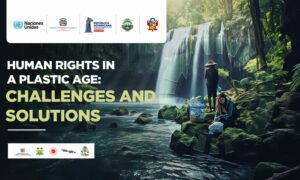
Human Rights in the Age of Plastics: Challenges and Solutions | HRC57 Side Event
18 September 2024 | 13:00 – 14:00 CEST | Palais des Nations, Room XXII
Dominican Republic & GEN
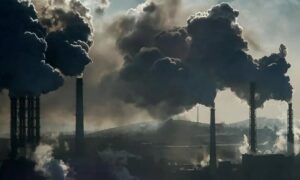
The Fundamental Need to Know: The Role of Pollution Information Portals | HRC57 Side Event
18 September 2024 | 14:00 – 15:00 CEST | Palais des Nations, Room XXII
SR toxics & human rights, USA, Mexico & GEN
Realizing the right to development: the case for a United Nations framework convention on international tax cooperation | Biennial Panel on the Right to Development
18 September 2024 | 15:00 – 17:00 CEST onwards | Palais des Nations, Room XX & Online
Agribusiness and Human Rights in South America | HRC57 Side Event
18 September 2024 | 15:00 – 16:00 CEST | Palais des Nations, Room XXV
European Center for Constitutional and Human Rights, Centro de Estudios Legales y Sociales (CELS) Asociación Civil, et al.
Informal consultations on the draft resolution on the mandate of the Special rapporteur on the promotion and protection of human rights in the context of climate change
19 September 2024 | 9:00 – 10:30 CEST | Palais des Nations, Room XXII
Marshall Islands, Bahamas, European Union, Fiji, Panama, Paraguay, Sudan
Informal consultations on the draft resolution on the right to development
19 September 2024 | 9:00 – 10:30 CEST | Palais des Nations, Room XXV
Uganda on behalf of the NAM Group
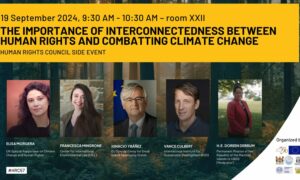
The Importance of Interconnectedness, on Human Rights and Climate Change | HRC57 Side Event
19 September 2024 | 9:30 – 10:30 CEST | Palais des Nations, Room XXII
Core Group on SR climate change mandate & SR climate change
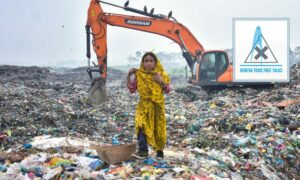
Gender and Toxics: Confronting environmental violence | Geneva Toxic Free Talks 2024
19 September 2024 | 10:00 – 11:00 CEST | Palais des Nations, H-307.2 & Online
SR toxics, Earthjustice, CIEL, ISHR, GEN
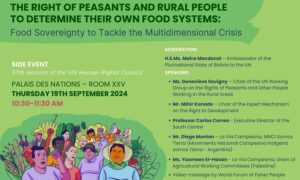
The Right of Peasants and Rural People to Determine Their Own Food and Agricultural Systems: Food Sovereignty to Tackle the Multidimensional Crisis | HRC57 Side Event
19 September 2024 | 10:30 – 11:30 CEST | Palais des Nations, Room XXV
Centre Europe – tiers monde
Interactive Dialogue with WG on rights of peasants and other people working in rural areas
19 September 2024 | 11:00 – 12:30 CEST onwards | Palais des Nations, Room XX & Online
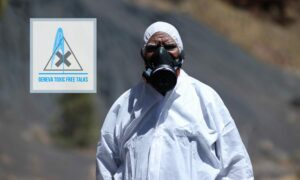
Asbestos Impacts on Indigenous Australians | Geneva Toxic Free Talks 2024
19 September 2024 | 11:00 – 12:00 CEST | Palais des Nations, H-307.2 & Online
SR toxics, Earthjustice, CIEL, GEN
Presentation of SG/HC thematic reports
19 September 2024 | 12:30 – 13:00 CEST | Palais des Nations, Room XX & Online
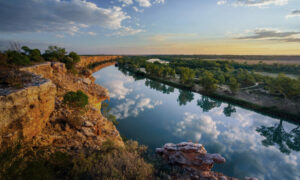
Children’s right to development: action pillars in times of crisis | HRC57 Side Event
19 September 2024 | 14:00 – 15:00 CEST | Palais des Nations, Room XXIV
India & SR development
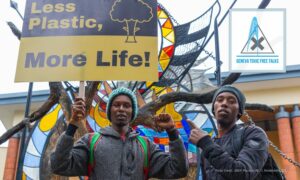
Human Rights in the Plastic Pollution Treaty | Geneva Toxic Free Talks 2024
19 September 2024 | 14:30 – 15:30 CEST | Palais des Nations, H-307.2 & Online
SR toxics, Earthjustice, CIEL, GEN
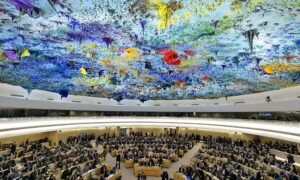
Informal consultations on the draft resolution on biodiversity and human rights
19 September 2024 | 16:30 – 18:00 CEST | Palais des Nations, Room XXIV
Colombia and Costa Rica
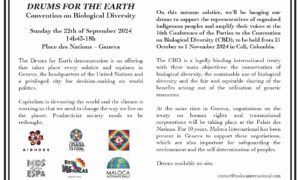
Drums for the Earth | Convention on Biological Diversity
22 September 2024 | 14:43 – 18:00 CEST | Place des Nations
Maloca Internationale
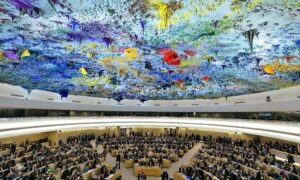
Informal consultations on the draft resolution on human rights and Indigenous Peoples
23 September 2024 | 10:30 – 12:00 CEST | Palais des Nations, Room XXII
Mexico and Guatemala
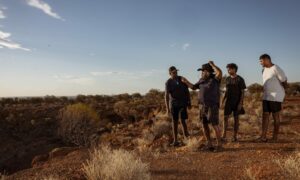
Rights of Indigenous Peoples & Environment | HRC57 Side Event
23 September 2024 | 13:00 – 14:00 CEST | Palais des Nations, Room XXV & Online
Earthjustice & Geneva Human Rights, Biodiversity and Land Task Force
Informal consultations on the draft resolution on human rights and Indigenous Peoples
23 September 2024 | 15:00 – 16:30 CEST | Palais des Nations, Room XXII
Mexico and Guatemala
Informal consultations on the draft resolution on human rights and Indigenous Peoples
24 September 2024 | 9:00 – 10:30 CEST | Palais des Nations, Room XXV
Mexico and Guatemala
Informal consultations on the draft resolution on human rights and Indigenous Peoples
24 September 2024 | 12:00 – 13:30 CEST | Palais des Nations, Room XXII
Mexico and Guatemala
Informal consultations on the draft resolution on the human rights to safe drinking water and sanitation
25 September 2024 | 9:00 – 10:30 CEST | Palais des Nations, Room XXV
Germany and Spain
Human Rights of Indigenous Peoples | HRC57 Side Event
25 September 2024 | 11:00 – 12:00 CEST | Palais des Nations, Room XXV
Oidhaco, Bureau International des Droits Humains – Action Colombie
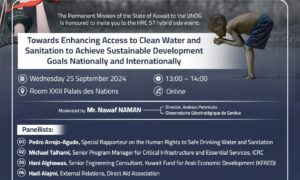
Towards Enhancing Access to Clean Water and Sanitation to Achieve Sustainable Development Goals Nationally and Internationally | HRC57 Side Event
25 September 2024 | 13:00 – 14:00 CEST | Palais des Nations, Room XXIII & Online
Kuwait
Drug control policies and respect for the rights, needs and cultural characteristics of Indigenous Peoples, including their traditional medicine, science and ancestral practices: the case of the critical review of the coca leaf | HRC57 Side Event
25 September 2024 | 14:00 – 15:00 CEST | Palais des Nations, Room XXIV
Bolivia and Colombia
Annual Panel on Rights of Indigenous Peoples
25 September 2024 | 15:00 – 17:00 CEST | Palais des Nations, Room XX & Online
Interactive Dialogue with Expert Mechanism on the Rights of Indigenous Peoples
26 September 2024 | 11:45 – 13:00 CEST | Palais des Nations, Room XX & Online
Interactive Dialogue with SR on rights of Indigenous Peoples
26 September 2024 | 16:15 – 18:00 CEST | Palais des Nations, Room XX & Online
Informal consultations on the draft resolution on human rights and Indigenous Peoples
26 September 2024 | 16:30 – 18:00 CEST | Palais des Nations, Room XXIV
Mexico and Guatemala
Informal consultations on the draft resolution on human rights and Indigenous Peoples
27 September 2024 | 9:00 – 10:30 CEST | Palais des Nations, Room XXII
Mexico and Guatemala
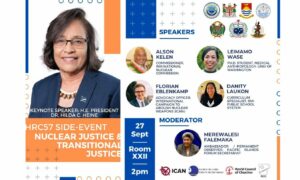
Nuclear Justice and Transitional Justice | HRC57 Side Event
27 September 2024 | 14:00 – 15:00 CEST | Palais des Nations, Room XXII
Marshall Islands
Informal consultations on the draft resolution on human rights and Indigenous Peoples
27 September 2024 | 16:30 – 18:00 CEST | Palais des Nations, Room XXII
Mexico and Guatemala
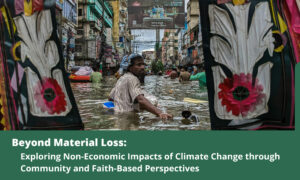
Beyond Material Loss: Exploring Non-Economic Impacts of Climate Change through Community and Faith-Based Perspectives
27 September 2024 | 16:00 – 17:30 CEST | Rue de Varembé, CAV
Geneva Interfaith Forum on Climate Change, Environment and Human Rights
Protecting the Right to Early Childhood Care and Education During Crisis
30 September 2024 | 13:30 – 14:45 CEST | UNESCO Geneva Liaison Office & Online, Zoom
UNESCO, UNICEF, Geneva Global Hub for Education in Emergencies, Colombia & Education Cannot Wait
Draft Proposals | Submission Deadline
2 October 2024 | 13:00 CEST
Informal Breakfast Meeting | Report Launch: Realising human rights as a critical contribution to confronting the triple planetary crisis
3 October 2024 | 8:30 – 9:30 CEST | Maison de la Paix, URG Office
URG & UNEP
Remedy for Climate-Induced Human Rights Harm | HRC57 Side Event
3 October 2024 | 14:00 – 15:00 CEST | Palais des Nations, Room XXV
CIEL, GeCCco & OHCHR
Enhanced Interactive Dialogue on nuclear legacy in the Marshall Islands
4 October 2024 | 11:00 – 13:00 CEST | Palais des Nations, Room XX & Online
Climate Change in the Context of Armed Conflict | HRC57 Side Event
7 October 2024 | 16:00 – 17:00 CEST | Palais des Nations, Room XXV
Association Ma’onah for Human Rights and Immigration
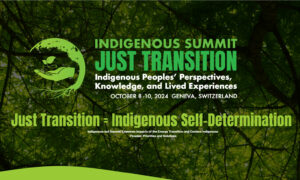
Indigenous Summit Just Transition | Indigenous Peoples’ Perspectives, Knowledge, and Lived Experiences
8 – 10 October 2024 | Ibis Geneva Centre Nations
IPGCC, SIRGE Coalition, Cultural Survival, First Peoples Worldwide, Batani Foundation, Society for Threatened Peoples, IWGIA
Decisions and Conclusions
9- 11 October 2024 | Palais des Nations, Room XX
Reports
Reports to be presented at HRC57 relating to the global environmental agenda are listed below. The full list of reports can be consulted on the HRC website.
- A/HRC/57/25 | Rights of Indigenous Peoples | UN High Commissioner for Human Rights
- A/HRC/57/30 (advance edited version)| Impact of loss and damage from the adverse effects of climate change on the full enjoyment of human rights | UN Secretary-General
- A/HRC/57/35 | Stocktaking report compiling existing procedures on the participation of Indigenous Peoples at the United Nations, highlighting existing gaps and good practices | Office of the UN High Commissioner for Human Rights
- A/HRC/57/37 | Impact of climate change on the equal enjoyment of the right to education by every girl | UN High Commissioner for Human Rights
- A/HRC/57/38 | Report of the Working Group on the Right to Development on its twenty-fifth session
- A/HRC/57/39 | Annual report of the Expert Mechanism on the Right to Development
- A/HRC/57/40 | Individual and collective dimensions of the right to development | Expert Mechanism on the Right to Development
- A/HRC/57/43 | Right to development of children and future generations | Special Rapporteur on the right to development
- A/HRC/57/43/Add.1 | Visit to Viet Nam | Special Rapporteur on the right to development
- A/HRC/57/47 | Indigenous persons with disabilities | Special Rapporteur on the rights of Indigenous Peoples
- A/HRC/57/47/Add.1 (Español, advance edited version) | Visit to Colombia | Special Rapporteur on the rights of Indigenous Peoples
- A/HRC/57/48 | Water and economy nexus: managing water for productive uses from a human rights perspective | Special Rapporteur on the human rights to safe drinking water and sanitation
- A/HRC/57/48/Add.1 (English, advance edited version)| Visit to Canada | Special Rapporteur on the human rights to safe drinking water and sanitation
- A/HRC/57/49 | Report of the Independent Expert on the promotion of a democratic and equitable international order
- A/HRC/57/49/Add.1 | Visit to Maldives | Independent Expert on the promotion of a democratic and equitable international order
- A/HRC/57/51 (English, advance edited version)| Report of the Working Group on the rights of peasants and other people working in rural areas
- A/HRC/57/52 | Pollution information portals: strengthening access to information on releases of hazardous substances | Special Rapporteur on the implications for human rights of the environmentally sound management and disposal of hazardous substances and wastes
- A/HRC/57/52/Add.1 | Visit to South Africa | Special Rapporteur on the implications for human rights of the environmentally sound management and disposal of hazardous substances and wastes
- A/HRC/57/52/Add.2 | Visit to Australia | Special Rapporteur on the implications for human rights of the environmentally sound management and disposal of hazardous substances and wastes
- A/HRC/57/62 | Constitutions, laws, legislation, policies, judicial decisions and other mechanisms through which States have taken measures to achieve the ends of the United Nations Declaration on the Rights of Indigenous Peoples, in accordance with article 38 of the Declaration | Expert Mechanism on the Rights of Indigenous Peoples
- A/HRC/57/64 | Annual report of the Expert Mechanism on the Rights of Indigenous Peoples
- A/HRC/57/65 | National institutions for the promotion and protection of human rights | UN Secretary-General
- A/HRC/57/77 (English, advanced edited version) | Addressing the challenges and barriers to the full realization and enjoyment of the human rights of the people of the Marshall Islands, stemming from the State’s nuclear legacy | Office of the United Nations High Commissioner for Human Rights
Resolutions and Decisions
Resolutions and decisions (found on the HRC57 website) relating to the global environmental agenda tabled or adopted at HRC57 and their subsequent decisions are listed below.
A summary of actions on the resolutions will be provided by the Geneva Centre for Human Rights Advancement and Global Dialogue.
- A/HRC/57/L.9 | Promotion of a democratic and equitable international order | Adopted (Yes 27 | No 15 | 5 Abstentions)
Algeria, Belarus, Bolivia (Plurinational State of), China, Cuba, Democratic People’s Republic of Korea, Egypt, Eritrea, Ethiopia, Kenya, Malaysia, Namibia, Nicaragua, Philippines, Russian Federation, Syrian Arab Republic and Venezuela (Bolivarian Republic of)
Stresses adequate financing and capacity-building for and technology transfer to developing countries, especially in relation to climate adaptation; reaffirms that a democratic and equitable international order includes the realization of the right of every human being and all peoples to a healthy environment and that enhanced international cooperation that responds effectively to the needs for assistance of national efforts to adapt to climate change - A/HRC/57/L.14 | Technical assistance and capacity-building to address the human rights implications of the nuclear legacy in the Marshall Islands | Adopted (without a vote)
Australia, Austria, Costa Rica, Fiji, Germany, Ireland, Kazakhstan, Kiribati, Luxembourg, Malta, Marshall Islands, Micronesia (Federated States of), Nauru, Netherlands (Kingdom of the), New Zealand, Philippines, Samoa and Vanuatu
Requests OHCHR to cooperate with the Government of the Marshall Islands in the field of human rights and to provide technical assistance and capacity-building to the National Nuclear Commission of the Marshall Islands in advancing its national strategy for nuclear justice and determining its technical assistance and capacity-building needs to pursue transitional justice in its efforts to address the nuclear legacy; requests OHCHR to prepare a report on the matter to be submitted to the Council at its sixty-third session. - A/HRC/57/L.19 | Right to development | Adopted (Yes 29 | No 14 | 4 Abstentions)
Uganda on behalf of the Non-Aligned Movement Group
Requests the Special Rapporteur and the members of the Expert Mechanism to participate in relevant international dialogues and policy forums relating to the implementation of the 2030 Agenda, including the high-level political forum on sustainable development, financing for development, climate change and disaster risk reduction with a view to enhancing the integration of the right to development in these forums and dialogues. - A/HRC/57/L.23/Rev.1 | Human rights to safe drinking water and sanitation | Adopted (without a vote)
Albania, Andorra, Armenia, Austria, Belgium, Bolivia (Plurinational State of), Bulgaria, Chile, Colombia, Costa Rica, Croatia, Cyprus, Czechia, Denmark, Ecuador, Estonia, Finland, France, Georgia, Germany, Greece, Hungary, Iceland, Ireland, Italy, Latvia, Lithuania, Luxembourg, Malta, Marshall Islands, Micronesia (Federated States of), Monaco, Montenegro, Namibia, Netherlands (Kingdom of the), North Macedonia, Norway, Peru, Philippines, Poland, Portugal, Romania, San Marino, Serbia, Slovakia, Slovenia, South Africa, Spain, Sweden, Switzerland, Ukraine, Vanuatu and State of Palestine
Recalling all Human Rights Council resolutions on climate change and human rights and on human rights and the environment, including Council resolution 48/13 and General Assembly resolution both entitled “The human right to a clean, healthy and sustainable environment”; recognizing that implications of climate change-related impacts and environmental damage for the enjoyment of the human rights to safe drinking water and sanitation are felt most acutely by those segments of the population that are already in marginalized and vulnerable situations. - A/HRC/57/L.26 | Biodiversity and human rights | Adopted (without a vote)
Armenia, Belgium, Colombia, Costa Rica, Croatia, Ecuador, Ireland, Luxembourg, Marshall Islands, Namibia, Peru, Portugal, Samoa and United Kingdom of Great Britain and Northern Ireland
Requests OHCHR to increase its support, technical assistance and capacity-building for States, with their consent, to implement approaches that integrate the promotion and protection of human rights in the context of conservation of biological diversity; encourages the strengthening of means of implementation, as well as of all forms of technical and scientific cooperation, to contribute to the full and effective implementation of the Kunming-Montreal Global Biodiversity Framework; requests the OHCHR to conduct a global analytical study on the implementation of a human-rights based approach into the goals and targets of the Kunming-Montreal Global Biodiversity Framework - A/HRC/57/L.29/Rev.1 | Human rights and Indigenous Peoples | Adopted (without a vote)
Australia, Bolivia (Plurinational State of), Canada, Colombia, Costa Rica, Cyprus, Denmark, Ecuador, Estonia, Finland, Germany, Greece, Guatemala, Iceland, Ireland, Lithuania, Luxembourg, Marshall Islands, Mexico, Namibia, Norway, Paraguay, Peru, Philippines, Spain, Sweden, Ukraine and United States of America
Decides that the theme of the annual half-day panel discussion on the rights of Indigenous Peoples, to be held during the sixtieth session of the Human Rights Council, will be on the rights of Indigenous Peoples in the context of a just transition to sustainable energy systems, including in relation to critical minerals - A/HRC/57/L.30 | Youth and Human Rights | Adopted (without a vote)
Albania, Andorra, Armenia, Belgium, Bulgaria, Chile, Costa Rica, Côte d’Ivoire, Croatia, Cyprus, Ecuador, Egypt, El Salvador, France, Georgia, Greece, Guatemala, Israel, Italy, Japan, Lithuania, Luxembourg, Malta, Marshall Islands, Monaco, Montenegro, Morocco, Namibia, North Macedonia, Paraguay, Peru, Philippines, Portugal, Republic of Moldova, Romania, San Marino, Spain, Tunisia and Uzbekistan
Welcomes the panel discussion entitled “Young people’s engagement with climate change and global environmental decision-making processes”, held at HRC54 - A/HRC/57/L.31 | Mandate of the Special rapporteur on the promotion and protection of human rights in the context of climate change | Adopted (without a vote)
Albania, Austria, Bahamas, Belgium, Bulgaria, Colombia, Croatia, Cyprus, Czechia, Denmark, Ecuador, Estonia, Fiji, Finland, France, Georgia, Germany, Greece, Hungary, Iceland, Ireland, Italy, Latvia, Lithuania, Luxembourg, Malta, Marshall Islands, Monaco, Montenegro, Namibia, Netherlands (Kingdom of the), North Macedonia, Panama, Paraguay, Poland, Portugal, Romania, San Marino, Slovakia, Slovenia, Spain, Sudan, Sweden, Switzerland and Ukraine
Decides to extend for a period of three years the mandate of Special Rapporteur on the promotion and protection of human rights in the context of climate change; welcomes the close coordination established between the Special Rapporteur on the promotion and protection of human rights in the context of climate change and other United Nations mechanisms and procedures in the field of human rights
Call for Submissions
Special Procedures
The special procedure mandate-holders are independent human rights experts who help advance human rights, by reporting and advancing from a country-specific or thematic perspective, some of which are related to the environment. Calls for submissions are made to help mandate-holders prepare their reports to the Human Rights Council.
Videos and Highlights
Videos and highlights of related events are featured in this section.
10 September 2024 | Climate Change and Eco-destruction: Impact and resistance led by peasant and fisherwomen in Honduras and Ecuador
11 September 2024 | Biodiversity and Human Rights: From Agreements to Action | HRC57 Side Event
11 September 2024 | Justice and Reparation for Whistleblowers | HRC57 Side Event
12 September 2024 | Arbitrary Detentions in the Context of COPs | HRC57 Side Event
13 September 2024 | Toxics, Zero Waste, Women, and Human Rights | HRC57 Side Event
16 September 2024 | Achieving Climate Justice for Children in the Context of Climate Change | HRC57 Side Event
16 September 2024 | The Human Rights of Future Generations and Sustainable Development | HRC57 Side Event
17 September 2024 | Water as a Common Good | HRC57 Side Event
18 September 2024 | Human Rights in the Age of Plastics: Challenges and Solutions | HRC57 Side Event
18 September 2024 | The Fundamental Need to Know: The Role of Pollution Information Portals | HRC57 Side Event
19 September 2024 | The Importance of Interconnectedness, on Human Rights and Climate Change | HRC57 Side Event
19 September 2024 | Gender and Toxics: Confronting Environmental Violence | Geneva Toxic Free Talks 2024
19 September 2024 | Asbestos Impacts on Indigenous Australians | Geneva Toxic Free Talks 2024
19 September 2024 | Human Rights in the Plastic Pollution Treaty | Geneva Toxic Free Talks 2024
23 September 2024 | Rights of Indigenous Peoples & Environment | HRC57 Side Event
25 September 2024 | Towards Enhancing Access to Clean Water and Sanitation to Achieve Sustainable Development Goals Nationally and Internationally | HRC57 Side Event
27 September 2024 | Nuclear Justice and Transitional Justice | HRC57 Side Event
27 September 2024 | Beyond Material Loss: Exploring Non-Economic Impacts of Climate Change through Community and Faith-Based Perspectives
Links and Resources
- 57th session of the UN Human Rights Council
- UNOG Library | Conference Primer – HRC57
- GCHRAGD | Updates on HRC57
- ISHR | HRC57 | Key issues on agenda
- URG | Inside Track: HRC57
- GEN | Human Rights and the Environment
News and Updates
- Decisive action required to realise right to development of children and future generations: UN expert | OHCHR | 18 September 2024
- Strengthen access to information on release of hazardous substances to reduce pollution and exposure: UN expert | OHCHR | 17 September 2024
- Water must be managed as a common good and made accessible to all: UN expert | OHCHR | 16 September 2024
Past HRC Sessions
Environment @ HRC56 | Environment @ HRC55 | Environment @ HRC54 | Environment @ HRC53 | Environment @ HRC52 | Environment @ HRC51 | Environment @ HRC50 | Environment @ HRC49 | Environment @ HRC48 | Environment @ HRC47 | Environment @ HRC46 | Environment @ HRC45 | Environment @ HRC44 | Environment @ HRC43
Who to Follow on X
@UN_HRC | UN Human Rights Council
@Morocco_UNOG | Permanent Mission of the Kingdom of Morocco to the United Nations Office at Geneva, President of the Human Rights Council in 2024
@F_Ruddyard | H.E. Amb. Febrian Ruddyard, Permanent Representative of Indonesia to the United Nations Office at Geneva, Vice-President of the Human Rights Council in 2024
@DStaniulis1 | H.E. Amb. Darius Staniulis, Permanent Representative of Lithuania to the United Nations Office at Geneva, Vice-President of the Human Rights Council in 2024
@marceloscappini | H.E. Amb. Marcelo Eliseo Scappini Ricciardi, Permanent Representative of Paraguay to the United Nations Office at Geneva, Vice-President of the Human Rights Council in 2024
@SchroderusFox | H.E. Amb. Heidi Schroderus-Fox, Permanent Representative of Finland to the United Nations Office at Geneva, Vice-President of the Human Rights Council in 2024
@UNHumanRights | The Office of the High Commissioner for Human Rights (UN Human Rights)
@volker_turk | UN High Commissioner for Human Rights
@NadaNashif | United Nations Deputy High Commissioner for Human Rights
@SREnvironment | Astrid Puentes Riaño, SR on the right to a clean, healthy, and sustainable environment (also @astridpuentes)
@SRclimatechange | Elisa Morgera, SR on the promotion and protection of human rights in the context of climate change
@SRtoxics | Marcos Orellana, SR on toxics and human rights
@RelatorDd | José Francisco Calí Tzay, SR indigenous peoples
@SRWatSan | Pedro Arrojo Agudo, SR on rights to water and sanitation
@MichaelFakhri | Michael Fakhri, SR on right to food
@AXanthaki | Alexandra Xanthaki, SR on cultural rights
@SRpoverty | Olivier De Schutter, SR on poverty and human rights (also @DeSchutterO)
@ISHRglobal | The International Service for Human Rights
@FranciscansIntl | Franciscans International
@Geneva_Academy | Geneva Academy of International Humanitarian Law and Human Rights
@hrw | Human Rights Watch
@URGthinktank | Universal Rights Group (URG)
@YvesLador | Special Representative of Earthjustice in Geneva
@duycks | Senior Attorney – Climate and Energy Programme at the Center for International Environmental Law
@katha_nina | Katharina Rall, Senior Environment Researcher at Human Rights Watch
@ChildRightsCnct | Child Rights Connect
@CERI_Coalition | Children’s Environmental Rights Initiative (CERI)
@CRINwire | Child Rights International Network