Update
Indigenous Peoples and the Role of Geneva
In 1982, the United Nations General Assembly proclaimed 9 August as International Day of the World's Indigenous Peoples, commemorating the day of the first meeting of the United Nations Working Group on Indigenous Populations of the Sub-Commission on the Promotion and Protection of Human Rights, held in Geneva in 1982. This update provides an overview of the role of International Geneva in protecting, promoting, and upholding the rights, practices, customs, and knowledge of Indigenous Peoples, in relation to the environment.
Indigenous Peoples and the Environment
As defined by the United Nations, Indigenous Peoples are inheritors and practitioners of unique cultures and ways of relating to people and the environment. They have retained social, cultural, economic and political characteristics that are distinct from those of the dominant societies in which they live. Despite their cultural differences, Indigenous Peoples from around the world share common problems related to the protection of their rights as distinct peoples.
Climate change, deforestation, pollution, development and loss of diversity are serious threats to Indigenous Peoples due to their dependence on the environment and the resources of the lands and territories. It causes the loss of traditional knowledge, disintegrating traditional governance structures and their cultures.
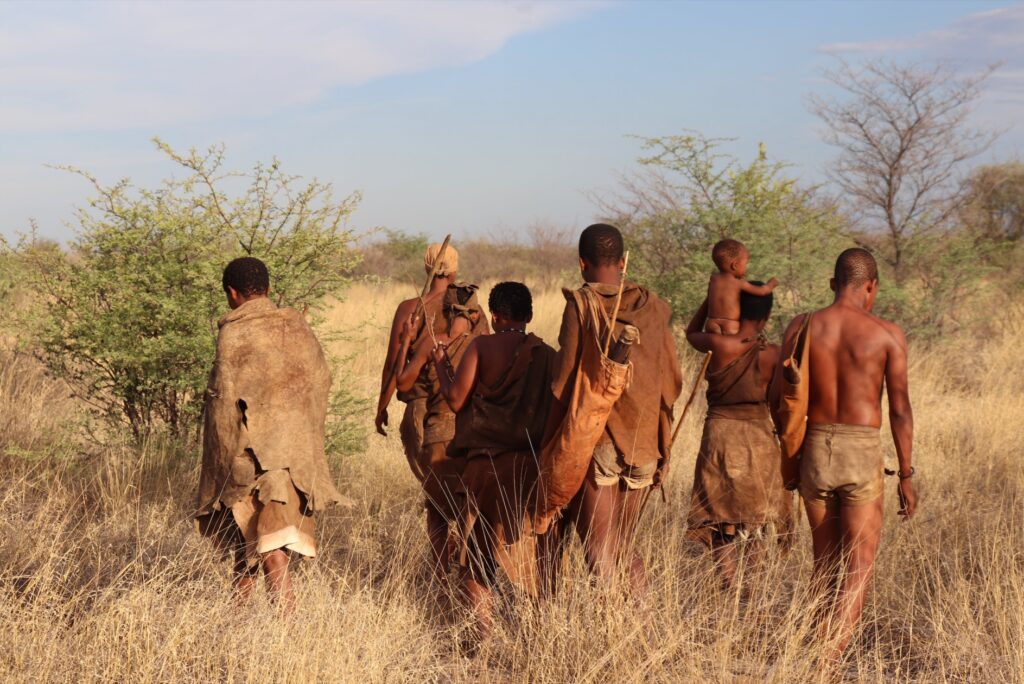
Bushmen Indigenous People, Botswana © Pablo Arturo López Guijosa, UNEP/GEN
Although they comprise less than five per cent of the world population, Indigenous Peoples protect 80 per cent of the world’s biodiversity in the ecosystems in which they have lived for centuries. With an estimated 476 million individuals in over 90 countries, Indigenous Peoples are inheritors and practitioners of unique cultures and ways of relating to people and the environment. They speak a vast majority of the world’s estimated 7,000 languages and represent 5,000 different cultures. There is a large overlap between Indigenous Peoples’ areas and areas with very high biodiversity, both in tropical forests and other biodiversity-rich ecosystems. Their social, cultural, economic and political characteristics distinguish them from those of the dominant societies in which they live, however, they share common problems related to protecting their rights as distinct peoples, therefore the environment. They face discrimination because of their distinct cultures, identities and ways of life, and are disproportionately affected by poverty and marginalisation, accounting for 15 per cent of the world’s poorest population.
International Day Observance
In 1990, the United Nations General Assembly proclaimed 1993 the International Year of the World’s Indigenous Peoples, and on 23 December 1994, the United Nations General Assembly decided, in its resolution 49/214, that the International Day of the World’s Indigenous Peoples shall be observed on 9 August every year. This day is celebrated to raise awareness of the needs of Indigenous population groups, in commemoration of the day of the first meeting of the United Nations Working Group on Indigenous Populations of the Sub-Commission on the Promotion and Protection of Human Rights, held in Geneva in 1982. On this day, people from around the world are encouraged to spread the United Nation’s message on the protection and promotion of the rights of Indigenous Peoples.
2026 Theme: Honouring Indigenous Midwives: Safeguarding Life and Well-being
Indigenous knowledge systems have sustained the well-being of Indigenous Peoples for generations. Rooted in holistic worldviews that connect territory, spirituality, community and ways of life, they encompass values, practices and forms of care that have been developed and passed on over time.
Indigenous midwifery is a powerful expression of these knowledge systems, supporting the transmission of knowledge, strengthening cultural identity, and ensuring the continuity of Indigenous Peoples’ ways of life . Yet, the practice of Indigenous midwifery remains impacted by structural barriers and discrimination that undermine the recognition of Indigenous knowledge systems within formal health frameworks and limit access to culturally appropriate care.
The upcoming International Day of the World’s Indigenous Peoples will put a spotlight on this through its theme, Honouring Indigenous Midwives: Safeguarding Life and Well-being.
Honouring Indigenous midwives is an opportunity to recognize their role as knowledge holders and caregivers, reaffirm the enduring value of Indigenous knowledge systems in safeguarding life, and advance culturally appropriate approaches to well-being for future generations.
International Decades of the World’s Indigenous Peoples
The United Nations General Assembly established the first International Decades of the World’s Indigenous Peoples from 1995 to 2004 (resolution 48/163), and the second from 2005 to 2014 (resolution 59/174), with the goal of strengthening international cooperation for solving problems faced by indigenous peoples in important areas such as human rights and the environment. The year 2022 marks the beginning of a new decade for the indigenous community: the celebration of the Decade of Indigenous Languages 2022 – 2032, following the celebration of 2019 as the International Year of Indigenous Languages.
United Nations Declaration on the Rights of Indigenous Peoples
The United Nations Declaration on the Rights of Indigenous Peoples (UNDRIP) was adopted by the General Assembly on 13 September 2007, establishing a universal framework of minimum standards for the survival, dignity and well-being of the Indigenous Peoples of the world. It is the most comprehensive instrument elaborating the rights of Indigenous Peoples and should be the critical starting point for any consideration of their individual and collective rights. Today, the Declaration is the most comprehensive international instrument on the rights of Indigenous Peoples, and it requires that free, prior and informed consent (FPIC) of Indigenous Peoples be obtained in matters of fundamental importance for their rights, survival, dignity, and well-being.

Sixty-first Session of the General Assembly, United Nations Headquarters, New York: Haya Rashed Al Khalifa (Bahrain), President of the General Assembly, presiding over the meeting during which the report of the Human Rights Council containing the United Nations Declaration on the Rights of Indigenous Peoples was considered © United Nations Office of Legal Affairs
Indigenous Peoples in International Environmental Treaties, Processes and Negotiations
Articles 18 and 41 of the UN Declaration on the Rights of Indigenous Peoples respectively affirm that indigenous people “have the right to participate in decision making in matters which would affect their rights” and that “ways and means of ensuring participation of Indigenous Peoples on issues affecting them shall be established”. As Indigenous Peoples have a direct and interdependent relationship with their environment, various environmental treaties, process, and negotiations have recognized the importance of Indigenous Peoples’ participation in them, as seen in the list below.
Biodiversity
Convention on Biological Diversity (CBD)
The CBD is an international legal framework adopted in 1992 that aims to uphold the conservation of biological diversity, the sustainable use of the components of biological diversity, and the fair and equitable sharing of the benefits arising out of the utilization of genetic resources.
The CBD recognizes the dependency of Indigenous Peoples and local communities on biological diversity and their unique role in conserving life on Earth. This recognition is enshrined in the preamble of the Convention and its provisions, including Article 8(j): Traditional Knowledge, Article 10(c): Customary Sustainable Use of Biodiversity, Article 17: Exchange of Information including its Repatriation, and Article 18(4): Technical and Scientific Cooperation including Indigenous and Traditional Technologies.
Convention on International Trade in Endangered Species of Wild Fauna and Flora (CITES)
CITES has recognized and promoted the engagement of Indigenous Peoples and local communities (including rural communities) in its various decisions since its 17th Conference of the Parties (CoP17).
At CoP19, Parties were invited to (a) engage Indigenous Peoples and local communities in CITES decision-making and implementation processes at the national level to better achieve the objectives of the Convention; and (b) share their experiences and lessons learned in engaging Indigenous Peoples and local communities in CITES processes with the Secretariat and other Parties.
Intergovernmental Science-Policy Platform on Biodiversity and Ecosystem Services (IPBES)
The IPBES rolling work programme up to 2030 recognizes the contribution of Indigenous and local knowledge (ILK) to the conservation and sustainable use of biodiversity and ecosystems as a cross-cutting issue relevant to all of its activities. objective focuses on implementing the approach to recognizing and working with indigenous and local knowledge in IPBES, considering the special needs of indigenous and local knowledge holders through the implementation of the participatory mechanism established under the approach, as well as taking into consideration the recommendations and findings set out in document IPBES/7/INF/8 and other relevant future IPBES processes.
As such, the IPBES established a task force on Indigenous and local knowledge systems, which will oversee and take part in the implementation of enhancing recognition of and work with Indigenous and local knowledge systems; support the Multidisciplinary Expert Panel in implementing the approach to recognizing and working with indigenous and local knowledge in IPBES; and guide the secretariat, including the dedicated technical support unit, in supporting the Panel in implementing the approach.
Much of IPBES’ work with Indigenous Peoples and local communities and ILK has been coordinated by the technical support unit (TSU) for Indigenous and local knowledge, hosted by the Local and Indigenous Knowledge Systems (LINKS) programme, based at UNESCO.
International Union for Conservation of Nature and Natural Resources (IUCN)
The IUCN has a long history of working with Indigenous Peoples both to promote recognition of their rights at policy level and to support their conservation activities on the ground. For decades Indigenous Peoples’ organisations were members as part of the civil society category at IUCN. But at the IUCN World Conservation Congress in 2016, the IUCN Members Assembly adopted a landmark decision for Indigenous Peoples and conservation. Members voted to create a new category of IUCN membership for Indigenous Peoples’ Organisations (IPO), strengthening the recognition of their rights, participation, voice and role in IUCN.
As a distinct and mobilised constituency within IUCN, IPO Members have can benefit from the self-determined Indigenous Peoples’ strategy that identifies joint priorities for advancing their rights and issues in conservation and engaging with each other and within IUCN moving forward. At the 2021 IUCN Congress, the Indigenous Peoples Member Organisations called for the recognition of Indigenous Peoples’ rights and governance over their lands and resources, which is part of a global agenda of Indigenous priorities for conservation action.
Ramsar Convention on Wetlands
The Ramsar Convention on Wetlands has a long-standing commitment to promote, recognize and strengthen the active participation of Indigenous Peoples, and local communities as key stakeholders for conservation and integrated wetland management (Resolution XII.2). Traditional knowledge, innovations and practices of Indigenous Peoples and local communities relevant for the wise use of wetlands and their customary use of wetland resources, are documented, respected, subject to national legislation and relevant international obligations and fully integrated and reflected in the implementation of the Convention.
WIPO Treaty on Intellectual Property, Genetic Resources and Associated Traditional Knowledge
Delegates at the World Intellectual Property Office (WIPO) Diplomatic Conference on Genetic Resources and Associated Traditional Knowledge that took place in Geneva from 13 to 24 May 2024 have adopted a historic treaty on Intellectual Property, Genetic Resources and Associated Traditional Knowledge, after 25 years of negotiations. This new Treaty will be the first from WIPO to include provisions specifically for Indigenous Peoples as well as local communities. Once it enters into force with 15 contracting parties, the Treaty will establish in international law a new disclosure requirement for patent applicants whose inventions are based on genetic resources and/or associated traditional knowledge.
Climate Change
UN Framework Convention on Climate Change (UNFCCC)
The Conference of the Parties of UNFCCC has recognized the need to strengthen knowledge, technologies, practices and efforts of local communities and indigenous peoples related to addressing and responding to climate change.
One of the key decisions taken during the 21st meeting of the Conference of Parties (COP 21) in Paris was the establishment of the Local Communities and Indigenous Peoples Platform (LCIPP) that allows ‘the exchange of experiences and sharing of best practices on mitigation and adaptation’, between local communities, indigenous peoples, countries and all other relevant stakeholders. Such a platform would mark a critical milestone in the global endeavor to strengthen knowledge, technologies, practices, and efforts of local communities and indigenous peoples in addressing climate change.
Pollution
Intergovernmental Negotiating Committee (INC) on Plastic Pollution
Through UN Environment Assembly (UNEA) resolution 5/14, the Assembly has requested the UNEP Executive Director to convene an INC to develop an international legally binding instrument on plastic pollution, including in the marine environment. UNEA has decided that the INC, in its deliberations, should consider “the best available science, traditional knowledge, knowledge of Indigenous Peoples and local knowledge systems” (4d).
In its discussion on Core Obligations, Control Measures and Voluntary Approaches in the INC’s second meeting, various obligations have highlighted the role and interests of Indigenous Peoples and of ILK in addressing waste management, use of alternatives and substitutes, facilitating just transition, protecting human health from the adverse effects of plastics, among others.
Minamata Convention on Mercury
In its fourth meeting, the Conference of the Parties (COP-4) to the Minamata Convention called upon parties to engage Indigenous Peoples, local communities and other relevant stakeholders in the development and implementation of national action plans to tackle the use of mercury in artisanal and small-scale gold mining (ASGM). COP-4 also requested the secretariat to compile views on the needs and priorities of Indigenous Peoples and local communities with regard to the use of mercury in ASGM.
The COP-4 decision also mandated an Open-ended Scientific Group to develop a scientific report in which it will compile, analyse and synthesize comparable mercury monitoring data, and an Effectiveness Evaluation Group (EEG) to oversee the development of the effectiveness evaluation report. Both Groups are asked to invite experts from Indigenous Peoples organizations to provide input to the development of these reports.
In its fifth meeting, the Conference of the Parties (COP-5) noted at its first decision the importance of broadening the participation of Indigenous Peoples, as well as local communities, in the implementation of projects and programmes undertaken under the Minamata Convention, recalling the relevance of their engagement in the work to reduce and eliminate mercury use in artisanal and small-scale gold mining (ASGM).
UN Bodies Mandated to Deal with Indigenous Peoples’ Issues
United Nations Permanent Forum on Indigenous Issues
The United Nations Permanent Forum on Indigenous Issues (UNPFII) is a high- level advisory body to the Economic and Social Council. The Forum was established on 28 July 2000 by resolution 2000/22, with the mandate to deal with indigenous issues related to economic and social development, culture, the environment, education, health and human rights.
Special Rapporteur on the rights of Indigenous Peoples
In 2001, the Commission on Human Rights appointed a Special Rapporteur on the rights of Indigenous Peoples. In 2019, this mandate got renewed, requesting the Special Rapporteur to “participate in relevant international dialogues and policy forums on the consequences that climate change has on Indigenous Peoples” and to “undertake thematic research and to develop cooperation dialogue with States, intergovernmental organizations, civil society and other stakeholders on effective and sustainable practices”. The current mandate holder is Albert K. Barume, a national of the Democratic Republic of the Congo and was among the first lawyers to work on Indigenous Peoples’ rights in the 1990s in Africa. He was appointed and took up the role in 2024.
Expert Mechanism on the Rights of Indigenous Peoples
The Expert Mechanism on the Rights of Indigenous Peoples (EMRIP) was established by the Human Rights Council, the UN’s main human rights body, in 2007, as a subsidiary body of the Council. Its mandate was then amended in September 2016 by the Human Rights Council. Composed of seven independent experts, the Expert Mechanism conducts studies to advance the promotion and protection of Indigenous Peoples’ rights by:
- clarifying the implications of key principles, such as self-determination and free, prior and informed consent,
- examining good practices and challenges in a broad array of areas pertaining to Indigenous Peoples’ rights,
- suggesting measures that States and others can adopt at the level of laws, policies and programmes.
Each year, the Expert Mechanism holds a five-day session in which representatives from states, Indigenous Peoples, Indigenous Peoples’ organizations, civil society, inter-governmental organizations and academia take part. The Expert Mechanism submits annual thematic studies to the Human Rights Council (HRC), discussed at the meeting. Thematic studies document findings on particular topics and provide guidance and recommendations for UN member States, civil society organisations and other stakeholders. The Expert Mechanism also produces a report each year on its annual session, and issues official reports and documents relating to the UNDRIP.
19th session of EMRIP
The 19th session of the Expert Mechanism on the rights of Indigenous Peoples (EMRIP) is convening at Palais des Nations, Assembly Hall from 13 to 17 July 2026. At this session, the Expert Mechanism will present the draft study examining the “Rights of Indigenous Peoples in conflict and post-conflict situation” (A/HRC/EMRIP/2026/2). The study highlights the disproportionate impact of conflict on Indigenous Peoples, including violence, displacement, environmental degradation and the erosion of cultural and governance systems, as well as pressure linked to climate change and resource competition.
Human Rights Council
The Human Rights Council is holding intersessional meetings to “continue to discuss and develop further steps and measures necessary to enable and to facilitate the participation of Indigenous Peoples’ representatives and institutions duly established by themselves in the work of the Human Rights Council,” following resolution 54/12. The objective of the meeting is to allow States, relevant United Nations agencies, funds and programmes, international organizations, Indigenous Peoples from the seven Indigenous sociocultural regions, national human rights institutions and civil society organizations to hold a dialogue on concrete ways to enhance the participation of Indigenous Peoples in the work of the Human Rights Council.
Two intersessional meetings have been organized: the first intersessional meeting was held on 18 and 19 July 2024, while the second intersessional meeting is scheduled to take place on 17 and 18 October 2024. Following the two intersessional meetings, the co-facilitators will work together with the Office of the High Commissioner for Human Rights to prepare a joint report on the discussions and outcomes of the meetings, including specific recommendations, to be presented to the Council before its fifty-ninth session.
ILO Convention concerning Indigenous and Tribal Peoples in Independent Countries, 1989 (No. 169)
The International Labour Organization (ILO) Convention No. 169 and its predecessor, ILO Convention concerning the Protection and Integration of Indigenous and Other Tribal and Semi-Tribal Populations in Independent Countries, 1957 (No. 107), are the only conventions specifically dealing with Indigenous Peoples rights. Convention No. 169 is fundamentally concerned with non-discrimination. While ultimately not as comprehensive as the Declaration, it covers Indigenous Peoples’ rights to development, customary laws, lands, territories and resources, employment, education and health. Moreover, it signalled, at the time of its adoption in 1989, a greater international responsiveness to Indigenous Peoples’ demands for greater control over their way of life and institutions. At the time of writing, ILO Convention No. 169 had been ratified by 22 countries, mainly in Latin America.
Addressing Conflation of “Indigenous Peoples” with “local communities”
In July 2023 during the 100-year commemoration of the Deskaheh mission’s attempt to reach the League of Nations in Geneva, the three mechanisms that deal with Indigenous Peoples’ Issues — the UN Permanent Forum on Indigenous Issues (UNPFII), UN Special Rapporteur on the Rights of Indigenous Peoples, and the UN Expert Mechanism on the Rights of Indigenous Peoples (EMRIP) — have raised concerns in a statement about the integrity and backdrop of the rights of Indigenous Peoples, after observing that in many conventions and processes, the term Indigenous Peoples has been used in conjunction with other ambiguous terms and groups such as “local communities.”
In fact, the characteristics, nature, and origins of the rights of Indigenous Peoples are very different from other groups. Therefore, Indigenous Peoples should not be grouped with an undefined set of communities that may have very different rights and interests.
The mechanisms therefore “urged all UN entities in their methods of work to refrain from conflating, associating, combining, or equating Indigenous Peoples with non-indigenous entities, such as minorities, vulnerable groups, or ‘local communities’.” They also request that all UN Member State parties to treaties related to the environment, biodiversity, and climate cease using the term “local communities” alongside “Indigenous Peoples,” so that the term “Indigenous Peoples and local communities” is no longer used.
Indigenous Peoples as Environmental Human Rights Defenders
Environmental defenders, many of whom are part of or represent Indigenous Peoples, remain highly vulnerable and under attack across the globe. Evidence suggests that as the climate crisis intensifies, violence against EHRDs also increases, whether through assaults, murders, intimidation, harassment, stigmatization, and criminalization. In 2021, 200 attacks against environmental defenders were recorded worldwide by the Global Witness, making an average of nearly four killings of environmental human rights defenders every week. Amongst these fatal attacks, 40% target Indigenous people, despite them only making up 5% of the world’s population.
As the field of human rights obligations related to a clean, safe, healthy and sustainable environment expands, the need to protect those who protect our environmental rights also becomes more urgent. As such, the international community in Geneva is taking steps to protect, promote, and uphold the rights of environmental defenders.
Role of Geneva
Various international and local organizations in Geneva – listed below in alphabetical order – are engaged in the protection of Indigenous Peoples and the environment.
Basel, Rotterdam and Stockholm Conventions
The severe and ongoing harm caused by environmental toxics to Indigenous women, girls, unborn generations and Indigenous Peoples as a whole, requires immediate attention. These toxics include pesticides and other Persistent Organic Pollutants, as well as chemicals produced by extractive industries (coal, oil, tar sands etc.), military installations and weapons testing, waste dumping and incineration, industrial processes, all phases of uranium mining, milling and waste storage. The Basel, Rotterdam and Stockholm Conventions deal with these issues. It is explicitly recognized under the Stockholm Convention that POPs affect, in particular, Arctic ecosystems and indigenous communities. The Secretariat of the Stockholm Convention, in partnership with the Arctic Monitoring Assessment Programme, carried out studies to evaluate the effectiveness of the measures taken to lower the impact of POPs pollution on the health of these populations. Because of their traditional ways of life, certain indigenous communities, who rely on natural resources like fish and marine mammals for their survival, are more subject to contamination from certain types of chemicals.
Convention on International Trade in Endangered Species of Wild Fauna and Flora (CITES)
CITES is a multilateral agreement aiming to ensure that international trade in specimens of wild animals and plants does not threaten their survival. As of today, it accords varying degrees of protection to more than 37,000 species of animals and plants, whether they are traded as live specimens, fur coats or dried herbs.
Indigenous Peoples and local communities are among the most active groups engaged in conserving and caring for much of our planet’s wildlife and ecosystems.
Ivonne Higuero, Secretary-General CITES
In 2021, UN World Wildlife Day was celebrated under the theme “Forests and Livelihoods: Sustaining People and Planet”, highlighting the role of Indigenous Peoples and local communities’ livelihoods and knowledge in the conservation of forests species and ecosystems.
Center for Documentation, Research and Information (Docip)
The Center for Documentation, Research and Information was created in 1978 on the initiative of indigenous delegations attending the first International Conference on the Rights of Indigenous Peoples, which was held at the United Nations in Geneva, in 1977. Docip is a Swiss not-for-profit foundation whose primary objective is to support Indigenous Peoples in defence of their rights, mainly within the framework of the UN and European institutions.
Expert Mechanism on the Rights of Indigenous Peoples (EMRIP)
The Expert Mechanism provides the Human Rights Council with expertise and advice on the rights of Indigenous Peoples. It also assists Member States in achieving the goals of the United Nations Declaration on the Rights of Indigenous Peoples.
Food and Agriculture Office in Geneva (FAO Geneva)
The FAO’s engagement with indigenous people is guided by the framework within the FAO Policy on Indigenous and Tribal Peoples (2010), within the overarching goal of eradicating hunger and malnutrition. Important studies and policy papers have been published by the organization including a manual on “Free Prior and Informed Consent: An Indigenous Peoples’ right and a good practice for local communities” and “Insights on sustainability and resilience from the front line of climate change“. The liaison office of the FAO in Geneva also engages on the topic by organizing timely events.
Global Initiative against Transnational Organized Crime (GITOC)
The Global Initiative against Transnational Organized Crime provides a platform to promote greater debate and innovative approaches, which serve as the building blocks to an inclusive global strategy against organized crime, including environmental crime. Indigenous Peoples play an important role in tackling organized environmental crime. They are on the frontlines of resisting the main industrial drivers of global biodiversity loss and climate breakdown, and they often face retribution and violence for doing so.
Group on Earth Observations (GEO) Indigenous Alliance
Indigenous Peoples were among the first to notice and understand complex changes in the environment around them. Today, their knowledge can provide valuable insights for addressing challenges like changes in Earth’s water systems. Recognizing the importance of rectifying this historical injustice and promoting meaningful collaboration, the GEO Indigenous Alliance was established by Indigenous leaders as an essential platform. Its creation was in recognition of the urgency to honor the rights, knowledge systems, and perspectives of Indigenous Peoples as key stakeholders in global efforts to understand, manage, and protect our planet.
The GEO IA recognizes that the active participation of Indigenous Peoples is not only a matter of inclusion, but a necessity for finding comprehensive and effective solutions to the world’s environmental challenges. Indigenous Peoples’ knowledge, passed down through generations, encompasses a holistic understanding of ecosystems, climate patterns, biodiversity, and sustainable resource management.
International Labour Organization (ILO)
The ILO has been engaged with indigenous and tribal peoples’ issues since the 1920s. It is responsible for the Indigenous and Tribal Peoples Convention (No. 169), adopted in 1989, which is the only international treaty open for ratification that deals exclusively with the rights of these peoples.
International Trade Centre (ITC)
ITC is a development agency dedicated to supporting the internationalization of small and medium-sized enterprises (SMEs). The agency enables SMEs in developing and transition economies to become more competitive and connect to international markets for trade and investment, thus raising incomes and creating job opportunities. Through its “Green to Compete” strategy, ITC supports SMEs to contribute to a nature-positive economy through conservation & sustainable use of biodiversity. Through its platform She Trades, the ITC builds capacity and supports indigenous women in trade and intellectual property.
International Union for Conservation of Nature (IUCN)
The International Union for Conservation of Nature, headquartered in Gland, plays a defining global role in the definition and management of indigenous and traditional peoples and protected areas through its Global Protected Area Programme. Additionally, the IUCN Commission on Environmental, Economic and Social Policy (CEESP) on the Theme of Human Wellbeing and Sustainable Livelihoods provides evidence that conservation led by Indigenous Peoples and local communities, based on their own knowledge systems and stewardship, is the best strategy for people and nature.
The rights of Indigenous Peoples and local communities underpin their central role in conservation, as leaders and custodians of biodiversity.
Marseille Manifesto, IUCN World Conservation Congress, Marseille 2021
Luc Hoffman Institute
The Luc Hoffmann Institute follows the principles of systems thinking, convening and co-creation to incubate and accelerate new ideas and approaches that will deliver significant gains for biodiversity. By convening a wide range of stakeholders, the institute is a leading catalyst for innovation and transformative change to maintain biodiversity. The role and contribution of indigenous communities and local peoples’ ecological knowledge, through the leadership of Indigenous Peoples’ community organizations, are more recognized and influential than in the past. Thus, in May 2022, the Luc Hoffman Institute published the report “Exploring Possible Futures for Conservation NGOs”, in which Indigenous Peoples and their legitimate representatives are regarded as stakeholders that must come to the fore in the future.
Mava Foundation
Founded by naturalist Luc Hoffman, MAVA supports conservation that benefits people and nature. MAVA accompanies key partners on their conservation journey, helping them develop the skills they need and strengthening their ability to deliver. Through the project “Conservation of the natural and cultural heritage in wetlands: Global leadership for an integrated approach through the Ramsar Convention” (March 2015 – March 2018), Mava Foundation supported the report “The relationship of Indigenous Peoples and local communities with wetlands” requested by the Conference of the Parties to the Ramsar Convention in Resolution XII.2, in 2015.
Office of the High Commissioner for Human Rights (UN Human Rights)
The Office of the High Commissioner for Human Rights (OHCHR) carries out a range of country-specific and regional activities to advance the rights of Indigenous Peoples. They have also published a fact sheet on Indigenous Peoples and the United Nations Human Rights System which provides an overview of the UN human rights system and the rights of Indigenous Peoples.
Partnership for Environment and Disaster Risk Reduction (PEDRR)
PEDRR is a global alliance of UN agencies, NGOs and specialist institutes seeking to promote and scale-up implementation of ecosystem-based disaster risk reduction and ensure it is mainstreamed in development planning at global, national and local levels. Around the globe, indigenous communities have faced disasters such as floods, earthquakes, tsunamis, landslides, typhoons, coastal erosion and drought, amongst others, which have caused enormous losses including of lives, property and sources of livelihood. Indigenous Peoples understand their environment and practice risk reduction strategies and methods that originated within their communities and have been enhanced and passed down over generations. Among other activities, PEDRR is advocating for an ambitious post-2020 biodiversity framework, notably through the promotion of Nature-based Solutions.
Ramsar Convention on Wetlands
The Ramsar Convention has a long-standing commitment to the full and effective participation of Indigenous Peoples and local communities in the management of wetlands. It was the first multilateral environmental agreement to use the term “Indigenous Peoples” in official documents, in line with UN standards since the adoption of the UN Declaration on the Rights of Indigenous Peoples. Although wetlands cover only around 6% of the Earth’s surface, they provide vital habitats for 40% of the world’s species. The Ramsar Strategic Plan 2016-2024 has become an important benchmark for the Convention’s policy with regard to Indigenous Peoples and local communities. Strategic goal 3 includes Target 10 on traditional knowledge, innovations and practices, and in Resolution XII.2, the Conference of the Parties “ENCOURAGES Parties to promote, recognize and strengthen active participation of indigenous peoples and local communities, as key stakeholders for conservation and integrated wetland management.”
UN Special Rapporteur on the Rights of Indigenous Peoples
In 2001, the Commission on Human Rights decided to appoint a Special Rapporteur on the Rights of Indigenous Peoples, as part of the system of thematic Special Procedures. The Special Rapporteur’s mandate was renewed by the Commission on Human Rights in 2004, and by the Human Rights Council in 2007.
Other special procedures can address the situation of indigenous rights in the field (e.g. Special Rapporteur on the rights of persons with disabilities, Special Rapporteur on the right to food, Special Rapporteur on human rights defenders, and more).
The Economics of Ecosystems and Biodiversity (TEEB)
TEEB is a global initiative focused on making nature’s values visible. Its principal objective is to mainstream the values of biodiversity and ecosystem services into decision-making at all levels. It aims to achieve this goal by following a structured approach to valuation that helps decision-makers recognize the wide range of benefits provided by ecosystems and biodiversity, demonstrates their values in economic terms and, where appropriate, captures those values in decision-making. Through different projects, it aims to strengthen indigenous practices.
United Nations Conference on Trade and Development (UNCTAD)
UNCTAD‘s member States address the protection of traditional knowledge as part of UNCTAD’s work in the area of trade and environment. Protecting the knowledge, innovations and practices of indigenous and local communities is important to ensure that the benefits of cumulative innovation associated with traditional knowledge accrue to its holders while enhancing their socio-economic development, as well as to prevent the improper appropriation of traditional knowledge with little or no compensation for its custodians and without their prior informed consent.
As part of its work on trade and the environment, UNCTAD has launched the BioTrade Initiative to support the objectives of the CBD. BioTrade refers to those activities of collection, production, transformation, and commercialization of goods and services derived from native biodiversity under the criteria of environmental, social and economic sustainability. Since 1996, the initiative has developed a unique portfolio of global, regional and country programmes as well as a network of partners and practitioners working in over 65 countries. It recognizes Indigenous Peoples and traditional knowledge through two of its criteria: Criterion 6.3 Rights of local and indigenous communities (territory, culture, knowledge) should be respected; and Criterion 7.3 Access to traditional knowledge should be granted only where prior informed consent has been granted.
United Nations Office for Disaster Risk Reduction (UNDRR)
In the context of Disaster Risk Reduction (DRR), Traditional Knowledge — referring to the knowledge, practices, and behaviors of Indigenous and local communities all around the world — lies in the accumulated experience that comes with the close relationship of Indigenous communities to their environment, formed through successive trials and errors over generations.
UNDRR has published Words into Action: Using Traditional and Indigenous Knowledges for Disaster Risk Reduction guide argues that we need the space for traditional and scientific knowledge to co-exist. It gives guidance in translating the Sendai Framework into credible and implementable actions for DRR with a focus on the application of Traditional and Indigenous Knowledges. It outlines possible ways in which this knowledge can be used to reduce, prepare for and respond to disasters and provides a methodology to include aspects of Traditional Knowledge in decision-making.
United Nations Economic Commission for Europe (UNECE)
UNECE promotes sustainable use and preservation of ecosystems by supporting the development of biodiversity conservation policies in the region, and the integration of nature conservation in sectoral policies. Through its Committee on Environmental Policy, UNECE provides collective policy direction in the area of environment and sustainable development, prepares ministerial meetings; develops international environmental law, and supports international initiatives in the region involving all stakeholders. The UNECE Convention on Access to Information, Public Participation in Decision-making and Access to Justice in Environmental Matters, also known as Aarhus Convention, was adopted on 25 June 1998 and it protects every person’s right to live in an environment adequate to their health and well-being. It establishes that sustainable development can be achieved only through the involvement of all stakeholders, linking thus environmental rights and human rights. Recent reports have highlighted serious threats to environmental defenders, working on land rights, Indigenous Peoples’ rights and environmental rights, including in Parties to the Aarhus Convention, thus, the topic remains on UNECE’s agenda.
The UN Voluntary Fund for Indigenous Peoples was established pursuant to General Assembly resolution 40/131 of 13 December 1985. Its scope has been expanded over the years in various resolutions to include participation in new UN mechanisms, sessions and processes. The Fund offers financial support in the form of grants. These grants aim to help representatives of indigenous communities and organizations to participate in UN mechanisms and processes most relevant to indigenous issues.
United Nations Programme on Reducing Emissions from Deforestation and Forest Degradation (UN-REDD)
The UN-REDD Programme is a collaborative initiative from the FAO, UNDP and UNEP. The programme supports nationally led REDD+ processes and promotes the informed and meaningful involvement of all stakeholders in national and international REDD+ implementation. By protecting forests, REDD+ mechanisms can not only maintain vital ecosystem services and preserve globally significant biodiversity but also sustain livelihood and mitigate climate change. UN-REDD has devised and implemented a wide range of policy instruments and development practices to help countries promote the participation and inclusion of Indigenous Peoples and local communities in forest-based climate solutions. It has also helped more than 30 countries establish participatory and inclusive platforms for REDD+ policies and processes. These platforms are key to continuing the participation of Indigenous Peoples and local communities through REDD+ financing, including performance payment schemes and emerging carbon market opportunities.
World Intellectual Property Organization (WIPO)
After 25 years of negotiations of WIPO’s Intergovernmental Committee (IGC) on an international legal instrument (or instruments) that will ensure the effective protection of traditional knowledge, traditional cultural expressions and genetic resources, WIPO delegates have adopted a new treaty on Intellectual Property, Genetic Resources and Associated Traditional Knowledge which includes provisions specifically for Indigenous Peoples as well as local communities. The new Treaty, once it enters into force, will require disclosure requirements for patent applicants whose inventions are based on genetic resources and/or associated traditional knowledge.
WIPO Traditional Knowledge Division carries out WIPO’s work on the intersection of intellectual property and genetic resources, traditional knowledge and traditional cultural expressions.
WWF International
WWF is one of the leading organizations in wildlife conservation and endangered species. Working in numerous countries around the globe, WWF collaborates with people to develop and deliver innovative solutions that protect communities, wildlife, and the places in which they live. WWF works to help local communities conserve the natural resources they depend upon; transform markets and policies toward sustainability, and protect and restore species and their habitats. This organization recognises that Indigenous Peoples are among the Earth’s most important stewards of natural resources, as well as the importance of conserving their cultures, working with many Indigenous Peoples and organizations to conserve and sustainably use natural resources and to advocate on issues of common concern.
GEN Events
Events that relate to the rights of Indigenous Peoples and the environment organized by the Geneva Environment Network can be found in this section.
Rights of Indigenous Peoples & Environment | HRC57 Side Event
23 September 2024
Earthjustice, International Service for Human Rights, Geneva Human Rights, Biodiversity and Land Task Force

CBD Side Event | Integrating Human Rights in the Future of Biodiversity Action
22 March 2022
United Nations Office of the High Commissioner for Human Rights

CBD Side Event | Applying a Human Rights-based Approach in the Post-2020 Global Biodiversity Framework
19 March 2022
Swedbio at SRC, FPP, Global Youth Biodiversity Network, ICCA Consortium, IIFB, W4B, UNEP, WWF, Natural Justice, OHCHR, CBD & Geneva Environment Network

CBD Side Event | How Can the New Global Biodiversity Framework (GBF) Be a Tool for Strengthening Rights-Based Forest Protection and Increased Funding for Indigenous Peoples?
18 March 2022
Forest Peoples Programme, Norway, Rainforest Foundation Norway

How Can We Better Protect and Promote Human Rights in the Post-2020 Global Biodiversity Framework? | High-Level Panel
8 December 2021
Forest Peoples Programme, Swedbio, International Indigenous Forum on Biodiversity, Global Youth Biodiversity Network, Geneva Environment Network, International Union for Conservation of Nature


HRC46 | Geneva Roadmap 40/11 | Environmental Human Rights Defenders | Milestones and Opportunities in 2021
9 March 2021
University of Geneva, Earthjustice, Geneva Environment Network, Norway

HRC43 Side Event | The Environmental Human Rights Defenders Crisis | Towards a Geneva Road Map
27 February 2020
Geneva Environment Network

Public Roundtable | Supporting environmental defenders: How can we mobilize the international community?
26 February 2020
University of Geneva
Learning

Introductory Course to the Convention on Biological Diversity (CBD)
Online | InforMEA


Introductory Course to the Ramsar Convention on Wetlands
Online | InforMEA


Training Module on Indigenous People's Issues | Facilitator's Handbook
Online | Secretariat of the United Nations Permanent Forum on Indigenous Issues | 2010
Links
General
- Indigenous peoples and their communities | UNEP
- UNEP and Indigenous Peoples: A Partnership in Caring for the Environment: Policy Guidance | UNEP | November 2012
- Indigenous Peoples and Environment | UNDESA
- WWF’s commitment to local and indigenous communities | WWF
- Systems and National Experiences for Protecting Traditional Knowledge, Innovations and Practices | UNCTAD | 2000
- Challenges and Opportunities for Indigenous Peoples’ Sustainability, Policy Brief 101 | UNDESA | April 2021
- Indigenous Peoples: “Isolation is a strategy of collective preservation” | OHCHR | 8 August 2024
Climate Change
- Resisting in the age of lithium: the right to a healthy environment in Indigenous territories in Chile | OHCHR | 27 February 2026
- Indigenous Peoples: Leaders in Climate Action | UNFCCC | 8 August 2024
Toxics and Pollution
- How to incorporate the UN Declaration on the Rights of Indigenous Peoples (UNDRIP) in the Global Plastics Treaty | Max Liboiron | Cambridge Prisms: Plastics | 20 May 2025
Nature and Biodiversity
- UN International Day of the World’s Indigenous Peoples: Indigenous tourism and cultural revitalization: impacts, opportunities and collaborative approaches | Courtney W. Mason, Rerekura Teaurere, Anna Carr | Frontiers in Sustainable Tourism | 3 July 2025
- For Nature-based Solutions to Be Effective, We Need to Work with Indigenous Peoples and Local Communities | IISD | 7 August 2024
- Conservation versus human rights: Kenya’s Ogiek dilemma | The New Humanitarian | 24 April 2024
- Where Indigenous land rights prevail in Brazil, so does nature, study finds | Luis Patriani | Mongabay | 6 April 2023
- Unsung heroes of conservation: Indigenous people fight for forests | UNEP | 5 April 2023
- Embedding Indigenous Knowledge in the Conservation and Restoration of Landscapes | World Economic Forum | 11 January 2023
- Labelling and certification schemes for Indigenous Peoples’ foods | FAO, Alliance of Bioversity International and CIAT | 2022
- Recognizing and empowering indigenous peoples and Local Communities as critical partners in forest solutions to the climate emergency | UN-REDD | March 2022
- Geneva Nature-based Solutions Dialogues | Geneva Environment Network
- Local Biodiversity Outlooks 2 | Forest Peoples Programme, in collaboration with: Centres of Distinction on Indigenous and Local Knowledge, Indigenous Women’s Biodiversity Network, International Indigenous Forum on Biodiversity, and Secretariat of the Convention on Biological Diversity.
- Indigenous and traditional peoples and protected areas | IUCN | 2000
- Indigenous and local communities and protected areas: towards equity and enhanced conservation | IUCN | 2004
- Indigenous peoples and the nature they protect | UNEP | 08 June 2020
- The relationship of indigenous peoples and local communities with wetlands | Ramsar Convention | 2018
Indigenous Knowledge and Data
- WIPO Member States Adopt Historic New Treaty on Intellectual Property, Genetic Resources and Associated Traditional Knowledge | WIPO | 24 May 2024
- Leading Database on Conservation by Indigenous Peoples and Local Communities Opens to Public | UNEP-WCMC | January 2024
The ICCA Registry is an online reporting platform for strengthening evidence on the conservation importance of ICCAs, alongside increasing global understanding and recognition of these vital areas and their custodians’ conservation practices. The database was made available to the public in January 2024.
Human Rights
- Declaration on the Rights of Indigenous Peoples | UN OHCHR | 2007
- Declaration on the Rights of Indigenous Peoples, FAQs | UN OHCHR | 2007
- Indigenous Peoples and the United Nations Human Rights System | Fact Sheet | UN OHCHR | 2013
- Promoting Greater Protection for Environmental Defenders Policy | UNEP
- Environmental Human Rights Defenders | GEN
- Human Rights and the Environment | GEN
- World Indigenous Peoples Day: Bridging past and future | Franciscans International | 9 August 2023
- Moving in the Rights direction: To successfully conserve nature requires empowered stewardship by Indigenous Peoples and local communities | IUCN | September 2021
Gender
- Gender and Forests The role of women as local indigenous knowledge holders in sustainable management of forests | UN-REDD | July 2022
- Addressing Women’s Rights, Gender Equality and the Future of Biodiversity in the Post-2020 Global Biodiversity Framework | Women4Biodiversity | December 2021
- Best Practices in Gender and Biodiversity | UNEP and CBD
- Indigenous Women and Environmental Violence | Submitted to the United Nations Permanent Forum on Indigenous Issues Expert Group Meeting “Combatting Violence Against Indigenous Women and Girls” | 18 – 20 January 2012