Nouvelle
Environment @ 60th Session of the UN Human Rights Council

Mise à jour: 08 Oct 2025
The 60th Regular Session of the Human Rights Council (HRC60) took place in Geneva from 8 September to 8 October 2025. This page highlights the environmental-related activities of this session.
The 60th regular session of the Human Rights Council took place in Geneva from 8 September to 8 October 2025. The Council proceedings can be viewed on UN TV. The meeting summaries are available on the UN Geneva website and the live-updated programme of work on Sched.
Key Highlights @ HRC60
This section provides a brief overview of highlights on the environment and human rights at the sixtieth session of the Human Rights Council.
Toxics and Human Rights
- The implications for human rights of the environmentally sound management and disposal of hazardous substances and wastes is the usual main environmental theme of the Council’s September sessions, with the annual report to the HRC of the UN Special Rapporteur on toxics and human rights, Marcos Orellana, on « Guidelines on access to justice and effective remedies in the context of toxics » (A/HRC/60/34).
- The 2025 edition of the Geneva Toxic Free Talks took place on 17 September 2025.
Rights to Safe Drinking Water and Sanitation
- The UN Special Rapporteur on the human rights to safe drinking water and sanitation, Pedro Arrojo Agudo, presented his report to the Council highlighting the water-energy nexus (A/HRC/60/30).
Climate Change
- Following Human Rights Council resolution 56/8 entitled “Human rights and climate change”, a synthesis report by the UN Secretary-General (A/HRC/60/52) on opportunities, best practices, actionable solutions, challenges and barriers relevant to a just transition and the full realization of human rights for all people was presented to the Council.
- The UN Independent Expert on promotion of a democratic and equitable international order, George Katrougalos, presented his report to the Council (A/HRC/60/31) that identifies major geopolitical trends and structural drivers of the North-South divide. The report identifies the nexus of climate injustice, environmental degradation, and depletion of natural resources, as well as the interplay of the debt and climate crises, as some of such trends and drivers.
- A resolution on sea level rise by the Dominican Republic and other Member States was adopted by the Human Rights Council (A/HRC/RES/60/20). The resolution recognizes the severe impacts of sea level rise driven by climate change, the resolution also recognizes that sea-level rise poses a serious threat to the full enjoyment of human rights, including the right to a clean, healthy and sustainable environment, and that that sea-level rise poses a particular threat to the rights of children and future generations.
Rights of Indigenous Peoples
- The annual half-day panel discussion on the rights of Indigenous Peoples in this session tackled the rights of Indigenous Peoples in the context of a just transition to sustainable energy systems, including in relation to critical minerals.
- The UN Special Rapporteur on the rights of Indigenous Peoples, Albert K. Barume, dedicated his annual report to the Human Rights Council to the theme “Recognition of Indigenous Peoples”.
Right to Development
- The UN Special Rapporteur on the right to development, Surya Deva, in his report to the Council (A/HRC/60/25) focused on the mutually reinforcing nexus between gender equality and the right to development, including matters related to climate change and environmental issues.
- A thematic study to be presented to HRC60 (A/HRC/60/95) by the Expert Mechanism on the Right to Development examined how the right to development principles can be effectively incorporated into established and emerging climate policies to promote climate justice and bolster responses to the climate crisis.
- The other thematic study (A/HRC/60/94) explored how the normative framework of the right to development can be operationalized in the different forms of development cooperation practices, including in climate financing, to ensure their effectiveness.
Other Topics
- The UN Special Rapporteur on the situation of human rights in Cambodia, Vitit Muntarbhorn, presented his report to the Council (A/HRC/60/86), focusing on the link between natural resources and human rights in Cambodia from the angle of the right to a clean, healthy and sustainable environment.
- The Human Rights Council Advisory Committee presented their report to the Council (A/HRC/60/63), addresses the full life cycle of new and emerging technologies in the military domain. In the report, the Advisory Committee highlighted that as these technologies evolve, addressing their environmental and human rights impacts is essential.
- Following the resolution by the Human Rights Council (A/HRC/RES/58/3), a biennial panel discussion was held in this session on the impact of unilateral coercive measures and overcompliance on the right to food and food security.
- The UN Working Group on Enforced or Involuntary Disappearances presented its thematic study to the Council (A/HRC/60/35/Add.4) on enforced disappearances in the context of the defence of land, environment and natural resources.
- The Working Group on the Rights of Peasants and other People Working in Rural Areas presented their report to the Council (A/HRC/60/33).
Opening Session
The 60th session of the Human Rights Council kicked off its four-and-a-half week session in Geneva with an oral update by the High Commissioner for Human Rights, Volker Türk, on the global state of human rights.
In his update, the High Commissioner expressed his regrets over the growing trend of some States retreating and withdrawing from multilateral frameworks, institutions and international agreements, including on climate change, human rights, as well as from achieving the Sustainable Development Goals & the 2030 Agenda.
He also highlighted how stakeholders beyond the government can step up for human rights. including, for example, the role of cities in integrating human rights into urban governance, and national human rights institution as an important defence against discrimination abuse and the erosion of rule of law. He specified the example of the work of a NHRI that highlighted the effects of fossil fuel on the human rights of marginalized communities.
In the face of « coordinated efforts to undermine human rights and rule of law around the world », the High Commissioner underscored the need for a cross-regional movement to defend the international system, as the only viable path to reach collective solutions to the existential threats we face today. He invited the Council to a new initiative of an alliance of Member States, philanthropists, civil society to strengthen human rights ecosystem.
Highlights
Human Rights, Toxic Substances and Waste
Though integral to almost all sectors of society, the lack of environmentally sound management of chemicals and waste can have long-lasting negative impacts on human health, society, and on the environment. Such negative impacts violate our human right to live in a clean, healthy, and sustainable environment. Human rights, toxic substances, and waste are discussed at the September session of the Human Rights Council.
Report | Guidelines on access to justice and effective remedies in the context of toxics
Lack of accountability is aggravating the increasing toxification of our planet and the resulting infringements of human rights such as the rights to life, health and a clean, healthy and sustainable environment. Individuals and groups exposed to hazardous substances and wastes (or toxics) suffer from reproductive injustices, neurological impairments, and several types of cancer, among other serious health conditions. However, impunity is the norm, rather than the exception, for polluters and for Governments that enable toxic pollution.
Access to justice and effective remedies in the context of toxics poses a global challenge for protecting human rights against the harmful effects of exposure to hazardous substances. Several barriers hinder victims’ access to justice and even impede victims in obtaining effective remedies in the context of toxics. This often results in impunity and highlights the need to strengthen normative frameworks and judicial and other mechanisms to ensure access to justice and remedies for victims of toxic exposure.
International human rights instruments and standards, including principles of due process, combined with multilateral environmental agreements, set the human rights obligations pertaining to environmental justice.
The UN Special Rapporteur on toxics and human rights, Marcos Orellana, presenting his report to the Council (A/HRC/60/34), examines human rights standards on access to justice and effective remedies in the context of toxics. He assesses the obstacles that victims face in accessing justice and remedies, identifies innovative strategies and good practices, and puts forward a set of 24 guidelines for overcoming those obstacles.
Interactive Dialogue
An interactive dialogue with the UN Special Rapporteur took place on 16 September 2025.
Reports on the Special Rapporteur Visit
The UN Special Rapporteur presented their report on their visit to Dominican Republic (A/HRC/60/34/Add.1, advanced edited version) and Samoa (A/HRC/60/34/Add.2). An interactive dialogue on the reports with the Special Rapporteur took place on 16 September 2025.
Highlights
Geneva Toxic Free Talks
Though integral to almost all sectors of society, the lack of environmentally sound management of chemicals and waste can have long-lasting negative impacts on human health, society, and on the environment.
The UN Special Rapporteur on toxics and human rights reports every fall to the Council and to the UN General Assembly on issues related to his mandate. The Geneva Toxic Free Talks aim to harness the opportunity of this moment of the year to reflect on the challenges posed by the production, use, and dissemination of toxics and on how Geneva contributes to bringing together the actors working in reversing the toxic tide.
On the sidelines of HRC60, the 2025 edition of the Geneva Toxic Free Talks is taking place on 17 September 2025, with conferences and discussions, highlighting the work of the Special Rapporteur and of organizations in the struggle for the right to live in a toxic-free environment.

Human Rights to Safe Drinking Water and Sanitation
Water and sanitation are recognized by the United Nations as human rights, reflecting the fundamental nature of these basics in every person’s life. Water access, lack, and related activities are found to have an important gender dimension, with women and girls collectively spending 200 million hours collecting water, which affects their education and working lives as well as their health and safety.
Report | Water and Energy Nexus
The water and energy nexus reflects a dual relationship: water is a key element for energy production and energy is crucial for ensuring access to safe, high-quality water and for managing its distribution across various uses. In that interconnection, water and energy systems not only support each other but also shape the possibilities for human well-being and environmental sustainability.
The UN Special Rapporteur on the human rights to safe drinking water and sanitation, Pedro Arrojo Agudo, presented his report to the Council highlighting the water-energy nexus (A/HRC/60/30). This nexus underscores a vital interdependence: energy is essential for ensuring access to safe water, while water is critical for energy production. Yet, current energy systems often violate human rights, degrade ecosystems and deepen social inequalities. Market-driven energy models prioritize profit over environmental integrity and human rights, sidelining marginalized communities. A double-just transition of water and energy systems must focus on human rights, protect aquatic ecosystems and ensure participatory governance. Crucially, a just and sustainable energy future is inseparable from a just and sustainable water future; both must advance together to uphold human rights for all.
Interactive Dialogue
An interactive dialogue with the UN Special Rapporteur took place on 15 and 16 September 2025.
Report on the Special Rapporteur Visit
The UN Special Rapporteur presented their report on their visit to Guinea-Bissau (A/HRC/60/30/Add.1, advanced edited version). An interactive dialogue on the report with the Special Rapporteur took place on 15 and 16 September 2025.
Highlights
Climate Change and Human Rights
Climate change is one of the greatest existential threats for people and the planet. Its harmful effects undermine the full enjoyment and realization of all human rights, posing a serious risk to the fundamental rights to life, health, food and an adequate standard of living of individuals and communities across the world and disproportionately affecting those who are already in situations of vulnerability. International Geneva as a global hub for environmental governance plays a key role in advancing a human rights-based approach to climate action.
Report | Synthesis report on opportunities, best practices, actionable solutions, challenges and barriers relevant to just transition and the full realization of human rights for all people
Underscoring the interlinkage between just transition and human rights, the Human Rights Council has, among other things, affirmed that prioritizing equity, climate justice, social justice, inclusion and just transition processes can enable adaptation and ambitious mitigation actions and climate-resilient development. It has reaffirmed that social security systems can help to support just transitions as well as reaffirmed the importance of international cooperation as an enabler of just transition pathways towards achieving the goals in the Paris Agreement, including through the scaling-up of investment flows and relevant financial support.
Following Human Rights Council resolution 56/8 entitled “Human rights and climate change”, the UN Secretary-General is presenting a synthesis report (A/HRC/60/52) on opportunities, best practices, actionable solutions, challenges and barriers relevant to a just transition and the full realization of human rights for all people.
Interactive Dialogue
An interactive dialogue on the report is took place on 17 September 2025.
Report | Major geopolitical trends and structural drivers of the North-South divide
The UN Independent Expert on promotion of a democratic and equitable international order, George Katrougalos, presented his report to the Council (A/HRC/60/31) that identifies major geopolitical trends and structural drivers of the North-South divide. The report identifies key factors at play, such as resurging territorial ambitions, protectionist trade policies, climate injustice, unsustainable debt burdens, and persistent digital and knowledge gaps. Multipolarity is portrayed as an opportunity for renewed multilateralism rooted in inclusivity, redistribution and human rights. Specifically, the report identifies the nexus of climate injustice, environmental degradation, and depletion of natural resources, as well as the interplay of the debt and climate crises, as some of such trends and drivers.
Interactive Dialogue
An interactive dialogue with the UN Independent Expert took place on 12 September 2025.
Geneva Rights and Climate Talks
In the face of the three interrelated environmental crises — climate change, loss of biodiversity, and pollution — the intensification of climate change-related extreme and slow-onset events constitutes one of the greatest threats to human rights, placing it at the forefront of the human rights agenda.
As climate change and human rights continue to be high on the agenda of the 60th session of the Human Rights Council (HRC60), such as the UN Secretary-General’s report on just transition, this series of the Geneva Rights and Climate Talks, reflected on the challenges posed by the impacts of climate change and the intertwined human rights implications. The talks are also an opportunity to discuss how Geneva contributes to bringing together the actors working towards placing human rights at the heart of climate action.

Rights of Indigenous Peoples and the Environment
Protecting 80% of the world’s biodiversity, Indigenous Peoples are inheritors and practitioners of unique cultures and ways of relating to people and the environment. However, as they face discrimination due to their culture or attacked as they defend their rights, protecting their human rights is an indispensable element in protecting the environment.
Report | Recognition of Indigenous Peoples
The UN Special Rapporteur on the rights of Indigenous Peoples, Albert K. Barume, dedicates his annual report to the Human Rights Council to the theme “Recognition of Indigenous Peoples » (A/HRC/60/29).
As far as Indigenous Peoples are concerned, they are sections of numerous national populations that have historically suffered, or continue to suffer, from prejudiced views that considered, or still consider, them and their cultures as inferior and not good enough to be equally protected by laws as peoples. They are traditional groups for whom the international legal regime on Indigenous Peoples’ rights was devised as a corrective mechanism. The UN Declaration on the Rights of Indigenous Peoples (UNDRIP) affirms that “all doctrines, policies and practices based on or advocating superiority of peoples or individuals based on national origin or racial, religious, ethnic or cultural differences are racist, scientifically false, legally invalid, morally condemnable and socially unjust” (Preamble).
Indigenous Peoples’ international legal regime seeks no more than equality; it aims at uplifting particularly marginalised sections of national populations so that they can enjoy all rights on an equal footing as the rest of their fellow citizens. Almost twenty years after the adoption of the UNDRIP, in 2007, several States in all regions of the world have made advances to identify and recognise Indigenous Peoples using criteria for identification. Constitutions, laws, policies and programmes have explicitly recognised Indigenous Peoples as rights-holders under international law. Domestic and regional courts have equally recognised Indigenous Peoples.
However, despite such valuable efforts, there are disparities in regional trends of recognition of Indigenous Peoples; and some States, particularly in Africa and Asia, are still reluctant to use the term ‘Indigenous Peoples’. In some cases, the human rights concept ‘Indigenous Peoples’ has been misunderstood as seeking to provide a privileged status to those who inhabited first a given land or territory in exclusion of or to the expense of others. This misunderstanding ignores the remedial nature of UNDRIP as a means to achieve equality.
The UN Special Rapporteur is concerned that misunderstandings regarding the recognition of Indigenous Peoples continue to hamper the implementation of UNDRIP and other international instruments on Indigenous Peoples’ rights. He therefore intends to examine ways and means of overcoming obstacles and promote best practices related to the recognition by States of Indigenous Peoples.
Interactive Dialogue
An interactive dialogue with the UN Special Rapporteur took place on 23 September 2025.
Annual Panel Discussion | Rights of Indigenous Peoples in the context of a just transition to sustainable energy systems, including in relation to critical minerals
Following the resolution adopted by the Council in its 57th session (A/HRC/RES/57/15), the theme of the annual half-day panel discussion on the rights of Indigenous Peoples, to be held during the sixtieth session of the Human Rights Council, was on the rights of Indigenous Peoples in the context of a just transition to sustainable energy systems, including in relation to critical minerals.
Indigenous Peoples have long been stewards of ecosystems that are now central to the global energy transition. Their territories are disproportionately affected by renewable energy development and mineral extraction, with a significant proportion of transition mineral projects located on or near Indigenous lands and territories. Mining and other extractive activities often proceed without the free, prior and informed consent of affected Indigenous Peoples’ communities, in contravention of the United Nations Declaration on the Rights of Indigenous Peoples, and frequently result in the loss of livelihoods, environmental degradation, and threats to cultural integrity and self-determination.
At the same time, Indigenous Peoples are leading innovative approaches to sustainable energy, offering knowledge systems and practices that are grounded in respect for nature and intergenerational responsibility. The contributions of Indigenous women in particular have been vital in preserving and transmitting scientific and technical knowledge that can support more inclusive, sustainable and equitable transitions.
Despite these contributions, policy and legal frameworks pertaining to the energy transition often fail to integrate Indigenous Peoples’ perspectives and rights. There is a need to develop standards that ensure the meaningful participation of Indigenous Peoples in all decisions affecting them and to ensure that benefit-sharing mechanisms are fair and effective. Current gaps in regulation and accountability frameworks leave Indigenous Peoples vulnerable to rights violations, particularly in the context of global demand for critical minerals such as lithium, cobalt and nickel.
This panel discussion explored how human rights-based approaches, anchored in the United Nations Declaration on the Rights of Indigenous Peoples, can help safeguard Indigenous Peoples’ rights in the context of the energy transition. It also highlighted emerging partnerships between Indigenous Peoples’ communities and the renewable energy industry.
The panel discussion took place on 24 September 2025.
Highlights
Right to Development and the Environment
Report | Nexus between gender equality and the right to development
The UN Special Rapporteur on the right to development, Surya Deva, in his report to the Council (A/HRC/60/25) focuses on the mutually reinforcing nexus between gender equality and the right to development, including matters related to climate change and environmental issues. He describes the ways in which gender equality for girls and women would lead to the realization of their right to development and how realizing their right to development would result in gender equality. Ensuring gender equality for girls and women would also contribute to creating a more inclusive, peaceful and sustainable world. The Special Rapporteur explains the ways in which various aspects of the right to development, such as the collective dimension, participation in decision-making, fair distribution, intersectionality and international cooperation, should be leveraged to achieve substantive gender equality in society.
The report also highlights the role of women human rights and environmental defenders and girl climate activists at the forefront of efforts to protect human rights, biodiversity and the environment and to achieve gender justice, climate justice, tax justice and corporate accountability.
Interactive Dialogue
An interactive dialogue with the Special Rapporteur is scheduled took place on 10 September 2025.
Report on the Special Rapporteur Visit
The UN Special Rapporteur presented their report on their visit to Honduras (A/HRC/60/25/Add.1). An interactive dialogue on the report with the Special Rapporteur is scheduled took place on 10 September 2025.
Thematic Study | Climate justice, sustainability and the right to development
In its thematic study to be presented to HRC60 (A/HRC/60/95), the Expert Mechanism on the Right to Development examines how the right to development principles can be effectively incorporated into established and emerging climate policies to promote climate justice and bolster responses to the climate crisis. The Expert Mechanism positions climate justice as both a foundational framework for guiding climate action and a central objective in tackling the crisis. The Expert Mechanism calls for aligning climate strategies with right to development principles to enhance legitimacy, bridge accountability gaps and deliver more equitable and impactful solutions.
Thematic Study | Operationalizing the right to development in international development cooperation
In its thematic study to be presented to HRC60 (A/HRC/60/94), the Expert Mechanism on the Right to Development explores how the normative framework of the right to development can be operationalized in the different forms of development cooperation practices, including in climate financing, to ensure their effectiveness. The Expert Mechanism identifies challenges and best practices across North-South, South-South and triangular cooperation, and discusses principles for enhancing their effectiveness by mainstreaming the right to development.
Interactive Dialogue
An interactive dialogue with the Expert Mechanism on the thematic studies is scheduled took place on 10 September 2025.
Rights of Peasants and Other People Working in Rural Areas and the Environment
The Working Group on the Rights of Peasants and other People Working in Rural Areas presented their report to the Council (A/HRC/60/33).
Interactive Dialogue
An interactive dialogue with the Working Group took place on 17 and 18 September 2025.
Other Themes
Biennial Panel Discussion | Impact of unilateral coercive measures and overcompliance on the right to food and food security
Following the resolution by the Human Rights Council (A/HRC/RES/58/3), a biennial panel discussion is to be held in this session on the impact of unilateral coercive measures and overcompliance on the right to food and food security.
The panel discussion is scheduled took place on 12 September 2025.
Report | Human rights implications of new and emerging technologies in the military domain
The Human Rights Council Advisory Committee is presenting their report to the Council (A/HRC/60/63), addresses the full life cycle of new and emerging technologies in the military domain. It examines how international human rights law informs decision-making on data collection and management, transparency, accountability, non-discrimination and rights protection. It outlines the applicable international legal frameworks for the design, development, deployment and oversight of such technologies and their potential dual use (military and non-military).
In the report, the Advisory Committee highlights that as these technologies evolve, addressing their environmental and human rights impacts is essential. They mention that it is also a human rights concern that new and emerging technologies in the military domain, particularly those using AI, consume large amounts of energy, generate significant carbon emissions and rely heavily on raw materials including nickel, cobalt and graphite, posing long-term risks, including to the right to a clean, healthy and sustainable environment.
Interactive Dialogue
An interactive dialogue with the Advisory Committee is scheduled to take place on 24-25 September 2025.
Report | Situation of natural resources and human rights in Cambodia
In his report to the Council (A/HRC/60/86), the UN Special Rapporteur on the situation of human rights in Cambodia, Vitit Muntarbhorn, intends to focus on the link between natural resources and human rights in Cambodia from the angle of the right to a clean, healthy and sustainable environment. Of particular interest are elements relating to land (including forestry, food production and agriculture), water (including water for consumption, and protection of water sources, lakes, rivers and sea) and air (including clean air and climate change).
Interactive Dialogue
An interactive dialogue with the UN Special Rapporteur is scheduled to take place on 3 October 2025.
Thematic Report | Enforced disappearances in the context of the defence of land, environment and natural resources
In its thematic study submitted to the Council (A/HRC/60/35/Add.4), the Working Group on Enforced or Involuntary Disappearances examines the contextual factors in which enforced disappearances have occurred in relation to the defence of land, natural resources and the environment. It highlights how enforced disappearances are used as a tool to target human rights defenders, communities, Indigenous Peoples and other actors who advocate for the preservation of their land and natural resources or resist or protest against environmentally harmful projects, and the impact that has on individuals, families, communities and countries. The study also examines the role of various actors, including non-State actors, particularly enterprises, in enforced disappearances.
Violence, including enforced disappearances, against defenders of land, natural resources and the environment is often rooted in legal and political frameworks that privilege corporate and economic development objectives over human rights obligations. These systemic issues are exacerbated by insufficient legal protections, permissive or underimplemented regulations, and limited institutional access for defenders in remote or marginalized areas. Impunity and corruption, along with collusion among State and non-State actors, including enterprises, contribute to an environment where such violations occur with limited accountability. Criminalization, stigmatization and false charges are frequently used to discredit and suppress defenders of land, natural resources and the environment, particularly in the context of foreign investment and large-scale development projects. Most of these defenders, such as women, Indigenous Peoples, elders and community leaders, among others, face specific and intersectional threats.
In the study, the Working Group highlights the challenges, best practices and measures adopted by States to prevent and address enforced disappearances in the context of the defence of land, natural resources and environment, to search for the disappeared, to investigate, identify, prosecute and sanction those responsible and to provide adequate measures of reparation. It concludes by making recommendations to States, the private sector and financial institutions.
Interactive Dialogue
An interactive dialogue with the UN Independent Expert is scheduled took place on 16 and 17 September 2025.
Events
Date and time of some events subject to change on the live-updated programme of work on Sched.


HRC60 Info-Sharing Session | Human Rights and the Environment
21 August 2025 | 10:00 – 11:00 CEST | IEH1, Room 2 & Online, Webex

Organizational meeting for the 60th session of the Human Rights Council
25 August 2025 | 15:00 – 18:00 CEST | Palais des Nations, Room XX & Online

Inscription on the lists of speakers | NGOs
2 September | 14:00 CEST
2025 Geneva Dialogues on Human Rights and Climate Change: The Role of Geneva in Building on the Historic Advisory Opinions on Climate Change
3 September 2025 | 15:00 – 17:00 CEST | Palais des Nations, Room XXIII & Online
Marshall Islands, Vanuatu, Luxembourg, CIEL, OHCHR, Earthjustice, FES & GEN

Opening of the session and Oral update by the High Commissioner
8 September 2025 | 10:00 – 10:30 CEST | Palais des Nations, Assembly Hall & Online
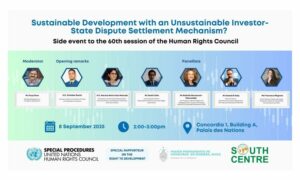
Sustainable Development with an Unsustainable Investor – State Dispute Settlement Mechanism? | HRC60 Side Event
8 September 2025 | 14:00 – 15:00 CEST | Palais des Nations, Concordia 1
Honduras, SR development, South Centre
Defending Human Rights for Future Generations | HRC60 Side Event
8 September 2025 | 11:00 – 12:00 CEST | Palais des Nations, Room VII
Friedrich Naumann Foundation
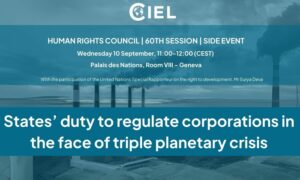
States’ duty to regulate corporations in the face of triple planetary crisis | HRC60 Side Event
10 September 2025 | 11:00 – 12:00 CEST | Palais des Nations, Room VIII
CIEL, ISHR, FIAN, Franciscans International, FES
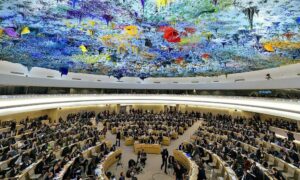
Interactive Dialogue with SR on the right to development
10 & 12 September 2025 | 17:00 CEST onwards | Palais des Nations, Assembly Hall & Online
Informal consultations on the draft resolution on human rights and Indigenous Peoples: mandate of Special Rapporteur on the rights of Indigenous Peoples
10 September 2025 | 16:30 – 18:00 CEST | Palais des Nations, Room III
Guatemala and Mexico
Interactive Dialogue with Expert Mechanism on the right to development
12 September 2025 | 10:45 – 12:30 CEST | Palais des Nations, Assembly Hall & Online
Interactive Dialogue with IE on international order
12 & 15 September 2025 | 17:30 CEST onwards | Palais des Nations, Assembly Hall & Online
Informal consultations on the draft resolution on human rights and Indigenous Peoples: mandate of Special Rapporteur on the rights of Indigenous Peoples
12 September 2025 | 15:00 – 16:30 CEST | Palais des Nations, Room XI
Guatemala and Mexico
Biennial Panel on Unilateral Coercive Measures
12 September 2025 | 15:00 – 17:00 CEST | Palais des Nations, Assembly Hall & Online
EMRTD Consultation with CSOs on Climate Justice, Sustainability and Right to Development
12 September 2025 | 17:00 – 18:00 CEST | Palais des Nations, H307-2
EMRTD
Informal consultations on the draft resolution on human rights and Indigenous Peoples
15 September 2025 | 9:00 – 10:30 CEST | Palais des Nations, Concordia 1
Guatemala and Mexico
Interactive Dialogue with SR rights to water and sanitation
15 & 16 September 2025 | 17:30 CEST onwards | Palais des Nations, Assembly Hall & Online
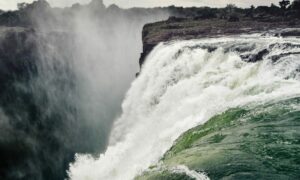
The Water-Energy Nexus and the Human Right to Water | HRC60 Side Event
16 September 2025 | 9:00 – 10:00 CEST | Palais des Nations, Room VIII
SR rights to water & sanitation, Germany, Spain & GEN

SR toxics and human rights: access to justice and effective remedies in the context of toxics | HRC60 Side Event
16 September 2025 | 13:00-14:00 CEST | Palais des Nations, Room VIII
SR toxics and human rights, Côte d’Ivoire, GEN
Interactive Dialogue with SR toxics and human rights
16 September 2025 | 15:30 CEST onwards | Palais des Nations, Assembly Hall & Online
Interactive Dialogue with WG on enforced disappearances
16 & 17 September 2025 | 17:30 CEST onwards | Palais des Nations, Assembly Hall & Online
Informal consultations on the draft resolution on human rights and Indigenous Peoples: mandate of Special Rapporteur on the rights of Indigenous Peoples
16 September 2025 | 16:30 – 18:00 CEST | Palais des Nations, Room III
Guatemala and Mexico
Informal consultations on the draft resolution on human rights and Indigenous Peoples
17 September 2025 | 9:00 – 10:30 CEST | Palais des Nations, Room VIII
Guatemala and Mexico
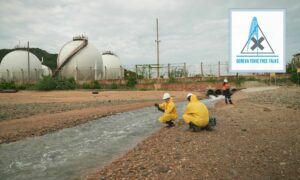
Tackling Toxics on the Ground | Geneva Toxic Free Talks 2025
17 September | 11:30 – 12:30 CEST | Building H.378 & Online
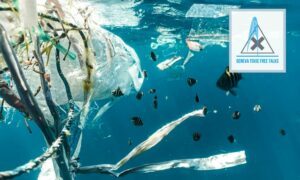
Protecting Human Rights in the Face of Ocean Pollution: Access to Justice and a Toxic-Free Future | HRC60 Side Event
17 September 2025 | 13:00 – 14:00 CEST | Palais des Nations, Room VII
Chile & GEN
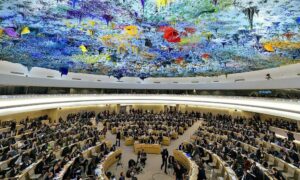
Informal consultations on the draft resolution on rising sea levels and the impact on human rights
17 September 2025 | 13:30 – 15:00 CEST | Palais des Nations, Concordia 1
Bahamas, Cabo Verde, Cyprus, Ecuador, Maldives and Malta
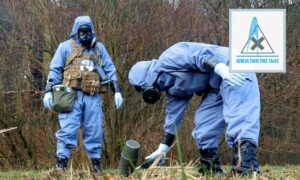
The Toxic Impact of Military Activities | HRC60 Side Event | Geneva Toxic Free Talks
17 September 2025 | 14:00-15:00 CEST | Palais des Nations, Concordia 5
Earthjustice
The Challenges to Implement the Right to be Free from Toxics | Geneva Toxic Free Talks 2025
17 September | 16:00 – 17:00 CEST | Building H.378 & Online
Interactive Dialogue with WG on rights of peasants
17 & 18 September 2025 | 17:15 CEST onwards| Palais des Nations, Assembly Hall & Online
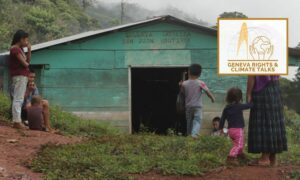
COP30 and Human Rights: Call from Global South Catholic | Geneva Rights and Climate Talks
18 September 2025 | 10:00 – 11:00 CEST | Palais des Nations, Building H-307.1
Congregation of Our Lady of Good Shepherd, Franciscans International, Dominicans for Justice and Peace, VIVAT International, Swiss Catholic Lenten Campaign, Edmund Rice International, GEN
Interactive Dialogue on the SG analytical study on climate change
18 September 2025 | 10:30 – 12:00 CEST | Palais des Nations, Assembly Hall & Online
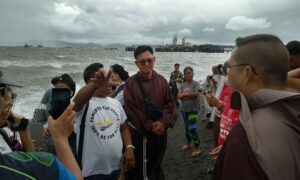
Just Transition and Human Rights: Key Issues for COP30 | HRC60 Side Event
18 September 2025 | 13:00 – 14:00 CEST | Palais des Nations, Room Concordia 1
Franciscans International, Lutheran World Federation, Earthjustice, FES, GeCCco, GEN

Advancing the Rights of Peasants and Other People Working in Rural Areas through UNDROP: Challenges and good practices in Latin America | HRC60 Side Event
18 September 2025 | 14:00 – 15:00 CEST | Palais des Nations, Concordia 1
FIAN International
Informal consultations on the draft resolution on rising sea levels and the impact on human rights
18 September 2025 | 15:00 – 16:30 CEST | Palais des Nations, Room VIII
Bahamas, Cabo Verde, Cyprus, Ecuador, Maldives and Malta
Informal consultations on the draft resolution on human rights and Indigenous Peoples
19 September 2025 | 15:00 – 18:00 CEST | Palais des Nations, Room 3
Guatemala and Mexico
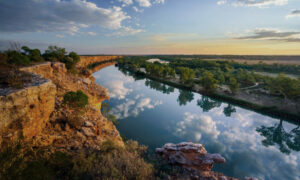
Safeguarding Human Rights in complex environments: Addressing the use of military and security enterprises in protection, exploitation and conservation of natural resources | HRC60 Side Event
19 September 2025 | 14:00 – 15:00 CEST | Palais des Nations, Room III & Online
WG on mercenaries & TRIAL
Informal consultations on the draft resolution on rising sea levels and the impact on human rights
19 September 2025 | 15:00 – 16:30 CEST | Palais des Nations, Room VIII
Dominican Republic, Bahamas, Cabo Verde, Cyprus, Ecuador, Maldives and Malta
Informal consultations on the draft resolution on human rights and Indigenous Peoples
22 September 2025 | 9:00 – 10:30 CEST | Palais des Nations, Concordia 1
Guatemala and Mexico
Access to water | HRC60 Side Event
22 September 2025 | 12:00 – 13:00 CEST | Palais des Nations, Room III & Online
UAE
Protection of Environmental Lawyers at Risk | HRC60 Side Event
22 September 2025 | 14:00 – 15:00 CEST | Palais des Nations, Room VII & Online
Lawyers for Lawyers
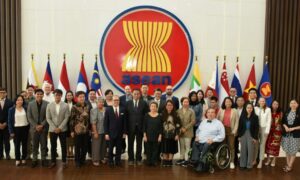
Environmental Rights and the ICJ Advisory Opinion: Southeast Asia in Focus
22 September 2025 | 14:00 – 15:00 CEST | Palais des Nations, Room H-307.1 & Online
ARIEL, WY4CJ, YUFE, ASEAN Youth Forum, GEN
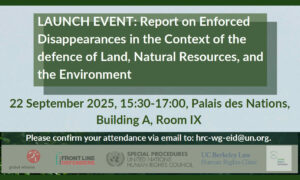
Launch Event | Report on Enforced Disappearances in the Context of the Defence of Land, Natural Resources, and the Environment
22 September 2025 | 15:30 – 17:00 CEST | Palais des Nations, Room IX & Online
Global Witness, Frontline Defenders, WG on enforced disappearances, UC Berkeley Human Rights Clinic, Global Rights Advocacy
Use of Pesticides and Human Rights Violations | HRC60 Side Event
23 September 2025 | 14:00 – 15:00 CEST | Palais des Nations, Room XI & Online
Instituto Brasileiro de Direitos Humanos
Informal consultations on the draft resolution on human rights and Indigenous Peoples
23 September 2025 | 10:30 – 12:00 CEST | Palais des Nations, Concordia 1
Guatemala and Mexico
ID with SR on rights of Indigenous Peoples
23 September 2025 | 15:30 – 17:00 CEST | Palais des Nations, Assembly Hall & Online
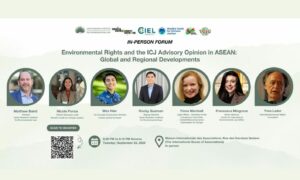
Geneva Panel: Environmental Rights and the ICJ Advisory Opinion in ASEAN: Global and Regional Developments
23 September 2025 | 18:30 – 20:15 CEST | Maison des Associations
ARIEL, CIEL, WYCJ, YUFE, AYF
Annual Panel on rights of Indigenous Peoples
24 September 2025 | 10:00 – 12:00 CEST | Palais des Nations, Assembly Hall & Online
ID with Expert Mechanism on the rights of Indigenous Peoples
24 September 2025 | 12:00 CEST onwards | Palais des Nations, Assembly Hall & Online
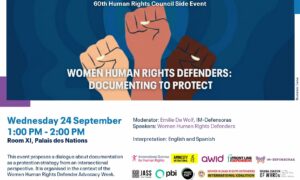
Women Human Rights Defenders: Documenting to Protect | HRC60 Side Event
24 September 2025 | 13:00 – 14:00 CEST | Palais des Nations, Room XI
IM-Defensoras, Regional Coalition of Women Human Rights Defenders in Middle East and North Africa (WHRD MENA), Women Human Rights Defenders International Coalition, National Network of Women Human Rights Defenders in Mexico, ISHR, Front Line Defenders, Peace Brigades International, Just Associates, Amnesty International, Urgent Action Fund and AWID
ID with Advisory Committee
24 – 25 September 2025 | 17:00 CEST onwards | Palais des Nations, Assembly Hall & Online

Draft Proposals | Submission Deadline
25 September | 13:00 CEST
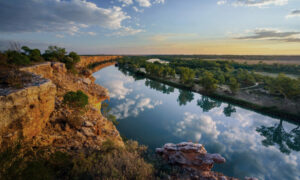
Rights of Indigenous Peoples in Isolation | HRC60 Side Event
26 September 2025 | 15:00 – 16:00 CEST | Palais des Nations, Room XI
Conselho Indigenista Missionário CIMI
Rights of Indigenous Peoples in North America | HRC60 Side Event
26 September 2025 | 16:00 – 17:00 CEST | Palais des Nations, Room XI
International Committee for the Indigenous Peoples of the Americas
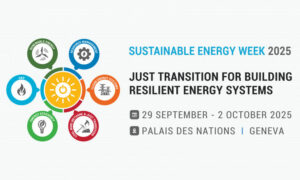
Presentation of SR climate change report on defossilization | HRC60 Side Event | UNECE Sustainable Energy Week 2025
1 October 2025 | 13:30 – 14:30 CEST | Palais des Nations, Room V
SR climate change, UNU, UNECE
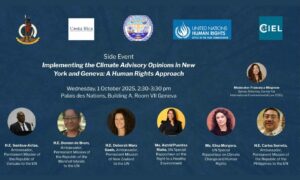
Implementing the Climate Advisory Opinions in New York and Geneva – A Human Rights Approach | HRC60 Side Event
1 October 2025 | 14:30 – 15:30 CEST | Palais des Nations, Room VII
Vanuatu, Marshall Islands, Costa Rica, OHCHR, CIEL
Environmental Rights in the Amazonas Regions | HRC60 Side Event
3 October 2025 | 13:00 – 14:00 CEST | Palais des Nations, Room VII
Genève pour les droits de l’homme : formation internationale
ID with SR on Cambodia
3 October 2025 | 10:30 – 11:45 CEST | Palais des Nations, Assembly Hall & Online

Decisions and Conclusions
6 – 8 October 2024 | Palais des Nations, Assembly Hall
Reports
Reports to be presented at HRC60 relating to the global environmental agenda are listed below. The full list of reports can be consulted on the HRC website.
- A/HRC/60/25 | Nexus between gender equality and the right to development | Report of the UN Special Rapporteur on the right to development
- A/HRC/60/25/Add.1 | Visit to Honduras | Report of the UN Special Rapporteur on the right to development
- A/HRC/60/29 | Recognition of Indigenous Peoples | Report of the UN Special Rapporteur on the human rights of Indigenous Peoples
- A/HRC/60/30 | Water and energy nexus | Report of the UN Special Rapporteur on the human rights to safe drinking water and sanitation
- A/HRC/60/30/Add.1 | Visit to Guinea-Bissau | Report of the UN Special Rapporteur on the human rights to safe drinking water and sanitation
- A/HRC/60/31 | Major geopolitical trends and structural drivers of the North-South divide | Report of the UN Independent Expert on the promotion of a democratic and equitable international order
- A/HRC/60/33 | Report of the Working Group on the rights of peasants and other people working in rural areas
- A/HRC/60/34 | Guidelines on access to justice and effective remedies in the context of toxics | Report of the UN Special Rapporteur on toxics and human rights
- A/HRC/60/34/Add.1 | Visit to the Dominican Republic | Report of the UN Special Rapporteur on toxics and human rights
- A/HRC/60/34/Add.2 | Visit to Samoa | Report of the UN Special Rapporteur on toxics and human rights
- A/HRC/60/35 | Enforced or involuntary disappearances | Report of the Working Group on Enforced or Involuntary Disappearances
- A/HRC/60/35/Add.4 | Thematic report on enforced disappearances in the context of the defence of land, environment and natural resources – Addendum | Report of the Working Group on Enforced or Involuntary Disappearances
- A/HRC/60/52 | Synthesis report on opportunities, best practices, actionable solutions, challenges and barriers relevant to just transition and the full realization of human rights for all people | Report of the UN Secretary-General
- A/HRC/60/63 | Human rights implications of new and emerging technologies in the military domain | Report of the Human Rights Council Advisory Committee
- A/HRC/60/86 | Situation of human rights in Cambodia | Report of the UN Special Rapporteur on the situation of human rights in Cambodia
- A/HRC/60/94 | Operationalizing the right to development in international development cooperation | Thematic study by the Expert Mechanism on the Right to Development
- A/HRC/60/95 | Climate justice, sustainability and the right to development | Thematic study by the Expert Mechanism on the Right to Development
Resolutions and Decisions
Resolutions and decisions (found on the HRC60 website) relating to the global environmental agenda tabled or adopted by their main sponsors at HRC60 and their subsequent decisions are listed below. A summary of actions on the resolutions is provided by the Geneva Centre for Human Rights Advancement and Global Dialogue.
- A/HRC/RES/60/4 | Human rights and Indigenous Peoples: mandate of Special Rapporteur on the rights of Indigenous Peoples | Adopted without a vote
Albania, Australia, Austria, Belgium, Bolivia (Plurinational State of), Brazil, Canada, Chile, Colombia, Costa Rica, Cyprus, Denmark, Estonia, Fiji, Finland, Germany, Greece, Guatemala, Hungary, Iceland, Ireland, Italy, Lithuania, Luxembourg, Malta, Marshall Islands, Mexico, Netherlands (Kingdom of the), Norway, Paraguay, Peru, Spain, Sweden and Ukraine
The resolution decides to renew the mandate of Special Rapporteur on the rights of Indigenous Peoples for a period of three years. - A/HRC/RES/60/6 | Promotion of a democratic and equitable international order | Adopted by a recorded vote 27-16-4
Belarus, Bolivia (Plurinational State of), Bosnia and Herzegovina, Cuba, Democratic People’s Republic of Korea, Eritrea, Russian Federation, State of Palestine and Venezuela (Bolivarian Republic of)
The resolution stresses adequate financing and capacity-building for and technology transfer to developing countries, especially in relation to climate adaptation. It also reaffirms that a democratic and equitable international order includes the realization of the right of every human being and all peoples to a healthy environment and that enhanced international cooperation that responds effectively to the needs for assistance of national efforts to adapt to climate change. - A/HRC/RES/60/7 | The right to development | Adopted by a recorded vote 28-14-5
Uganda on behalf of the Non-Aligned Movement Group
The resolution recognizes that eradicating poverty in all its forms and dimensions, including extreme poverty, is one of the critical elements of the promotion and realization of the right to development… reiterating the need to achieve sustainable development in its three dimensions – economic, social and environmental – in a balanced and integrated manner. The resolutionalso requests the Special Rapporteur and the members of the Expert Mechanism to participate in relevant international dialogues and policy forums relating to the implementation of the 2030 Agenda, including the high-level political forum on sustainable development, financing for development, climate change and disaster risk reduction with a view to enhancing the integration of the right to development in these forums and dialogues. - A/HRC/RES/60/9 | The human rights to safe drinking water and sanitation | Adopted without a vote
Albania, Armenia, Austria, Belgium, Chile, Colombia, Costa Rica, Croatia, Cyprus, Czechia, Denmark, Estonia, Finland, France, Georgia, Germany, Greece, Hungary, Iceland, Ireland, Italy, Latvia, Lithuania, Luxembourg, Malta, Marshall Islands, Mexico, Monaco, Montenegro, Netherlands (Kingdom of the), North Macedonia, Norway, Paraguay, Peru, Poland, Portugal, Romania, Serbia, Slovakia, Slovenia, Spain, Sweden, Switzerland, Thailand and Ukraine
The resolution extends the mandate of Special Rapporteur on the human rights to safe drinking water and sanitation for a period of three years, requesting the Special Rapporteur to report the Human Rights Council on an annual basis, and to the General Assembly on a biennial basis. The resolution also requests the Special Rapporteur to actively engage with States and other stakeholders, with a view to promoting the progressive realization of the human rights to safe drinking water and sanitation at the 2026 UN Water Conference and the 2028 UN Conference on Water Action Decade, 2018–2028. - A/HRC/RES/60/13 | Human rights and Indigenous Peoples | Adopted without a vote
Albania, Australia, Bolivia (Plurinational State of), Brazil, Canada, Colombia, Costa Rica, Cyprus, Denmark, Estonia, Finland, Greece, Guatemala, Iceland, Ireland, Luxembourg, Marshall Islands, Mexico, Norway, Paraguay, Peru, Spain and Sweden
The resolution decides that the theme of the annual panel discussion on the rights of Indigenous Peoples, to be held during the sixty-third session of the Human Rights Council, will be the World Heritage Convention: Indigenous Peoples Rights and Engagement. It also encourages States and the private sector to create spaces for Indigenous Peoples’ participation in artificial intelligence development, if they so choose. It also calls upon relevant States to recognize, respect and protect the rights of Indigenous Peoples in voluntary isolation and initial contact, and to respect the principle of no contact; - A/HRC/RES/60/20 | Sea-level rise and its effects on the full and effective enjoyment of human rights | Adopted without a vote
Bahamas (The), Barbados, Cabo Verde, Cyprus, Dominica, Dominican Republic, Ecuador, Maldives, Malta, Peru and Suriname- Reaffirming the Rio Declaration on Environment and Development, the UN Framework Convention on Climate Change and the Paris Agreement, and the principles enshrined within including common but differentiated responsibilities and respective capabilities, the resolution notes with satisfaction that States have recognized that the ocean, seas and coastal areas form an integrated and essential component of the Earth’s ecosystem and are critical to ensure its sustainability, and that international law, as reflected in the UN Convention on the Law of the Sea and its implementing agreements, provides the legal framework for the conservation and sustainable use of the ocean and its resources, and stressed the importance of the conservation and sustainable use of the ocean and the seas and of their resources for sustainable development.
- Recalling the Convention on Biological Diversity and the Kunming-Montreal Global Biodiversity Framework, the resolution recognizes the guidance of the Advisory Opinion of the International Court of Justice on the Obligations of States in respect of Climate Change and the Advisory Opinion of the International Tribunal for the Law of the Sea on climate change and international law, while taking note of the final report of the International Law Commission Study Group on sea-level rise in relation to international law and the adoption by the Commission of the final report and of the Advisory Opinion of the Inter-American Court of Human Rights on climate emergency and human rights.
- Recognizing the severe impacts of sea level rise driven by climate change, the resolution also recognizes that sea-level rise poses a serious threat to the full enjoyment of human rights, including the right to a clean, healthy and sustainable environment, and that that sea-level rise poses a particular threat to the rights of children and future generations.
- The resolution affirms that climate change-related sea level rise constitutes a serious threat to the full and effective enjoyment of human rights. It recognises that States bear the duty to protect, respect, promote and fulfil human rights, and continuity of statehood is consistent with the maintenance and fulfilment of that duty, and in this regard, acknowledges that the statehood and sovereignty of States remain unaffected.
- The resolution affirms that international human rights law provides a legal framework as a basis to address the promotion and protection of the human rights of all persons affected by sea-level rise, and that all measures to address sea-level rise impacts must be grounded in human rights principles.
- The resolution requests the Human Rights Council Advisory Committee to prepare, in close cooperation with the Special Rapporteur on the promotion and protection of human rights in the context of Climate Change, the Special Rapporteur on the human right to a clean, healthy and sustainable environment, as well as all other relevant Special Procedures mandate holders, an in-depth analytical study review on the implications of sea-level rise on the full enjoyment of human rights and to identify in the study its impacts, to be presented at the Council’s sixty-sixth session.
- Various amendments to the resolution were also tabled:
- A/HRC/60/L.51 | Vanuatu
Proposal to replace PP14 with the following formulation quoted directly from paragraph 72 (relevant scientific background) of the ICJ Advisory Opinion of 23 July 2025 on the “Obligations of States in respect of Climate Change’. - A/HRC/60/L.60 & 61 | Türkiye
Proposals to amend matters related to United Nations Convention on the Law of the Sea and the ICJ Advisory Opinion.
- A/HRC/60/L.51 | Vanuatu
Call for Submissions
Special Procedures
The special procedure mandate-holders are independent human rights experts who help advance human rights, by reporting and advancing from a country-specific or thematic perspective, some of which are related to the environment. Calls for submissions are made to help mandate-holders prepare their reports to the Human Rights Council.
Videos and Highlights
Videos and highlights of related events are featured in this section.
8 September | Sustainable Development with an Unsustainable Investor – State Dispute Settlement Mechanism? | HRC60 Side Event
8 September | Defending Human Rights for Future Generations | HRC60 Side Event
10 September | States’ duty to regulate corporations in the face of triple planetary crisis | HRC60 Side Event
16 September | The Water-Energy Nexus and the Human Right to Water | HRC60 Side Event
16 September | SR toxics and human rights: access to justice and effective remedies in the context of toxics | HRC60 Side Event
17 September | Tackling Toxics on the Ground | Geneva Toxic Free Talks 2025
17 September | Protecting Human Rights in the Face of Ocean Pollution: Access to Justice and a Toxic-Free Future | HRC60 Side Event
17 September | The Toxic Impact of Military Activities | HRC60 Side Event | Geneva Toxic Free Talks
17 September | The Challenges to Implement the Right to be Free from Toxics | Geneva Toxic Free Talks 2025
18 September | COP30 and Human Rights: Call from Global South Catholic | Geneva Rights and Climate Talks
18 September | Just Transition and Human Rights: Key Issues for COP30 | HRC60 Side Event
18 September | Advancing the Rights of Peasants and Other People Working in Rural Areas through UNDROP: Challenges and good practices in Latin America | HRC60 Side Event
19 September | Safeguarding Human Rights in complex environments: Addressing the use of military and security enterprises in protection, exploitation and conservation of natural resources | HRC60 Side Event
22 September | Environmental Rights and the ICJ Advisory Opinion: Southeast Asia in Focus
22 September | Launch Event | Report on Enforced Disappearances in the Context of the Defence of Land, Natural Resources, and the Environment
23 September | Geneva Panel: Environmental Rights and the ICJ Advisory Opinion in ASEAN: Global and Regional Developments
1 October | Implementing the Climate Advisory Opinions in New York and Geneva – A Human Rights Approach | HRC60 Side Event
Links and Resources
- 60th session of the UN Human Rights Council
- UNOG Library | Conference Primer – HRC60
- GCHRAGD | Updates on HRC60
- ISHR | HRC60 | Key issues on agenda
- URG | Inside Track: HRC60
- GEN | Human Rights and the Environment
News and Updates
Relevant news and updates are featured in this section.
Past HRC Sessions
Environment @ HRC59 | Environment @ HRC58 | Environment @ HRC57 | Environment @ HRC56 | Environment @ HRC55 | Environment @ HRC54 | Environment @ HRC53 | Environment @ HRC52 | Environment @ HRC51 | Environment @ HRC50 | Environment @ HRC49 | Environment @ HRC48 | Environment @ HRC47 | Environment @ HRC46 | Environment @ HRC45 | Environment @ HRC44 | Environment @ HRC43
Who to Follow on X
@UN_HRC | UN Human Rights Council
@swiss_un | Permanent Mission of Switzerland to the United Nations Office and other international organizations in Geneva, President of the Human Rights Council in 2025
@SwissAmbUN_GVA | H.E. Amb. Jürg Lauber, Permanent Representative of Switzerland to the United Nations Office and other international organizations in Geneva, President of the Human Rights Council in 2025
@BDPM_Geneva | Permanent Mission of the People’s Republic of Bangladesh to the United Nations Office and other international organizations in Geneva
@TareqMdArifulI1 | H.E. Amb. Tareq Md. Ariful Islam, Permanent Representative of the People’s Republic of Bangladesh to the United Nations Office and other international organizations in Geneva, Vice-President of the Human Rights Council in 2025
@UNHumanRights | The Office of the High Commissioner for Human Rights (UN Human Rights)
@volker_turk | UN High Commissioner for Human Rights
@NadaNashif | United Nations Deputy High Commissioner for Human Rights
@SREnvironment | Astrid Puentes Riaño, SR on the right to a clean, healthy, and sustainable environment (also @astridpuentes)
@SRclimatechange | Elisa Morgera, SR on the promotion and protection of human rights in the context of climate change
@SRtoxics | Marcos Orellana, SR on toxics and human rights
@AlbertBarume | Albert K. Barume, SR indigenous peoples
@SRWatSan | Pedro Arrojo Agudo, SR on rights to water and sanitation
@MichaelFakhri | Michael Fakhri, SR on right to food
@AXanthaki | Alexandra Xanthaki, SR on cultural rights
@SRpoverty | Olivier De Schutter, SR on poverty and human rights (also @DeSchutterO)
@ISHRglobal | The International Service for Human Rights
@FranciscansIntl | Franciscans International
@Geneva_Academy | Geneva Academy of International Humanitarian Law and Human Rights
@hrw | Human Rights Watch
@URGthinktank | Universal Rights Group (URG)
@YvesLador | Special Representative of Earthjustice in Geneva
@duycks | Senior Attorney – Climate and Energy Programme at the Center for International Environmental Law
@katha_nina | Katharina Rall, Senior Environment Researcher at Human Rights Watch
@ChildRightsCnct | Child Rights Connect
@CERI_Coalition | Children’s Environmental Rights Initiative (CERI)
@CRINwire | Child Rights International Network