Nouvelle
Addressing Biodiversity Loss and the Role of Geneva
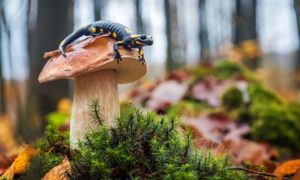
A healthy biodiversity and functioning ecosystems are essential for human societies. We are dependent on natural resources and nature also protects our health in many ways. As a global hub for environmental governance, Geneva and the organizations it hosts, plays a key role in the protection of biodiversity globally.
Importance of Biodiversity
Biodiversity is the living fabric of our planet. It underpins human well-being in the present and in the future, and its rapid decline threatens nature and people alike. Scientists estimate that there are at least 8 million species of plants and animals living on earth today, including humans. The ecosystems in which these species live are incredibly complex and every piece of an ecosystem depends on the others like a jigsaw puzzle. Humans are immersed in ecosystems and depend on these interconnected networks of plants, animals, and people. However, human activities are significantly impacting ecosystems, for instance through man-made climate change, pollution, and habitat loss. By removing just one species as a result of climate change, pollution, habitat loss, or some other natural or man-made factors, a domino effect can occur that has a big impact on the entire ecosystem.
A healthy biodiversity and functioning ecosystems are essential for human societies in numerous ways. About half of the world’s GDP – about USD 44 trillion – is dependent on natural resources, while nature provides at least USD 125 trillion worth of services annually. Nature also protects our health in many ways. As the COVID-19 pandemic has shown, the increasing negative impact of human activities on the environment severely threatens human and ecosystem health. As the UN Special Rapporteur on human rights and the environment pointed out in one of his reports, ecosystem degradation and the decline of biodiversity are threatening the rights to life, health, food, a healthy environment, water, an adequate standard of living and culture.
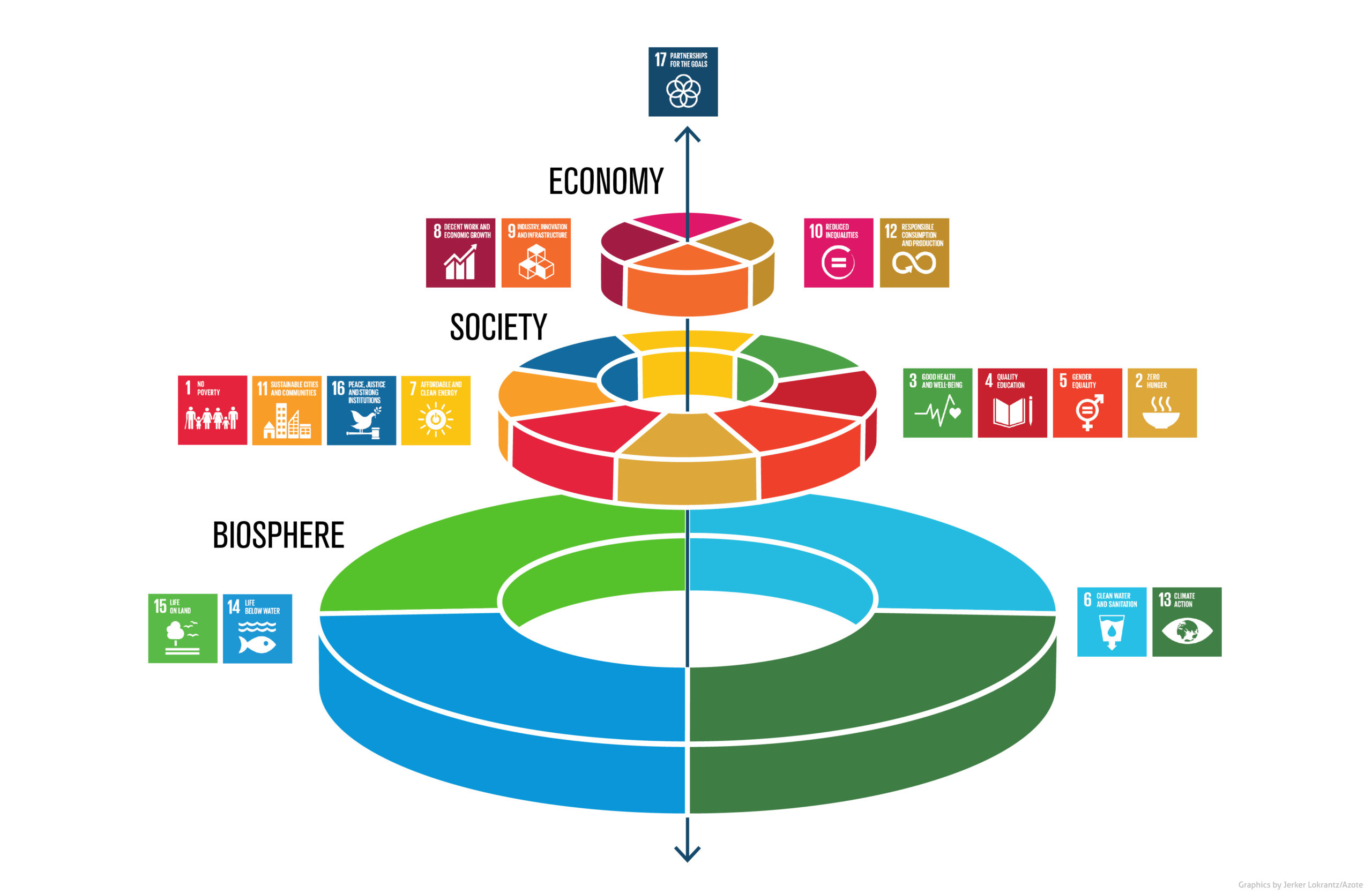
A healthy biosphere, with a rich biodiversity and functioning ecosystems, is the foundation to achieve the societal and economic goals of the SDGs. Source: Stockholm Resilience Centre
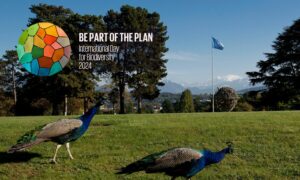
International Day for Biological Diversity
The International Day for Biological Diversity, celebrated each year on May 22, aims to increase understanding and awareness of biodiversity issues. Although it was originally celebrated in late December, the UN General Assembly later decided to move the date to 22 May, which commemorates the adoption of the Convention on Biological Diversity (CBD) in 1992.
Biodiversity is the living fabric of our planet. It underpins human well-being in the present and in the future, and its rapid decline threatens nature and people alike. According to the latest Global Assessment by the Intergovernmental Science-Policy Platform on Biodiversity and Ecosystem Services (IPBES), human activities are driving biodiversity loss at an unprecedented rate. However, the assessment also indicated that solutions existed and that it was not too late to act.
Biodiversity and the SDGs
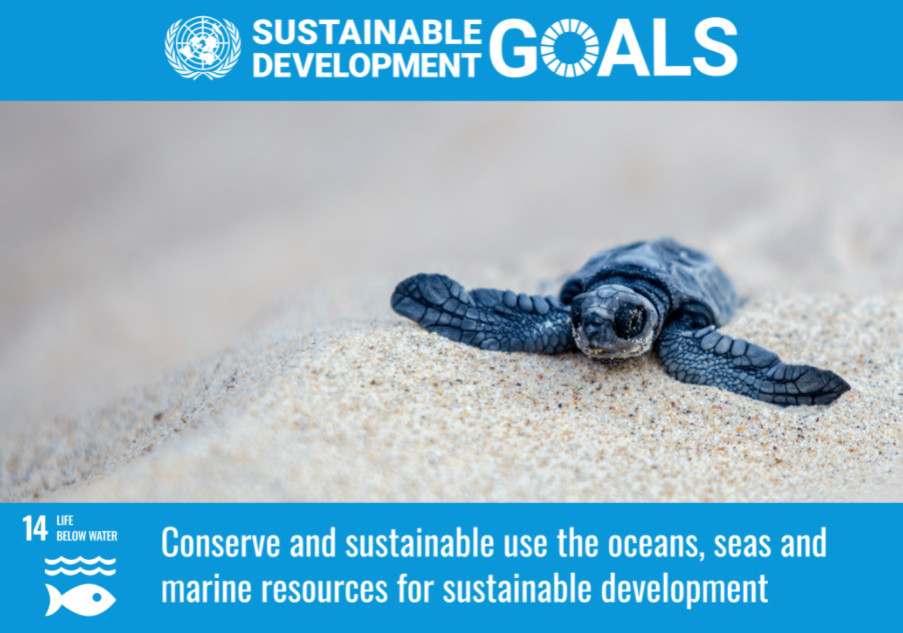
SDG 14: Life Below Water
The Challenge
We are a land dwelling species, but we depend more on our oceans than we can imagine. Oceans cover close to three quarters of the Earth’s surface, contain 97% of the Earth’s water, and represent 99% of the living space on the planet by volume. Over three billion people depend on marine and coastal biodiversity for their livelihoods. Globally, the market value of marine and coastal resources and industries is estimated at USD 3 trillion per year or close to 5% of global GDP. Oceans contain more than 200,000 identified species, but actual numbers may lie in the millions. It is estimated that 91% of ocean species have yet to be classified, and that 95% of the ocean remains unexplored. Oceans absorb about 40% of the carbon dioxide produced by humans, buffering the impact of global warming. They also serve as the world’s largest source of protein, with more than three billion people depending on the oceans as their primary source of protein. Unmonitored fishing is also contributing to the rapid depletion of many fish species and are preventing efforts to save and restore global fisheries and related jobs, causing ocean fisheries to generate USD 50 billion less per year than they could. As much as 40% of the world’s oceans are heavily affected by human activities, including pollution, depleted fisheries, and loss of coastal habitats. Across the globe, 1,851 species of fish — 21 percent of all fish species evaluated — were deemed at risk of extinction by the IUCN in 2010, including more than a third of sharks and rays.
Why is this important?
Coastal and marine resources contribute USD 28 trillion to the global economy every year. But this is only a small part of why they are so important to our planet. The world’s oceans – their temperature, chemistry, currents and life – drive global systems that make the Earth habitable for humankind. Our rainwater, drinking water, weather, climate, coastlines, much of our food, and even the oxygen in the air we breathe, are all ultimately provided and regulated by the sea. Throughout history, oceans and seas have been vital conduits for trade and transportation. Careful management of this essential global resource is a key feature of a sustainable future.
How can we address this?
SDG 14 commits countries to unite over what is a truly global responsibility – the protection of our oceans and the lives that depend on it. By 2020, countries commit to achieving the sustainable management of marine ecosystems, and in another five years, significantly reduce marine pollution of all kinds. This will require an international scientific partnership, regulation of harvesting and fishing, and enhance our research and knowledge on issues critical to the survival of life below water.
SDG 15: Life On Land
The Challenge
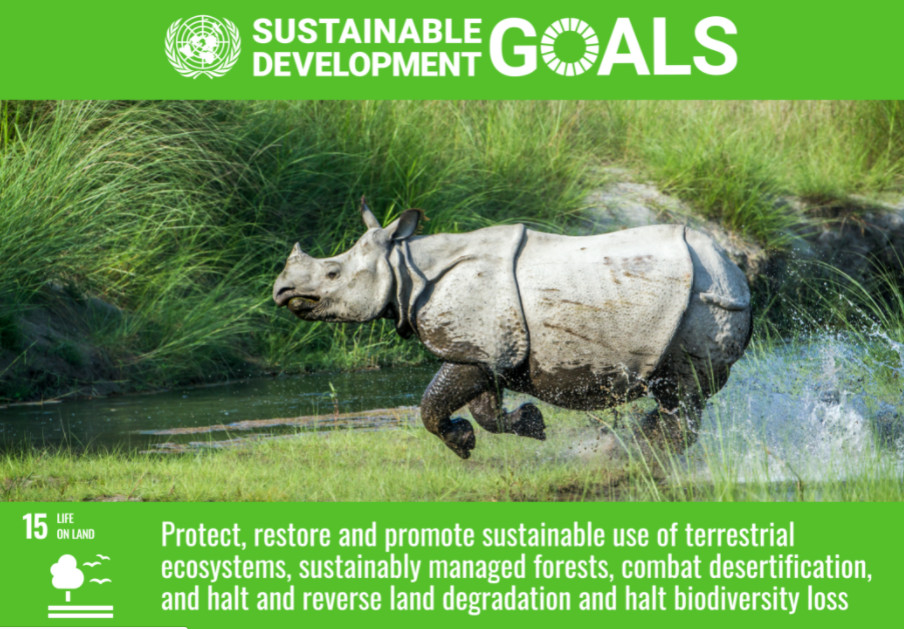
Our fate as a species depends on the state of our most important habitat – land. Our future is linked to the survival of land ecosystems. Through photosynthesis, plants provide the oxygen we breathe and the food we eat and are thus the foundation of most life on Earth. They’re also the source of a majority of medicines in use today. Of the more than 300,000 known species of plants, the IUCN has evaluated only 12914 species, finding that about 68% of evaluated plant species are threatened with extinction. A third or more of all the roughly 6300 known species of amphibians are at risk of extinction. Globally, an estimated 12% of known 9865 bird species are now considered threatened, with 192 species, or 2%, facing an “extremely high risk” of extinction in the wild. Of the 1.3 million known invertebrate species, the IUCN has evaluated about 9,526 species, with about 30 percent of the species evaluated at risk of extinction. About 90% of primates live in tropical forests, which are fast disappearing. The IUCN estimates that almost 50% of the world’s primate species are at risk of extinction. Overall, the IUCN estimates that half the globe’s 5491 known mammals are declining in population and a fifth are clearly at risk of disappearing forever with no less than 1131 mammals across the globe classified as endangered, threatened, or vulnerable. In addition to primates, marine mammals — including several species of whales, dolphins, and porpoises — are among those mammals slipping most quickly toward extinction. Globally, 21 percent of the total evaluated reptiles in the world are deemed endangered or vulnerable to extinction by the IUCN — 594 species.
An estimated 18 million acres (7.3 million hectares) of forest, which is roughly the size of the country of Panama, are lost each year, according to FAO. It is estimated that 15 percent of all greenhouse gas emissions come from deforestation, according to the WWF.
The persistent degradation of drylands has led to the desertification of 3.6 billion hectares. Currently, 2.6 billion people depend directly on agriculture, however 52% of the land used for agriculture is moderately or severely affected by soil degradation. Deforestation and desertification – caused by human activities and climate change – pose major challenges to sustainable development and have affected the lives and livelihoods of millions of people in the fight against poverty.
Why is this important?
Land and forests are the foundation of sustainable development. Forests cover 30% of the Earth’s surface and, in addition to providing food security and shelter, are key to combating climate change, protecting biodiversity and are home to the indigenous population. Forests are home to more than 80% of all terrestrial species of animals, plants and insects. At the same time, around 1.6 billion people also depend on forests for their livelihood, including some 70 million indigenous people. Over 80% of the human diet is provided by plants, with rice, maize and wheat providing 60% of energy intake. In addition, 80% of people living in rural areas in developing countries rely on traditional plant-based medicines to provide their basic healthcare.
How can we address this?
Preserving life on land requires concerted action not only to protect terrestrial ecosystems, but to restore them, and promote their sustainable use for the future. SDG 15 calls for urgent action to halt the degradation of natural habitats, to end the poaching and trafficking of animals, and to integrate ecosystem and biodiversity values into local planning and development processes. Safeguarding places which are important from the point of view of biodiversity is another effective tool, and as of 2014, 15.2% of the earth’s terrestrial and freshwater environments had been protected.
Biodiversity Loss
IPBES Global Assessment Report on Biodiversity and Ecosystem Services
According to the Global Assessment Report on Biodiversity and Ecosystem Services by the Intergovernmental Science-Policy Platform on Biodiversity and Ecosystem Services (IPBES), human activities are driving biodiversity loss at an unprecedented rate. About 75% of terrestrial environment and 66% of the marine environment have been significantly altered by human actions. Approximately 1 million animal and plant species are now threatened with extinction. Overall, current negative trends in biodiversity and ecosystems are undermining progress towards the Sustainable Development Goals (SDGs). The main global drivers of biodiversity loss are climate change, invasive species, over-exploitation of natural resources, pollution and urbanization. Without rapid and ambitious action to reverse these trends and safeguard nature, we are at risk of failing to achieve the 2030 Agenda.
Key Statistics and Facts from the Report
- 75%: terrestrial environment “severely altered” to date by human actions (marine environments 66%)
- 47%: reduction in global indicators of ecosystem extent and condition against their estimated natural baselines, with many continuing to decline by at least 4% per decade
- 28%: global land area held and/or managed by Indigenous Peoples , including >40% of formally protected areas and 37% of all remaining terrestrial areas with very low human intervention
- +/-60 billion: tons of renewable and non-renewable resources extracted globally each year, up nearly 100% since 1980
- 15%: increase in global per capita consumption of materials since 1980
- >85%: of wetlands present in 1700 had been lost by 2000 – loss of wetlands is currently three times faster, in percentage terms, than forest loss.
WWF Living Planet Report
WWF’s Living Planet Report, published every two years, is a scientific study of biodiversity and the health of our planet. Since 1998, it has been charting the devastating impacts human activities are having on the world’s wildlife and natural world.
WWF Living Planet Report 2024
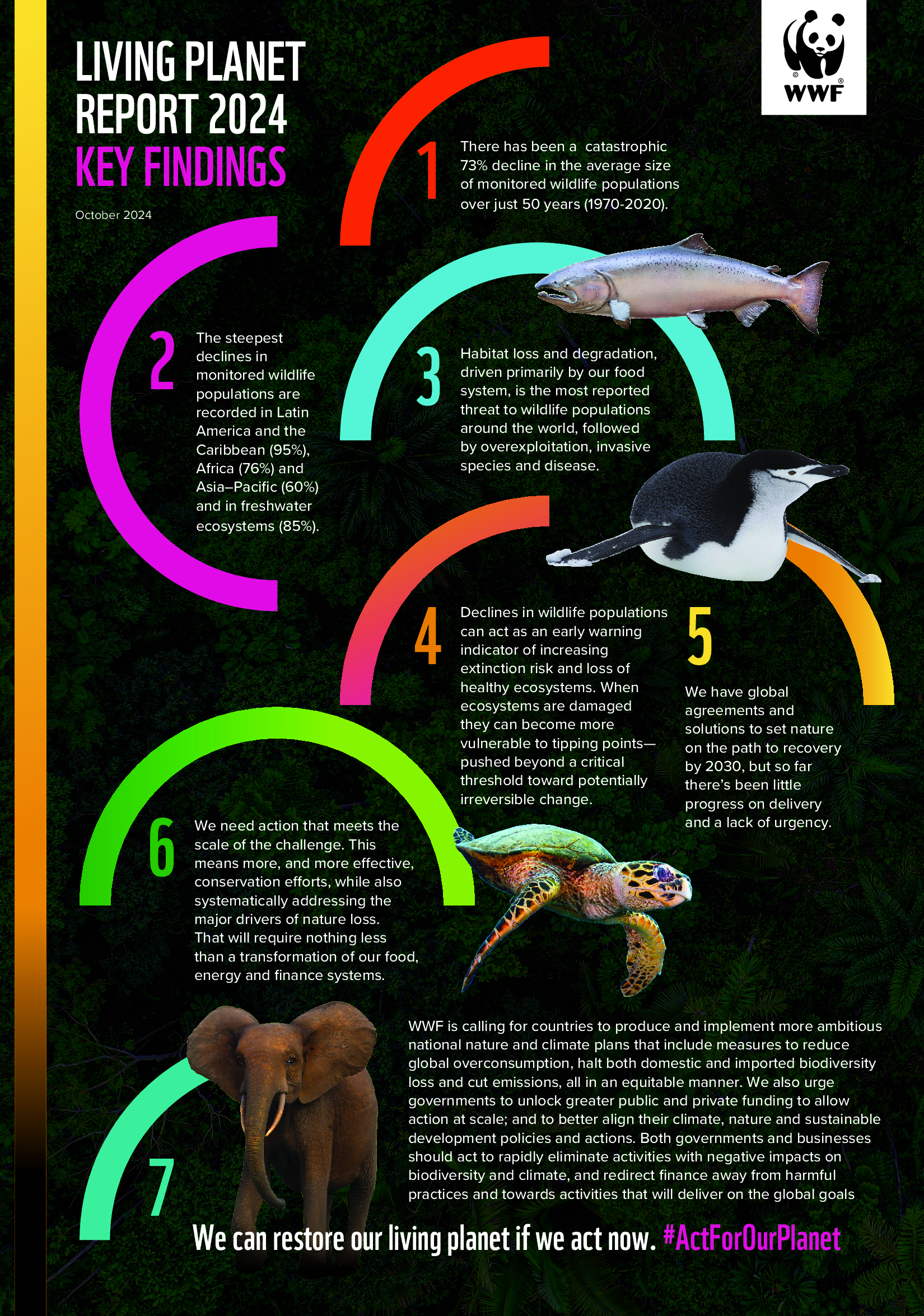
The 2024 WWF Living Planet Report – A system in Peril finds that there has been a catastrophic 73% decline in the average size of monitored wildlife populations in just 50 years (1970-2020). It acknowledges that Governments have succeeded in reaching global agreements, such as the Paris Agreement on climate change, the GBF and the UN Sustainable Development Goals. However, there is still a huge gap between what is currently being delivered and the goals set for 2030. The decisions made between now and 2030 will determine whether we can avoid dangerous tipping points and learn to live in harmony with nature. WWF is calling for Member States to produce and implement more NBSAPs that include measures to reduce global overconsumption, and halt and reverse both domestic and imported biodiversity loss in an equitable manner.
WWF Living Planet Report 2022
The 2022 report revealed an average decline of 69% in species populations since 1970. Biodiversity is being lost at an alarming rate and this loss effects our own health and well-being.
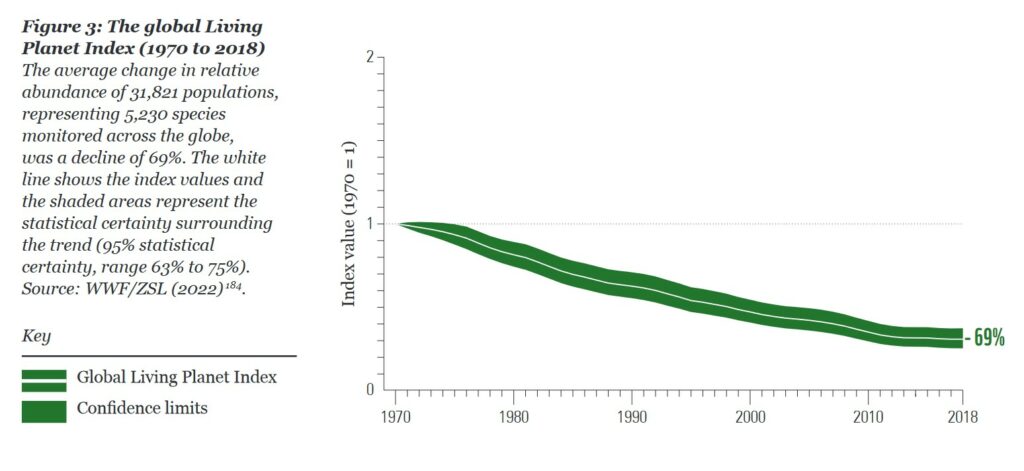
Source: Living Planet Report 2022. WWF.
Biodiversity Governance & International Instruments
UN Convention on Biological Diversity
Signed by 150 government leaders at the 1992 Rio Earth Summit, the Convention on Biological Diversity is dedicated to promoting sustainable development. Conceived as a practical tool for translating the principles of Agenda 21 into reality, the Convention recognizes that biological diversity is about more than plants, animals and micro organisms and their ecosystems – it is about people and our need for food security, medicines, fresh air and water, shelter, and a clean and healthy environment in which to live.
Cartagena Protocol
The Cartagena Protocol on Biosafety to the Convention on Biological Diversity is an international agreement which aims to ensure the safe handling, transport and use of living modified organisms (LMOs) resulting from modern biotechnology that may have adverse effects on biological diversity, taking also into account risks to human health. It was adopted on 29 January 2000 and entered into force on 11 September 2003.
Nagoya Protocol
The Nagoya Protocol on Access to Genetic Resources and the Fair and Equitable Sharing of Benefits Arising from their Utilization to the Convention on Biological Diversity is an international agreement which aims at sharing the benefits arising from the utilization of genetic resources in a fair and equitable way. It entered into force on 12 October 2014
Intergovernmental Science-Policy Platform on Biodiversity and Ecosystem Services
The Intergovernmental Science-Policy Platform on Biodiversity and Ecosystem Services (IPBES) is an independent intergovernmental body established by States to strengthen the science-policy interface for biodiversity and ecosystem services for the conservation and sustainable use of biodiversity, long-term human well-being and sustainable development. It was established in Panama City, on 21 April 2012 by 94 Governments. It is not a United Nations body. However, at the request of the IPBES Plenary and with the authorization of the UNEP Governing Council in 2013, the United Nations Environment Programme (UNEP) provides secretariat services to IPBES.
Kunming-Montreal Global Biodiversity Framework
The Kunming-Montreal Global Biodiversity Framework (GBF) was adopted during the fifteenth meeting of the Conference of the Parties (COP 15) following a four-year consultation and negotiation process. This historic Framework, which supports the achievement of the Sustainable Development Goals and builds on the Convention’s previous Strategic Plans, sets out an ambitious pathway to reach the global vision of a world living in harmony with nature by 2050. Among the Framework’s key elements are 4 goals for 2050 and 23 targets for 2030.
The implementation of the Kunming-Montreal Global Biodiversity Framework will be guided and supported through a comprehensive package of decisions also adopted at COP 15. This package includes a monitoring framework for the GBF, an enhanced mechanism for planning, monitoring, reporting and reviewing implementation, the necessary financial resources for implementation, strategic frameworks for capacity development and technical and scientific cooperation, as well as an agreement on digital sequence information on genetic resources.
In adopting the Kunming-Montreal Global Biodiversity Framework, all Parties committed to setting national targets to implement it, while all other actors have been invited to develop and communicate their own commitments. At the next meeting of the Conference of the Parties in 2024 in Türkiye, the world will take stock of the targets and commitments that have been set.
UN Biodiversity Conference
The Conference of the Parties is the governing body of the Convention on Biological Diversity and advances implementation of the Convention through the decisions it takes at its periodic meetings. It take place every two years.
The 2026 UN Biodiversity Conference will take place in Yerevan, Armenia from 19 to 30 October 2026. It will comprise the Seventeenth meeting of the Conference of the Parties to the Convention on Biological Diversity (COP-17), the 12th Meeting of the Conference of the Parties serving as the Meeting of the Parties (MOP) to the Cartagena Protocol on Biosafety (CP-MOP-12) and the sixth MOP to the Nagoya Protocol on Access to Genetic Resources and the Fair and Equitable Sharing of the Benefits Arising from their Utilization (NP-MOP-6).
Role of Geneva
Organizations are listed in alphabetical order
Bertarelli Foundation
Working deeply in the fields of marine conservation and life science research, the Bertarelli Foundation is working with governmental bodies, NGOs and local communities to create and enforce Marine Protected Areas (MPAs) around the world. To date, the Foundation has supported the protection of more than 2,000,000 km2 of ocean in the Pacific and Indian Oceans and in the Caribbean Sea.
Business for Nature
Business for Nature is a global coalition that brings together companies and conservation organizations with the aim to provide a credible business voice on nature calling for governments to adopt policies to reverse nature loss in this decade. The coalition works with more than 70 international and national partners and a diverse group of businesses from all sectors, sizes and geographies. It encourages companies to commit and act to reverse nature loss, and advocate for greater policy ambition. Business for Nature is legally and fiscally hosted at Rockefeller Philanthropy Advisors, and it financially supported by the Global Environment Facility (GEF), Porticus and the European Commission. In the run-up to the 15th Conference of Parties to the Convention on Biological Diversity (CBD COP15) in December 2022, Business for Nature is campaigning for mandatory requirements for all large businesses and financial institutions to assess and disclose their impacts and dependencies on nature by 2030.
Convention on International Trade in Endangered Species | CITES
CITES is an multilateral agreement aiming to ensure that international trade in specimens of wild animals and plants does not threaten the survival of the species. The convention currently forbids international commercial trade of 161 bird species (listed on Appendix I) and regulates trade for another 1,300 more species under specific controlled circumstances (listed on Appendix II).
Convention on Wetlands of International Importance | Ramsar Convention
The Convention on Wetlands aims to ensure the conservation and wise use of all wetlands through local and national actions and international cooperation, as a contribution towards achieving sustainable development throughout the world. Wetlands provide vital habitats for many bird species, and they are important to migratory birds in flyways, in nesting areas, and in fall and winter feeding areas. Populations of waterbirds thus are part of the criteria for wetlands to be considered internationally important under the Ramsar Convention.
Food and Agriculture Organization Liaison Office in Geneva | FAO Geneva
FAO’s work on biodiversity aims at supporting countries in balancing the need to improve the food and nutrition security and livelihoods of the poor, especially in rural areas, while at the same time preventing the degradation, contamination and loss of natural resources while building resilience to climate change. To adapt to challenges and uncertainties, a large reservoir of biological diversity is needed.
Foundation Franklinia
Fondation Franklinia is a private foundation established in 2005 under Swiss law. It provides grants to support nature conservation projects. Its objective is to preserve threatened tree species throughout the world and improve their conservation status. Today, it supports primarily in situ conservation actions of globally threatened tree species around the world, species listed as Critically Endangered, Endangered and Vulnerable on the IUCN Red List of Threatened Species. The foundation is governed by a Board with the support of an Experts Committee that provides technical advice on projects. In 2018, a permanent Secretariat was established and based in Geneva; it implements the foundation’s strategy and manages daily operations.
Geneva Human Rights, Biodiversity and Land Task Force | GeHRBiL
GeHRBiL gathers civil society organizations working in Geneva to bring forward the human rights issues in relation to biodiversity and land and to introduce these issues in the work of the Geneva-based UN Human Rights Bodies.
International Organization for Standardization | ISO
Biodiversity loss is a critical global challenge, threatening ecosystems, human health, and livelihoods worldwide. As the international community unites to develop multilateral solutions, international standards offer valuable tools to transform commitments into action. ISO standards play a crucial role in supporting global efforts to combat biodiversity loss and implement the Kunming-Montreal Global Biodiversity Framework (GBF) with 549 relevant standards that support various aspects of the GBF’s 23 Global Targets and provide technical guidance to effectively implement GBF commitments.
International Union for Conservation of Nature | IUCN
IUCN is the world’s largest conservation network with the mission to influence, encourage and assist societies throughout the world to conserve the integrity and diversity of nature. The IUCN Red List is the world’s most comprehensive information source on the global extinction risk status of animal, fungus and plant species. It provides essential data for informed conservation decisions – including for protecting some endangered migratory bird species. IUCN’s Business and Biodiversity Programme also focuses on three key areas of work to drive the changes required to deliver on IUCN’s global conservation and sustainable development goals. These include: Valuing biodiversity, promoting biodiversity net gain, and investing in nature.
International Union for the Protection of New Varieties of Plants | UPOV
UPOV was established by the International Convention for the Protection of New Varieties of Plants. The Convention was adopted in Paris in 1961 and it was revised in 1972, 1978 and 1991. UPOV’s mission is to provide and promote an effective system of plant variety protection, with the aim of encouraging the development of new varieties of plants, for the benefit of society.
International Trade Centre | ITC
ITC is a development agency dedicated to supporting the internationalization of small and medium-sized enterprises (SMEs). The agency enables SMEs in developing and transition economies to become more competitive and connect to international markets for trade and investment, thus raising incomes and creating job opportunities. Through its “Green to Compete” strategy, ITC supports SMEs to contribute to a nature-positive economy through conservation & sustainable use of biodiversity.
Minamata Convention on Mercury
Due to its long-range transport, mercury poses high risk not only to those ecosystems that are near the sources of emission, such as tropical ecosystems of high biodiversity importance, where artisanal gold mining typically occurs, but also freshwater and marine environments that favour mercury accumulation, such as wetlands and the Arctic. At the fifth meeting of the Conference of the Parties to the Convention (COP-5), in November 2023, Parties adopted decision MC-5/17, Mercury and the Kunming-Montreal Global Biodiversity Framework, recognizing the potential for generating co-benefits through coherent implementation of both the Minamata Convention and the Kunming-Montreal Global Biodiversity Framework. This landmark decision underscores the importance of addressing mercury pollution in the context of global biodiversity and charts a tangible course for advancing the objectives of the Minamata Convention, the Convention on Biological Diversity, and other biodiversity-related conventions as collectively reflected in the Kunming-Montreal Global Biodiversity Framework.
Oceana
Oceana seeks to make our oceans more biodiverse and abundant by winning policy victories in the countries that govern much of the world’s marine life. Oceana, founded in 2001, is the largest international advocacy organization focused solely on ocean conservation.
Partnership for Environment and Disaster Risk Reduction | PEDRR
PEDRR is a global alliance of UN agencies, NGOs and specialist institutes seeking to promote and scale-up implementation of ecosystem-based disaster risk reduction and ensure it is mainstreamed in development planning at global, national and local levels. Among other activities, PEDRR is advocating for an ambitious post-2020 biodiversity framework, notably through the promotion of Nature-based Solutions.
The Economics of Ecosystems and Biodiversity | TEEB
TEEB is a global initiative focused on making nature’s values visible. Its principal objective is to mainstream the values of biodiversity and ecosystem services into decision-making at all levels. It aims to achieve this goal by following a structured approach to valuation that helps decision-makers recognize the wide range of benefits provided by ecosystems and biodiversity, demonstrate their values in economic terms and, where appropriate, capture those values in decision-making.
United Nations Conference on Trade and Development | UNCTAD
Since its launch by UNCTAD in 1996, the BioTrade Initiative has been promoting sustainable BioTrade in support of the objectives of the Convention on Biological Diversity. UNCTAD is currently implementing the Global BioTrade Programme: Linking trade, biodiversity and sustainable development with the support of the Swiss State Secretariat for Economic Affairs SECO. The objective of this four-year programme is to provide key stakeholders with the ability to size and capitalize on trade opportunities from linking biodiversity and sustainable development, thereby advancing the implementation of the SDGs, as well as the Aichi Targets and the Post Aichi framework.
Unearthodox
Unearthodox, launched in March 2023 out of the legacy of the Luc Hoffmann Institute, is an independent foundation fostering the commitment to innovate for diverse, equitable societies that value nature and actively regenerate all life on Earth.
United Nations Economic Commission for Europe | UNECE
UNECE promotes sustainable use and preservation of ecosystems by supporting the development of biodiversity conservation policies in the region, and the integration of nature conservation in sectoral policies. UNECE contributes to the work of the CBD through information and expertise, notably on forestry and environmental economic accounting.
United Nations Environment Programme Finance Initiative | UNEP FI
The United Nations Environment Programme Finance Initiative (UNEP FI) works with members and partners to integrate sustainable decision-making into mainstream financial systems.
United Nations Programme on Reducing Emissions from Deforestation and Forest Degradation | UN-REDD
The UN-REDD Programme was launched in 2008 and builds on the convening role and technical expertise of the FAO, UNDP and UNEP. The Programme supports nationally led REDD+ processes and promotes the informed and meaningful involvement of all stakeholders, including indigenous peoples and other forest-dependent communities, in national and international REDD+ implementation. Additionally, the programme supports national REDD+ readiness efforts in 65 partner countries, spanning Africa, Asia-Pacific and Latin America.
World Business Council for Sustainable Development | WBCSD
WBCSD’s Vision 2050 provides nine clear pathways for action, and nature underpins all of them. COVID-19 has also highlighted the planetary emergency and the close connections between economies, human health, wellbeing, and nature. To achieve the vision of 9+ billion people living well within planetary boundaries, WBCSD works to ensure that nature is protected, restored, and used sustainably. The Nature Program brings together all WBCSD work on protecting and sustainably managing ecosystems and builds on over 20 years of WBCSD and member experience in business and biodiversity and corporate ecosystem service assessment and valuation.
World Conservation Society | WCS
WCS uses science to discover and understand the natural world. This knowledge helps to engage and inspire decision-makers, communities, and millions of supporters to take action to protect the wildlife and wild places we all care about. WCS focuses on saving wildlife and wild places through a combination of credible science, practical management, applicable policy and by engaging and inspiring people to value nature
World Economic Forum | WEF
Explore the latest strategic trends, analysis, articles and research on biodiversity on WEF’s Strategic Intelligence and biodiversity resource page.
WWF International
For wildlife to thrive, WWF works with many partners to to protect plant and animal species by tackling the root causes of the many serious threats. WWF collaborates with local people and government agencies to increase the coverage of protected areas and helps to strengthen the way protected areeas are managed, and improving connections between them so wildlife can move more freely. It also tackles the illegal trade and over-exploitation of wildlife by strengthening regulations and making sure they’re properly enforced. In addition, WWF influences markets and consumer choices that drive demand for wildlife products. WWF also publishes the Living Planet Report, a scientific study of biodiversity and the health of our planet.
Switzerland and Local Geneva
Organizations are listed in alphabetical order
Association pour la Sauvegarde du Léman | ASL
ASL is a joint French and Swiss non-profit organisation dedicated to safeguarding the water quality and aquatic ecosystems of the area around the Lac Léman (Lake Geneva), including both the lake itself and its many rivers. ASL works to preserve the rich biodiversity of the region, including its aquatic plants and bird species.
Espace Léman, which was designed as a showcase of ASL for biodiversity, presents the flora and fauna of Lake Geneva and the threats to this unique ecosystem. Located in the heart of Eaux-Vives (GE), Espace Léman encourages direct contact with the public, enabling discovery of the lake in a whole new way and raising aware of the importance of sustainable management of aquatic ecosystems (lake, rivers) and water resources.
Bioparc Genève
Bioparc Genève, formerly the Challandes Animal Park, is home to 250 animals, a third of which are threatened species in the wild. It is a center of competence and expertise on wild, local and exotic animals and an essential player in the field of knowledge about animal species, from information on how to adopt the best behavior towards local wildlife to the training of animal caretakers. Its team of experts and enthusiasts works for the conservation and rewilding of animal species, both local and exotic, through biodiversity conservation, awareness of environmental issues, animal-assisted therapy, and scientific research and expertise.
Biovision
Biovision is a Swiss-based foundation committed to building sustainable food systems – from farm to fork. It promotes agroecological approaches, socially equitable value chains, and food security, and agricultural production that is in harmony with nature. It conducts focused research and projects in sub-Saharan Africa and in Switzerland to develop solutions for the future.
Canton of Geneva
Aware of the rich biodiversity of its territory, the Canton of Geneva has developed a Biodiversity Strategy 2030 to protect its natural ecosystems and the services they provide to its residents. Thanks to the presence of the lake and the forests, natural ecosystems in Geneva occupy a little more than a quarter of the cantonal territory, of which 2.7% is made up of protected areas. The Canton also developed the Nature in the City program, aiming to promote biodiversity and improve the living environment in urban spaces by maintaining and developing environments favorable to native flora and fauna. In collaboration with local associations and partners, the Canton also launched the platform Dans Ma Nature, a digital space to strengthen the awareness of the general public in favor of biodiversity.
City of Geneva
Green spaces make up nearly 20% of the territory of the City of Geneva. It includes the animal park in Bois-de-la-Bâtie, which participates in the conservation of local species and foster contact between the urban population and the fauna of the region. The City of Geneva is implementing various practices to develop biodiversity in the urban environment, from green space management, to the creation of environments favorable to indigenous flora and fauna and the elimination of pesticides.
Faune Genève
Faune Genève is a non-profit association aiming at protecting and raising awareness on the fauna of Geneva. Its website is an official platform for naturalists and wildlife observers in the region.
Geneva Botanic Garden
With more than 200 years of history and fidelity to the spirit of its founders, the Geneva Botanic Garden carries out its missions of exploration, research, education and protection, while continually enriching its collections, and ranks as one of the five most important in the world. The CJB offers to its numerous visitors a space of beauty and relaxation, of instruction on the conservation of a too often threatened nature, while leading numerous regional, national and international research programmes, using the most modern techniques.
Info Species
Info Species provides scientific resources and information on Swiss flora and fauna.
La Libellule
La Libellule is a non-profit association dedicated to raising public awareness of nature through two poles: field activities organized mainly in the Geneva region and a nature center, an educational and meeting place, located in the heart of the city.
Museum of Natural History
With nearly 15 million specimens, the Museum‘s collection is the largest natural history museum in Switzerland, and among the most important in charge of natural science collections.
Patrimoine Vert Genève
Patrimoine Vert Genève provides resources on biodiversity in Geneva.
Pro Natura
Pro Natura is the oldest nature conservation organization in Switzerland with several protected sites with important wildlife in Geneva, such as the Centre Nature Vallon de l’Allondon and the Centre Nature de la Pointe à la Bise, and in the rest of the Switzerland.
ProSpecieRara
ProSpecieRara was founded in 1982 as a Swiss non-profit foundation with the aim of protecting cultivated plants and animals threatened with extinction. Currently, it is committed to the conservation and use of 1,400 vegetable and field plants, 500 variety of berries, 1,900 varieties of fruits, 800 varieties of ornamental plants and 32 breeds of production animals.
1203 Graines
1203 Graines is a « seed library » located within the St-Jean Library in Geneva. It offers a seed exchange system where anyone can deposit, take or exchange seeds, freely and without charge. This initiative aims at developing biodiversity in the urban environment, transmitting know-how, and allowing people to discover and taste non-commercialized varieties.
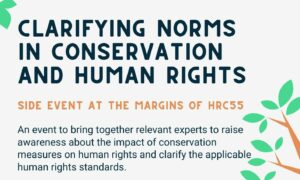
Human Rights, Biodiversity, and the Role of Geneva
Biodiversity and human rights are closely interlinked. Without healthy, functioning ecosystems, which depend on healthy biodiversity, there would be no clean air to breathe, safe water to drink or nutritious food to eat. The loss of biodiversity has severe consequences for human well-being and human rights. This page highlights the role stakeholders from International Geneva as a global hub for environmental governance play in advancing a human rights-based approach in tackling biodiversity loss.
Geneva Rights and Environment Talks
In the face of the three interrelated environmental crises — climate change, loss of biodiversity, and pollution — the recognition of the right to a clean, healthy, and sustainable environment by the UN Human Rights Council and the UN General Assembly is an important milestone that puts environmental issues at the forefront of the human rights agenda.
The UN Special Rapporteur on the right to a clean, healthy and sustainable environment reports to the Human Rights Council during its March session on issues related to their mandate. The Geneva Rights and Environment Talks aim to harness the opportunity of this moment of the year to reflect on the challenges posed by the rapid decline of nature and biodiversity and the intertwined human rights implications. The talks are also an opportunity to discuss how Geneva contributes to bringing together the actors working towards ensuring the right to a clean, healthy, and sustainable environment is upheld for all.

Learning
Introductory Course to the Convention on Biological Diversity (CBD)
Online | InforMEA

Introductory Course to the Ramsar Convention on Wetlands
Online | InforMEA

Communicating the Value of Biodiversity
Online | CBD, UNDP, NBSAP Forum, and Rare
Resources
- In Nairobi an informal dialogue seeks common ground on the functioning of the Subsidiary Body dedicated to Article 8(j) of the CBD | Astrid Schomaker, Executive Secretary, CBD | 14 August 2026
- Parties recognize the world is not on track to achieve biodiversity targets; Nairobi meetings pave the way for pivotal 2026 UN Biodiversity Conference in Yerevan | CBD | 12 August 2026
- Statement by the Executive Secretary of the Convention on Biological Diversity, Astrid Schomaker, at the closing of the seventh meeting of the Subsidiary Body on Implementation | CBD | 12 August 2026
- ICCWC expands coordinated global action against wildlife crime in 2025 | CITES | 4 August 2026
- Progress achieved on crucial scientific and technical issues ahead of COP 17 | CBD | 3 August 2026
- Amid concurrence and disagreement over various issues, SBSTTA28 ends in Nairobi ahead of CBD COP17 in Yerevan | Down to Earth | 2 August 2026
- CITES Plants Committee renews momentum for strengthening conservation and trade regulation for brazilwood, edible orchids, and aromatic plants | CITES | 30 July 2026
- From guidance to action: What will it take to implement Sustainable Wildlife Management under the GBF? | Earthmind | 30 July 2026
- World falling short on 22 of 23 nature targets for 2030, says draft UN report | Carbon Brief | 29 July 2026
- Draft global report on collective progress in the implementation of the Kunming-Montreal Global Biodiversity Framework | CBD | 26 July 2026
- Reptiles, eels, sharks and corals selected for CITES review process for ensuring trade sustainability and species survival | CITES | 22 July 202
- Summary, conclusions and key messages of the global review of collective progress in the implementation of the Kunming-Montreal Global Biodiversity Framework | CBD | 22 July 2026
- Business and Biodiversity Assessment | IPBES | 9 February 2026
- The Benefits of Bats: Celebrating the critical contributions of bats on International Bat Appreciation Day | IUCN | 16 April 2025
- New Global Assessment Reveals Hope for Marine Turtles, Highlights Urgent Need for Continued Action | IUCN | 17 April 2025
- First 1,000 fungi on IUCN Red List reveal growing threats – IUCN Red List | IUCN | 27 March 2025
- Salvation through harmony: Multilateralism revived with CBD COP16 | IUCN | 28 February 2025
- Global biodiversity agreement mobilises $200 billion boost for nature | UN News | 28 February 2025
-
COP16: Key outcomes agreed at the resumed UN biodiversity conference in Rome | CarbonBrief | 28 February 2025
- Critical agreement to improve biodiversity financing at UN conference in Rome – but actual funding remains sparse, says WWF | WWF | 27 February 2025
- GEF CEO statement welcoming CBD COP16.2 decisions | GEF | 27 February 2025
- New IUCN report sets out guidelines for best conserving rhinos in Africa | IUCN | 18 February 2025
- Découverte de deux nouvelles espèces de poissons dans les eaux suisses | Eawag: L’Institut de Recherche de l’Eau du Domaine des EPF | 11 February 2025
- A deep dive into the wins and losses for wildlife and forests at CITES SC78 | EIA | 11 February 2025
- New report for the Ramsar Convention on Wetlands: how we and our wetlands rely on wild animals | UNEP Decade on Restoration | 3 February 2025
- One quarter of freshwater animals at risk of extinction | IUCN | 8 January 2025
- Boosting Biodiversity Action through Agroecology | Global Alliance for the Future of Food, Biovision Foundation, WWF International, Alliance of Bioversity International and the International Center for Tropical Agriculture
- Thematic Assessment Report on the Underlying Causes of Biodiversity Loss and the Determinants of Transformative Change and Options for Achieving the 2050 Vision for Biodiversity | IPBES | December 2024
- Thematic Assessment Report on the Interlinkages among Biodiversity, Water, Food, and Health (Nexus Assessment) | IPBES | December 2024
- Experts urge States to fully integrate human rights at COP16 of the Convention on Biological Diversity | OHCHR | 15 October 2024
- Agriculture and conservation: living nature in a globalised world | IUCN | 9 October 2024
- Report: Guidance and Recommendations For Ambitious Nature Restoration Plans | BirdLife Europe and Central Asia, Client Earth, EEP, WWF European Policy Office | 4 October 2024
- To sustain and restore biodiversity and ecosystem services, we need investment in ecosystem Red List assessments and the data that underpins them | IUCN | 16 February 2024
- Mercury and biodiversity – Opportunities for generating co-benefits from the implementation of the Minamata Convention on Mercury and the Kunming-Montreal Global Biodiversity Framework | Minamata Convention on Mercury | 2024
- Le Bioparc veut créer un refuge pour animaux au Domaine de Penthes | Tribune de Genève | 25 October 2021
- Why nations should step up efforts to secure biodiversity | The Standard | 24 October 2021
- Cities’ answer to sprawl? Go wild | Bloomberg | 22 October 2021
- Swiss people crave more naturally wild areas, survey finds | Swissinfo | 21 October 2021
- Global finance industry sinks $119bn into companies linked to deforestation | Financial Times | 21 October 2021
- ‘Nature is not a commodity’: Can the world learn from indigenous peoples’ food systems, before they are lost? | CNN | 20 October 2021
- How environmental damage can lead to new diseases | The Economist | 19 October 2021
- Nature doesn’t recognise borders but countries can collaborate to save species. The Escazú Agreement shows how | The Conversation | 19 October 2021
- Changes to global fisheries subsidies could level the playing field for traditional coastline communities | Mongabay | 18 October 2021
- Current decade is last chance to prevent total collapse of coral reefs: Status report | IISD SDG Knowledge Hub | 14 October 2021
- World leaders meet to address biodiversity crisis, but U.S. stays on sidelines | Scientific American | 14 October 2021
- Nature loss could be as ‘catastrophic’ as climate change, so how can we prevent it? | Euronews | 14 October 2021
- China: Over 100 nations to adopt ‘Kunming Declaration’ to boost biodiversity | DW | 13 October 2021
- Notorious wildlife market, largest in Peruvian Amazon, back in business after pandemic hiatus | National Geographic | 13 October 2021
- Illegal and unsustainable wildlife trade is affecting all of us – what can we do about it? | Science Daily | 13 October 2021
- COP15: Countries debate new biodiversity plan | DW | 11 October 2021
- How the UN’s Global Biodiversity Framework could become the ‘Paris Agreement for nature’ | WEF | 11 October 2021
- Increasing crop yields will leave more room for wildlife | Sustainability Times | 7 October 2021
- How oil spills harm birds, dolphins, sea lions and other wildlife | CNN | 6 October 2021
- Spotlight on nature and biodiversity | UNEP | 6 August 2021
- Embracing a global goal for nature | WBCSD | 30 April 2021
- UN report: Nature’s dangerous decline ‘unprecedented’; species extinction rates ‘accelerating’’ | UN | 6 May 2019
- Science, Biodiversity and Nature | Swiss Science Guide App
GEN Events


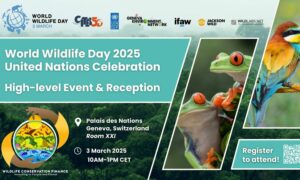
World Wildlife Day 2025 Celebration
3 March 2025

Briefing on the 77th meeting of the CITES Standing Committee
17 October 2023
Ciné Environment House | Chaos in the climate of the Sundarbans
25 January 2023

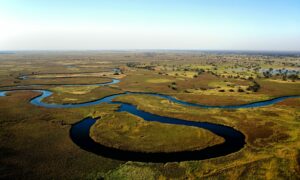
Unpacking the Potential of Wetlands for Addressing Climate Change and Biodiversity Loss
Ramsar COP14 Side Event |8 November 2022

The Triple Planetary Crisis: Breaking Silos
INTECOL 2022 & Alternatiba Festival | 31 August 2022
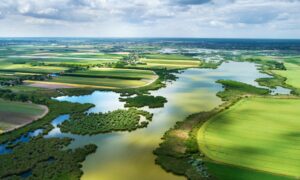
The Value of Nature: Finance for Biodiversity
INTECOL 2022 | 30 August 2022
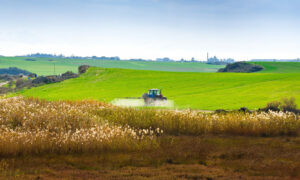
Chemicals, Waste and Biodiversity
CBD Side Event | 27 March 2022

Integrating Human Rights in the Future of Biodiversity Action
CBD Side Event | 22 March 2022
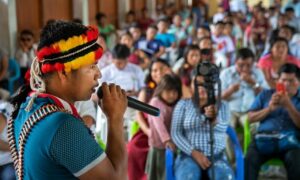
Applying a Human Rights-based Approach in the Post-2020 Global Biodiversity Framework
CBD Side Event | 19 March 2022

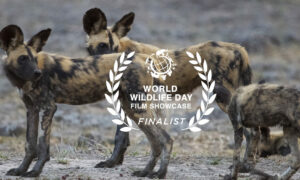
World Wildlife Day Film Showcase: Nature’s Fear Factor
Wednesdays for the Planet | Co-organized with CITES | 2 March 2022
Killing the Shepherd | World Wildlife Day
Wednesdays for the Planet | Co-organized with CITES | 23 February 2022
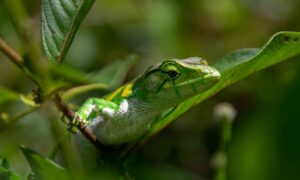
Briefing on the 74th meeting of the CITES Standing Committee
21 February 2022

How to Ensure a Resilient Global Biodiversity Framework to Disaster and Climate Risks?
Co-organized with PEDRR and FEBA | 20 January 2022
How Can We Better Protect and Promote Human Rights in the Post-2020 Global Biodiversity Framework? | High-Level Panel
Co-convened with Forest Peoples Programme, Swedbio, the International Indigenous Forum on Biodiversity (IIFB), the Global Youth Biodiversity Network (GYBN), IUCN, and Women 4 Biodiversity | 8 December 2021
Executive Briefing on the United Nations Biodiversity Conference
2 November 2021

Wednesdays for the Planet | The Song of the Sperm Whale
Film screening | 6 October 2021
Nature-based Solutions and the Post-2020 Biodiversity Framework
Geneva Nature-based Solutions Dialogue | 28 June 2021

Nature-based Solutions and Ecosystems Restoration
Geneva Nature-based Solutions Dialogues | World Environment Day & UN Decade on Restoration | 7 June 2022

Wednesdays for the Planet | Europe Reclaims Biodiversity
World Environment Day | 2 June 2022
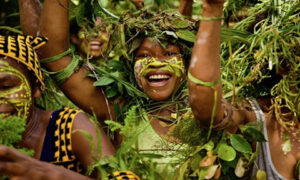
Human Rights Depend on a Healthy Biosphere
HRC46 Side-event | 5 March 2021

UN Biodiversity Conference (CBD COP15)
GENeva Environment Dialogues | 26 May 2020
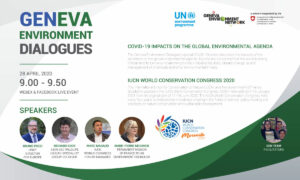
IUCN World Conservation Congress
GENeva Environment Dialogues | 28 April 2020
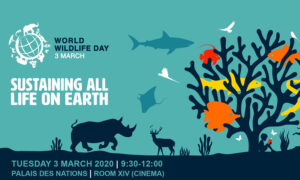
World Wildlife Day | Sustaining All Life on Earth
3 March 2020